Latest News - 01/09/24

What's New @ AstonMartins.com?

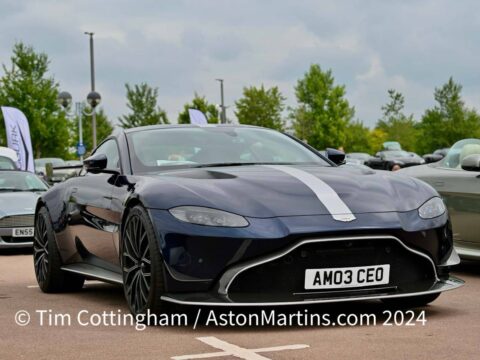
Vantage AM6 CEO by Q

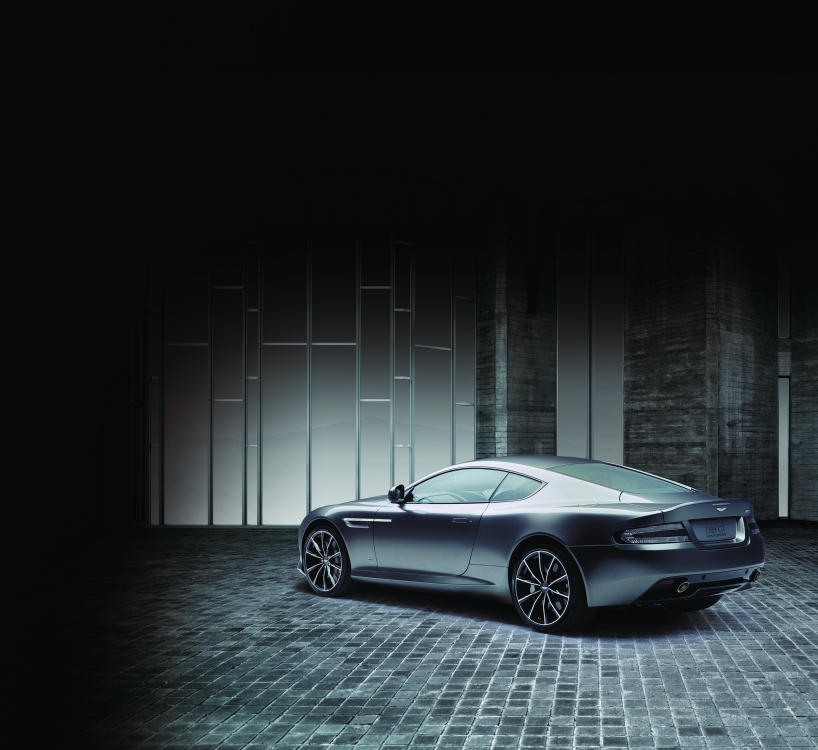
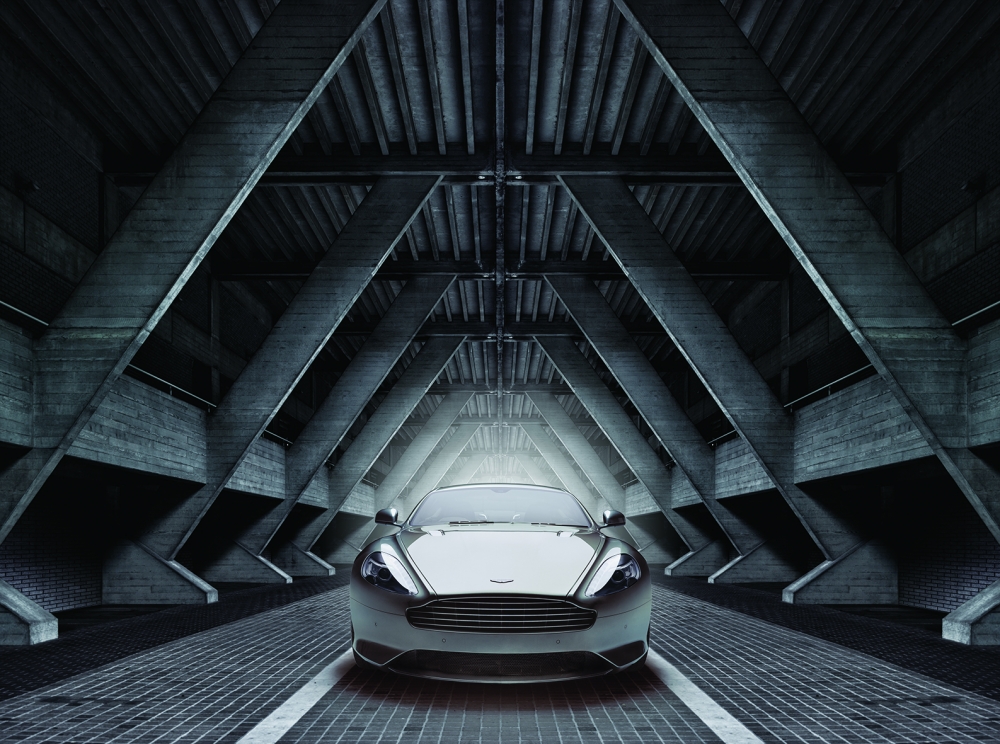
DB9 GT Coupe

DB9 GT Coupe

The all-alloy, quad overhead cam, 48-valve 5,935 cc front mid-mounted V12 is mated to the proven rear mid-mounted Touchtronic II paddle shift six-speed transmission with electronic shift-by-wire control system. It carries the GT  from rest to 62 mph in 4.5 seconds, and on to a top speed of 183 mph. As with other lesser DB9’s the GT will not available with conventional manual transmission.

The independent double wishbone suspension all round continues to deliver secure handling while the three-stage Adaptive Damping System (ADS) offers distinct  Normal, Sport and Track modes for the broadest possible breadth of dynamic characteristics.

However power is only part of the story, as the new Aston Martin also includes important and far-reaching equipment changes which underline its position as the most desirable DB9 ever.

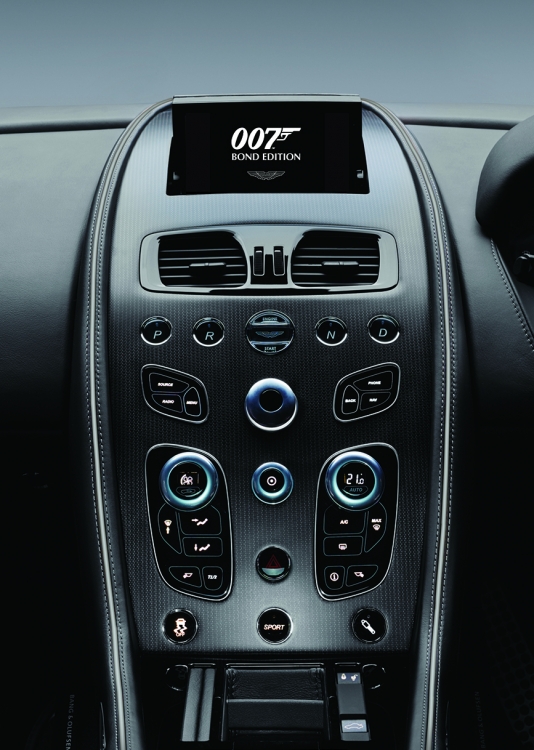
Most notable among the interior equipment updates is the arrival of the AMi II touch-sensitive Aston Martin infotainment system. While AMi debuted on the range-topping Vanquish at its launch, AMi II offers a revised menu structure which makes using the system even more user-friendly.

Building on the system launched in the Vanquish, the DB9 GT’s AMi II infotainment system  sees key improvements made in a number of areas including a text message readout function, real-time power and torque readings and extended background themes for greater personalisation. Offering AM, FM, DAB and SDAR reception (US only), USB ports, Bluetooth audio streaming the system delivers superb connectivity and entertainment simply and easily.

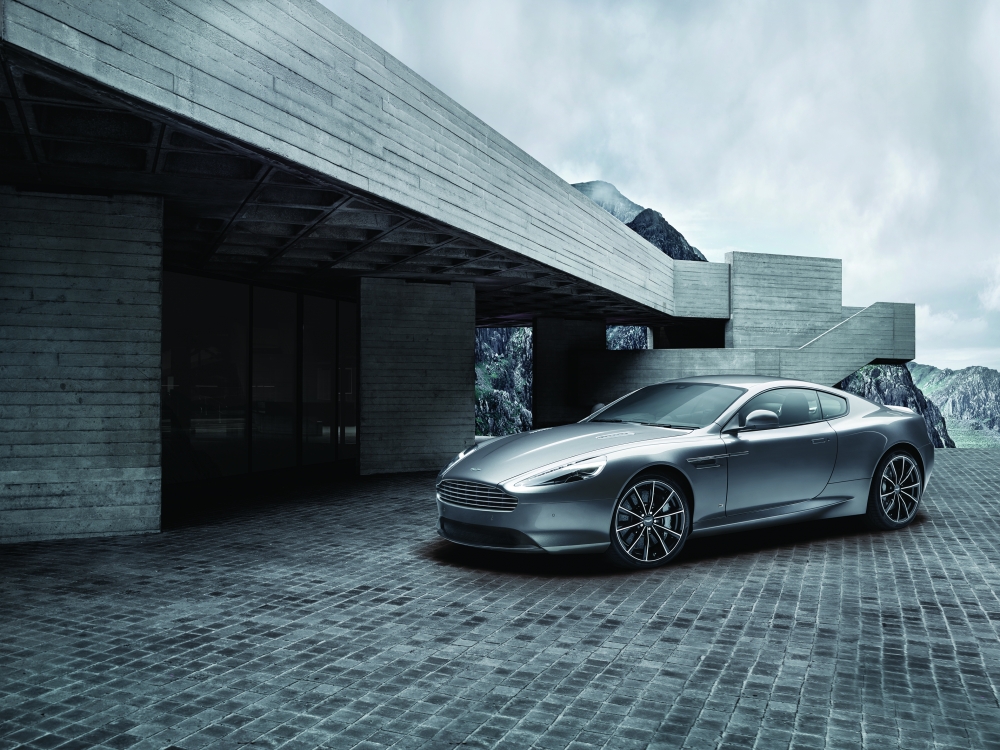
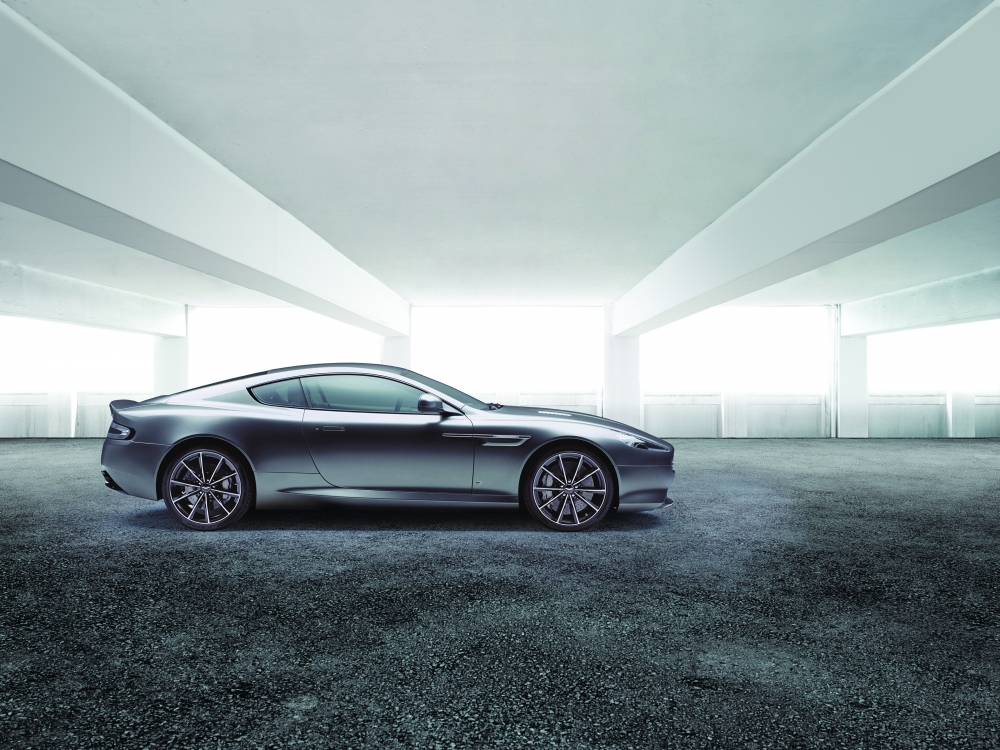
Aside from the subtle GT badges, this new DB9 is identified by black painted splitter and diffuser, revised headlight and tail light treatments and new ten-spoke 20-inch alloy wheels. Black anodised brake calipers and a GT engraving on the aluminium fuel filler cap further distinguish the new model.

Options, for those who wish to further personalise their car, include carbon fibre tail lamp inserts, side strakes, front splitter and rear diffuser; graphite, diamond-turned ten-spoke alloy wheels and alternative brake caliper colours.

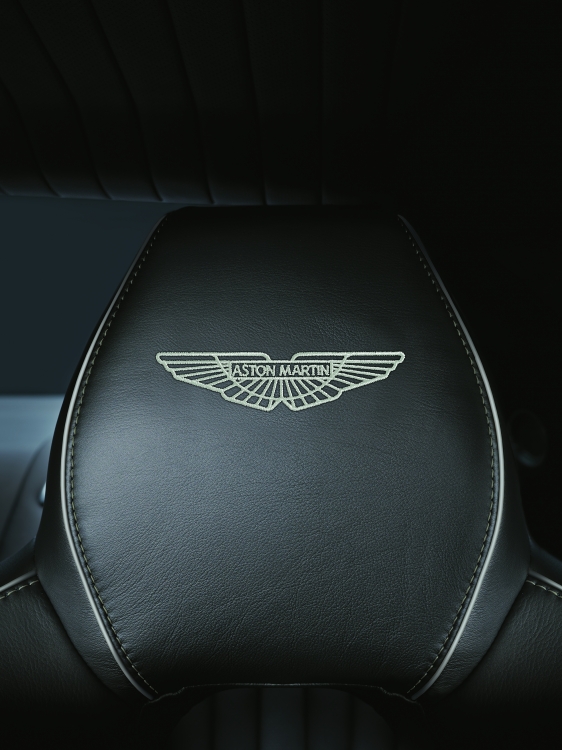
Inside, the 2+2 seating configuration remains as standard, however the seats now boast ‘GT’ embroidery on the unique fluted leather. An iridium trim pack and Alcantara-wrapped steering wheel (Coupe only) further distinguish the new car.

A broad array of options inside the DB9 GT include various centre console finishes such as Ice Mocha and Copper Cuprum, while other interior options include Duotone leather seats, door inserts and head linings; and a One-77-inspired steering wheel design.

Whilst the DB7 GT was launched back in 2002 but only with coupe coachwork, the new DB9 GT was also available with Volante coachwork too. Almost all of the original batch of GT’s were built as the special edition Bond Edition.

The DB9 GT was available to order for all markets, priced in the UK from £140,000 from the autumn of 2015, but the Summer of 2016, the final DB9’s were built and the model was discontinued and replaced by the DB11.
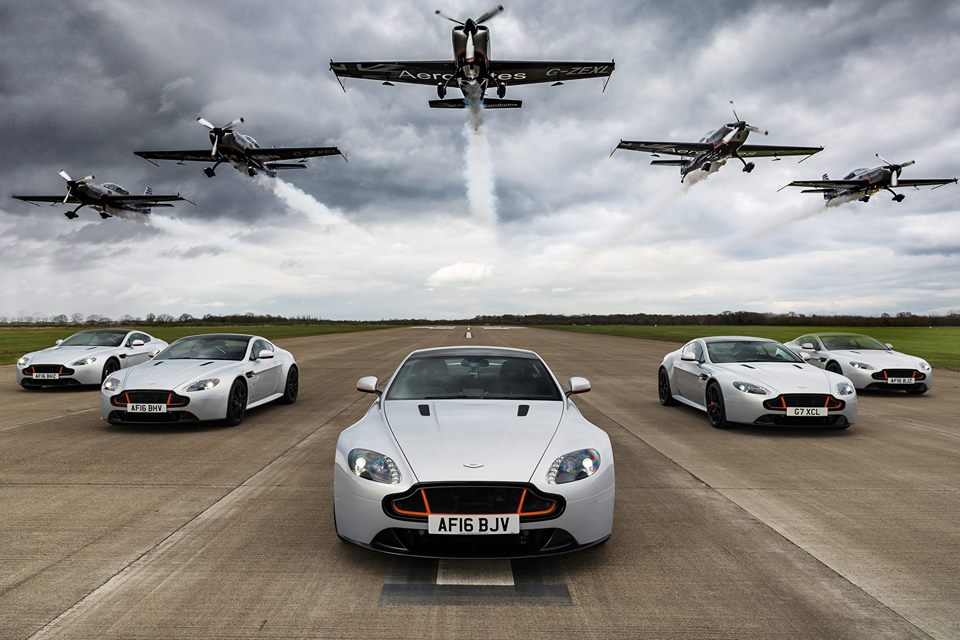
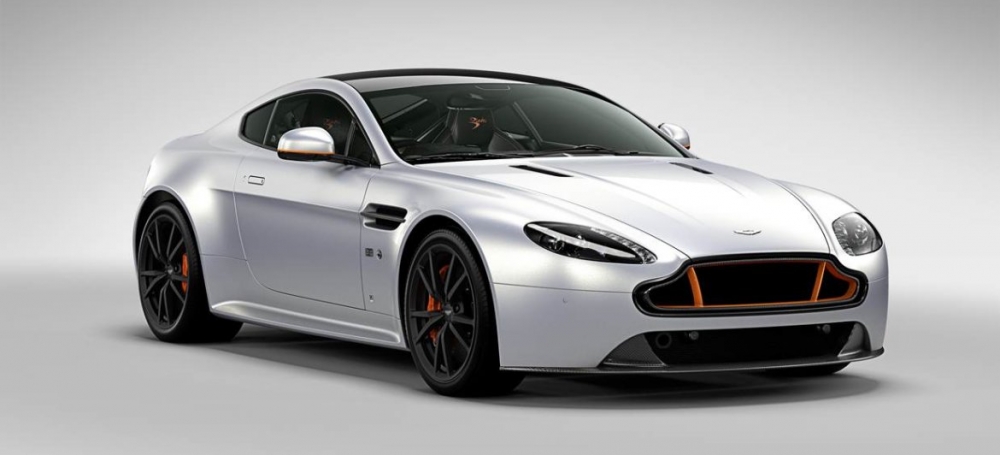
V8 Vantage S Blades Edition

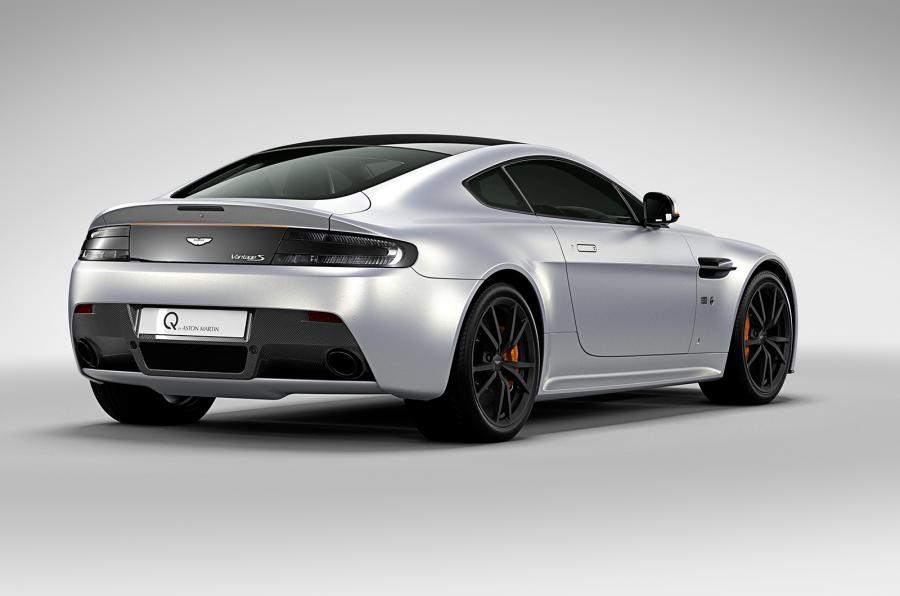
Based on the 2016.5MY Aston Martin V8 Vantage S Coupe, each car features Lightning Silver coachwork with Gulf Orange highlights. On the exterior, the car features Jet Black painted rear lamp infills, roof panel and rear decklid dropdown contrasted with Gulf Orange brake calipers and a carbon fibre front grille from the V12 Vantage S. Satin Black painted forged 10 spoke lightweight wheels with satin carbon fibre wheel centre caps complete the look.

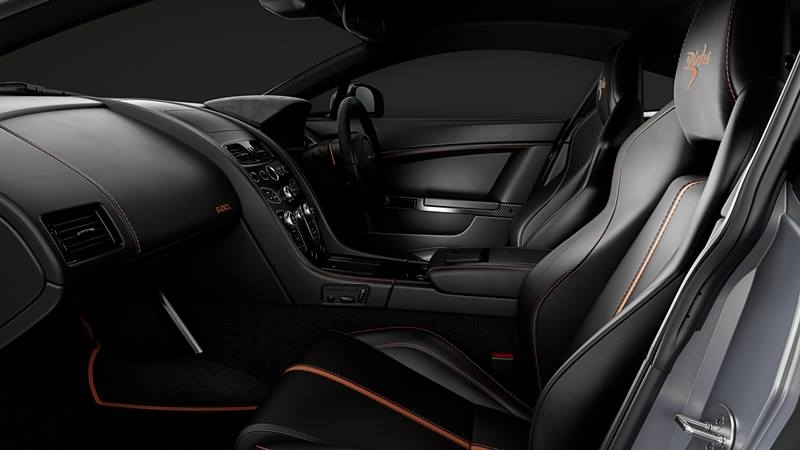
Internally, The Blades styling is reflected with Jaffa Orange leather detailing in the carpet, shift paddles and seats.

Acknowledging the link between Aston Martin Cambridge and The Blades, the car features propeller detail etching in the centre AMi Toggle; ‘The Blades’ logo embroidered on the front seat headrests; the passenger airbag embroidered with its unique aircraft identification code; a matching car cover made from parachute silk; and a leather photo album documenting the car from concept through to creation. 

On the day of collection during April 2016, the new owners received VIP treatment by Aston Martin Cambridge and The Blades at Sywell Aerodrome. This included a driving experience in their new car with an Aston Martin professional driver, an aerobatic flight experience with The Blades, and a helicopter hovering lesson, before finishing the day with a world-class performance from the world’s only aerobatic airline.

Each of the five limited edition models were priced at £119,950 on the road with each owner also specifying the optional seven-speed Sportshift II paddle shift transmission for an additional £5,000.

All photographs are copyright Aston Martin Cambridge 

V8 Vantage S Blades Edition

Aston Martin V8 Vantage S Blades Edition, copyright Aston Martin Cambridge

Detailed Specification of the V8 Vantage Blades Edition

  • 2016MY V8 Vantage S coupe with Sportshift II gearbox
  • Lightning Silver Exterior
  • Obsidian Black Leather Interior
  • Carbon Fibre Side Strakes
  • Black meshes, headlamp bezels and tailpipe finisher
  • Front Parking Sensors
  • Glass Switches
  • Reversing Camera
  • 600W Premium Audio System
  • Cruise Control
  • Auto Dipping Interior Rear View Mirror
  • Second Glass Key
  • Heated Front Seats
  • Memory Seats
  • Umbrella

Special Q by Aston Martin features

  • Jet Black painted rear decklid dropdown with graphic pinstripe in Gulf Orange
  • Jet Black painted rear lamp infills, lipstick and roof panel
  • V12 Vantage S Carbon Fibre front grille painted in Gulf Orange
  • All Satin Black painted forged 10 spoke lightweight wheels with Satin carbon fibre wheel centre caps
  • Brake calipers painted in Gulf Orange
  • Monochrome Union Jack wing badge
  • Body colour painted wing mirror caps with Gulf Orange pinstripe
  • California Poppy stitching with Jaffa Orange welts inside the car to match Gulf Orange exterior detailing
  • Jaffa Orange leather shift paddles
  • Jaffa Orange leather carpet binding
  • N430 DIM and N430 Instrument Binnacle Hood & Steering Column Cowl upper/lower in Pure Black Alcantara
  • Jaffa Orange leather centre stripe in seats
  • Centre AMi toggle laser etched with propeller detail
  • ‘The Blades’ logo embroidered on front seat headrests in California Poppy thread
  • Union Jack embossed onto centre armrest
  • Passenger airbag embroidered with unique aircraft identifier i.e. G-ZXEL etc
  • Etching on near side top of both Carbon Fibre Front Splitter and Carbon Fibre Side Strake with relevant aircraft identifier
  • ‘Q by Aston Martin’ Enamel infill badges
  • Matching car cover with monochrome Union Jack on roof and The Blades logo on side to be made from parachute silk
  • Jaffa Orange/Obsidian Black Leather ECU Pouch, Handbook and Photo Album

Following on from the success of the Blades Edition, Aston Martin Cambridge commissioned another 8 cars from ‘Q by Aston Martin’ to create the V12 Vantage S Spitfire 80 Edition, especially to commemorate the first flight of the Supermarine Spitfire.

For more information, please goto Aston Martin Cambridge, the only supplier of the Blades Edition V8 Vantage.

DB9 GT Volante

DB9 GT Volante

Project Car DP212

Project Car DP212

DP 212, the first of the Project cars, pictured here in the AMOC marquee at Coys Festival 1995, featured an aerodynamic body on a lightweight DB4GT platform. The engine was a Weber equipped DB4GT unit stretched to the 4 litre limit of the Le Mans regulations.

The pictures here, taken at Coys Festival, 1999, show clearly the Kamm tail, a later modification, which was later seen on the production DB6.

V8 Vantage GTS

V8 Vantage GTS

The GTS was fitted with the 4.7-liter V8 in ‘S’ spec with either the  conventional six-speed manual or 7-speed single-clutch automated Sportshift II transmission. It was also offered in two slightly different versions, known as ‘Sport’ or ‘Lux’. 

The ‘Sport’ came with exterior carbon fibre features as well as the sport suspension which was normally optional on the regular car. Inside, the Sport came trimmed with either black or grey leather with either alcantara or leather detailing. The centre console had a full length carbon fibre finish and the rotary controls were black.

The Lux version lacks the sport suspension option and adds in some gloss black exterior elements such as the front splitter and rear diffuser, headlamp surrounds, bonnet vent strakes, and window surrounds. The grille has a bright finish which is not as often seen on later examples of the  V8 Vantage. The seats were full leather, chosen from a wide standard selection. The rotary controls were finished in satin chrome finish with piano black centre console. 

The GTS came with the latest AMi III infotainment and navigation system, also used on the contemporary  Rapide S and Vanquish  models.

Only 100 examples of the GTS were to be built, in both coupe and Roadster forms; the starting price of the GTS was in the region of $137,820 but could be pushed higher depending on additional options. 

DB9 GT Volante ‘Bond’ Edition

Specification for the DB9 GT Volante James Bond edition  is as follows

  • Two-door Volante  with 2+2 seating
  • Spectre Silver coachwork
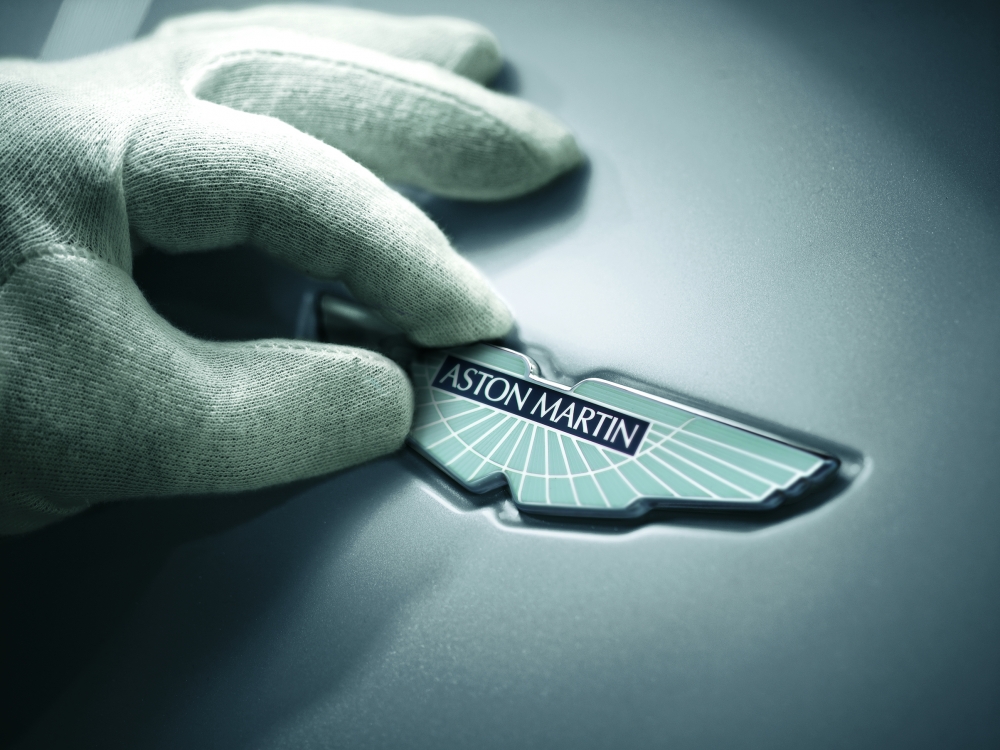
  • Solid Sterling silver wings badges with black enamel infill
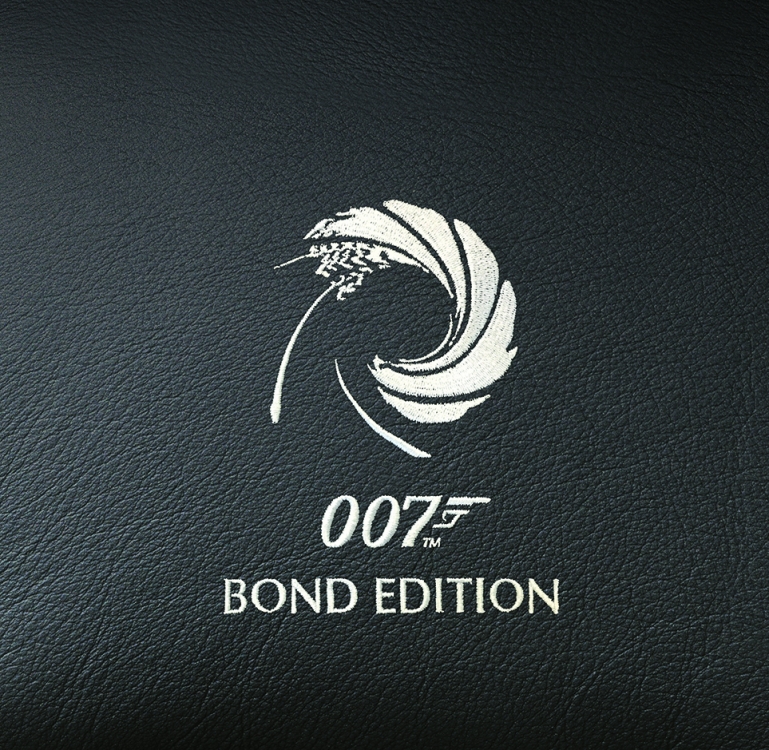
  • Discreet ‘007 Bond Edition’ Sterling Silver exterior badging
  • Black window surrounds
  • Bright aluminium bonnet vents, side strakes and grille
  • Carbon fibre front splitter and rear diffuser
  • Grey brake calipers
  • Unique ten-spoke gloss black diamond turned 20-inch alloy wheel
  • Black exterior hood and Obsidian Black Rokona headlining for the Volante.
  • Obsidian Black fluted leather sports seats with Galena Silver stitch and Argento Grey welt
  • Alcantara-wrapped steering wheel
  • Satin carbon fibre centre console surround, carbon fibre facias
  • Gun barrel embroidery on the 2+2’s rear seat divider
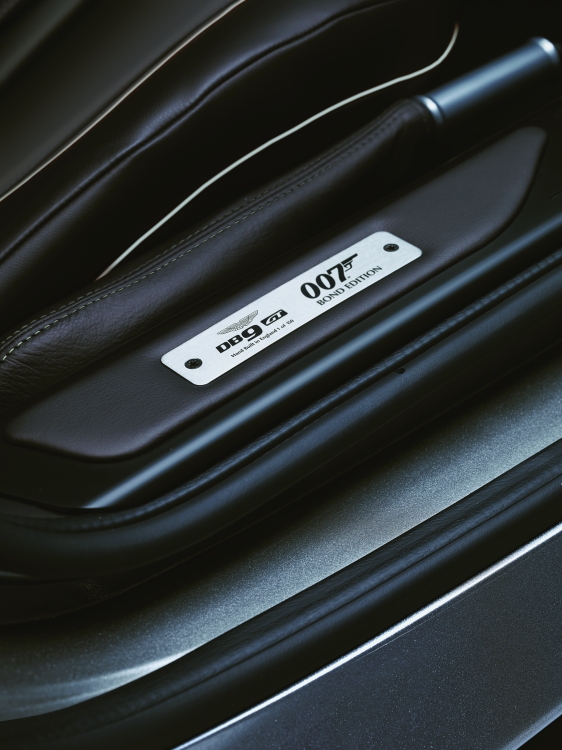
  • Special unique numbered sill plaques featuring the familiar 007 logo
  • Special Bond Edition start-up screen on the AMi II touch-sensitive infotainment system
  • Bang & Olufsen Beosound Audio
  • Bond-themed accessories – 21” Globe-Trotter trolley case with an embossed leather luggage tag – Omega Seamaster Aqua Terra 150m James Bond Limited Edition watch complete with a unique Aston Martin strap
DB9 GT Coupe ‘Bond’ Edition

Specification for the DB9 GT Coupe James Bond edition  is as follows

  • Two-door coupe or Volante (USA only) with 2+2 seating
  • Spectre Silver coachwork
  • Solid Sterling silver wings badges with black enamel infill
  • Discreet ‘007 Bond Edition’ Sterling Silver exterior badging
  • Black window surrounds
  • Bright aluminium bonnet vents, side strakes and grille
  • Carbon fibre front splitter and rear diffuser
  • Grey brake calipers
  • Unique ten-spoke gloss black diamond turned 20-inch alloy wheel
  • Obsidian Black Rokona headlining.
  • Obsidian Black fluted leather sports seats with Galena Silver stitch and Argento Grey welt
  • Alcantara-wrapped steering wheel
  • Satin carbon fibre centre console surround, carbon fibre facias
  • Gun barrel embroidery on the 2+2’s rear seat divider
  • Special unique numbered sill plaques featuring the familiar 007 logo
  • Special Bond Edition start-up screen on the AMi II touch-sensitive infotainment system
  • Bang & Olufsen Beosound Audio
  • Bond-themed accessories – 21” Globe-Trotter trolley case with an embossed leather luggage tag – Omega Seamaster Aqua Terra 150m James Bond Limited Edition watch complete with a unique Aston Martin strap

The car is the very first example of an Aston Martin that has been ‘James Bond 007’ branded for general sale with all 141 examples quickly snapped up by collectors and enthusiasts alike. The last nine cars were built as Volante

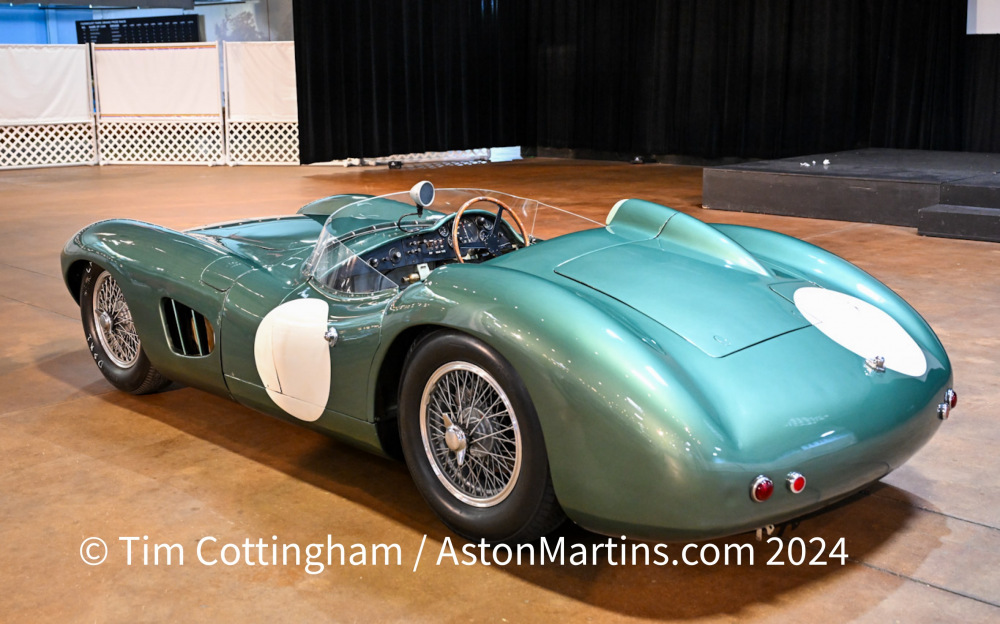
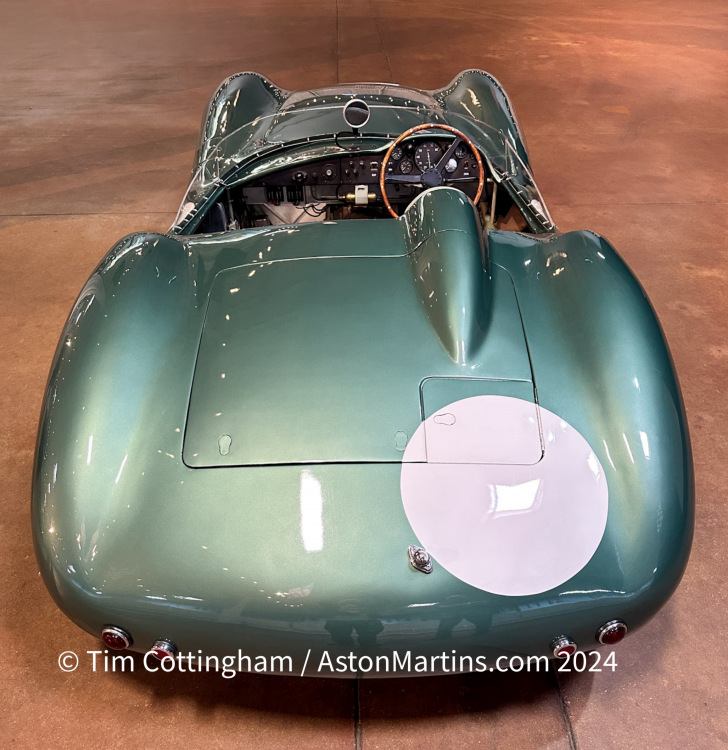
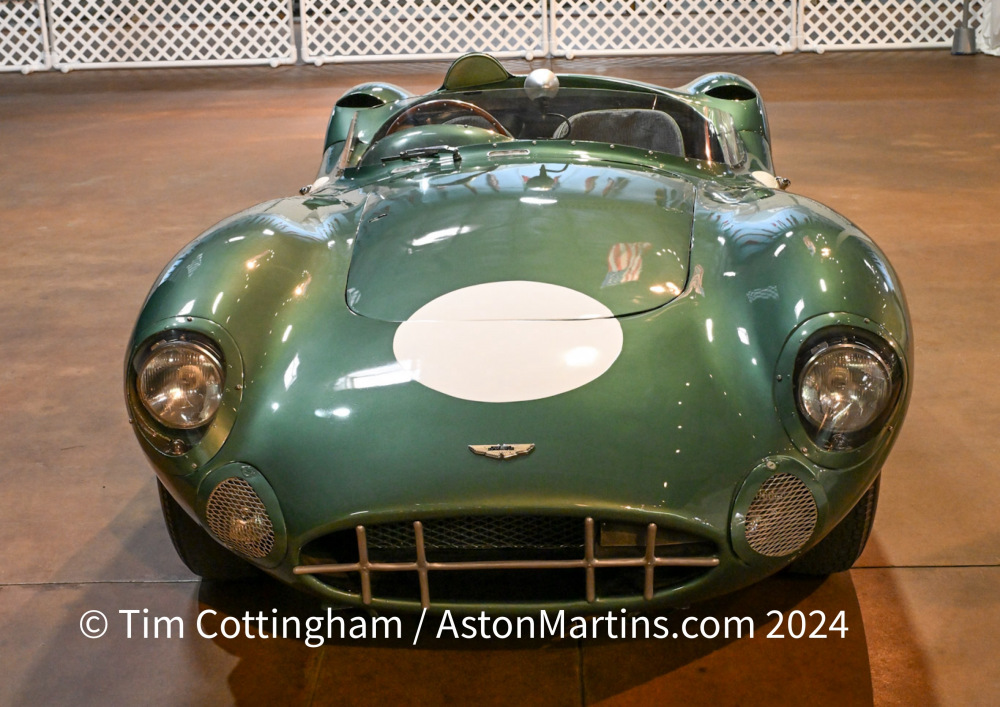
DBR1

DBR1

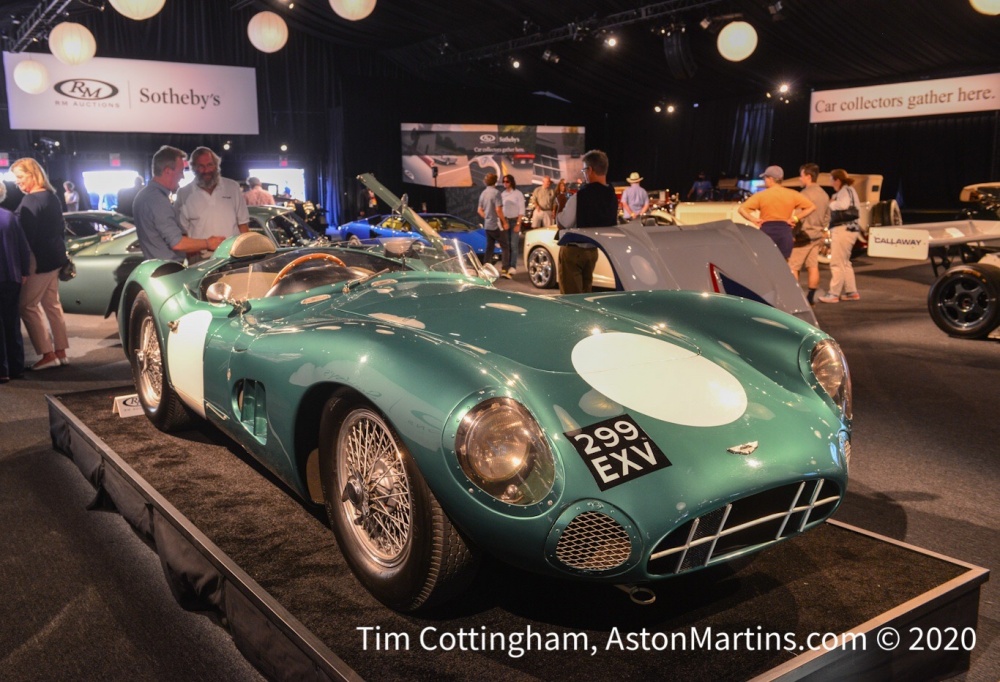
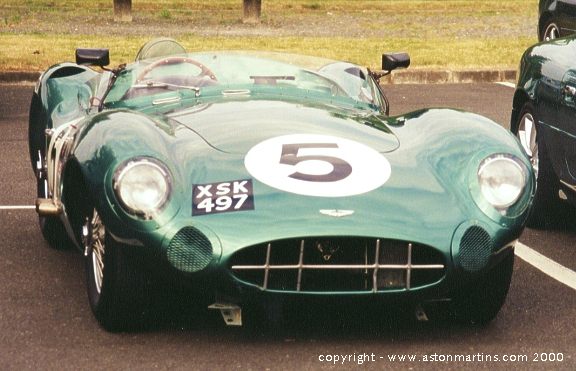
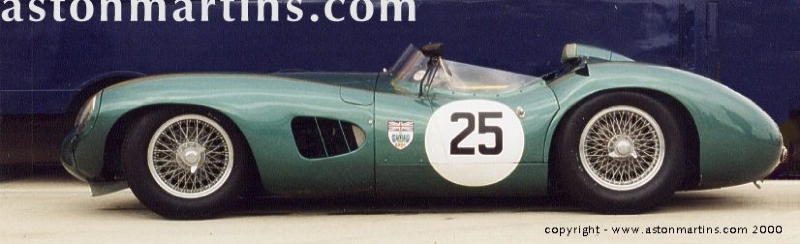
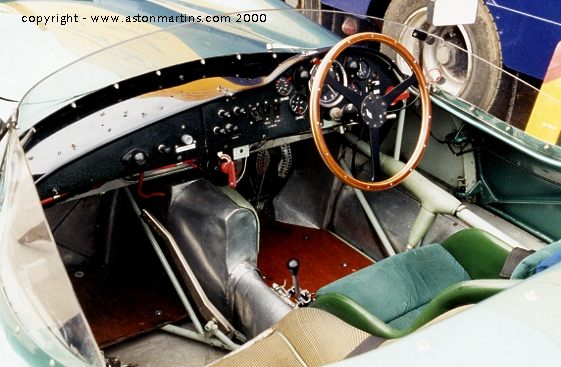
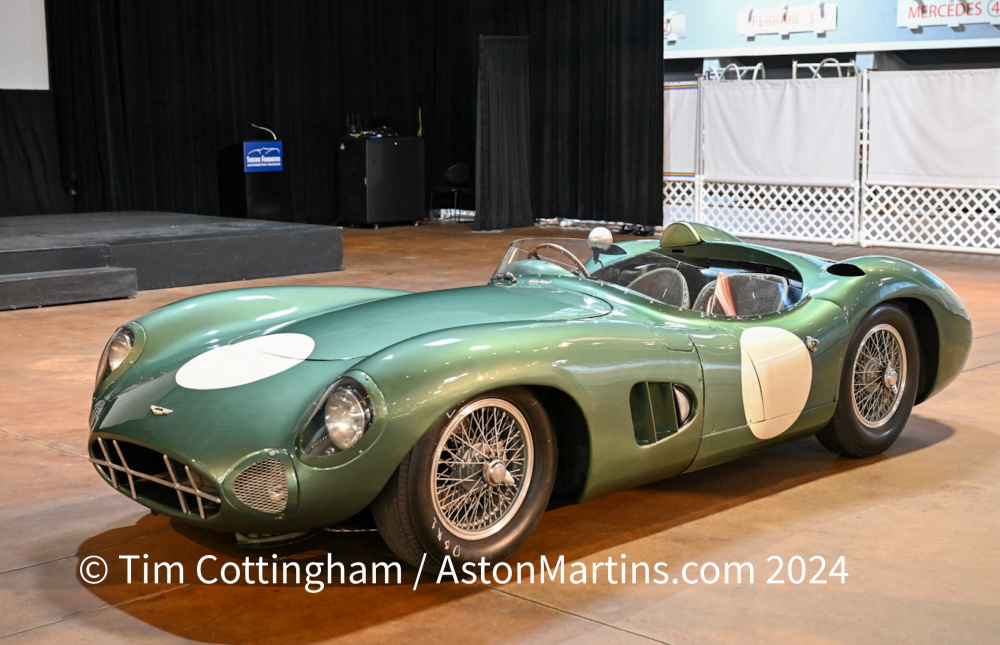
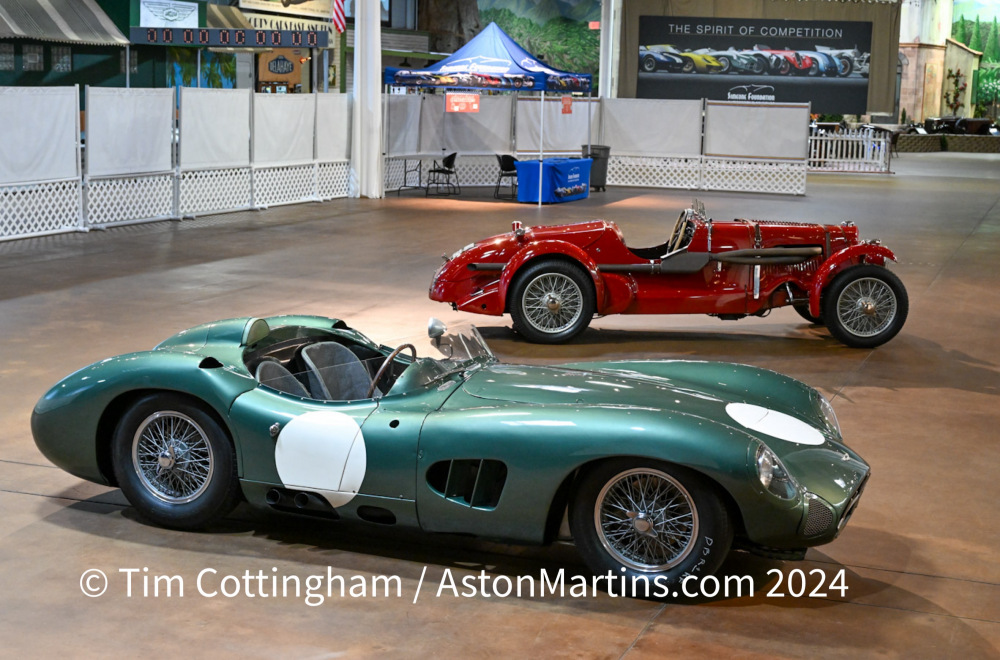
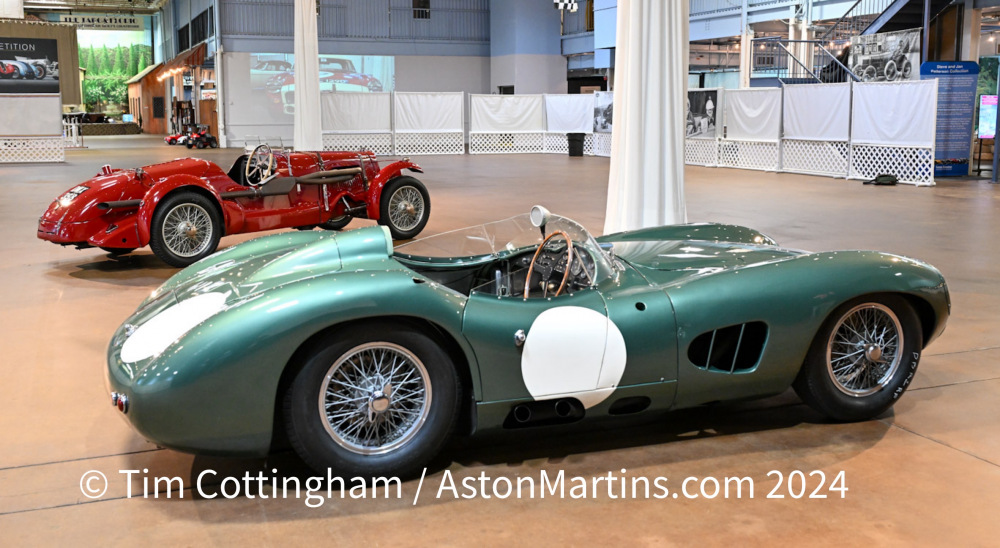
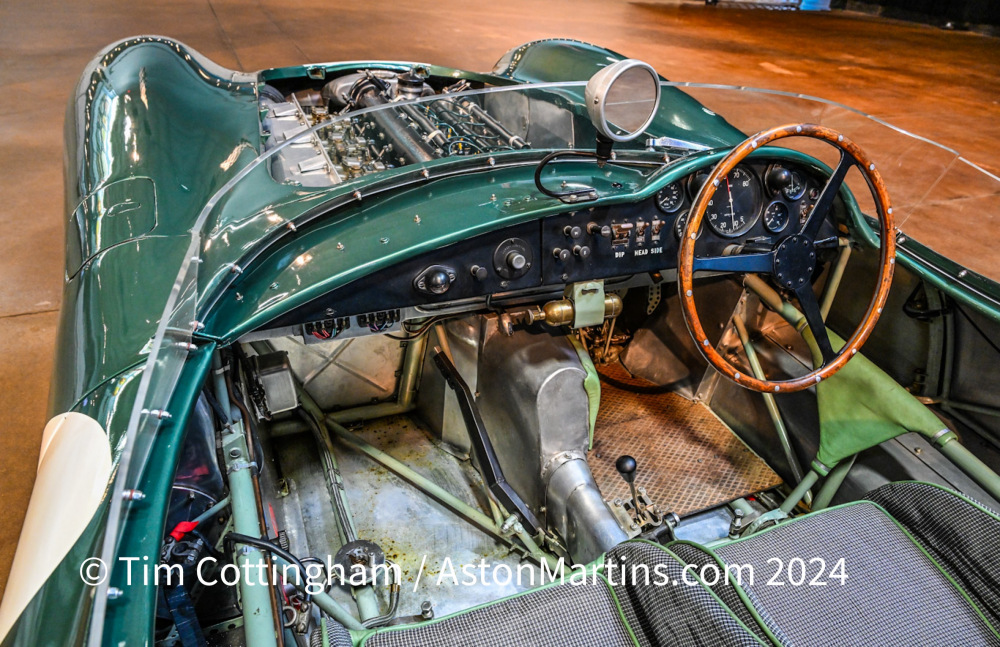
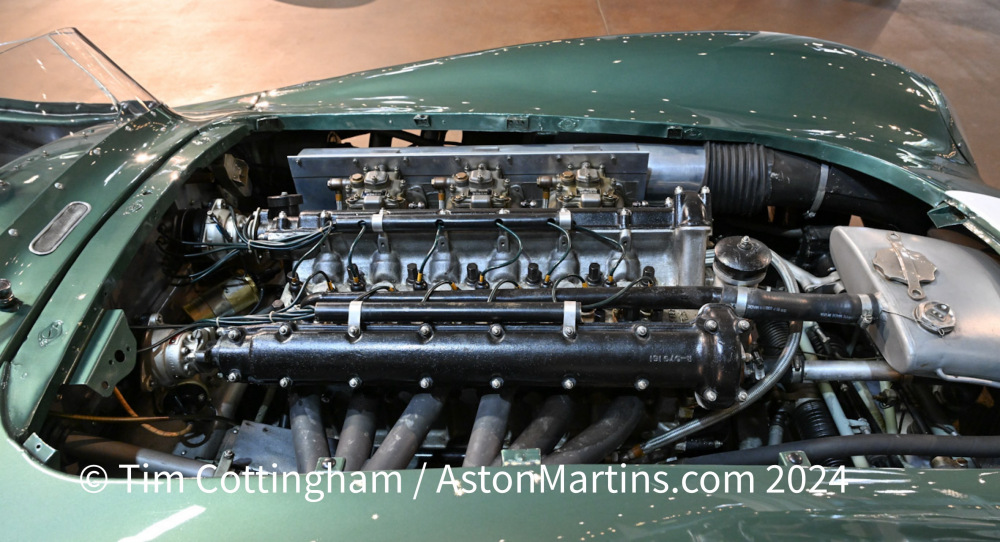
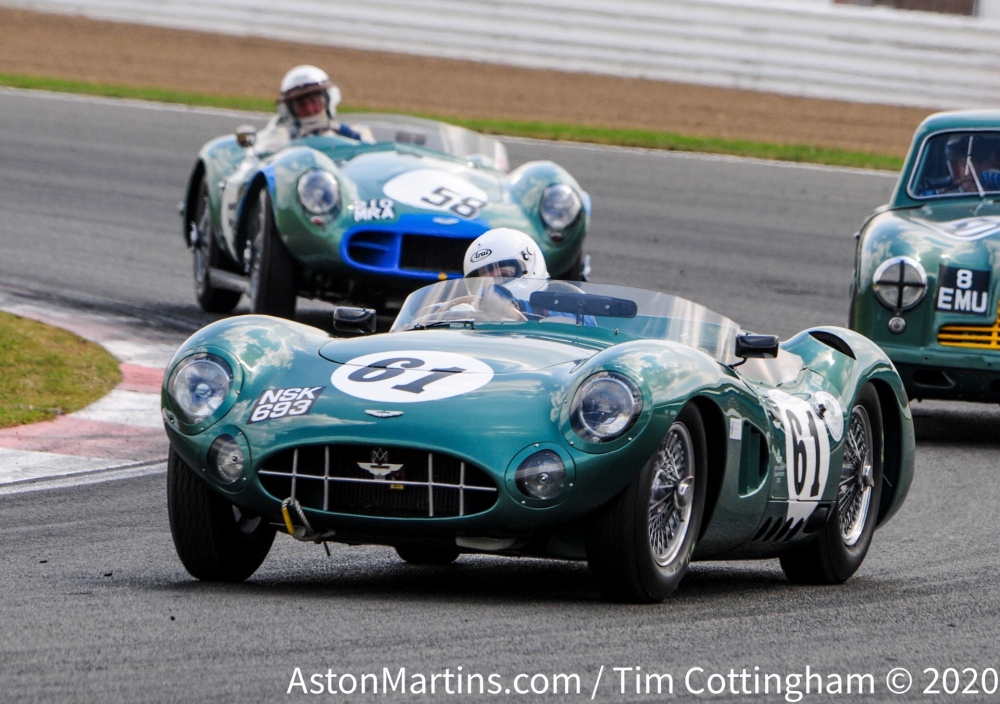
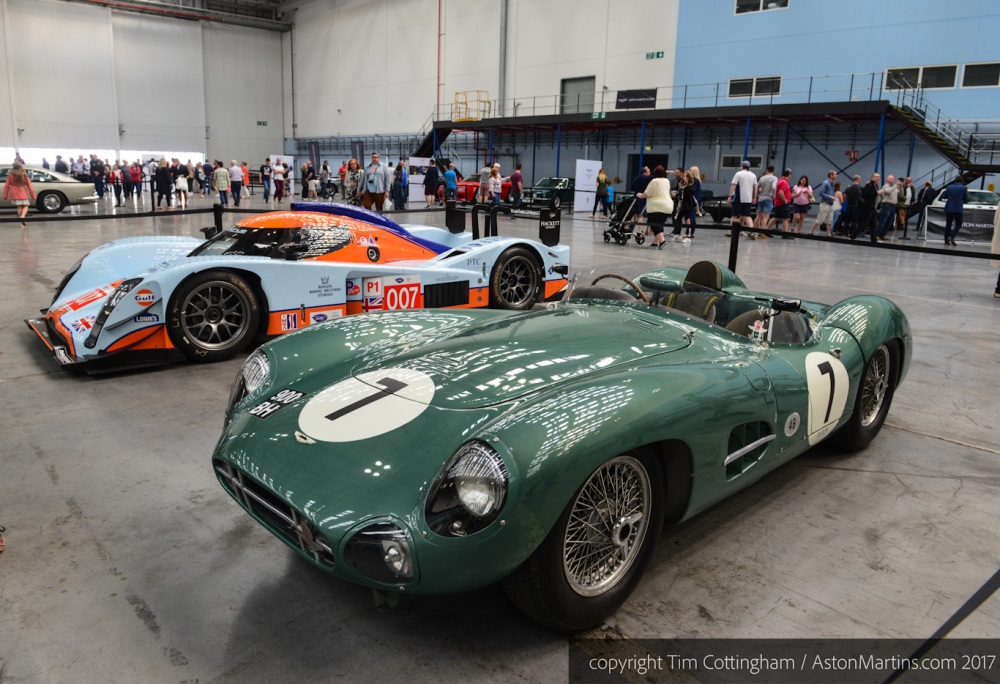
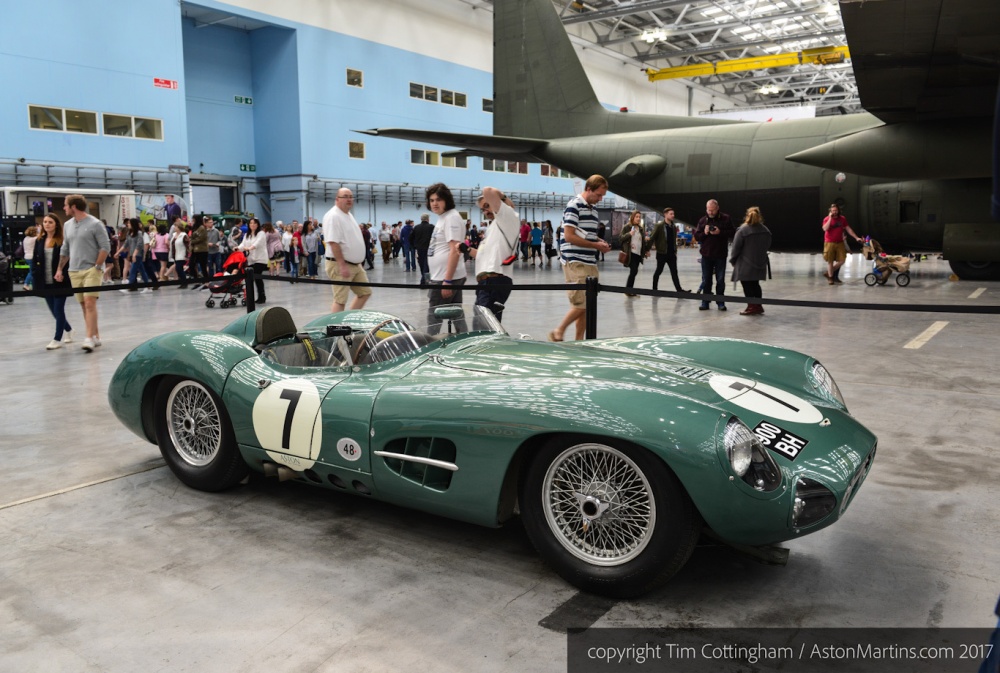
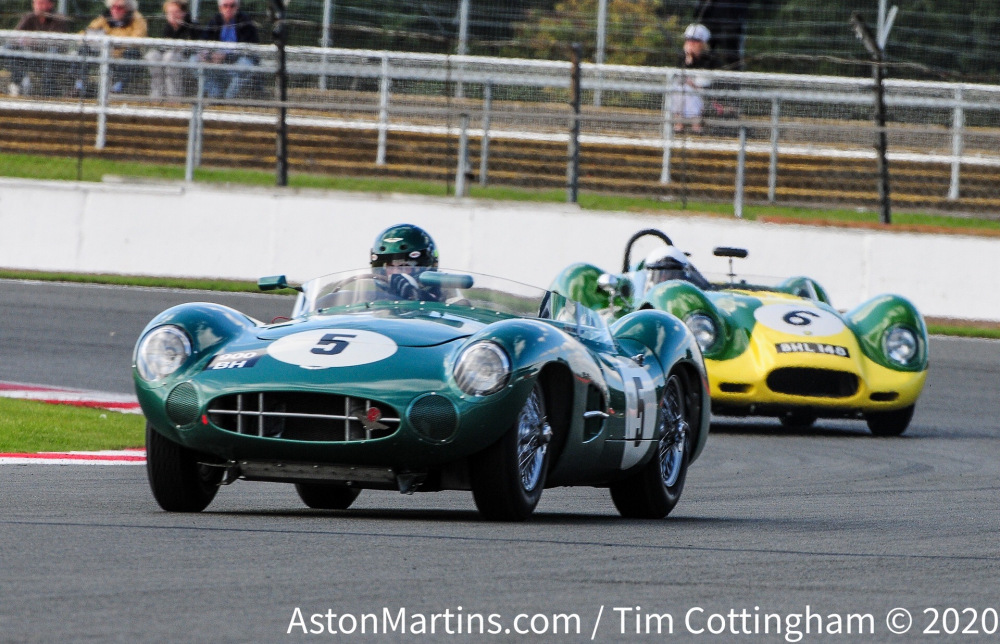
Although the car was first raced (unsuccessfully) at Le Mans in 1956 retiring during the 21st hour, success followed during the next three years. Many famous victories were secured by works DBR1’s at the Spa Sportscar Race (1957, Tony Brooks), Goodwood Tourist Trophy (1958, Stirling Moss, Tony Brookes, 1959, Stirling Moss, Carrol Shelby, Jack Fairman) and the 1000 Km at the Nurburgring (1959, Stirling Moss and Jack Fairman), although non so famous as the 1st and 2nd place at Le Mans in 1959. Aston Martin went on to win the 1959 World Sportscar Championship with the DBR1.

DBR1/1

DBR1/2

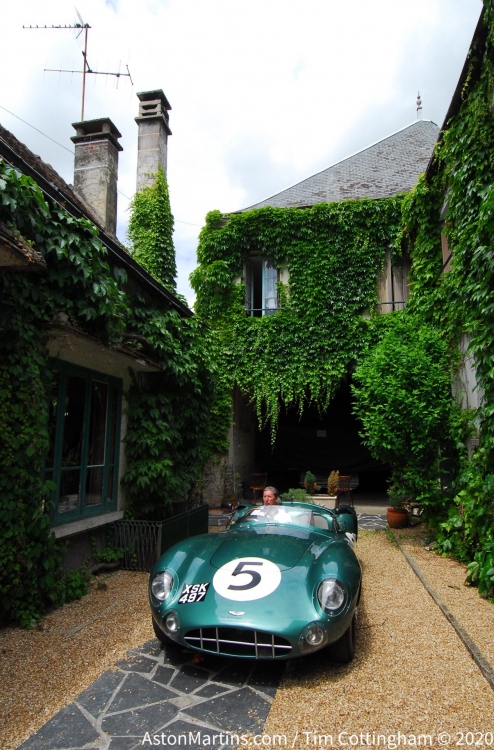
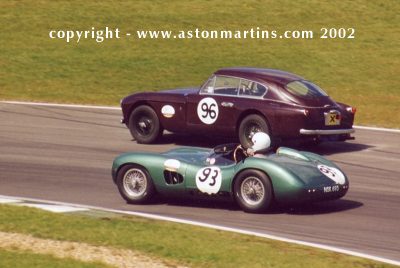
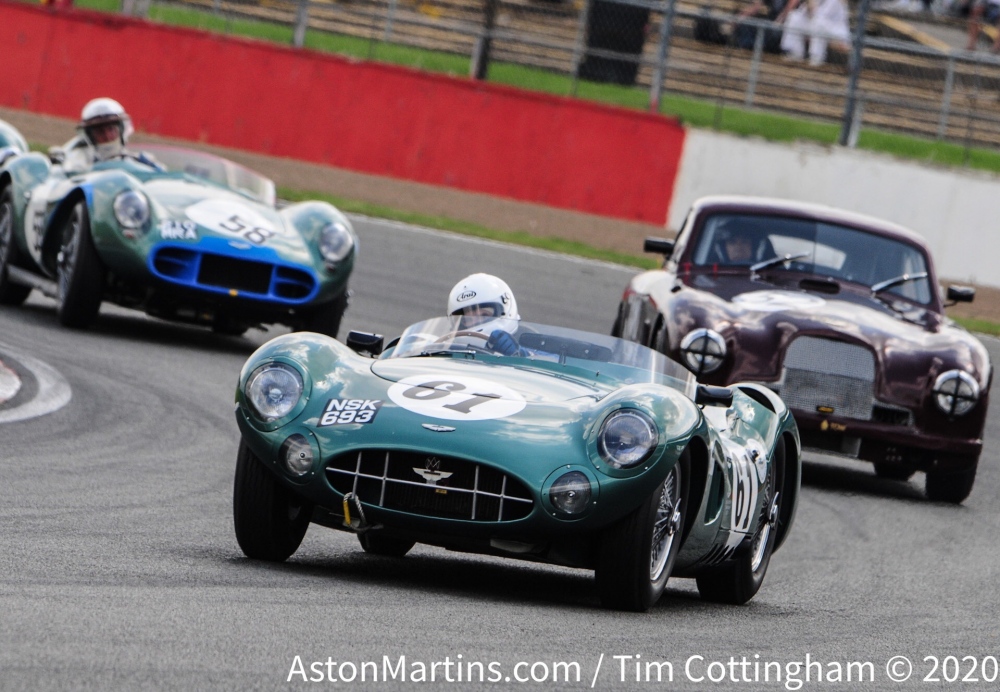
The car pictured here, both above (main shot) and below is the second of the four works cars (DBR1/2) and when driven by Roy Salvadori and Carrol Shelby was the actual Le Mans winning car. I photographed it during the Brands Hatch AMOC meeting in 2002, the British Empire Trophy Meeting at Silverstone , May 1999 and at Le Mans for the 40th anniversary celebrations of the 1959 win. It is probably the most precious Aston Martin ever made and yet it is a frequent and welcome sight at classic race meetings.

DBR1/3

DBR1/4

Below is DBR1/4, second only to DBR1/2 in the 1959 Le Mans race, driven by Paul Frere and Maurice Trintignant. The car was initially built as DBR3/1 in 1958 but was converted to DBR1 specification after a single race outing.

DBR1/5

In all, four team cars were built plus one single private example (DBR1/5) constructed for the 1959 season for the use of Graham Whitehead.

Later Aston Martins that have been strongly influenced by the DBR1 have been the V8 Vantage Le Mans and the CC100 Speedster Concept.

Vantage GT8

Vantage GT8

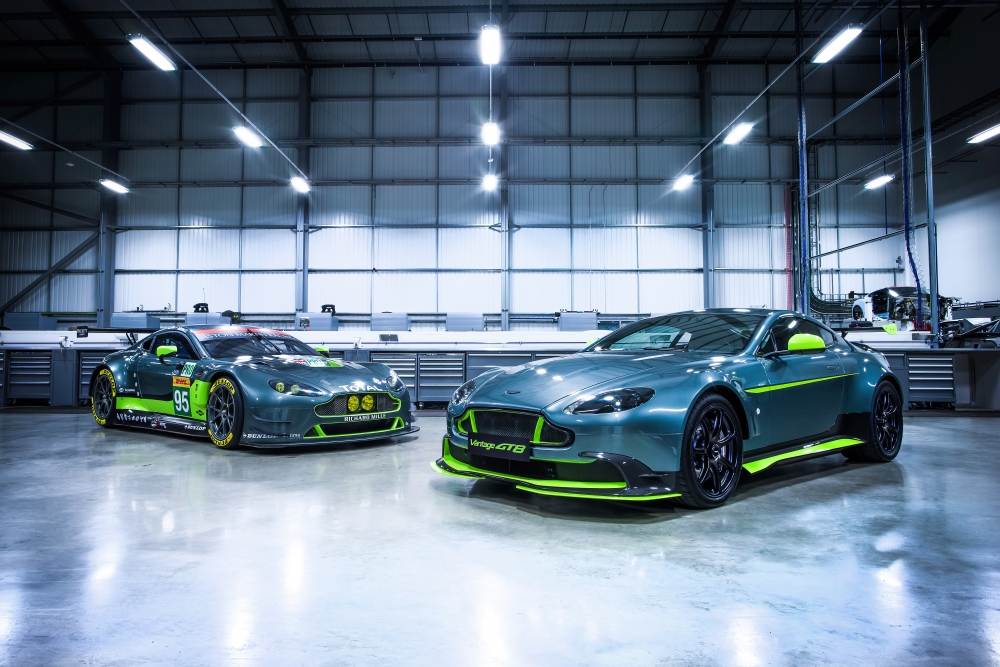
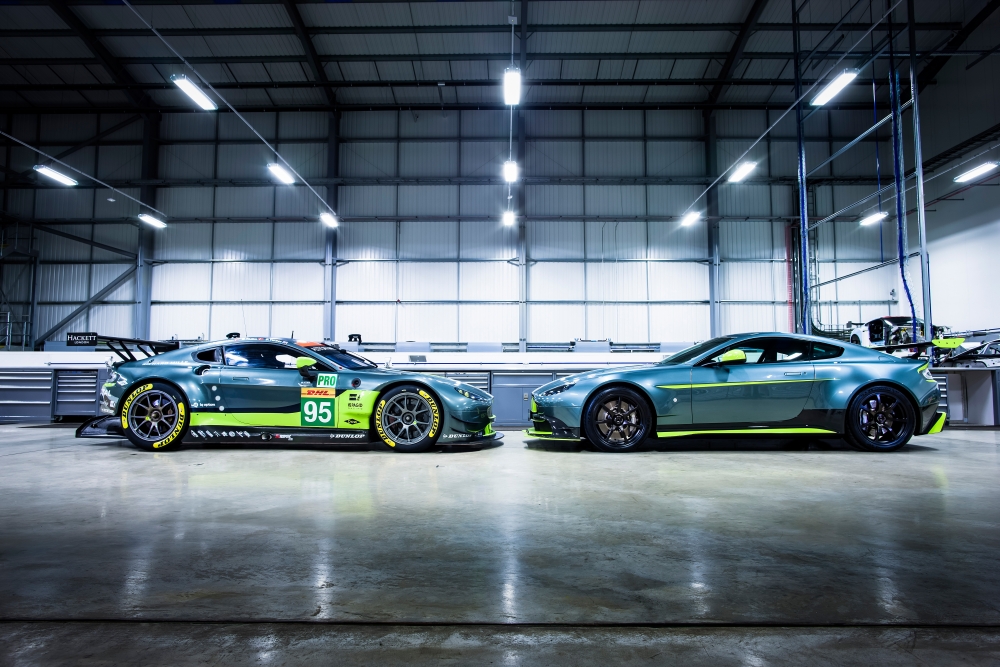
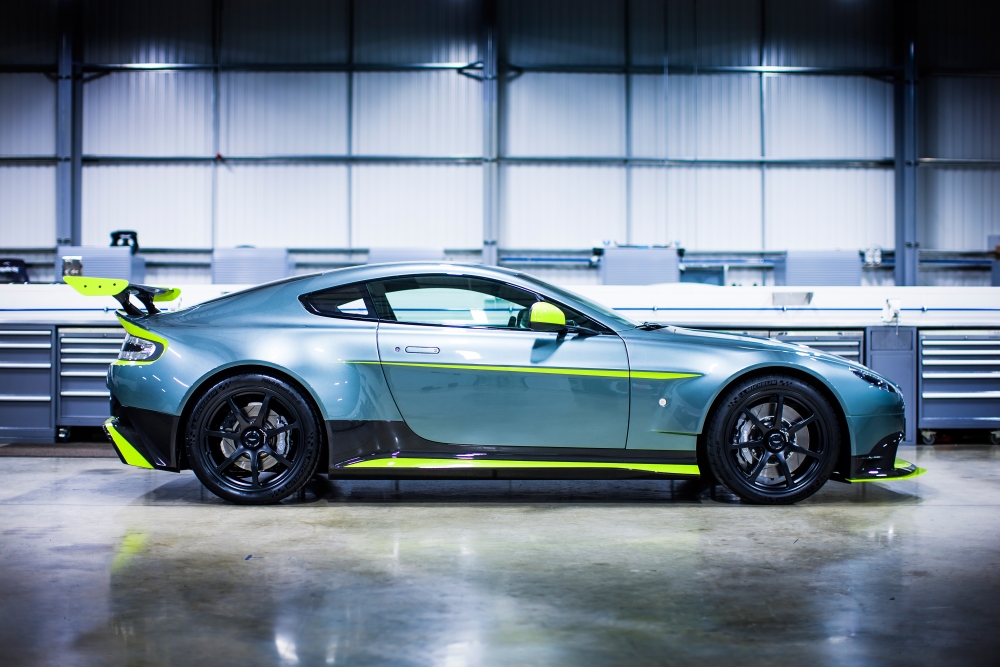
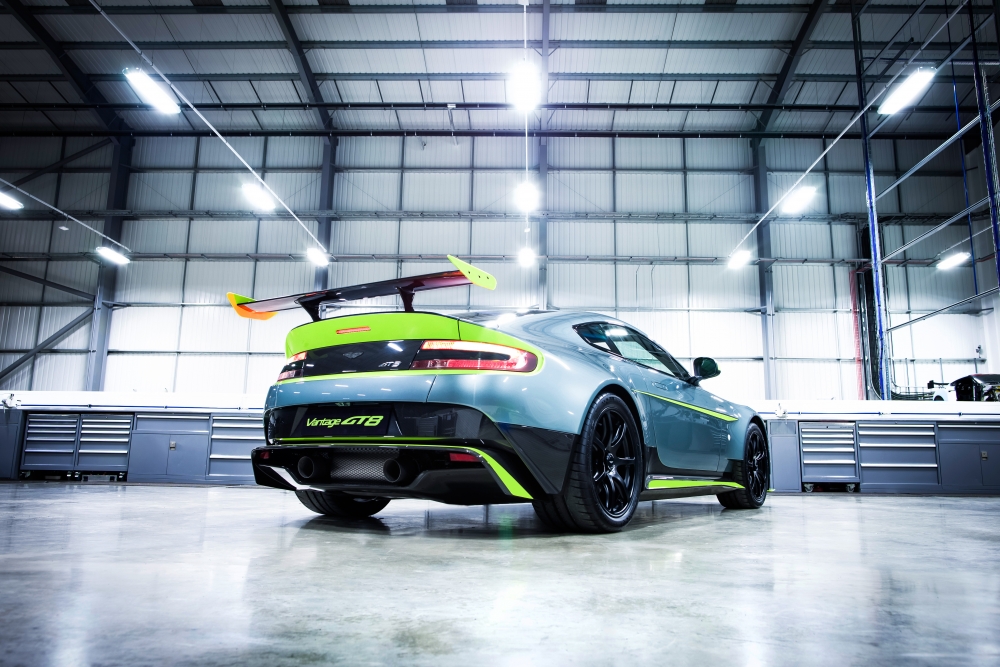
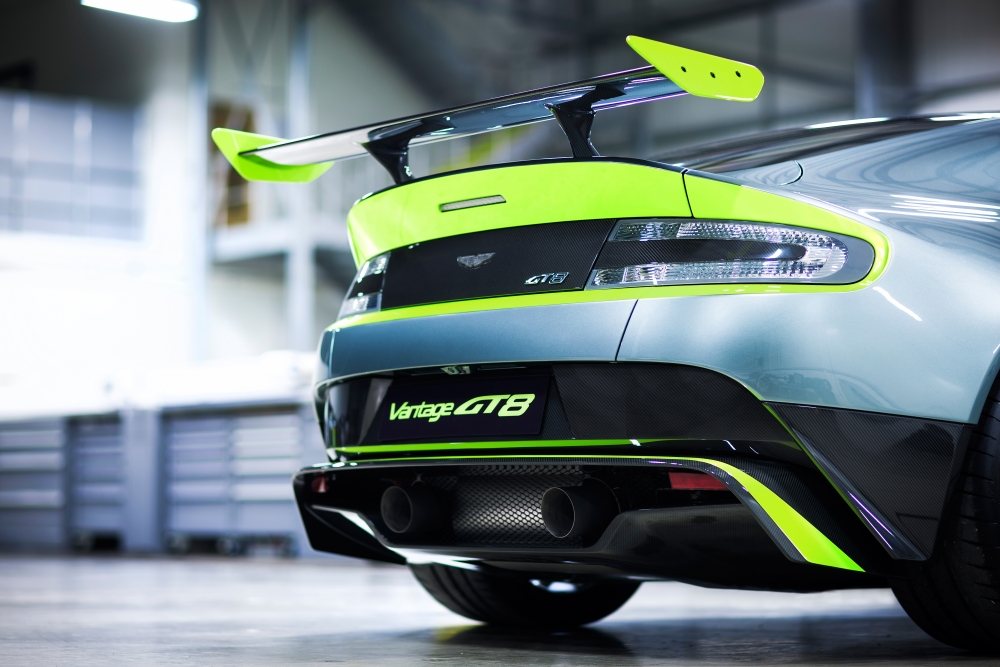
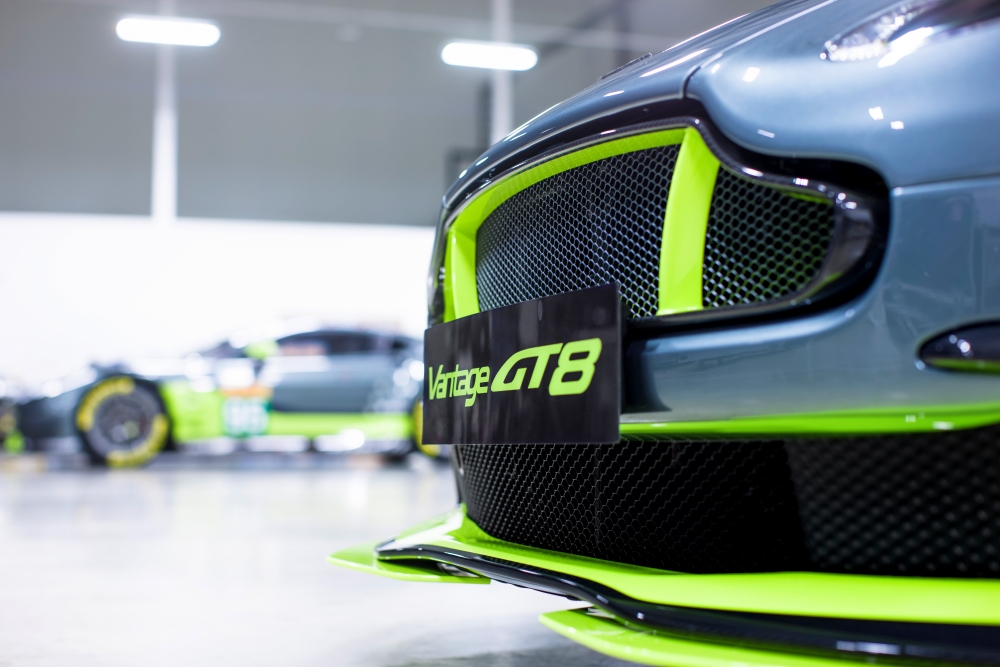
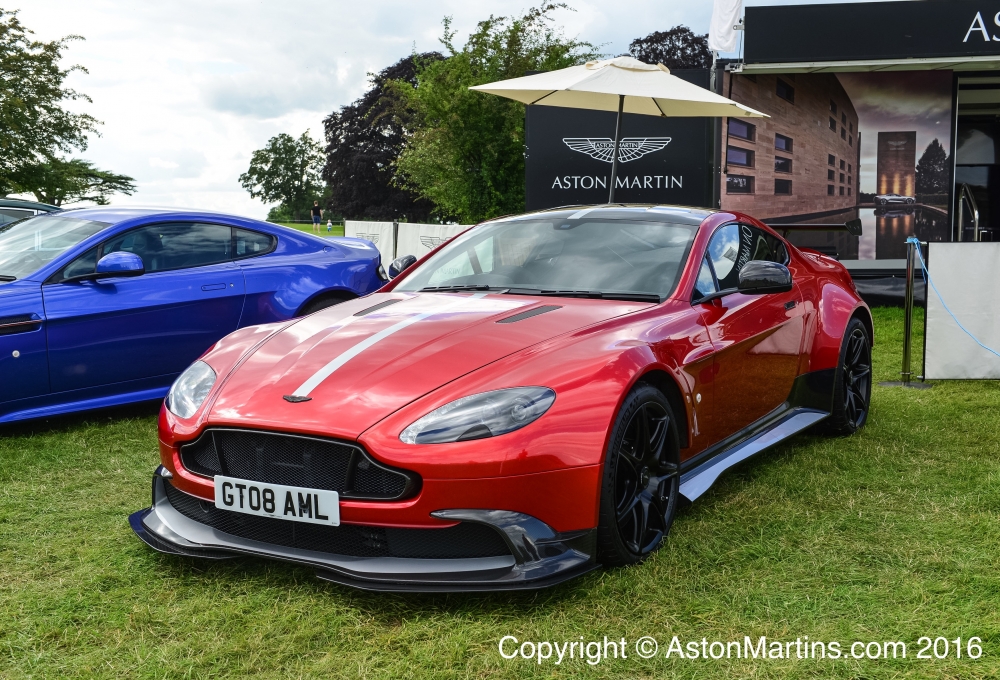
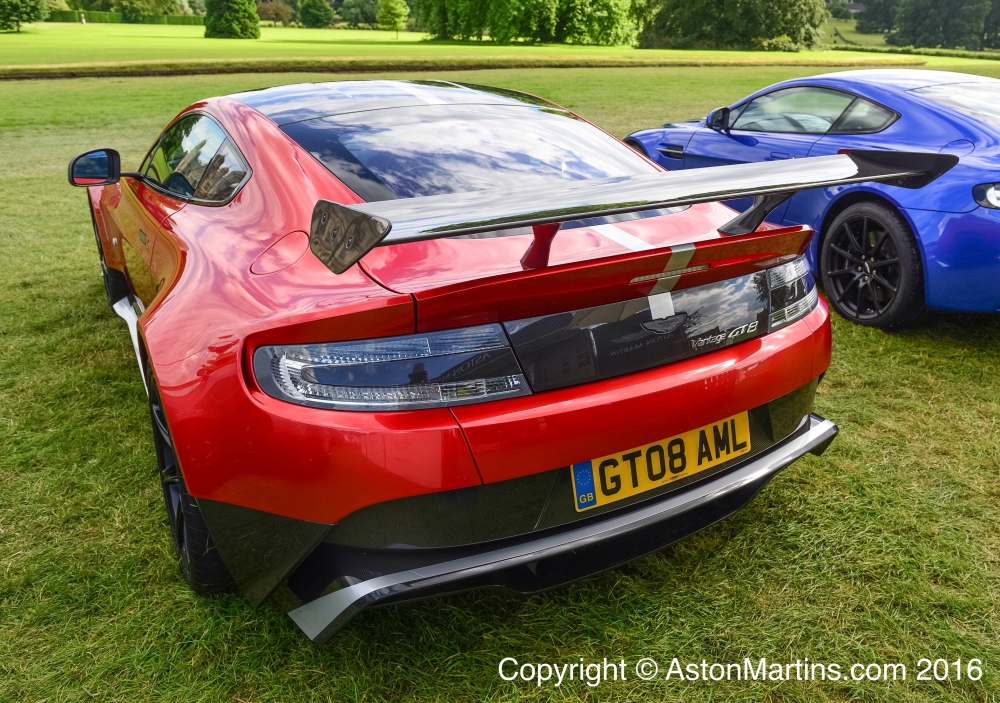
The lightest and most powerful V8 Vantage ever made, the Vantage GT8’s dramatically sculpted carbon fibre bodywork was shaped by race-bred aerodynamic function. Powered by a revised 440 bhp version of Aston Martin’s 4.7-litre V8, the GT8 was available with a choice seven-speed Sportshift II paddle-shift transmission or, unlike the GT12, a conventional six-speed manual.

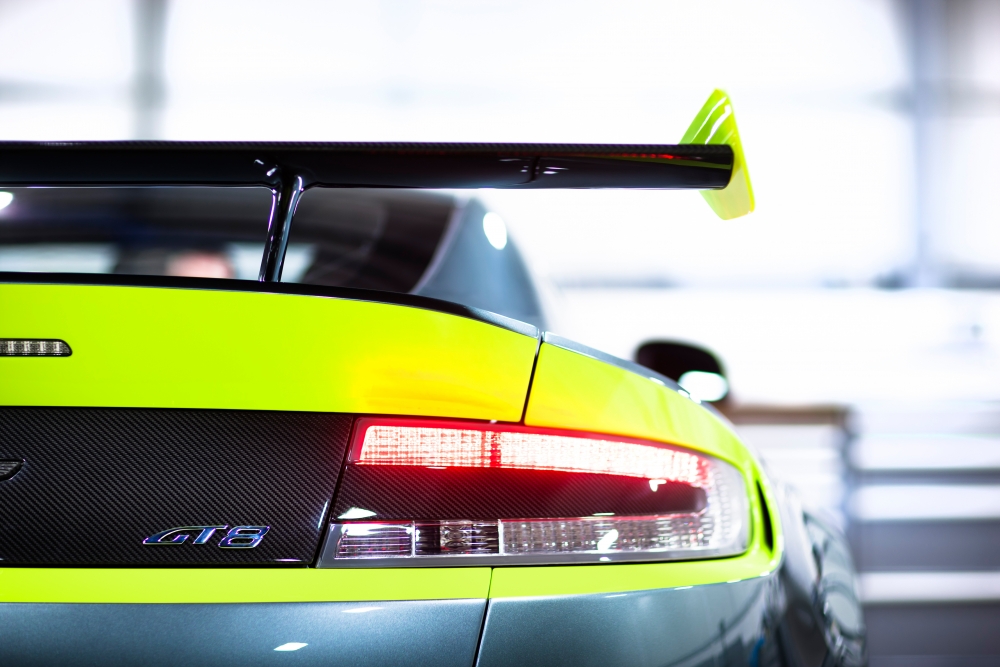
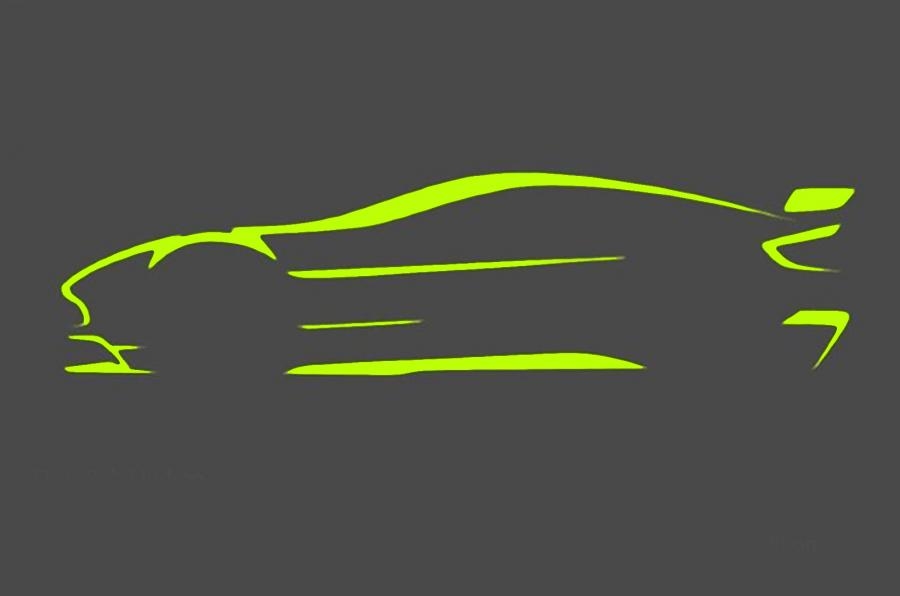
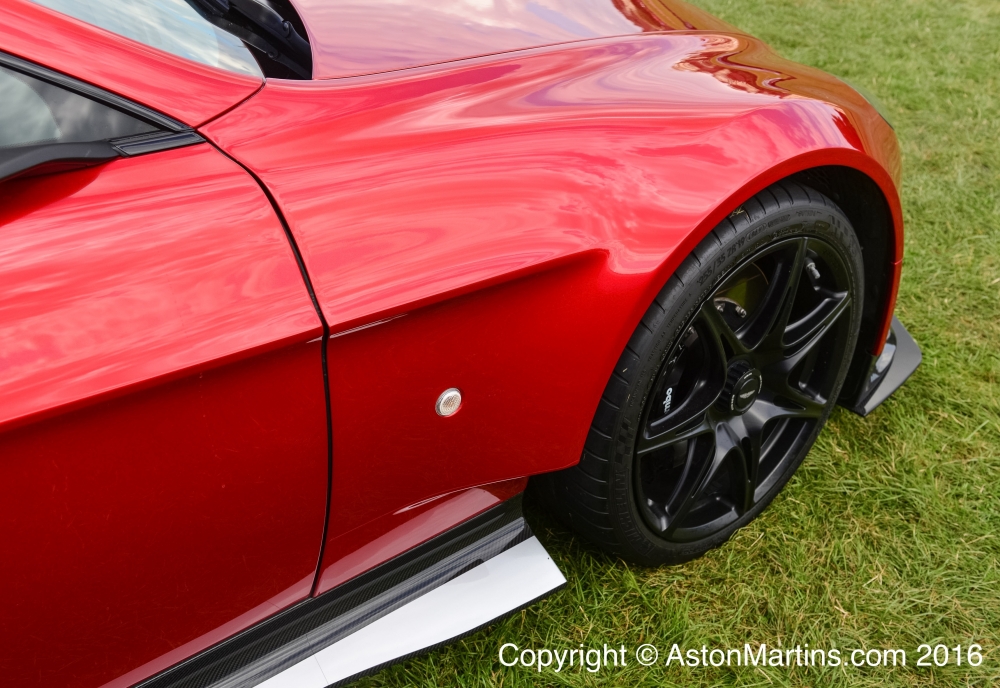
Wide-bodied with aerodynamics that clearly take their lead from then then Aston Martin Racing’s WEC contender, it featured extensive use of carbon fibre with the front splitter, front and rear bumpers, wings, side sills and rear diffuser all fashioned from the lightweight material. One of the most striking standard features was the cutaway front wheelarch, which mimicked that of the GTE racer. Those wishing for the most extreme aero configuration could specify the optional Aero Pack, which added the large rear wing and additional corner elements to the front splitter. Most cars received this feature.

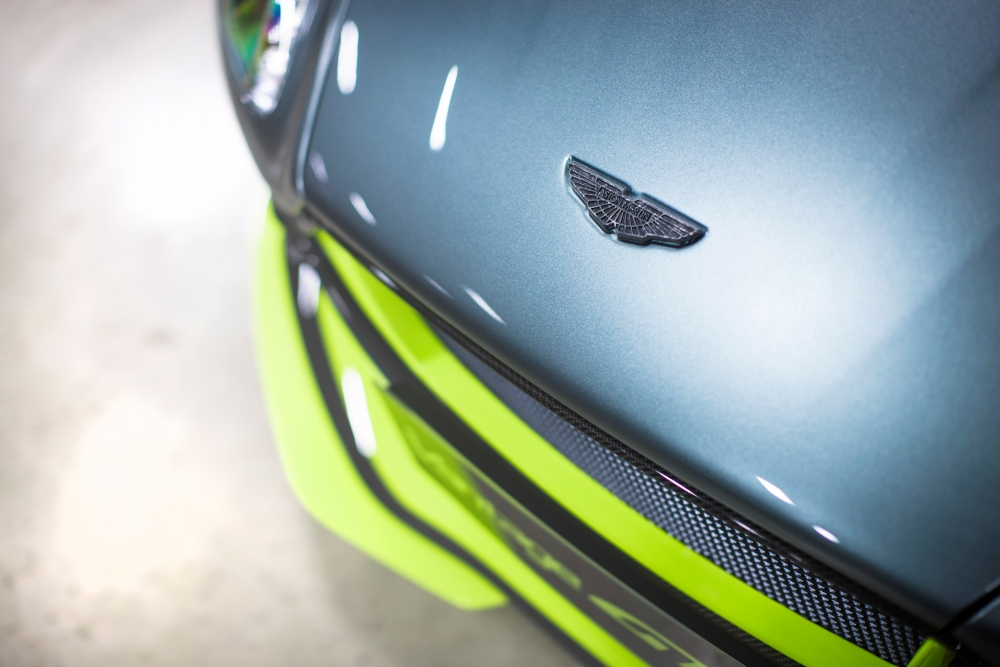
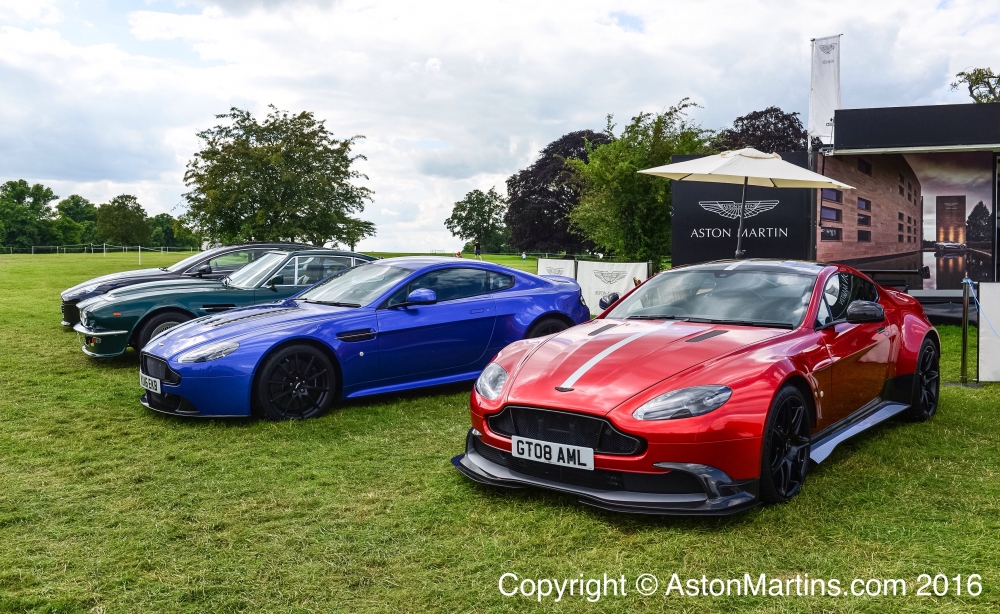
The Vantage GT8 was further distinguished by a new 5-spoke alloy wheel, with ultra-lightweight seven-spoke centre-lock magnesium rims available as an option. Both standard and optional wheels were shod with Michelin Pilot Sport Cup 2 tyres for exceptional performance on both road and track. Three optional ‘Halo‘ paint schemes were available; striking combinations of China Grey and Blue, Stratus White and Green or Stirling Green and Lime (as shown at the cars launch) that perfectly captured the Vantage GT8’s dynamic character and performance.

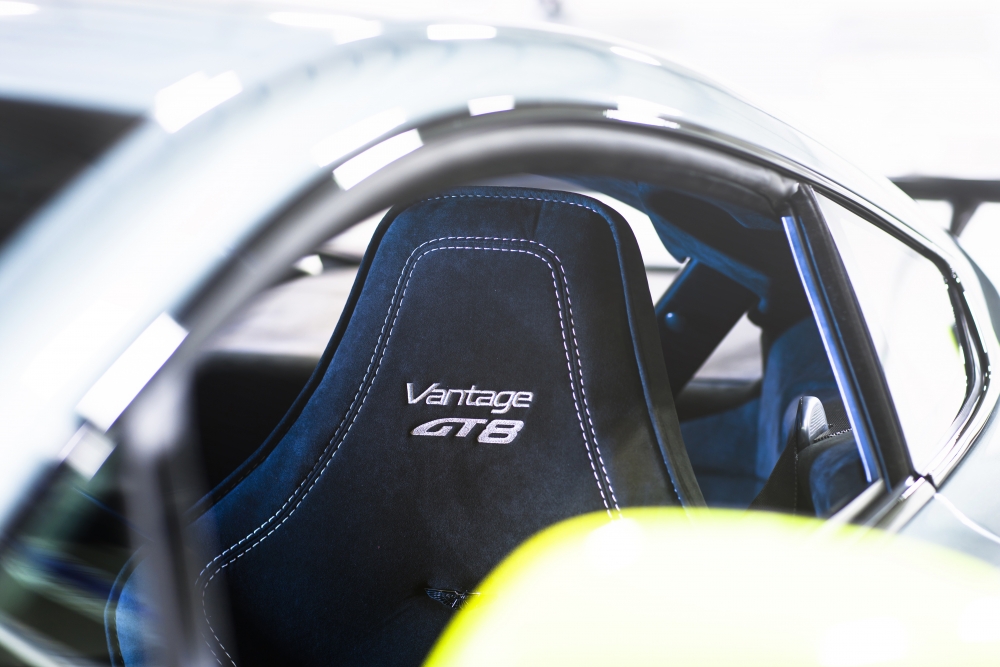
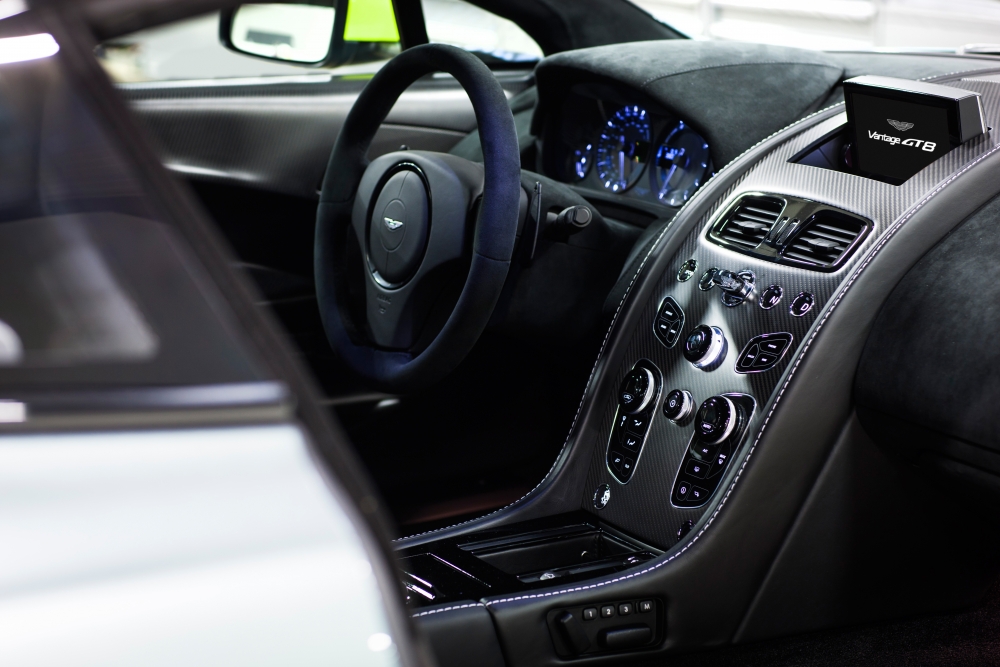
Improved performance through weight saving was central to the Vantage GT8. A standard-fit lithium ion battery shed more vital kilos while further (optional) weight saving measures included a carbon fibre roof, polycarbonate rear screen and rear side windows and a titanium centre mounted exhaust. Together with the standard-fit lightweight carbon fibre sports seats (with manual adjustment, again to save weight) and carbon fibre door panels, this comprehensive suite of lightweight components saved up to 100kg, making the Vantage GT8 the lightest Vantage ever. Air-conditioning, a 160W audio system and Aston Martin’s latest AMi III infotainment system were fitted as standard and ensured the car remained genuinely road-useable.

Appealing to collectors as well as pure driving enthusiasts, the Vantage GT8 was strictly limited to just 150 examples. Recommended retail price started from £165,000 and the first cars were delivered in the autumn of 2016.

The Vantage GT8 was not available in North America.

DBR2

DBR2

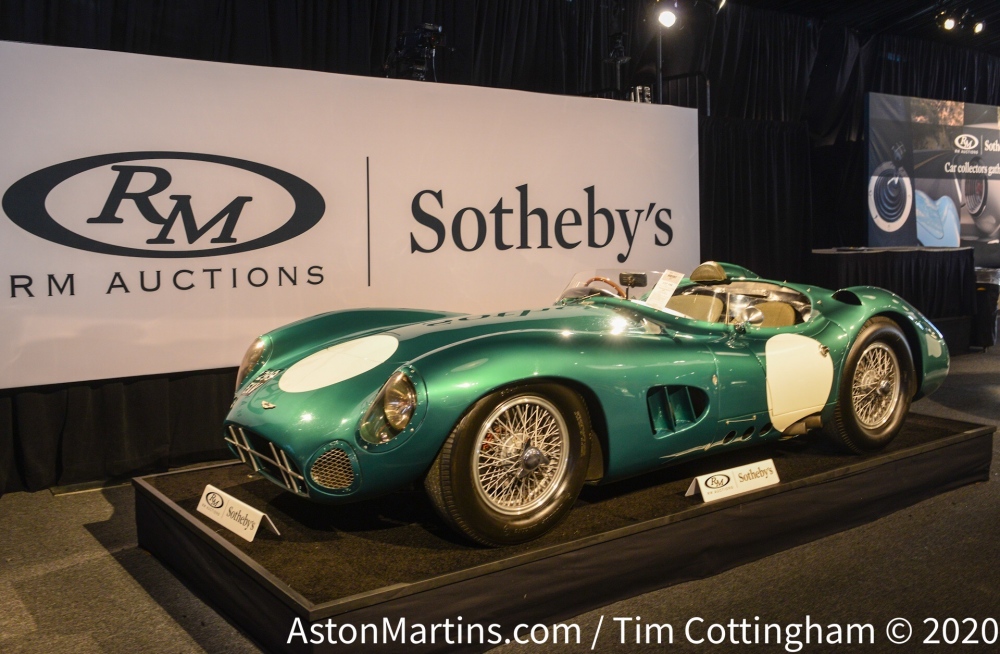
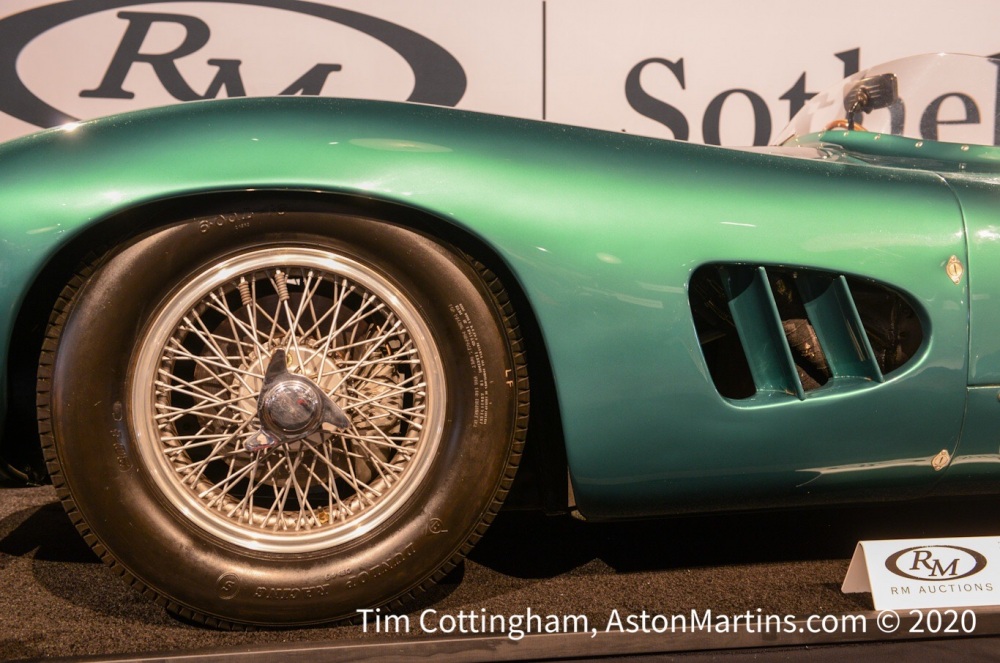
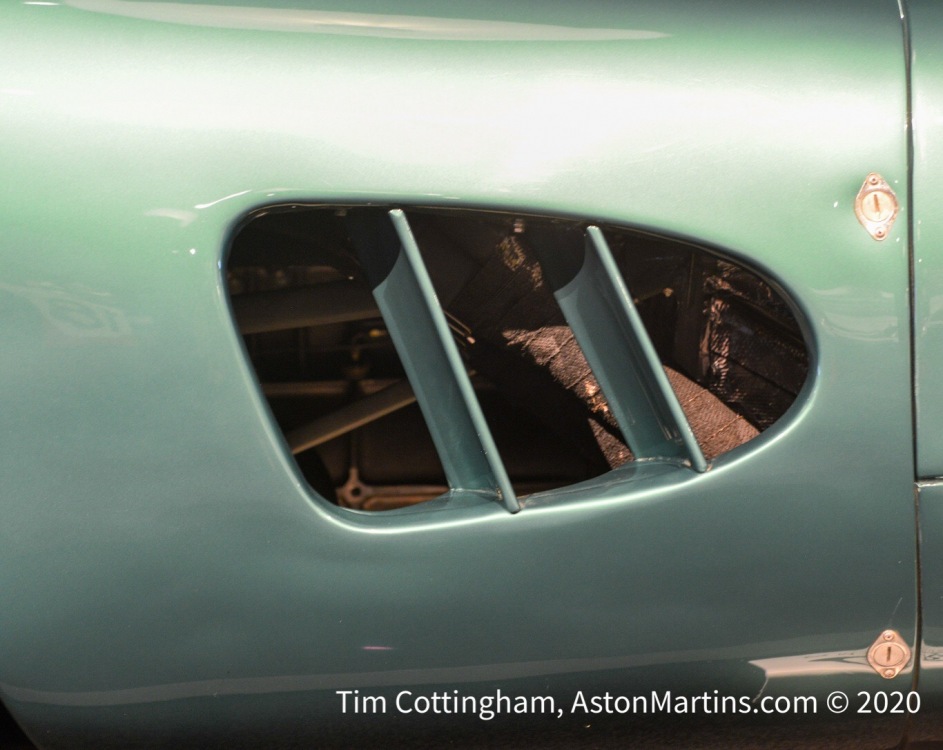
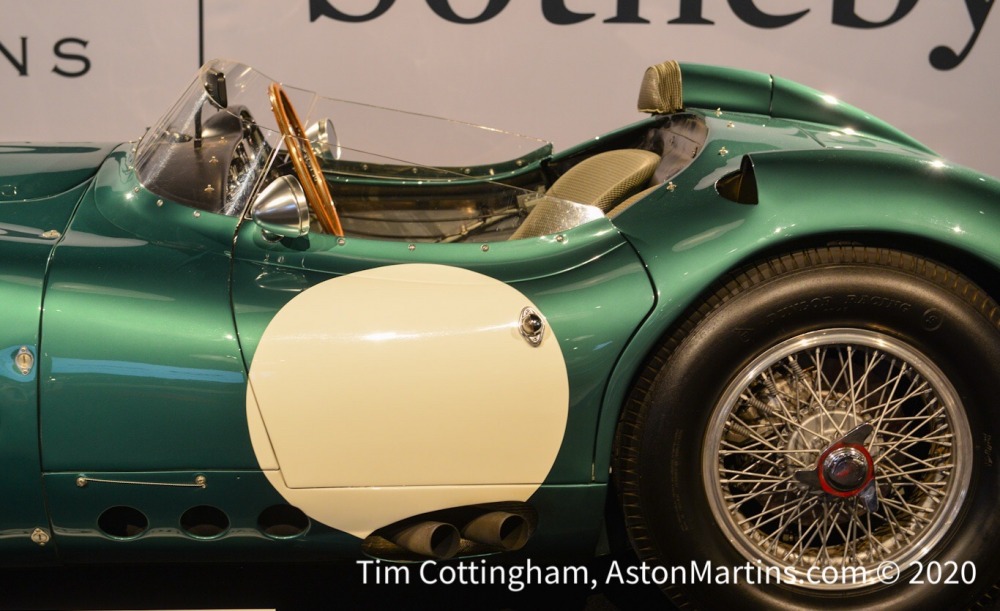
For the 1958 season, the FIA limited the engine capacity for the World Sportscar Championship to just 3 litres. This effectively ruled out the now 3.9 litre DBR2 from international competition forcing AM to concentrate their efforts back on developing the DBR1. The DBR2 was now effectively relegated to UK events and was raced by the works at Goodwood, Oulton Park, Aintree and Silverstone. The Belgian Sports car Grand Prix of 1958, being a non-championship event with no capacity limit, got both DBR2’s out where they finished 2nd and 3rd behind a Lister-Jaguar

For the remainder of 1958 and 1959 with enlarged 4.2 litre engines and whilst still owned by AM, both DBR2’s were privately entered in various US sportscar events. The last works entry for a DBR2 was with DBR2/2 in December 1959 when Stirling Moss won the Governors Trophy at Nassau in the Bahamas. This was the last ever works entry of an open cockpit Aston Martin until the AMR-One in 2011.
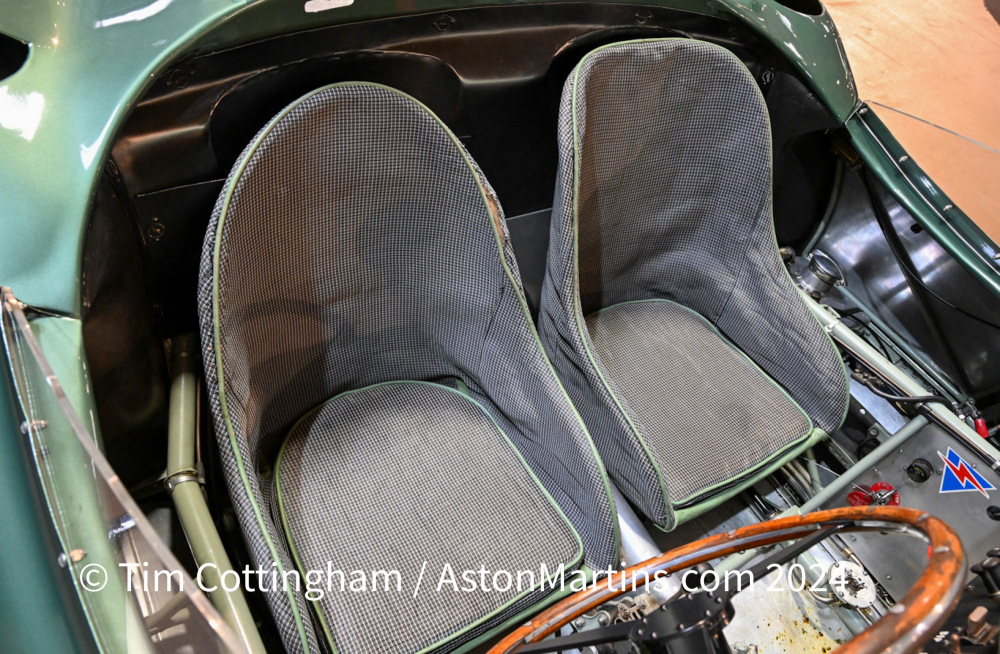
By 1960, the works had sold both cars and they passed into private hands. This particular car shown here, chassis number DBR2/2, 7BXH, was photographed whilst competing in the 2007 Monterey Historic Races, on display at Pebble Beach Concours d’Elegance in August 2007 where it won the MSN Autos People’s Choice Award and again in 2013.
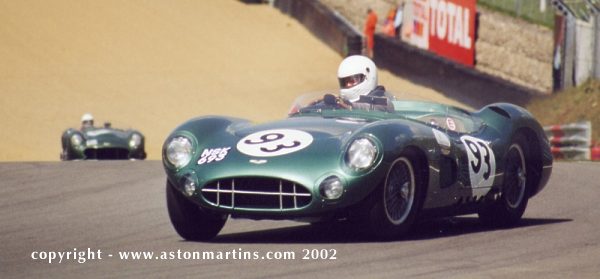
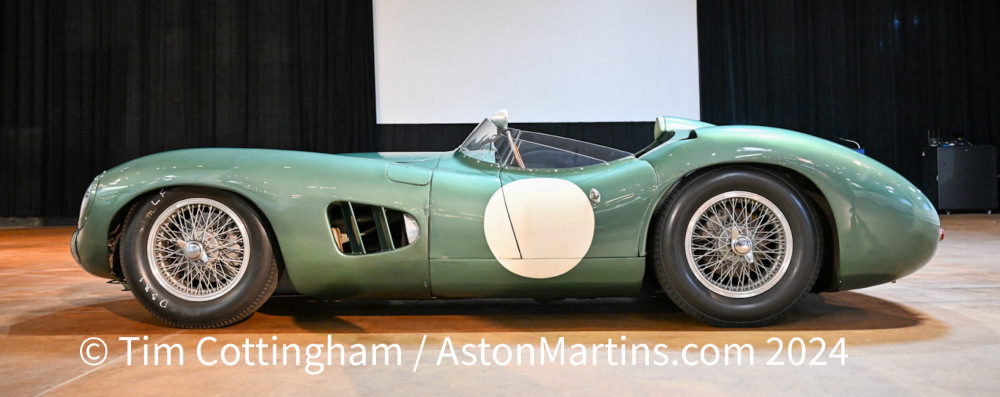
If you have difficulty in telling the DBR1 and DBR2 apart, here is an easy tip; the exhaust of the DBR1 is along the right side of the body (drivers side), on the DBR2 it is on the left (passenger side).

« Newer PostsOlder Posts »