
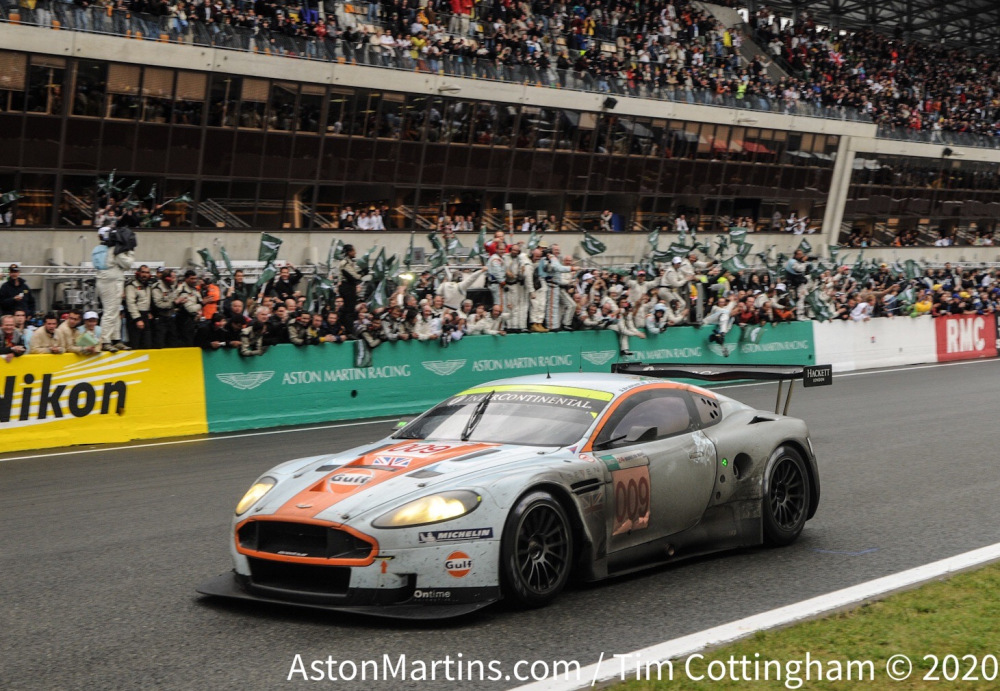
24 Heures du Mans 2008
- 30/01/2013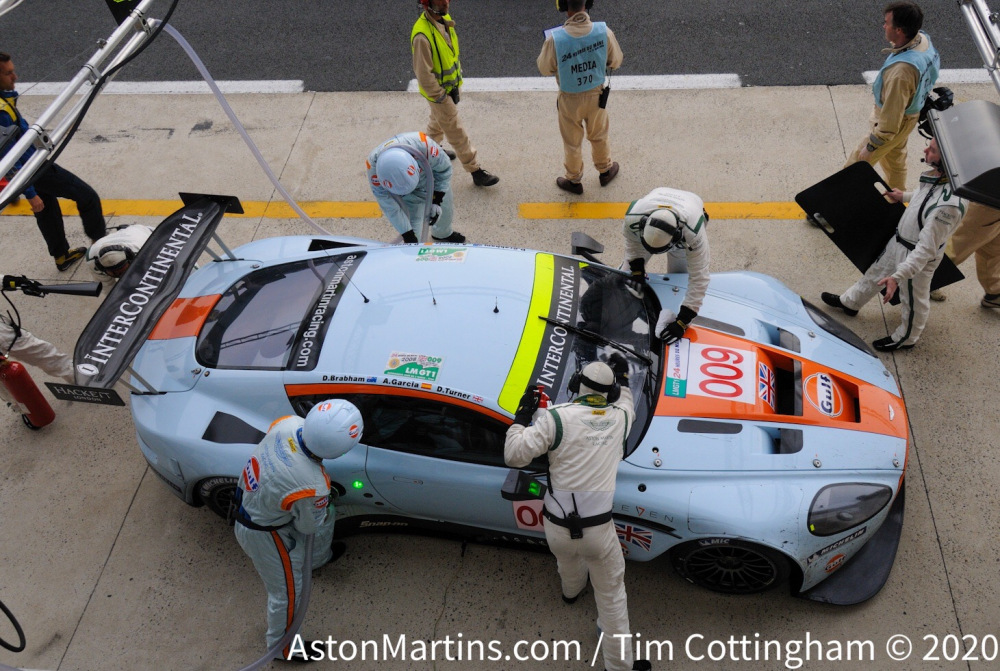
2 litre Speed Model (A and B Type)
- 28/01/2013The performance of the 1936 Team Cars privately entered in the 24 hour race at Spa, Belgium must have encouraged another two people to take cars, both of which were raced in the 1936 RAC Tourist Trophy. These ‘customer cars’ were given seater Ulster style bodies by E Bertelli Ltd.
Red Dragon
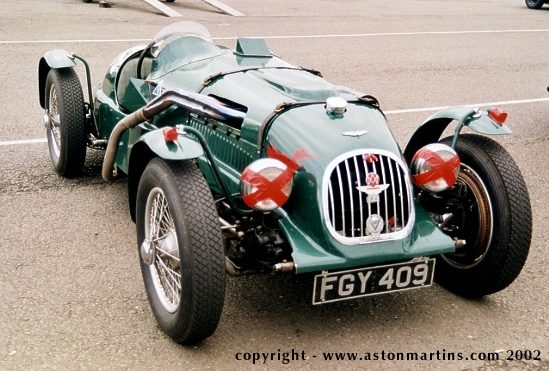
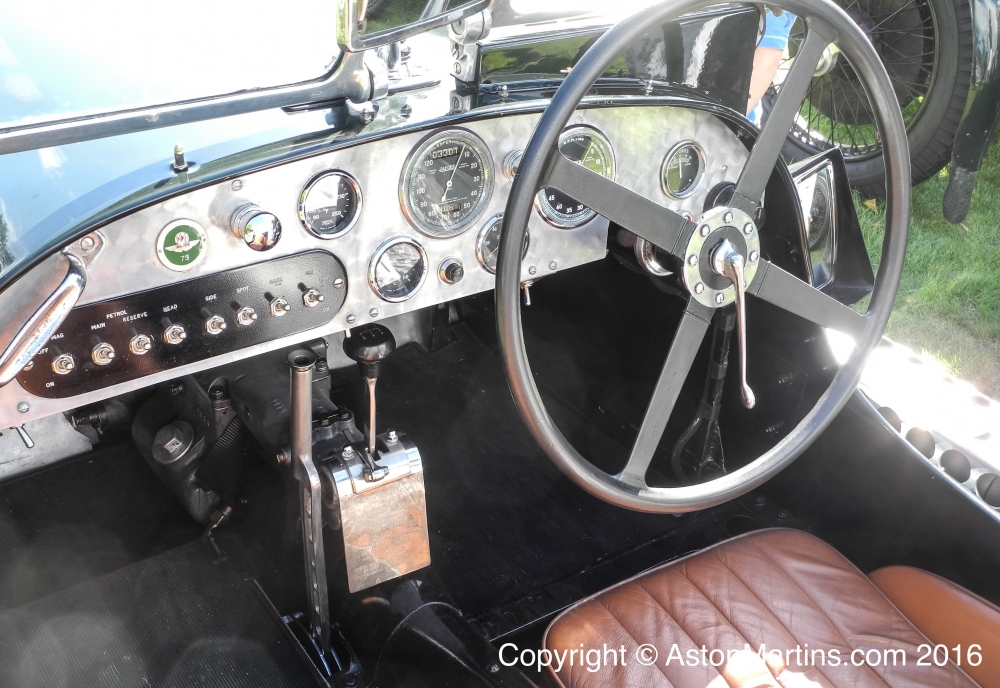
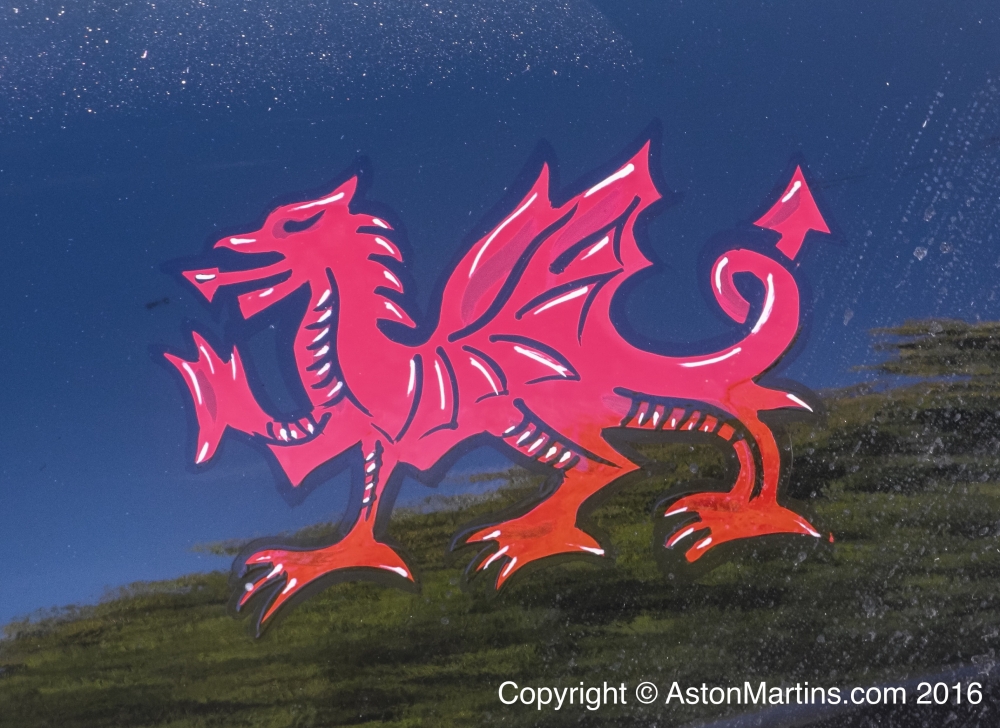
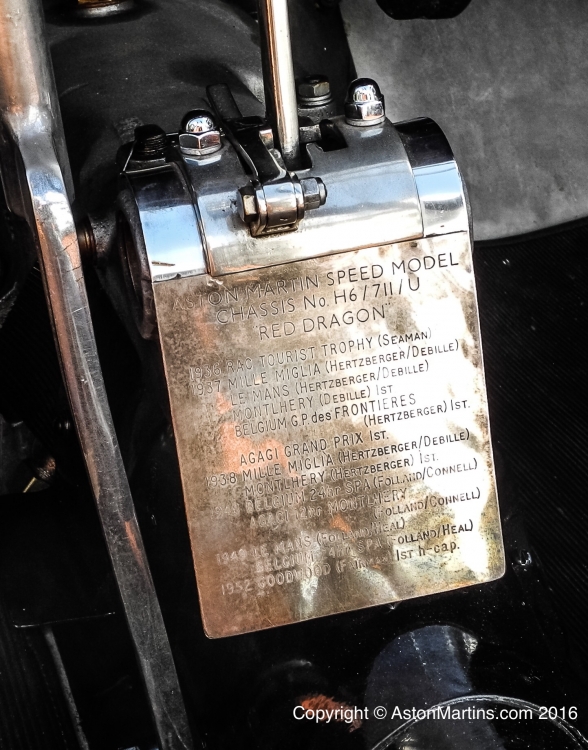
Another customer Speed Model was originally built in the experimental shop for Richard Seaman to compete in the 1936 Tourist Trophy. Richard Seaman was probably the best British Driver of the immediate pre-war period and due to this the factory did offer support to him with the race. After running well including the fastest lap for cars in it’s class, the car unfortunately retired with a seized engine due to lack of oil. The car then spent some time being raced on the continent with new owners including the 1937 and 38 Mille Miglia and 1937 Le Mans 24 hour. After returning to the UK after WW2, the car again competed at Le Mans in 1949, 12 years after it’s first appearance at Le Sarthe. This body style, fitted in 1950, was actually a copy of the Ferrari 166S that the owner, Dudley Folland also tried to import into the UK. As the import duties after the war were so steep, the Ferrari remained in Italy and the pre-war body on the Speed Model was replaced by this on trend Ferrari style coachwork the car still carries today. Dudley Folland used the ‘red dragon’ symbol on his race cars and the name stuck. The car is still a regular competitor in AMOC events.
A further two chassis which were finished as two seaters by Abbey Coachworks were really quite sporting in appearance if a little dated for their time. Below is a car known as the Bond Williams car, DGJ242 has had the body converted to the style of the Ulster. The Abbey bodied cars are known as ‘Type B’ Speed Models.
The Black Car
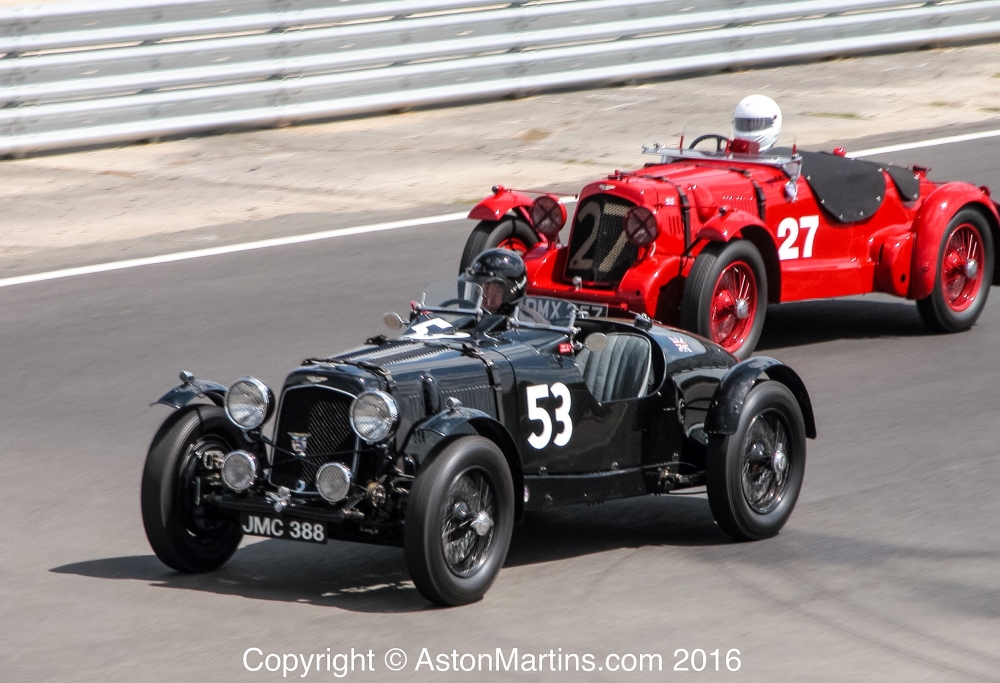
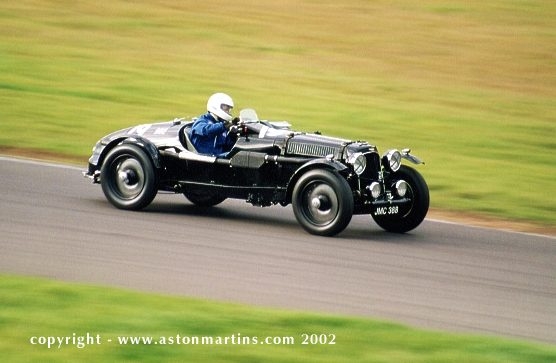
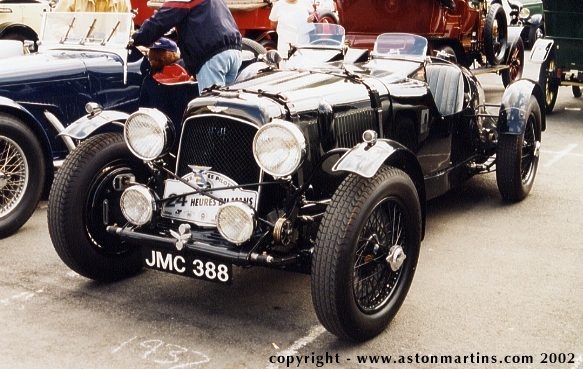
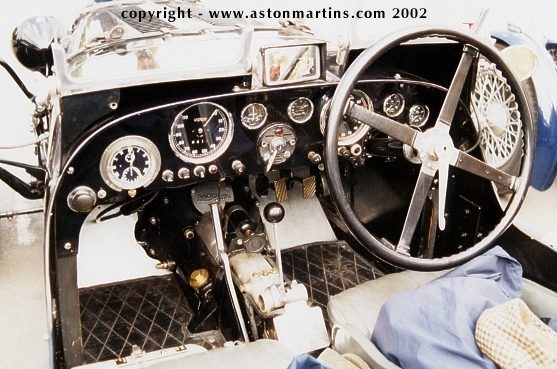
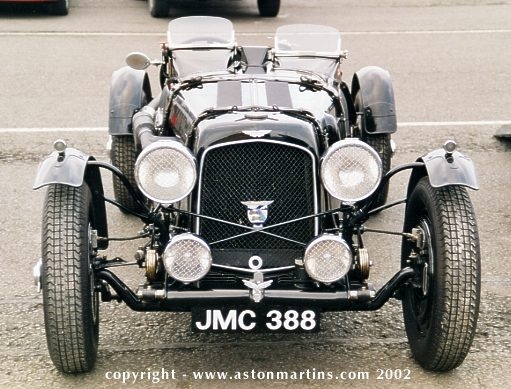
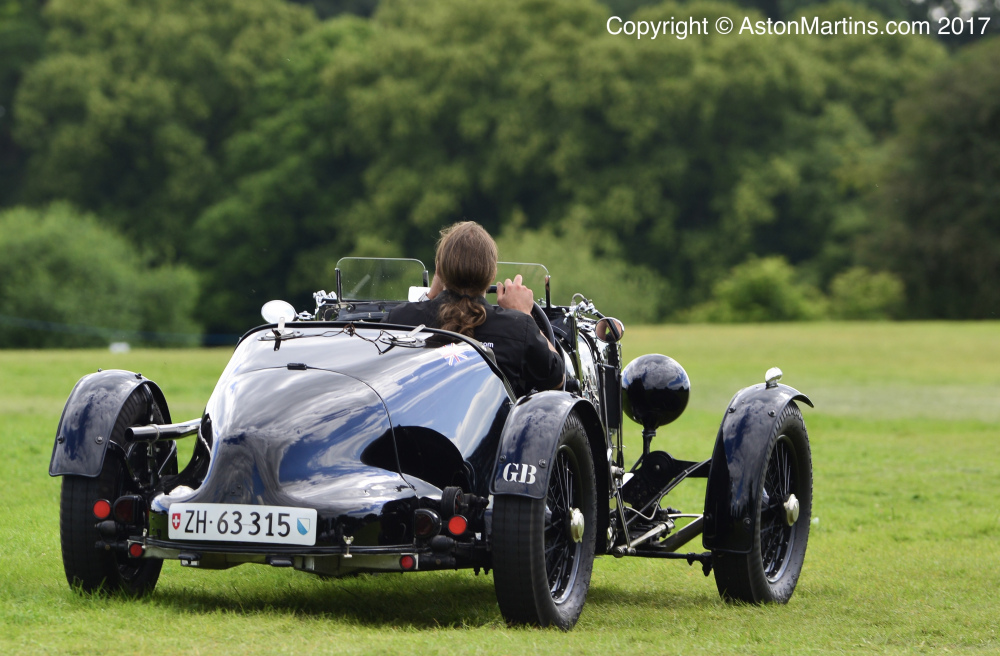
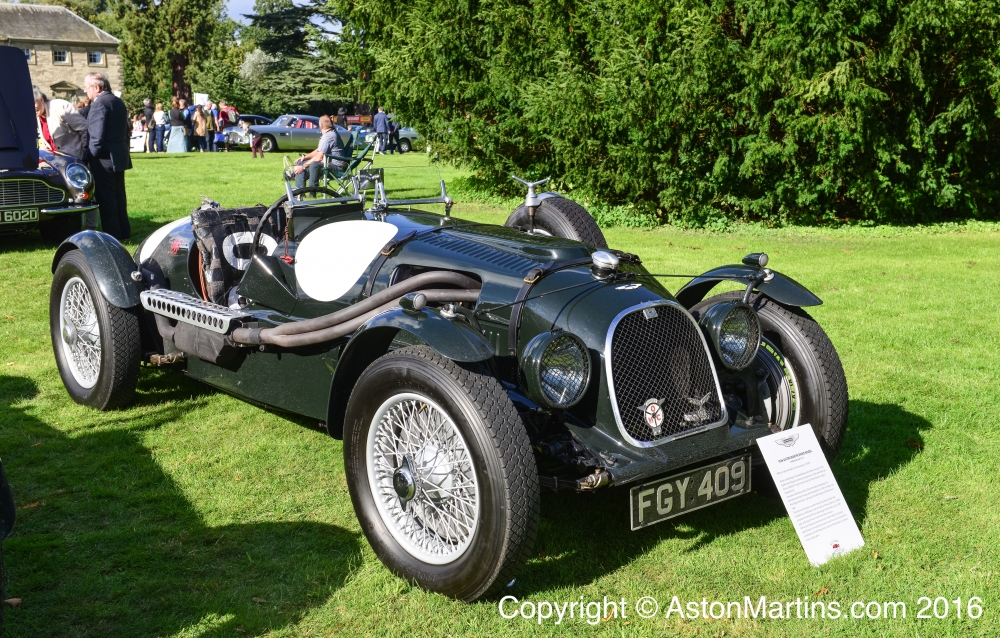
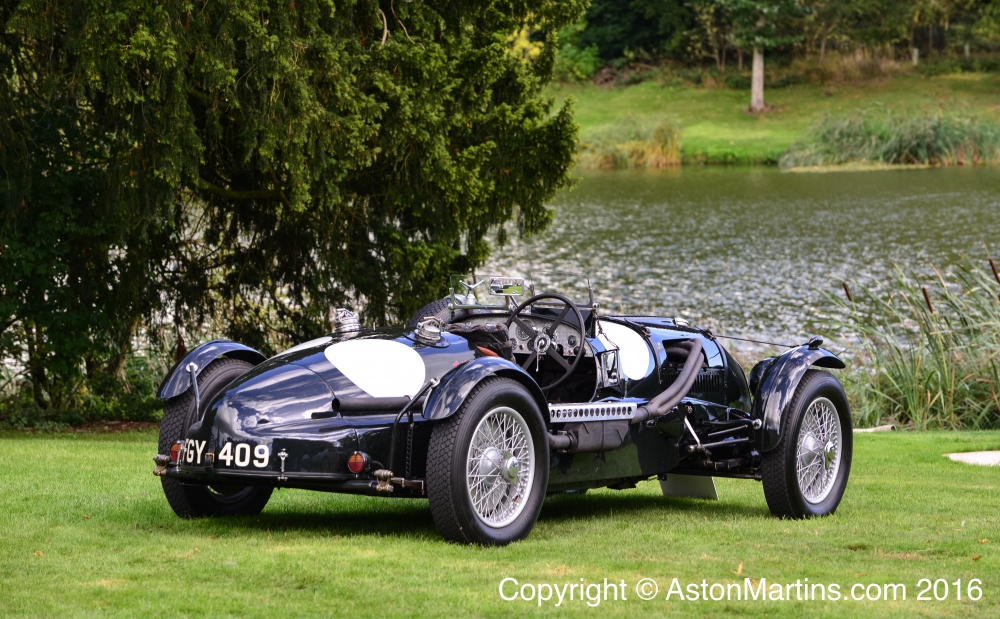
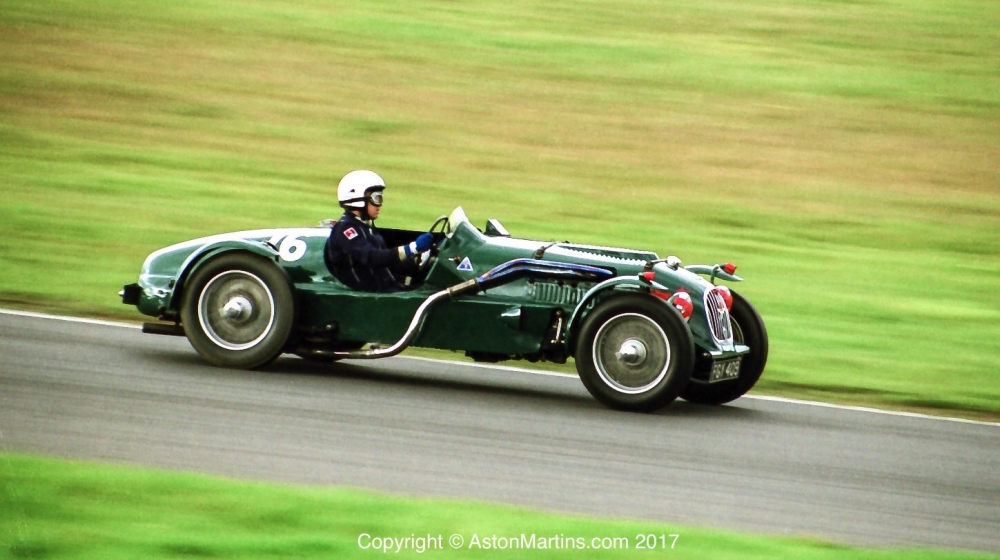
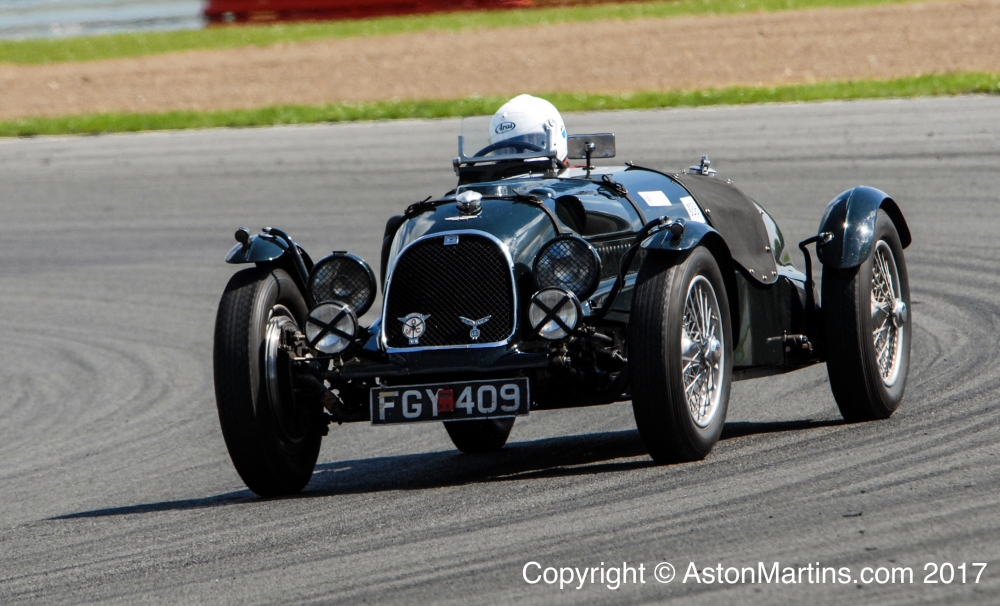
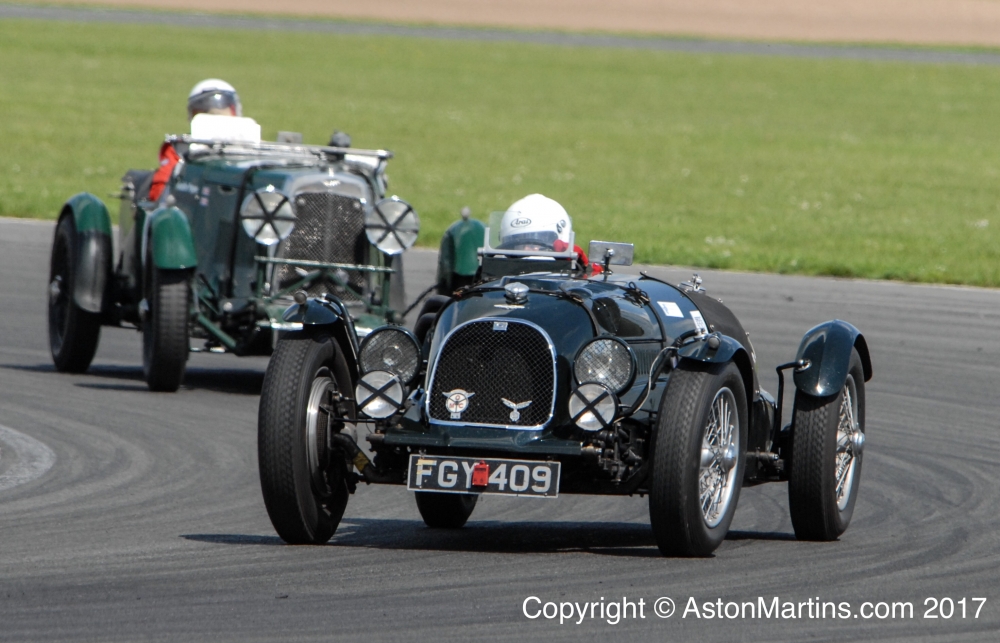
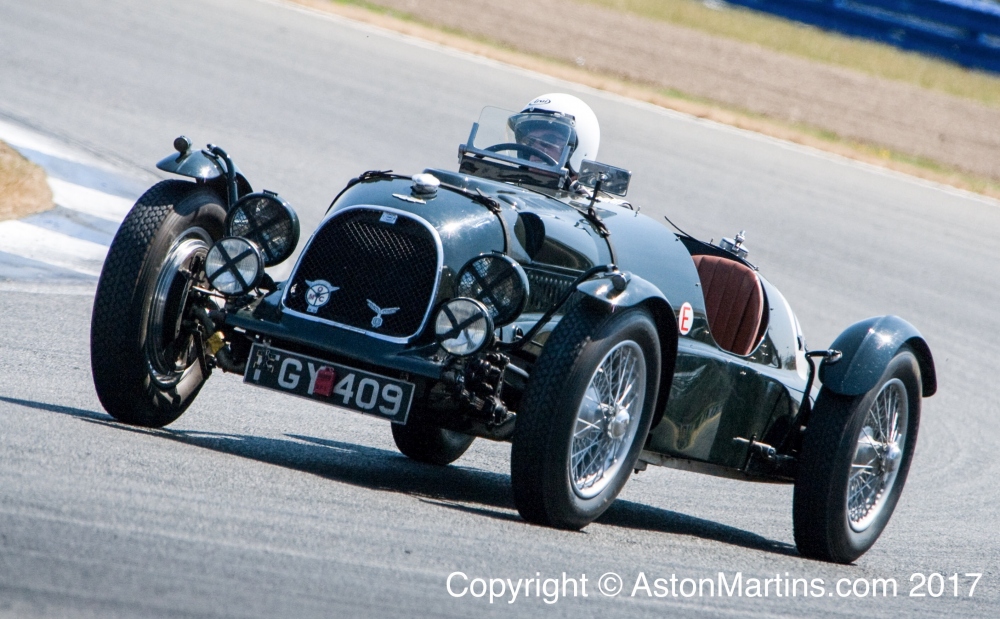
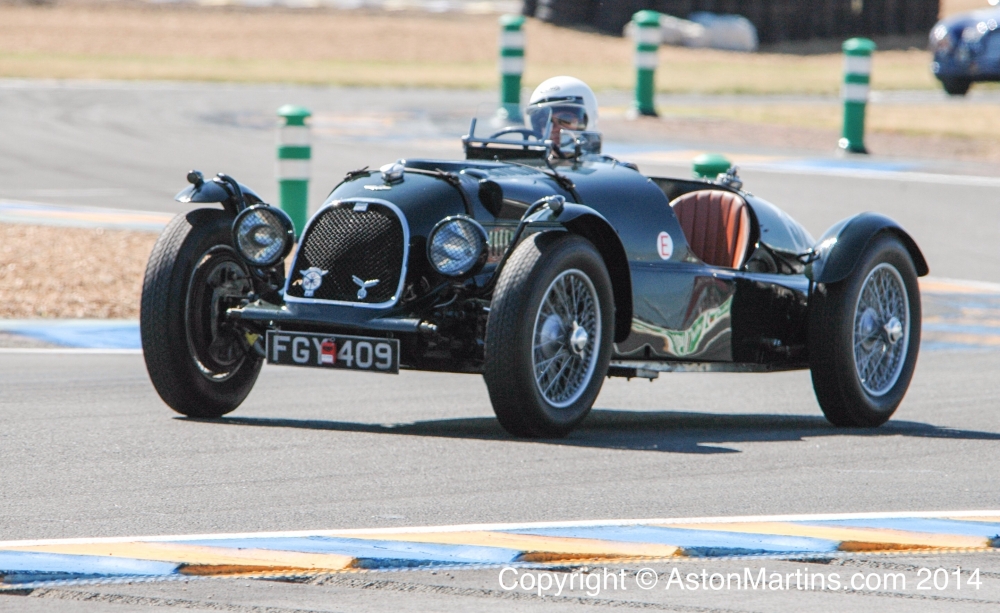
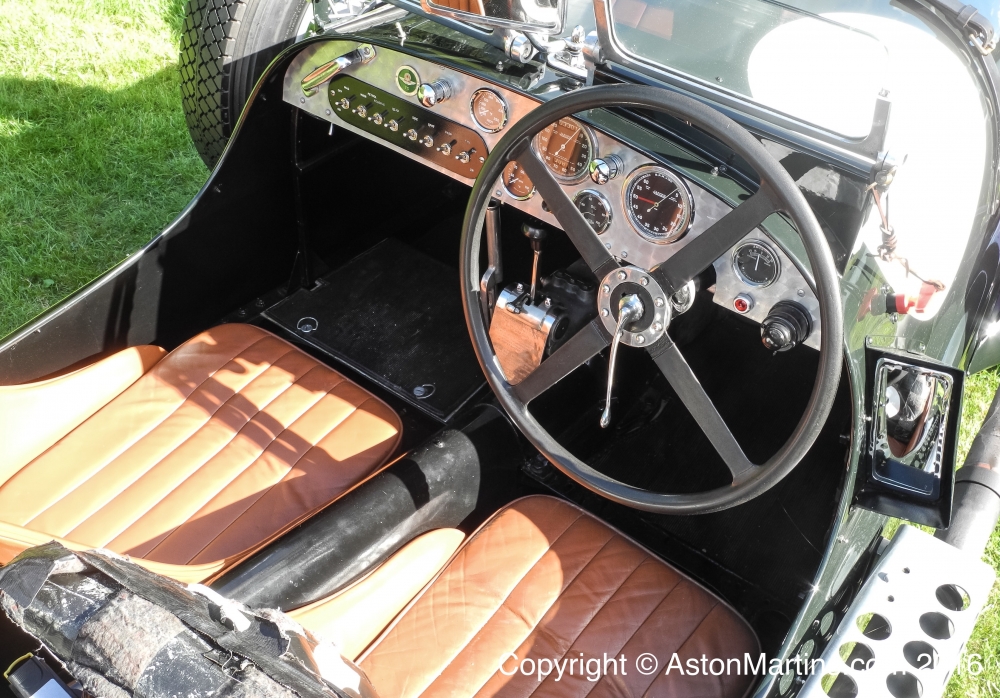
By the close of the 1936 Motor Show when the Speed Model was first shown (at a price of £695 chassis only), 20 odd remained unsold and only two found buyers. The car featured above, which became known as the Black Car, was ordered by R.S. Wilkins and fitted with an Ulster style body found lying unused at the works. After appearances at Brooklands during 1937, it passed into the hands of ‘Jock’ St John Horsfall who prepared and tuned it for the 1938 season.
One of his greatest drives in this car was a 2nd place behind a 3 litre Delage (and 1st in class) in the 1938 RAC Tourist Trophy at Donnington against stiff competition from BMW 328’s, where Jock was fortunate to receive considerable support from the factory. After the war, Jock raced the Black Car to a famous victory in the 1946 Belgian Grand Prix. Following his tragic death later in 1949 at the wheel of an ERA at Silverstone, the Aston Martin Owners Club commemorates his life with it’s biggest race meeting of the year – The St John Horsfall.
The Black Car was kept by the family and was finally restored into it’s original form finally to appear at the AMOC Horsfall meeting in 1993. This car, although never a team car, has become one of the most famous Aston Martins ever built.
This Speed Model, was originally a Type A 2/4 seater used as a works demonstrator. After the war, it was converted to a Formula B car by St. John Horsfall and then again in 1949 to sports specification. In this form, with Horsfall driving single handed, it achieved a notable 4th place in the 1949 Spa 24 hour race (and thus is now known as the Spa Special) It has been successfully ever since and is often seen at AMOC race meetings in the UK.
With all the various body styles applied to Pre-war Aston Martins, it can be very difficult to identify the various models. Indeed, without the AMOC register of cars, I would find this task almost impossible. But here is a little tip that can sort the 2 litre cars from the 1½ examples. The 2 litre cars had the ports reversed which improved efficiency and thus their exhaust manifolds exit the bonnet on the right side. All 1½ litre cars exit the bonnet on the left side.
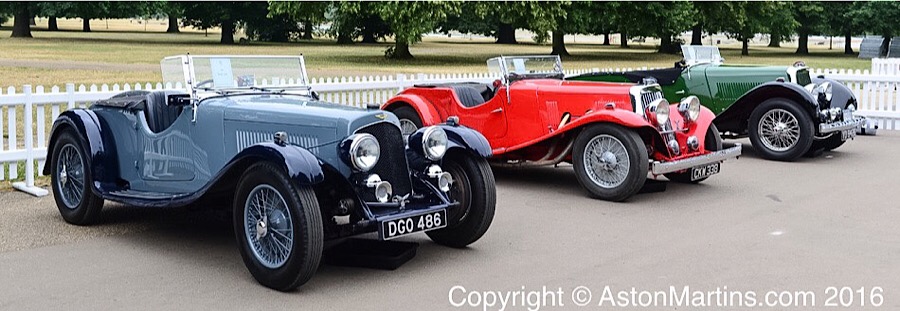
A trio of 2 litre Aston Martins. A rare 2 litre Speed Model, a 2/4 seater and a long chassis tourer at the 2013 Centenary Celebrations
2 litre Speed Model Type C
- 28/01/2013The Type C turned out to be a genuinely quick car with a genuine 100 mph top speed; indeed one was timed at 112 mph at Brooklands albeit with some modifications. That said, despite the slippery coachwork, they were hardly quicker than the Speed Models with more traditional coachwork.

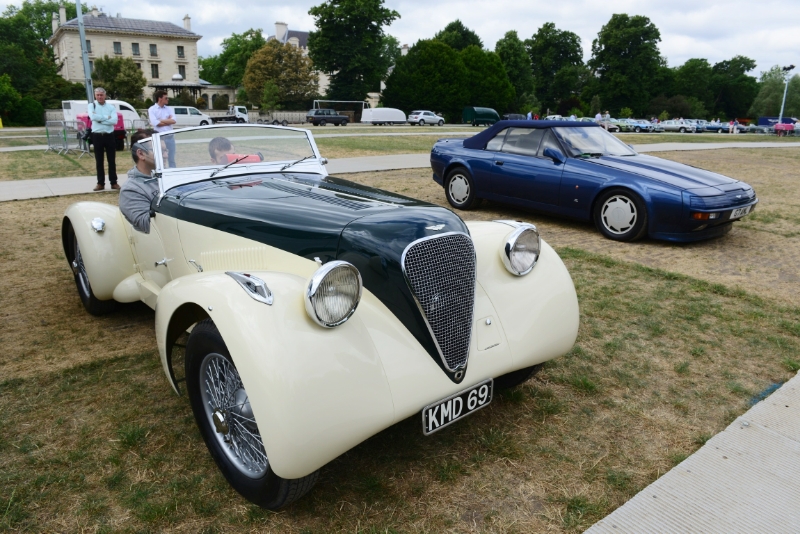
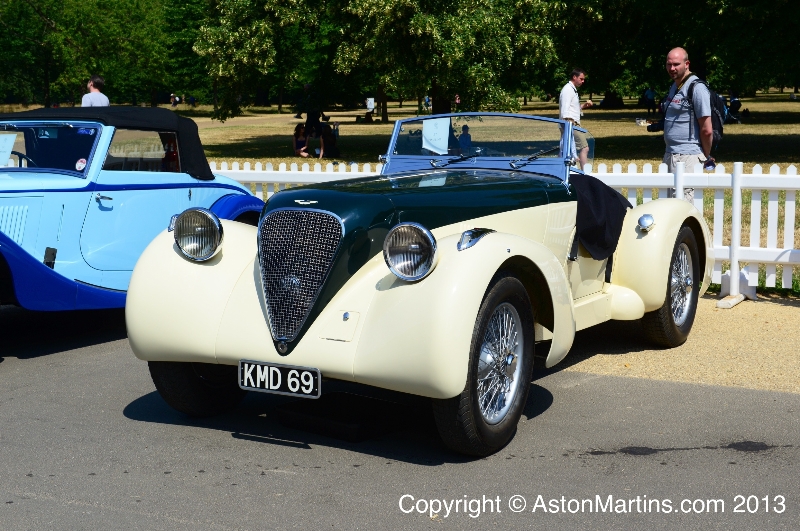
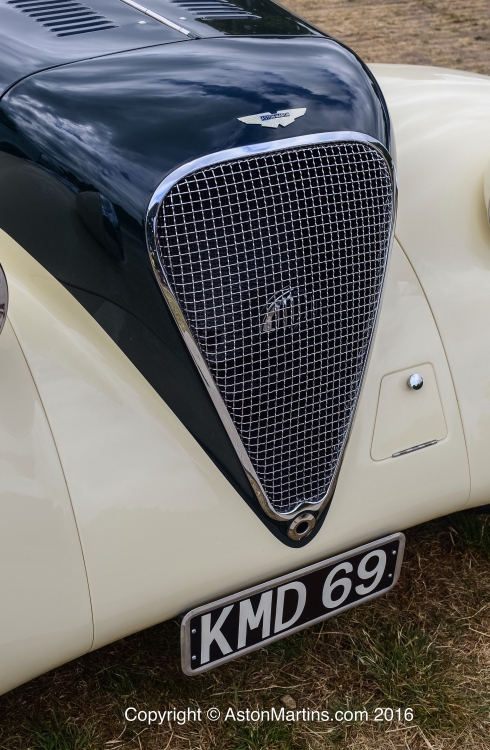
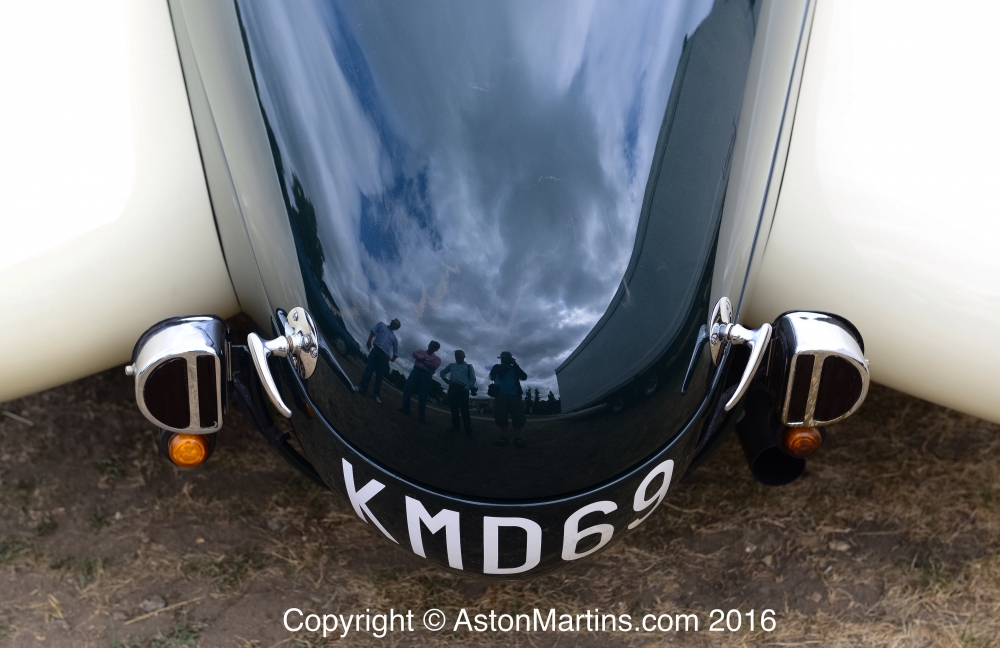
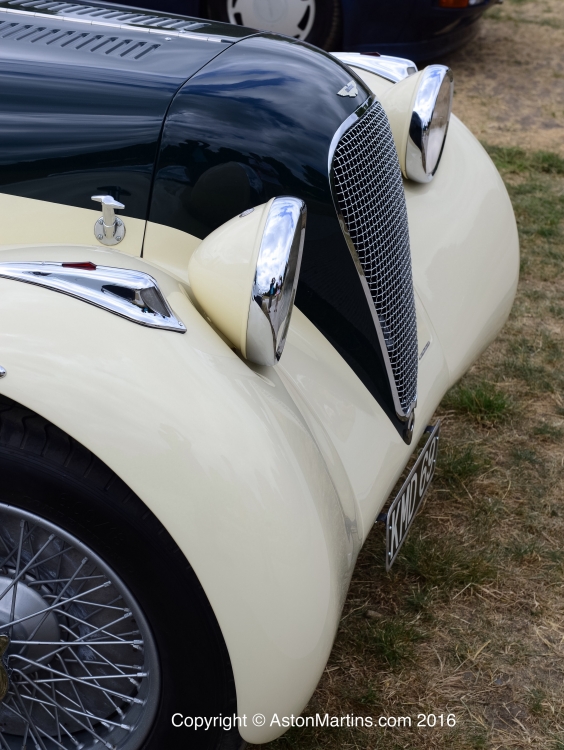
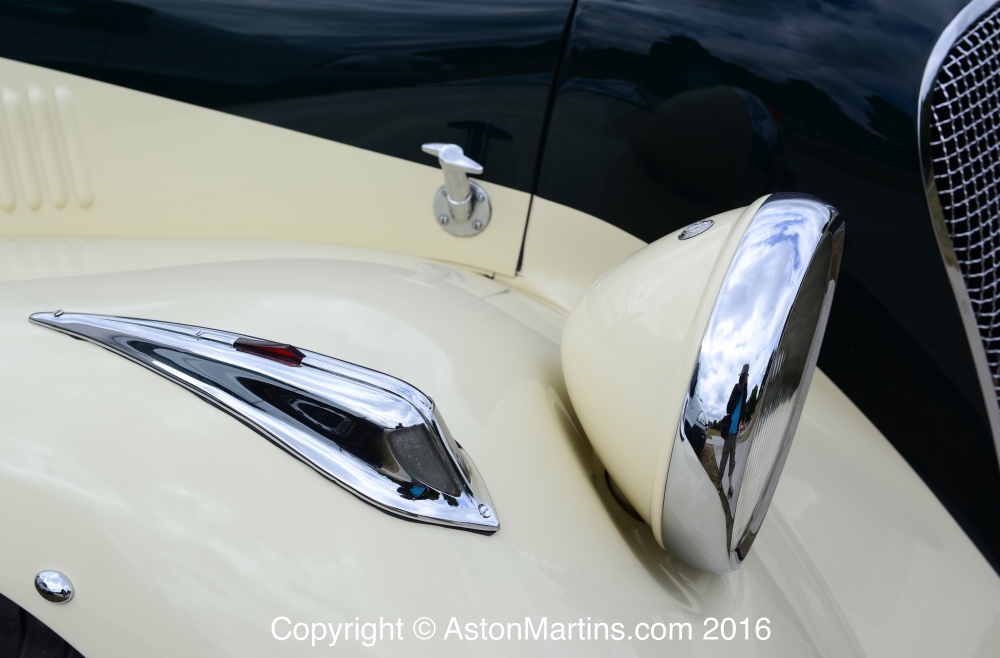
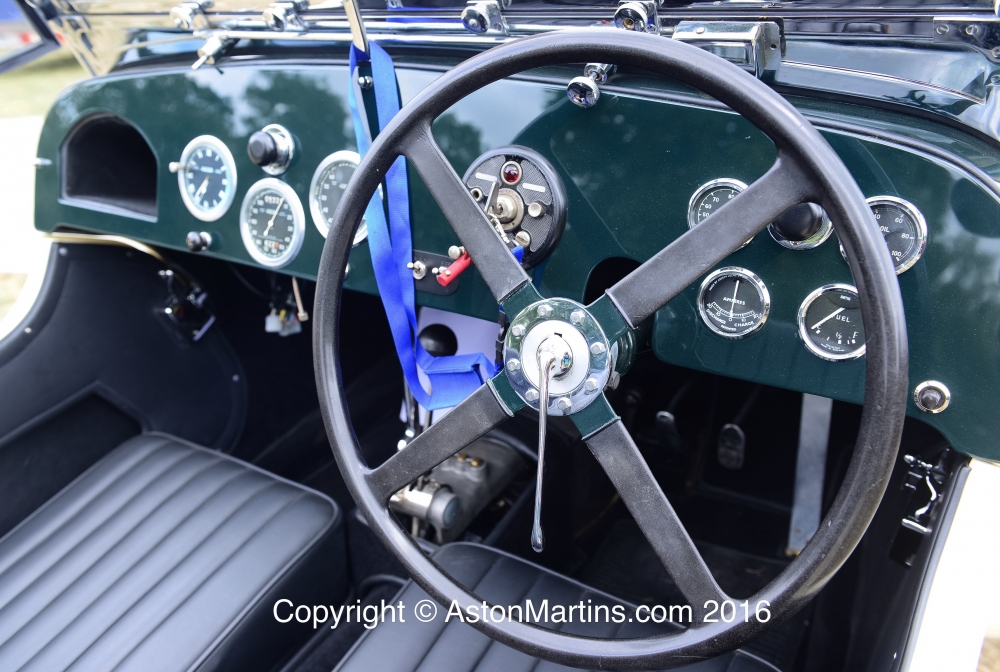
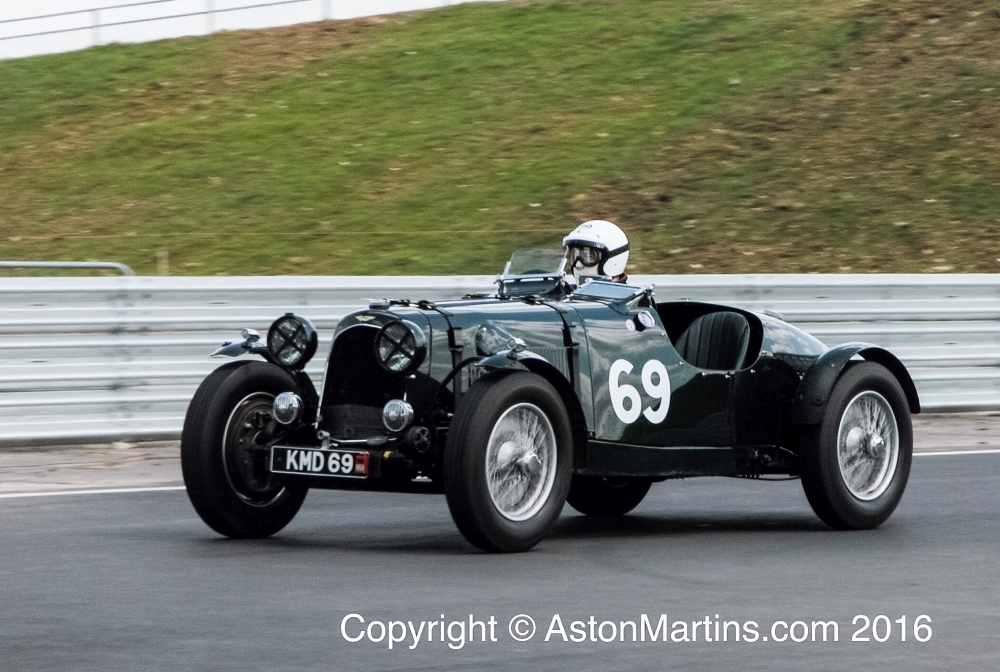
The first car two cars featured a ‘shield’ shaped grill and lamps mounted on either side. One was exhibited at the 1938 Earls Court Motor Show. The remaining six examples had a more rounded mesh grill with the headlamps (single or twin) mounted behind the oval grille.
To some, the Type C, is ugly but I wouldn’t subscribe to that. To my eyes, it is the most wonderful pre-war Aston Martin; the coachwork is a real work of art. Most were bodied by Aston Martin themselves. Unfortunately with the ever threat of war with Nazi Germany, they were slow to sell with an asking price of £775, which represents over £100,000 in todays money. The last car was finally found a new owner just prior to Christmas 1940. It would be the last brand new Aston Martin sold for quite a few years.
2 litre Speed Model Monoposto
- 28/01/2013After the war, it became the property of David Brown when he bought Aston Martin and as it was of no real use, it was sold to Gordon Garside. Garside fitted a 2 seater body, changed the engine and raced it as the Garside Special. More body changes followed until it was purchased by Andy Bell of Ecurie Bertelli
Now after five years, the Monoposto has been fully restored to it’s original single seater specification including the ex Dick Seaman TT engine. Despite never being raced by the factory, in it’s first AMOC Horsfall Race in 2006, Andy achieved a first place in this Historic Classic event.
A slightly different frontal look for the Monoposto with a much wider radiator aperture (to assist with cooling?) whilst racing at Laguna Seca, California in August 2007 against oddly a 1959 Kurtis Indy Roadster. Andy Bell took the Monoposto to the Monterey peninsula for both the historic races and the Pebble Beach Concours d’Elegance which that year featured Aston Martin as the featured marque.
15/98 2 Litre 4 door Saloon
- 28/01/2013Very many pre-war cars, such as the 2 litre saloon were bodied by the company of E. Bertelli Ltd, run by Enrico ‘Harry’ Bertelli, brother of A.C. ‘Bert’ Bertelli, in a factory next door to Aston Martin in Feltham. It was initially intended that 100 of the 4 door saloon would be built on the longer 9’8”chassis together with a lesser number of 2 door tourers. Although orders for the saloon were taken at the 1936 Motor Show, the car had barely been tested and the engine was found to be relatively rough, especially with the enclosed saloon body and performance was not as good as had been anticipated. After AM management realised that the saloon was somewhat filled with teething problems, planned production was halved and only 50 were actually built. Relatively few survive in original form, many have been scrapped and others re-bodied with more sporting coachwork.
Initially priced at £595 complete; deliveries first started in early 1937. Then, in June 1938, the price was slashed by £100 to just £495 in an attempt to move on the unsold examples. The heavy body was probably too much for the 2 litre engine, the coachwork was too much of a departure from Aston Martin’s sporting past and the styling was to many, uninspiring.
After a little thought, I realised that the rear styling of an more modern car was somewhat reminiscent of the 15/98 saloon; the 2009 Lagonda Concept?
15/98 2 Litre 2 Door Tourer
- 28/01/2013Sales were sadly slow and it took some time for the 24 examples to be sold. through Indeed the list price for the heavy and expensive car was cut by £100 to £475 in June 1938 in an effort to clear the un-sold examples.
The 15/98 2 litre 2 door Tourer is now a very rare car as it’s believer that only 14 have survived.
15/98 Drop Head Coupe
- 28/01/2013Unusually for the period, the drop head coupe had a ‘dickey’ seat for occasional use. The photograph here illustrates it’s use for excess luggage, I’m sure that passengers would not like to travel too far in the dickey nowadays.
As the car was relatively heavy, top speed was limited to 82 mph (as tested by Autocar) A total of 25 examples were built.
15/98 2 Litre 2/4 seater
- 28/01/2013A.C. Bertelli resigned as a director early in 1937 after falling out with it’s new owners, the Sutherland family. This also broke the link with coachbuilder, E. Bertelli Ltd, run by the brother of A.C. Bertelli, allowing other coachbuilding companies to build bodies for production Aston Martins. Also at this time, E. Bertelli were most upset when the contract for the long chassis saloons was cut from 100 to just 50 examples.
Abbey Coachworks of Willesden produced a smart body of sporting appearance which was shown at the 1937 Motor Show (the first at Earls Court). The list price for the 2/4 seater was £575 complete and a total of 50 examples were built, almost all of which still survive in original form.

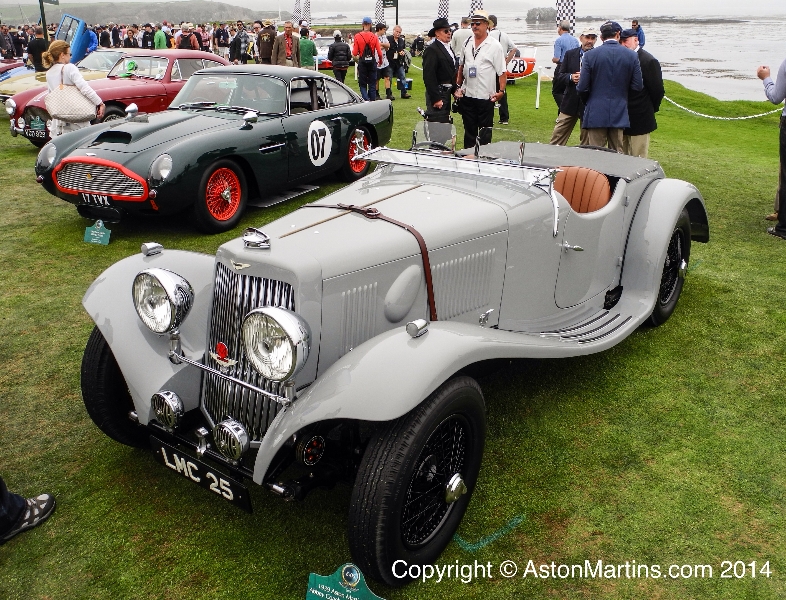
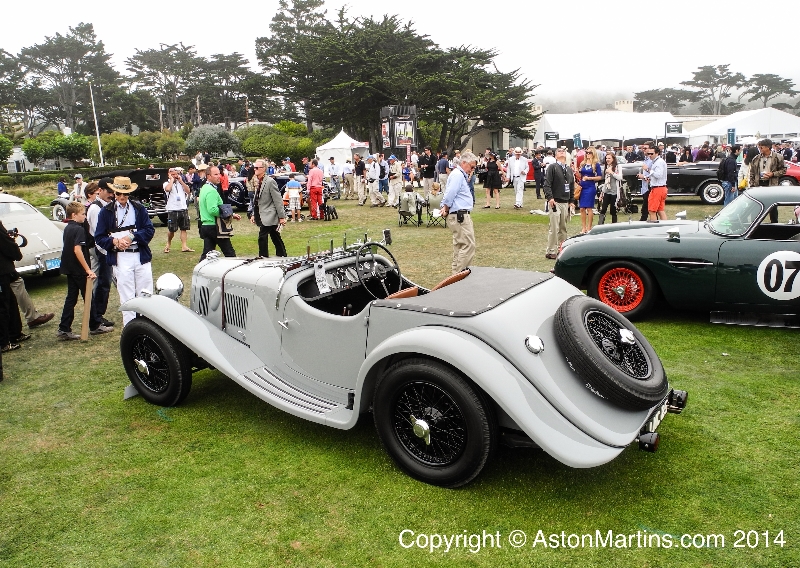
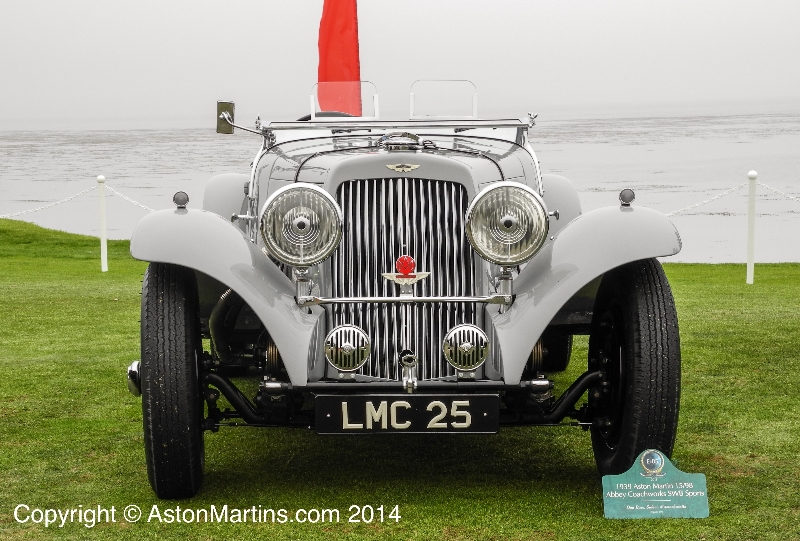
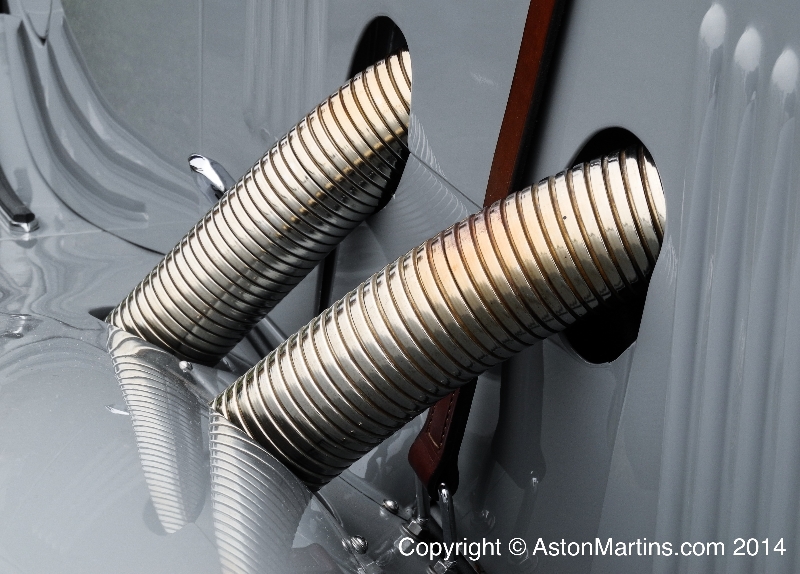
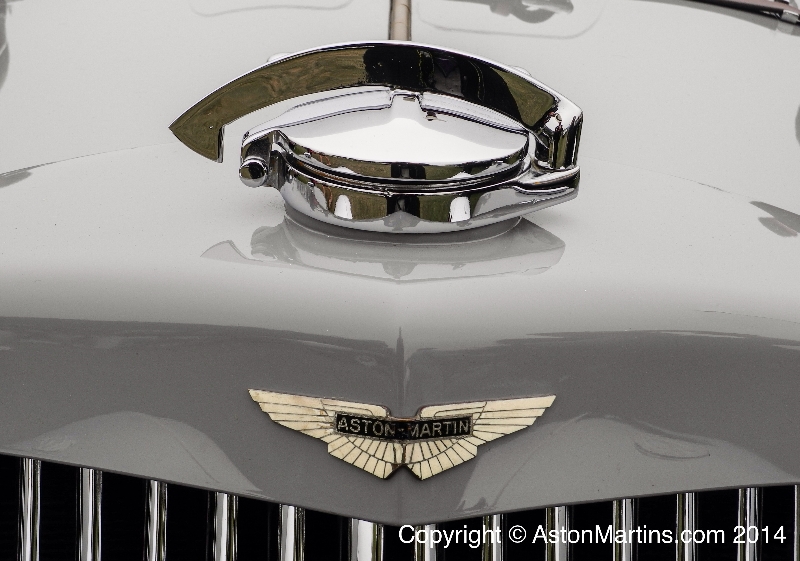
The absolute epitome of a 30’s roadster, the style of which can still be seen today in the sportscars made by the Morgan Company in Malvern, England. With 98bhp on tap from the 1949cc 4 cylinder engine, allows for a top speed of over 85mph.
Cygnet & colette
- 28/01/2013Specific features of the Cygnet & colette are as follows
- Lightning Silver coachwork
- Colette blue styling details including grille lipstick, body stripe and mirror caps
- Diamond turned 8 spoke road wheels with blue faces
- ‘Cygnet & colette’ branded hand enamelled boot badging manufactured by Thomas Fattorini
- Stainless steel hand formed and engraved door handle badges
- Gloss black painted tear ducts and bonnet louvers
- Black side strake mesh with bright metal side strakes
- Full satin chrome interior finish
- Blue stitched Bitter Chocolate interior with hexagonal quilted leather door inserts, seat inserts and alcantara sun visors.
- Hand trimmed, quilted colette blue leather occasional cushions for the rear seats
- Cirrus grey alcantara headlining
- ‘Cygnet & colette’ embossed leather grab handle. ‘Cygnet & colette’ sill plaques. Blue leather console strap with Bitter Chocolate stitch
- ‘Cygnet & colette’ branding on satellite navigation start up
- A unique ‘Cygnet & colette’ key ring machined from solid aluminium with blue enamelling, held in a key protection pouch with blue stitch
- A selection of ‘goodies’ from the colette store including – Special edition DianaF+ & colette camera by Lomography, colette protective car cover, colette custom candies, Air aroma colette fragrance spray, colette Sigg bottle, colette Francis Kurdijan bubbles, Wallpaper Paris City Guide and 4 x colette compilation music CDs
The Aston Martin Register believes that only two examples of the Cygnet & colette were ever produced.