Latest News - 01/09/24

What's New @ AstonMartins.com?

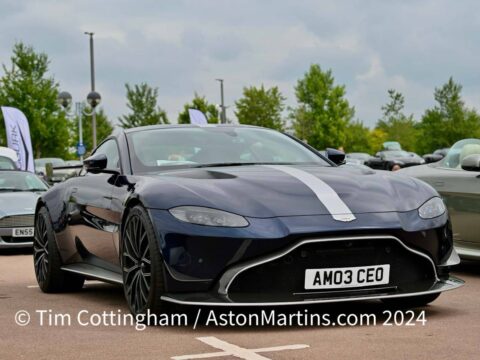
Vantage AM6 CEO by Q

DBR9 – Phoenix Racing (DBR9/104)

By 2008, the car has been put up for sale for 550,000 Euros. It was the final lot in the AM/Bonhams auction in May 2008 but at that time it failed to sell. The team has apparently moved onto the cheaper Corvette GT1 racecar.

This particular car has also been immortalised as Scalextric model

Phoenix Racing

DBR9 – Bell Motorsports (DBR9/5)

The images of this car were taken during the 2013 Goodings auction at Pebble Beach where the car was sold.

DBR9 – Larbre Competition (DBR9/1, DBR9/2 & DBR9/3)

During the 2007 season the team have been running two cars and have an entry for both cars in the Le Mans 24 hour race. Car 008 (DBR9/3) of Christophe Bouchut, Fabrizio Gollin, Casper Elgaard managed 7th overall and 3rd in the GT1 class, car 006 (DBR9/1) of Patrick Bornhauser, Roland Berville, Gregor Fisken finshed 29th overall. AMR Larbre continued to compete in the Le Mans series during the remainder of 2007. For the 2008 season, Larbre will be running the Saleen.

For 2008, Larbre moved on to using a major competitor to the DBR9, the Saleen.
Larbre Competition

DBR9 – BMS Scuderia Italia (DBR9/6, 7, 8 & 9)

Best results during 2006 were 3rd places at Silverstone (Fabrizio Gollin, Fabio Babini), Brno (Fabrizio Gollin, Fabio Babini) and Budapest (Fabio Babini, Matteo Malucelli). Sadly, DBR9/9 was one of the first cars to retire at Le Mans in 2006 after crashing very heavily. In the FIA GT Championship in 2006, BMS Scuderia Italia achieved 2nd overall behind the Vitaphone Maserati MC12

For 2007, as well as competing in the FIA GT series, car 100 achieved 11th overall and 6th in class in the 24 Heures du Mans. In the FIA GT championship in 2007, BMS Scuderia Italia achieved 6th overall.

After two years of success with the DBR9, BMS Scuderia Italia have moved on to Ferrari GT2 cars. An associate team, Brixia Racing are running a trio of DBRS9’s in the European GT3 series.

2 litre 1936 Team Cars

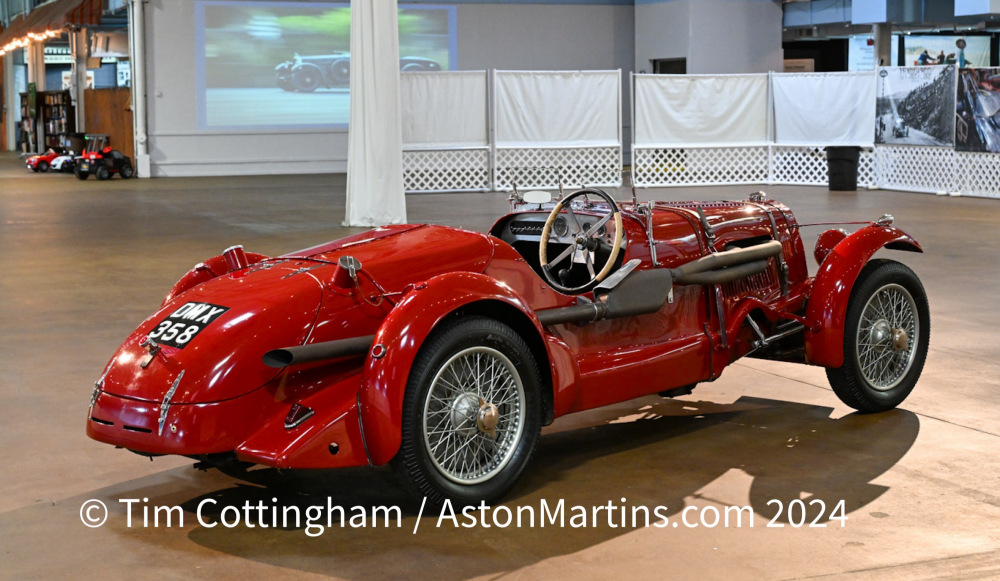
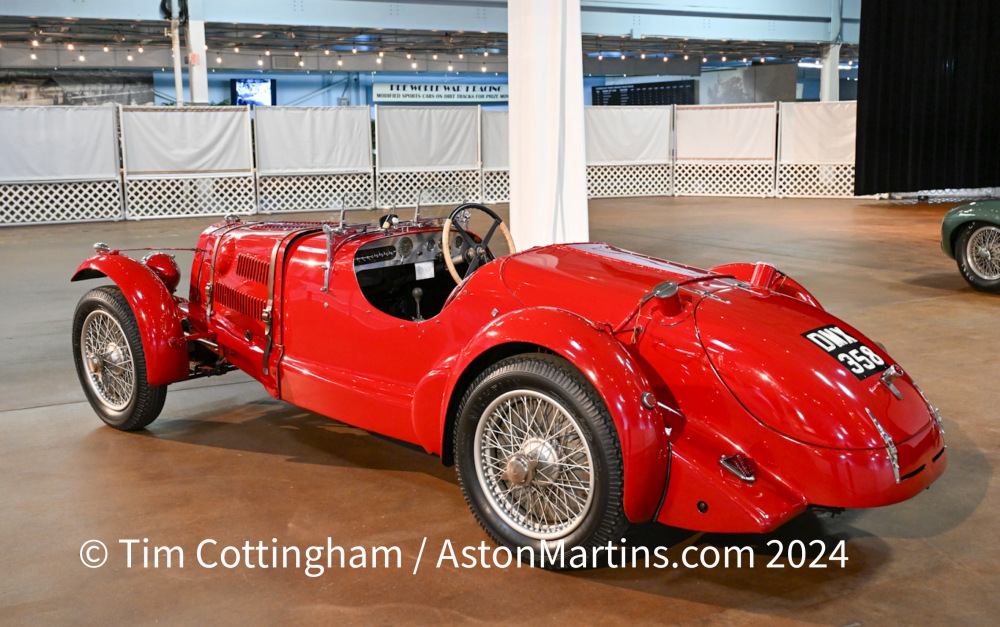
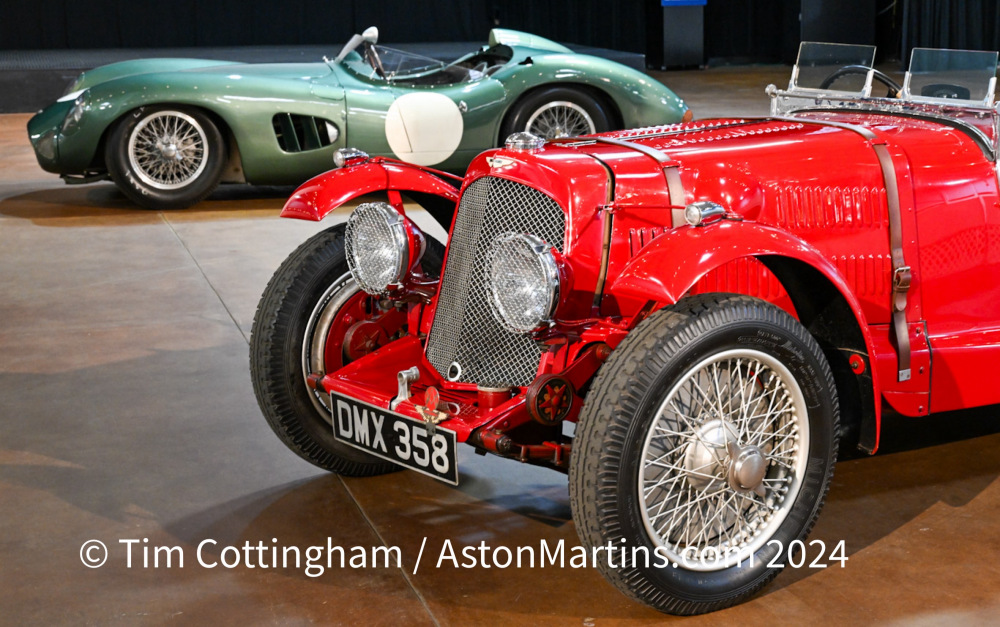
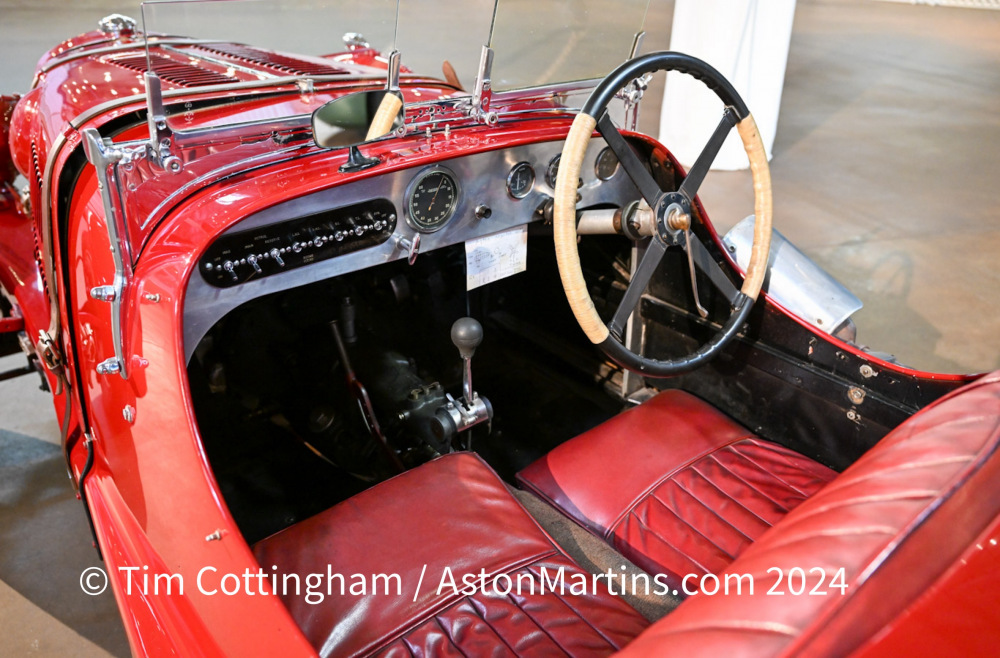
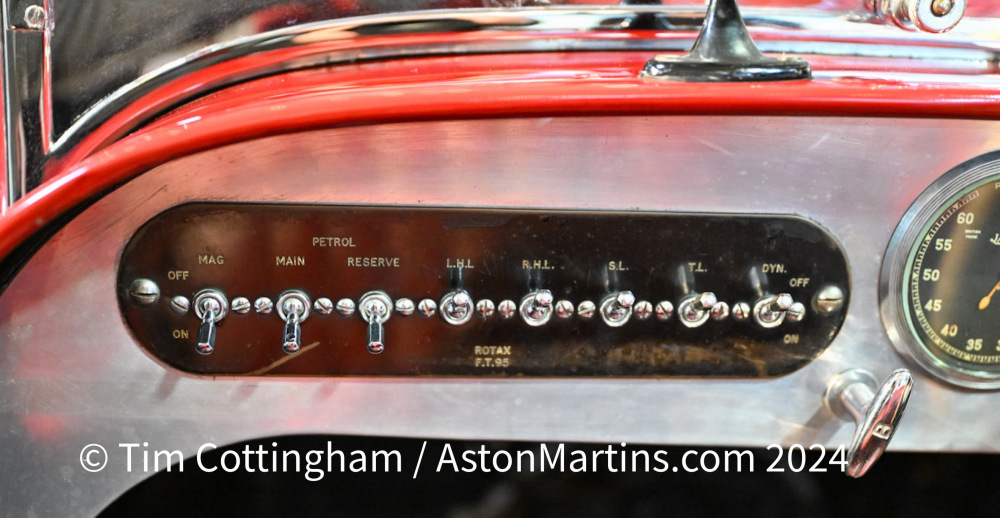
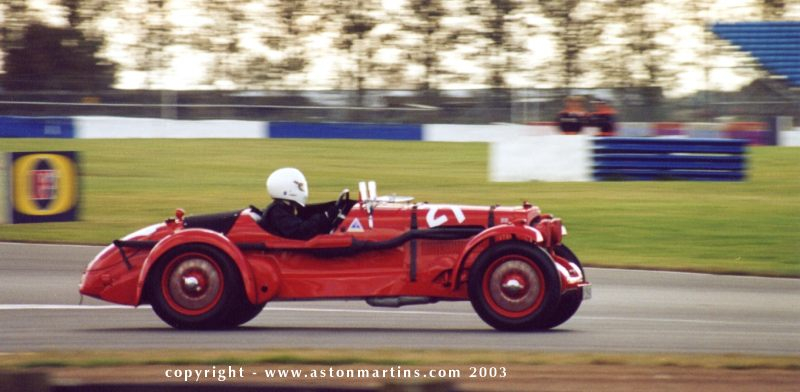
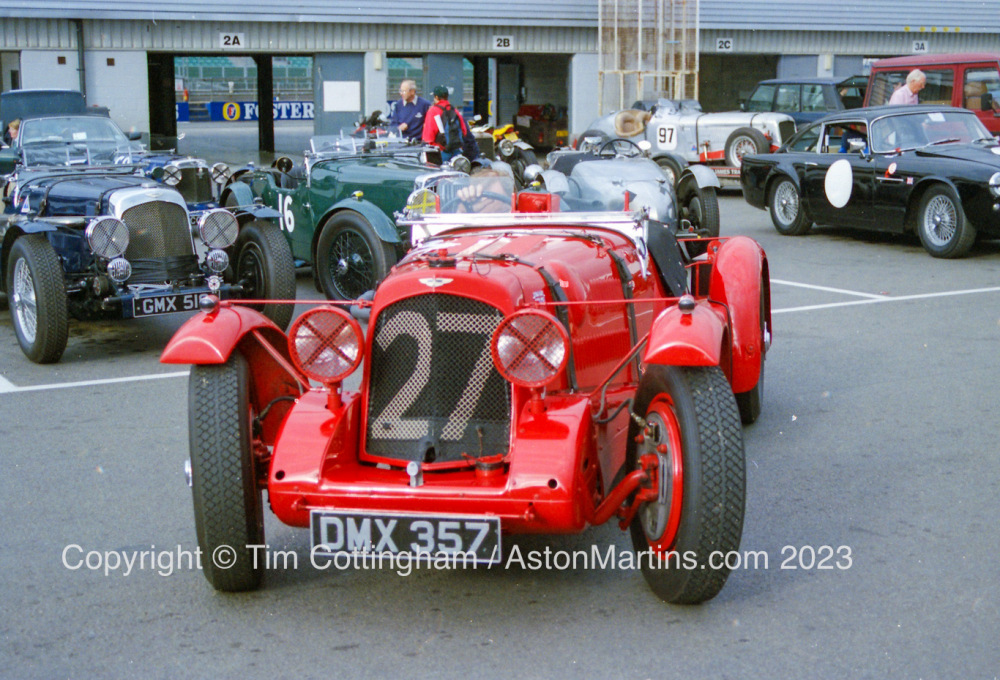
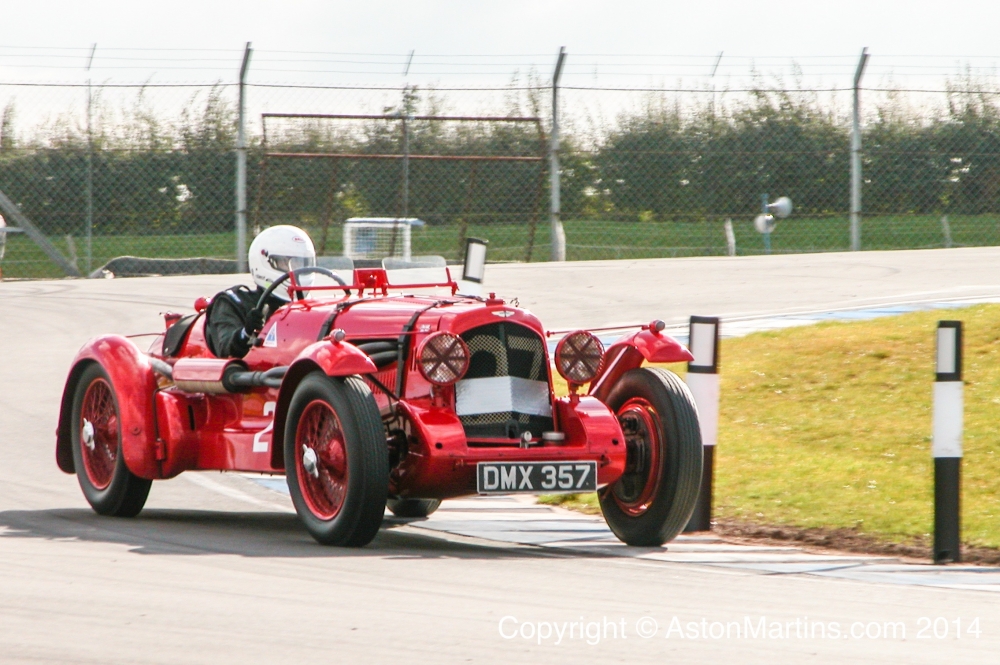
Designing a totally new engine would have been far too expensive especially if new tooling was needed, so that the 1½ litre Renwick and Bertelli engine was modified and enlarged to 1949cc. The new engine (in dry sump form) first saw daylight in the Team Cars destined for the 1936 Le Mans 24 hour race. To be able to compete in the French Classic, it was necessary for a manufacturer to have ‘sold, built or stocked’ 30 cars, three weeks prior to the race. In fact 25 chassis were laid down by this time and the Team Cars were permitted to enter. It was very unfortunate that due to industrial action and political problems in France at the time, the race organisers, the ACO cancelled the race at very short notice. For some time, the AMOC register referred to the two Team Cars as LM22 and LM23 although the cars may never had actually cared those numbers. As the pair of Team Cars were quickly sold off after the cancellation of Le Mans and were never officially raced by the Works Team, they are now known as G6/701/UR and G6/702/UR. The factory subsequently withdrew from racing altogether. Whilst very similar to the Ulster, the 2 litre Team Cars had front wings that were attached to the chassis by stays and bracing and thus they no longer turned with the steering – a familiar Aston Martin trademark feature was lost.

Once sold, one of the cars was entered privately in the 24 hour race at Spa, Belgium. Although it didn’t finish, it did perform very well indeed.

The car shown here is chassis number 702, which I saw for the first time at the AMOC Horsfall meeting at Silverstone in September 2002. It competed in the annual Horsfall race which is specifically reserved for pre-war Aston Martins. If the register is correct, this would have been the very first time that this important car has ever been in this longstanding classic race.

G6/701/UR LM22

G6/702/UR LM23

DBR9 – Strakka Racing (DBR9/4)
Aston Martin Racing – An overview

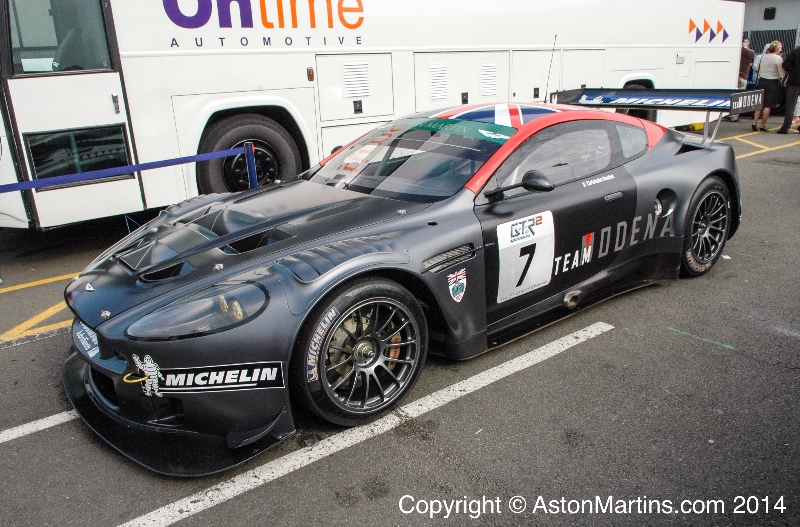
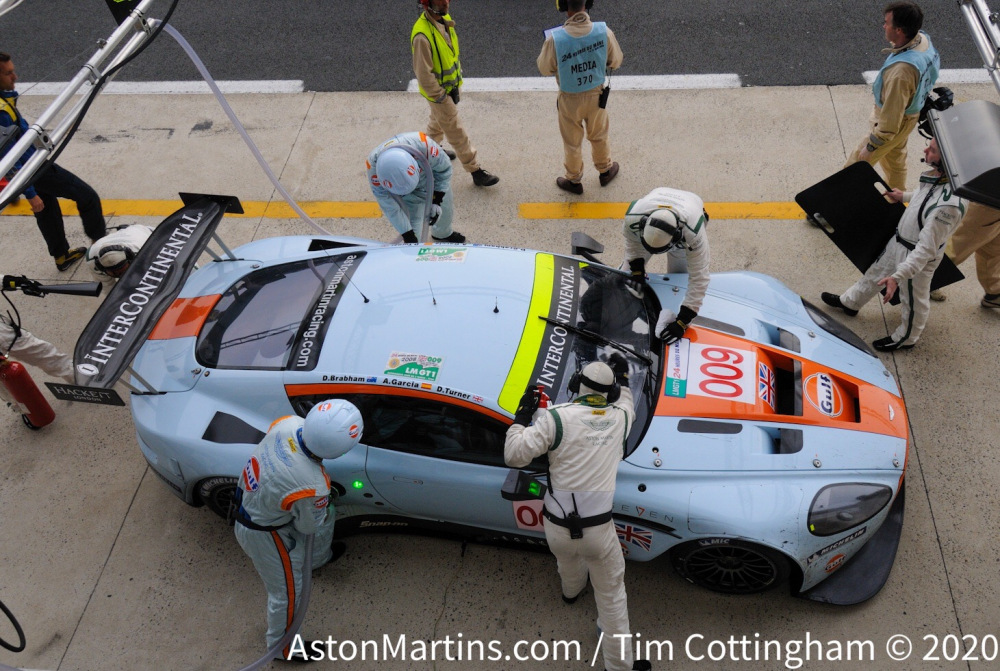
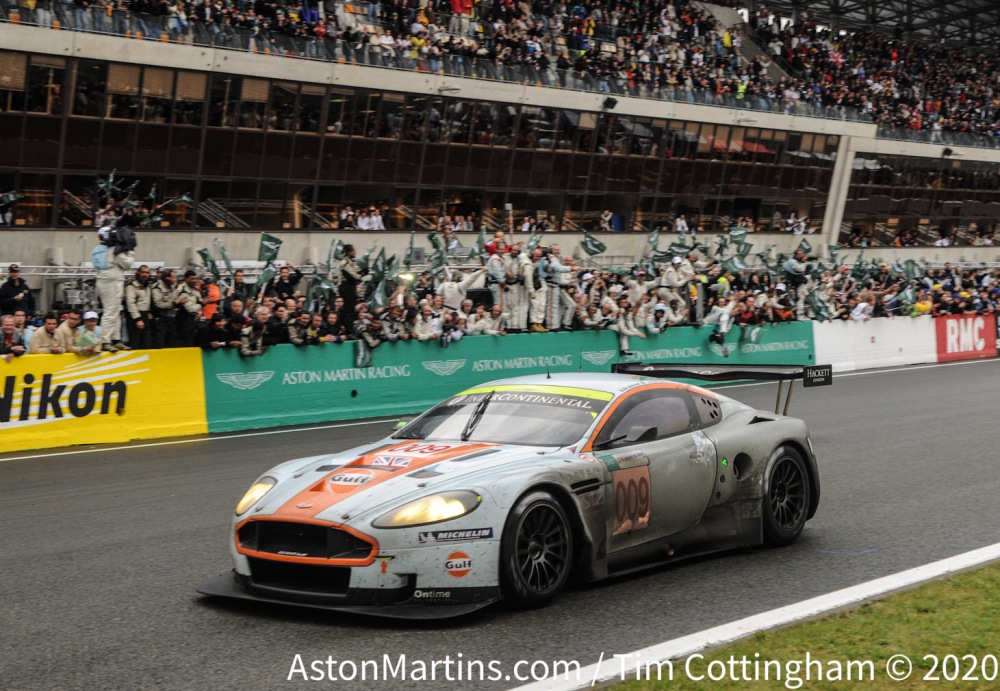
Initially the plan was for three Aston Martin Racing Works teams (a true works team and two others) to compete in major international sports cars series. For these teams, a total of 12 Works cars were planned to be built (chassis numbers 1 to 12). With the exception of the full AMR works team, the others were to be independent teams each racing DBR9’s with the full factory support of Aston Martin Racing. In addition, upto another 20 DBR9’s were planned to be built for private teams and collectors.

The aluminium chassis is an ever so slightly modified version of that from the road car, together with it’s aluminium roof. Modifications just involve removal of unnecessary brackets and the removal of excess glue (to reduce weight – believe it or not) plus the addition of a still steel roll cage. The rest of the bodywork is carbon fibre and the whole car has a steel roll cage. You won’t be surprised to hear that the familiar V12 is expected to produce about 600 bhp and in excess of 700 Nm of tourque in dry sump form. The transmission is an xTrac six speed sequential unit is mounted in the gear axle. And stopping the lightweight 1100kg DBR9 is accomplished by 330mm carbon brakes and six pot Brembo callipers. The suspension is an uprated version of that on the road car with Koni dampers and Eibach springs. 18 inch Magnesium wheels are provided by OZ and tyres by Michelin to a maximum width of 14 inches. But the biggest difference between the road and race car is the power to weight ratio – the DBR9 has 550bhp per tonne – double that of the road car.

By 2006, in addition to the full AMR Works cars, AMR had attracted two works supported teams, BMS Scuderia Italia and Larbre Competition.

Also, cars have been sold to be run in the following private teams, Team Modena (initially run under Russian Age Racing and Cirtek), Jet Alliance (formally Race Alliance), Barwell Motorsport, Phoenix Racing and Gigawave Motorsport.

Full results for DBR9’s in competition can be found here http://www.astonmartinracing.com/eng/results

AstonMartinRacing.com | American Le Mans Series | Le Mans 24 hour race

24 Heures du Mans 2009
24 Heures du Mans 2008
2 litre Speed Model (A and B Type)

The performance of the 1936 Team Cars privately entered in the 24 hour race at Spa, Belgium must have encouraged another two people to take cars, both of which were raced in the 1936 RAC Tourist Trophy. These ‘customer cars’ were given seater Ulster style bodies by E Bertelli Ltd. 

Red Dragon

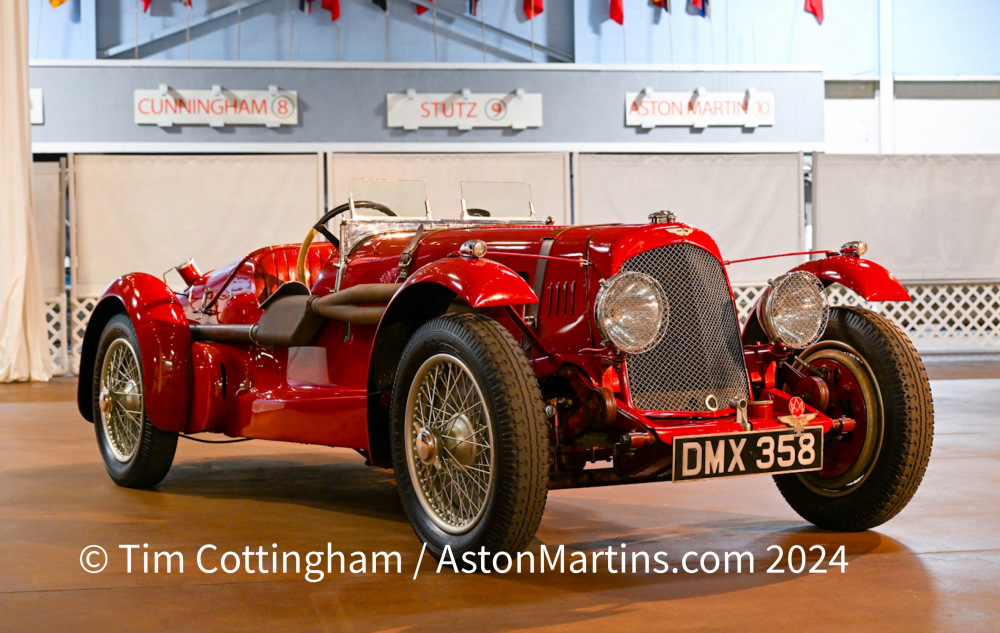
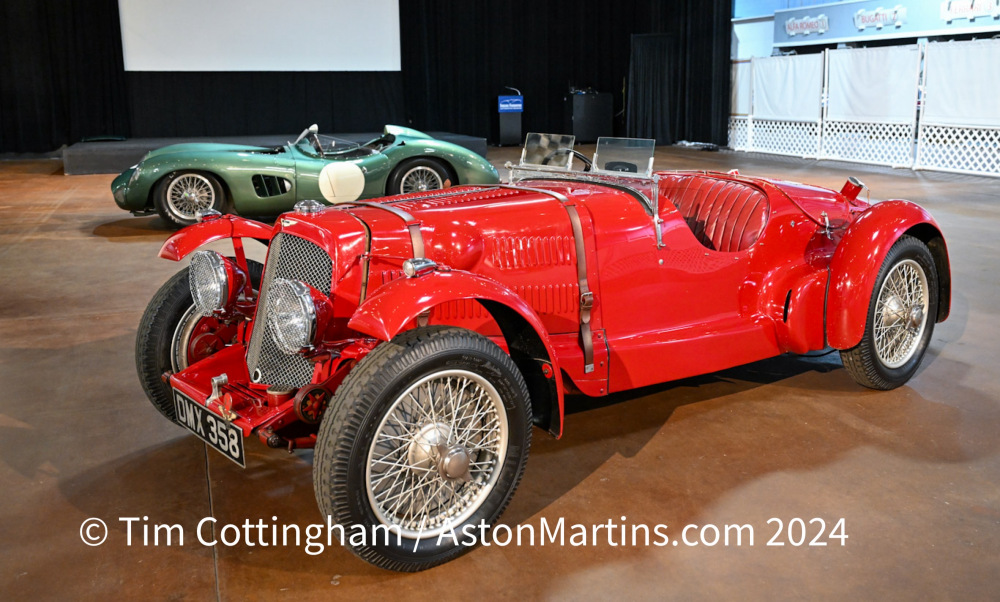
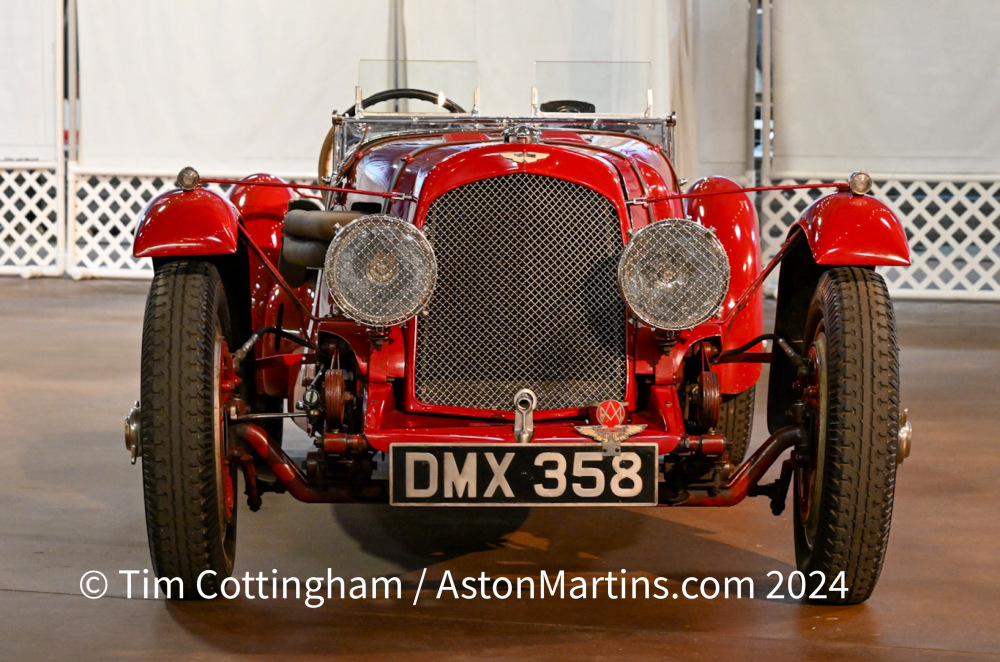
Another customer Speed Model was originally built in the experimental shop for Richard Seaman to compete in the 1936 Tourist Trophy. Richard Seaman was probably the best British Driver of the immediate pre-war period and due to this the factory did offer support to him with the race. After running well including the fastest lap for cars in it’s class, the car unfortunately retired with a seized engine due to lack of oil. The car then spent some time being raced on the continent with new owners including the 1937 and 38 Mille Miglia and 1937 Le Mans 24 hour. After returning to the UK after WW2, the car again competed at Le Mans in 1949, 12 years after it’s first appearance at Le Sarthe.  This body style, fitted in 1950, was actually a copy of the Ferrari 166S that the owner, Dudley Folland also tried to import into the UK. As the import duties after the war were so steep, the Ferrari remained in Italy and the pre-war  body on the Speed Model was replaced by this on trend Ferrari style coachwork the car still carries today. Dudley Folland used the ‘red dragon’ symbol on his race cars and the name stuck. The car is still a regular competitor in AMOC events.

A further two chassis which were finished as two seaters by Abbey Coachworks were really quite sporting in appearance if a little dated for their time. Below is a car known as the Bond Williams car, DGJ242 has had the body converted to the style of the Ulster. The Abbey bodied cars are known as ‘Type B’ Speed Models.

The Black Car

By the close of the 1936 Motor Show when the Speed Model was first shown (at a price of £695 chassis only), 20 odd remained unsold and only two found buyers. The car featured above, which became known as the Black Car, was ordered by R.S. Wilkins and fitted with an Ulster style body found lying unused at the works. After appearances at Brooklands during 1937, it passed into the hands of ‘Jock’ St John Horsfall who prepared and tuned it for the 1938 season.

One of his greatest drives in this car was a 2nd place behind a 3 litre Delage (and 1st in class) in the 1938 RAC Tourist Trophy at Donnington against stiff competition from BMW 328’s, where Jock was fortunate to receive considerable support from the factory. After the war, Jock raced the Black Car to a famous victory in the 1946 Belgian Grand Prix. Following his tragic death later in 1949 at the wheel of an ERA at Silverstone, the Aston Martin Owners Club commemorates his life with it’s biggest race meeting of the year – The St John Horsfall.

The Black Car was kept by the family and was finally restored into it’s original form finally to appear at the AMOC Horsfall meeting in 1993. This car, although never a team car, has become one of the most famous Aston Martins ever built.

This Speed Model, was originally a Type A 2/4 seater used as a works demonstrator. After the war, it was converted to a Formula B car by St. John Horsfall and then again in 1949 to sports specification. In this form, with Horsfall driving single handed, it achieved a notable 4th place in the 1949 Spa 24 hour race (and thus is now known as the Spa Special) It has been successfully ever since and is often seen at AMOC race meetings in the UK.

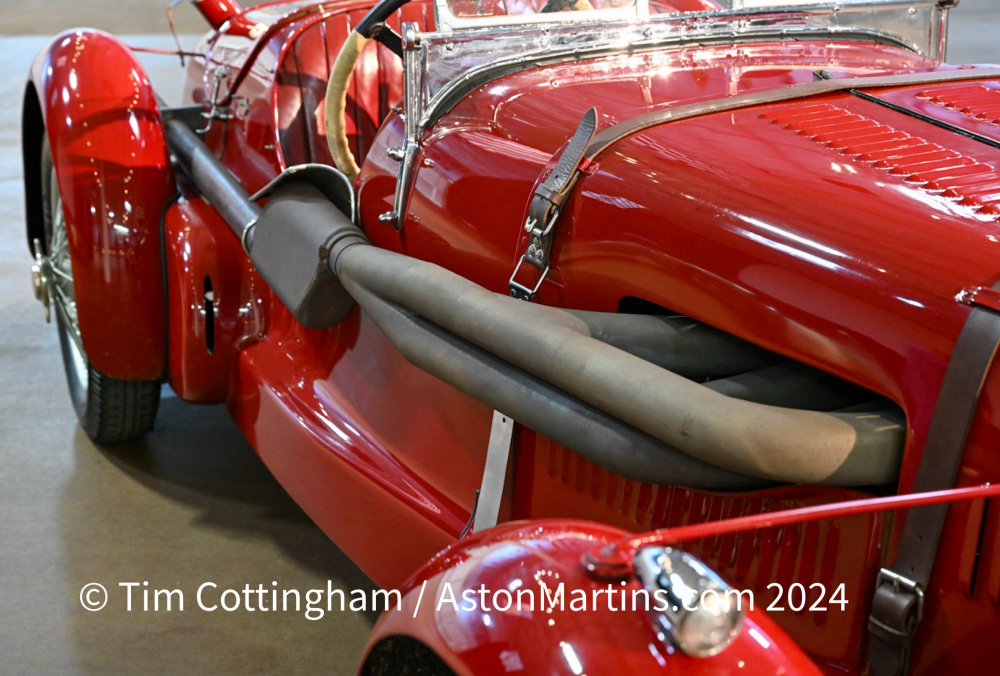
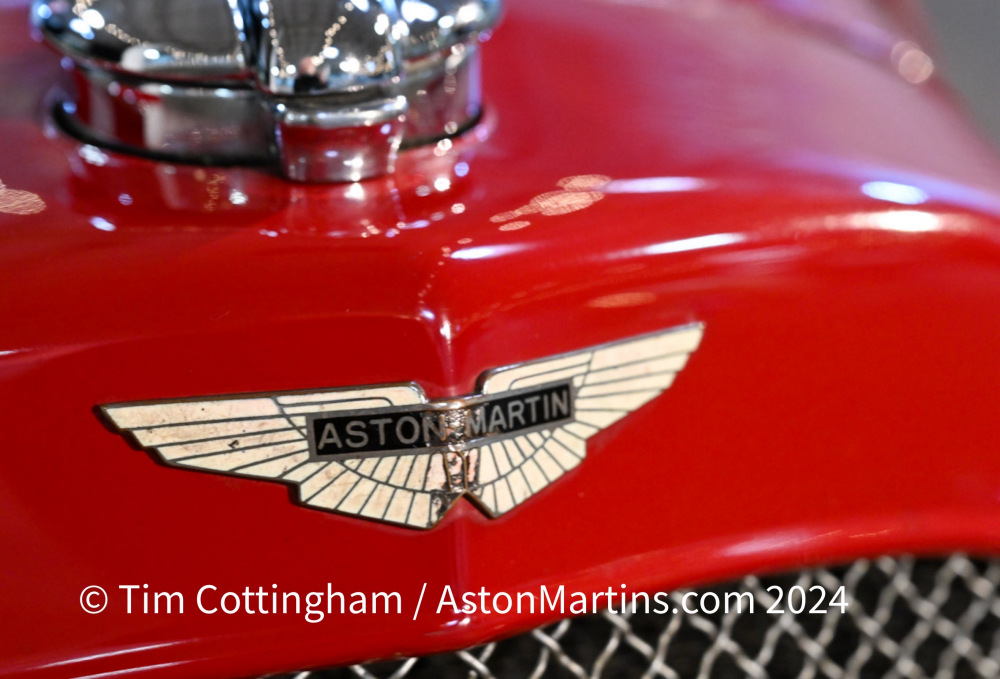
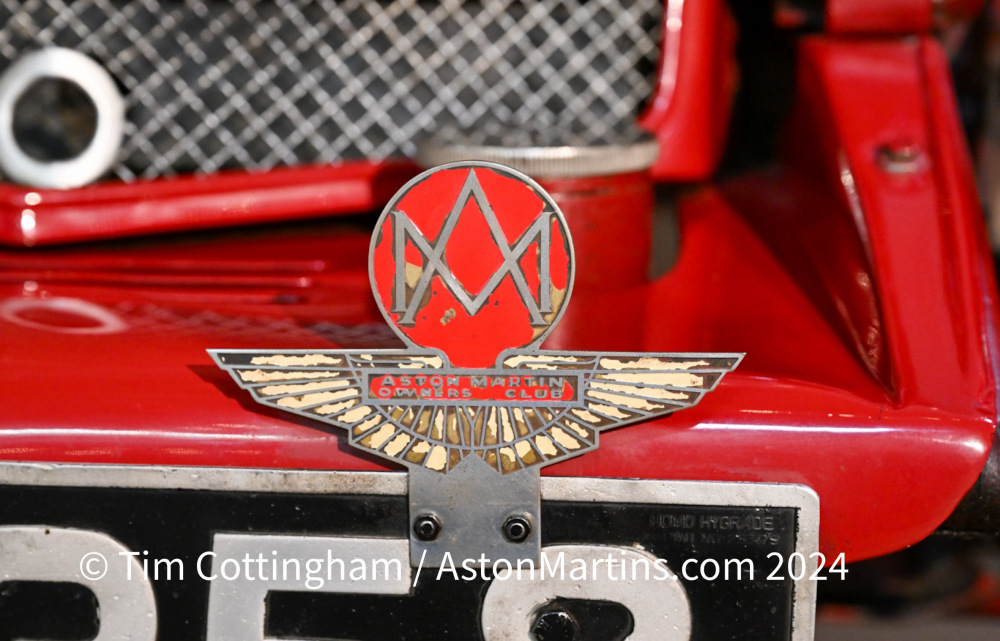
With all the various body styles applied to Pre-war Aston Martins, it can be very difficult to identify the various models. Indeed, without the AMOC register of cars, I would find this task almost impossible. But here is a little tip that can sort the 2 litre cars from the 1½ examples. The 2 litre cars had the ports reversed which improved efficiency and thus their exhaust manifolds exit the bonnet on the right side. All 1½ litre cars exit the bonnet on the left side.

2 litre Aston Martins

A trio of 2 litre Aston Martins. A rare 2 litre Speed Model, a 2/4 seater and a long chassis tourer at the 2013 Centenary Celebrations

« Newer PostsOlder Posts »