Latest News - 01/09/24

What's New @ AstonMartins.com?

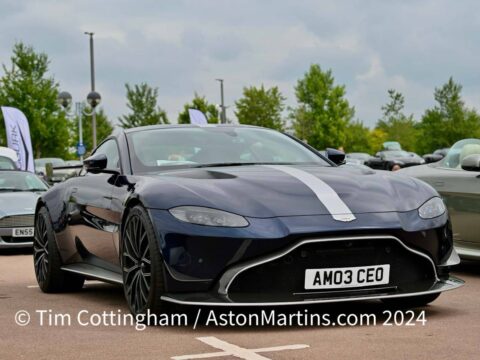
Vantage AM6 CEO by Q

2005 RAC TT Silverstone, FIA GT series

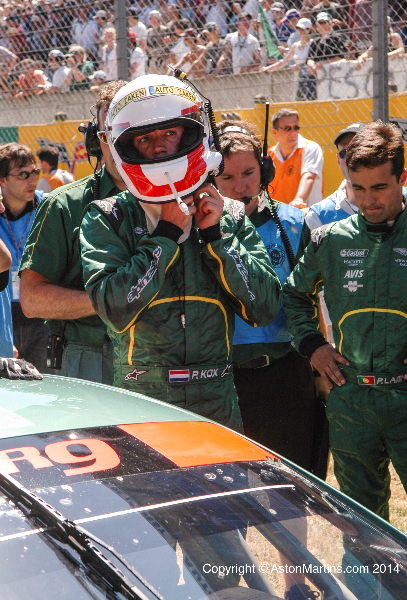
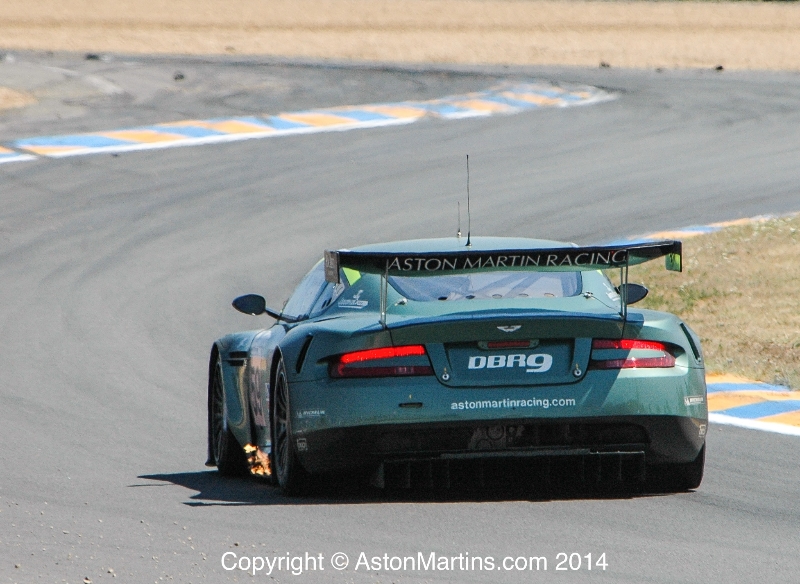
The pair of Aston Martin DBR9’s started from the front row of the grid and never lost the lead of the 3 hour race despite strong opposition from a trio of Maserati MC12 GT1’s. Car 28 (David Brabham, Darren Turner), with the yellow nose band led for most of the race but with just 15 minutes to go, red nosed car 29 (Peter Cox, Pedro Lamy) was slightly quicker and took the lead to win the race with a gap of just 1.9 seconds. The third place Maserati was only 9 seconds behind after 134 laps.

Since the FIA GT championship is only open to private non-works teams, AMR did not score points within the championship despite winning the race.

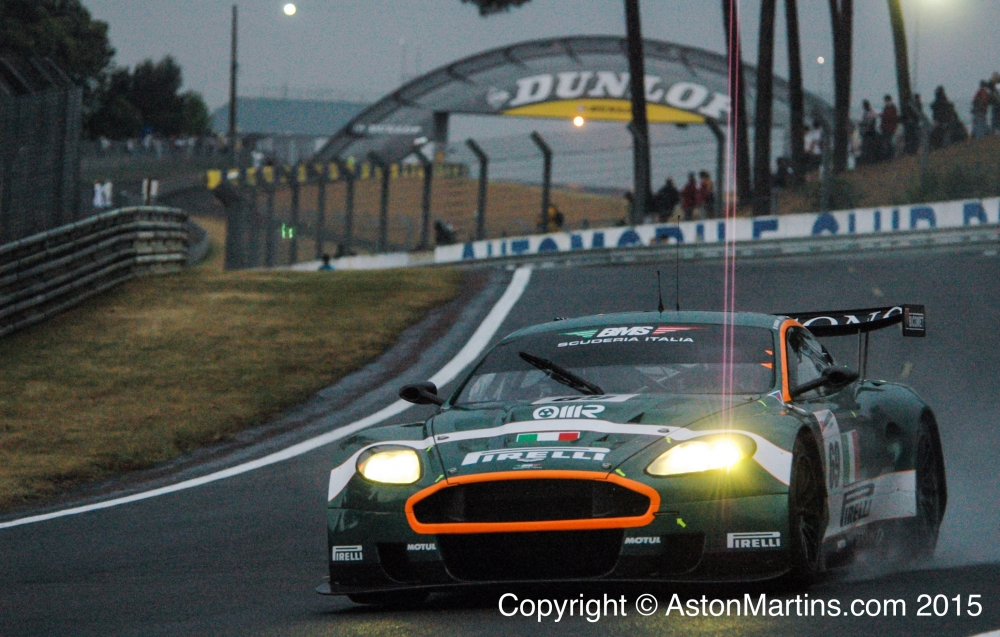
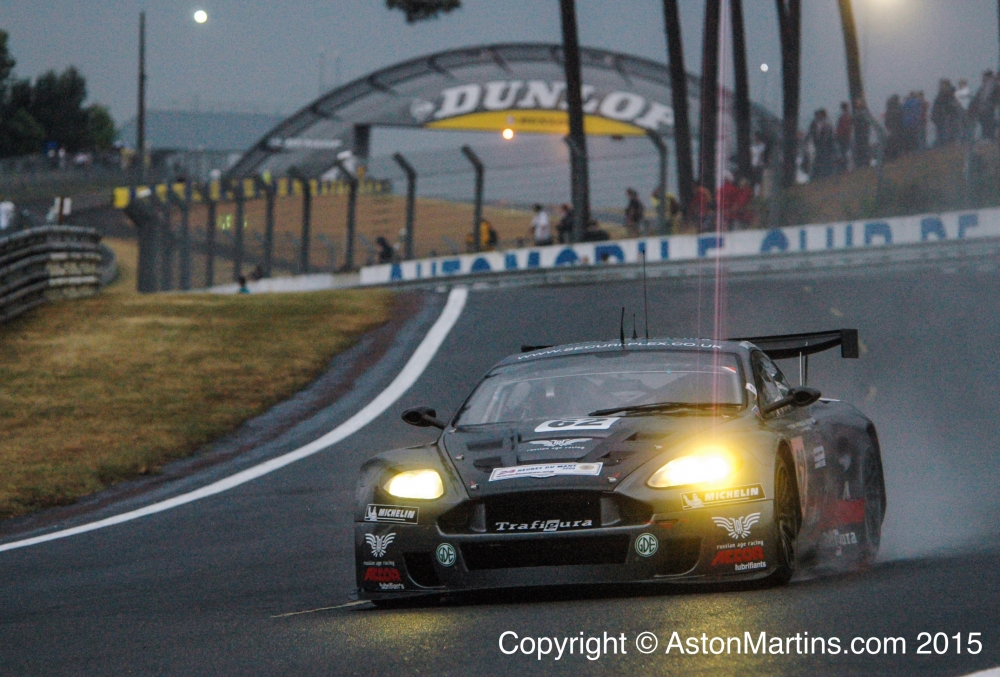
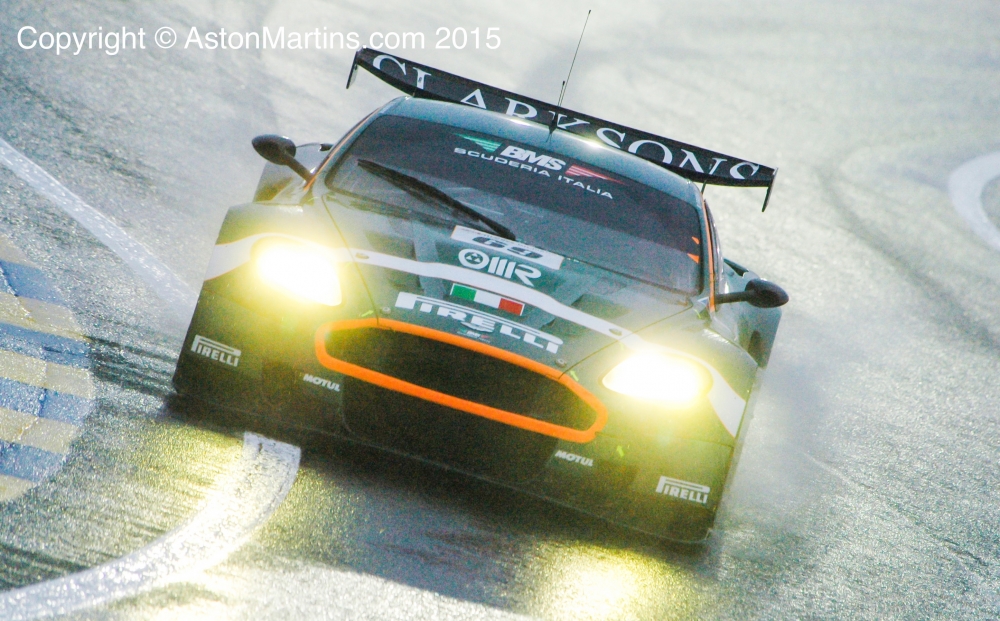
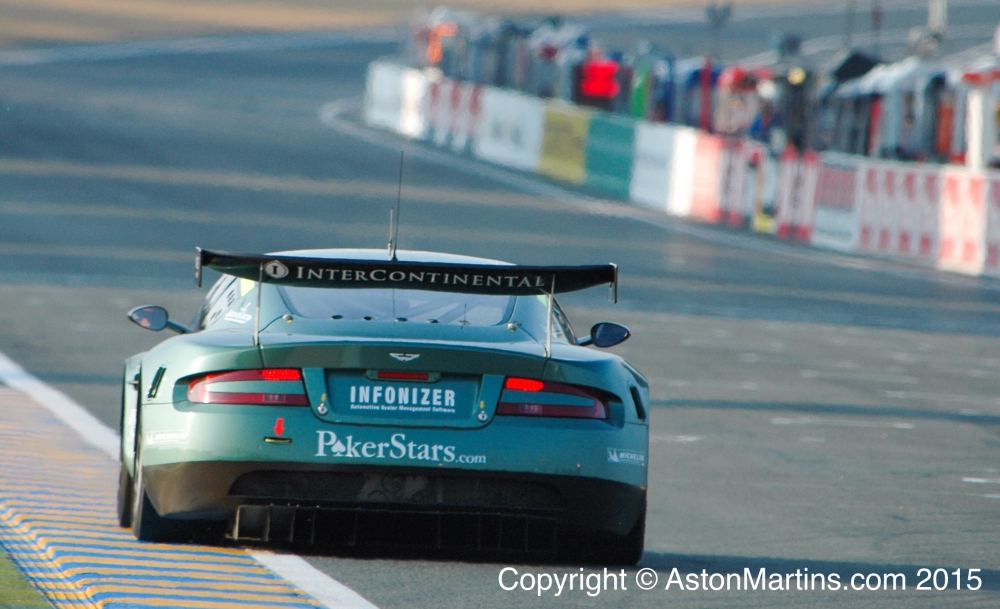
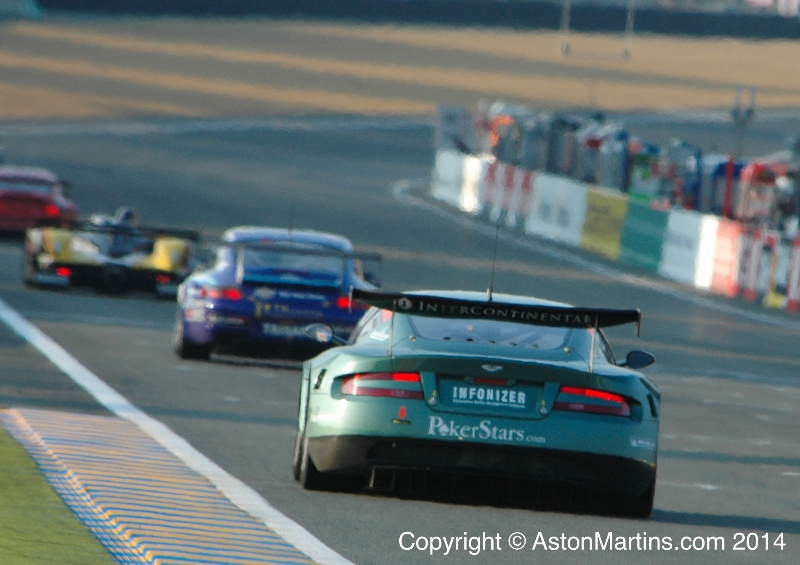
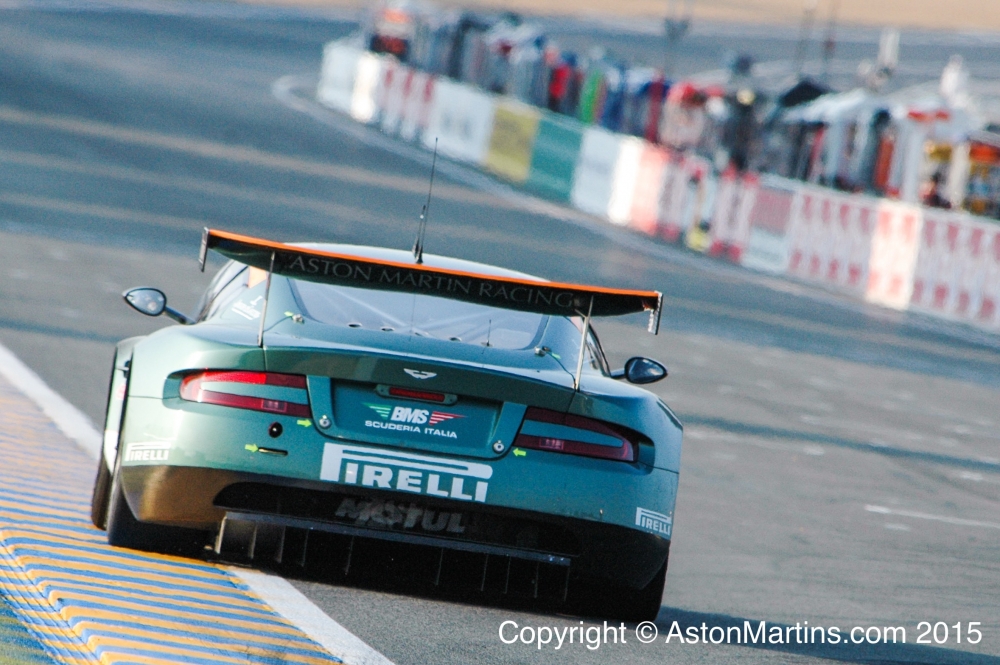
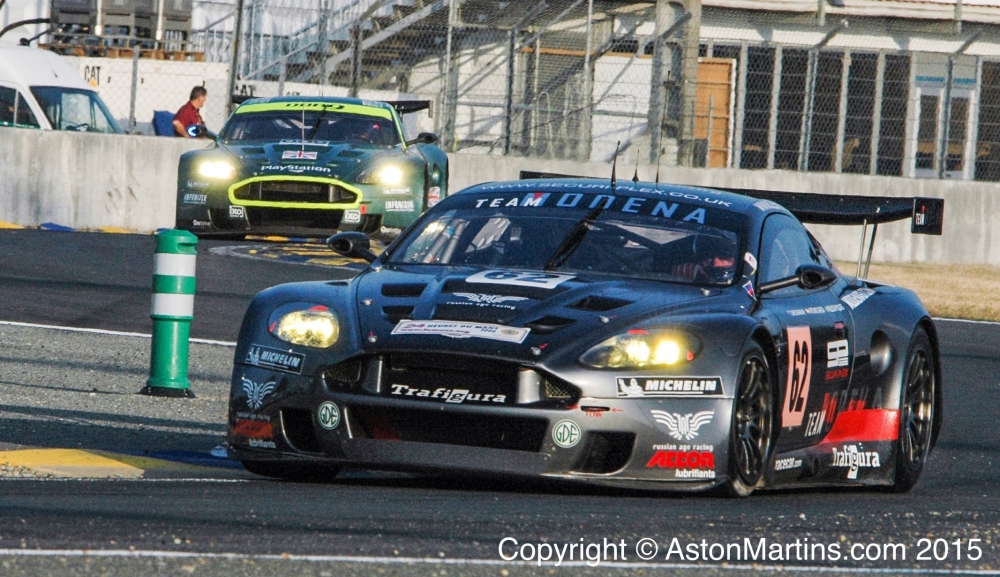
24 Heures du Mans 2005
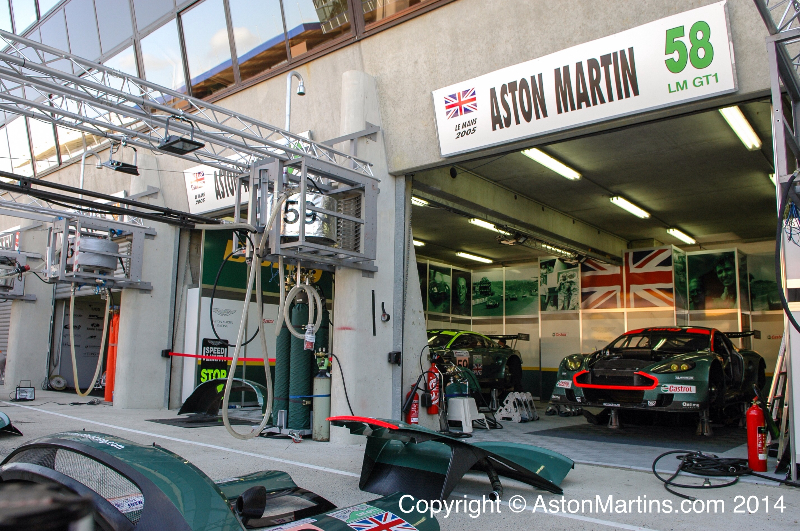
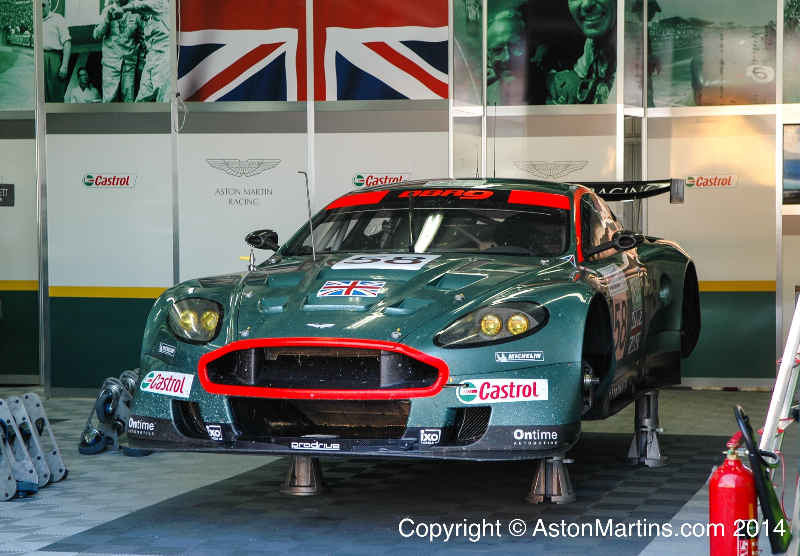
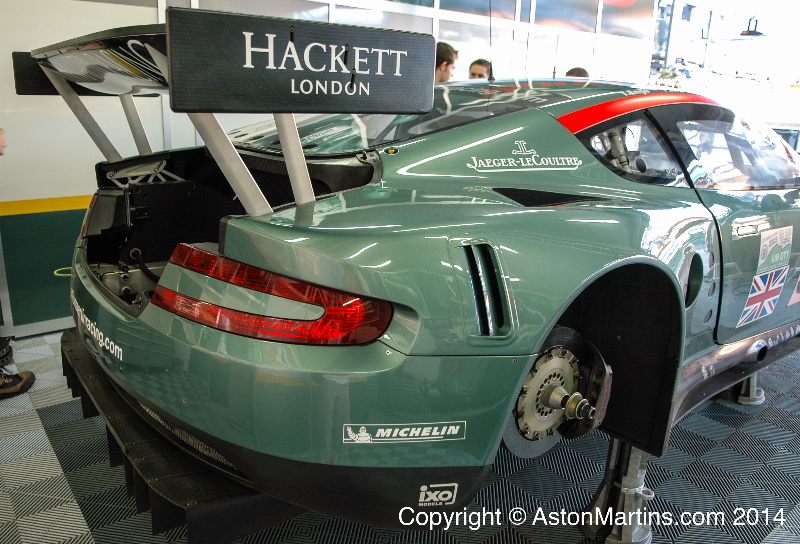
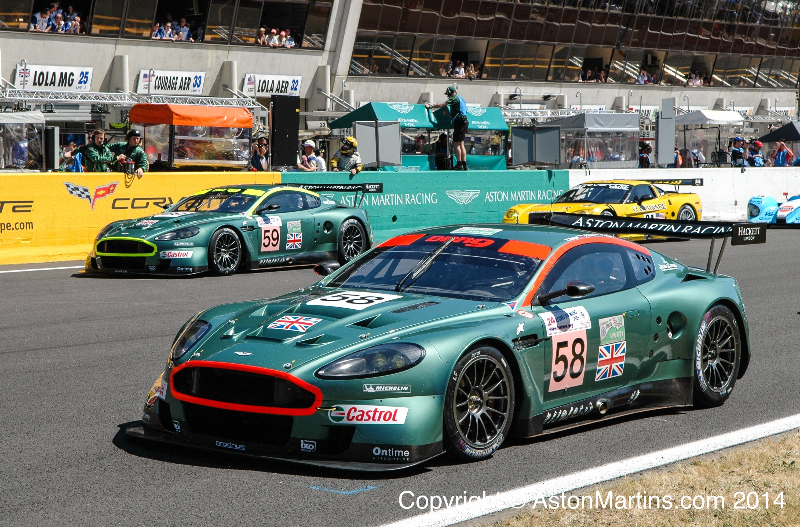
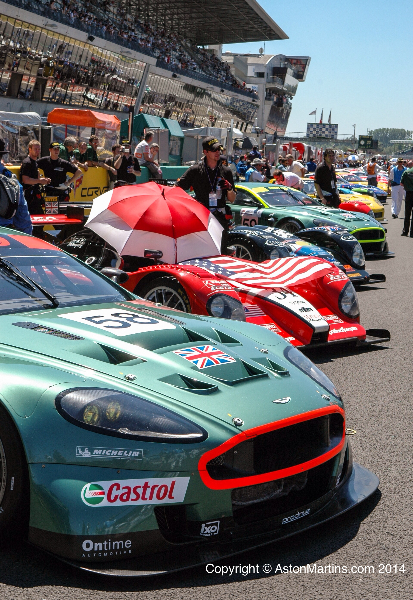
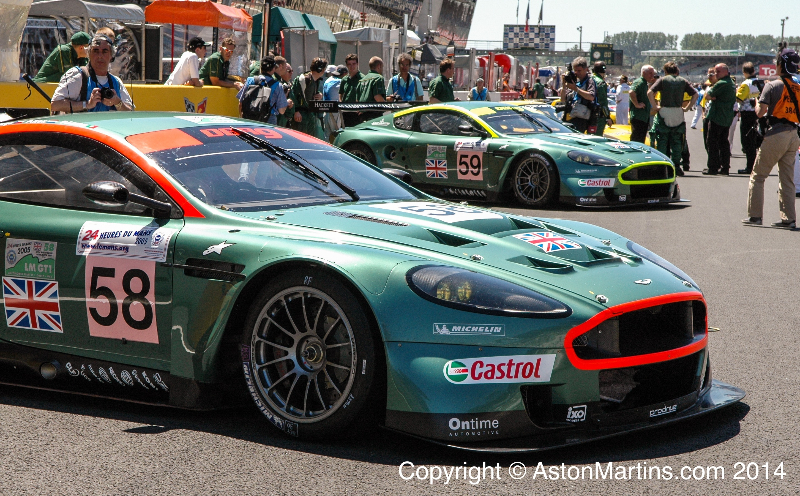
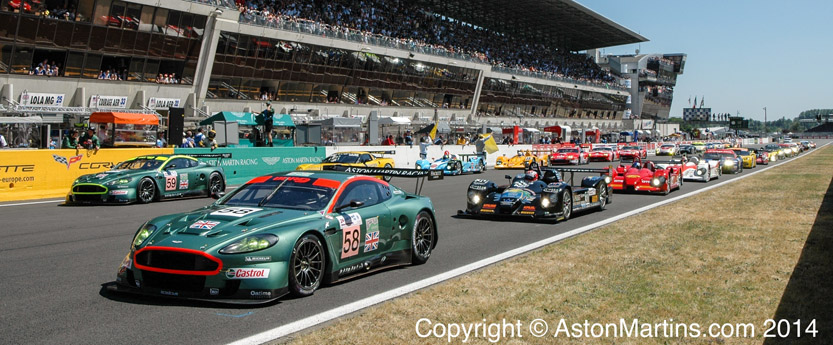
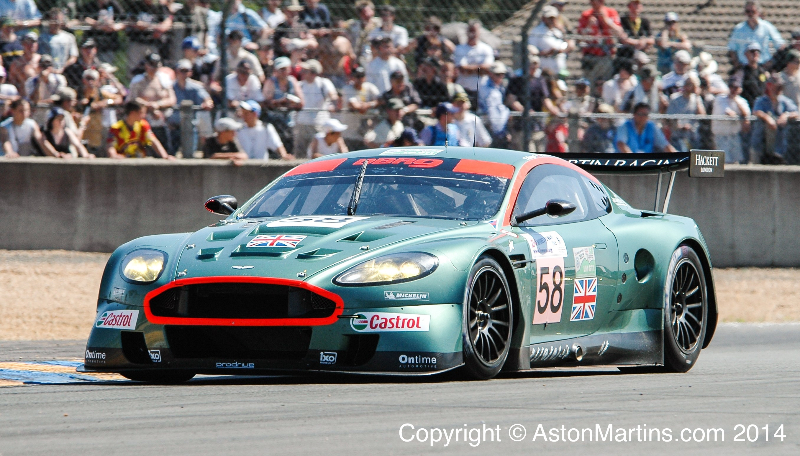
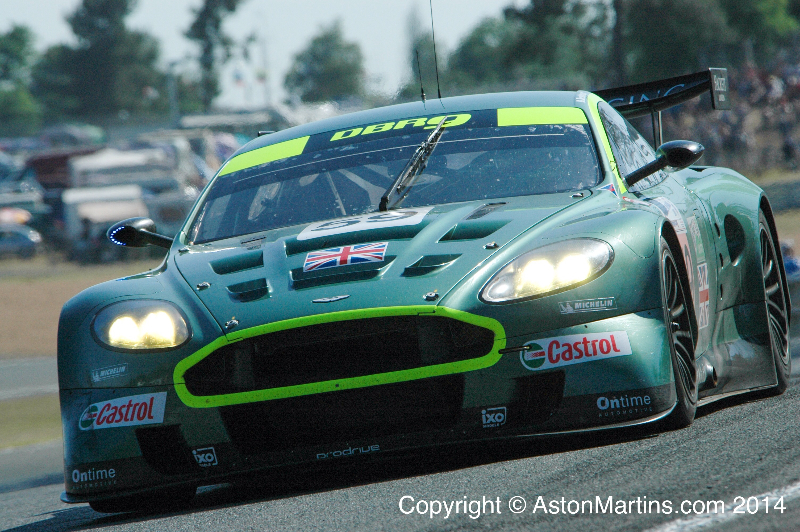
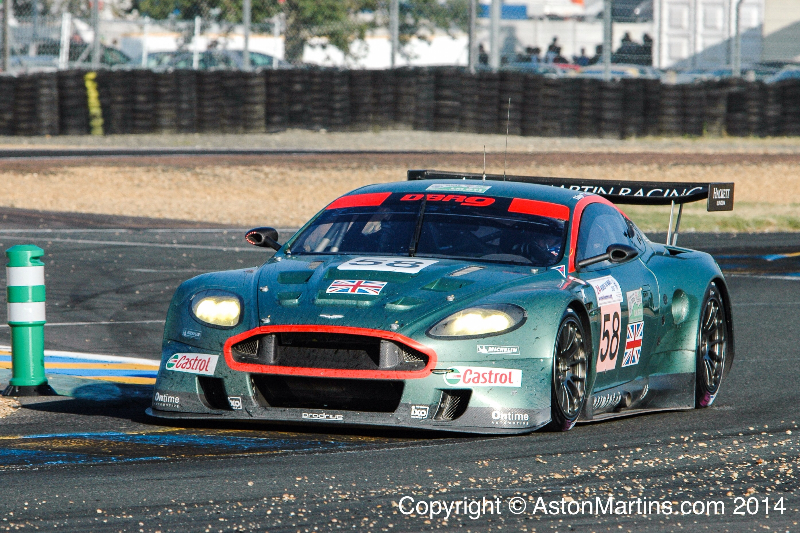
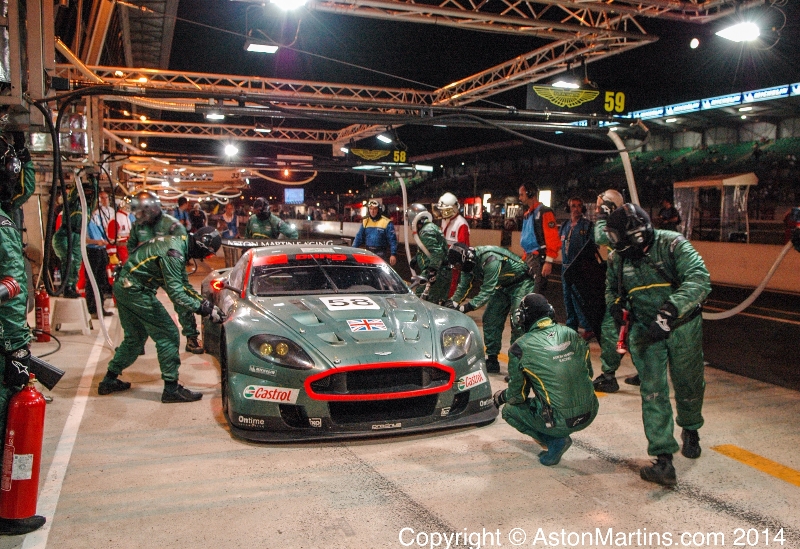
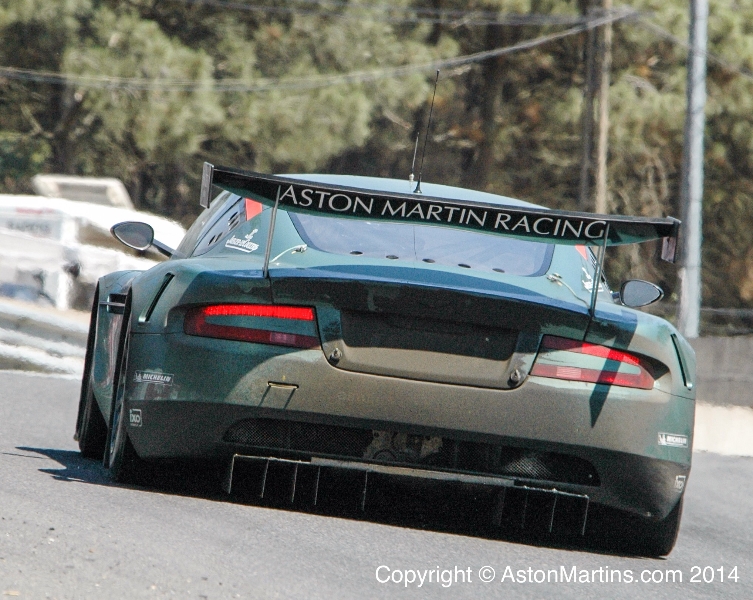
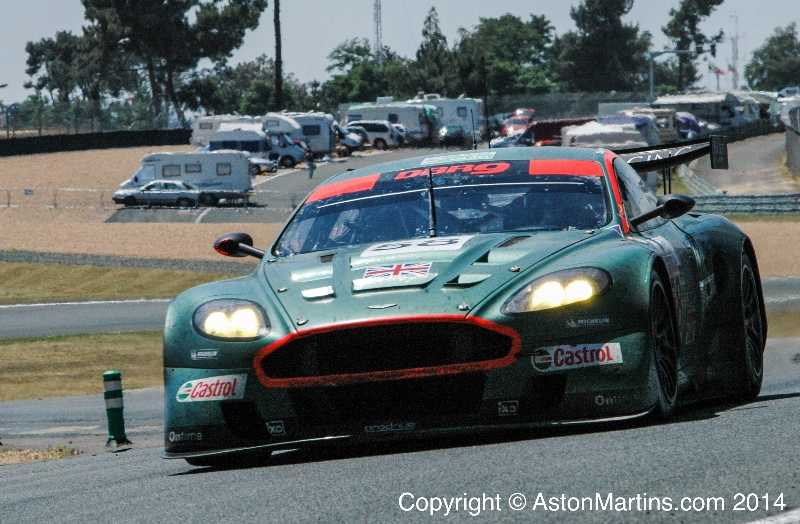
#58 DBR9/2 AM Racing Green with red highlights Peter Kox (NL), Pedro Lamy (P), Tomas Enge (CZ) Aston Martin Racing
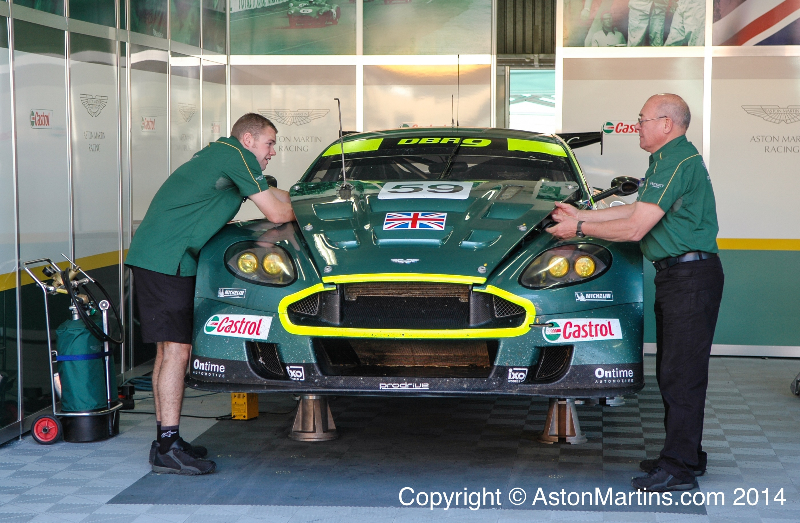
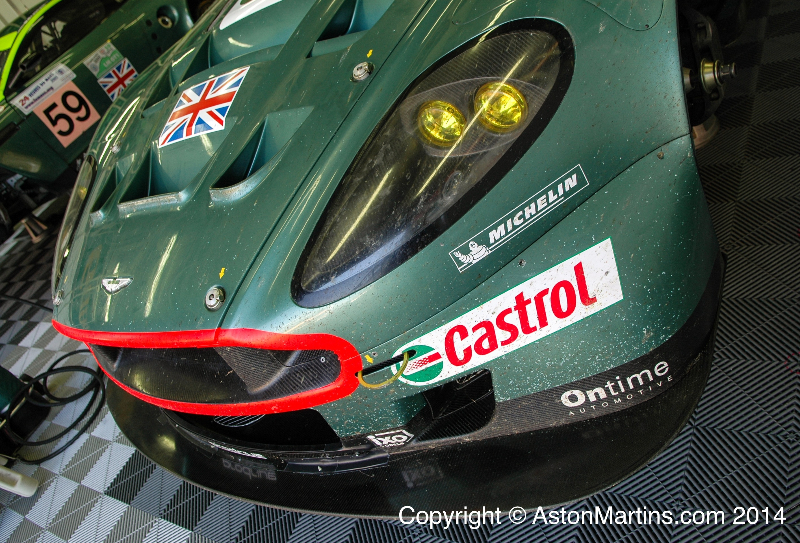
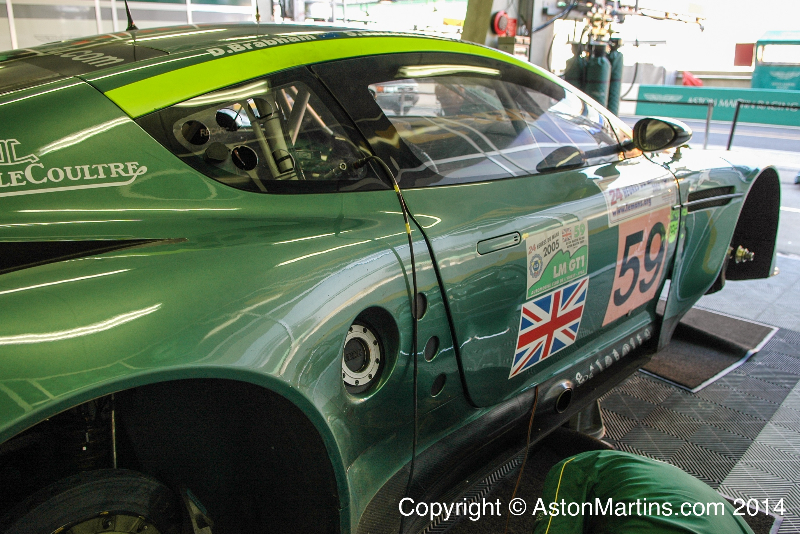
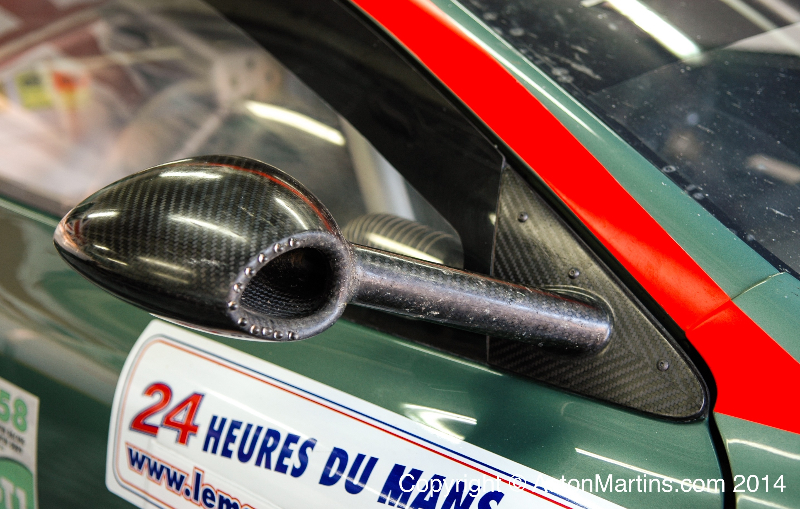
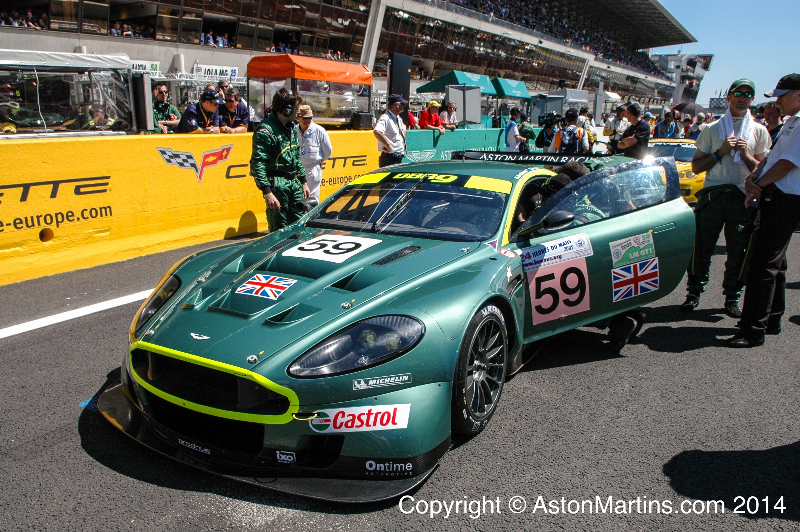
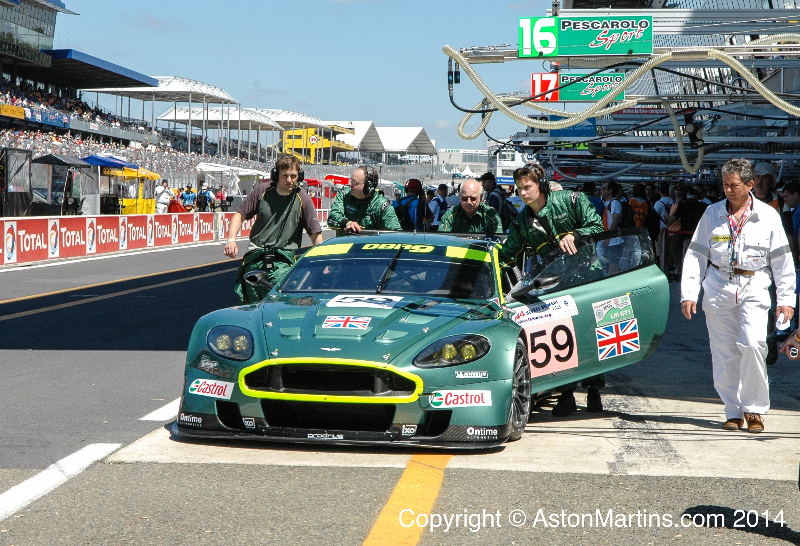
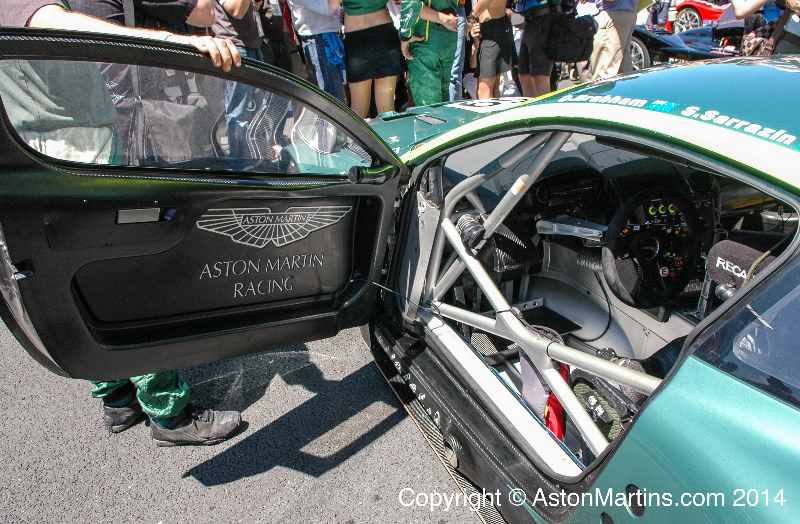
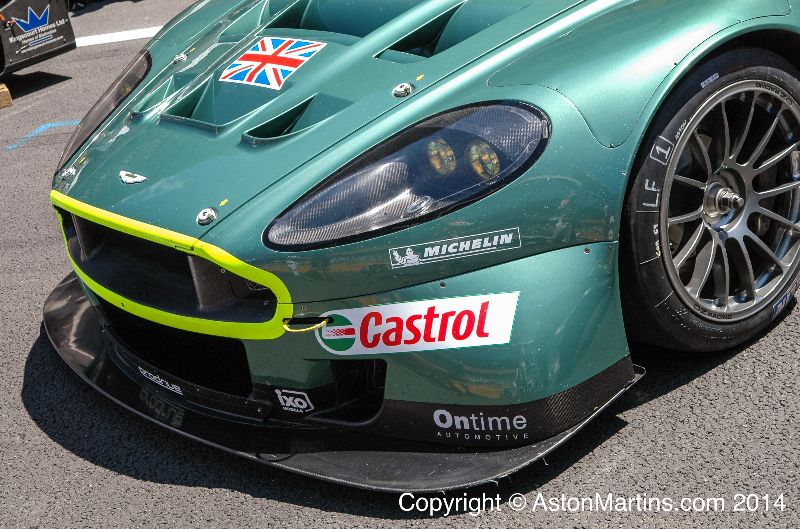
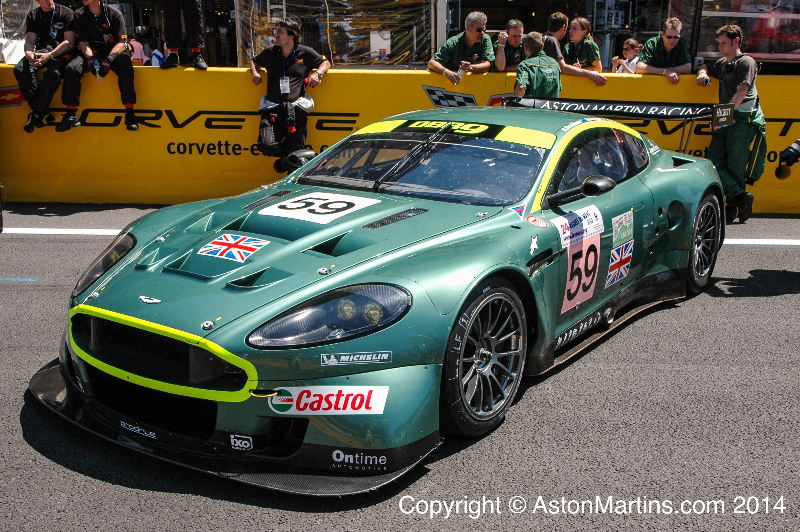
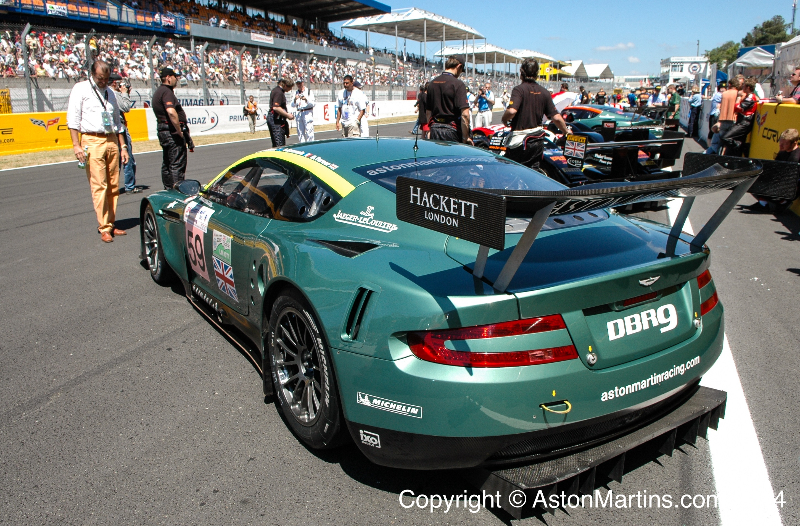
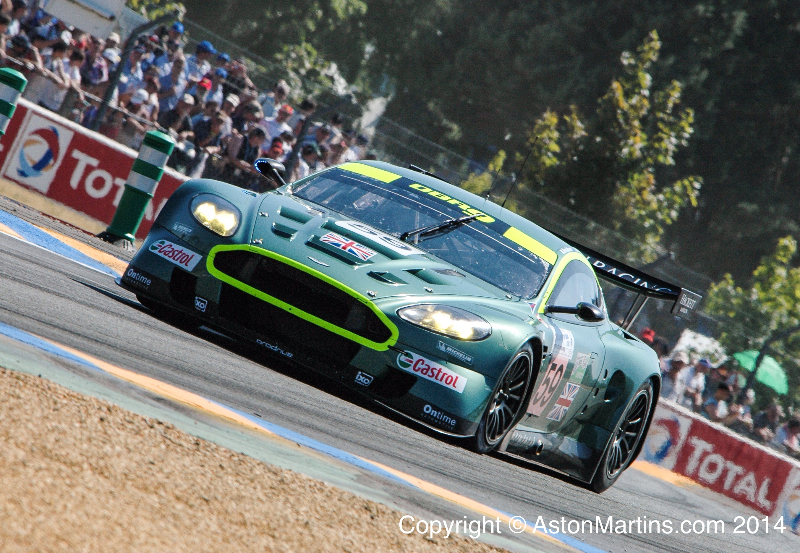
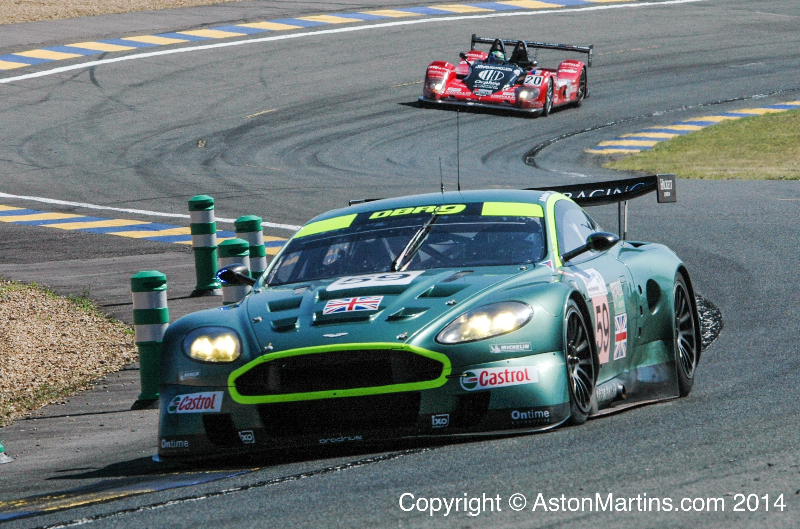
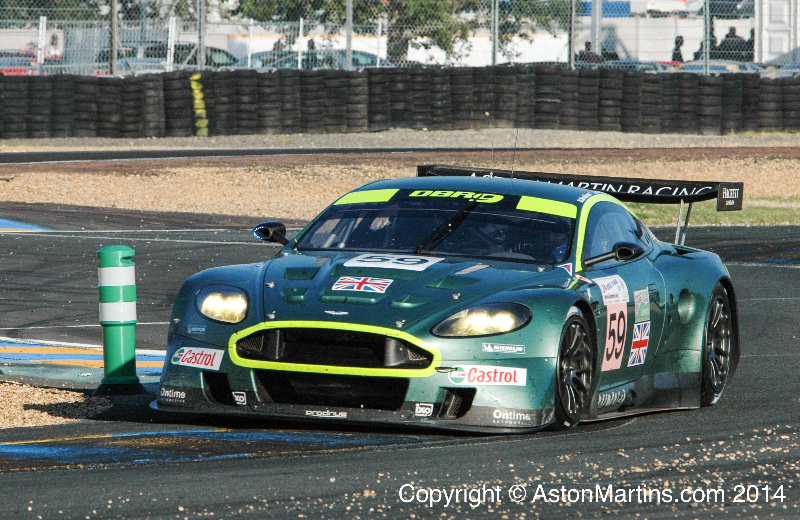
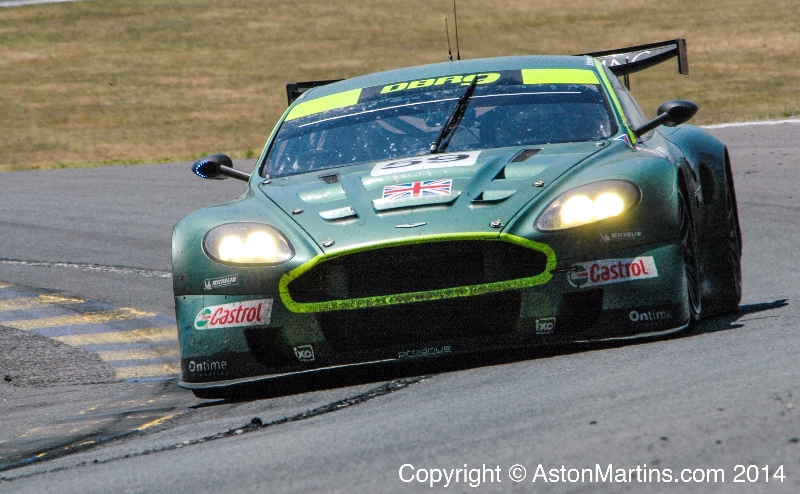
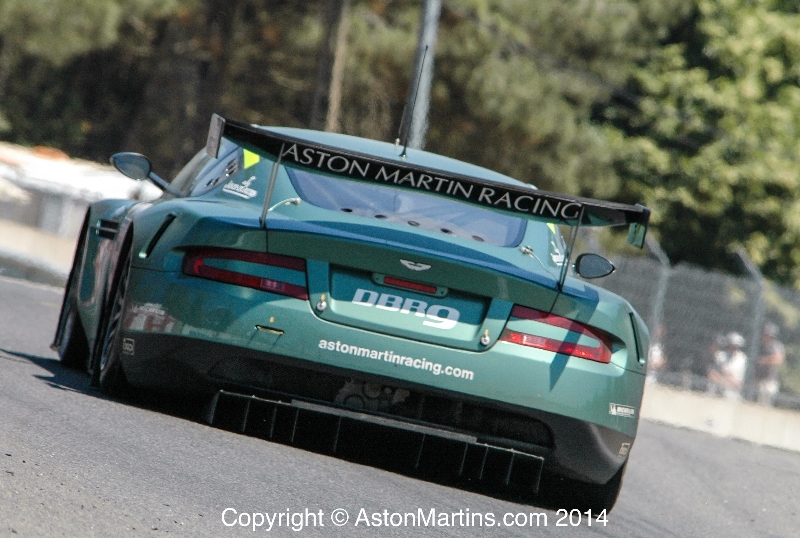
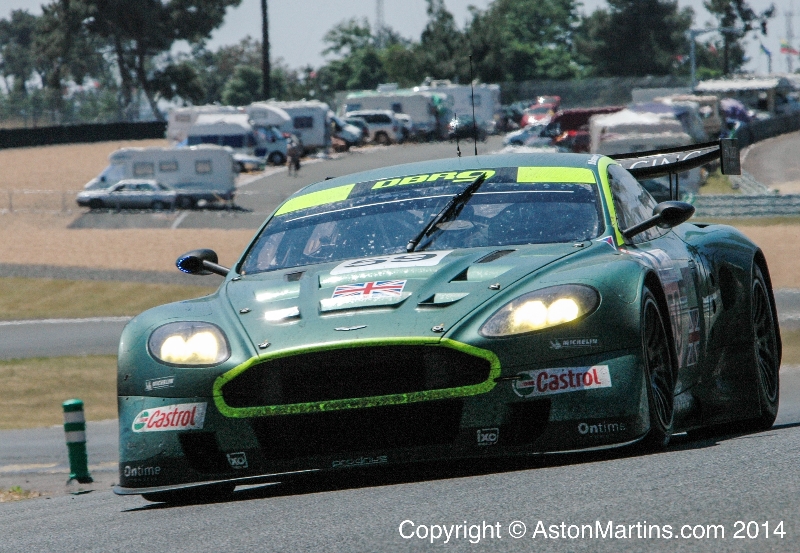
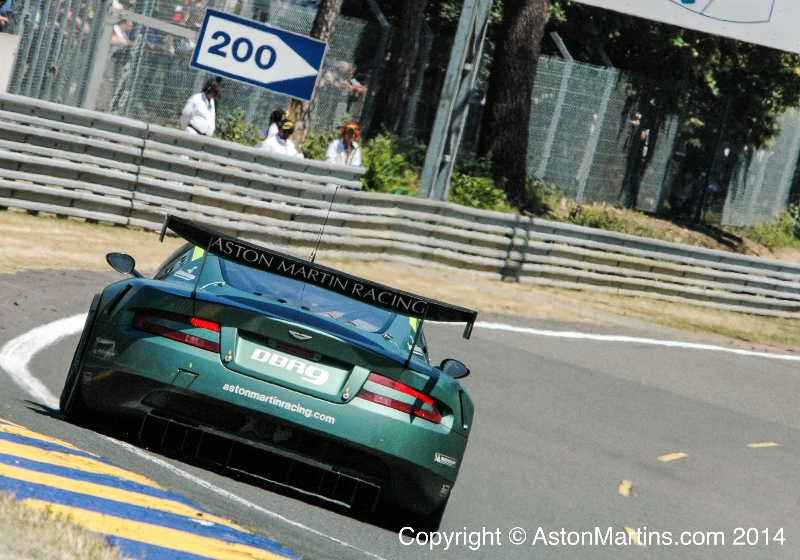
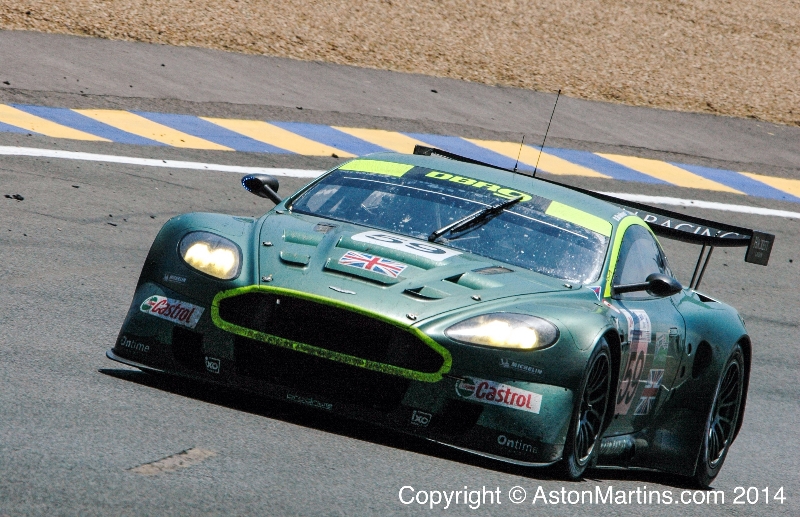
#59 DBR9/1 AM Racing Green with yellow highlights David Brabham (AUS), Darren Turner (GB), Stephane Sarrazin (F) Aston Martin Racing

Friday, the eve of the race, 17/6/2005

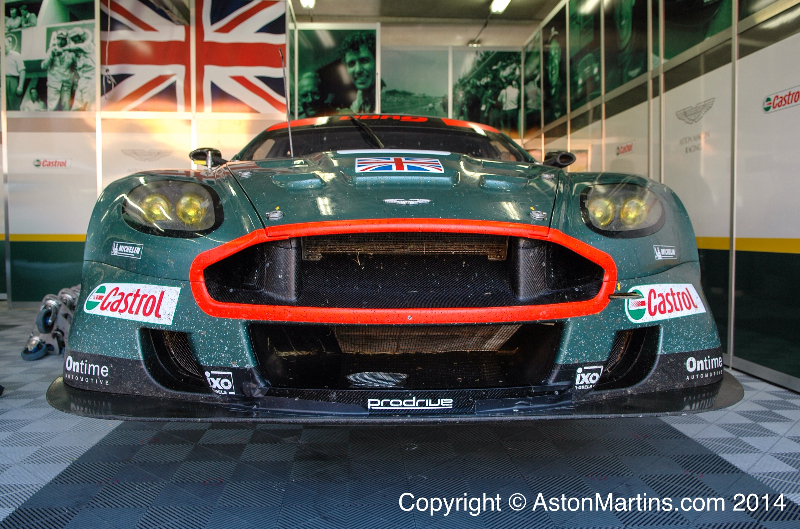
There is no running of the cars on the Friday but plenty to see and do. The pit lane is open to all allowing a close view of the cars in their pit garages, mechanics making last minute adjustments. Later, in the town itself is the Parade des Pilots where Tomas Enge receives the prize for setting pole in the GT1 class driving car #58 with a time of 3.485, more than 6 seconds quicker than the 3.55 anticipated by the ACO for the GT1 cars.

Saturday – the cars assemble on the grid

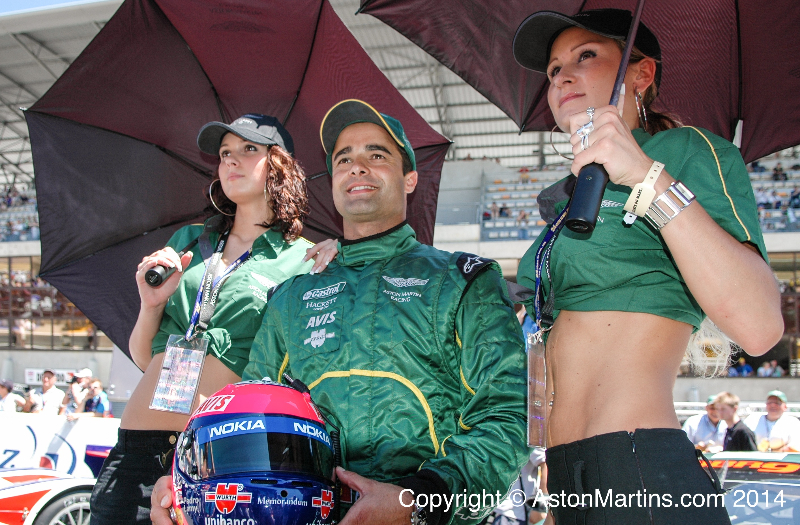
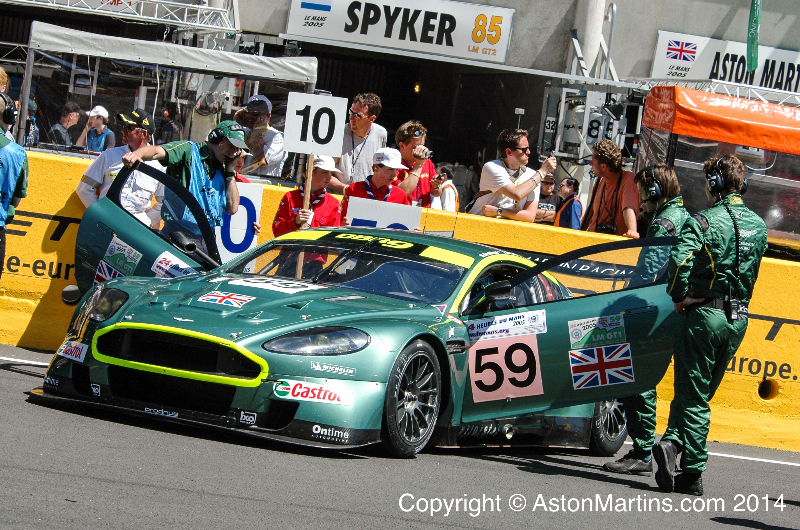
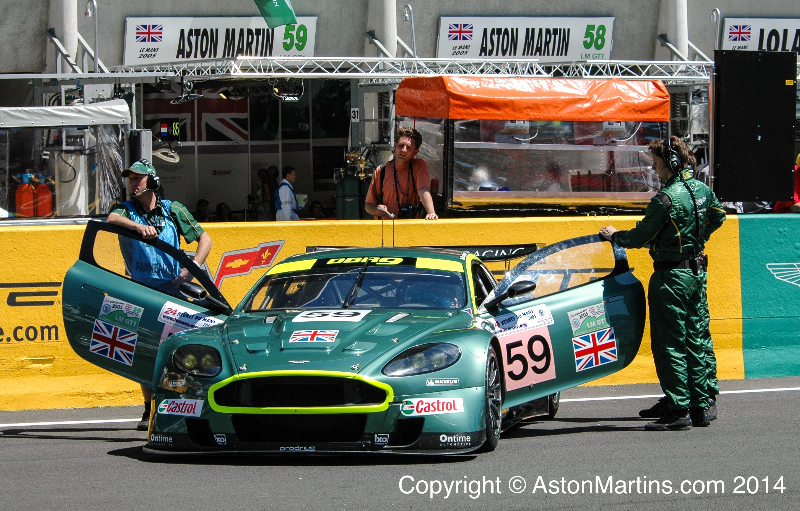
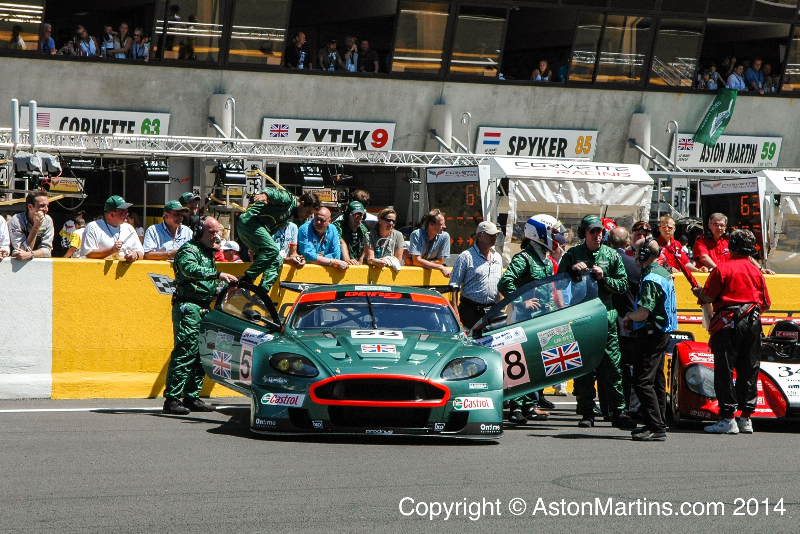
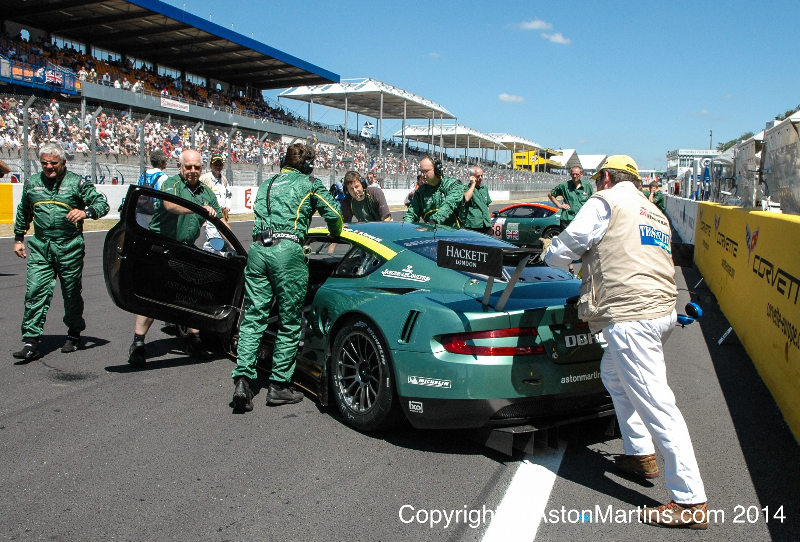
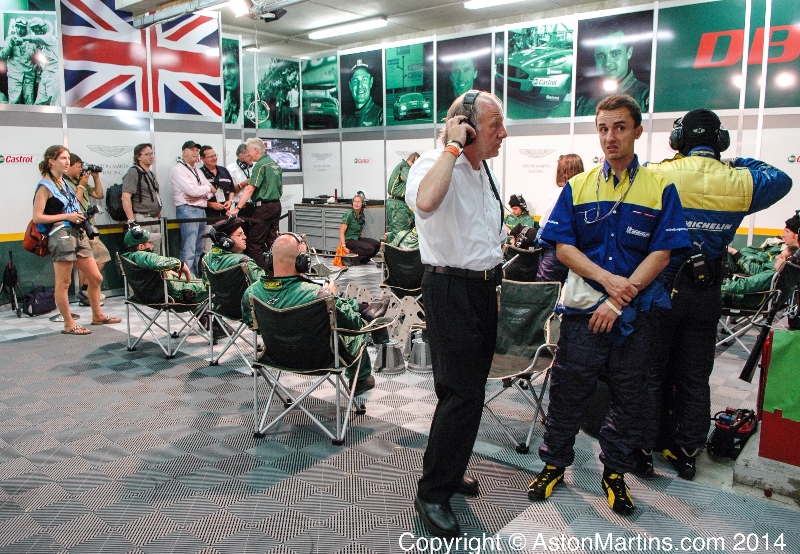
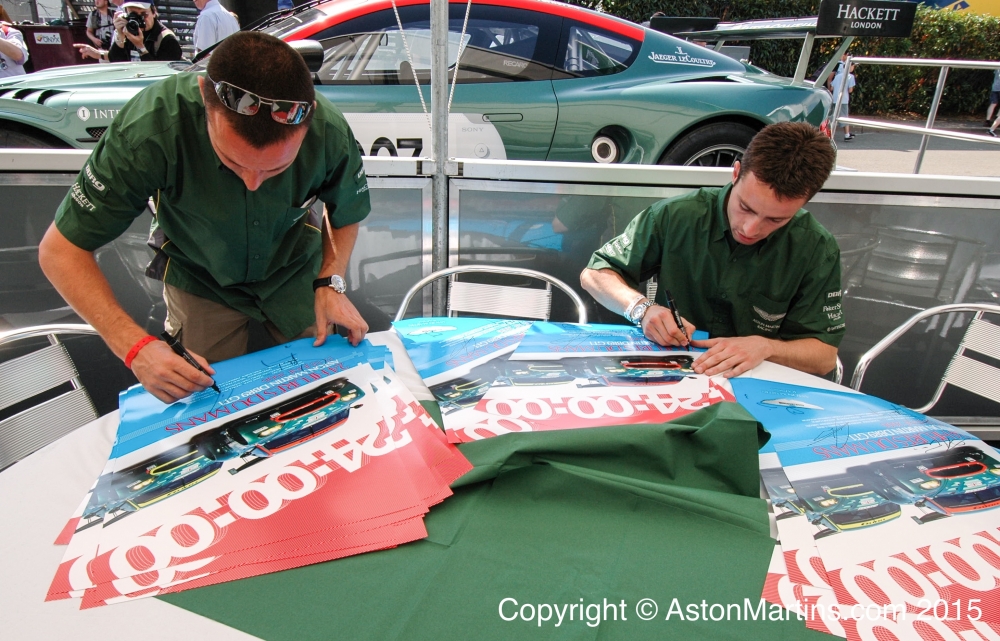
The lead up to the race is unforgettable. The drivers pose for pictures with the glamour girls. But the closed DBR9’s begin to heat up inside even before the engines are started and the pit crew try to cool them by fanning the doors.

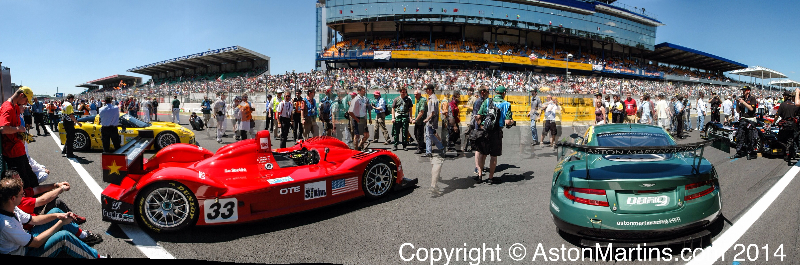
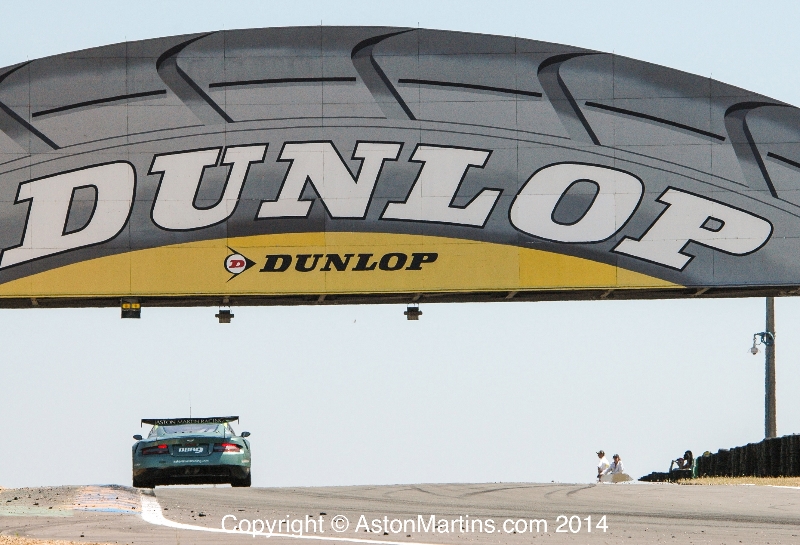
The grid about to start the 2005 Le Mans 24 hour race - shows the pair of DBR9's entered my Aston Martin Racing

Saturday 4pm and the 24 hour race begins

The main competition to the AMR team came from the factory Corvette team using the new for 2005 C6.R although the Ferrari 550’s could not be ignored. Car #58 started from pole position in class but sadly lost the lead after Darren Turner, who took the first stint, was given two stop-go penalties for cutting corners. By the end of the 2nd hour, the works DBR9’s were 1st and 4th in class. By the sixth hour, a Corvette and #59 were in a tight tussle for the lead. The DBR9 drivers were suffering from extreme heat build up within the cars in part but not totally due to the very warm weather. By the 7th hour, the lead Aston had pulled out the lead to 60 seconds which extended overnight to 90.

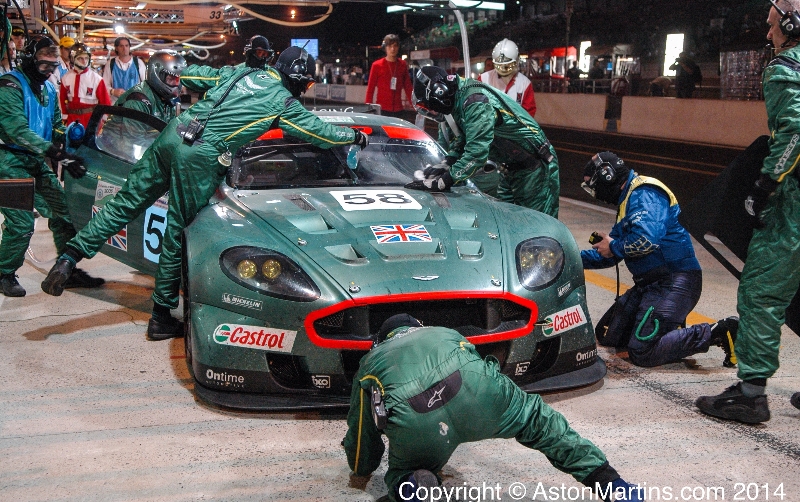
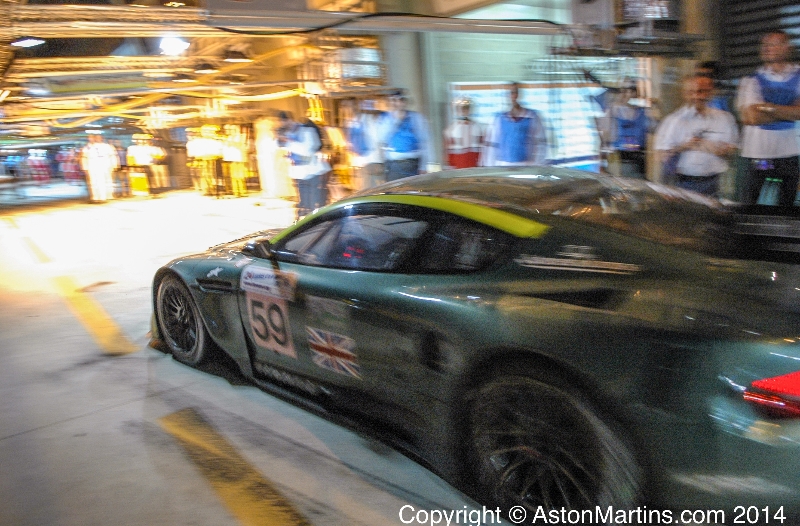
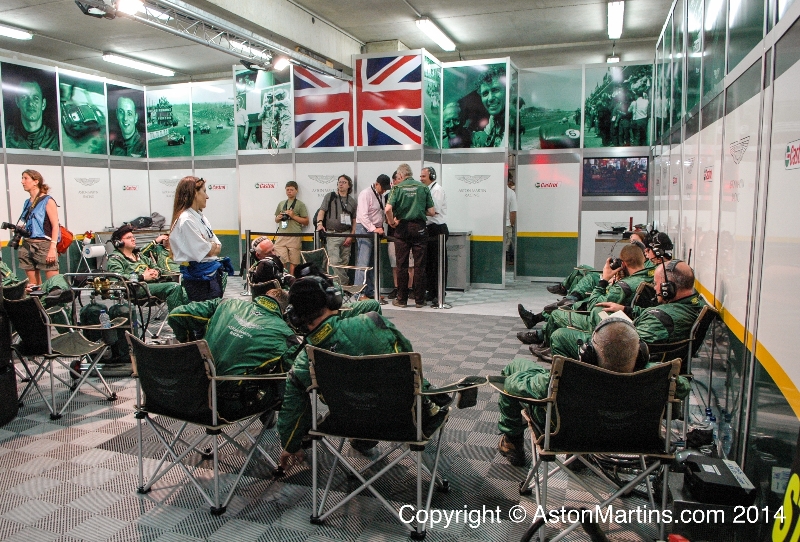
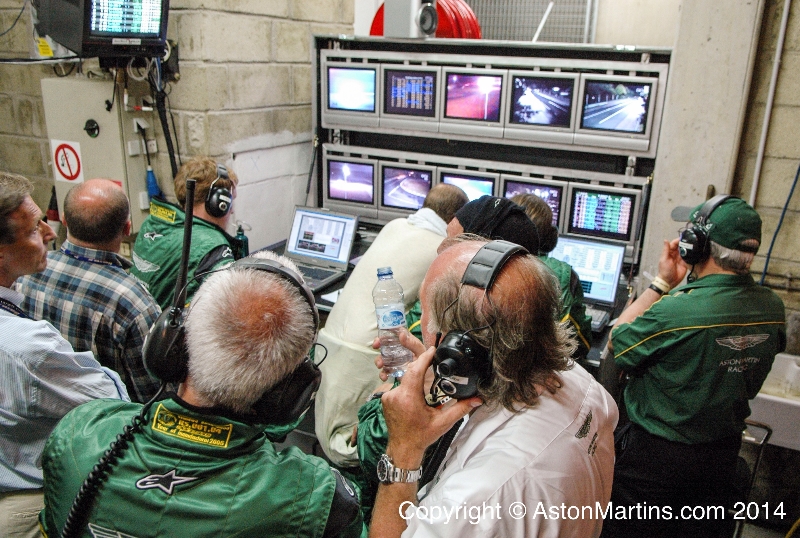
Midnight in the Pits

Sunday Morning

Everything was going well by the next morning although at midday, a Corvette was back in the lead although both Astons were still running well. They had been delayed by a puncture  (#59) and a broken splitter on #58, costing it the lead and pushing it down to 4th place. Sadly with just 90 minutes to go, both cars experienced trouble. Car #58, driven by Tomas Enge, Peter Kox and Pedro Lamy succumbed to a fuel related problem, initially thought to be low fuel although later believed to have been a faulty fuel pump.

Almost simultaneously, car #59 experienced a problem with its radiator with less than ninety minutes to go and was pulled into the pit garage. Hasty repairs were made to allow Stephane to complete the final stint up to the chequered flag and so take third in the GT1 class and ninth overall, having completed 333 laps.

Sunday 4pm and the flag falls to end the race

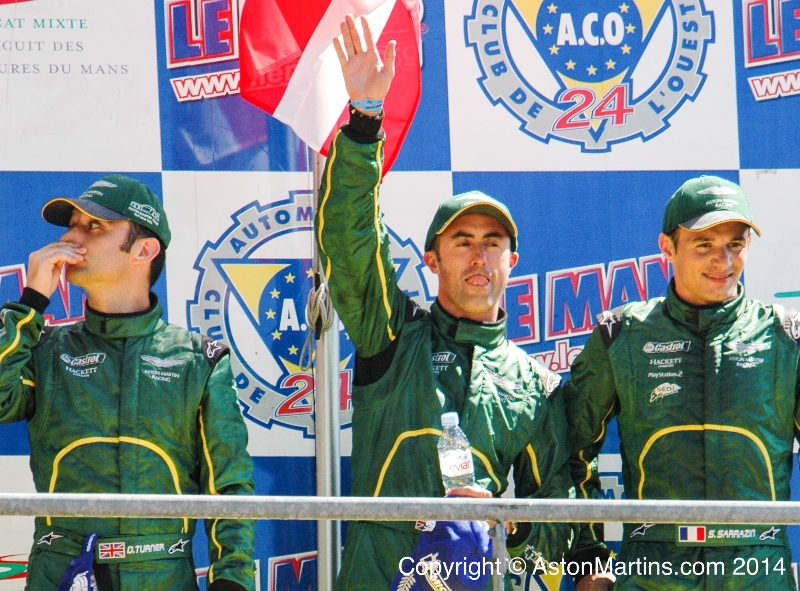
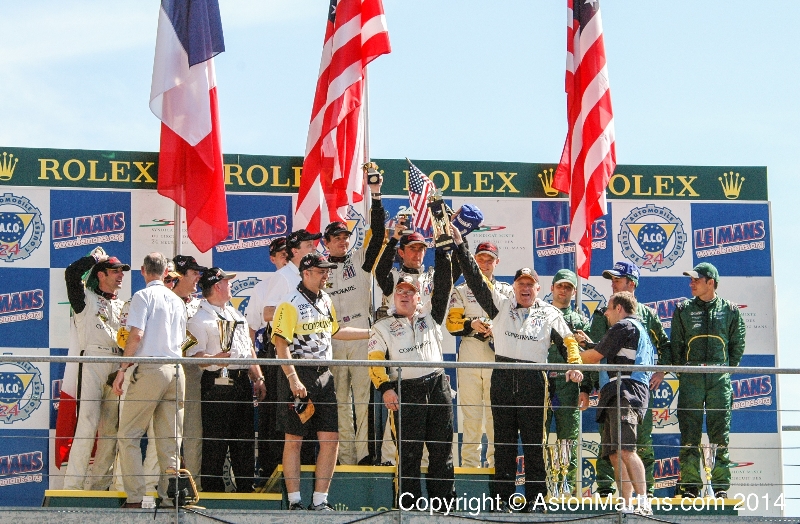
David Brabham, Darren Turner, Stephane Sarrazin collect their third place trophies, the first time that an Aston Martin team has had a podium at Le Mans since 1977 when RHAM/1 achieved a 3rd in class.

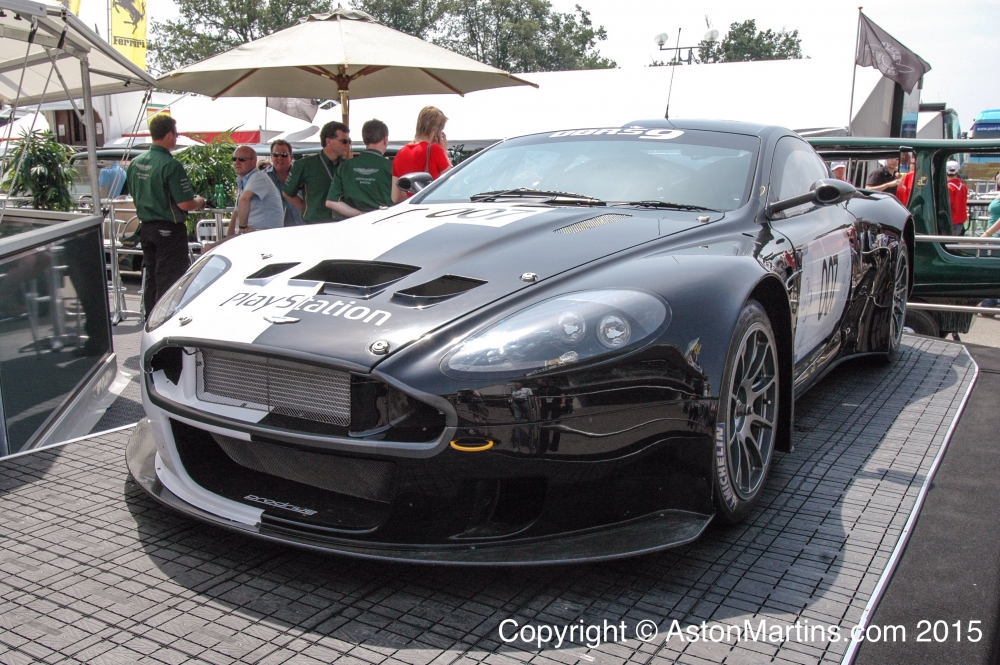
DBRS9 Prototype

DBRS9 Prototype

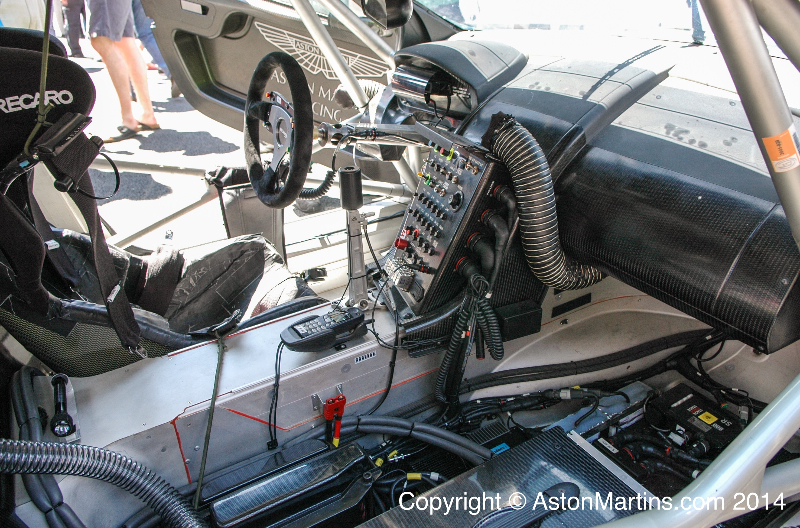
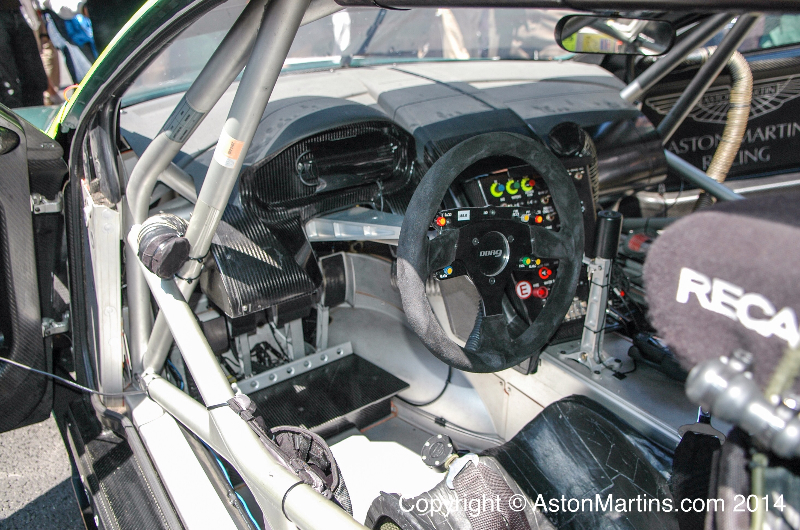
Whilst the DBRS9 was effectively based on the road car DB9, it has many features of the full GT1 spec DBR9. The two cars have similar chassis, carbon bodywork and suspension lay-out, and the engine and drivetrain have been developed by the same team of engineers. The 5.9 litre engine was an uprated version of that fitted to the road car with power upto a very useful 550bhp. But the most significant difference from the road car was that the kerb weight was down to just 1280kg, a massive 480kg weight loss. This was mostly due to the extensive use of carbon composites for body panels and interior trim and also polycarbonate side windows. Common to all three cars is the bonded aluminium tub and aluminium roof panel. At the time of introduction, it was anticipated that the DBRS9 would hit 60 mph at less than 4 seconds and 100 mph in under 9.

The transmission fitted was a more conventional six speed manual with floor mounted H pattern shift and shorter gear ratios. As an option, a six speed sequential could also be fitted. The suspension was been lowered and the double wishbone suspension has been rose jointed and fitted with two-way adjustable Koni dampers and stiffened competition springs.

Front brakes were huge 380mm steel discs with Brembo six piston callipers, the rears were 313mm with four pistons but these could be replaced with carbon brakes as an option. Another option was a passenger seat so the owner/driver can impress a potential race sponsor.

By late November 2005, the first DBRS9 had completed over 3000Km of testing, mostly at the hands of Darren Turner, AMR works driver. During that time, it reached the required level of performance for it to compete in the FIA GT3 class.

DB9 Coupe (manual)

DBR9 GT1

DBRS9

Engine Power 450 bhp 600 bhp 550 bhp
Engine Torque 570 Nm 700 Nm 620 Nm
Weight 1710 kg 1100 kg 1280 kg
Power : Weight 263 bhp per tonne 550 bhp per tonne 430 bhp per tonne
0 – 60 mph 4.7 seconds 3.4 seconds (est.) less than 4 seconds
0 – 100 mph 10.8 seconds 6.2 seconds (est.) less than 9 seconds
Price inc VAT £103,000 £530,000 £205,000


At introduction, the price of the DBRS9 was £175,000 plus options plus taxes which was an awful lot less expensive than the £450,000  plus taxes needed at the time for a DBR9. It’s was also significantly cheaper than a DB4GT. The production cars were built by Prodrive at the AMR facility at Banbury with the first customers taking delivery just before Christmas 2005.

When production of the DBRS9 ended during 2008, it is believed that 28 cars had been completed, one testing and development prototype (DBRS/X1), one works car (DBRS9/101) and 26 customer cars (DBRS9/1 to /26). There is some suspicion that the car unveiled at Le Mans in 2005, DBRS9/101 and the development prototype, DBRS9/X1 may be one and the same car as, following the Le Mans debut, the /101 has not been seen in public again. Aston Martin Racing replaced the DBRS9 with the V12 Vantage GT3 in 2012.

Lola B08/60 Aston Martin LMP1

Aston Martin Racing contracted Tomas Enge, Stefan Mucke and Jan Charouz for the 2008 season. All three were placed with Charouz Racing Systems and raced the Michelin-shod Lola/Aston Martin at Le Mans and in the Le Mans Series.

During the 2009 season, the car transferred to the Swiss outfit, Speedy Racing Team Sebah and carried the red livery of Rebellion Racing

V8 Vantage GT2

V8 Vantage GT2

The bonded aluminium chassis for the GT2 came directly from the road car although with the addition of an aerospace spec steel roll cage to FIA regulations. The aluminium roof panel was taken straight from the road car too but all the rest of the bodywork was made of lightweight carbonfibre. This came with an advanced aerodynamic package with carbon fibre splitter, flat floor and diffuser, and a carbon fibre rear wing designed using computational fluid dynamics.

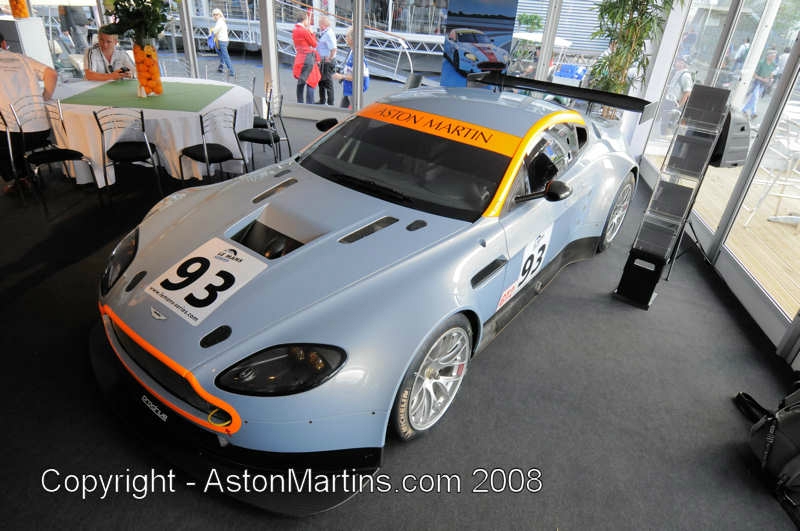
The prototype car, chassis /X2 was finished in Gulf Racing Blue with orange highlights although without true sponsorship, was first seen in 2008. And although the car was a prototype, it has occasionally been ‘borrowed’ by private customer teams considering purchase in occasional races. In 2013, it was ‘dressed up’ to later GTE spec and displayed at the 2013 Aston Martin Centenary Celebration, Kensington Palace.

Drayson Racing began running chassis 001 in the 2008 American Le Mans Series and then entered the second chassis, 002 into the GT2 class at Le Mans in 2009.

Including the prototype, X/2, a total of 10 GT2’s were built before the car was replaced by the improved V8 Vantage GTE.

DBRS9 – Racing for Belgium

 www.racingforbelgium.be

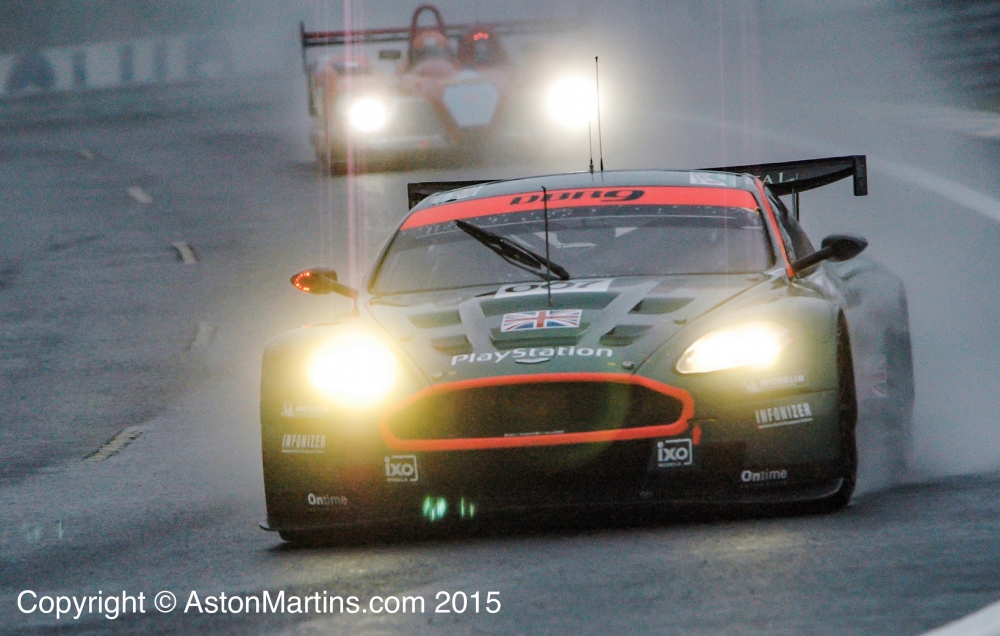
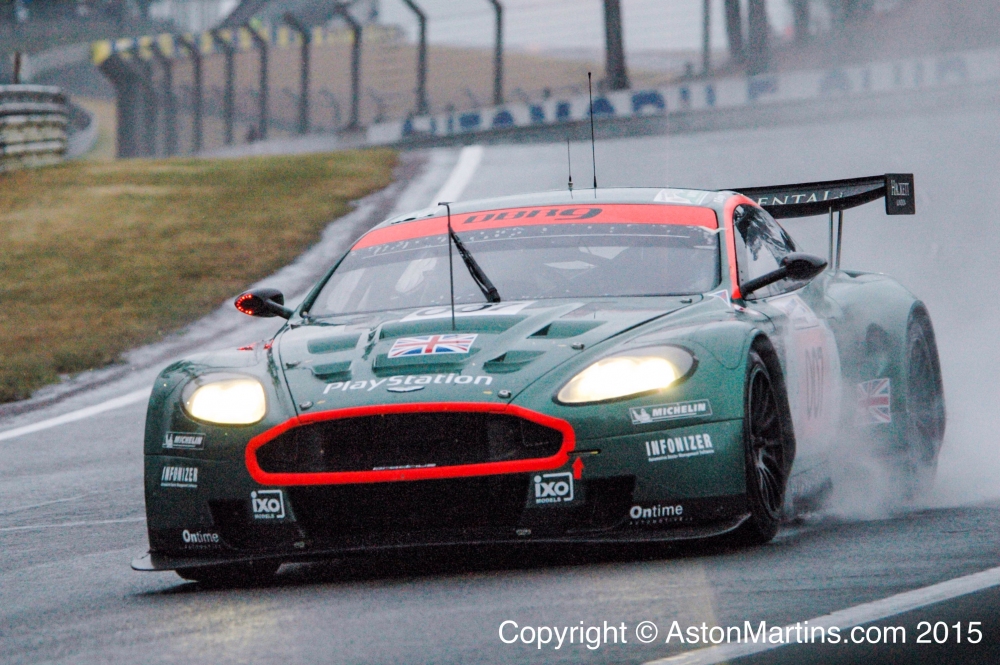
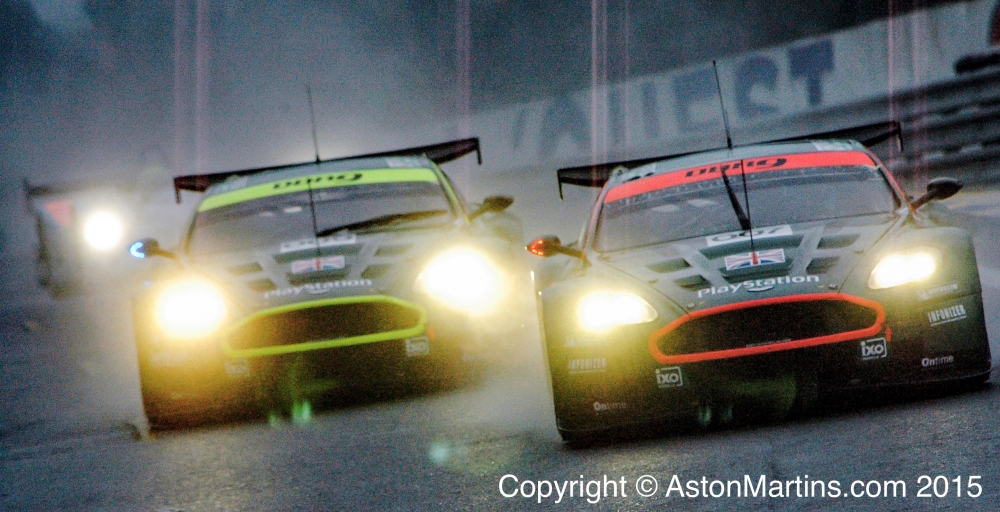
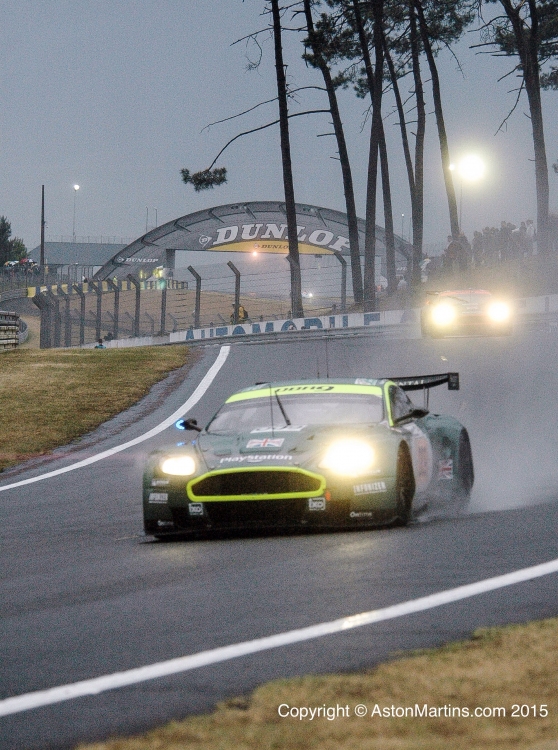
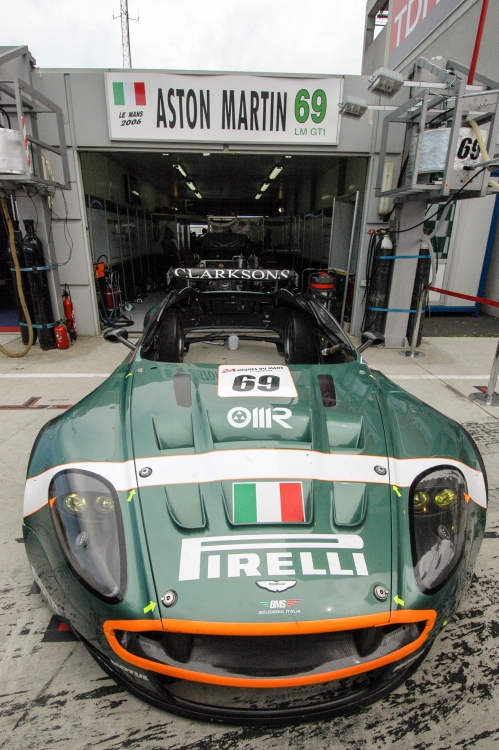
24 Heures du Mans 2006

Practice

V8 Vantage GTE

V8 Vantage GTE

The key evolution of the V8 Vantage GTE from the previous GT2 was to make the process of servicing both quicker and easier. As an example, the process of changing the engine in the GT2 could take four hours. In the GTE, the engine can be pulled straight from the car without disturbing the suspension in around an hour.  Other improvements included reduced weight, revised front apron, wide revised rear with and better cooling for the driver.

In it’s first year, 2012, the Vantage GTE took second place in the world endurance series, securing six podium finishes, including a third place at Le Mans and its debut win at the final round of the WEC at Shanghai. It also proved it was the fastest of the GTE cars by qualifying on pole three times and setting numerous fastest laps.

While visually similar, the 2013 Vantage GTE featured significant enhancements with development focussed in three key areas: reducing the centre of gravity; improving rear stability; and increasing torsional rigidity. Both the front and rear suspension have been revised and the geometry optimised. New purpose-designed uprights and wishbones have replaced the original parts carried over from the V8 Vantage road car, while the upper damper pick-up points have been relocated to increase the installation stiffness. The changes have also saved 8kg per corner.

Further weight has been saved by the removal of the torque tube surrounding the propshaft. The engine now mounts directly to the chassis, while the clutch and starter motor have been integrated to the rear mounted gearbox, improving weight distribution and reducing the driveline inertia, making it more responsive. This design has the added benefit of reducing yet further the time it takes to replace the engine and gearbox. Visually, the only changes to the car are the openings in the front wings to allow air to escape from under the wheel arches reducing lift, and the noticeable wider ventilated sills, allowing the exhaust to be fully insulated and moved away from the car to reduce cockpit temperatures.

The cars shown here are a 2012 spec works car, displayed at AM Works, Newport Pagnell in 2013 and the prototype GT2, chassis /X2 wearing the 2012 spec GTE bodywork.

Lola Aston Martin LMP1 DBR1-2 (B09/60 & B10/60)

The Le Mans prototypes are purpose built race cars and have little in common with road cars at all. Most are open cars with spyder coachwork although closed coupes are also allowed; all have token luggage space and at least the provision of a small passenger seat. They are at least as powerful as GT1 cars, often more so, have a lower minimum weight limit, larger brakes, wider wheels and more aerodynamic downforce. From 2006, diesel powered cars had begun to dominate the LMP1 class due to favorable regulations with the cars from both Audi and Peugeot are the ones to beat.

In 2008, the ACO regulations for Le Mans changed to allow for the use of a GT1 engine within a prototype chassis. Thus Aston Martin Racing took advantage of rule change and provided engines for the Charouz Racing Systems LMP1 entry at that years Le Mans 24 Hours and in the Le Mans Series (LMS) races. Since the V12 is based on a production car engine and is a little heavier, taller and longer than custom-built prototype racing engines, larger air restrictors were allowed which gave a useful increase in power of 50 bhp over that produced when fitted to the DBR9.

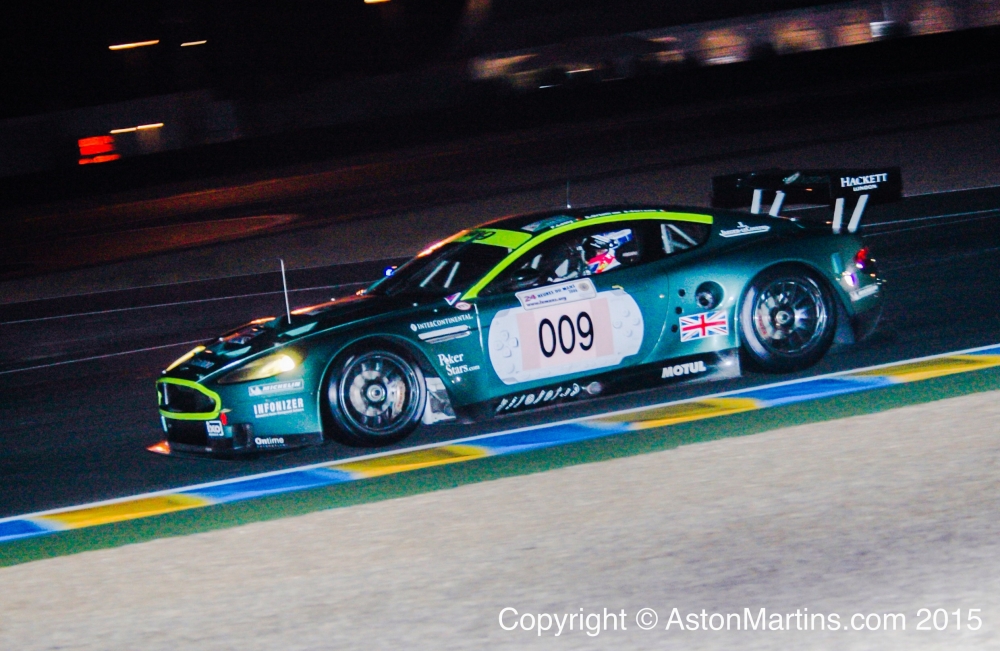
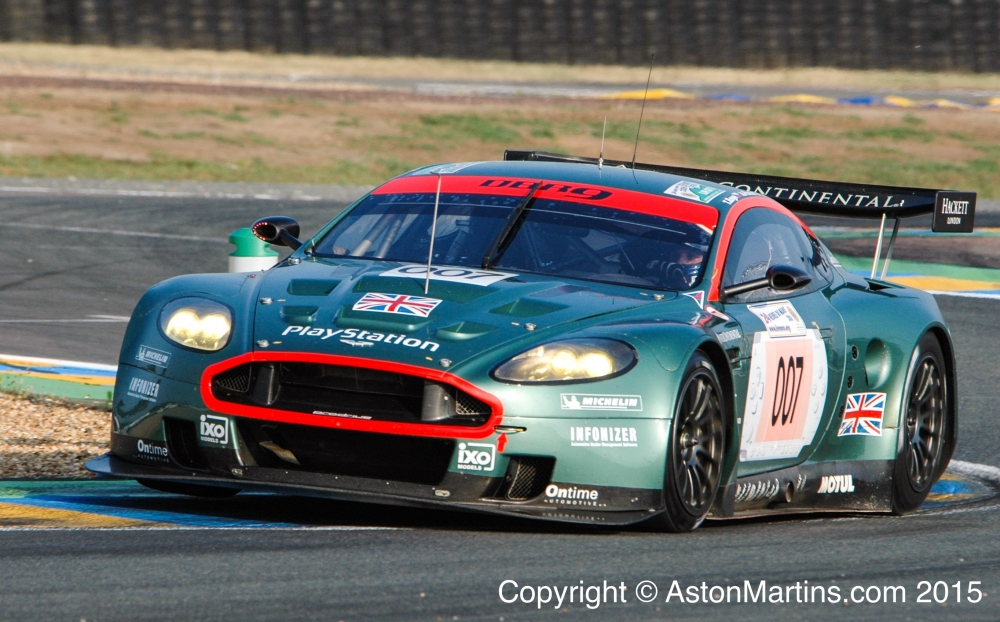
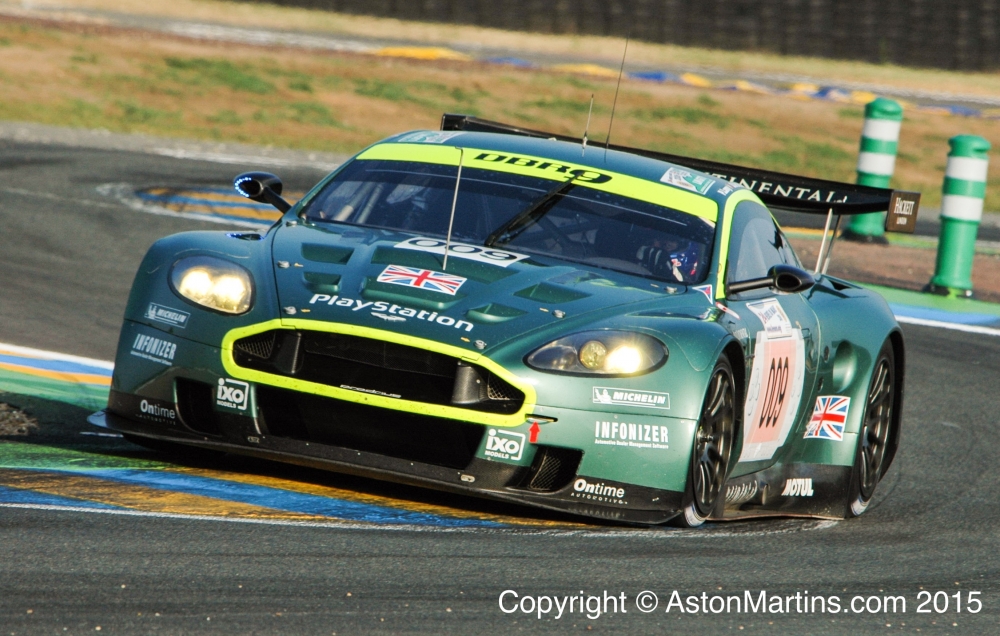
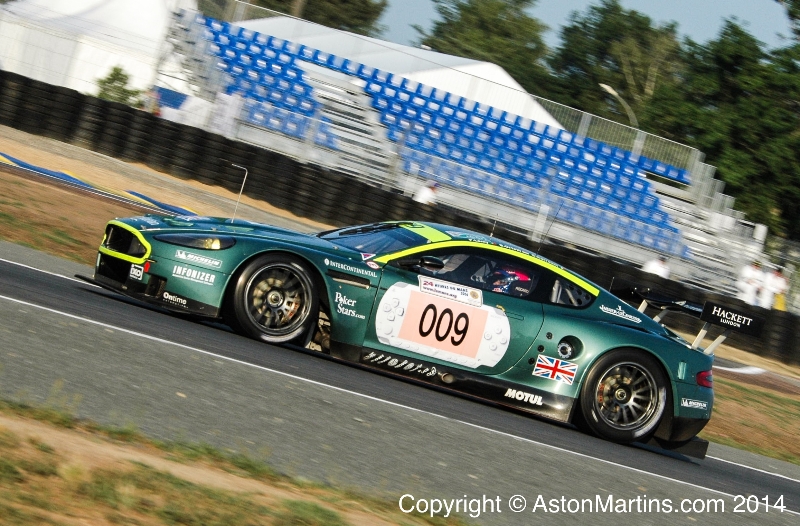
Following initial success in 2008 with the Lola B60/08 and Aston Martin V12, AMR made the decision to move fully into the top flight LMP1 class and challenge for an overall win at Le Mans. The car to do this was the Lola-Aston Martin B09/60 (Aston Martin LMP1 for short), an evolution of the previous B08/60 and known internally as the DBR1-2. It was still built by Lola and co-developed by AMR/Prodrive and also involved the parts suppliers Michelin, Koni and BBS. AMR continued to receive sponsorship from Gulf Oil and the car carried the famous blue and orange livery. As in the 2008 car, the Lola-Aston Martin used the same V12 from the DBR9 GT1 car, but the standard Lola gearbox was replaced by a more compact Xtrac 6-speed with paddle-shift. An unusual feature to the car was the rearward brake cooling, which fed air to the brakes through two fans, and eliminates brake ducts on the body. The styling of the Aston Martin LMP1 was not only the product of the wind tunnel but Director of Design, Marek Reichman gave the car the look of an Aston. Two B09/60s (007 and 009) competed in the full LMS season in including the 24 hour race where they were joined by a third car, 008 entered under the AMR Eastern Europe banner for Charouz Racing Systems. The number 007 car won the Le Mans Series overall, and the number 009 finished fourth. At Le Mans, 008 of Jan Charouz, Tomáš Enge and Stefan Mücke finished fourth behind the factory entries of Peugeot and Audi, as well as being the highest finishing petrol-fuelled car.

In 2010, AMR competed at the 2010 12 Hours of Sebring the first appearance of the LMP1 car in the US finishing the race in 3rd position, 3 laps behind the 2 winning Peugeots. Three cars were again entered in the 2010 24 Hours of Le Mans, 007 and 009 by AMR and 008 by the French team Signature-Plus. Both the 008 and 009 cars suffered from problems retired, leaving only the 007 to finish 6th overall after 365 laps, less than it did in 2009. It was the third highest petrol finisher.

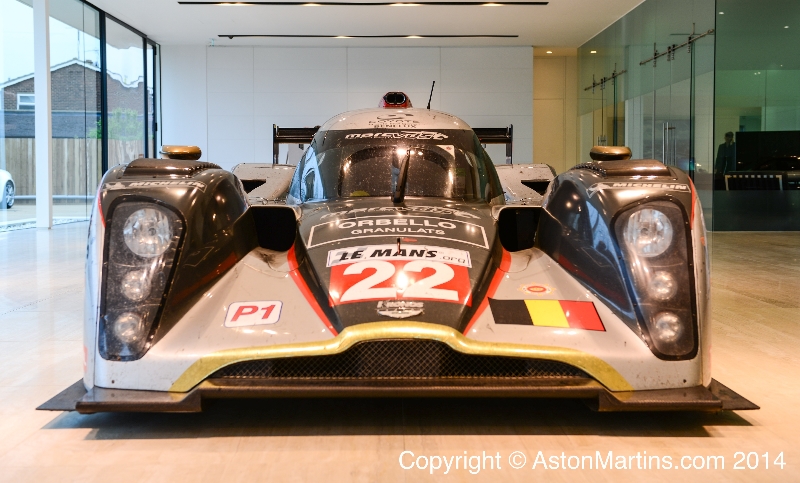
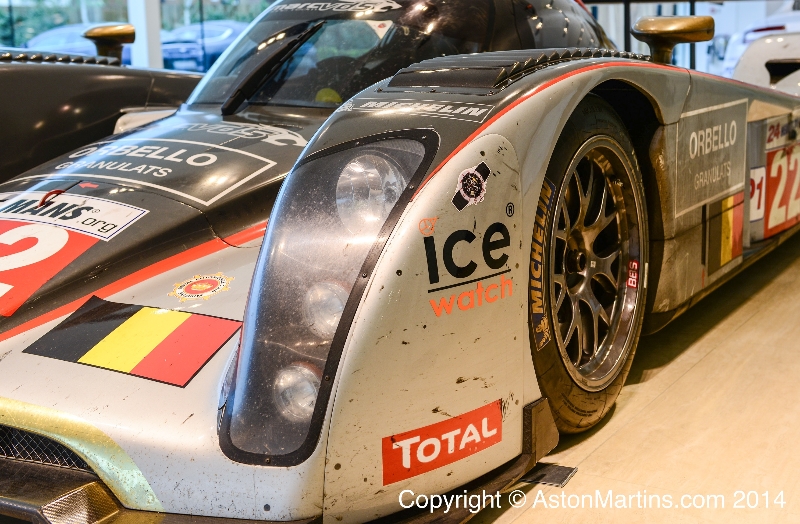
Above is DBR1/2-3, a 2010 car and the only example that was only run by private teams, Signature Plus and Kronos Racing. With seven race outings including twice in the Le Mans 24 hours race, the car finished six races. Perhaps the most outstanding result being 7th overall at Le Mans in 2011 in the hands of the Belgian drivers Vanina Ickx, Maxime Martin and Bas Leinders. Here it is displayed in the Aston Martin Works showroom in 2013, still carrying the dirt of it’s final race.

Just to cause some confusion, the DBR1-2 has two chassis numbers. The AMR number is DBR1-2/* whereas the Lola tub has a different number B09/60-* or B10/60-*. As if to cause more confusion, many of the cars have used two different Lola tubs but retained their AMR chassis number. If we only consider the AMR chassis numbering system, there were a total of four cars built, although these four have utilised quite a few more numbered tubs.

24 Heures du Mans 2007
« Newer PostsOlder Posts »