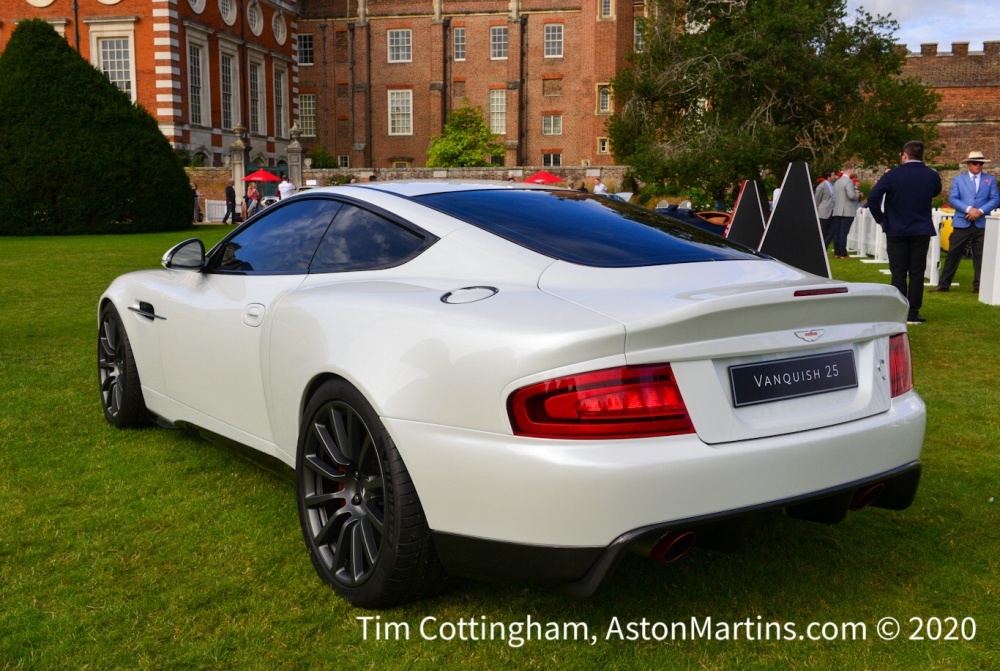
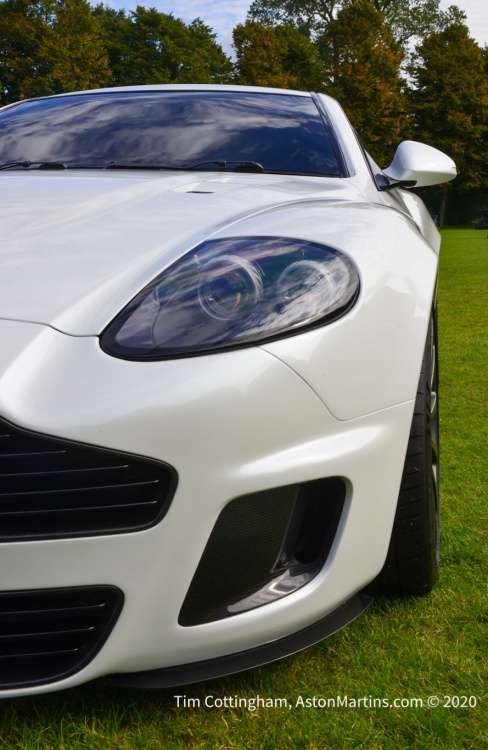
Callum Vanquish 25
- 23/03/2020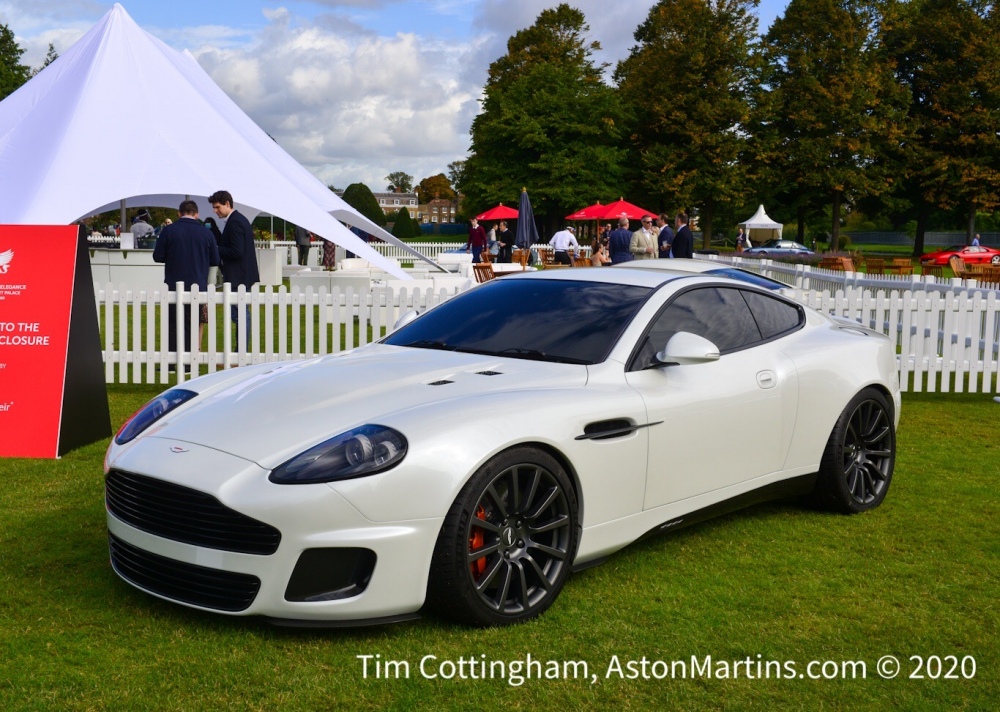
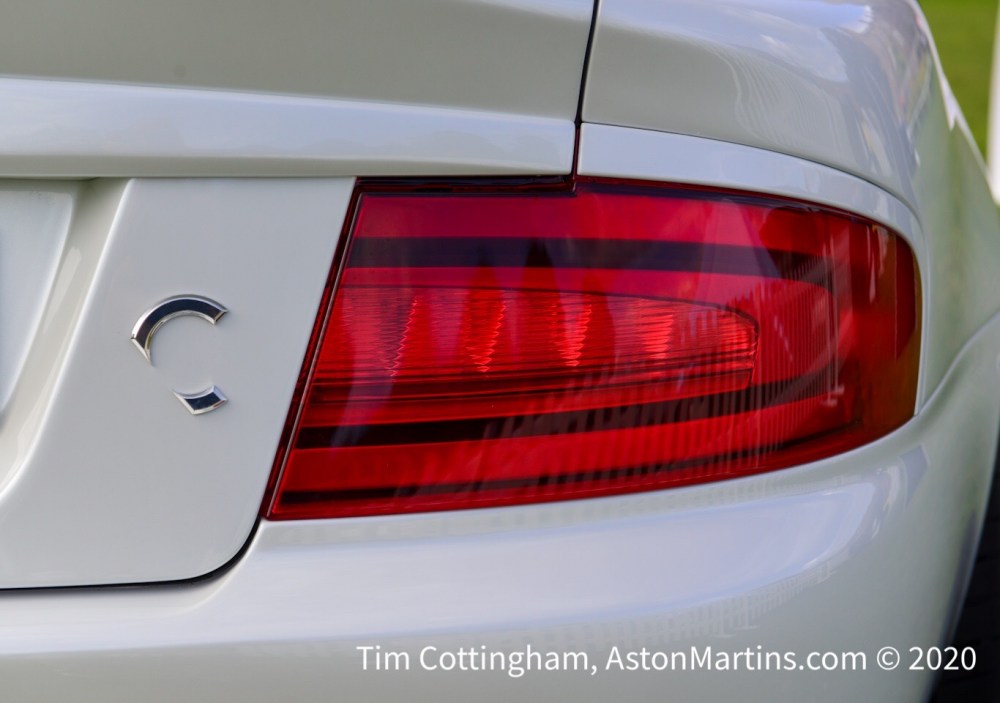

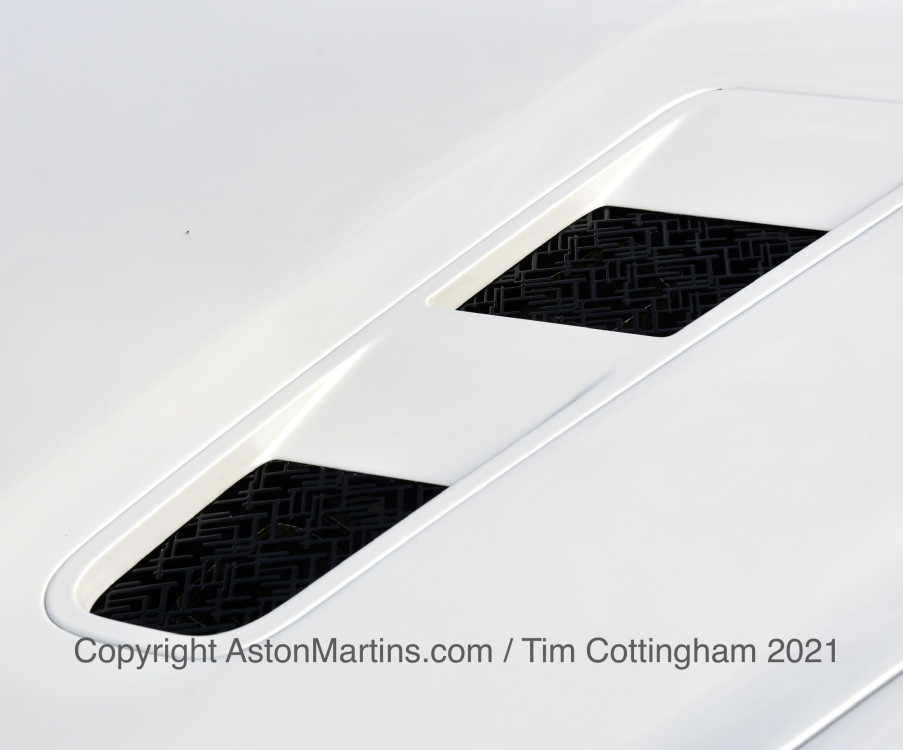
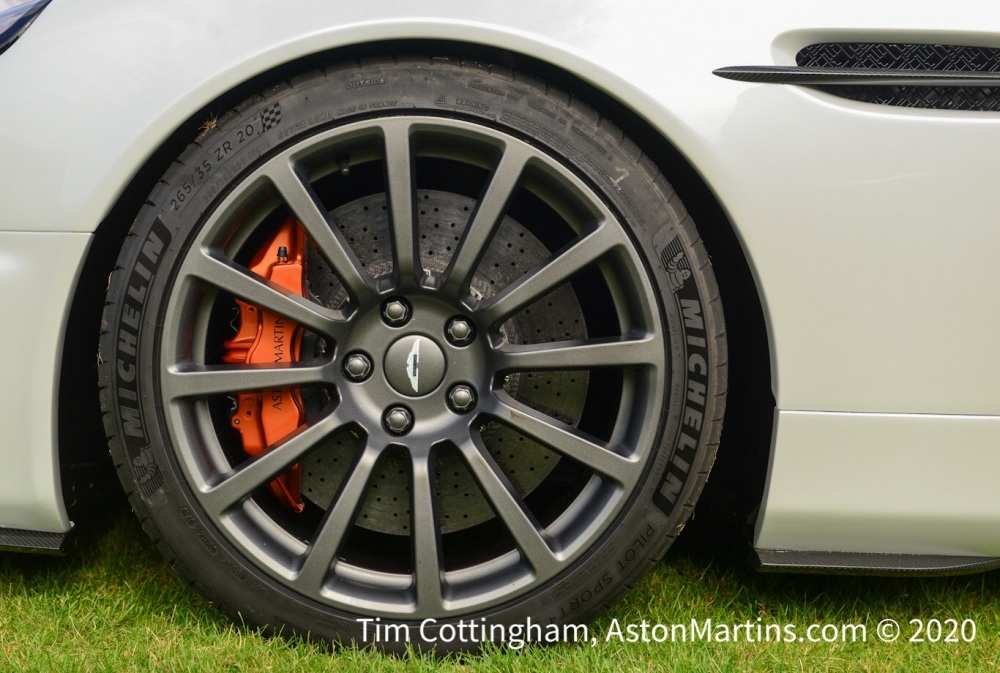

The special or unique features that distinguish the Carbon Edition DBS Volante are
Only 388 Virage Volante were built during just over a year of production making it quite a rare and desirable car. Virage Volante production came to an end in late summer 2012 when the car was replaced by the outwardly similar Gen4 ‘new’ DB9 Volante.
This concept came about in an incredibly short period of time. Initial concept sketches were only made in the Summer of 2005 by Marek Reichman, Aston Martin’s new Design Director. Of course it had a great resemblance to the DB9 but, at least to my eyes was so much better, more elegant and distinguished. If you want to believe one article that I have read, the car started as a long wheelbase DB9 with rear legroom where there were previously none to speak of. Despite all of this extra space, the rear lacked true accessibility, so the rear doors (still swan doors of course) were then added. The boot opening became a practical hatchback much like that of the V8 Vantage and made perhaps the biggest boot space on any Aston with the exception of the rare shooting brakes.
The Rapide was also the first concept ever produced in-house within the new Gaydon facility.
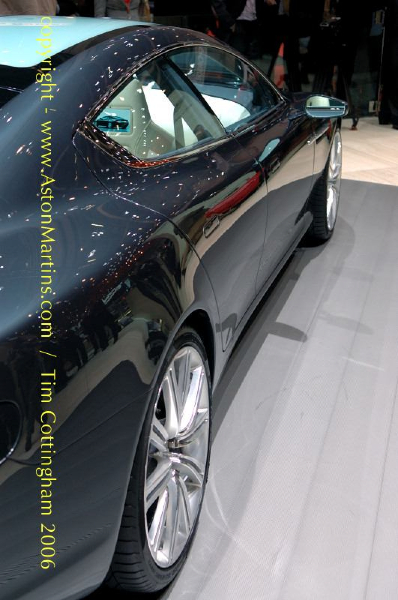
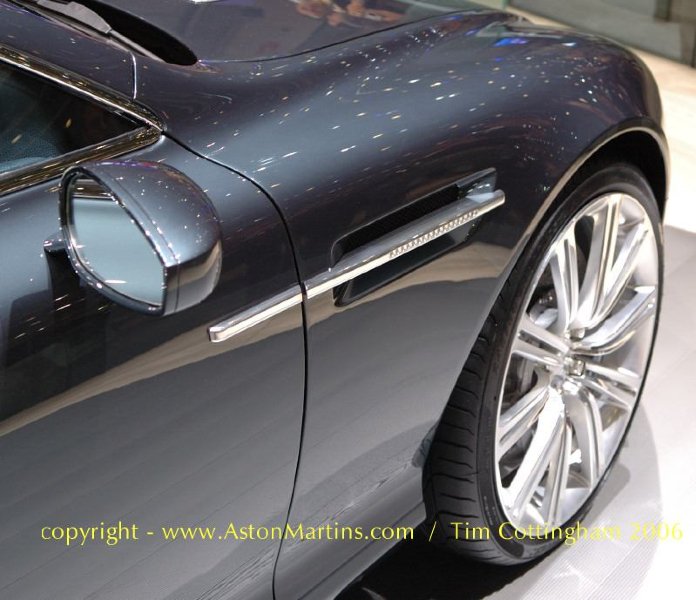
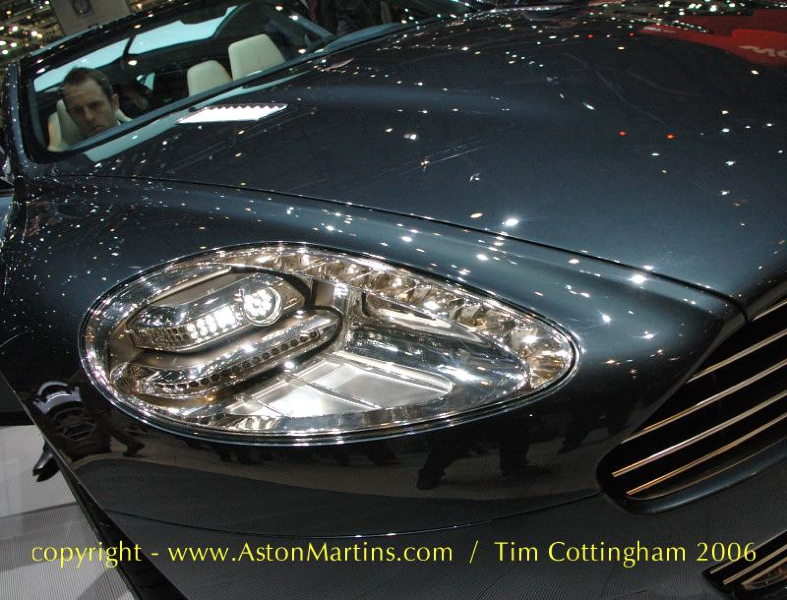
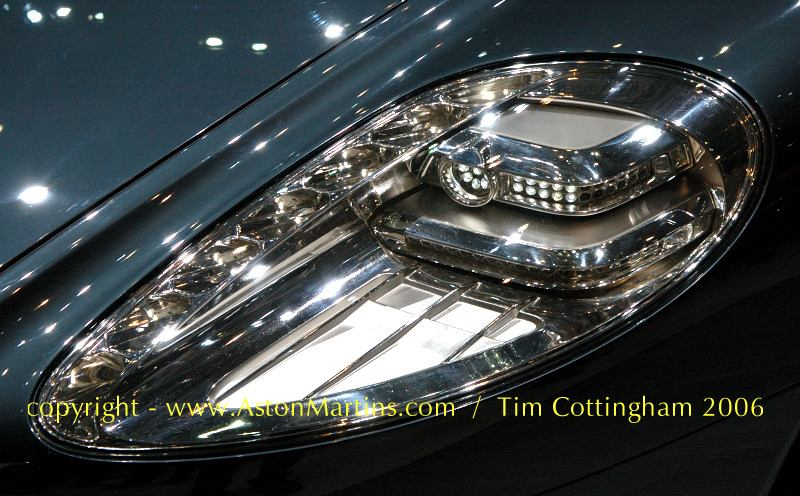
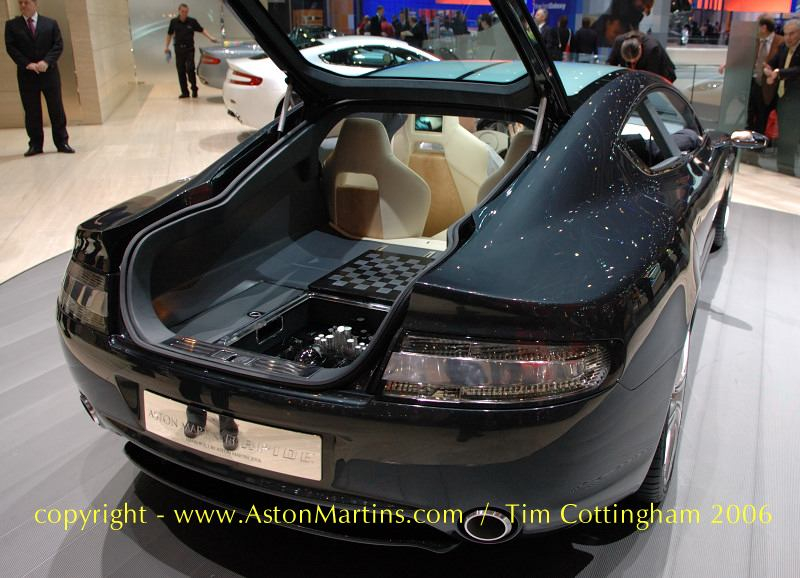
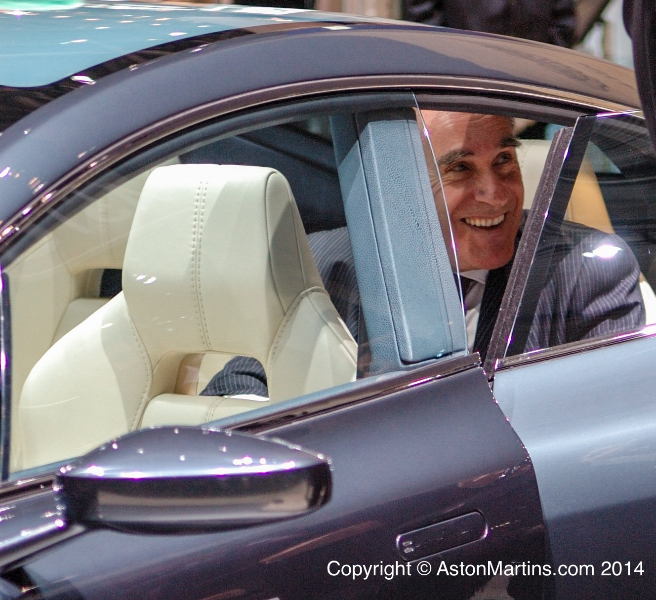


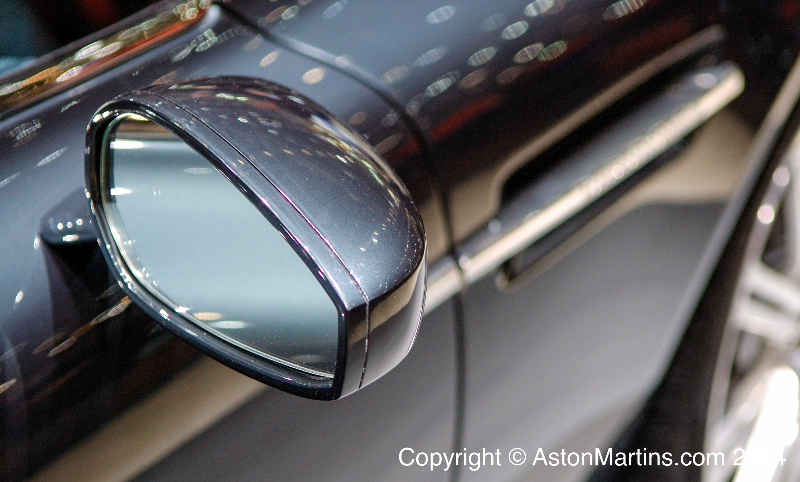
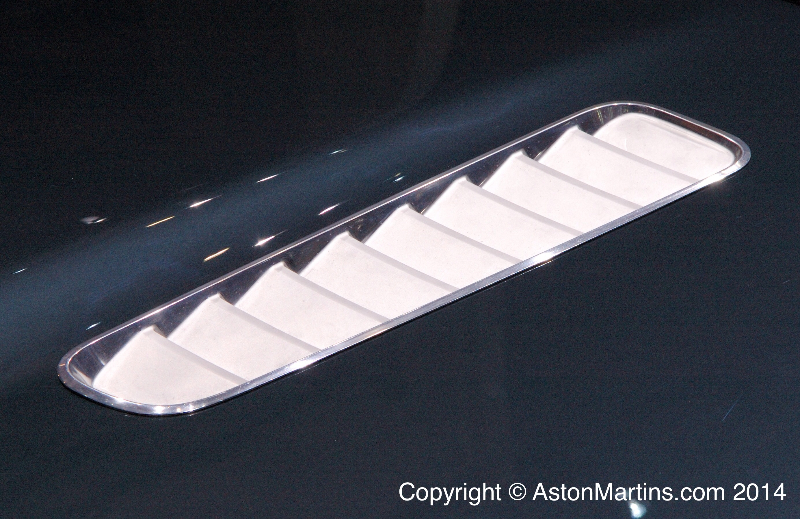
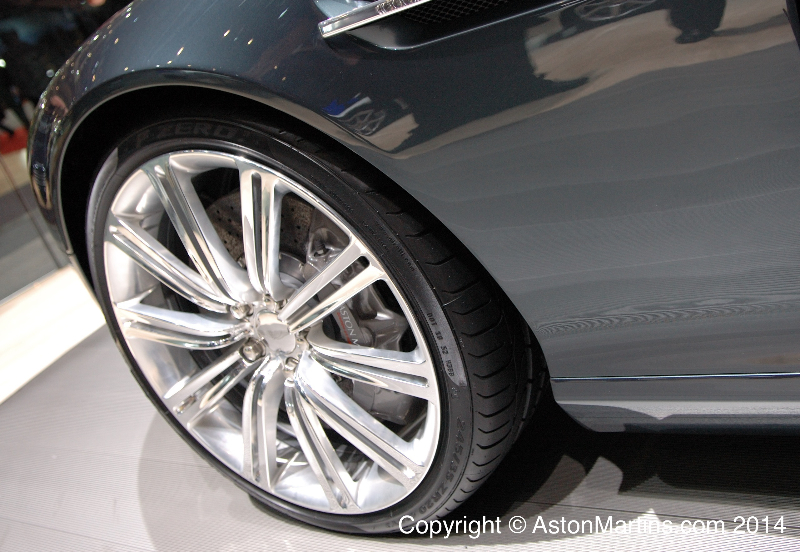
The Rapide concept had a number of features unique to Aston Martin. Starting at the very top was a transparent lightweight polycarbonate roof which, I guess was full of liquid crystal and could be made opaque at the flick if a switch. The seats could be folded flat to carry large loads. Stopping the fully functioning concept were carbon ceramic brakes, 18 months before they appeared on the DBS. There were a few details that were showcased on the Rapide Concept such as a new door mirror design, wing vents with integral LED’s, new column stalks and the smart Jaeger-LeCoultre timepiece in the centre console. The headlights were also an all new design with LED’s and projector bulbs but were too ahead of their time to make production. I believe at the time, the technology was not able to make the LED headlights bright enough for road use.
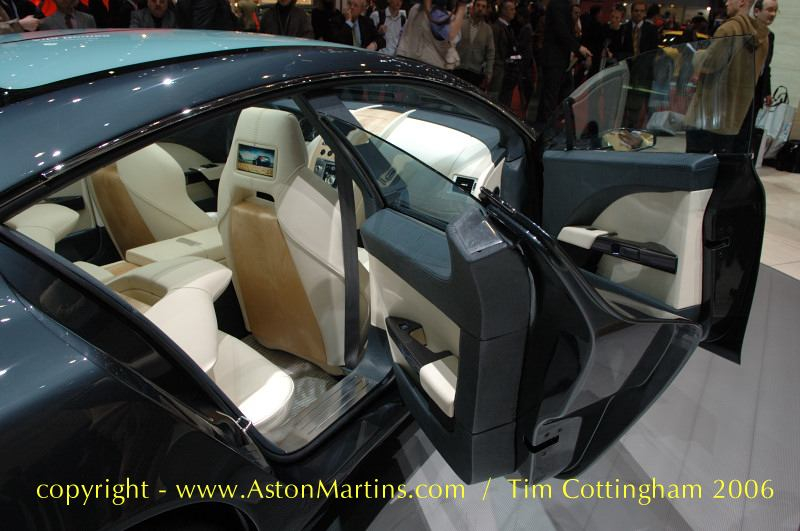

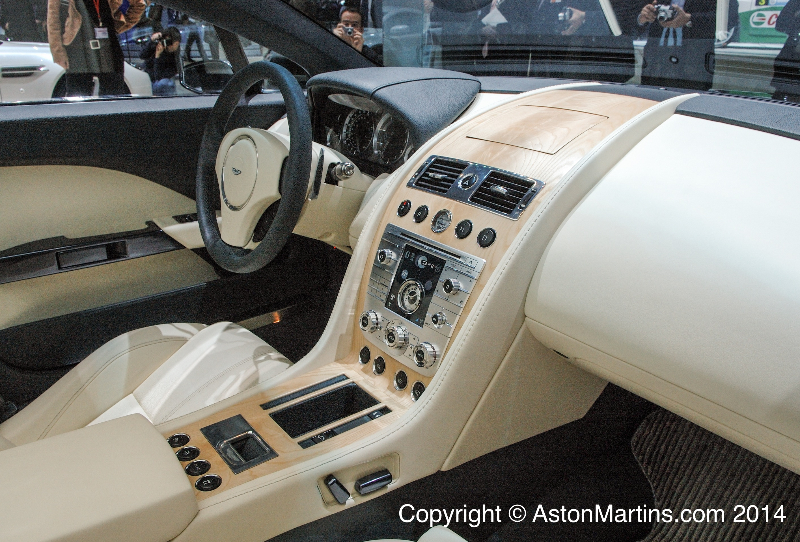
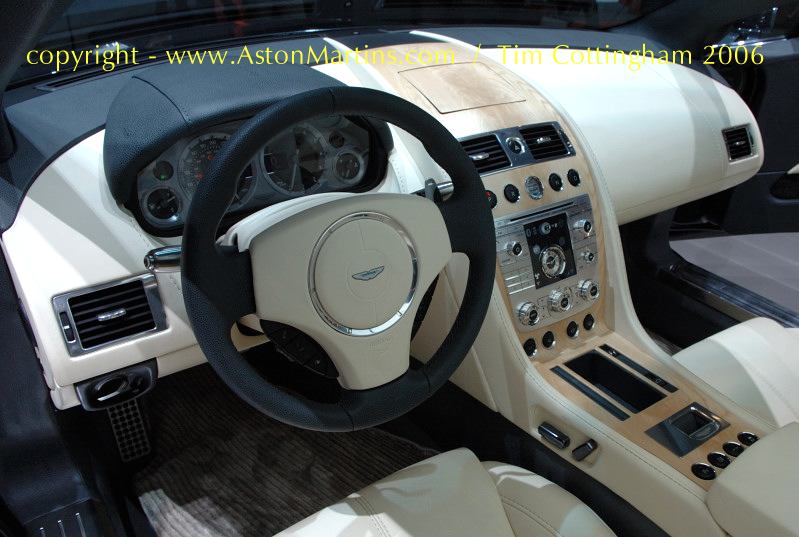
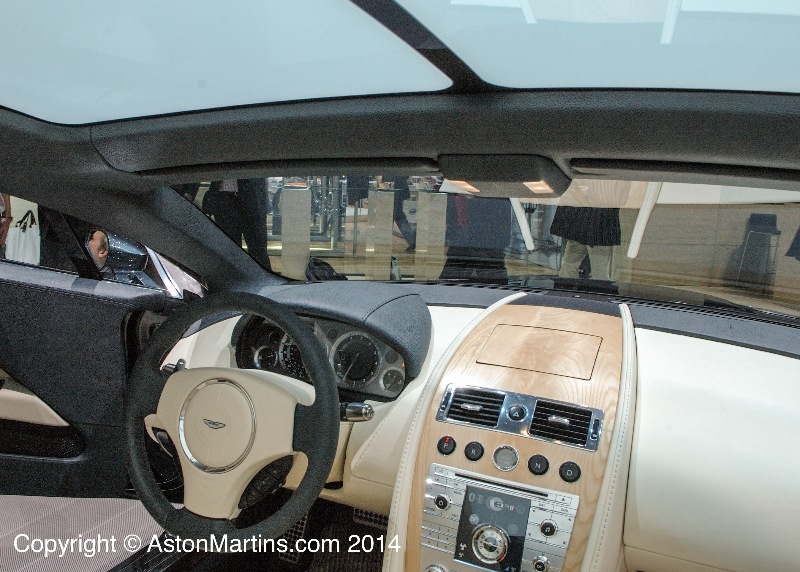
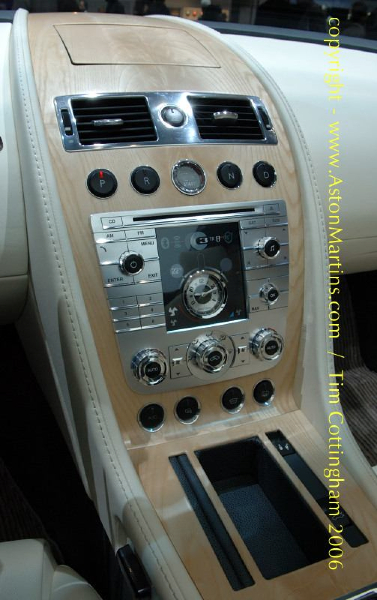
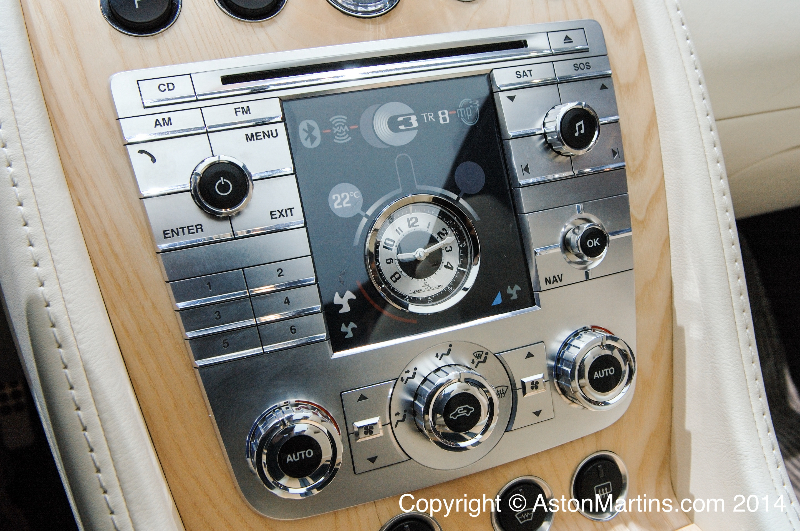
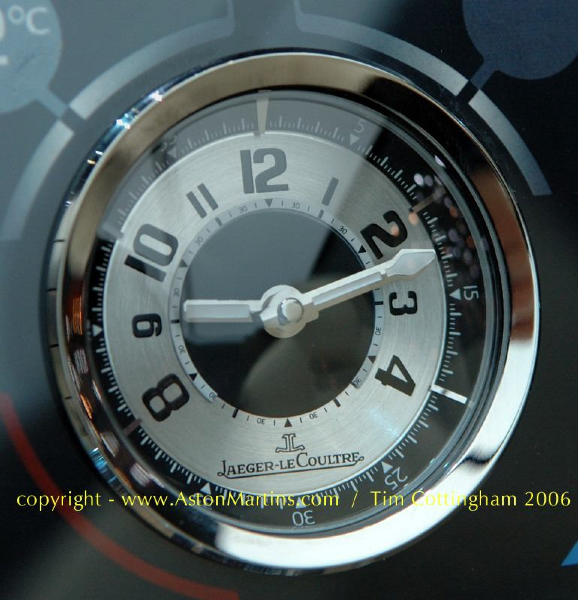
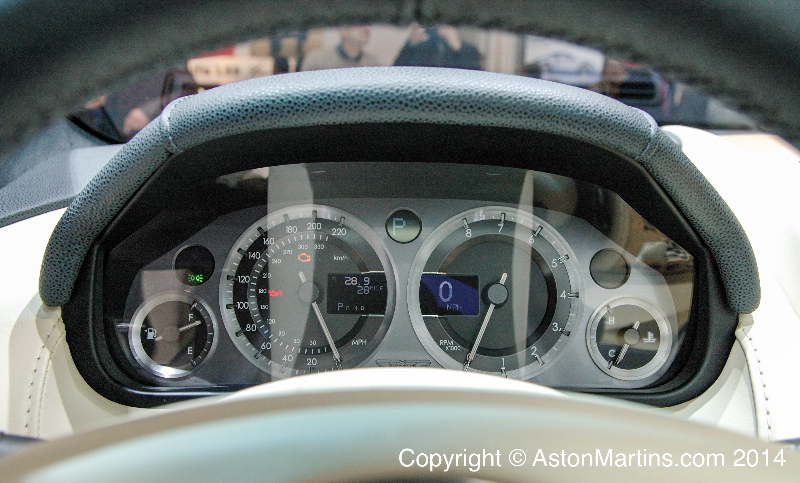
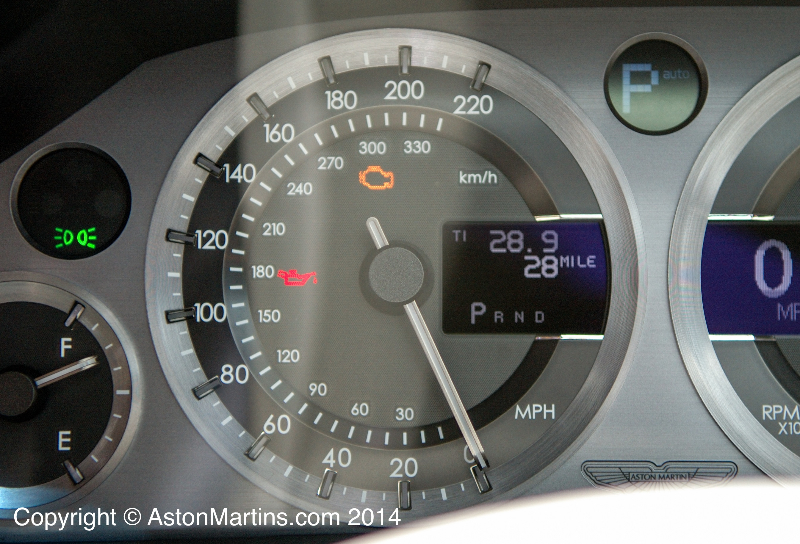

Having been very fortunate to sit in the Rapide concept, I guess you would like my personal view. It was fabulous, no doubt about that and I have no problem in accepting the idea that it’s a sportscar despite having rear doors. The uprated engine would have compensated for the only slight increase in weight. The interior was exquisite; the centre console was all new and so much better than that of the DB9 with the smart Jaeger-LeCoultre timepiece in the centre. The roof was wonderful; the quality of light in the cabin even under the harsh lights of Geneva created a little oasis of calm, shame that at introduction of the production car, it had not been made optional.
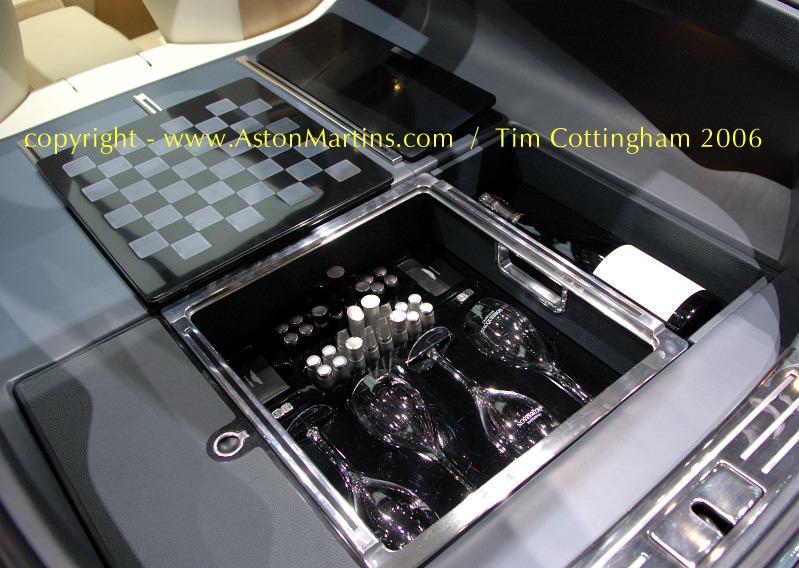
I had to sit in the back to give me an idea if this really works as a four seater. It was a bit tight for knee room but I will point out that the front seat was in the fully back position; I had no problem with headroom at all. Getting in and out of the back was tricky as the rear doors didn’t appear to open wide enough, but I was told that this problem had already been identified and was indeed sorted before production. I would say that it was the best interior I had ever seen in an Aston and reminded me greatly of the sort of work produced at Newport Pagnell during the 80’s and 90’s. The boot was vast as you can see with hidden under floor chilled compartments to keep the two magnums of Jacquesson Champagne cool, a chess set and playing cards.
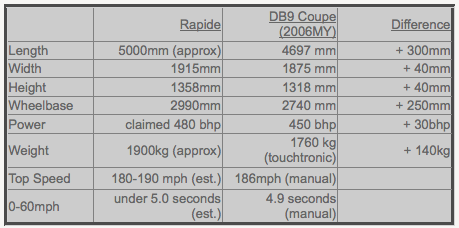 At the time that the Rapide was first shown, we were told it was just a concept and unlike concepts from other manufacturers, this one really was capable of being driven. By late May 2006, Dr Bez confirmed in a magazine interview that AM & Ford had signed off the car for production. With all the other projects that were advanced in 2006 (DBS and V8 Roadster), the production Rapide was not seen until late 2009, and despite trying, AM were unable to beat the not dissimilar 4 door Porsche Panamera to market. Can I thank Aston Martin for allowing me access to the Rapide for photography during the 2006 Geneva Salon.
Little known fact – there is a little part of this website in the Rapide concept. One of the two packs of playing cards provided in the boot are a set of AM themed ‘Top Trumps’ with some of photographs from this site. If you would like a set of cards, they are available separately from the official factory website.
In 2019, this car became part of the AMHT Collection, on long term loan from Aston Martin Lagonda
The production ready Rapide was eventually unveiled in September 2009 at the 63rd Frankfurt Motor Show with production starting shortly afterwards. Early production cars appeared at dealers during launch events in the early Spring 2010 with customers taking delivery of cars from April 2010. The Rapide was the first production 4-door Aston Martin since the William Towns styled AM Lagonda which ceased production in 1989. Although not badged as a Lagonda, the Rapide is certainly a true descendant of both the DB4 based Lagonda Rapide of the 1960s and V8 powered wedge Lagonda from the 1970s and 80s.
Some photos on this page were taken at the Geneva Salon 2010 and show the car in the new paint finish of Silver Blonde. Others show a US demonstrator in Morning Frost White at the 2010 AMOC Lime Rock meeting.
Following the recession that began in mid-2007 and subsequent sluggish recovery, AM production in general decreased leaving spare capacity for the Rapide in the UK. Production of the Rapide was ended prematurely at the AMRP in Austria during the Summer of 2012 and was transferred to Gaydon from the Autumn of 2012. Production of the regular Rapide ended at the end of 2012 with the introduction of the updated Rapide S. In total, 2,872 examples were completed, mostly in Austria. The UK built standard Rapide is therefore a particular race beast.

The Virage Volante at Geneva was painted Mariana Blue, a standard Aston Martin colour but this particular car had an unusual satin finish. The seats featured both alternative carbon weave effect and unique yellow leather with yellow stitching whereas the carpets were lambs wool with Saddle Tan leather which was also used as a covering for the yellow painted armrests. Another alternative and bespoke finish was blue carbon for the full width of the facia. The centre console featured controls that had been anodised black as were the grille and tailpipes.
Externally, the Geneva car had a custom made road wheel and a stainless steel rear add on spoiler with rather odd leather straps to attach additional items of luggage.
The specs for the Virage Dragon 88 are as follows
The special features of the Luxe are :-
The final car of the set is a Virage based shooting brake was initially scheduled to be unveiled in the Spring of 2014. The actual launch was a little later than intended when on the 7th September 2014 at the Chantilly Art & Elegance Concours d’Elegence in France the Virage Shooting Brake Zagato made what must have been a surprise appearance. Whereas the previous models were commissioned by American and Japanese collectors, the Shooting Brake was built for a European customer who so far, wishes to remain anonymous.
The association between the two companies has now spanned more than 50 years and Aston Martin Zagatos have always been outstanding cars. The Virage Shooting Brake Zagato, again the work of Zagato Atelier’s Chief Designer, Norihiko Harada, follows neatly on from the Centennial cars on 2013.
It is probably safe to assume that mechanically the car is unaltered and retains the standard 490 bhp AM25 spec V12 engine, six speed Touchtronic 2 transmission and carbon ceramic brake discs.