
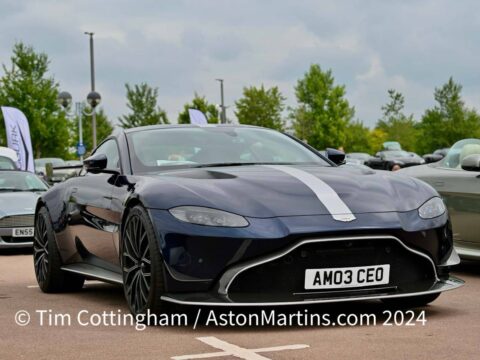
V8 Vantage AMR
- 15/06/2017The AMR sub-brand was introduced with two distinct tiers. Series production limited edition models such as the V8 & V12 Vantage AMR sit at its entry point, while extreme and extensively modified AMR Pro models created by Q by Aston Martin Advanced Operations sit at the pinnacle of the range, including the exclusive Vantage AMR Pro announced at the 2017 Geneva Motor Show.
The V8 engined AMR was fitted as standard with the Prodrive designed Sportshift II automated sequential manual paddle-shift transmissions but the six speed manual gearbox was also available as an option.
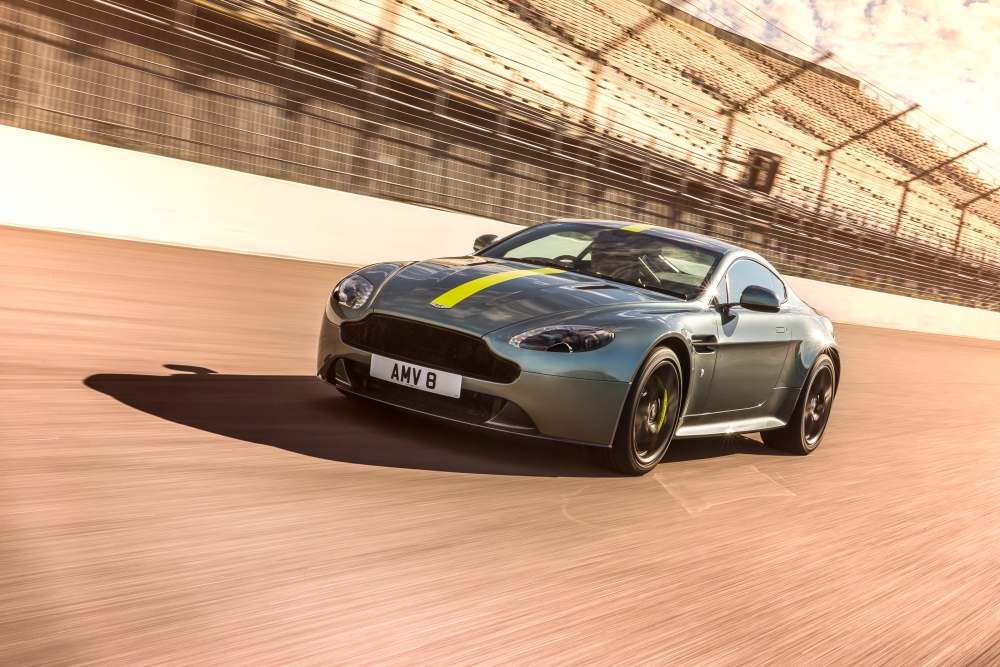
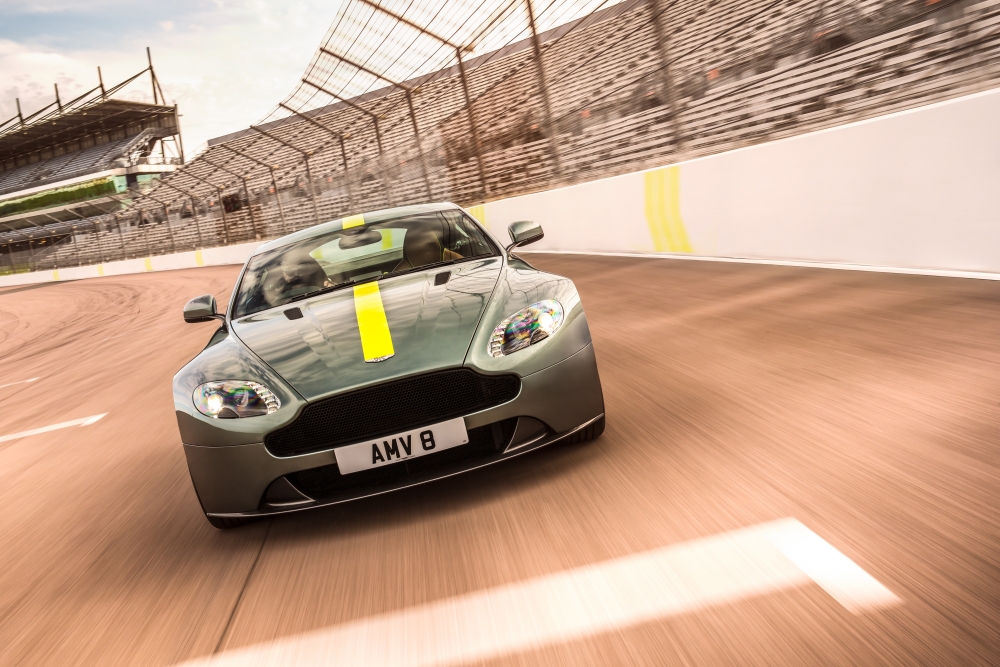
The V8 Vantage AMR was available in five distinctive AMR exterior schemes: the AMR ‘Halo Pack’ was taken from the Aston Martin Racing’s 2016 World Endurance Championship-winning #95 Vantage GTE, with a combination of Stirling Green paint and vivid Lime Green front to back stripe and other accents to dramatic effect. Also available was Stratus White with an Orange graphic; Ultramarine Black with Blue graphic; Zaffre Blue with Red graphic and Scintilla Silver with Grey graphic. As a finishing touch, a special Union Jack-enameled AML wings badge, made by Vaughtons and previously featured on the previous year’s GTE racer, was available as a no-cost option.
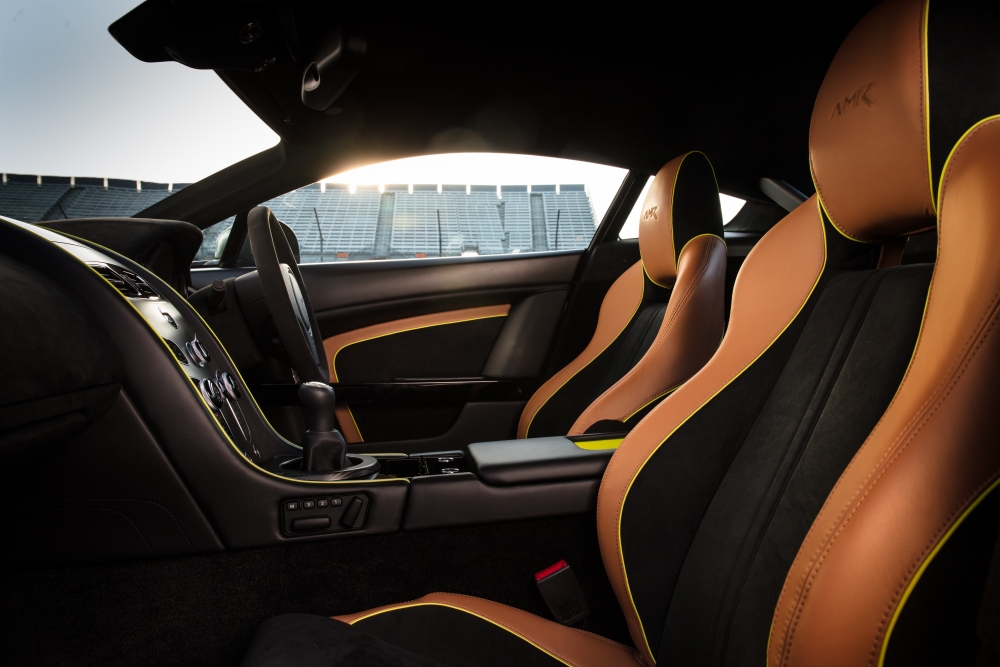
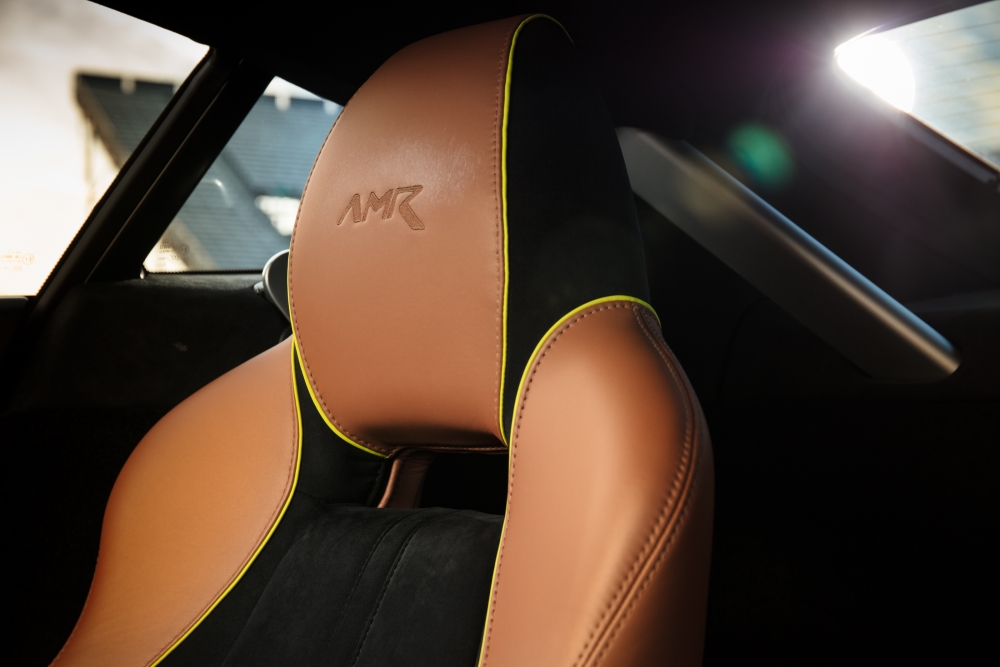
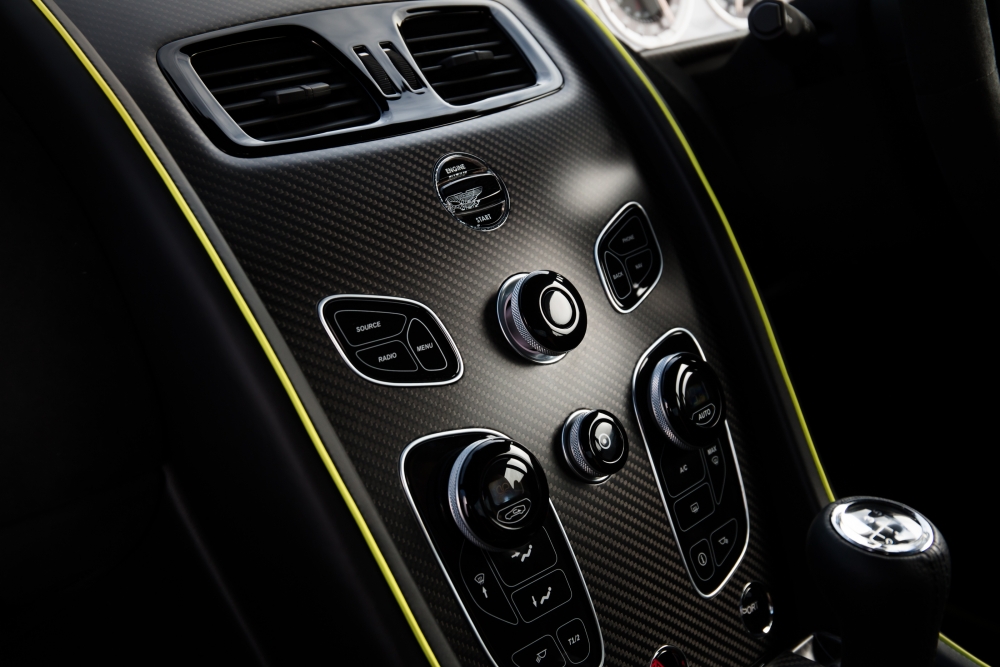
Each of the exterior schemes is matched to a different interior scheme with a combination of leather and Alcantara for the Coupe to compliment the exterior colours. In keeping with its exterior the Halo Pack interior features boldly contrasting colours, including Lime Green welts and accents.
Lightweight carbon fibre seats were standard fit on the AMR and the car had many other carbon fibre features, including a lightweight front grille, side strakes, lamp infills and mirror caps on the outside, instrument surround, door tops and door grabs on the inside. The V8 Vantage AMR came with 5-spoke alloy wheels with a choice of three different finishes.
Alongside the introduction of the AMR cars, AML also introduced a range of AMR accessories, many of which can be also fitted to earlier cars. Suitable for the whole V8 Vantage range was the Aero-kit, lightweight mesh grille, performance clutch for the manual box, titanium exhaust, and a multispoke AMR wheel.
Mechanically, the V8 Vantage AMR was identical to the previous year V8 Vantage S with the same 430 bhp 4.7 litre engine.
Total production of the V8 Vantage AMR Coupe and Roadster began in the final quarter of 2017 and was limited to just 200 examples. According to recxords held by the Aston Martin Heritage Trust, the coupe version only accounded for 137 of the 200 AMR cars. The AMR was only available in the UK, Europe, Asia Pacific and China but not North America. The 2018MY V8 Vantage was not homologated for sale in the US market, so the last V8 Vantage cars sold there were the 2017MY V8 Vantage GTS.
In the UK, the V8 AMR coupe was priced from £97,995 (about £3,000 more than the outgoing V8 Vantage S) which represented excellent value due to the previously optional features fitted as standard.


DB3S Works Cars
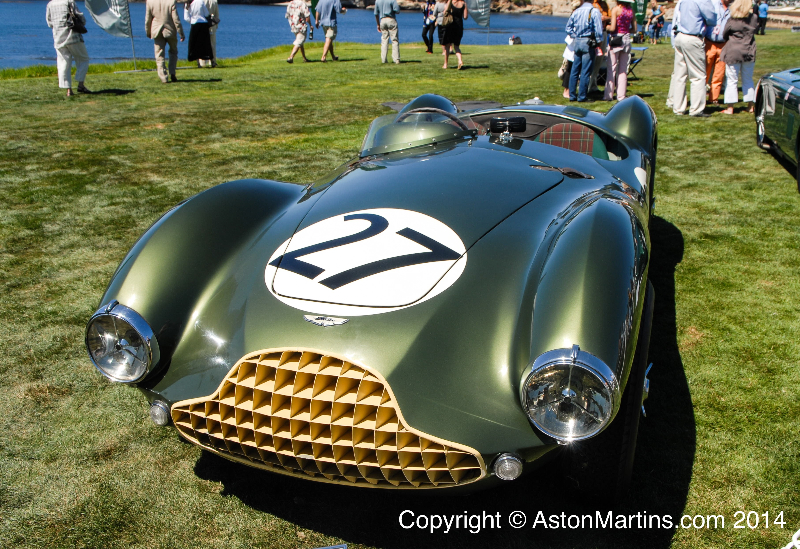
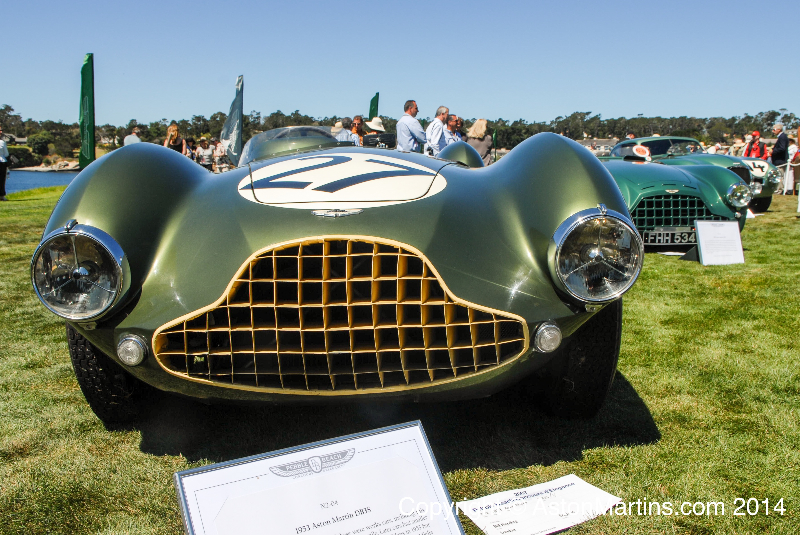
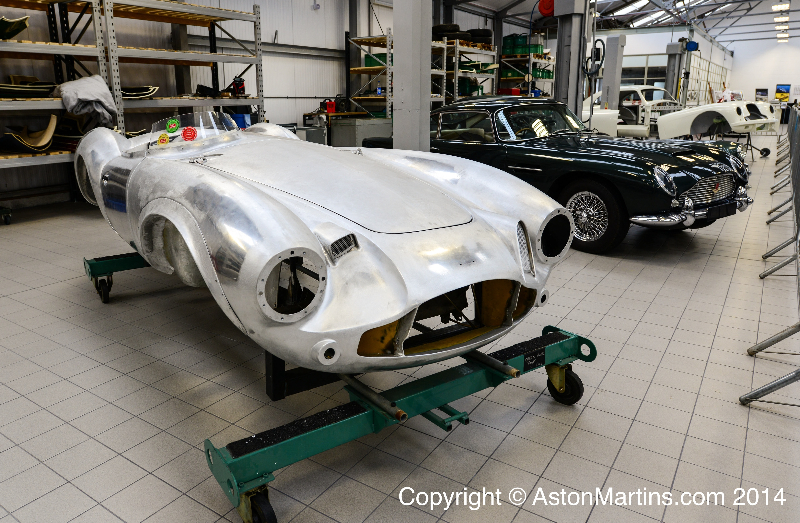
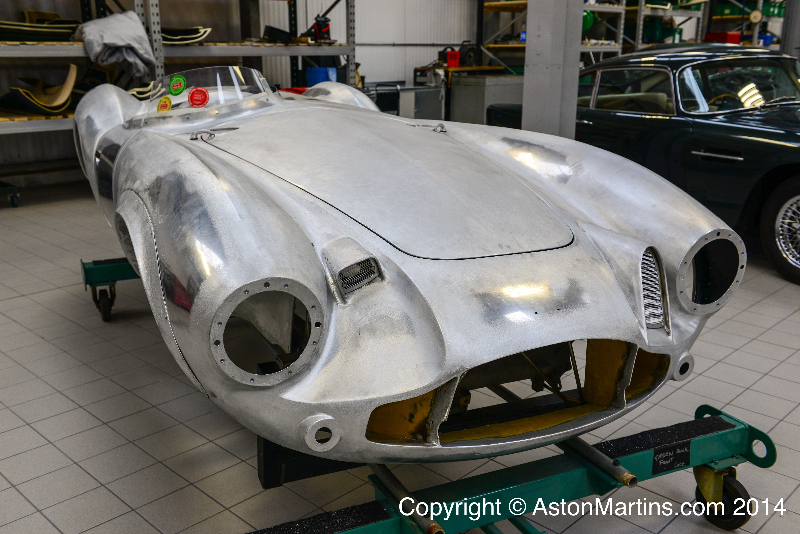
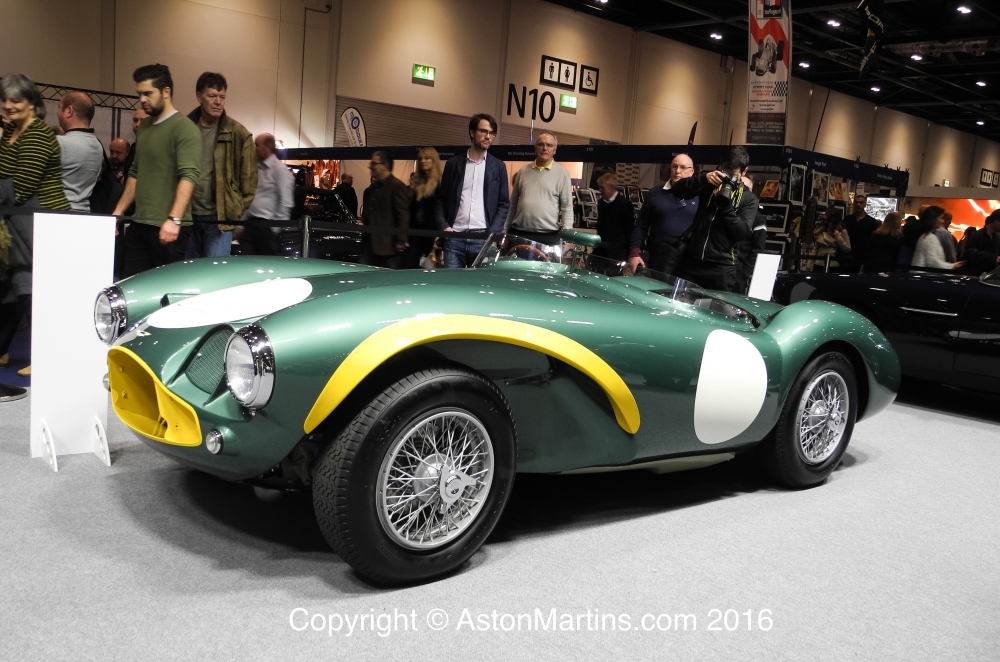
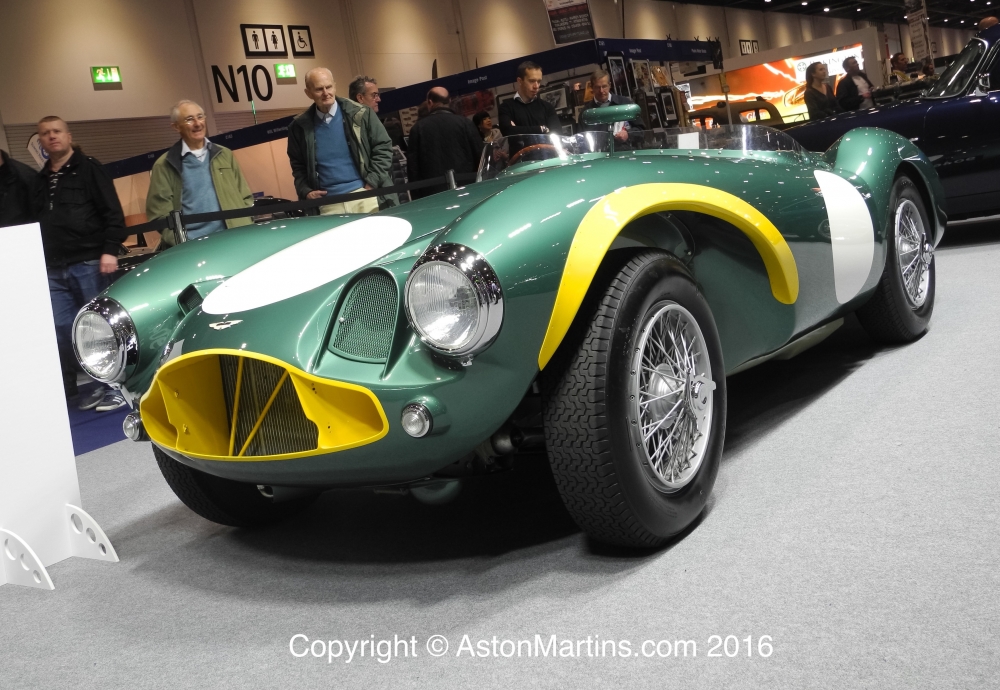
- 30/01/2013There were three distinct body styles of the DB3S, the first of which had a large ‘egg crate’ style grille. The second body style is well illustrated by the production cars, which features a new grille which was eventually copied on the DB Mark III. And the third style, debuted in 1956 featured a new oval nose with faired in headlamps and the fitting of front disc brakes which required the characteristic offset wheel rims.
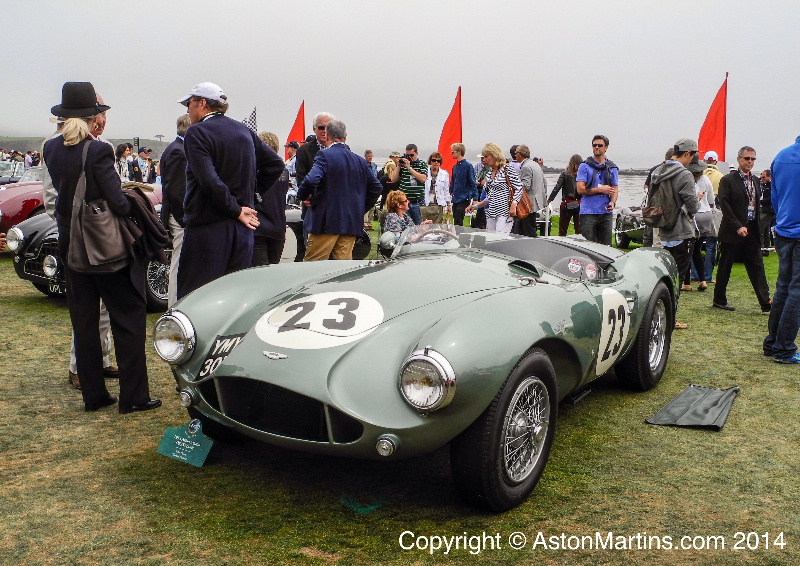
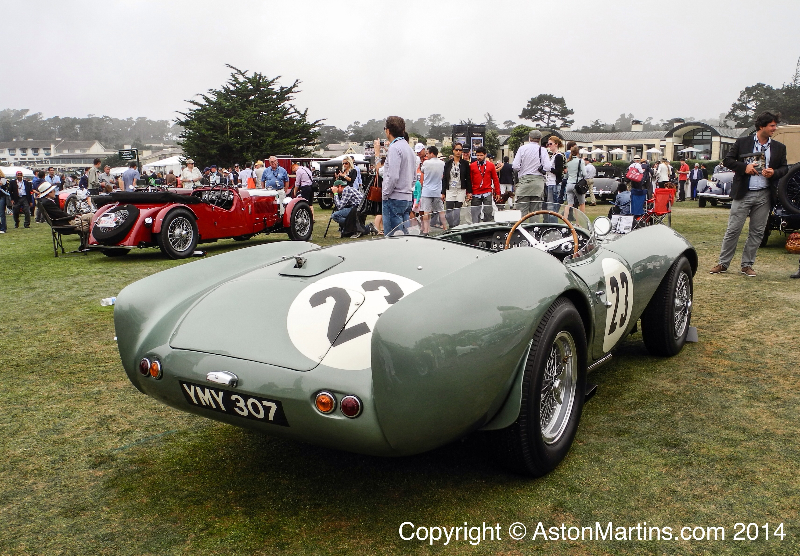
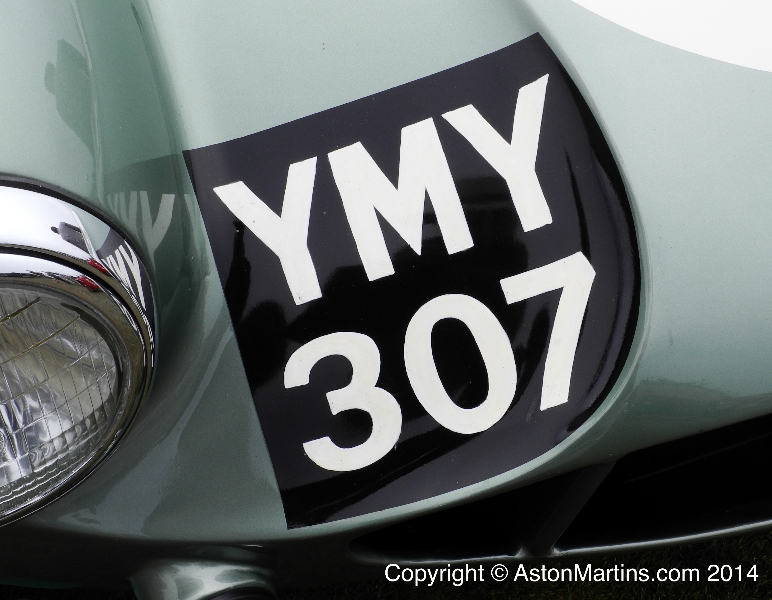
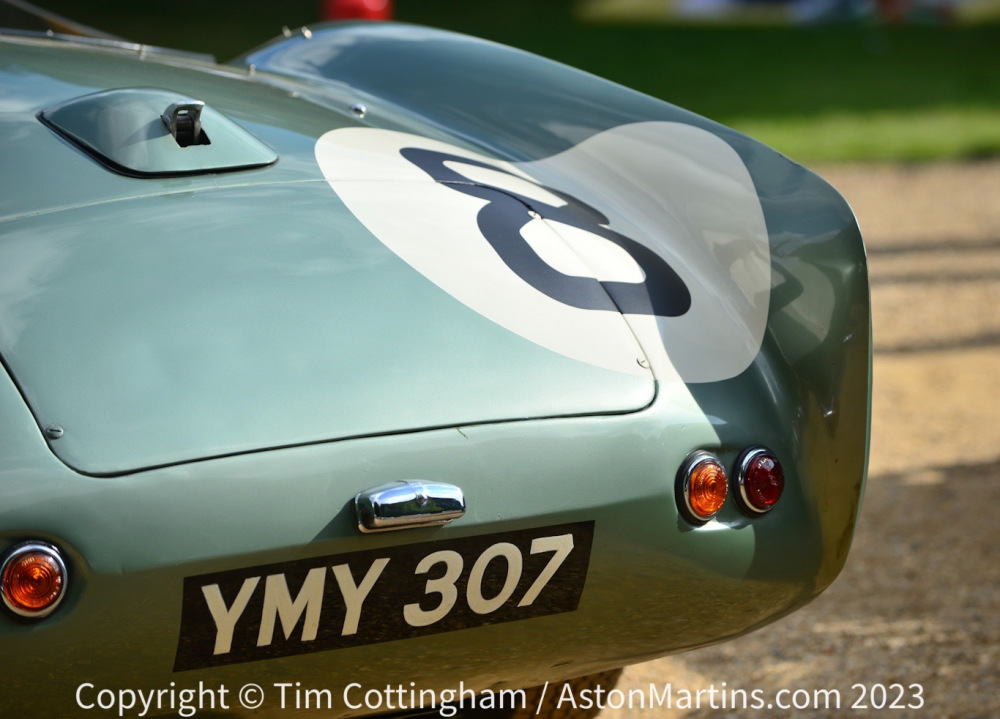
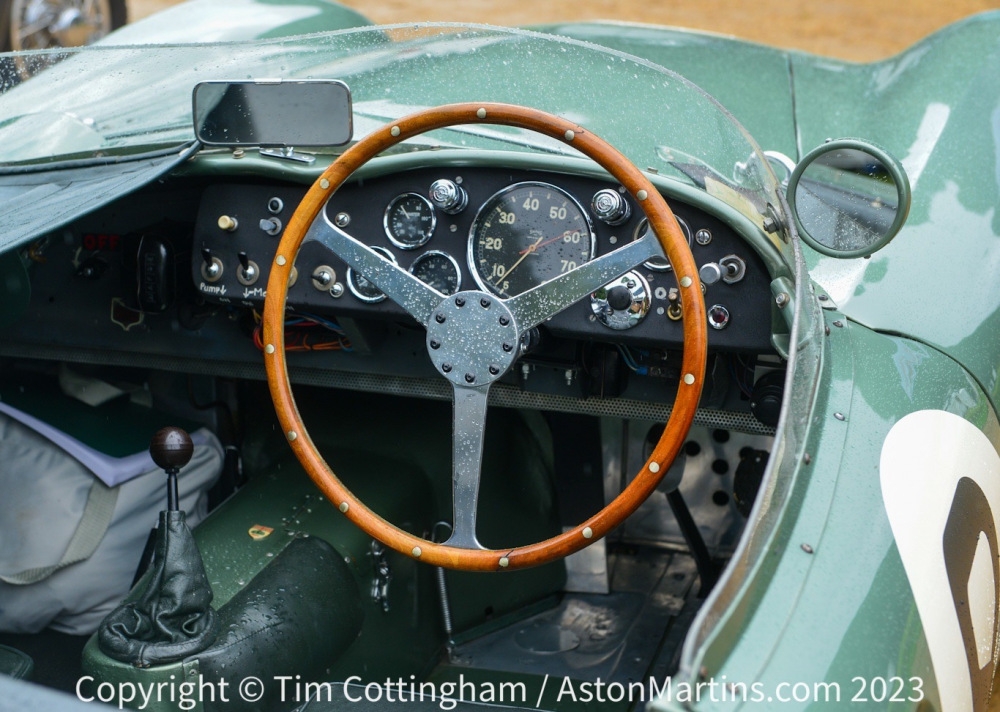
DB3S/1, YMY307
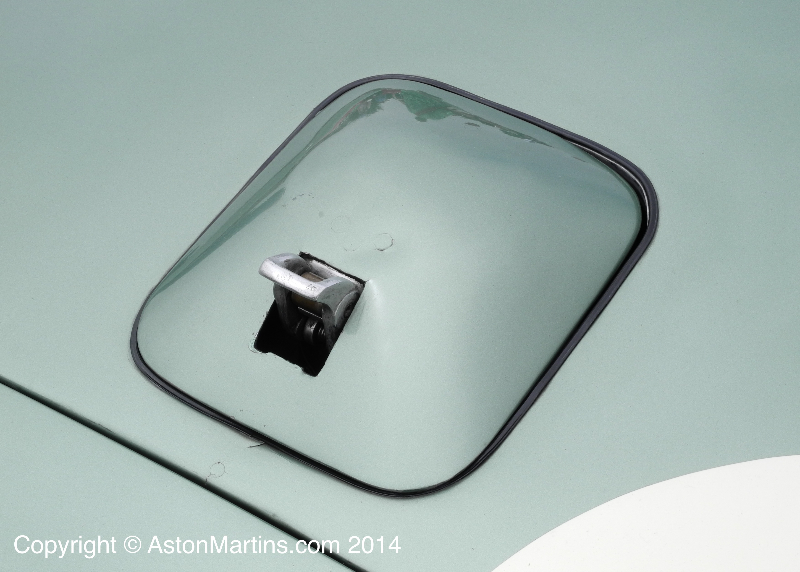
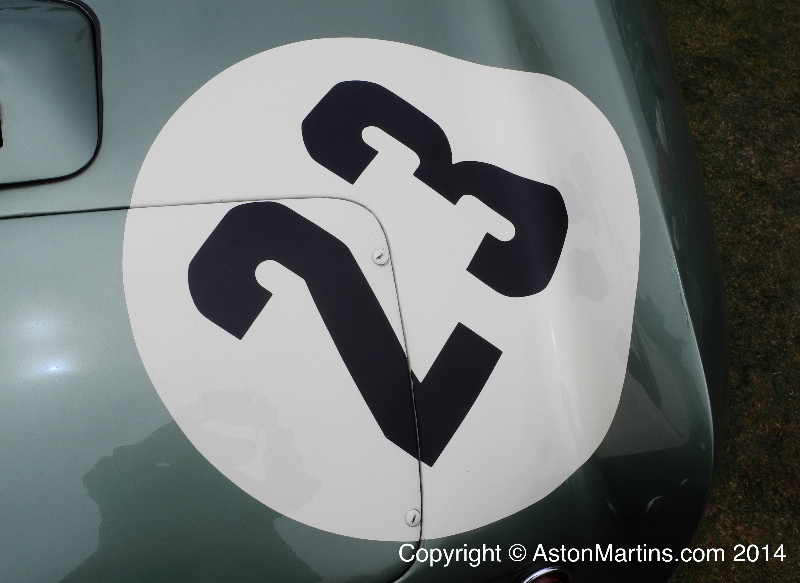
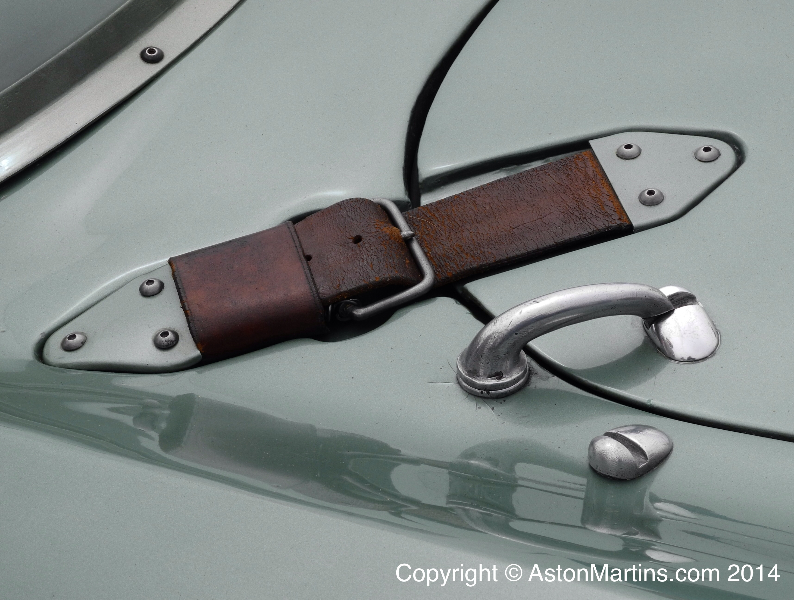
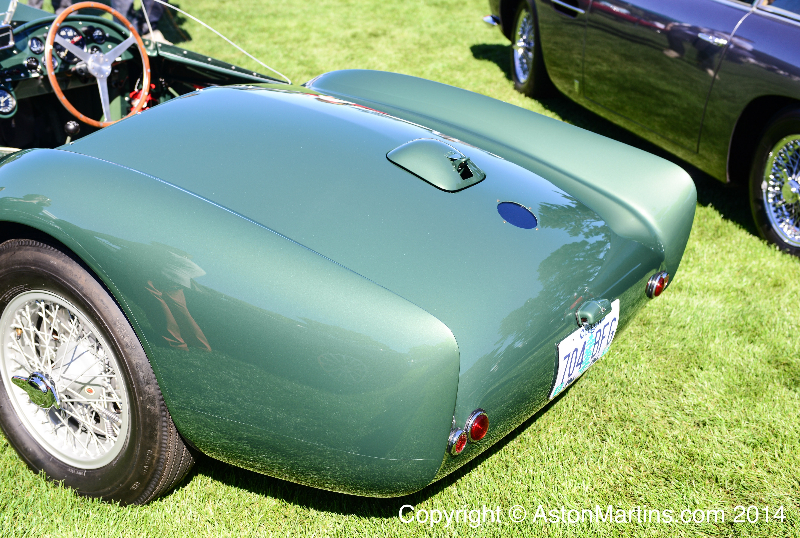
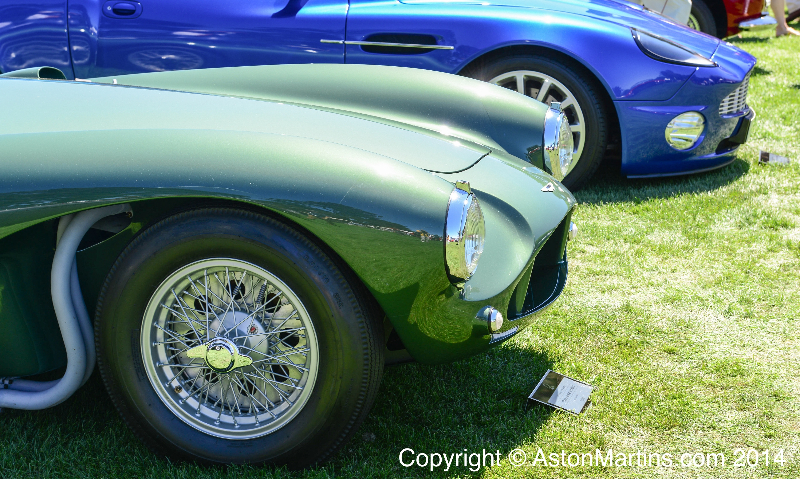
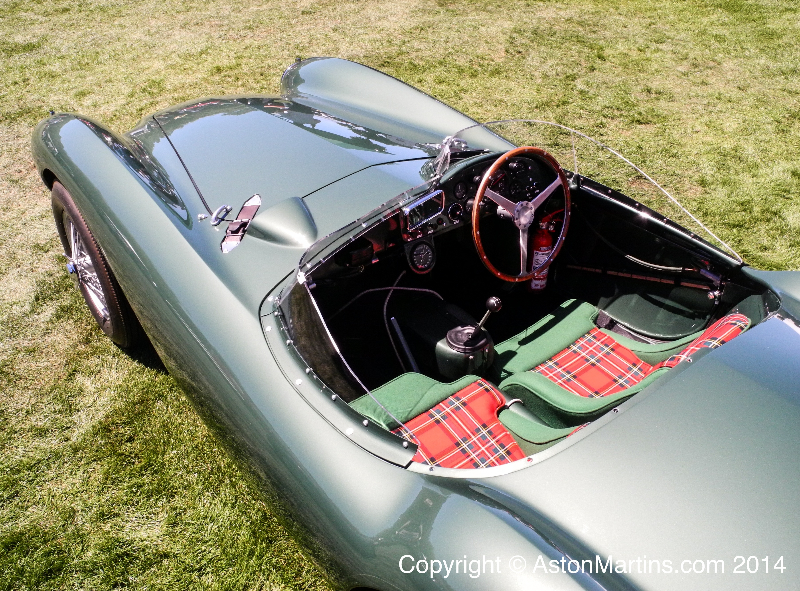
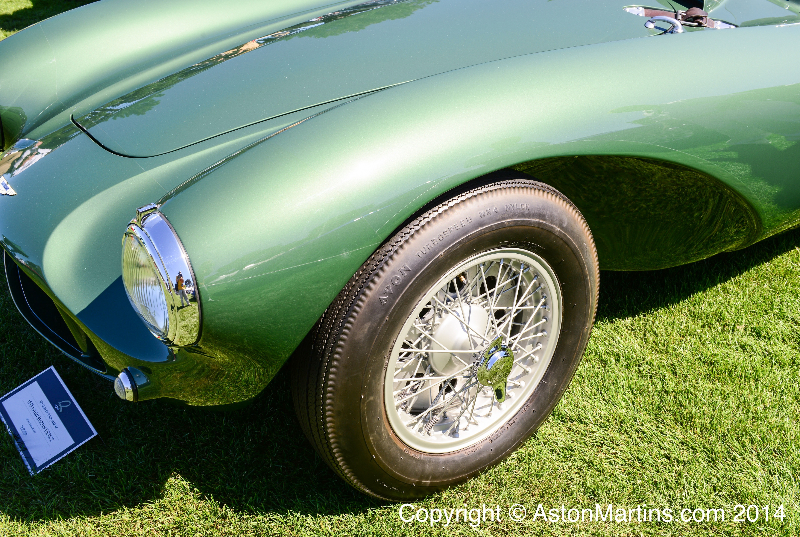
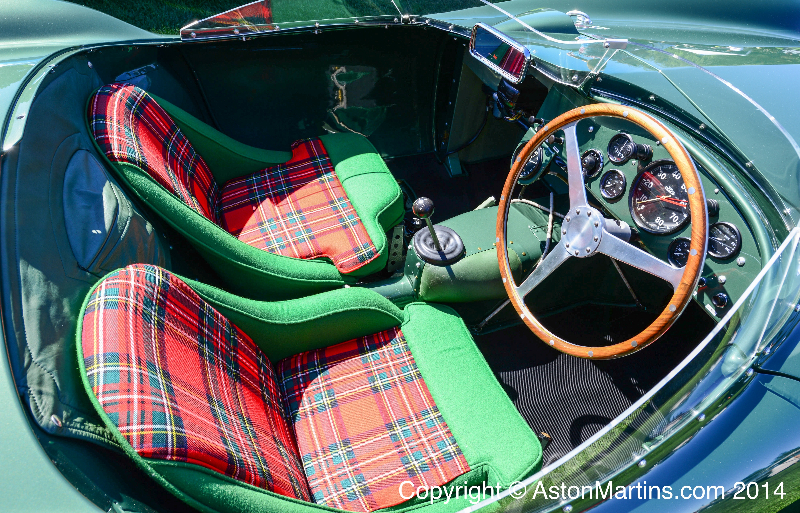
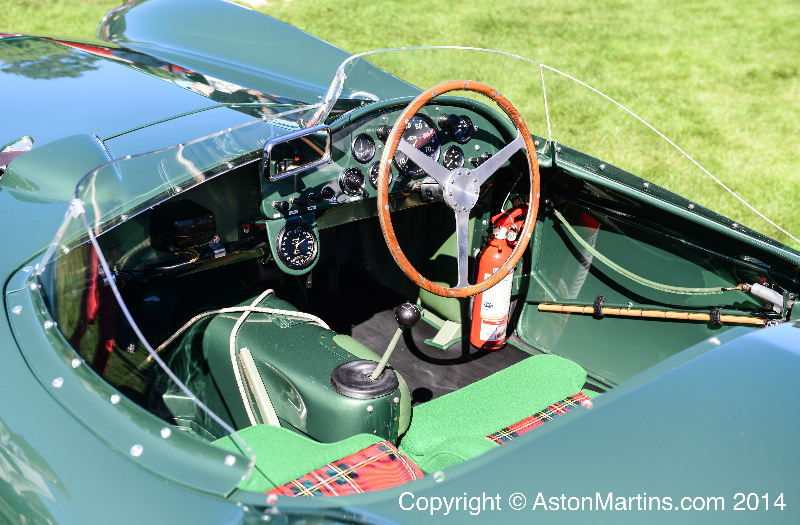
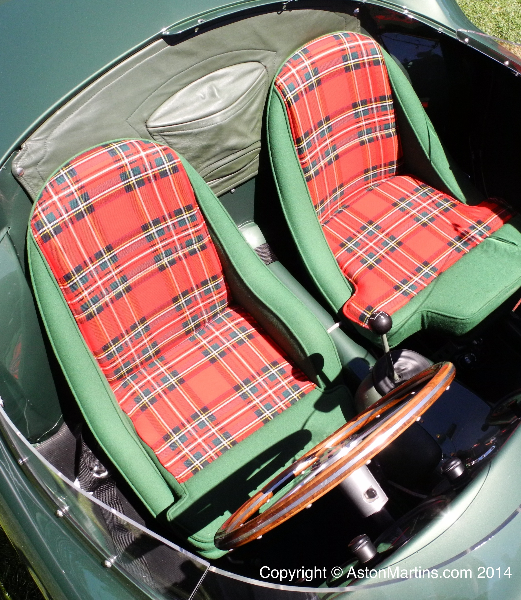
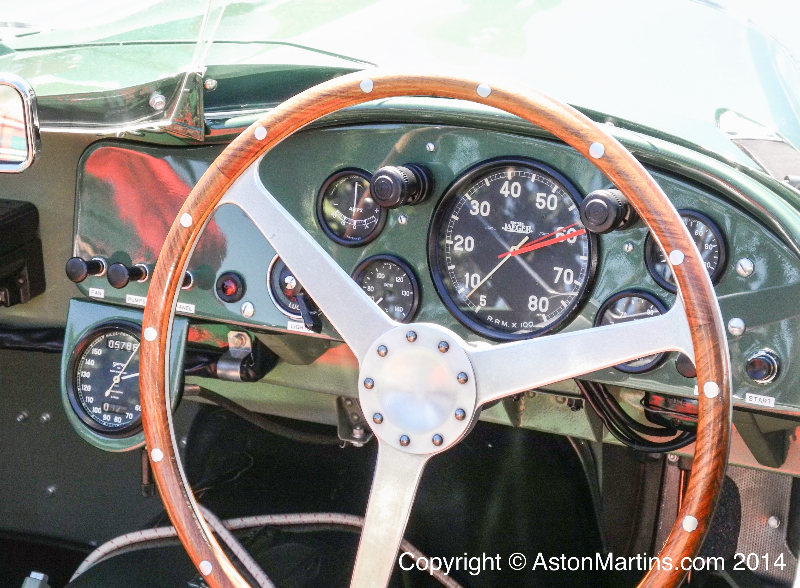
Below is the very first chassis, works car DB3S/1 , photographed at the 2013 Pebble Beach Concours where the car was awarded the Gran Turismo Trophy. This is awarded to the most significant car present balancing both artistic beauty and performance at the highest level.

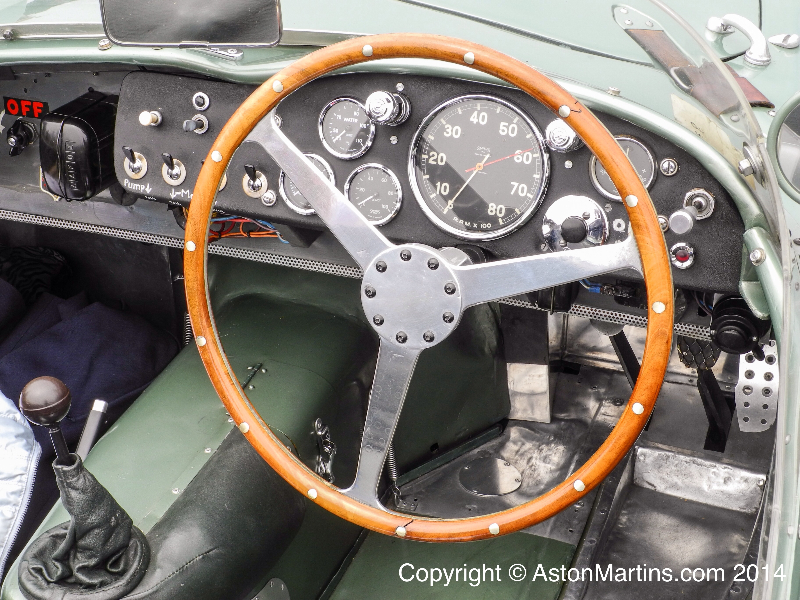
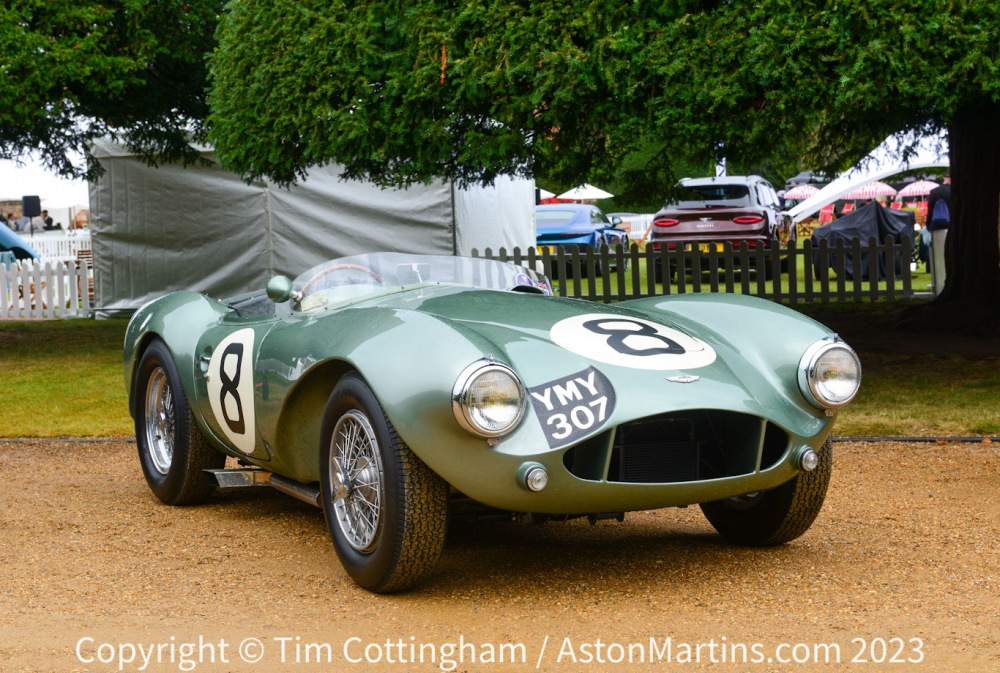
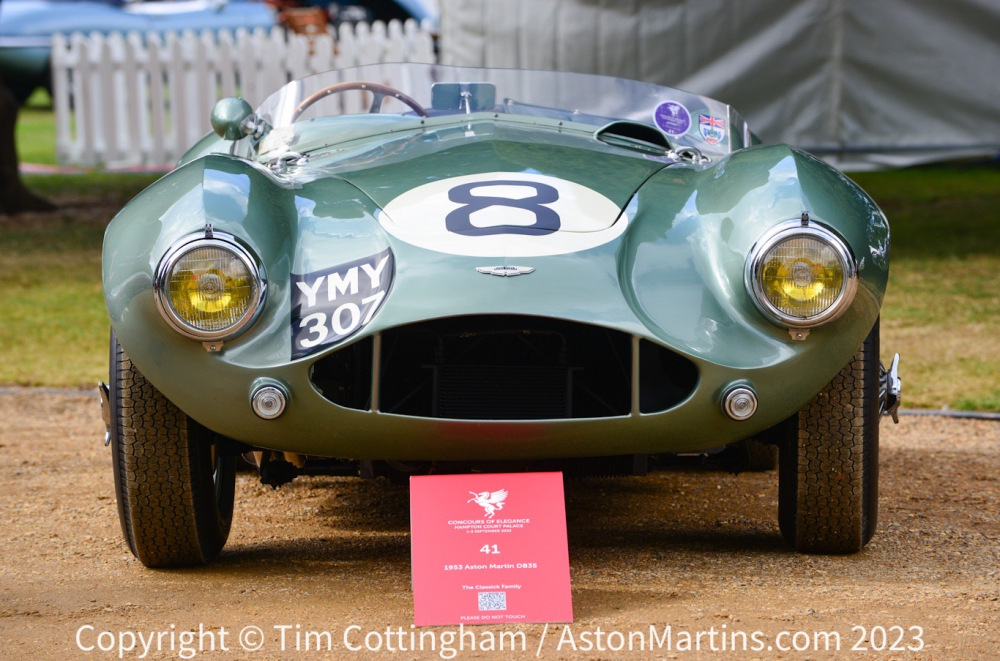
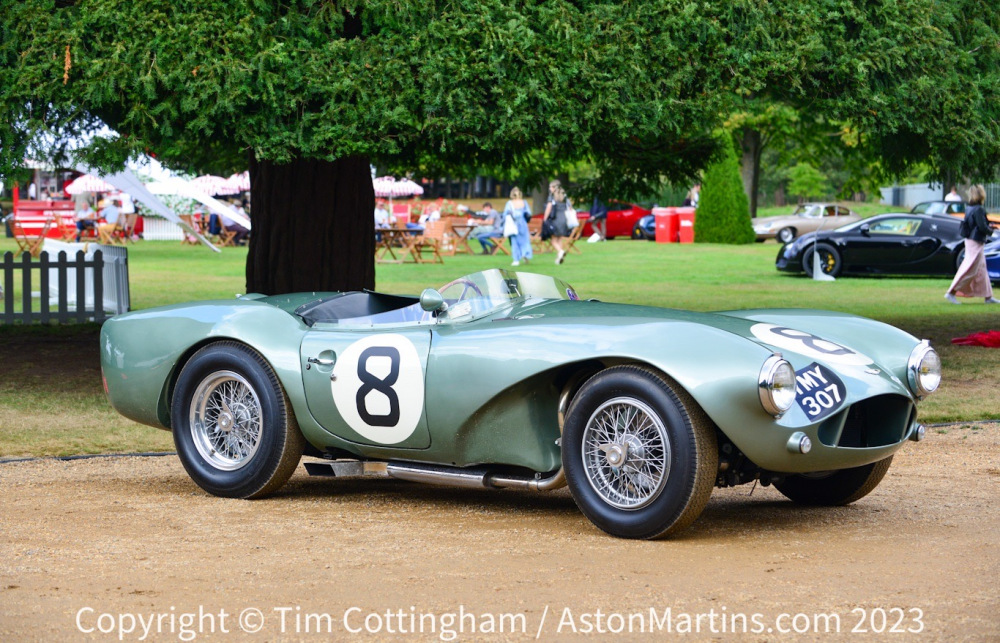
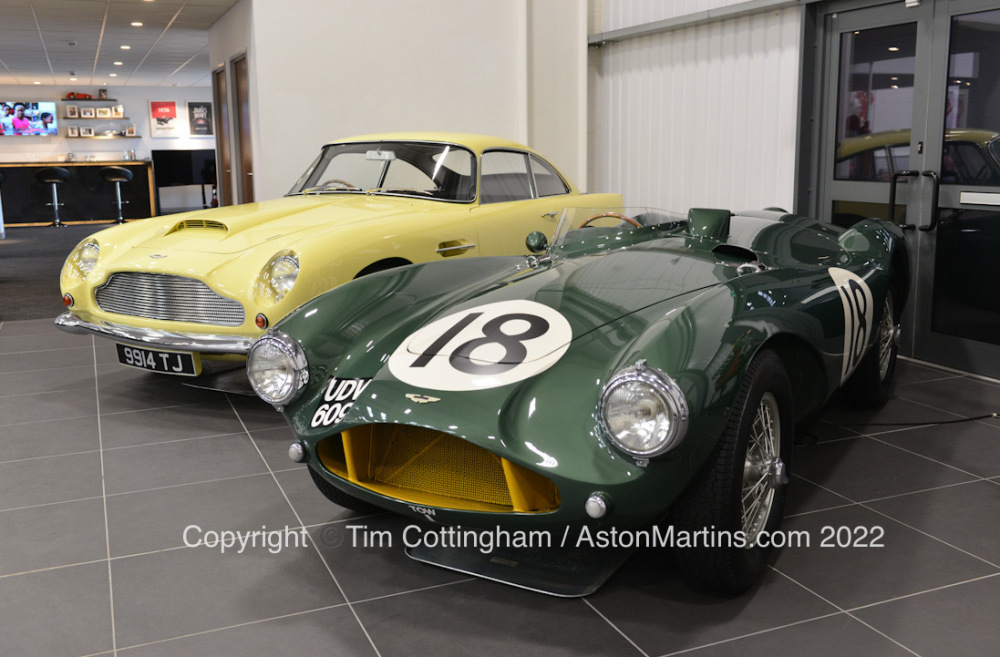
DB3S/2, UDV609
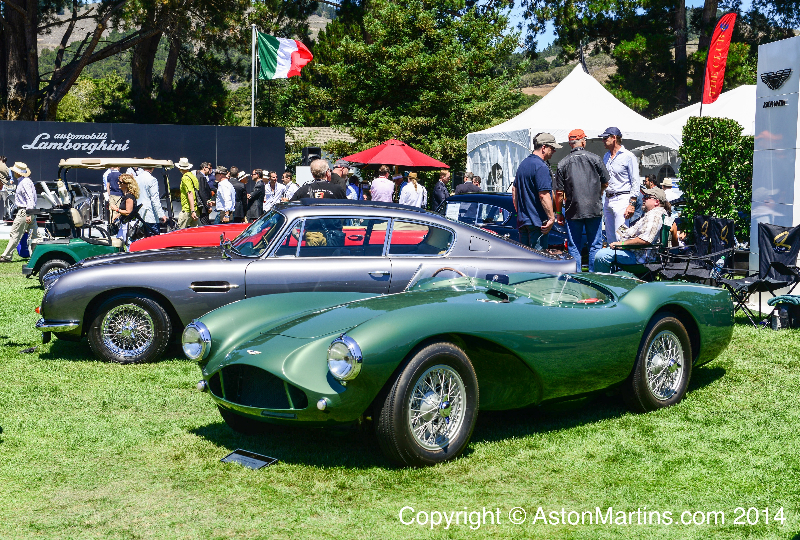
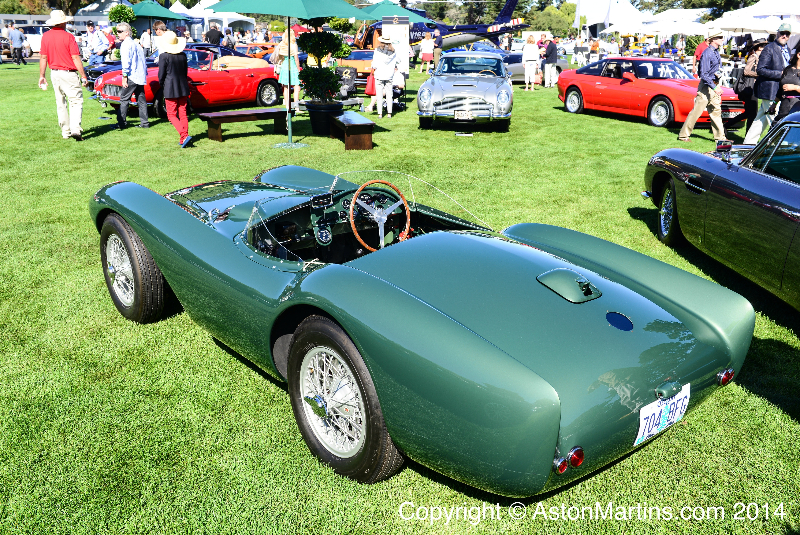
The second car, DB3S/2 was on display at ‘The Quail, A Motorsports Gathering’ during the Centenary Year in 2013.
DB3S/4
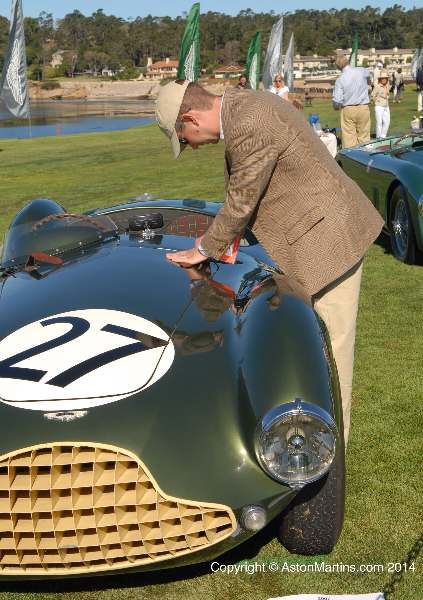
This particular works car is the only DB3S that has retained the original Frank Freely front egg crate front grille. It was photographed during the Pebble Breach Concourse d’Elegence in 2007 when Aston Martin were the featured marque.
DB3S/5, 9056H


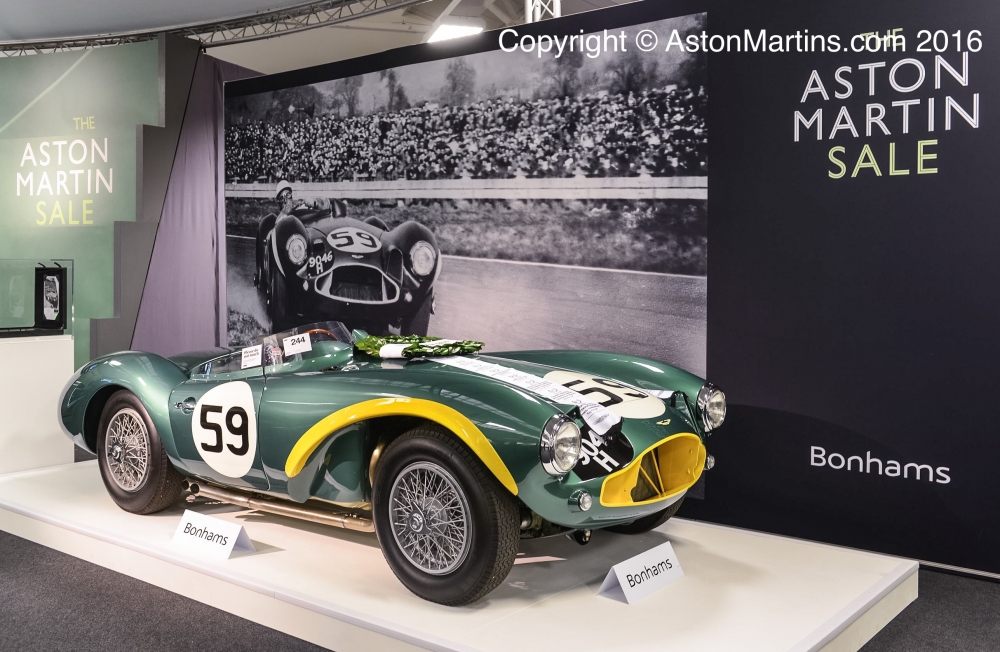

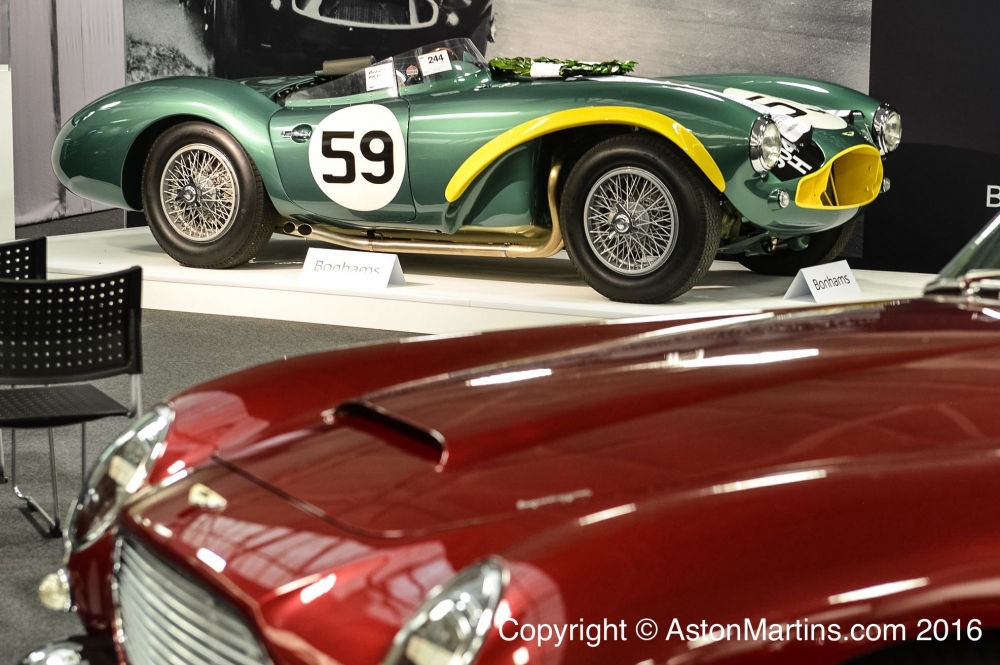

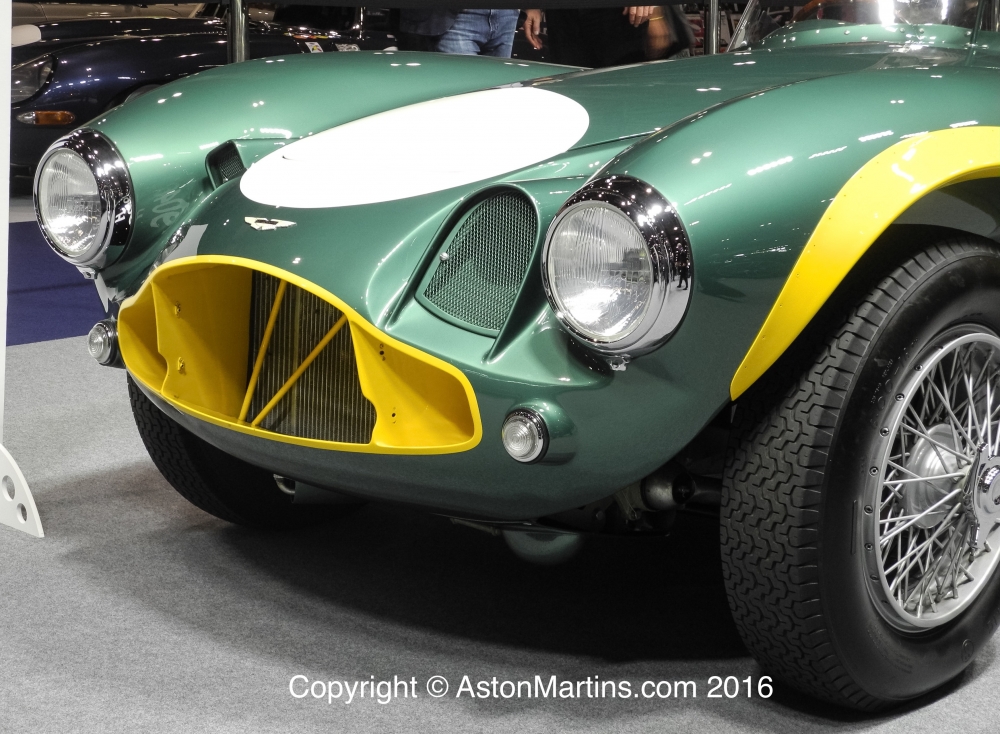
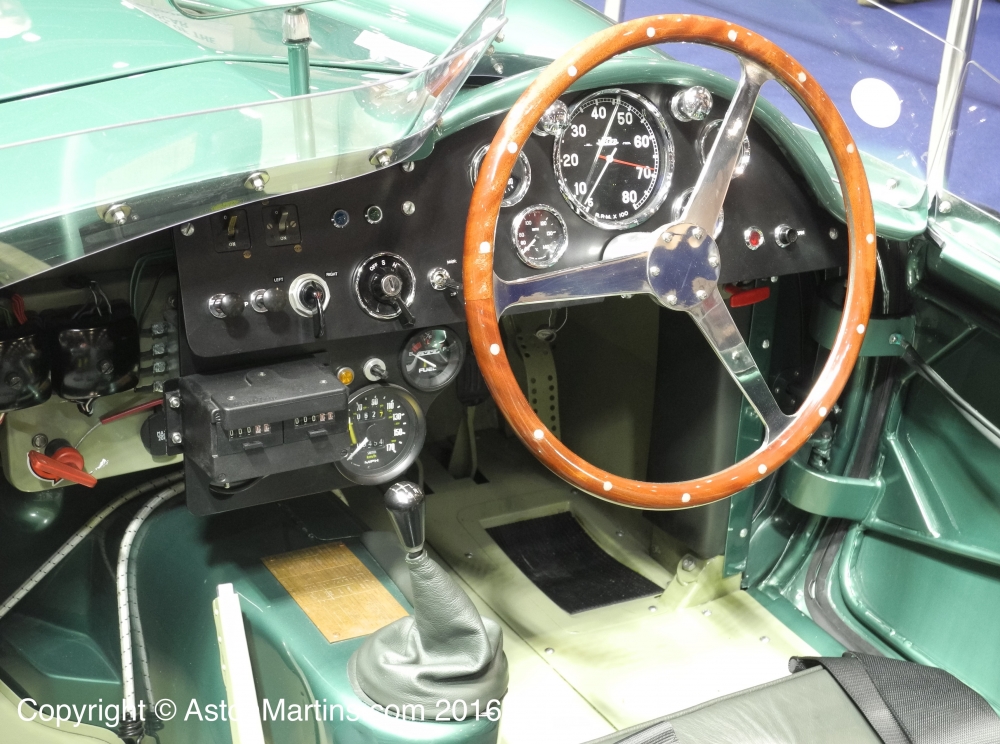
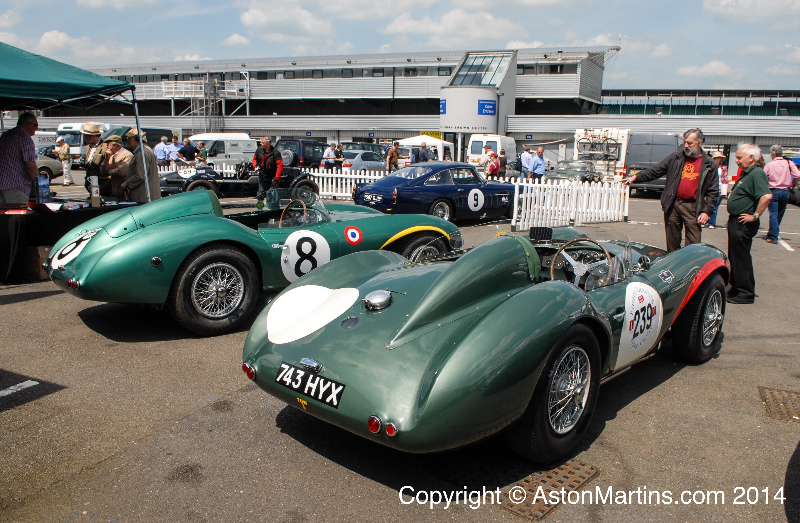
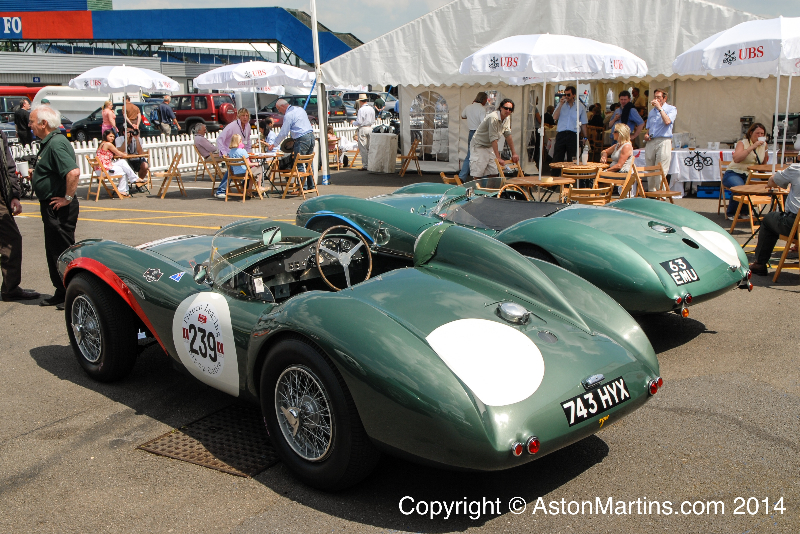
DB3S/6, 62EMU
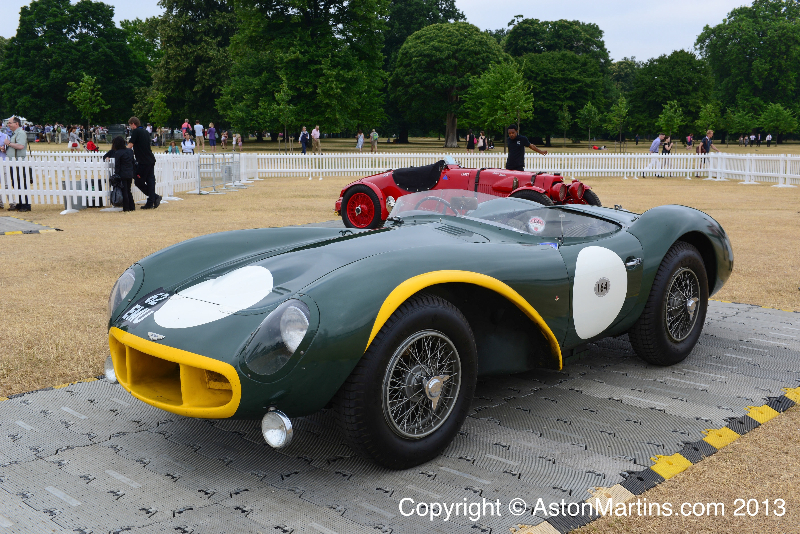
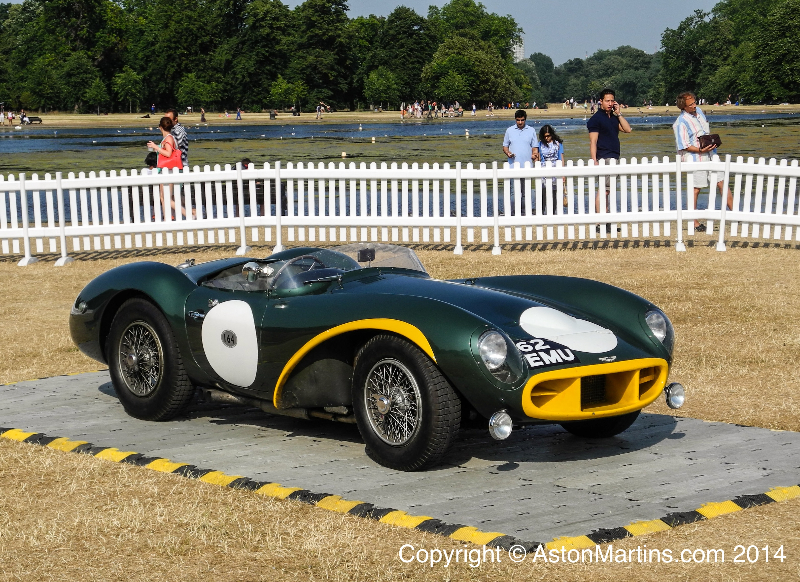
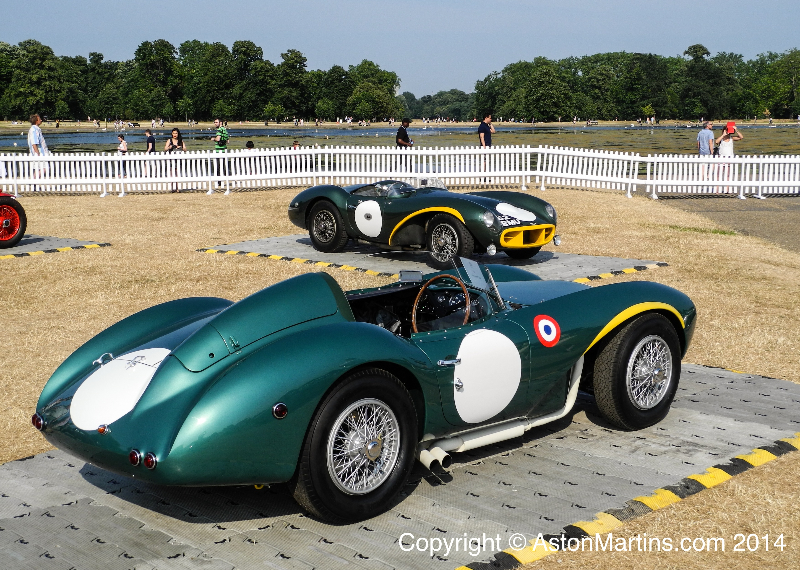
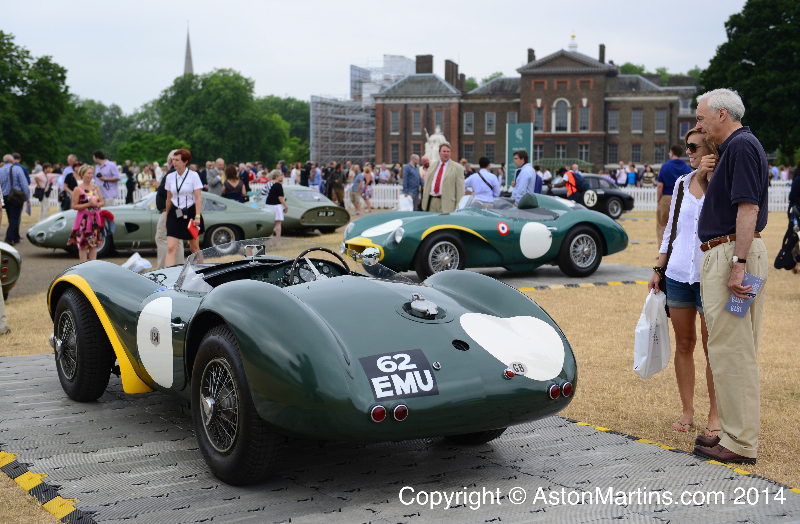
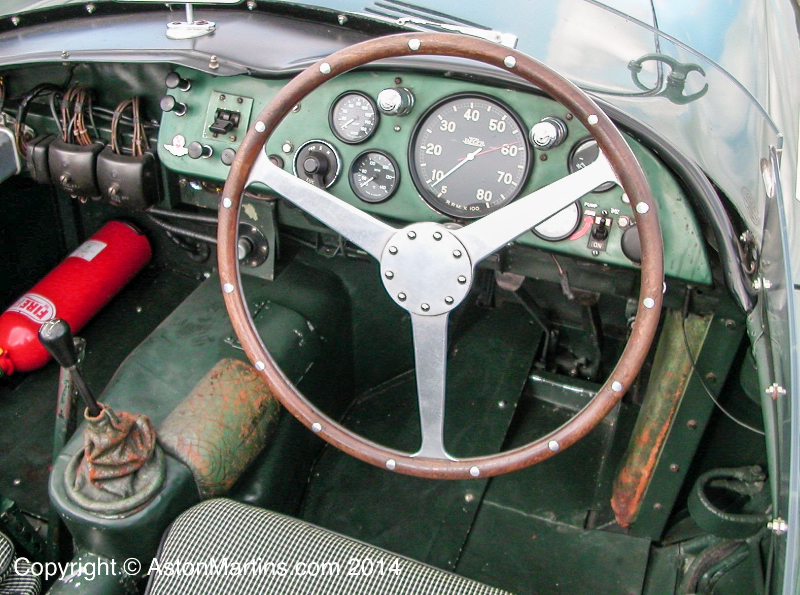
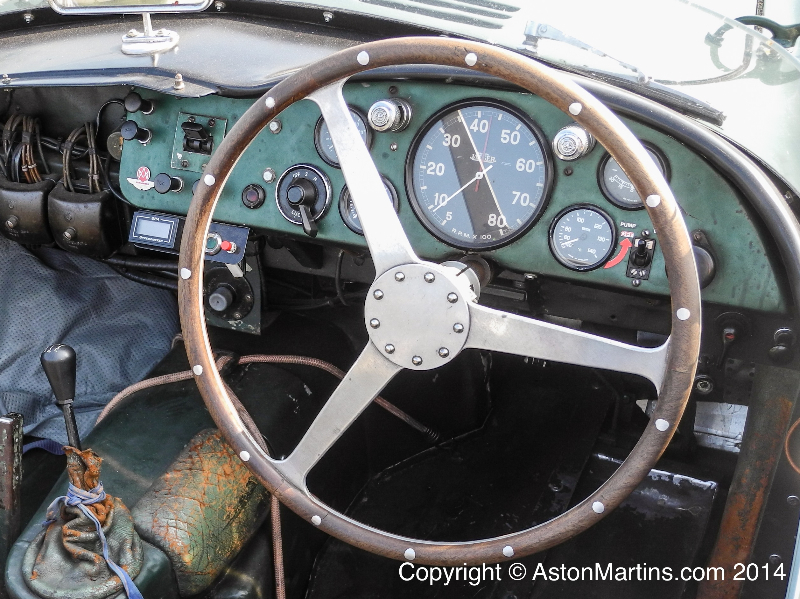
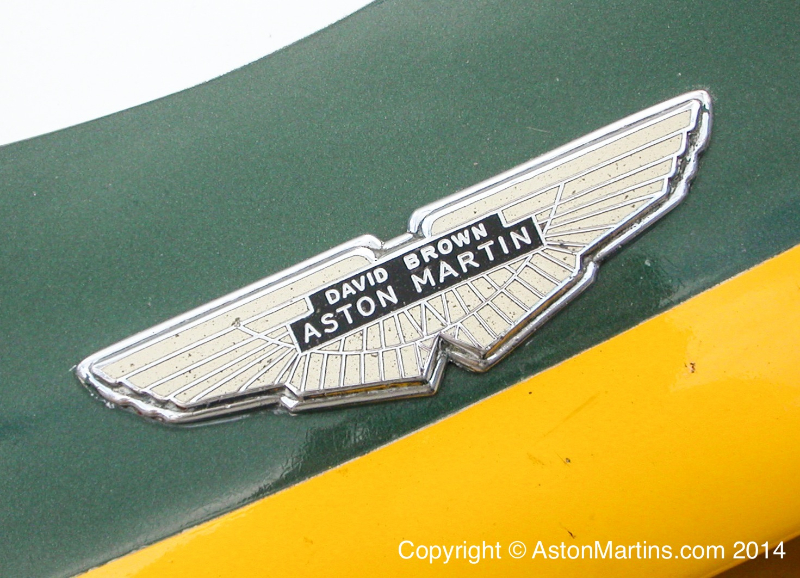
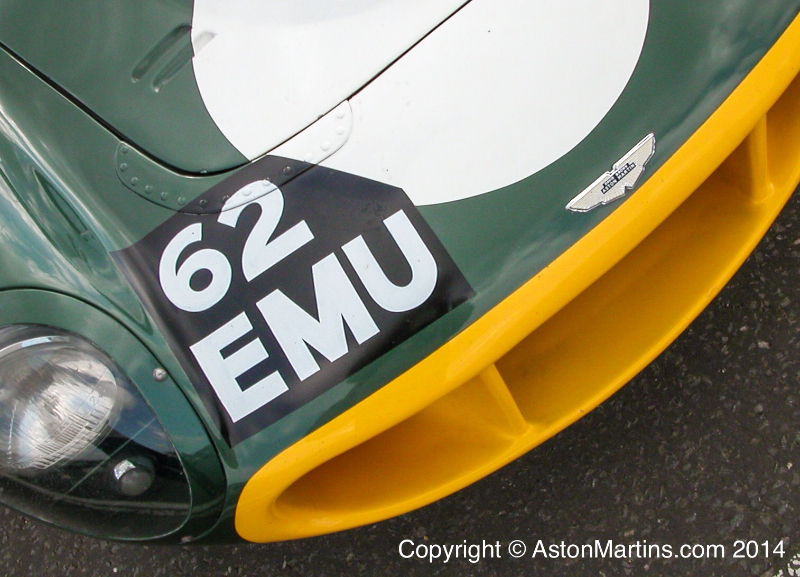
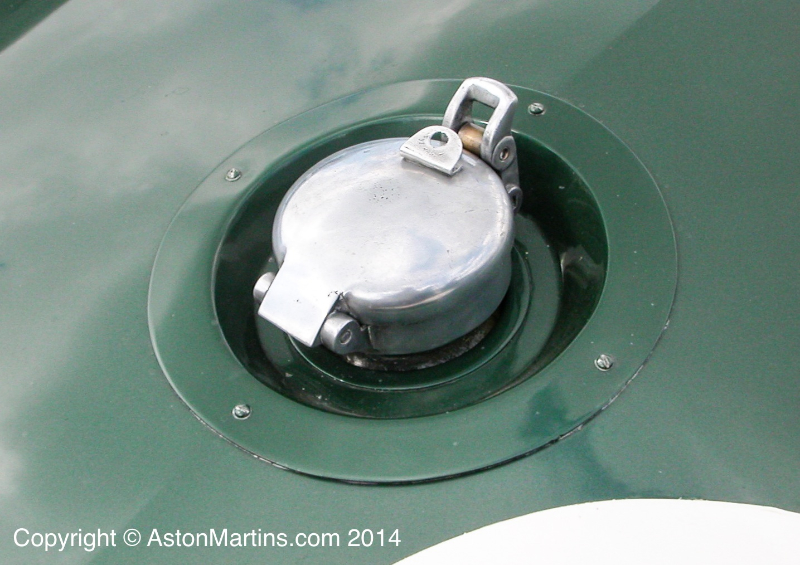
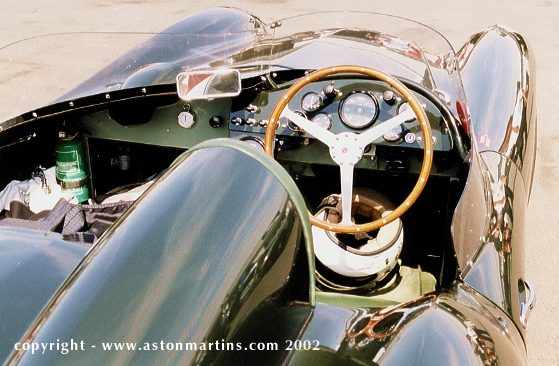
Arguably the most successful of the works DB3S cars is chassis number DB3S/6, 62EMU, pictured below. Initially the car was built with a closed coupe coachwork unfortunately it crashed during the 1954 Le Mans race and the original body was destroyed. After being rebuilt for the 1955 season with open bodywork, the car came in 2nd at Le Mans. After being sold off by the factory, the car again achieved 2nd place at Le Mans in 1958 when owned by the Whitehead brothers. The interior displays a wonderful patina.
DB3S/7, 63EMU
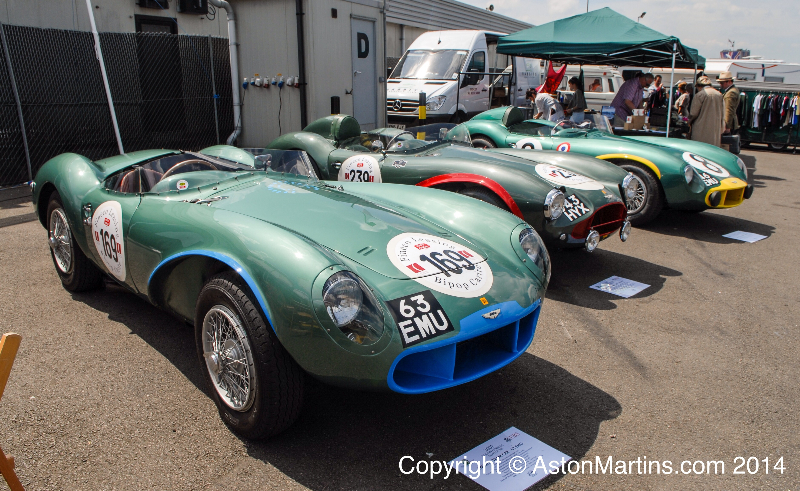
Chassis number DB3S/7, and sister car to number 6 (seen above). Again originally built as a coupe and similarly crash at Le Mans in 1954. Also rebuilt with open bodywork for the 1955 season. After being sold off by the works following the 1956 season, DB3S/7 has continued competing in private hands.
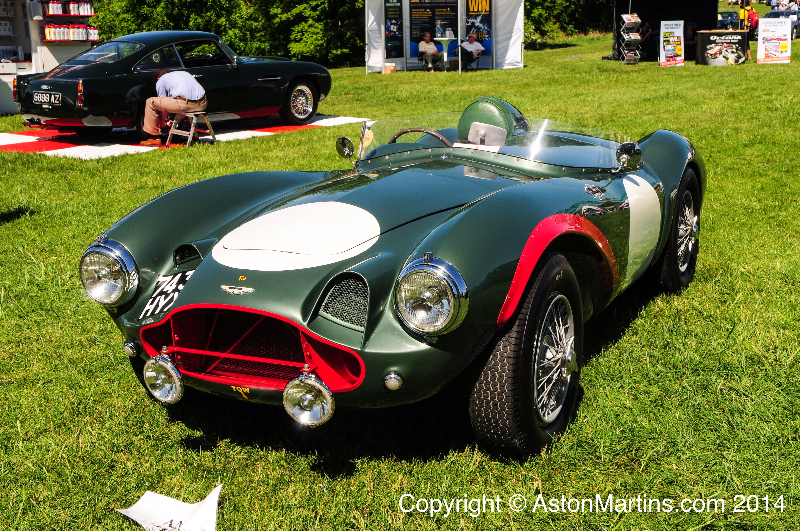
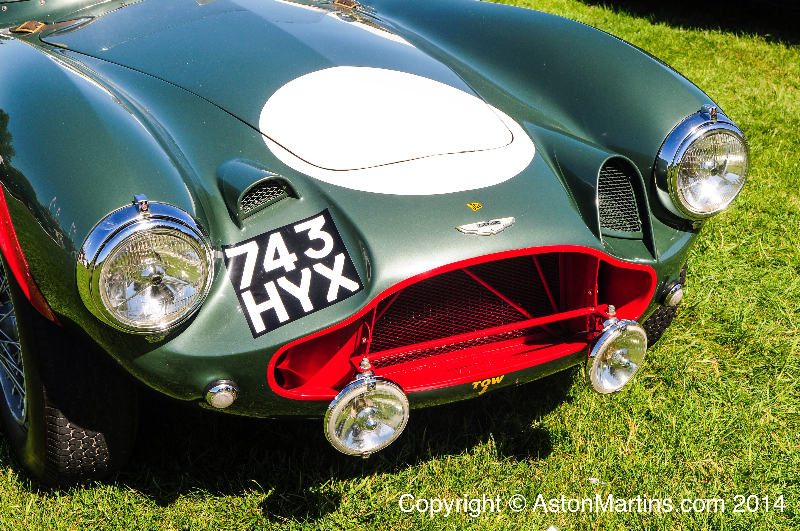
DB3S/8, 743HYX

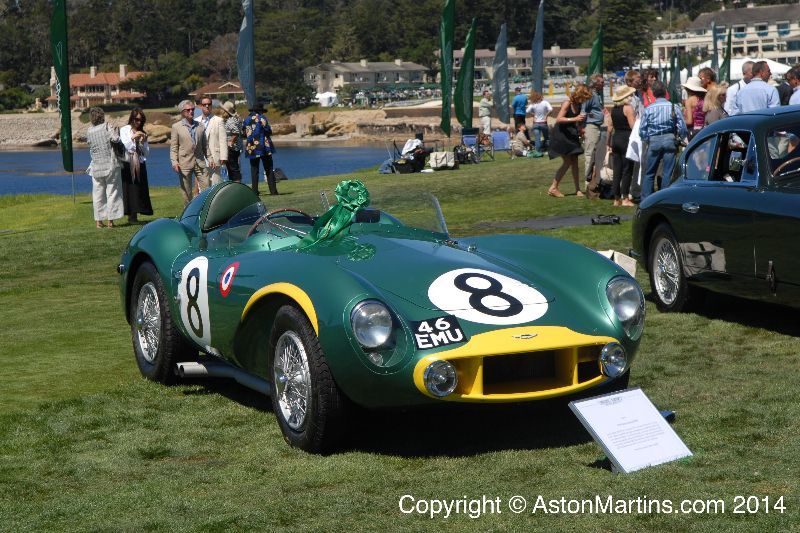
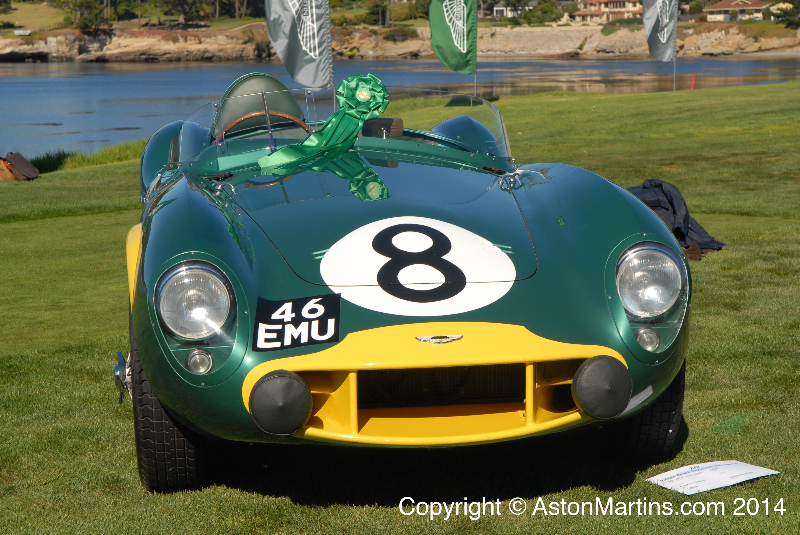
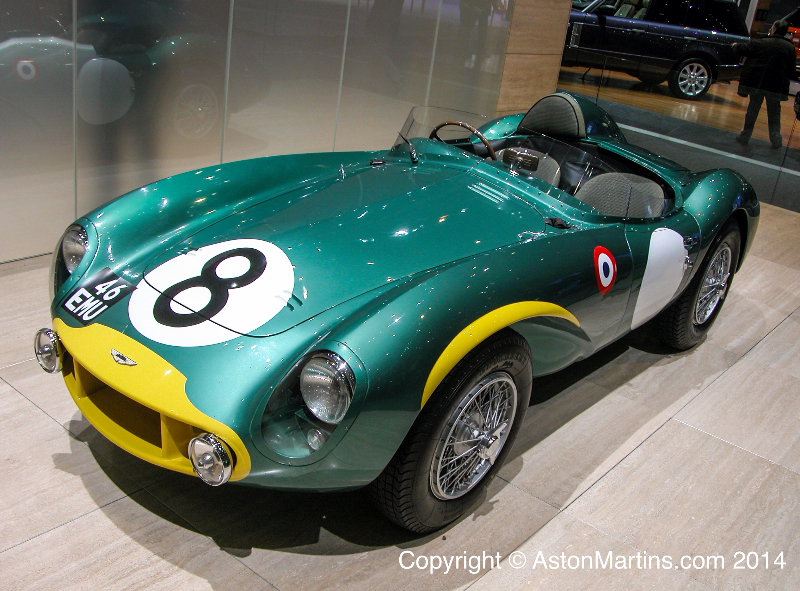
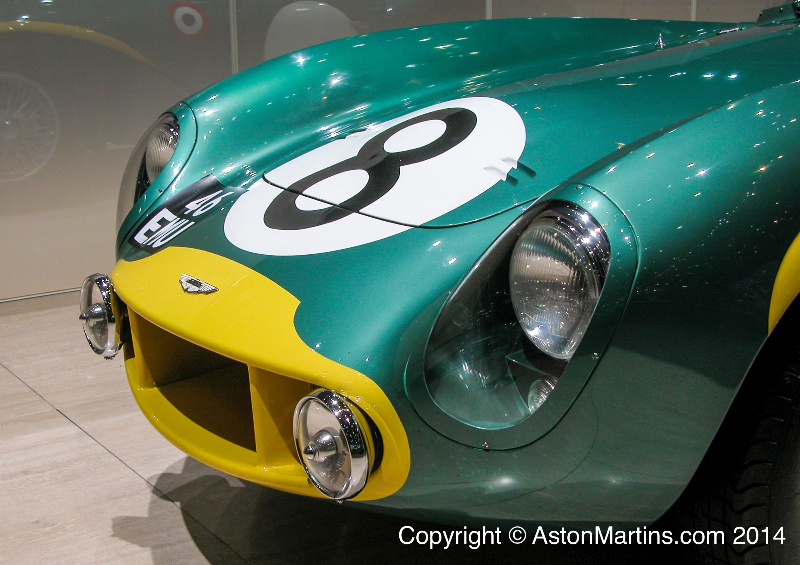
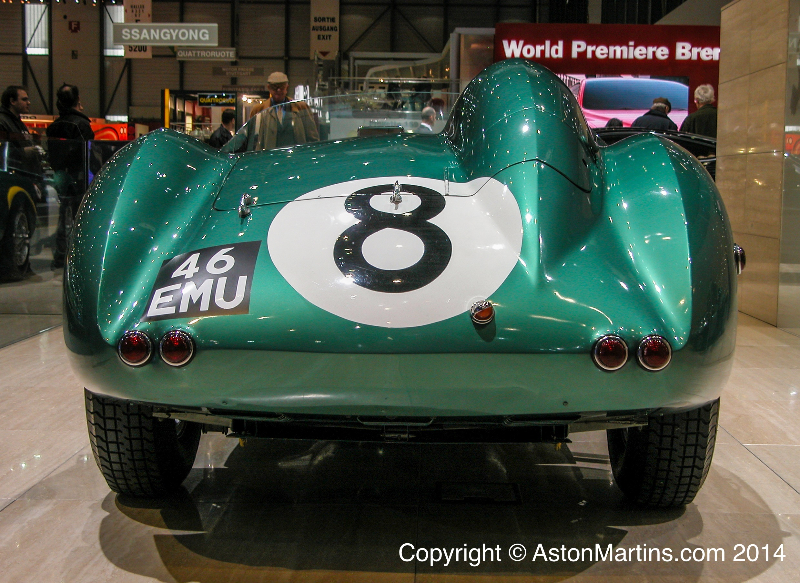
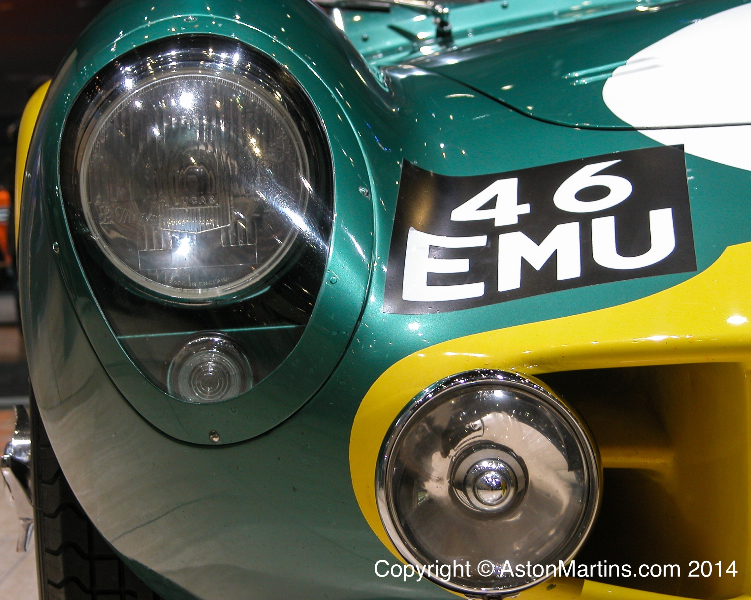
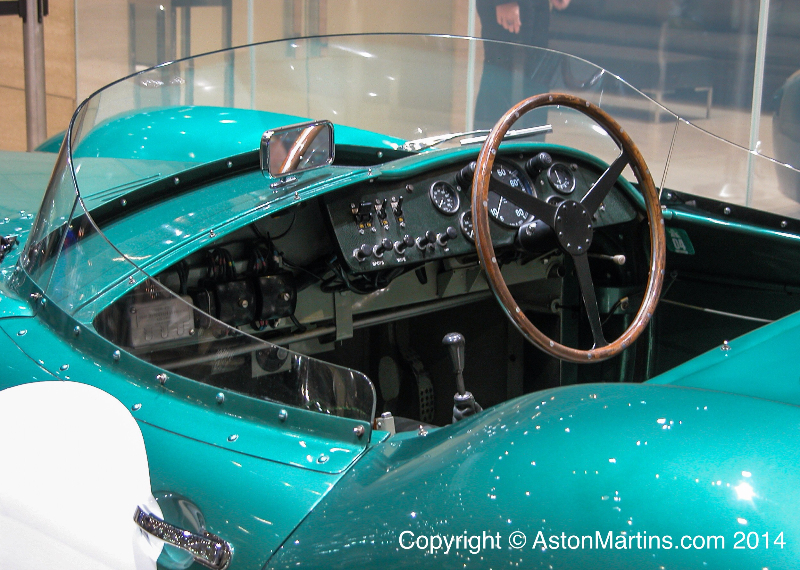
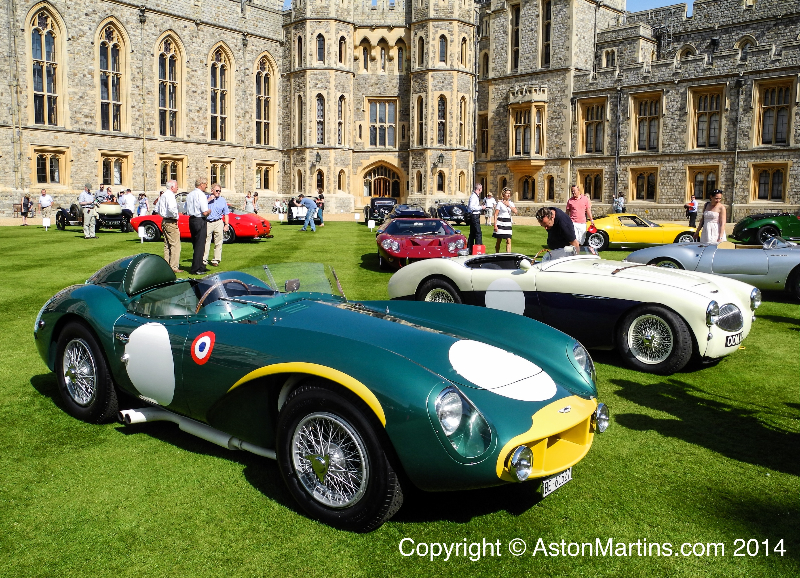
DB3S/9, 46EMU
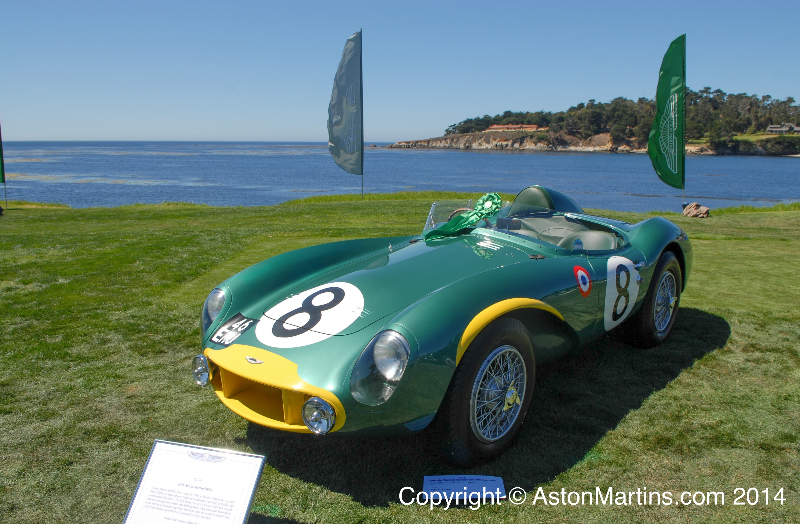
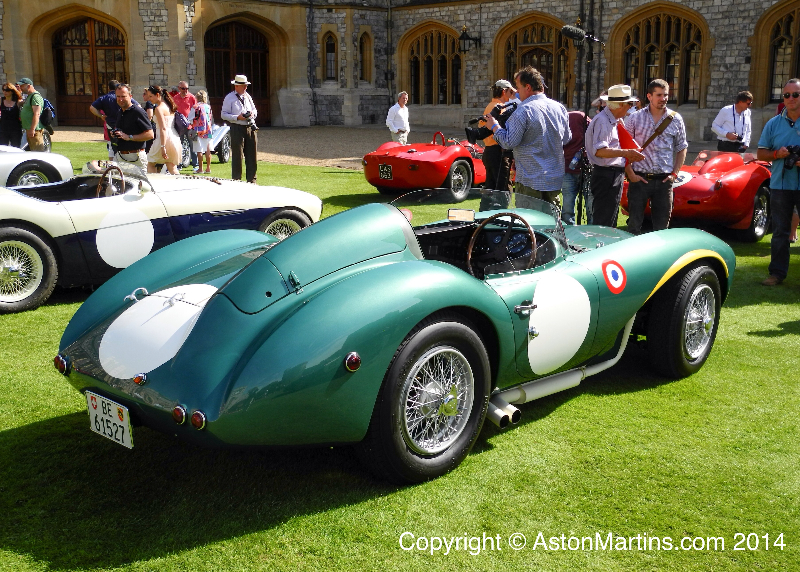
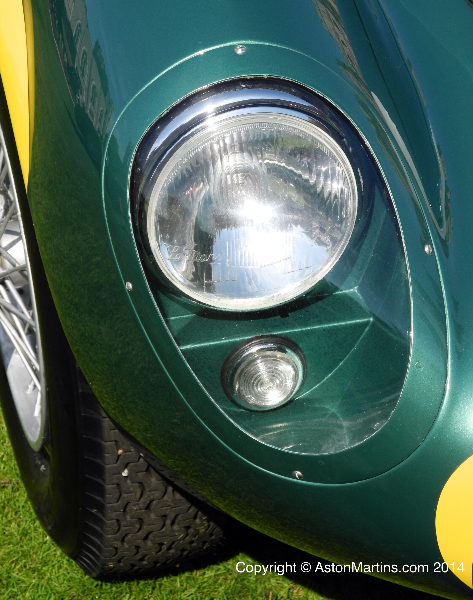
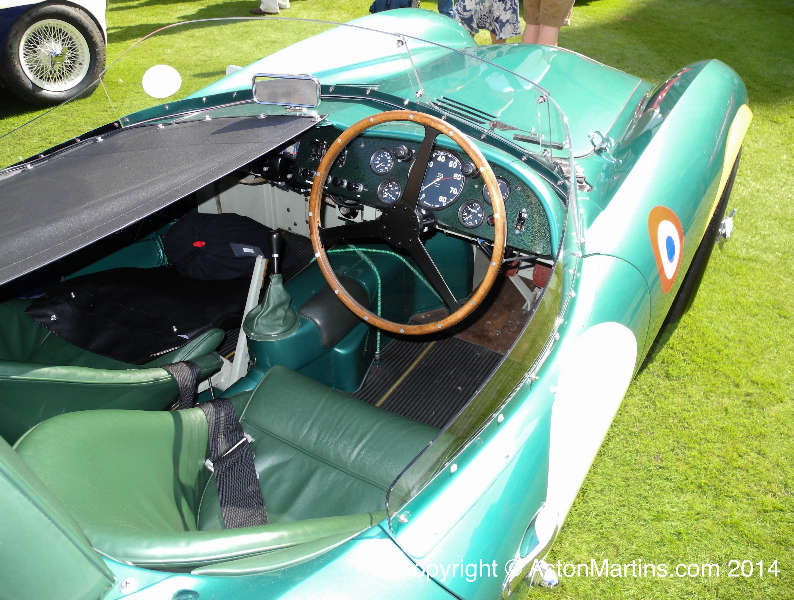
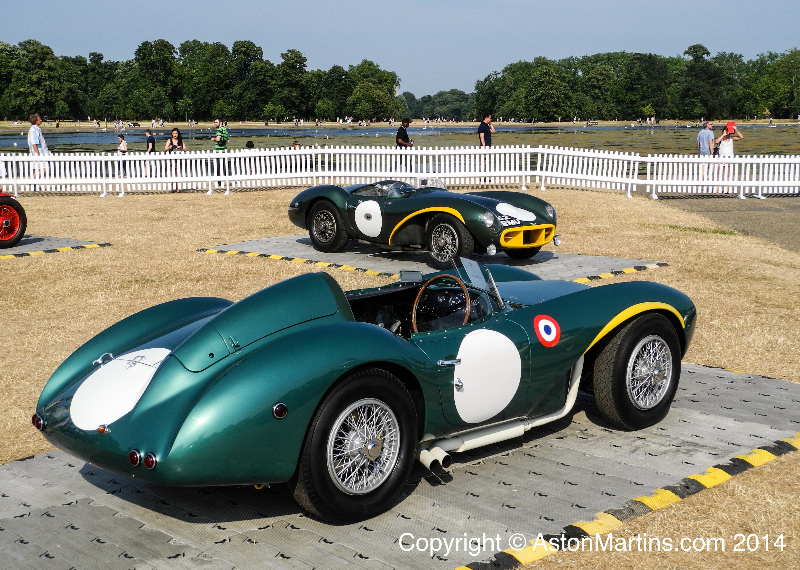
Although 1956 also saw the introduction of the DBR1, the DB3S still also represented Aston Martin in major competitions. This is chassis number 9, together with number 10 were two new team cars for the year. Both cars feature an aerodynamic headrest not seen on earlier cars. At Le Mans in 1956, the car finished 2nd overall in the hands of Stirling Moss and Peter Collins and remained a team car for the following year also. DB3S/9, 46EMU, is often to be found at displayed as prestigious events such as the Aston Martin stand at the 2005 Geneva Motor Show, the 2012 Windsor Concours and the 2013 Aston Martin Centenary Celebration at Kensington Palace.


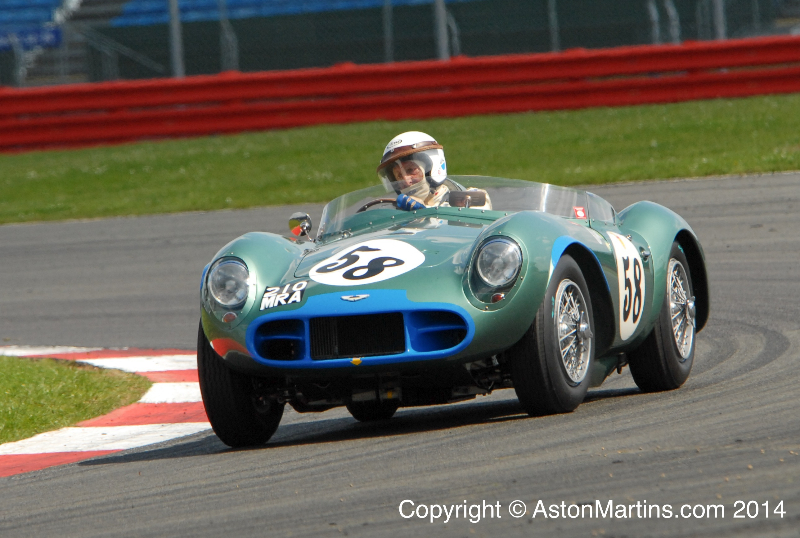
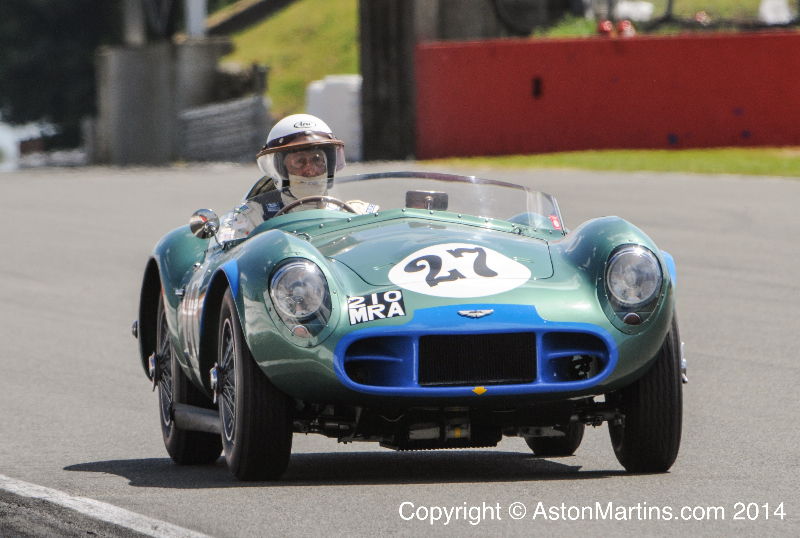
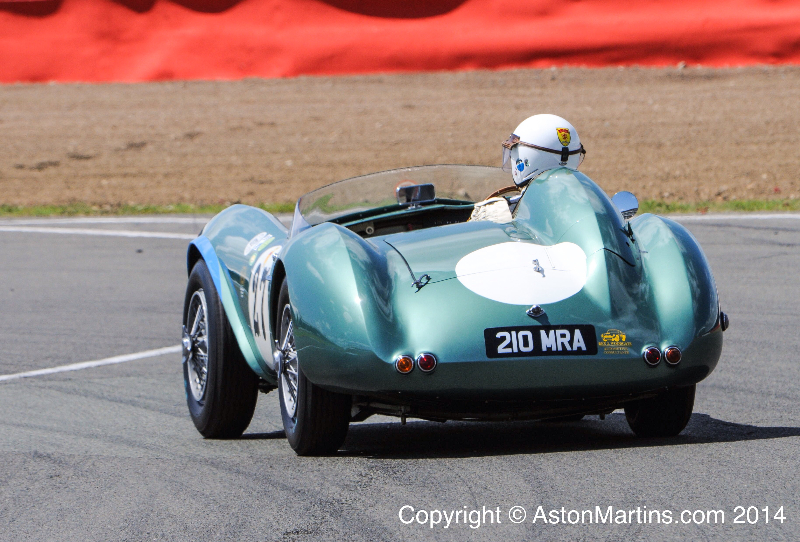
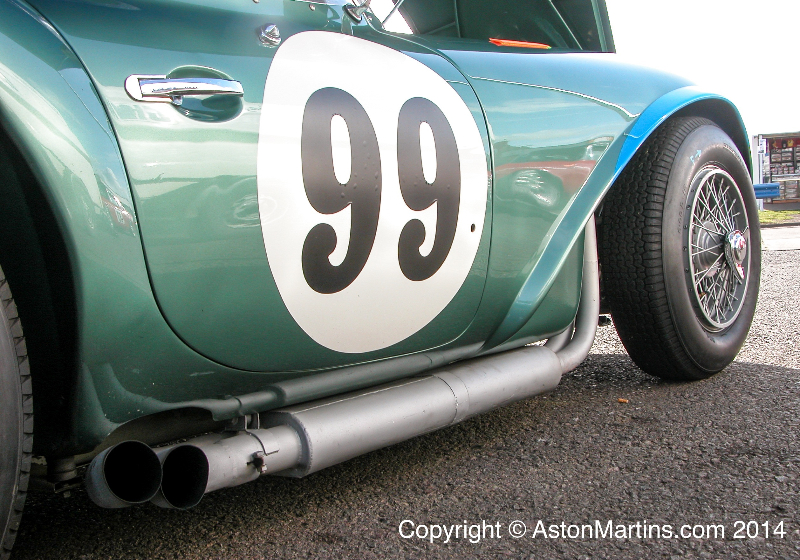
DB3S/10, 210MRA
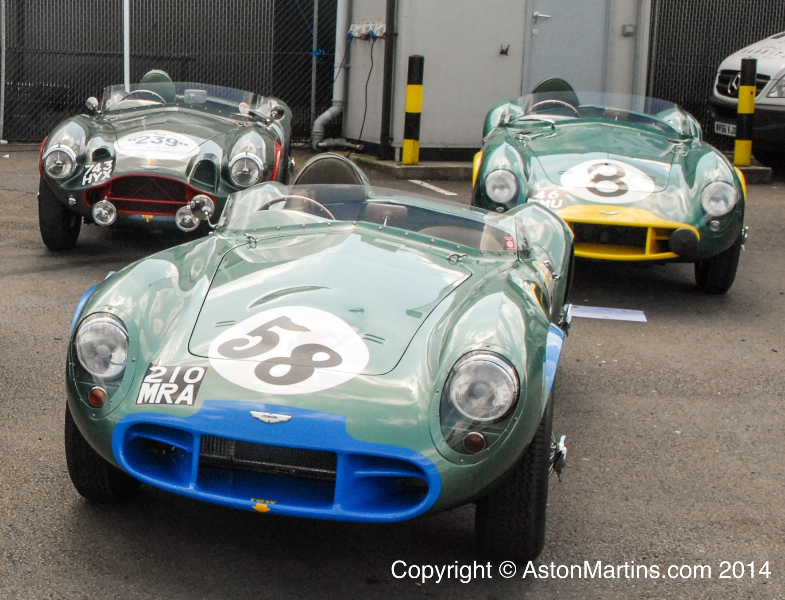
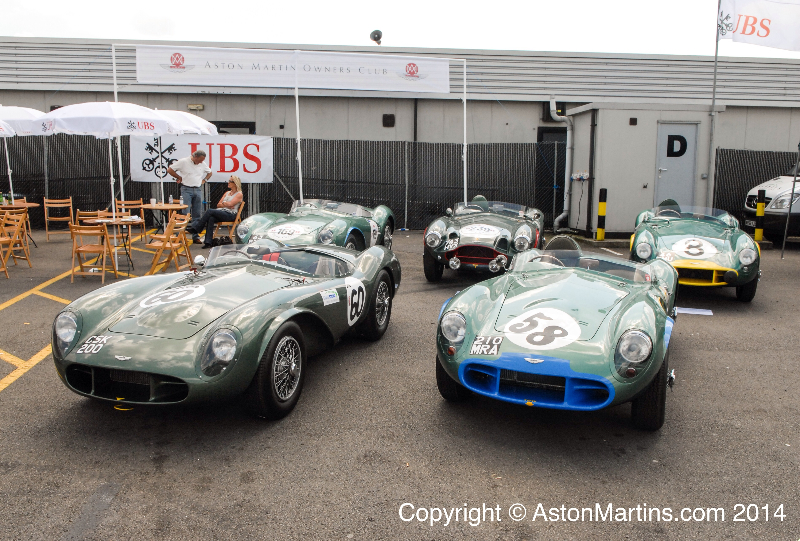
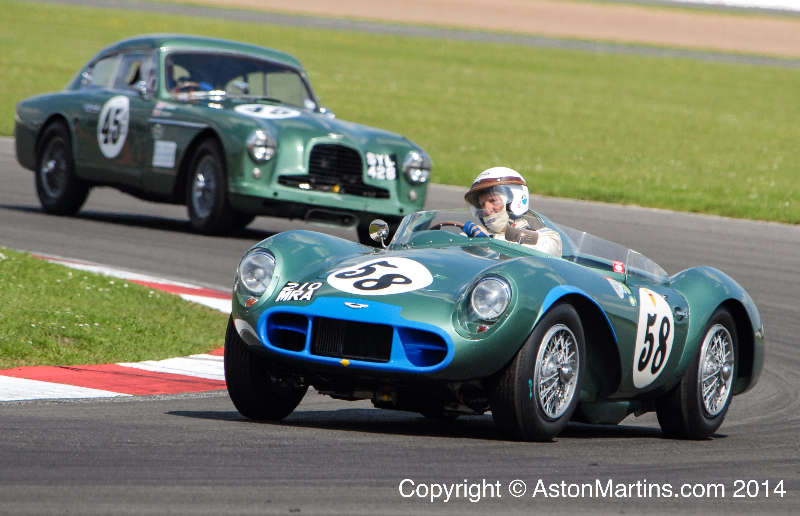
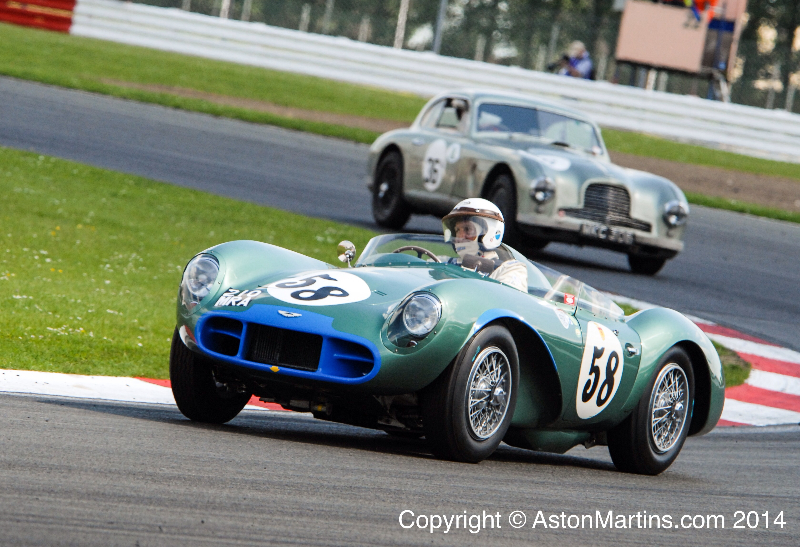
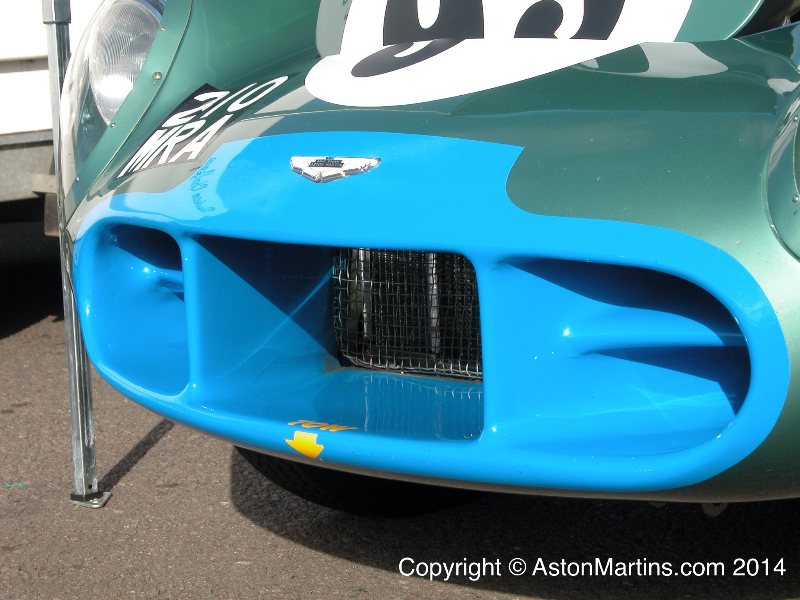
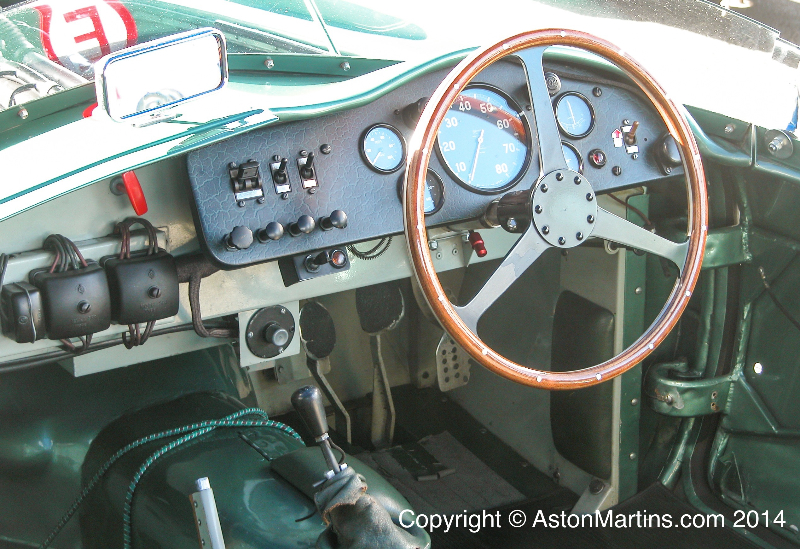
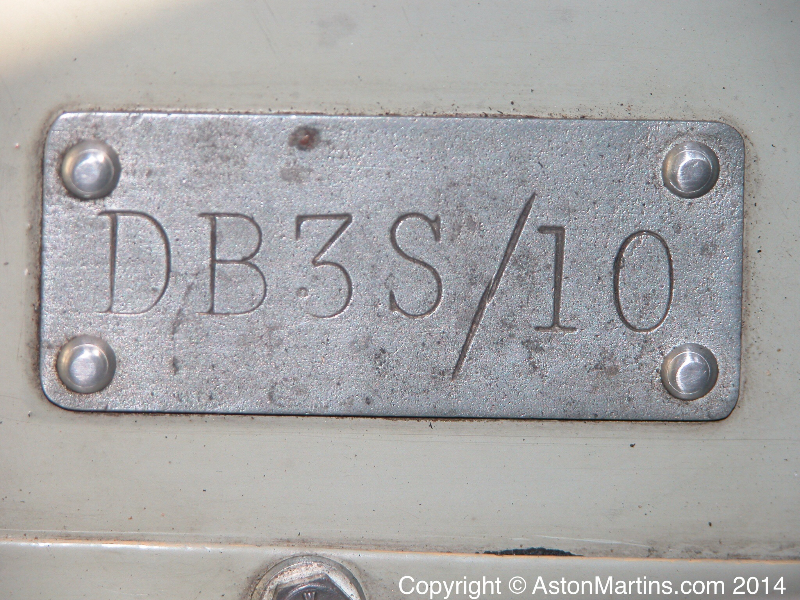
This car pictured below is chassis number DB3S/10 built for the 1956 season alongside DB3S/9, the final team car and featuring the new style nose with faired in headlamps plus a streamlined head rest. Unfortunately it crashed out of the 1956 Le Mans 24 hour race. At one time the car was owned by Peter Livanos, who also owned AML during the mid 1980’s.

DB3S/11, CSK200
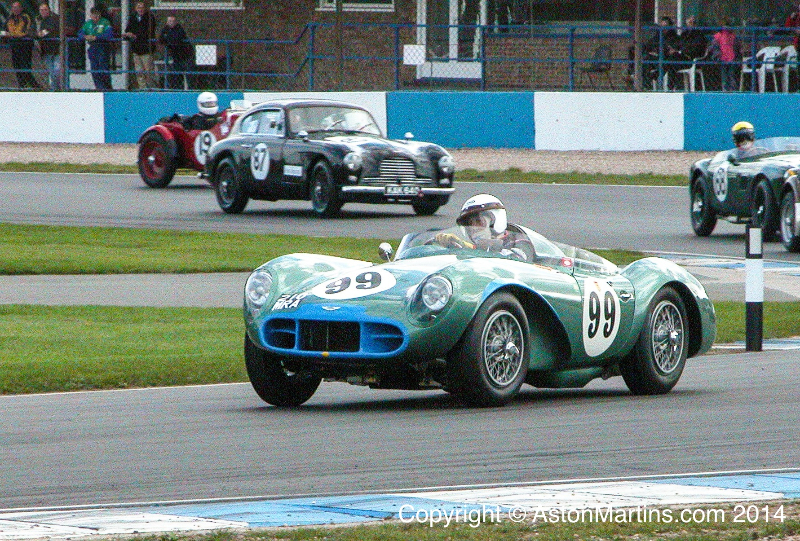
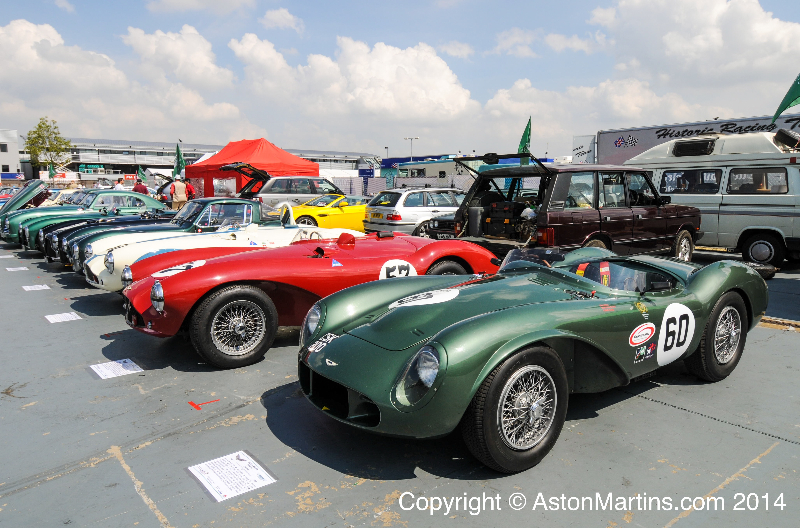
Although this car, featured below, chassis number DB3S/11, was built to full team car specifications in 1957, it was never actually raced by the factory and really shouldn’t be considered a team car at all. It is just featured here as it has a chassis number within in the same range as the 10 team cars and was to the same specification. Its early competitive showing was in the US and Australia, though thankfully for me, it’s now seen regularly in the UK at AMOC and similar classic car events.
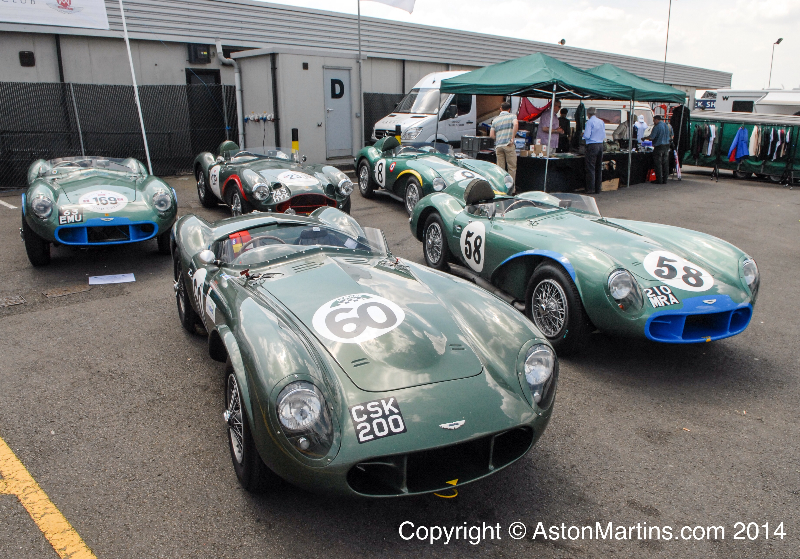
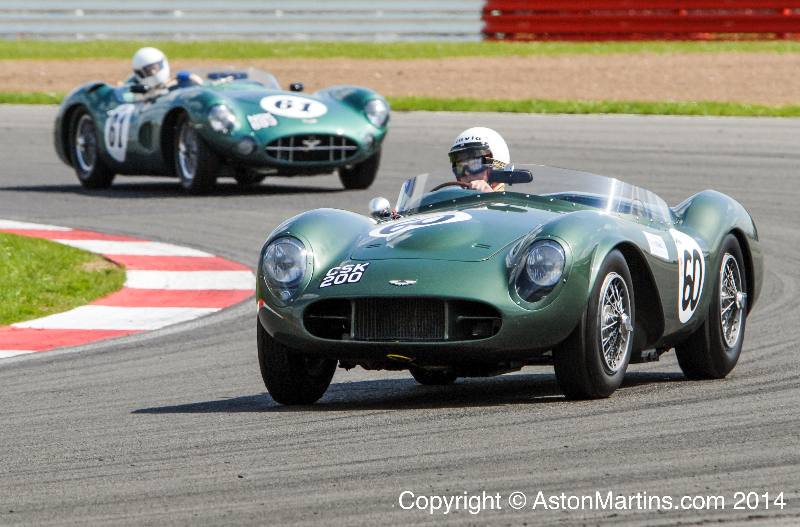
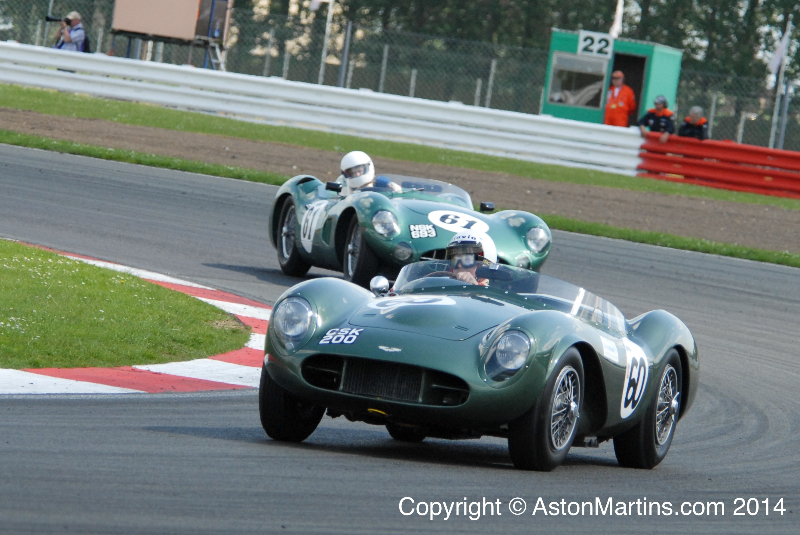
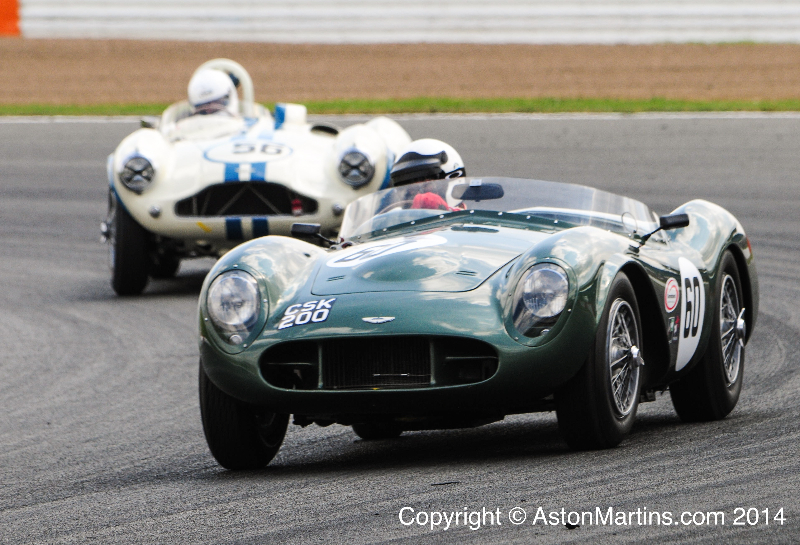

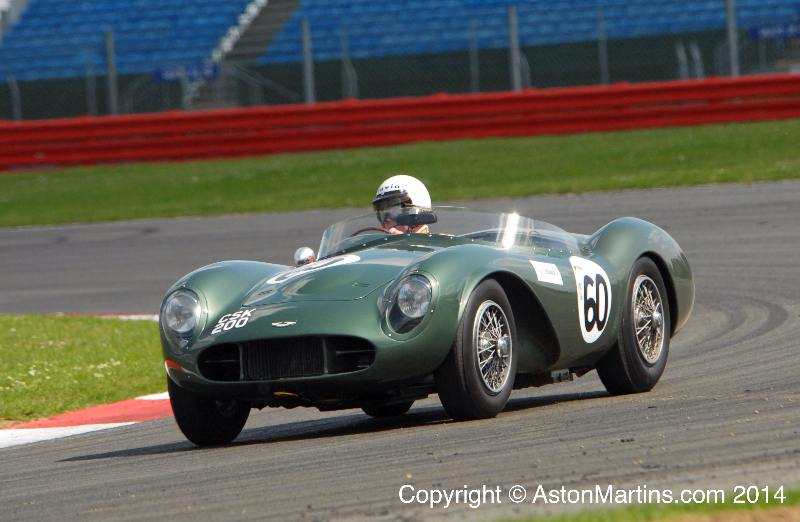
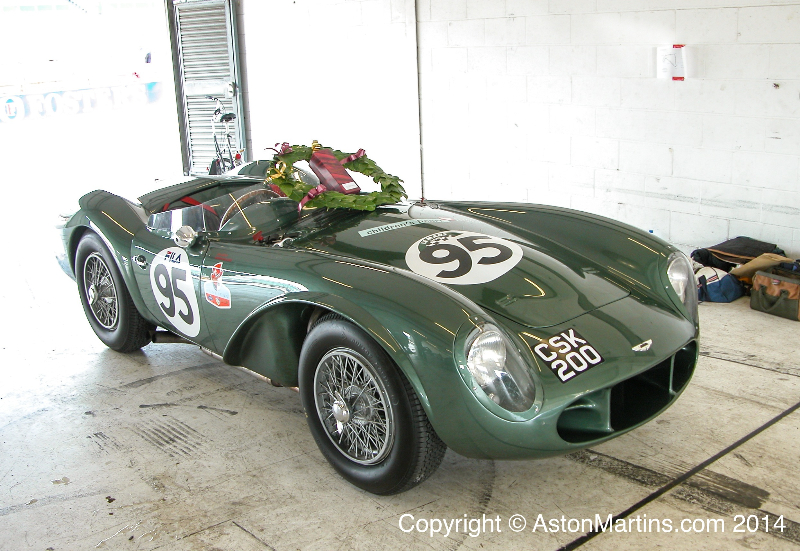
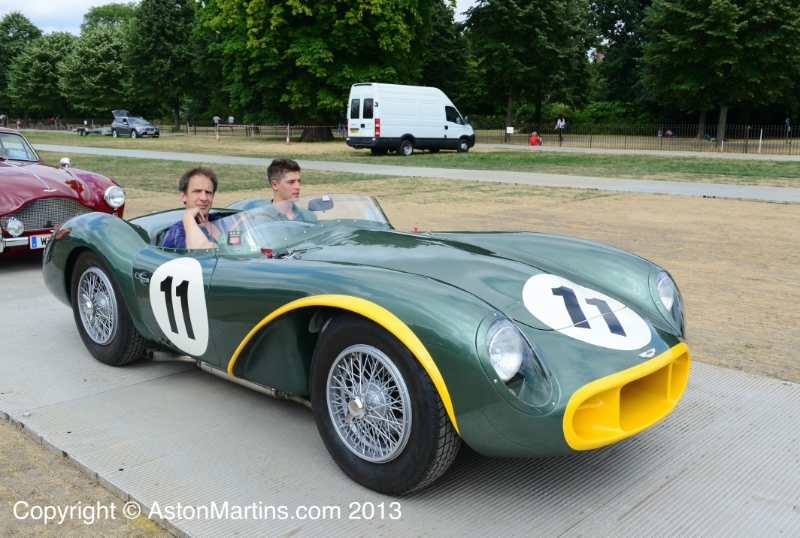

The DB3S works cars were entered for races on 35 occasions. The results speak for themselves – 15 first places, 13 second places and 7 third places. But an outright victory at Le Mans eluded AML owner, David Brown, so Aston Martin went on to develop the DBR1.
In total, 30 examples of the DB3S were built, 10 were works cars, the remainder were sold to customers who wished to go racing.
DB3
- 30/01/2013All three Works cars retired from the 1952 Le Mans race but the DB3 recorded an overall win at Goodwood in the 9 hour race driven by Peter Collins and Pat Griffith. But the car, relative to the competition both lacked power and carried too much weight. Thus the decision was taken to go with the plans of ‘Willie’ Watson to develop a smaller, lighter car (DB3S) and sadly von Eberhorst left Aston Martin.
Altogether, 10 DB3’s were built, five as works cars, the remaining five were sold to customers to race privately. Some DB3’s have had fixed head coupe bodywork although many have reverted to open cockpit.
Below is one of the works DB3’s, chassis DB3/4, 151BMH, which was 3rd in the Silverstone race in 1952. This car now lacks the classic DB3 shape as it was rebuilt in 1954 with an early DB3S style body and a 3 litre engine. It is now part of the collection in the Dutch National Motor Museum.
The black car also illustrated below, DB3/5, UPL4, is one of very few Aston Martins to attend both the 2013 Kensington Palace Centenary Celebration and the 2013 Pebble Beach Concours d’Elegence.
Some people often confuse the racing DB3 with the road car DB Mark III which is a totally different animal altogether.
BAE Vantare
- 25/11/2023Project Car replicas
- 20/07/2020DB3 Fixedhead Coupe
- 21/06/2013There is a suggestion in an early edition of the AMOC club magazine that the first owner, Tom Meyer, had added the ‘home-made’ body although exactly who did make the coachwork is not actually known. It certainly does not follow the styling of the regular open DB3 in any way.
Following participation in the Spa 12 hours, Goodwood 9 hours and the Mille Miglia, the owner sold the car through HWM in 1954. DB3/7 was purchased by Angela Brown, daughter of David Brown. Initially the car had an unsightly rectangular grille but Angela Brown has a new bonnet fitted with a similar oval intake. The car retains the same bonnet to this day.
With a 2.9 litre engine tuned to give 175 bhp, the DB3 Fixedhead Coupe was claimed capable of a maximum speed of 140 mgh, some 10 mph more than the open car. One rather charming period feature was a walnut dashboard with a range of special instruments. Again, these still remain fitted to the car.
DB3/7, as with other DB3’s was road registered, with the UK plate NXY23 although their natural place remains on the race track. The unique fixedhead coupe was photographed at Silverstone during the Historic Festival in 2008.
DB3S Customer Cars
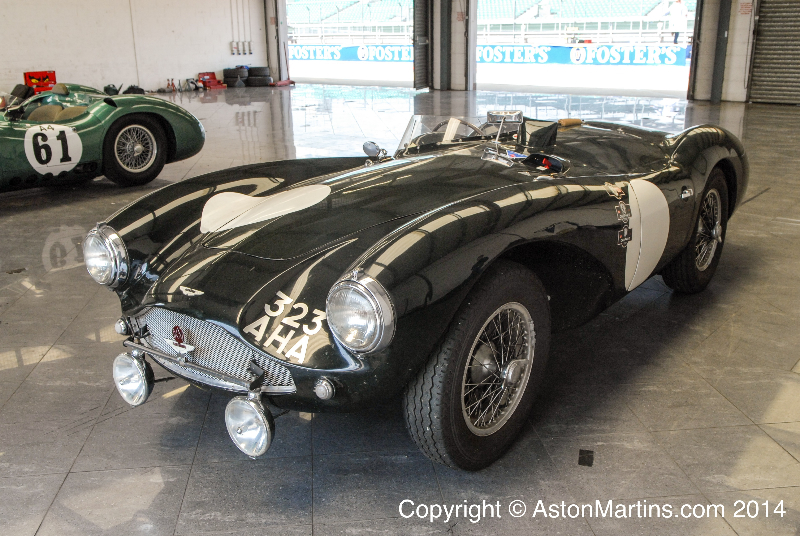
- 30/01/2013DB3S/101, 323AHA
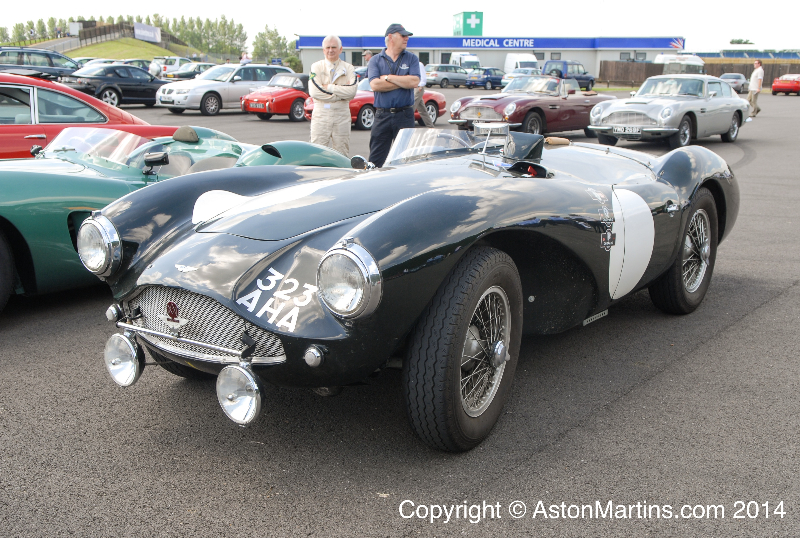
DB3S/102, DB3S/103
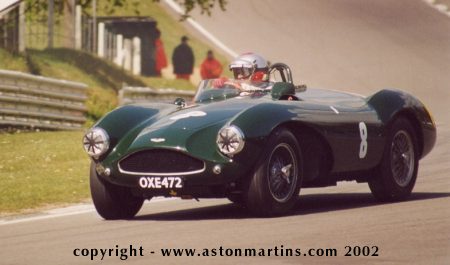
The two cars pictured here are chassis numbers 102 and 103. These cars together with a third were raced by an Australian/New Zealand based team known as ‘The Kangaroo Stable’ in European events.

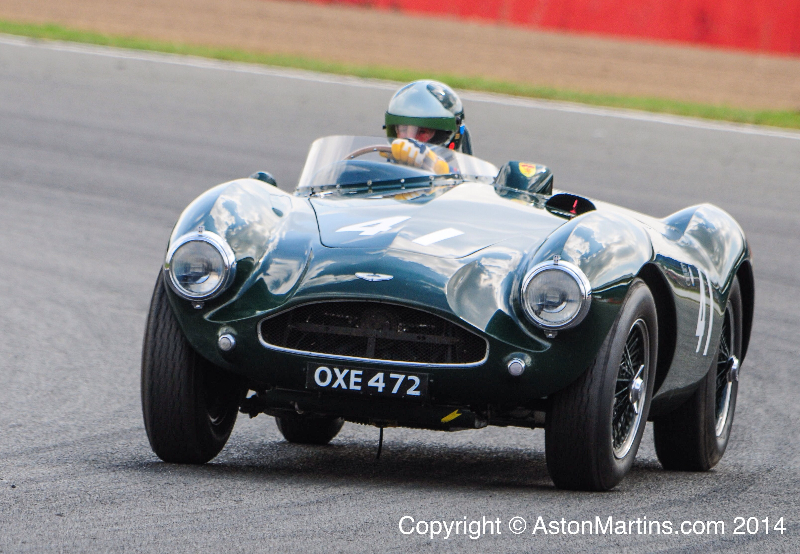
DB3S/105 HSK110

DB3S/106
This is DB3S/106 which was purchased for racing in the Far East. After crashing in 1963, it’s remains were rebuilt during the late 70’s. Thankfully the car is now based in Europe and is seen occasionally at AMOC classic racing events.

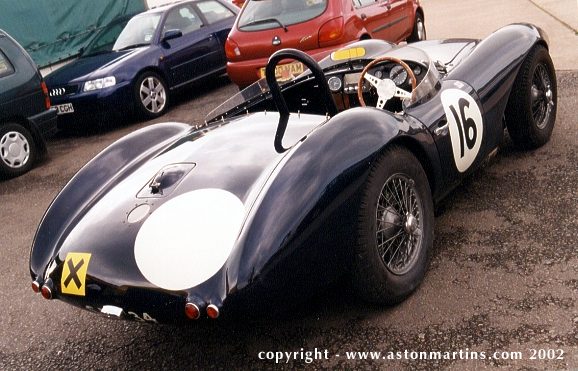
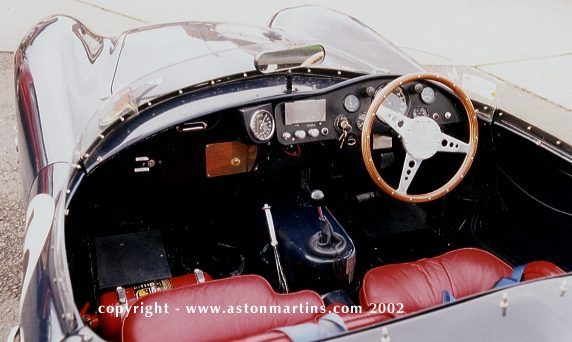
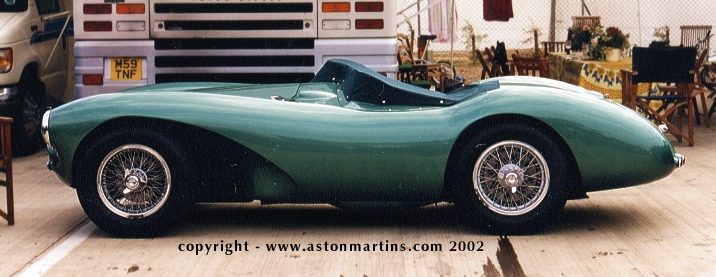
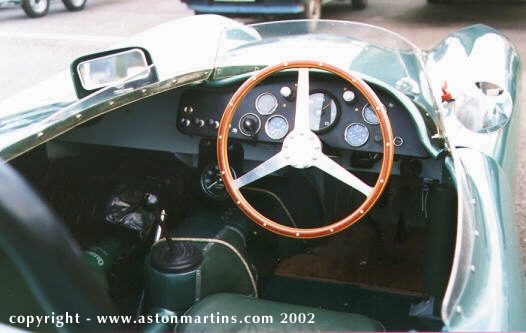
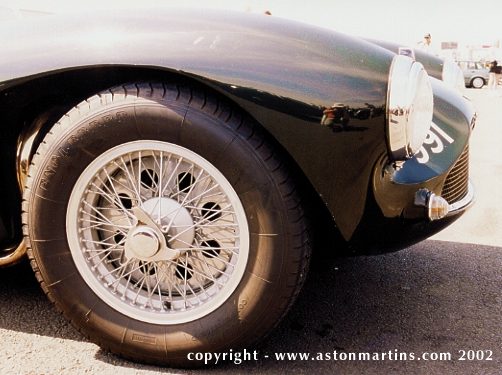
To the left above pictures illustrate DB3S/108. The middle picture well illustrates the Alfin drum brakes fitted to production cars – the disc brakes of the works cars were an expensive optional extra.
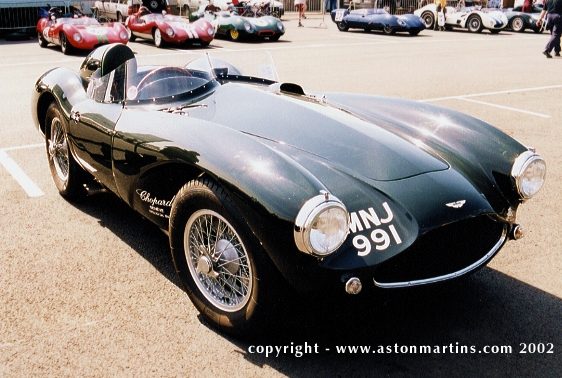
DB3S/110 has no early racing history but thankfully is now regularly see at classic racing events.
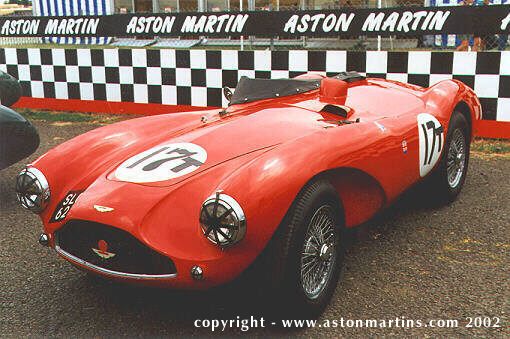
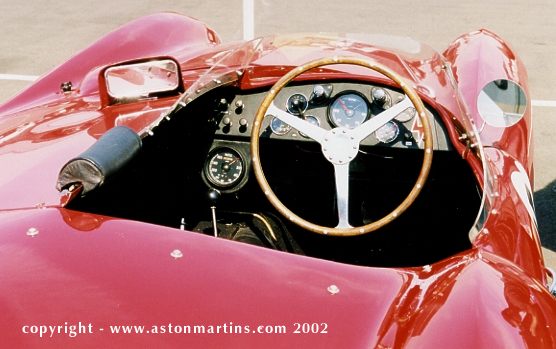




DB3S/112, OSJ669
This very attractive car is DB3S/112 which was originally sold to the first owner in the USA. After being very seriously damaged, it was rebuilt back in the UK and painted in these traditional American racing colours. I’m afraid that I only saw this car once at the 2000 AMOC St John Horsfall meeting at Silverstone.

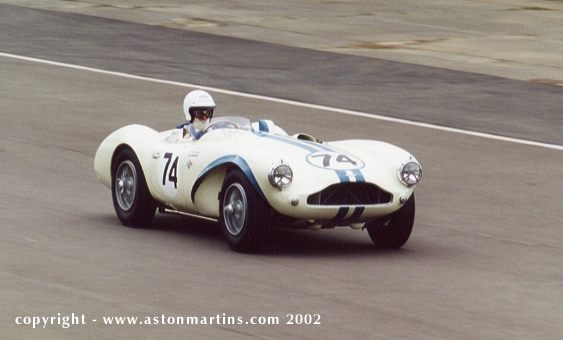

DB3S/113, SXD9
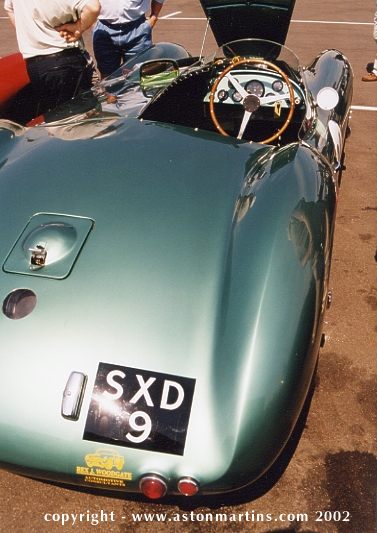
This DB3S is chassis number 113 and was originally supplied as a Fixed head Coupe with many unique features. Recently it has unexpectedly been rebuilt as an open car although thankfully according to the 2005 edition of the AM register, the original body has been retained.

DB3S/116, 88HME
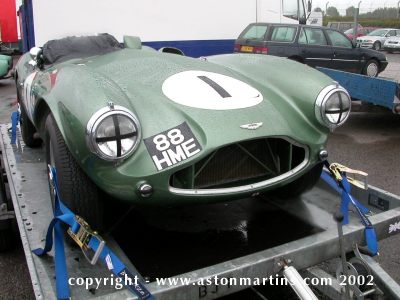
Instead of going straight to the race track like other customer cars, DB3S/116 was purchased by the Rank Organization and appeared in the film Checkpoint. I saw this car for the first time very recently at the VSCC Donnington Park meeting in June 2002 and again at an AMOC meeting in 2008.
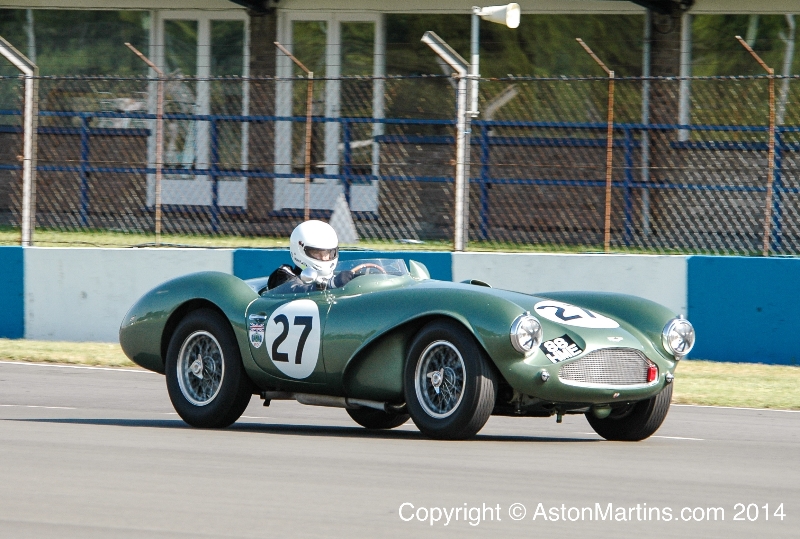

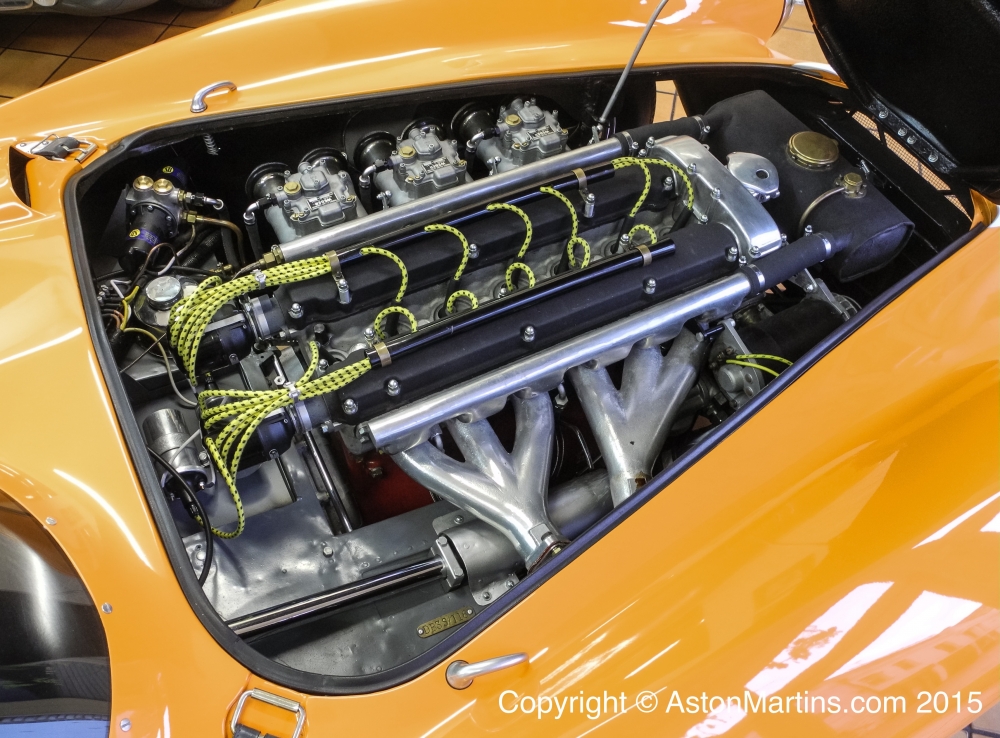
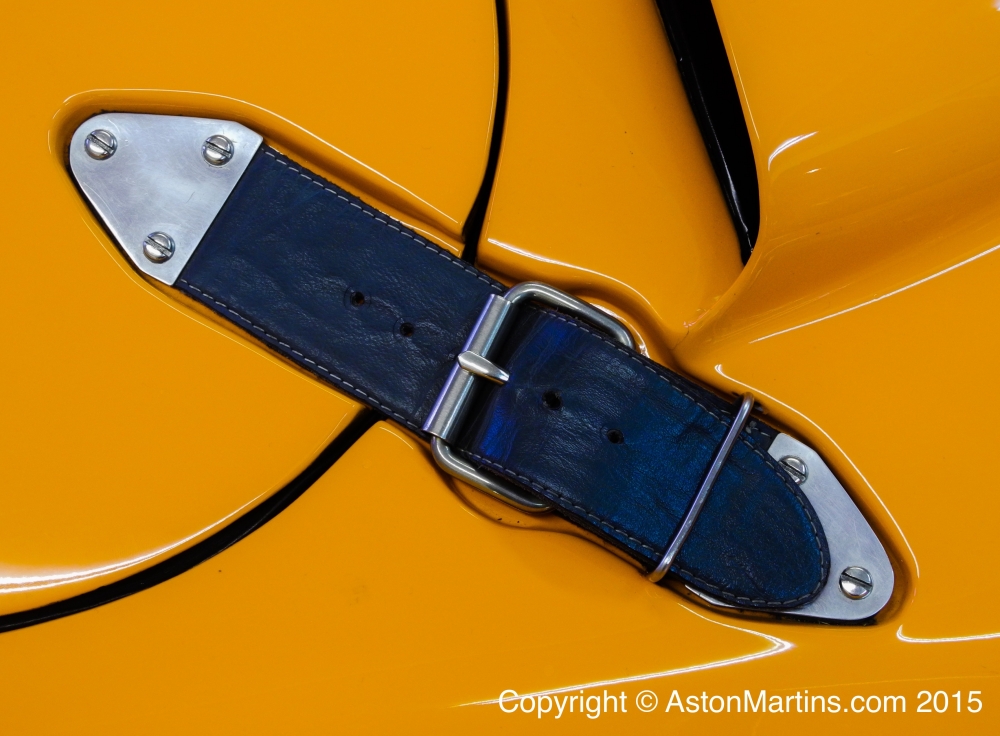
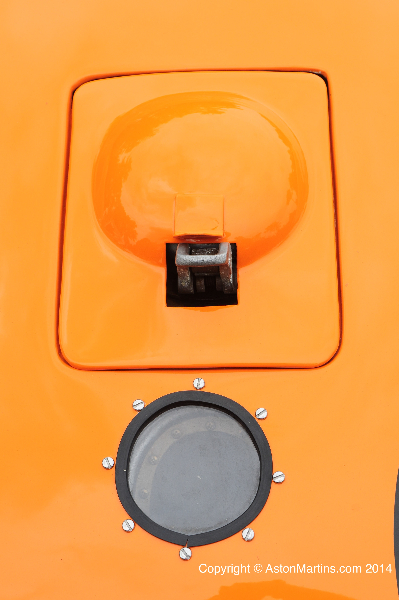
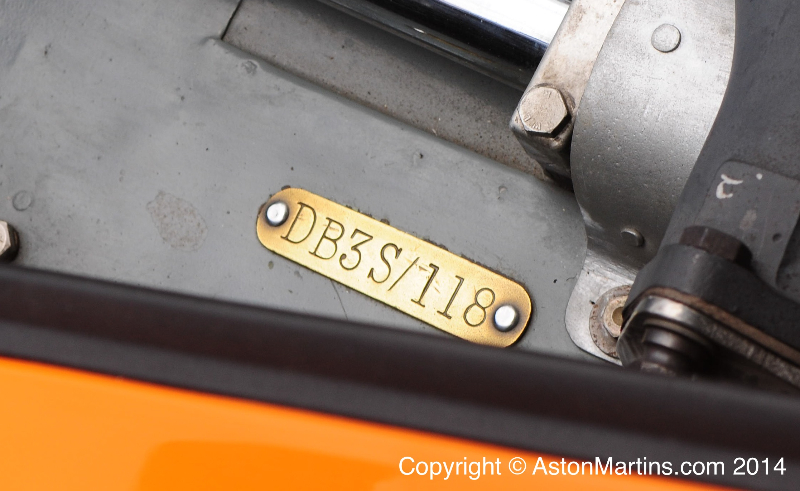
DB3S/118
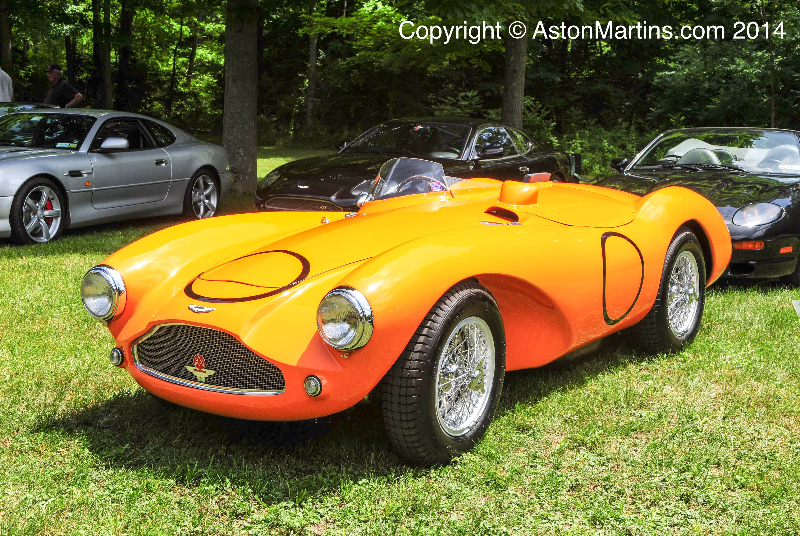

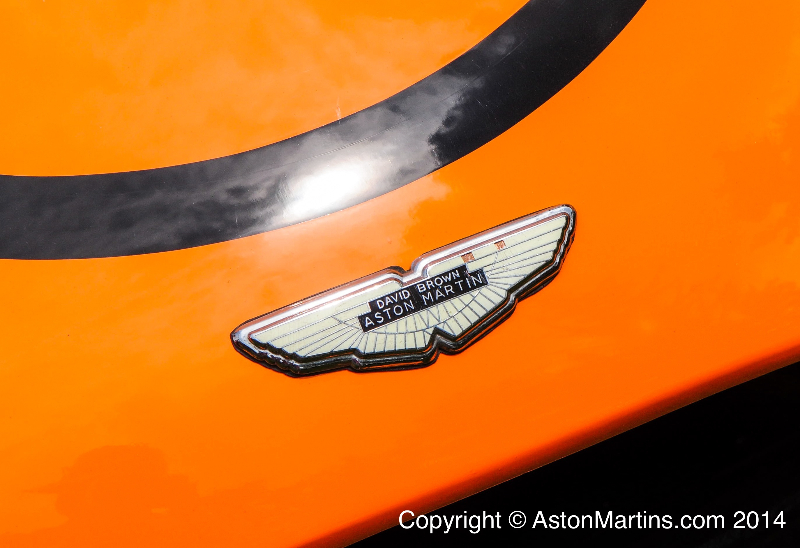

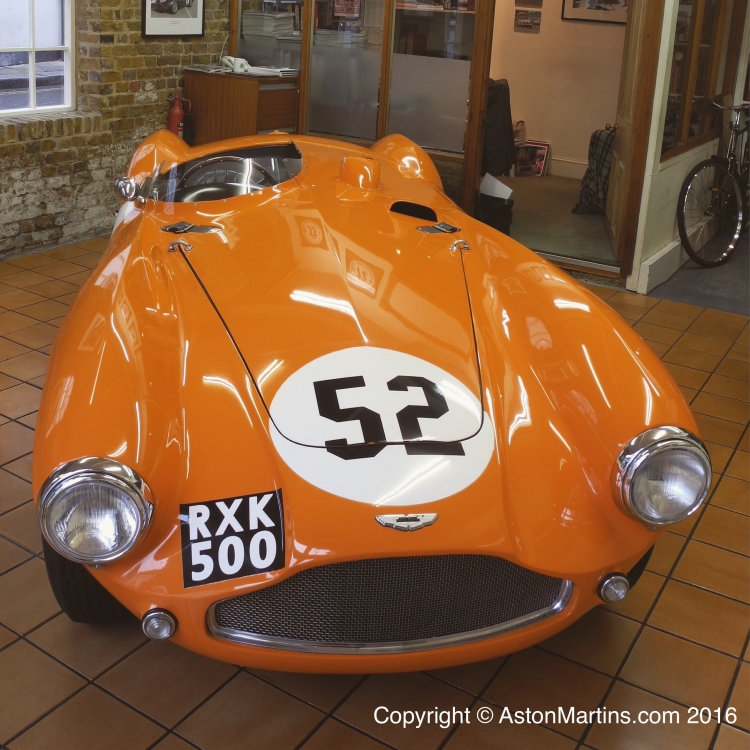
DBR5
- 30/01/2013DB3S Fixedhead Coupe
- 30/01/2013Despite the obvious setback, three customer DB3S coupes were subsequently constructed (DB3S/113, DB3S/119 and DB3S/120). Since DB3S/113 has received an open body a few years back (the fixedhead body has been retained I have been told), the remaining two cars are an extreme rarity. The example featured on this page, DB3S/120, is sometimes to be seen in competitive racing and was photographed both at Brands Hatch (AMOC meeting) and Donnington Park (VSCC meeting) during 2002. It has also more recently been photographed during the 2013 Pebble Beach Concours d’Elegence where the car was entered into the Aston Martin Centenary Class.
One point of interest is that the fixedhead coupe have retained the rear fins that were used on the first few works DB3S cars, particularly chassis DB3S/1 and DB3S/2.