Project Car DP212
- 30/01/2013DP 212, the first of the Project cars, pictured here in the AMOC marquee at Coys Festival 1995, featured an aerodynamic body on a lightweight DB4GT platform. The engine was a Weber equipped DB4GT unit stretched to the 4 litre limit of the Le Mans regulations.
The pictures here, taken at Coys Festival, 1999, show clearly the Kamm tail, a later modification, which was later seen on the production DB6.
V8 Vantage GTS
- 12/04/2016The GTS was fitted with the 4.7-liter V8 in ‘S’ spec with either the conventional six-speed manual or 7-speed single-clutch automated Sportshift II transmission. It was also offered in two slightly different versions, known as ‘Sport’ or ‘Lux’.
The ‘Sport’ came with exterior carbon fibre features as well as the sport suspension which was normally optional on the regular car. Inside, the Sport came trimmed with either black or grey leather with either alcantara or leather detailing. The centre console had a full length carbon fibre finish and the rotary controls were black.
The Lux version lacks the sport suspension option and adds in some gloss black exterior elements such as the front splitter and rear diffuser, headlamp surrounds, bonnet vent strakes, and window surrounds. The grille has a bright finish which is not as often seen on later examples of the V8 Vantage. The seats were full leather, chosen from a wide standard selection. The rotary controls were finished in satin chrome finish with piano black centre console.
The GTS came with the latest AMi III infotainment and navigation system, also used on the contemporary Rapide S and Vanquish models.
Only 100 examples of the GTS were to be built, in both coupe and Roadster forms; the starting price of the GTS was in the region of $137,820 but could be pushed higher depending on additional options.
DB9 GT Volante ‘Bond’ Edition
- 25/09/2025Specification for the DB9 GT Volante James Bond edition is as follows
- Two-door Volante with 2+2 seating
- Spectre Silver coachwork
- Solid Sterling silver wings badges with black enamel infill
- Discreet ‘007 Bond Edition’ Sterling Silver exterior badging
- Black window surrounds
- Bright aluminium bonnet vents, side strakes and grille
- Carbon fibre front splitter and rear diffuser
- Grey brake calipers
- Unique ten-spoke gloss black diamond turned 20-inch alloy wheel
- Black exterior hood and Obsidian Black Rokona headlining for the Volante.
- Obsidian Black fluted leather sports seats with Galena Silver stitch and Argento Grey welt
- Alcantara-wrapped steering wheel
- Satin carbon fibre centre console surround, carbon fibre facias
- Gun barrel embroidery on the 2+2’s rear seat divider
- Special unique numbered sill plaques featuring the familiar 007 logo
- Special Bond Edition start-up screen on the AMi II touch-sensitive infotainment system
- Bang & Olufsen Beosound Audio
- Bond-themed accessories – 21” Globe-Trotter trolley case with an embossed leather luggage tag – Omega Seamaster Aqua Terra 150m James Bond Limited Edition watch complete with a unique Aston Martin strap
DB9 GT Coupe ‘Bond’ Edition
- 04/09/2015Specification for the DB9 GT Coupe James Bond edition is as follows
- Two-door coupe or Volante (USA only) with 2+2 seating
- Spectre Silver coachwork
- Solid Sterling silver wings badges with black enamel infill
- Discreet ‘007 Bond Edition’ Sterling Silver exterior badging
- Black window surrounds
- Bright aluminium bonnet vents, side strakes and grille
- Carbon fibre front splitter and rear diffuser
- Grey brake calipers
- Unique ten-spoke gloss black diamond turned 20-inch alloy wheel
- Obsidian Black Rokona headlining.
- Obsidian Black fluted leather sports seats with Galena Silver stitch and Argento Grey welt
- Alcantara-wrapped steering wheel
- Satin carbon fibre centre console surround, carbon fibre facias
- Gun barrel embroidery on the 2+2’s rear seat divider
- Special unique numbered sill plaques featuring the familiar 007 logo
- Special Bond Edition start-up screen on the AMi II touch-sensitive infotainment system
- Bang & Olufsen Beosound Audio
- Bond-themed accessories – 21” Globe-Trotter trolley case with an embossed leather luggage tag – Omega Seamaster Aqua Terra 150m James Bond Limited Edition watch complete with a unique Aston Martin strap
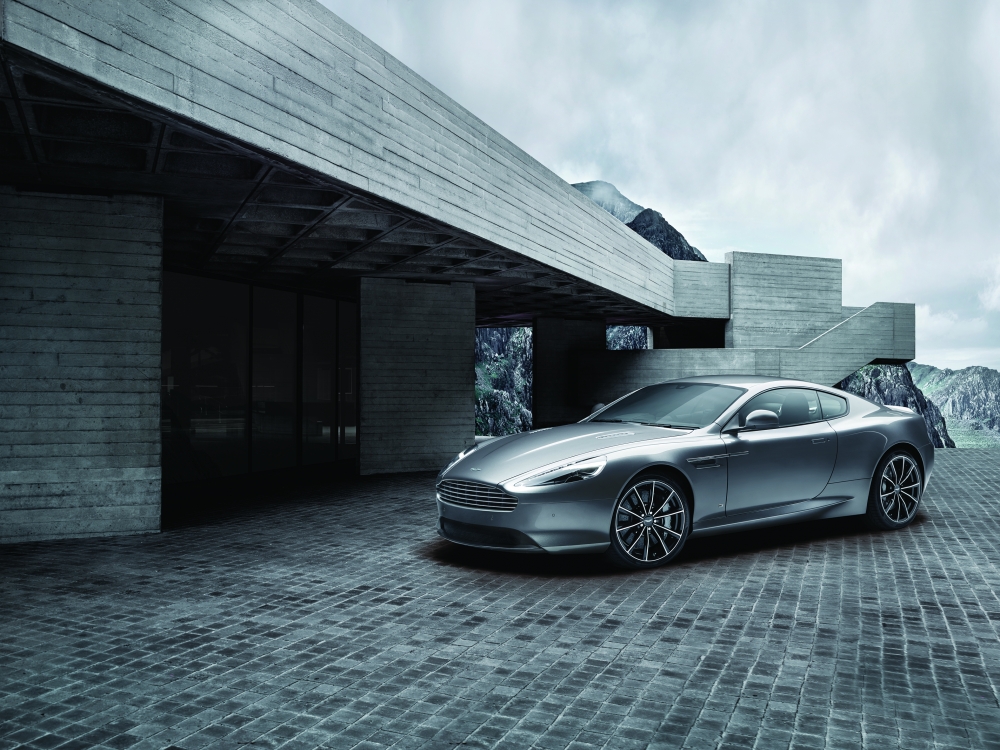

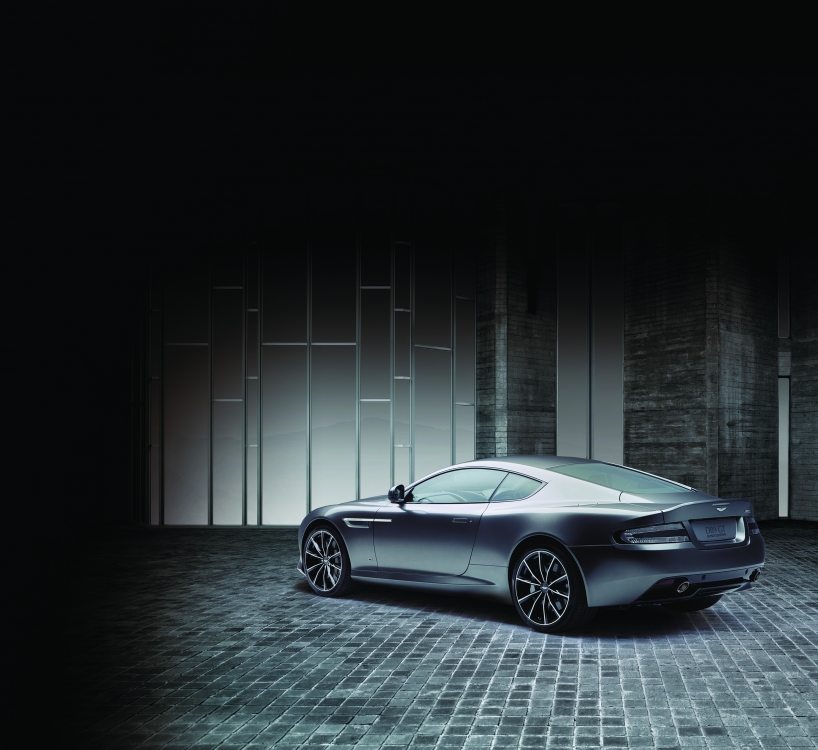
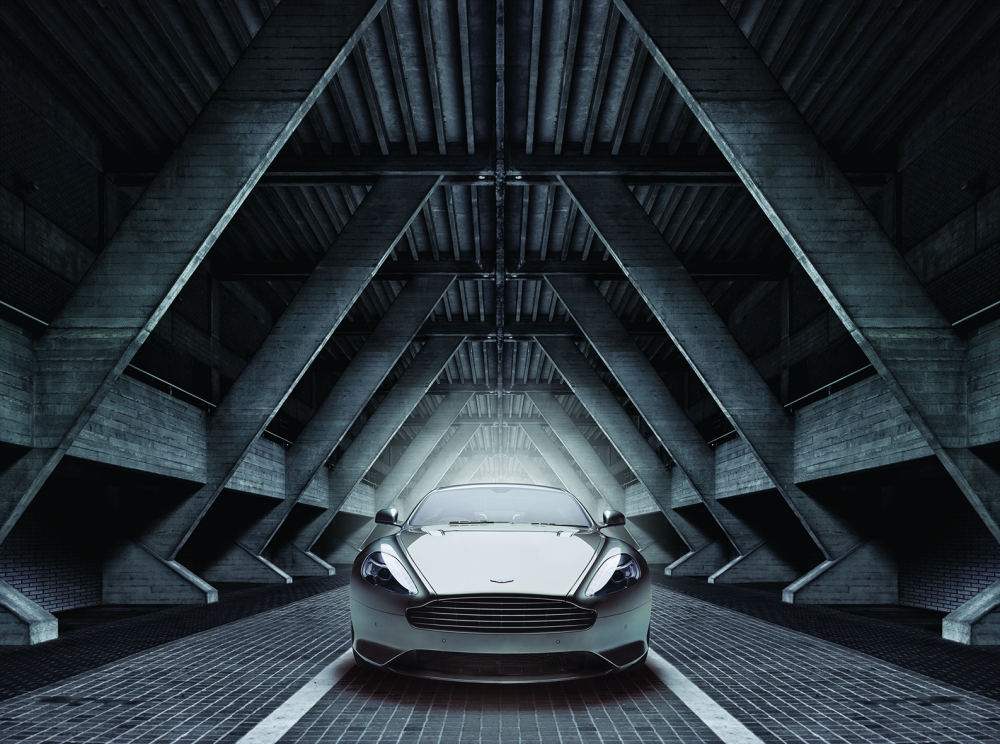
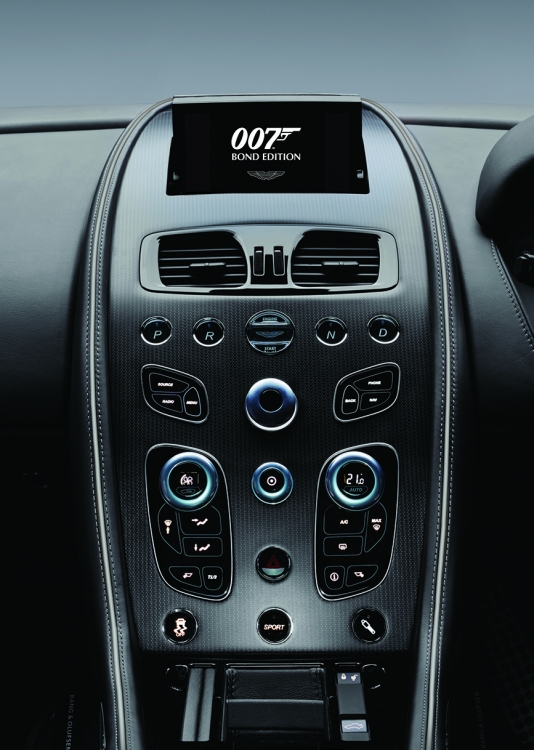
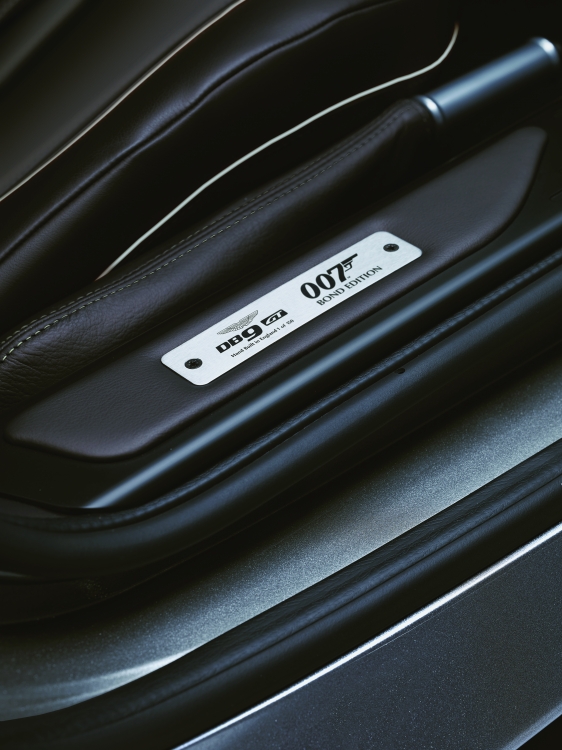
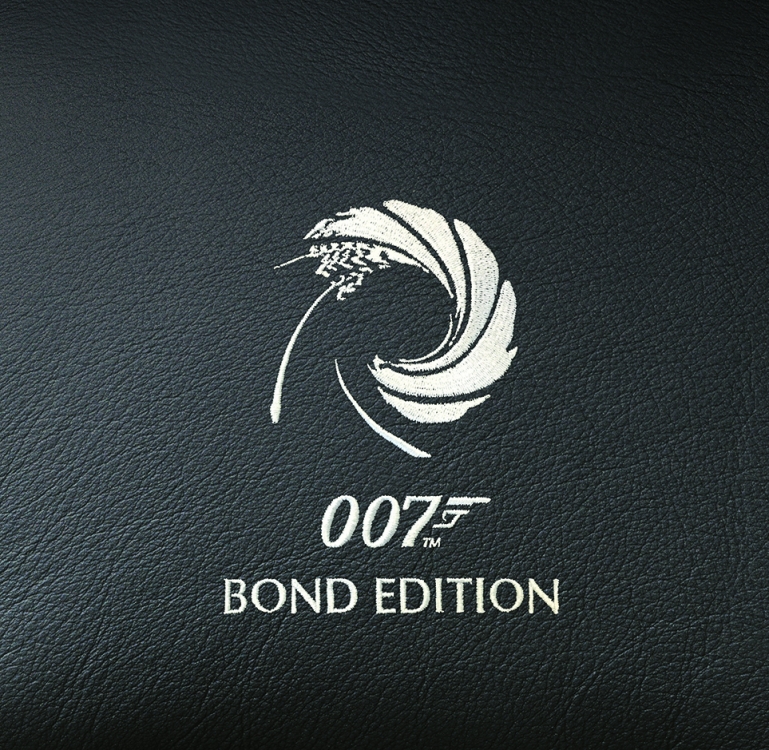
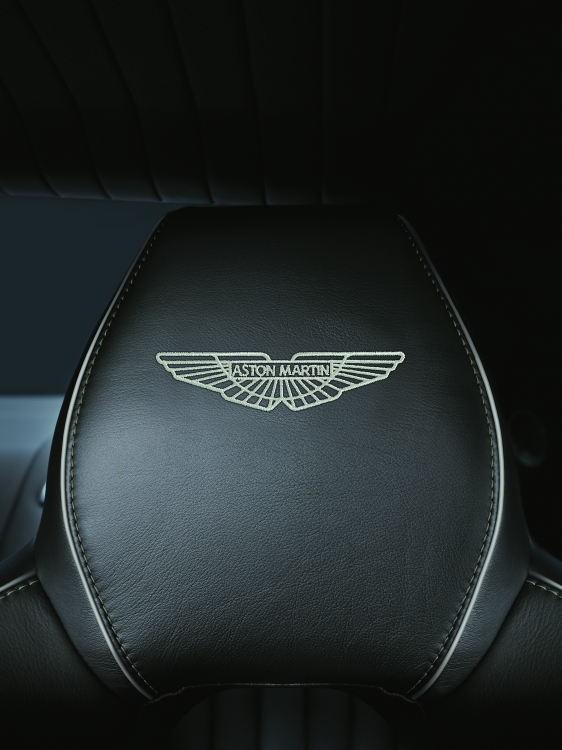
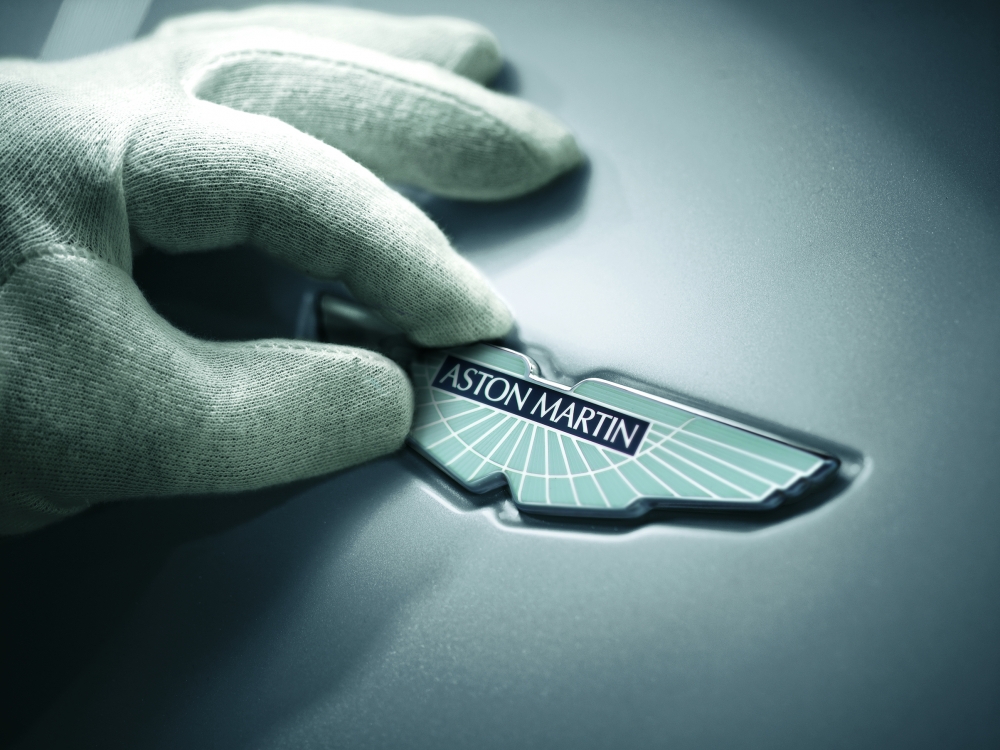
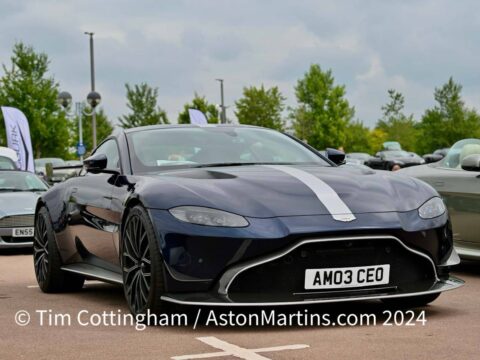
The car is the very first example of an Aston Martin that has been ‘James Bond 007’ branded for general sale with all 141 examples quickly snapped up by collectors and enthusiasts alike. The last nine cars were built as Volante
DBR1
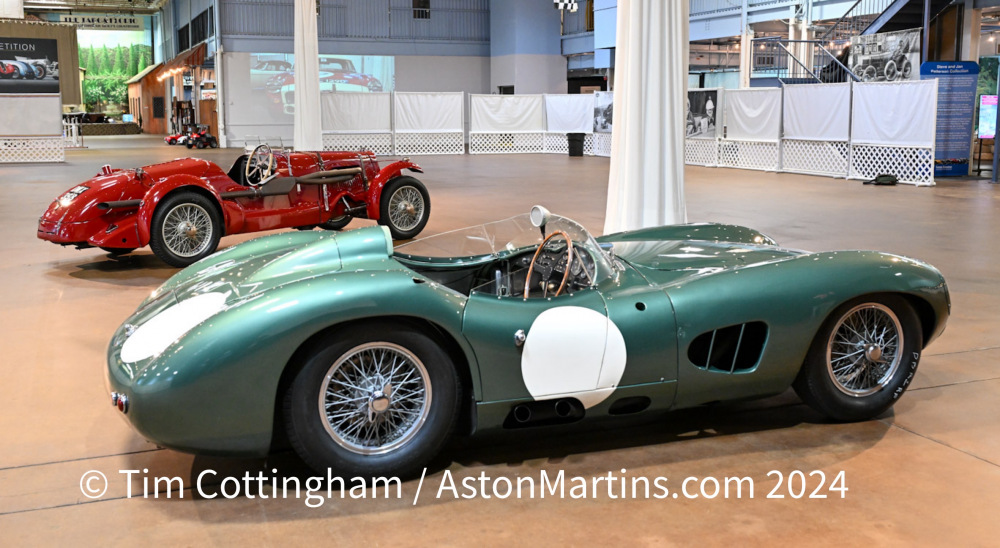
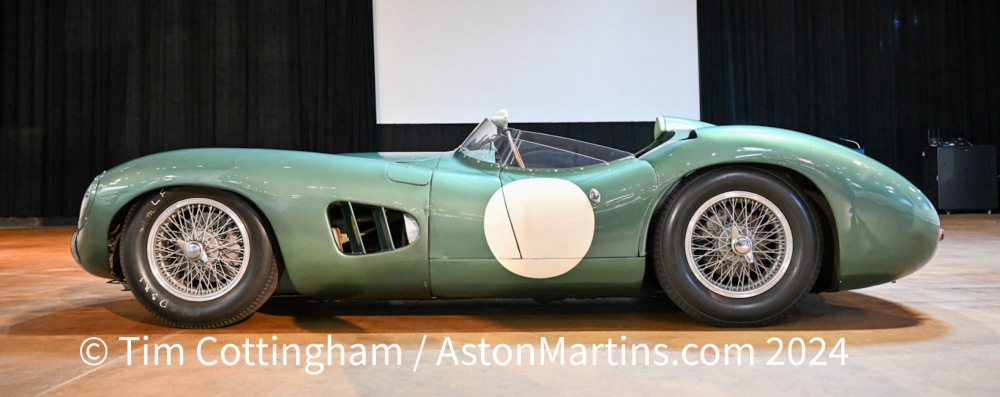
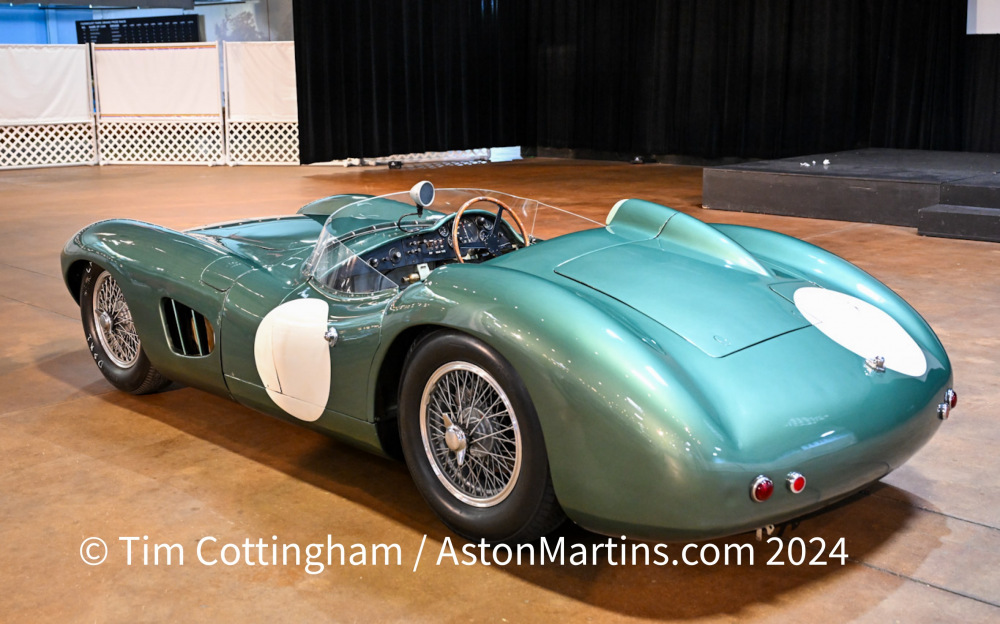
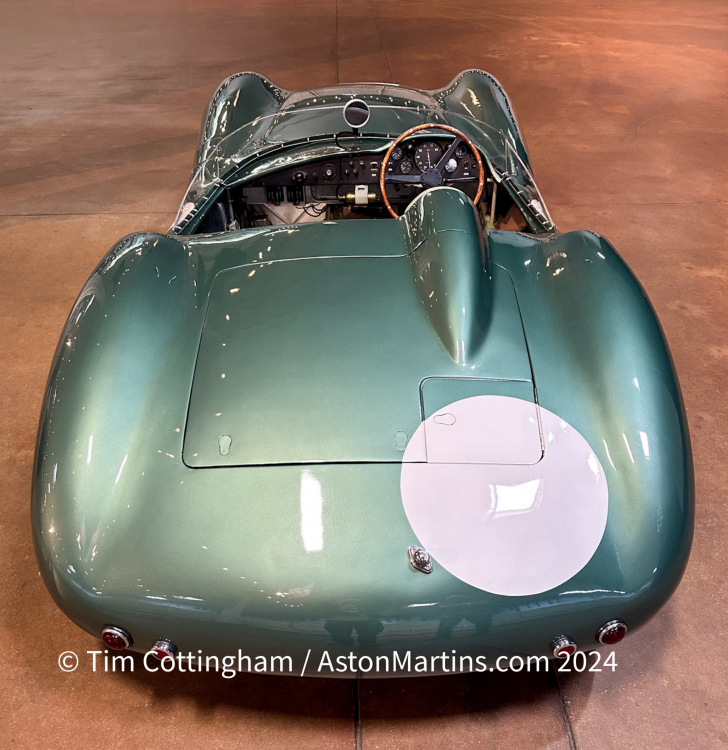
- 30/01/2013Although the car was first raced (unsuccessfully) at Le Mans in 1956 retiring during the 21st hour, success followed during the next three years. Many famous victories were secured by works DBR1’s at the Spa Sportscar Race (1957, Tony Brooks), Goodwood Tourist Trophy (1958, Stirling Moss, Tony Brookes, 1959, Stirling Moss, Carrol Shelby, Jack Fairman) and the 1000 Km at the Nurburgring (1959, Stirling Moss and Jack Fairman), although non so famous as the 1st and 2nd place at Le Mans in 1959. Aston Martin went on to win the 1959 World Sportscar Championship with the DBR1.
DBR1/1

DBR1/2
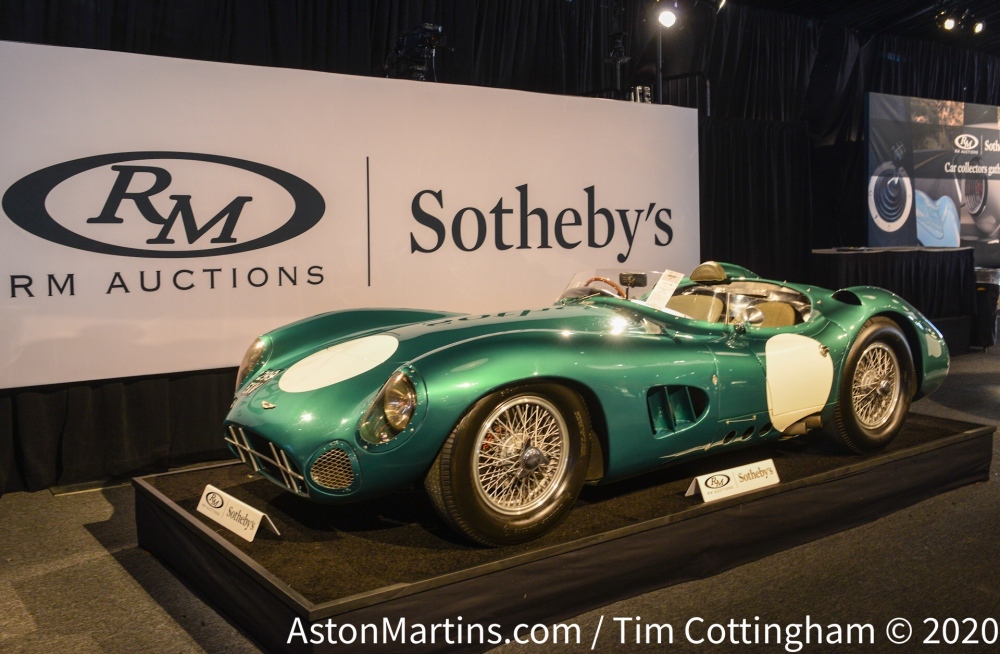
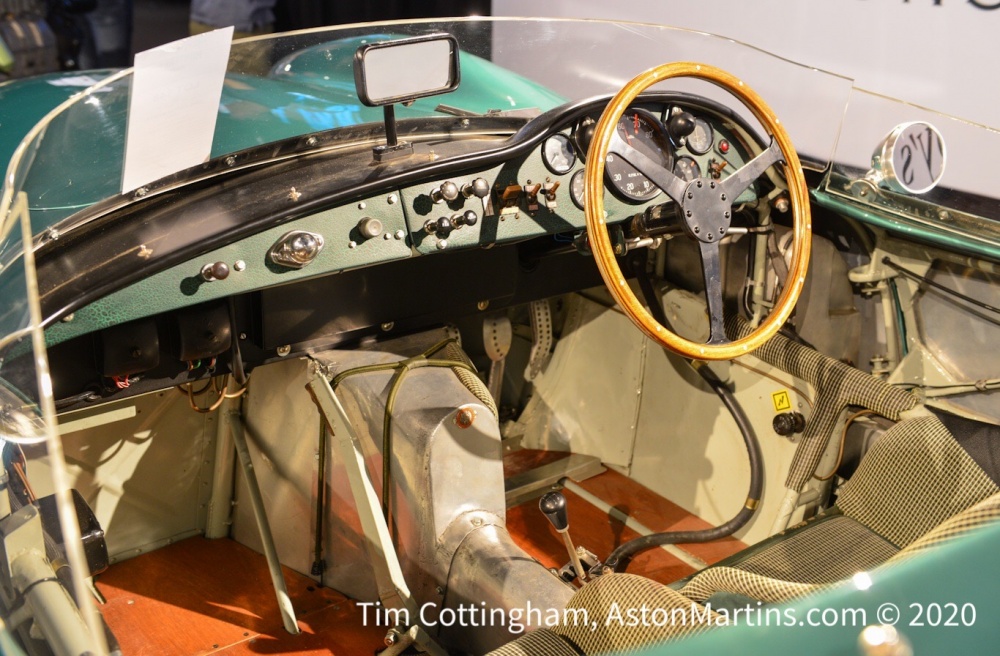
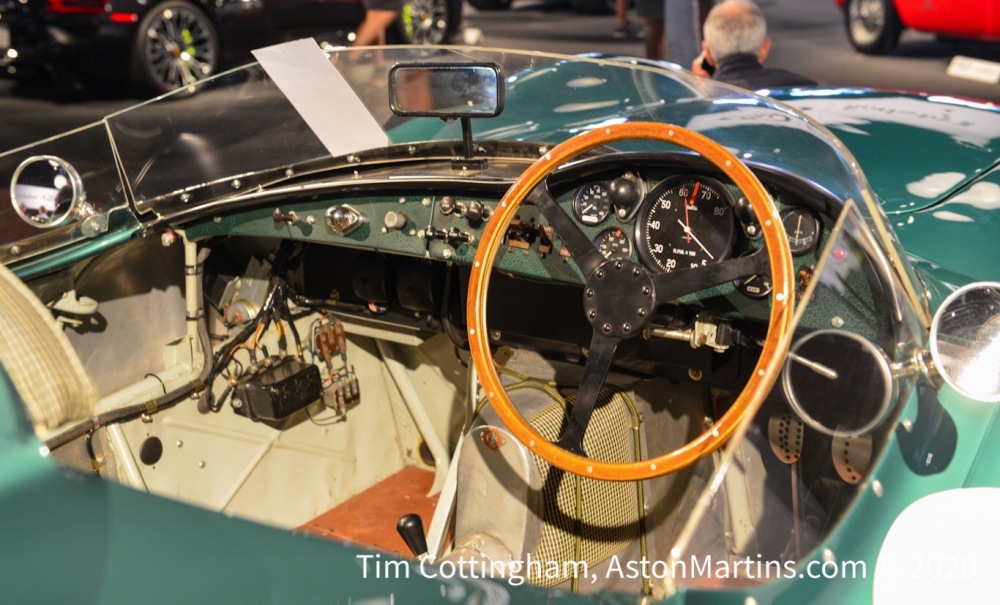
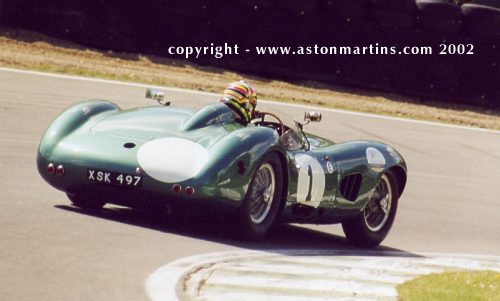
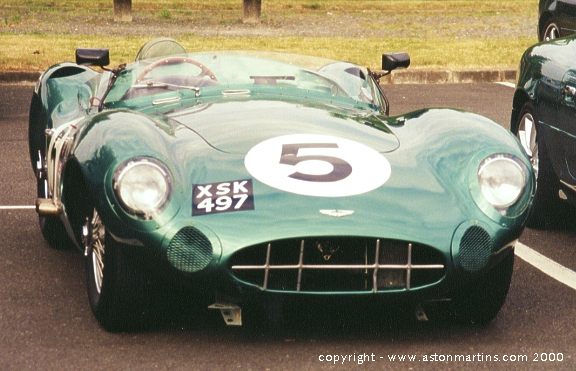
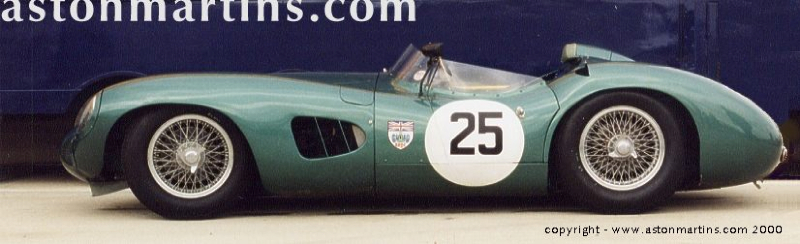
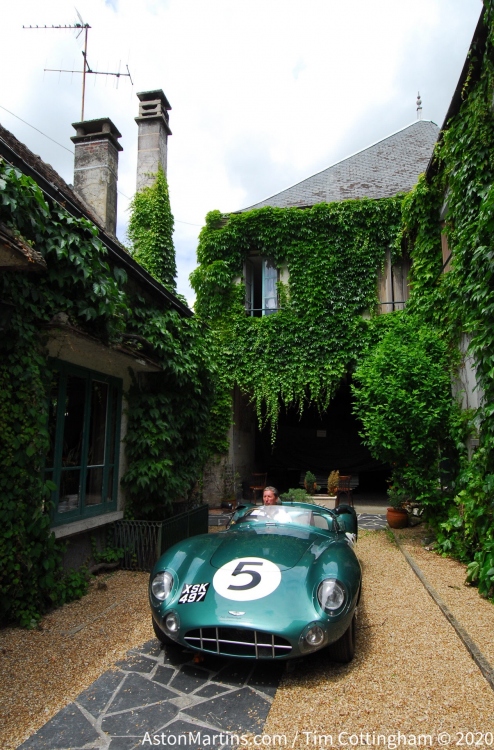
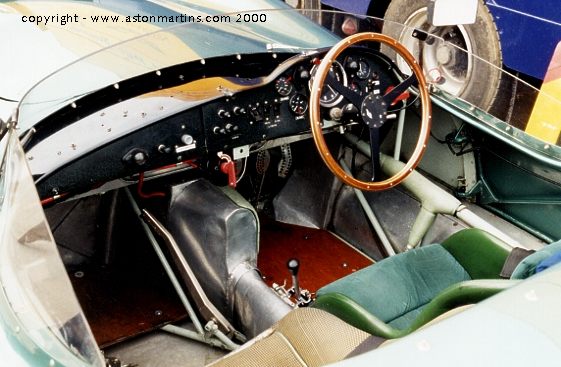
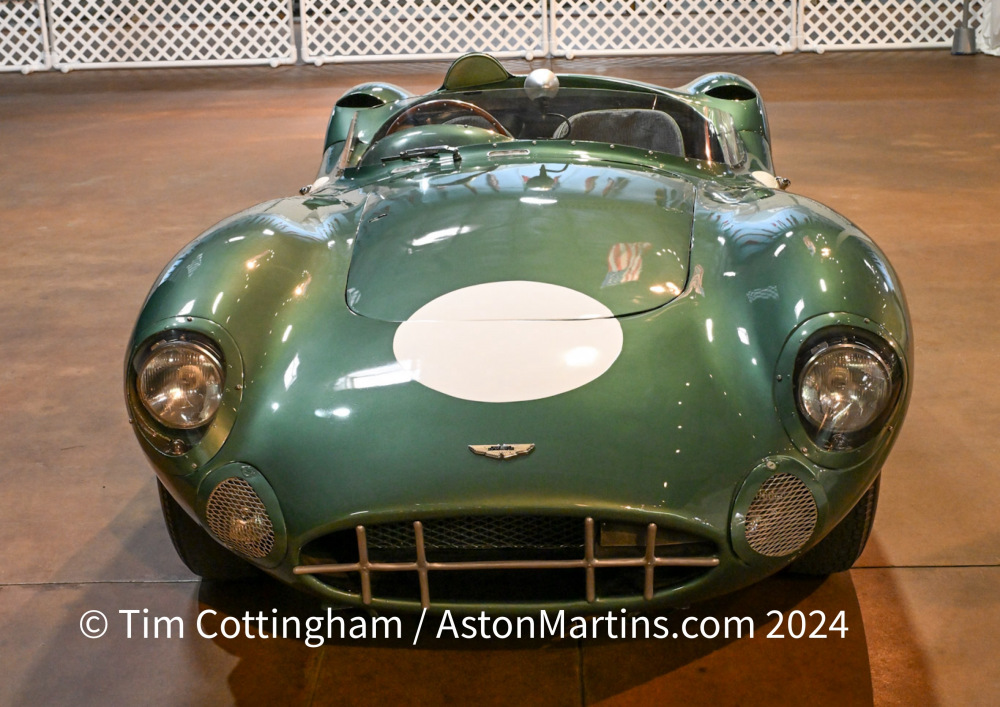
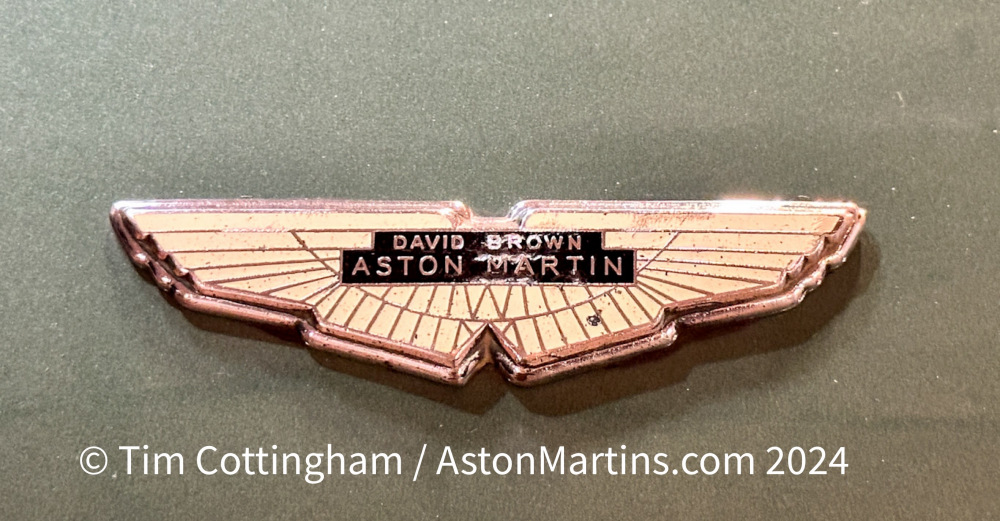
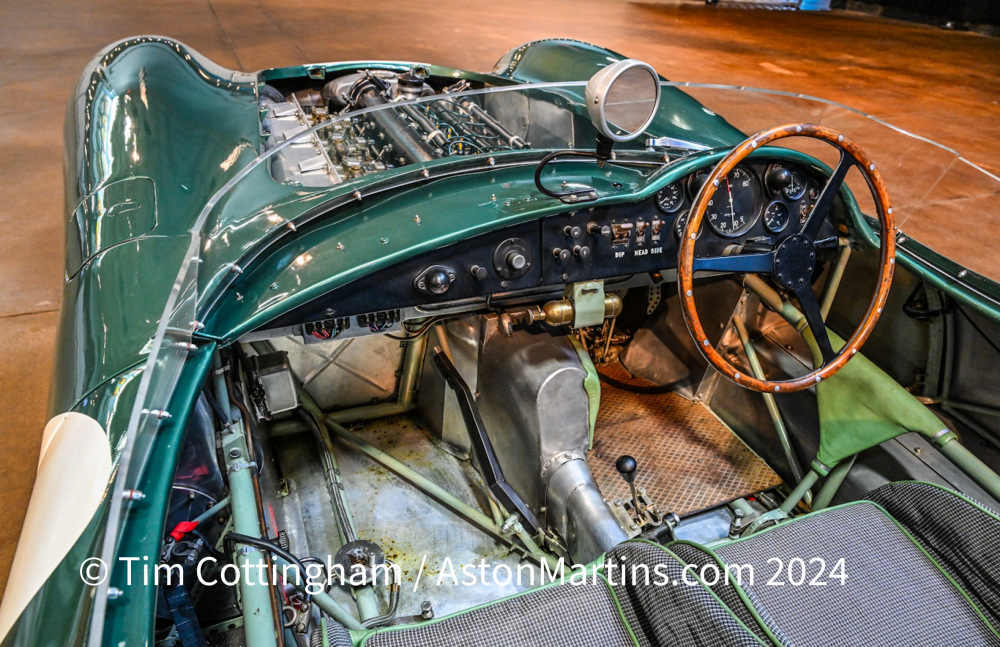
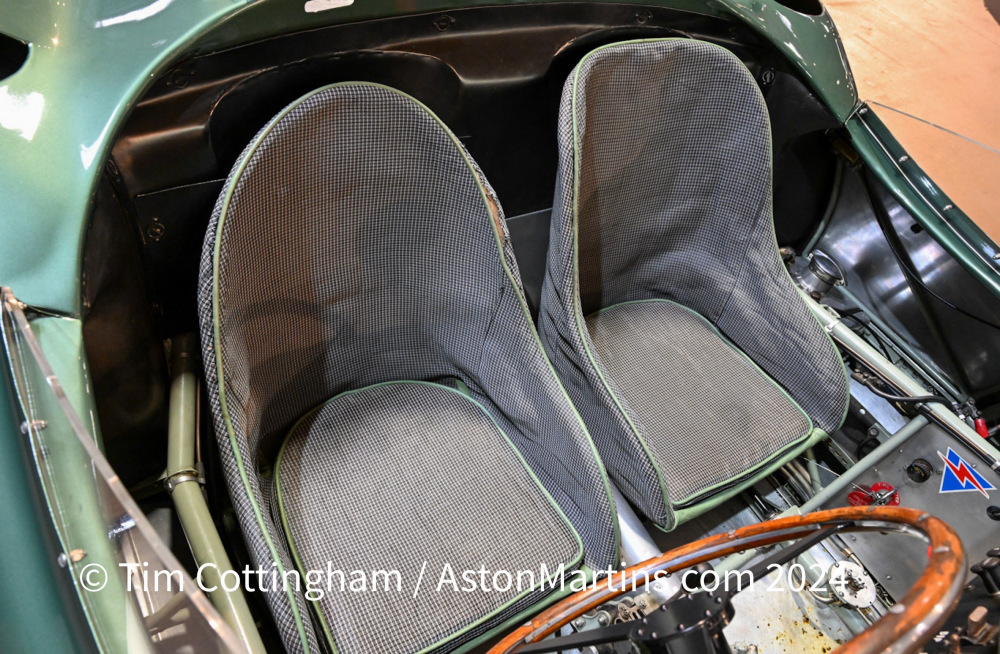
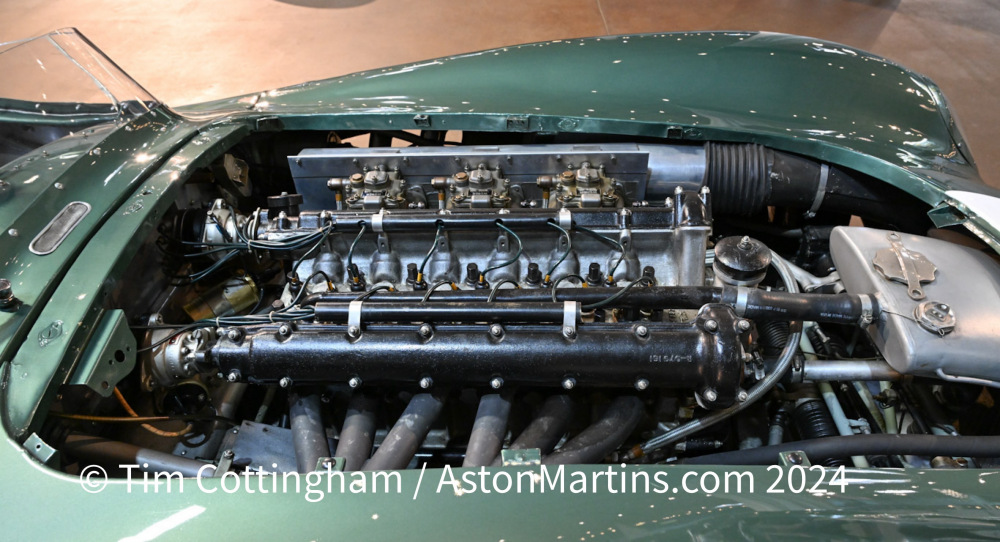
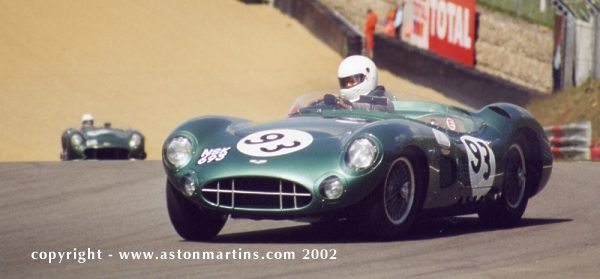
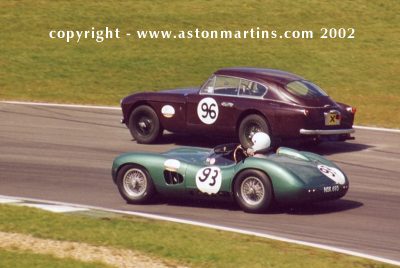
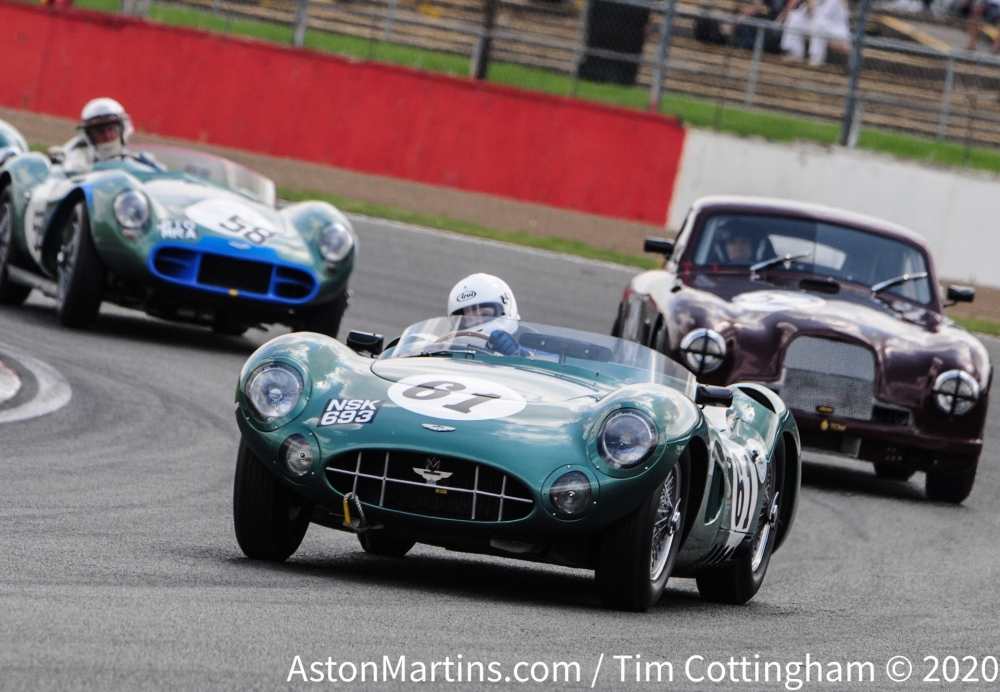
The car pictured here, both above (main shot) and below is the second of the four works cars (DBR1/2) and when driven by Roy Salvadori and Carrol Shelby was the actual Le Mans winning car. I photographed it during the Brands Hatch AMOC meeting in 2002, the British Empire Trophy Meeting at Silverstone , May 1999 and at Le Mans for the 40th anniversary celebrations of the 1959 win. It is probably the most precious Aston Martin ever made and yet it is a frequent and welcome sight at classic race meetings.

DBR1/3
DBR1/4
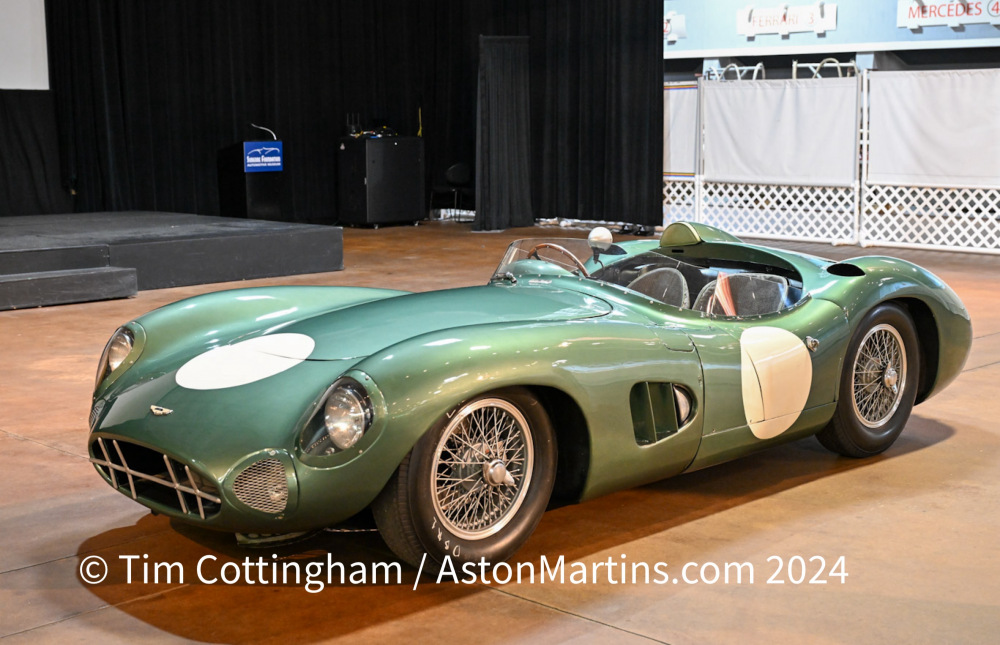
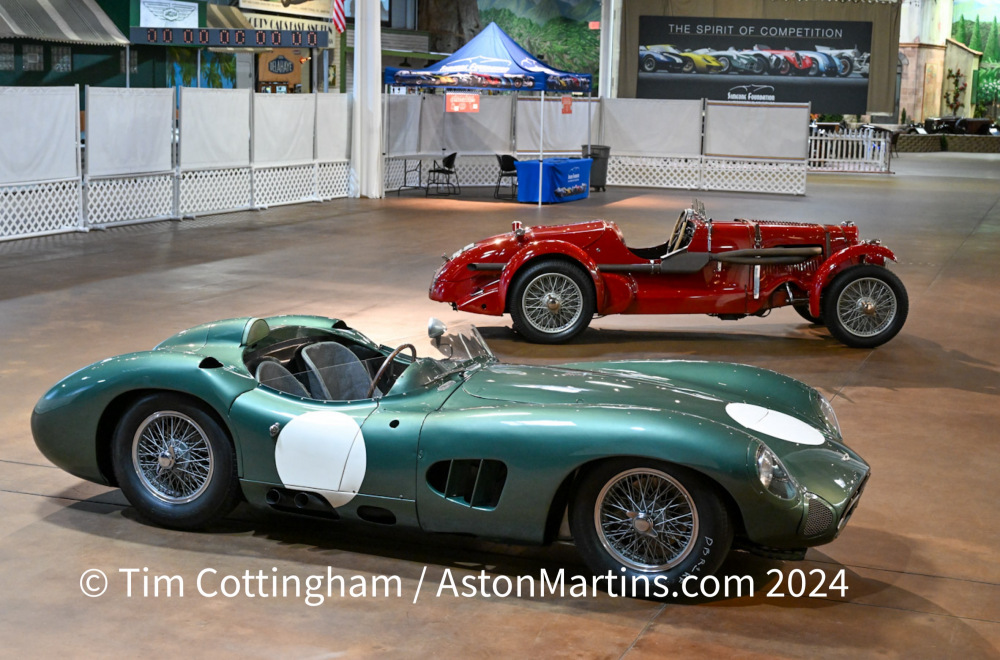
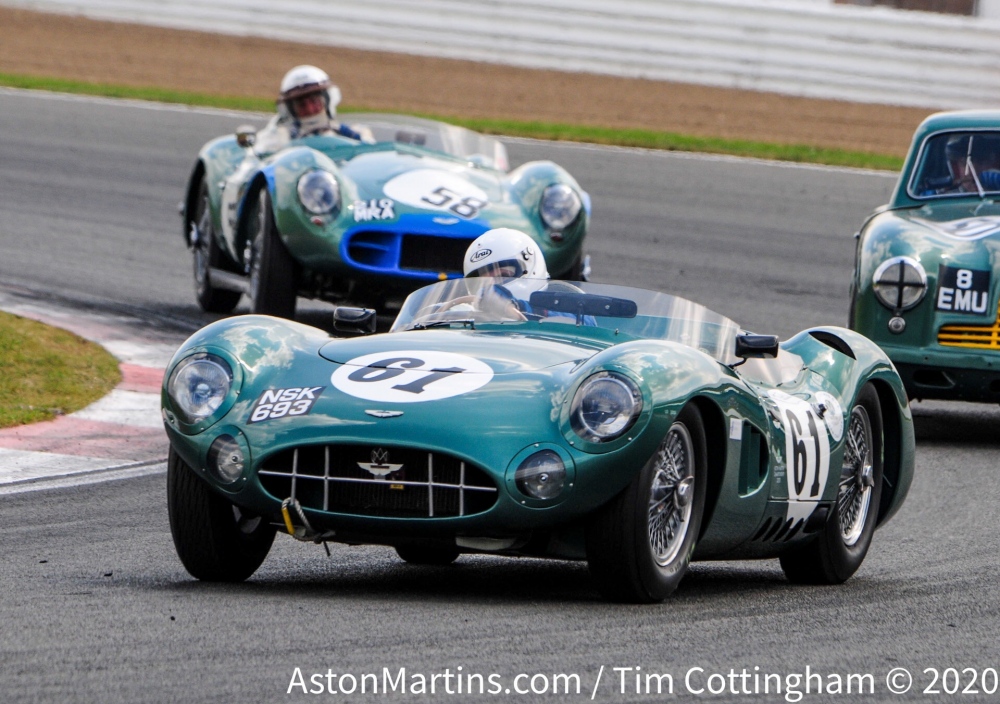
Below is DBR1/4, second only to DBR1/2 in the 1959 Le Mans race, driven by Paul Frere and Maurice Trintignant. The car was initially built as DBR3/1 in 1958 but was converted to DBR1 specification after a single race outing.
DBR1/5
In all, four team cars were built plus one single private example (DBR1/5) constructed for the 1959 season for the use of Graham Whitehead.
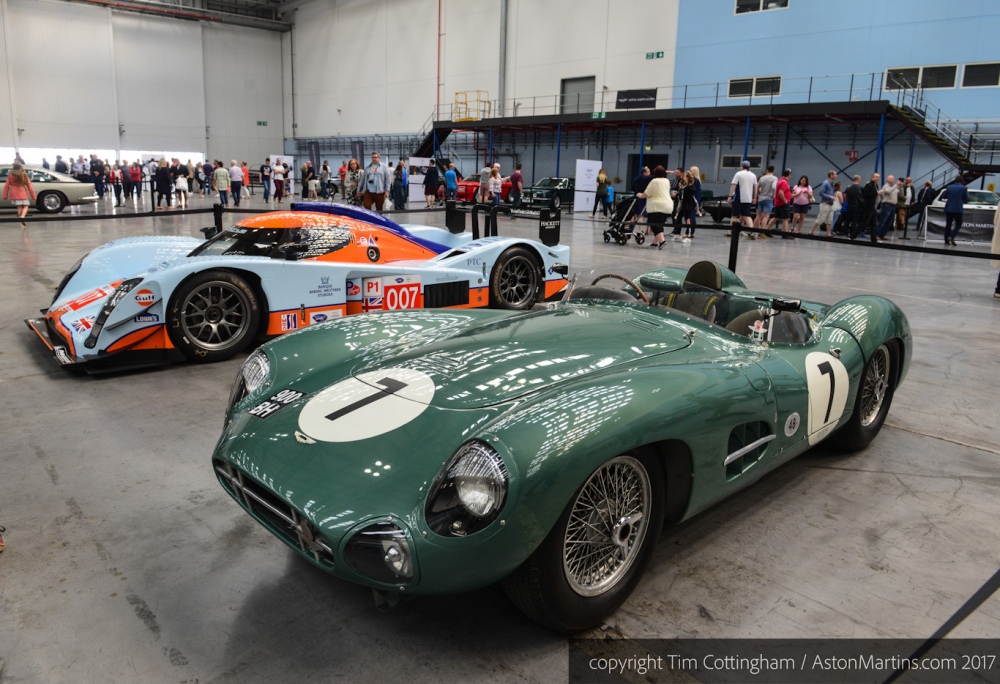
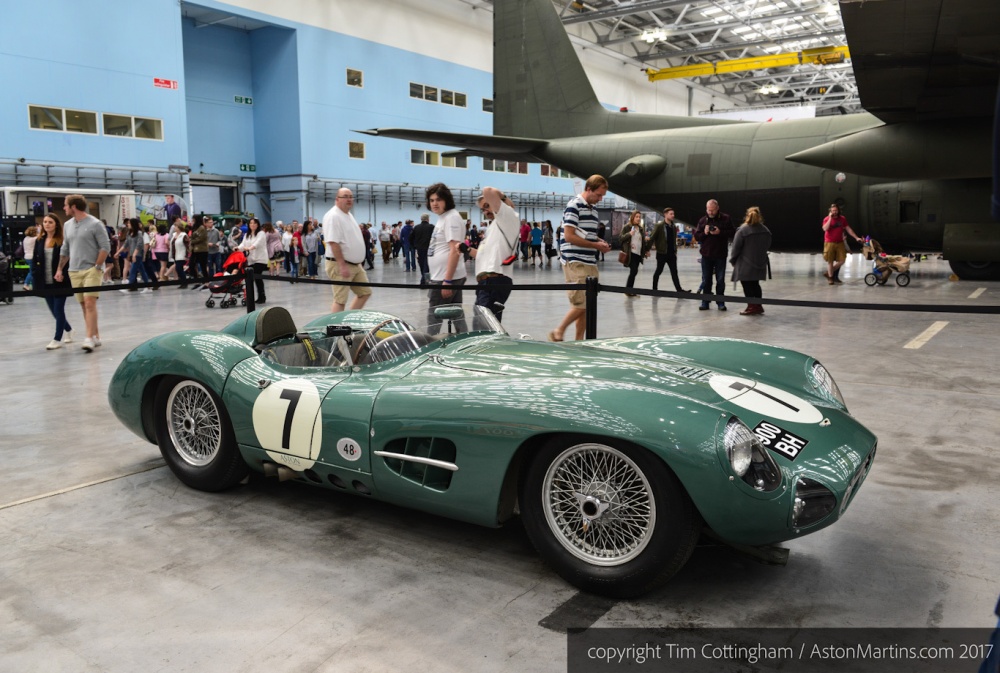
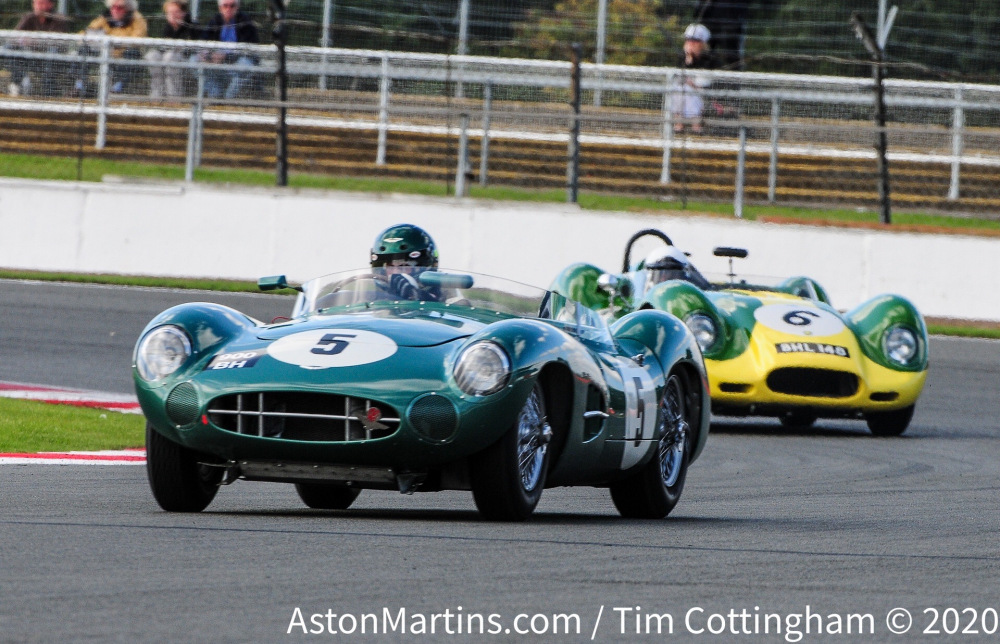
Later Aston Martins that have been strongly influenced by the DBR1 have been the V8 Vantage Le Mans and the CC100 Speedster Concept.
Vantage GT8
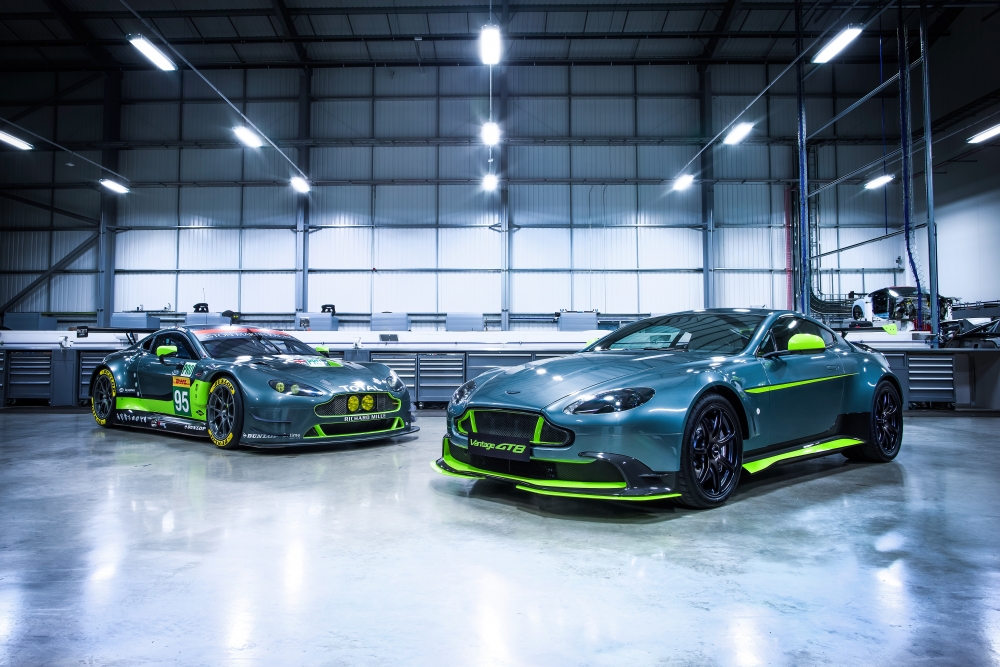
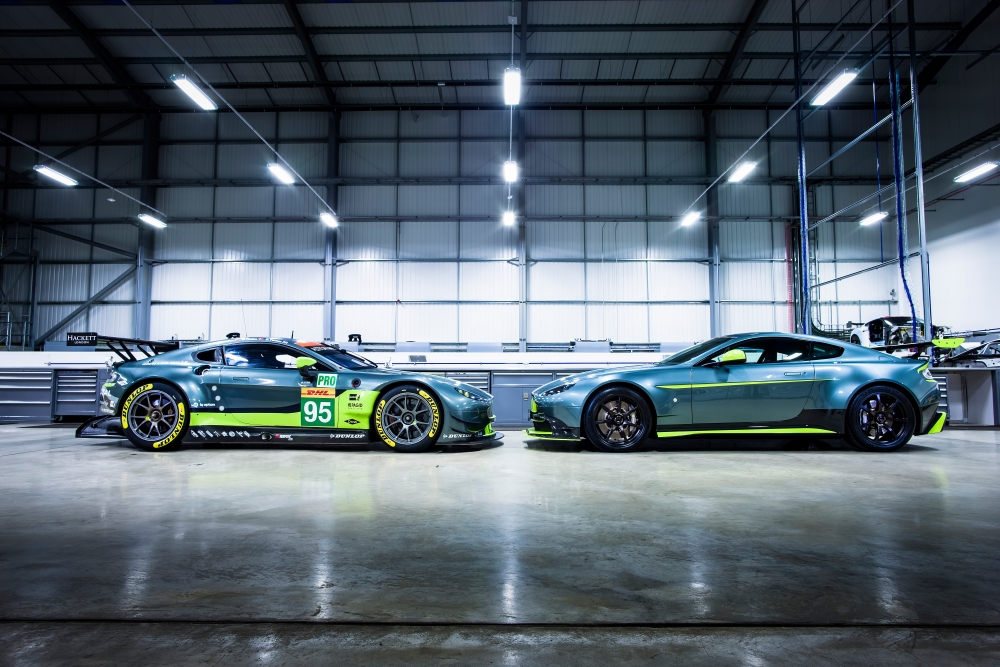
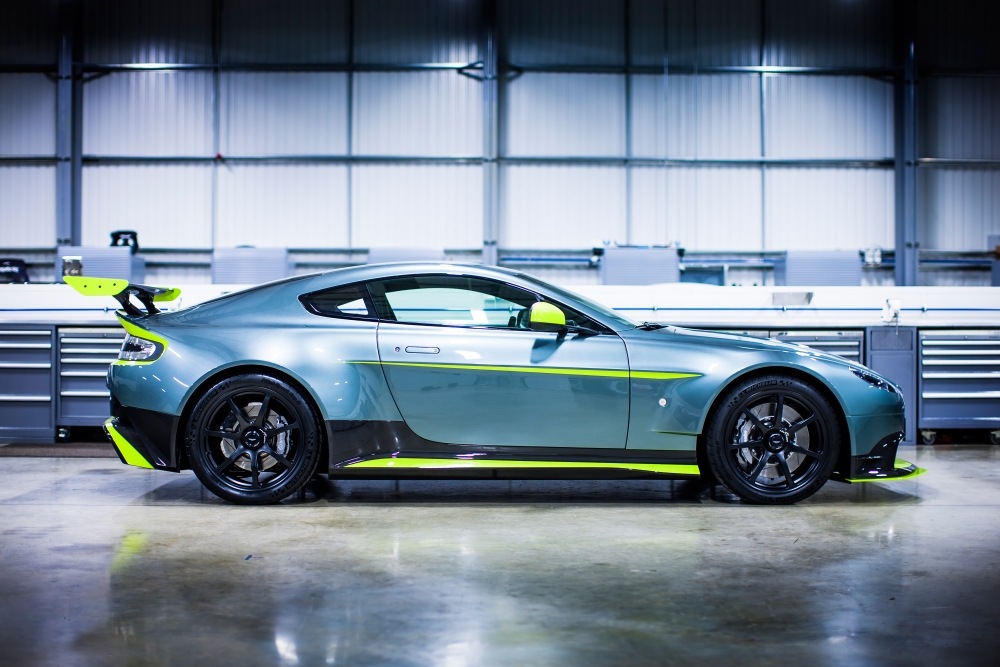
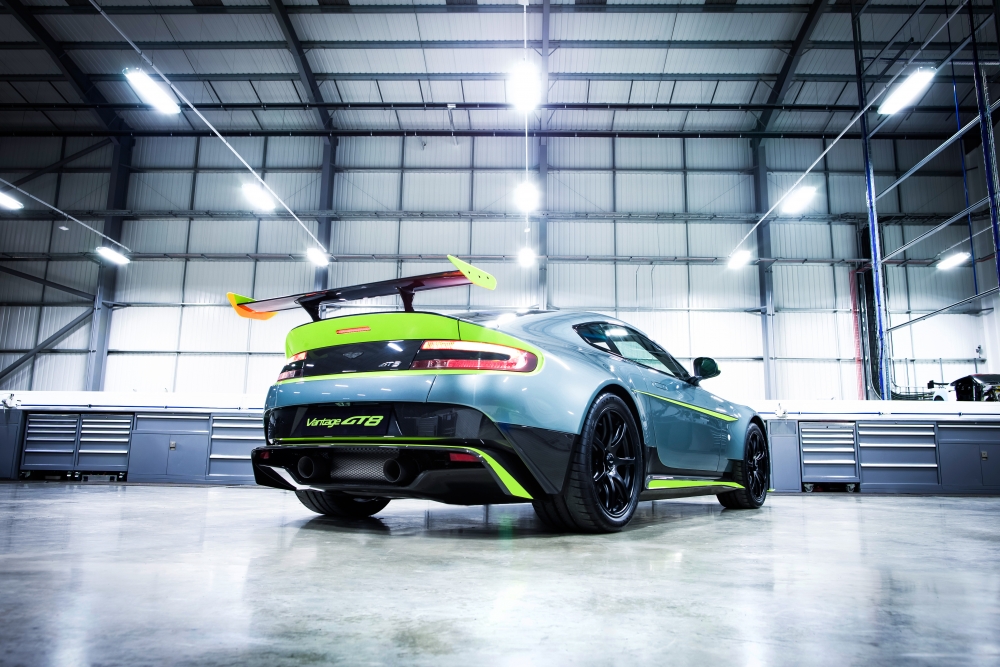
- 04/04/2016The lightest and most powerful V8 Vantage ever made, the Vantage GT8’s dramatically sculpted carbon fibre bodywork was shaped by race-bred aerodynamic function. Powered by a revised 440 bhp version of Aston Martin’s 4.7-litre V8, the GT8 was available with a choice seven-speed Sportshift II paddle-shift transmission or, unlike the GT12, a conventional six-speed manual.
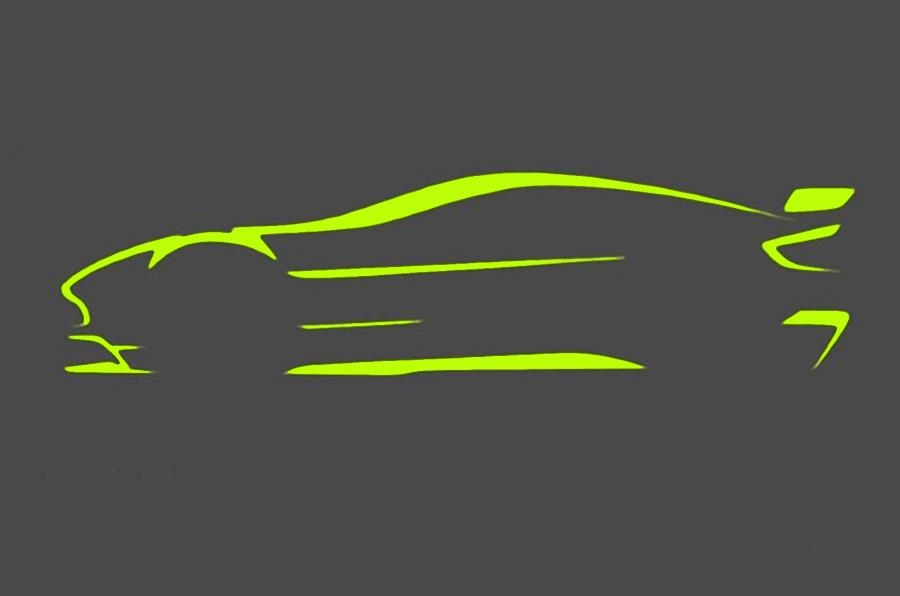
Wide-bodied with aerodynamics that clearly take their lead from then then Aston Martin Racing’s WEC contender, it featured extensive use of carbon fibre with the front splitter, front and rear bumpers, wings, side sills and rear diffuser all fashioned from the lightweight material. One of the most striking standard features was the cutaway front wheelarch, which mimicked that of the GTE racer. Those wishing for the most extreme aero configuration could specify the optional Aero Pack, which added the large rear wing and additional corner elements to the front splitter. Most cars received this feature.
The Vantage GT8 was further distinguished by a new 5-spoke alloy wheel, with ultra-lightweight seven-spoke centre-lock magnesium rims available as an option. Both standard and optional wheels were shod with Michelin Pilot Sport Cup 2 tyres for exceptional performance on both road and track. Three optional ‘Halo‘ paint schemes were available; striking combinations of China Grey and Blue, Stratus White and Green or Stirling Green and Lime (as shown at the cars launch) that perfectly captured the Vantage GT8’s dynamic character and performance.
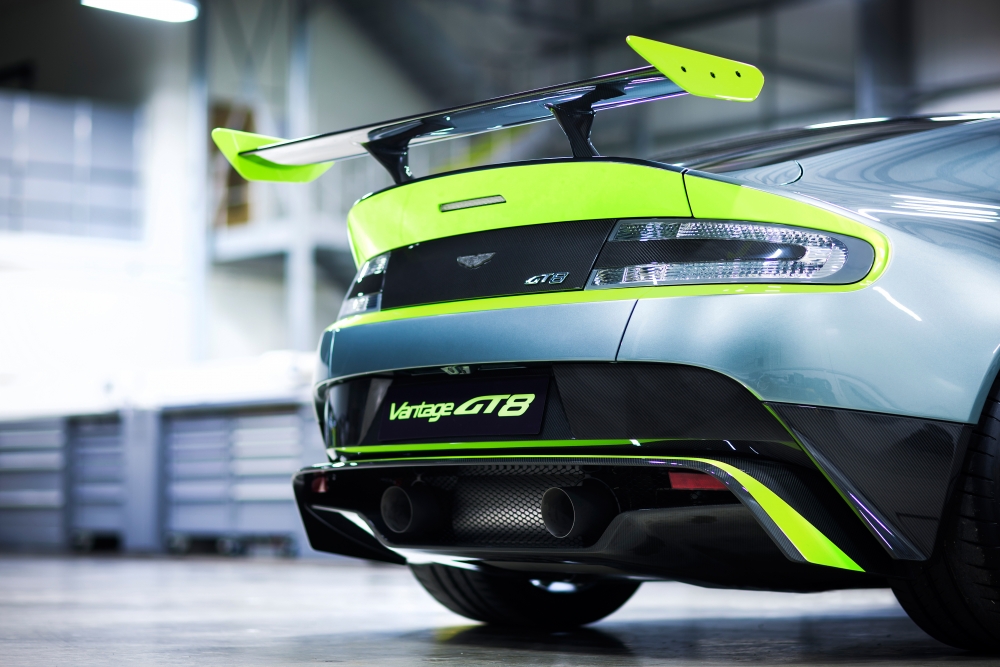
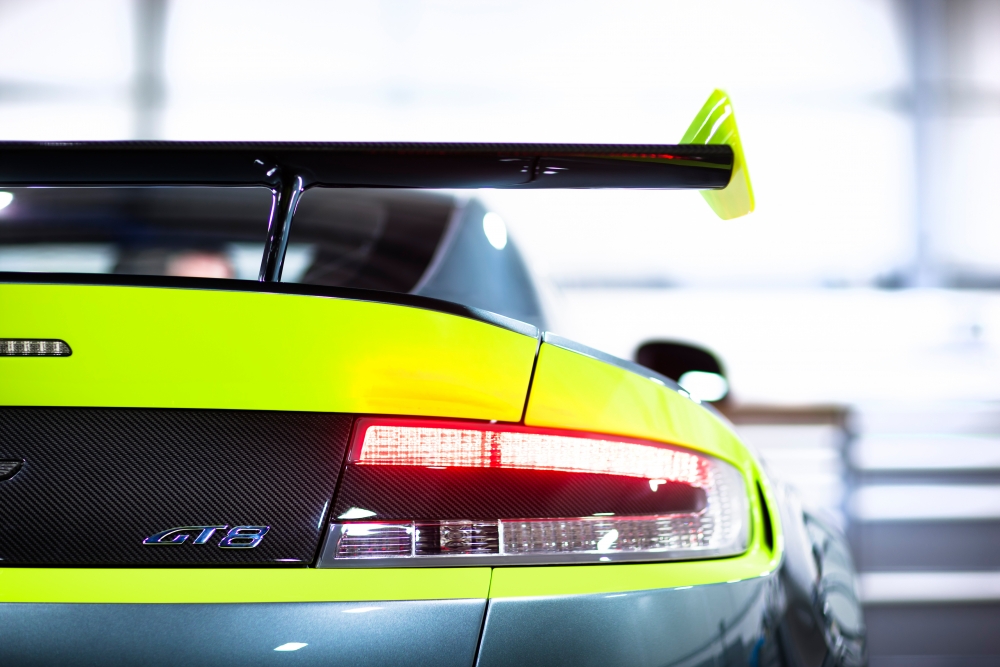

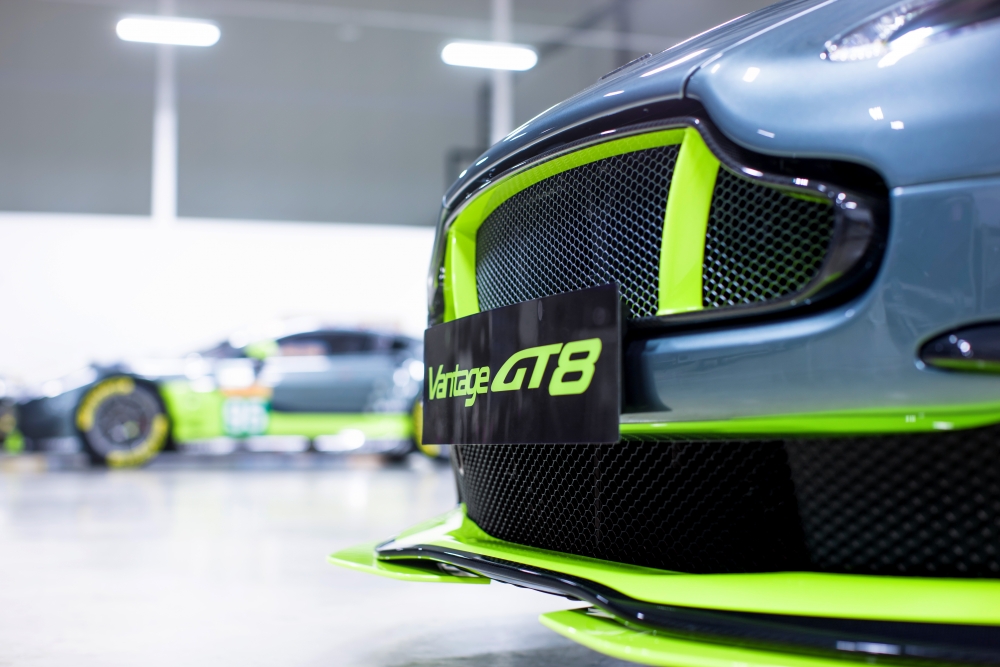
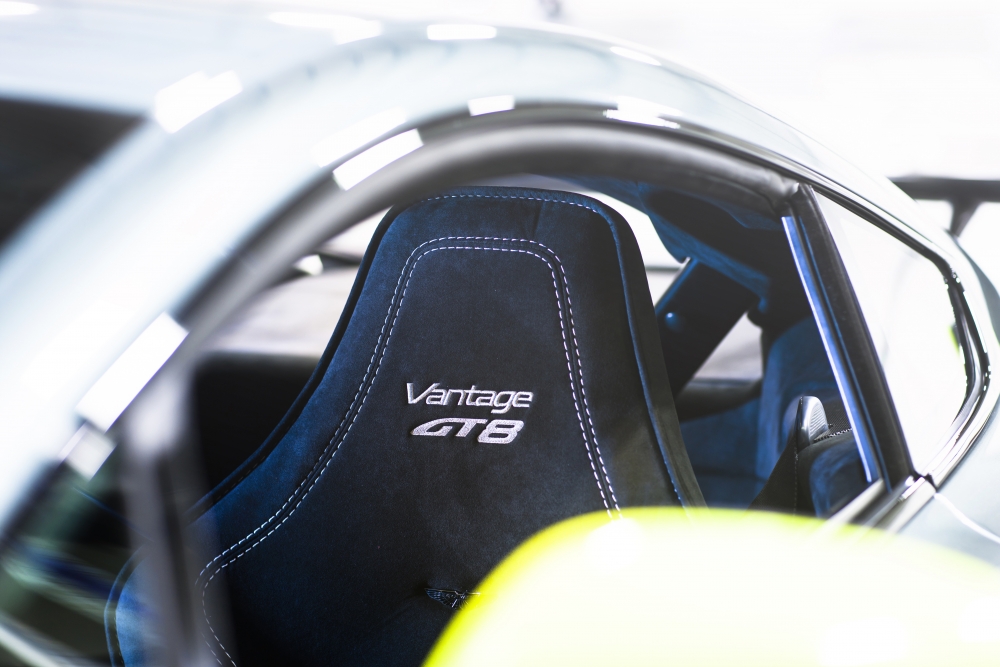
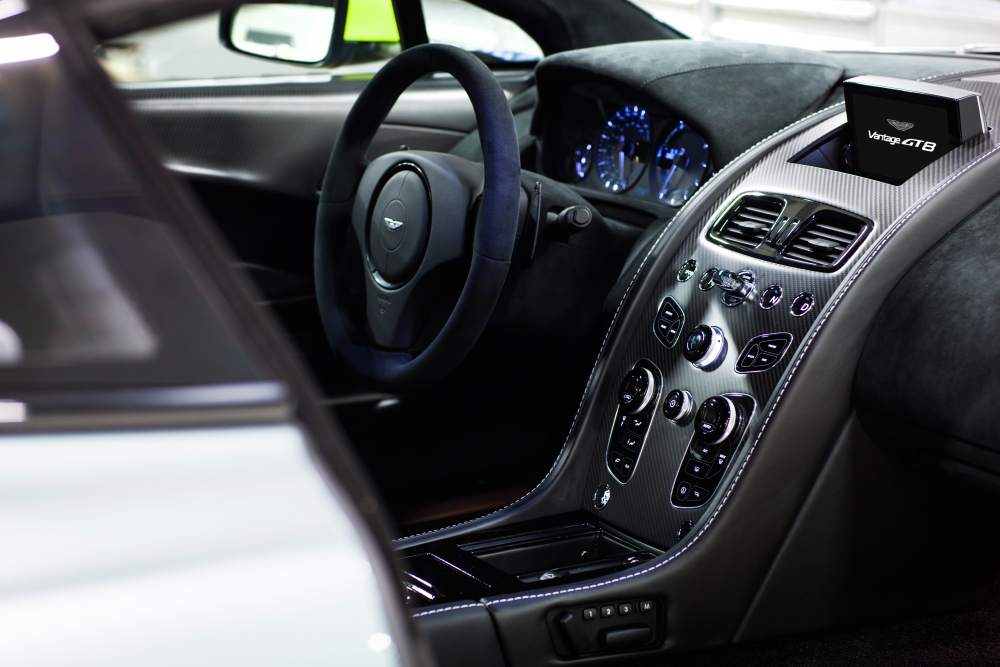
Improved performance through weight saving was central to the Vantage GT8. A standard-fit lithium ion battery shed more vital kilos while further (optional) weight saving measures included a carbon fibre roof, polycarbonate rear screen and rear side windows and a titanium centre mounted exhaust. Together with the standard-fit lightweight carbon fibre sports seats (with manual adjustment, again to save weight) and carbon fibre door panels, this comprehensive suite of lightweight components saved up to 100kg, making the Vantage GT8 the lightest Vantage ever. Air-conditioning, a 160W audio system and Aston Martin’s latest AMi III infotainment system were fitted as standard and ensured the car remained genuinely road-useable.
Appealing to collectors as well as pure driving enthusiasts, the Vantage GT8 was strictly limited to just 150 examples. Recommended retail price started from £165,000 and the first cars were delivered in the autumn of 2016.
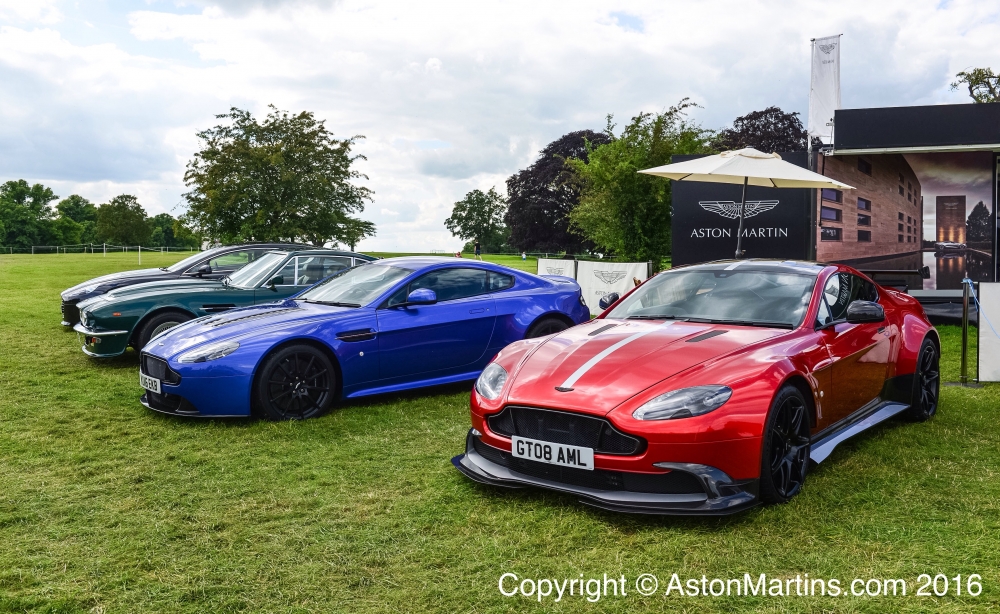
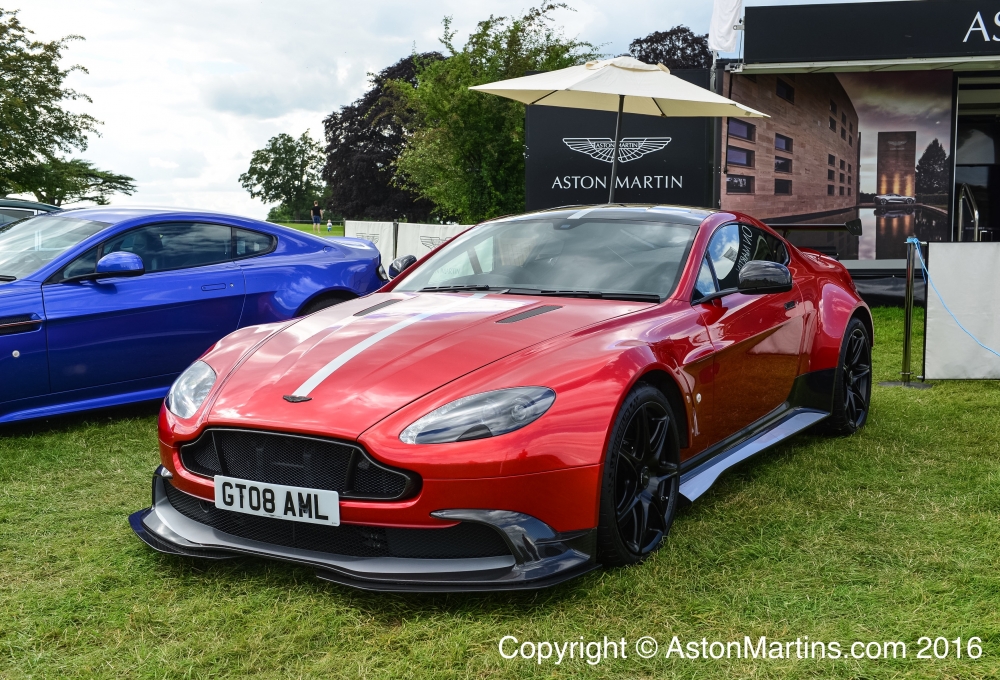
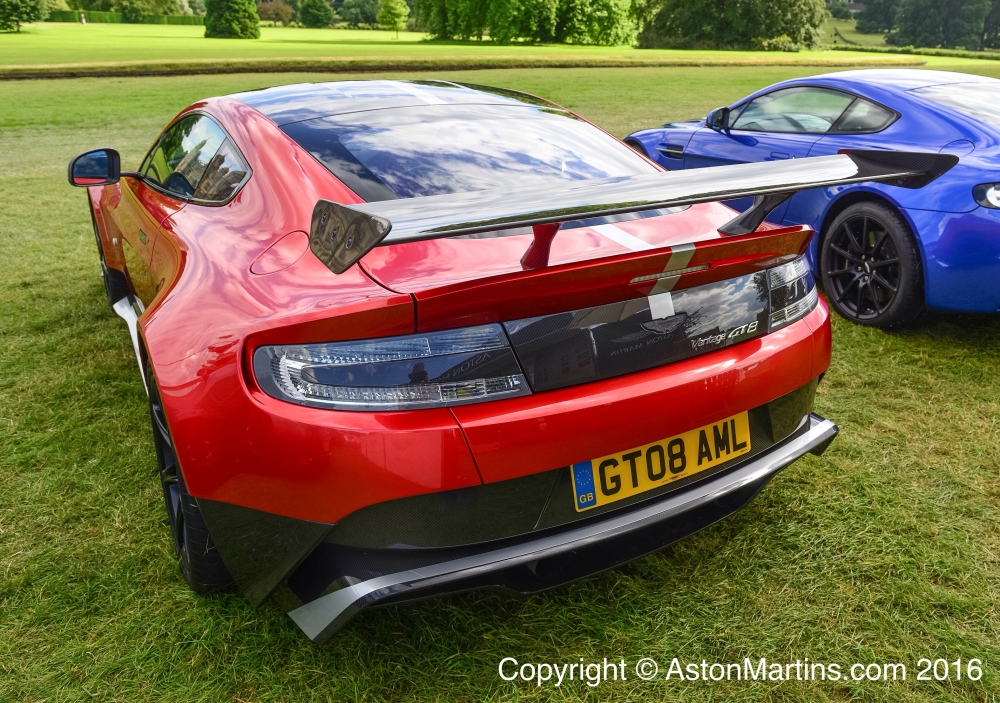
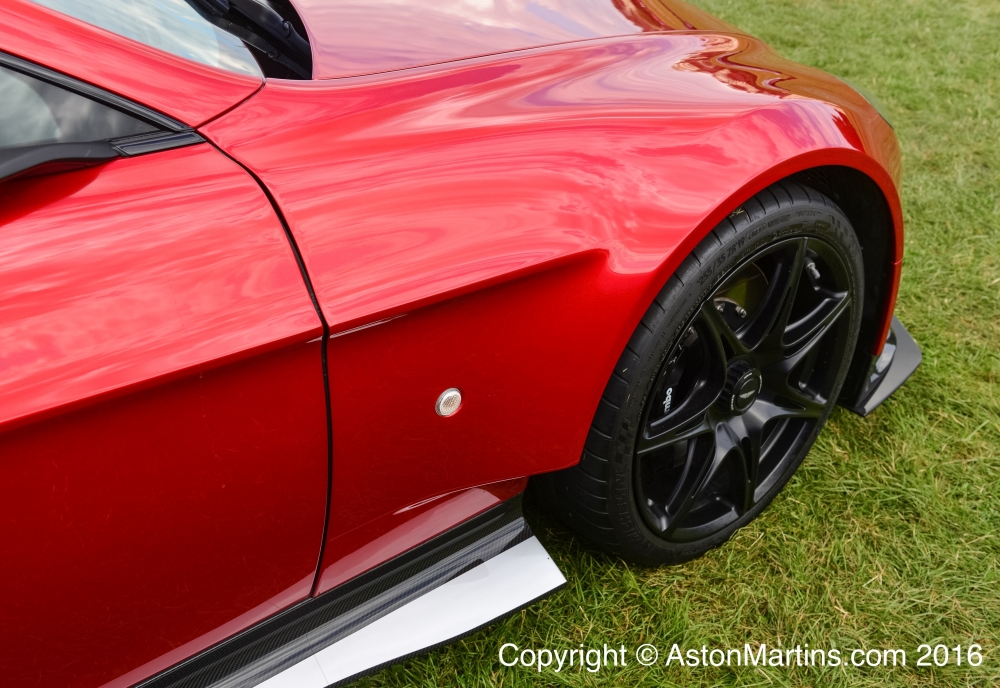
The Vantage GT8 was not available in North America.
DBR2
- 30/01/2013For the 1958 season, the FIA limited the engine capacity for the World Sportscar Championship to just 3 litres. This effectively ruled out the now 3.9 litre DBR2 from international competition forcing AM to concentrate their efforts back on developing the DBR1. The DBR2 was now effectively relegated to UK events and was raced by the works at Goodwood, Oulton Park, Aintree and Silverstone. The Belgian Sports car Grand Prix of 1958, being a non-championship event with no capacity limit, got both DBR2’s out where they finished 2nd and 3rd behind a Lister-Jaguar
For the remainder of 1958 and 1959 with enlarged 4.2 litre engines and whilst still owned by AM, both DBR2’s were privately entered in various US sportscar events. The last works entry for a DBR2 was with DBR2/2 in December 1959 when Stirling Moss won the Governors Trophy at Nassau in the Bahamas. This was the last ever works entry of an open cockpit Aston Martin until the AMR-One in 2011.
By 1960, the works had sold both cars and they passed into private hands. This particular car shown here, chassis number DBR2/2, 7BXH, was photographed whilst competing in the 2007 Monterey Historic Races, on display at Pebble Beach Concours d’Elegance in August 2007 where it won the MSN Autos People’s Choice Award and again in 2013.
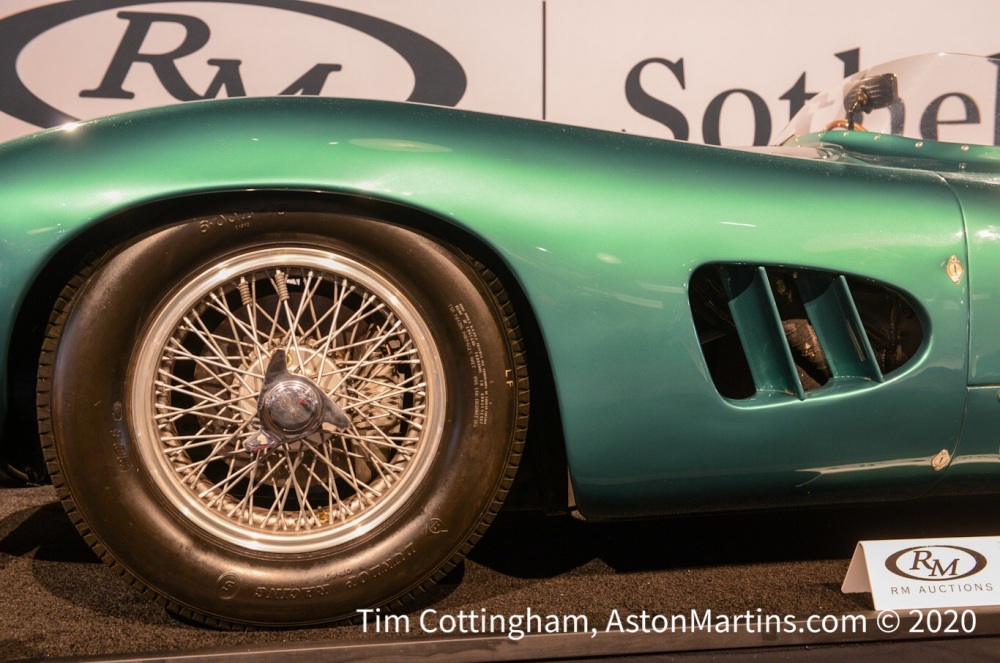
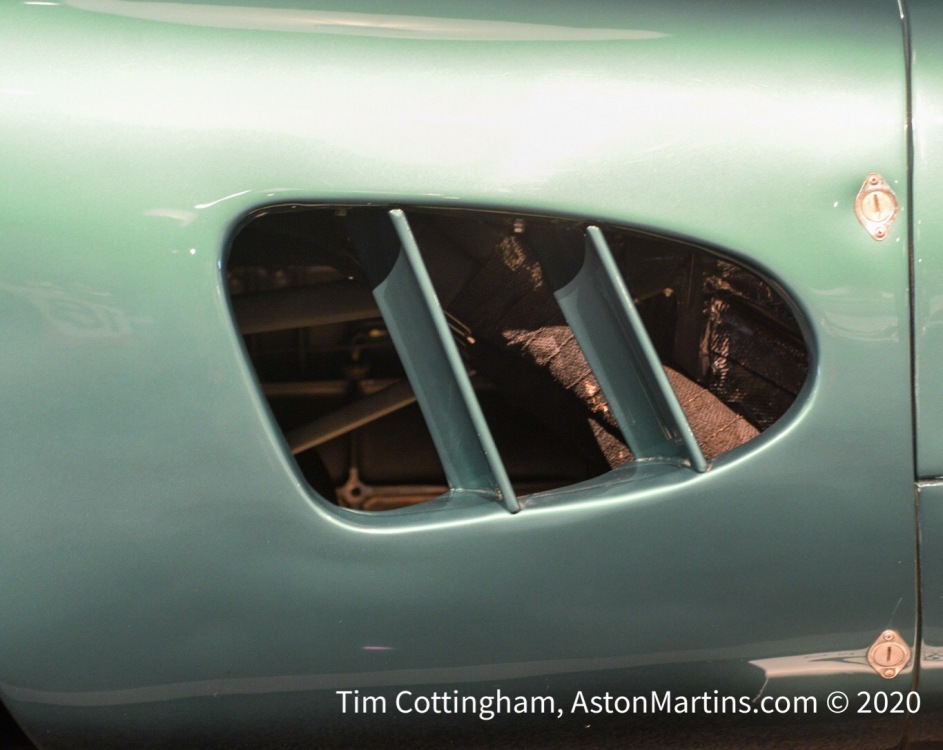
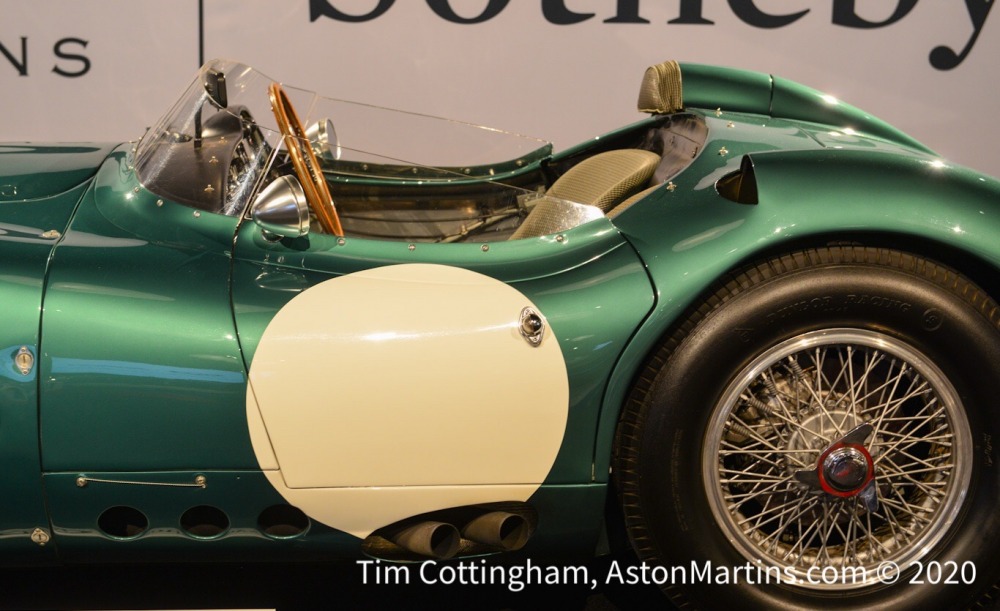
If you have difficulty in telling the DBR1 and DBR2 apart, here is an easy tip; the exhaust of the DBR1 is along the right side of the body (drivers side), on the DBR2 it is on the left (passenger side).
V8 Vantage S Swedish Forest Edition
- 17/02/2022Each car was finished in China Grey with green tinted exterior carbon fibre (door mirror covers, front splitter, side strakes, rear light inserts and rear diffuser). Inside, the duotone interior trim was Obsidian Black with bespoke diamond quilted Parliament Green seat and door inserts. The centre console featured especially attractive Zebrano wood Fascia Trim which was also used on the bespoke sill plaques. The Alcantara headlining was especially unusual with a printed image of a Swedish forest’s canopy taken from the ground and looking straight upwards.
Images from Aston Martin
V8 Vantage S Red Bull Racing Edition
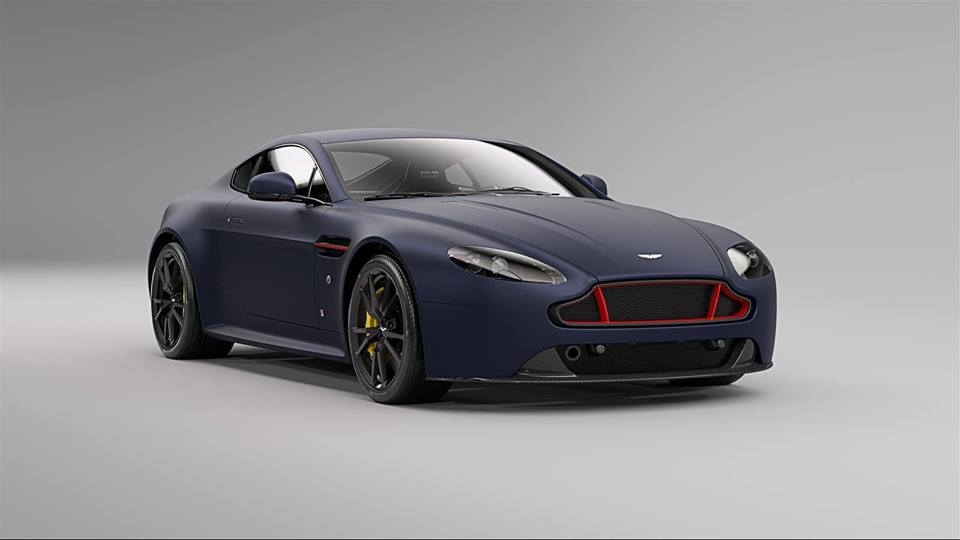
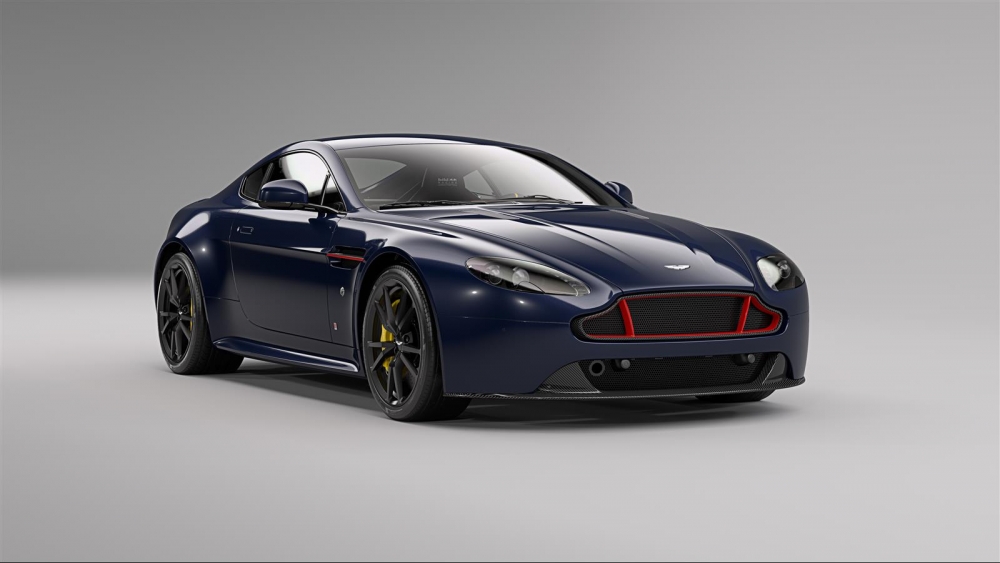
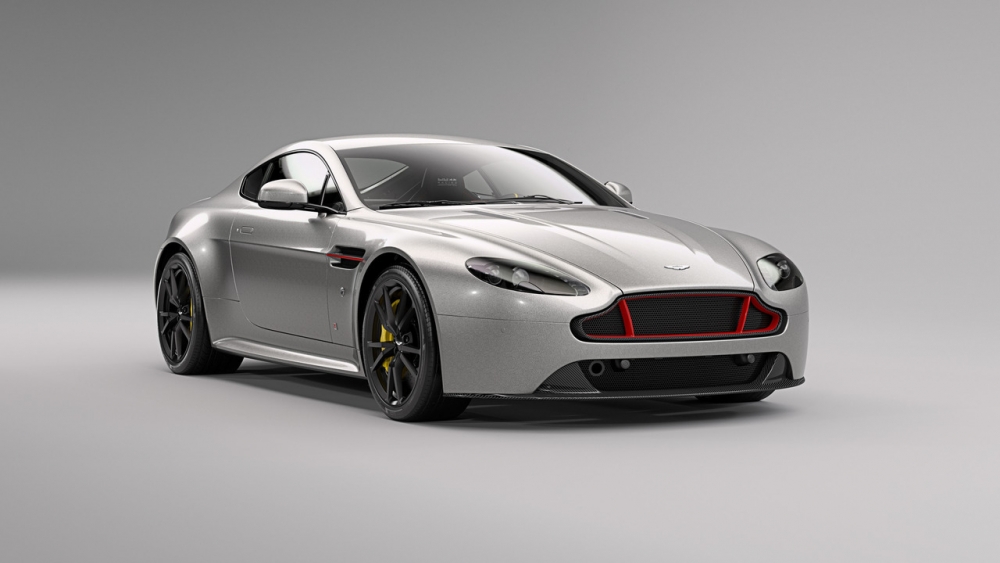
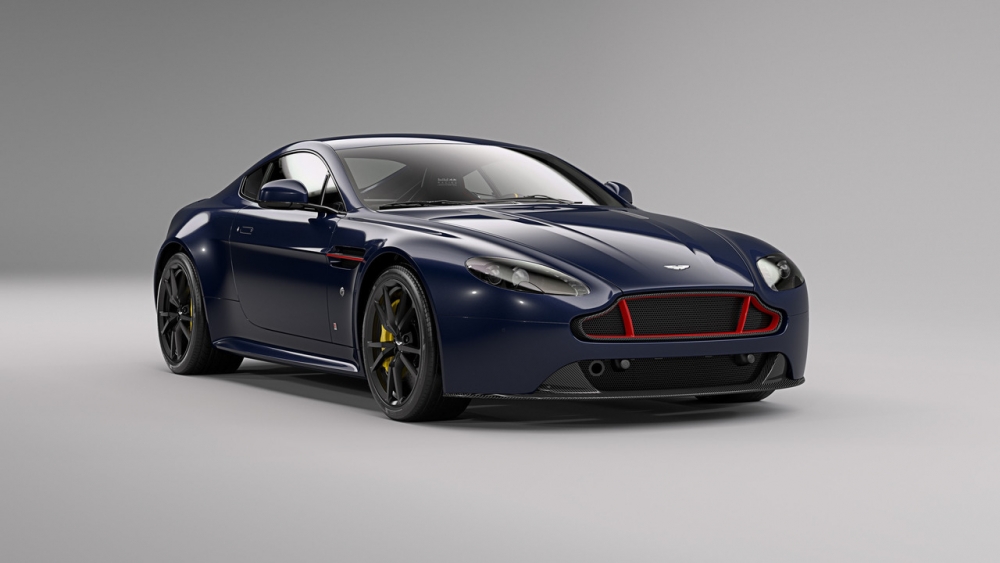
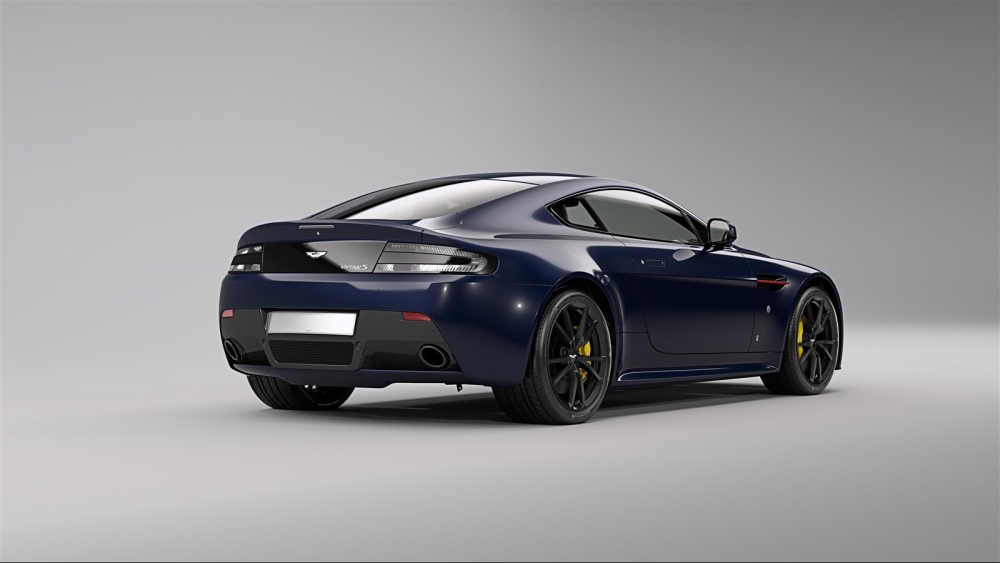
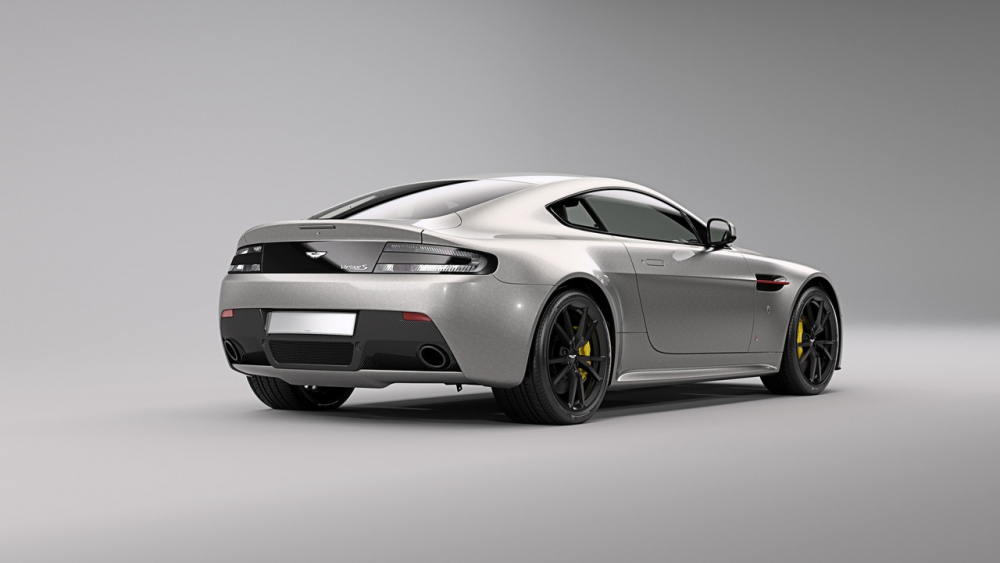
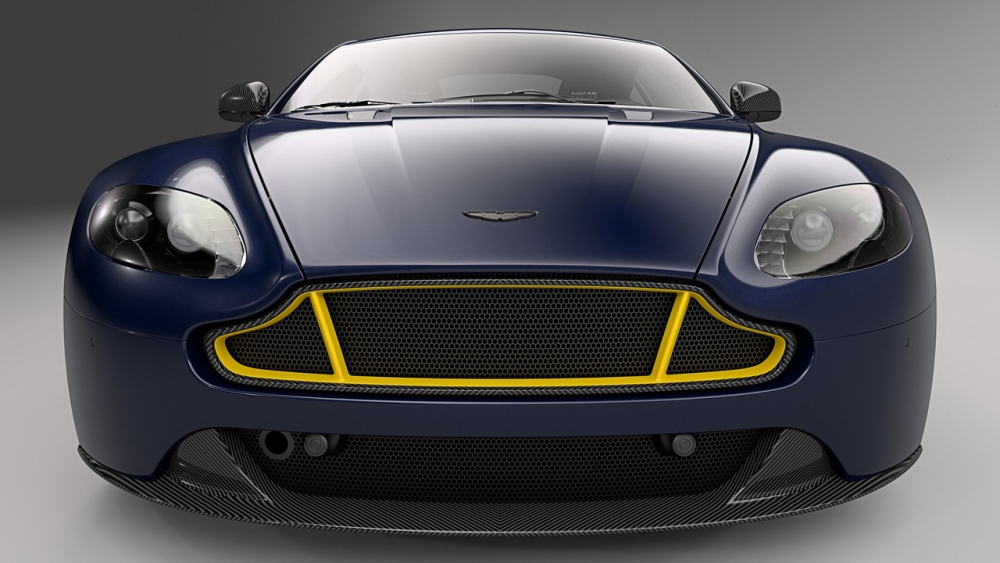
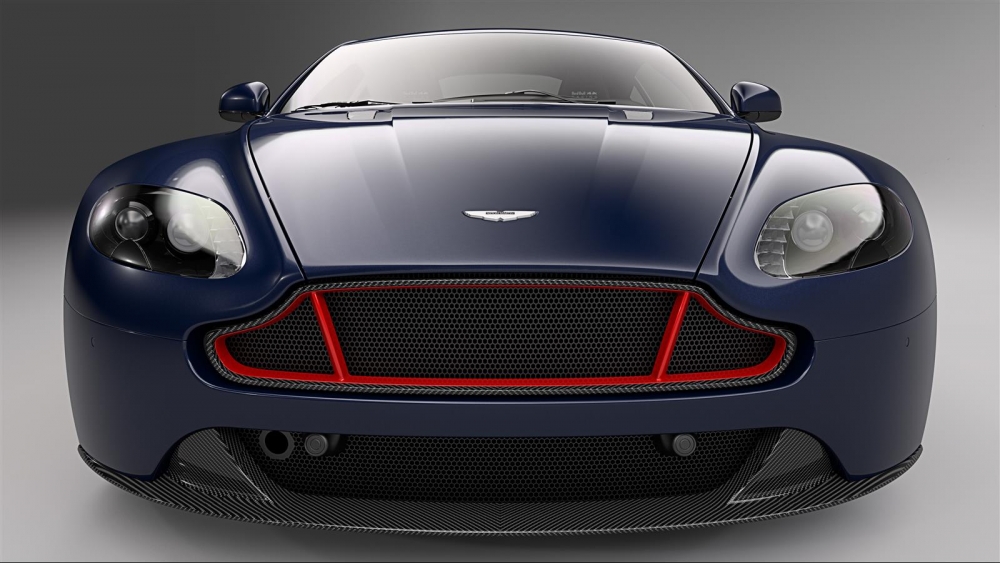
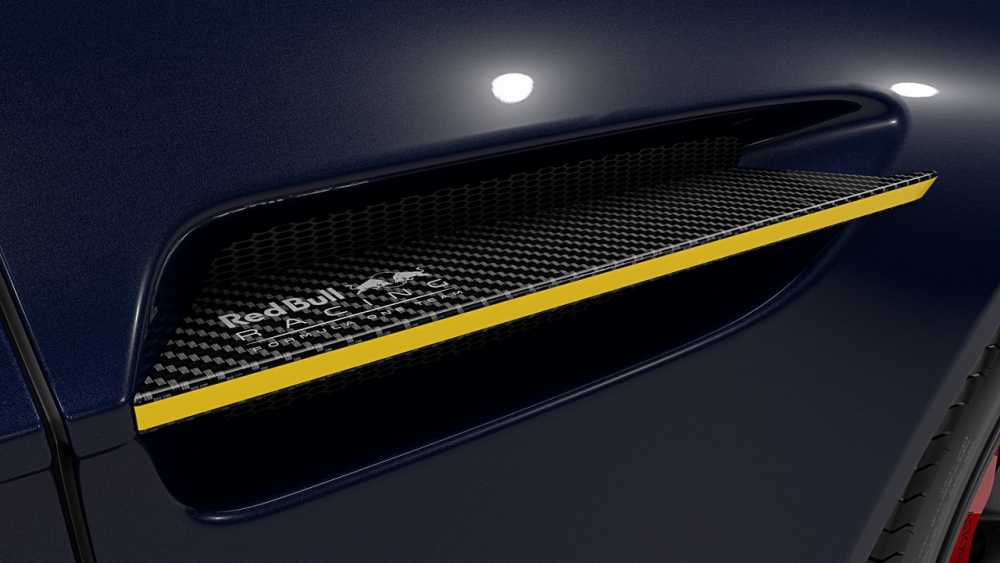
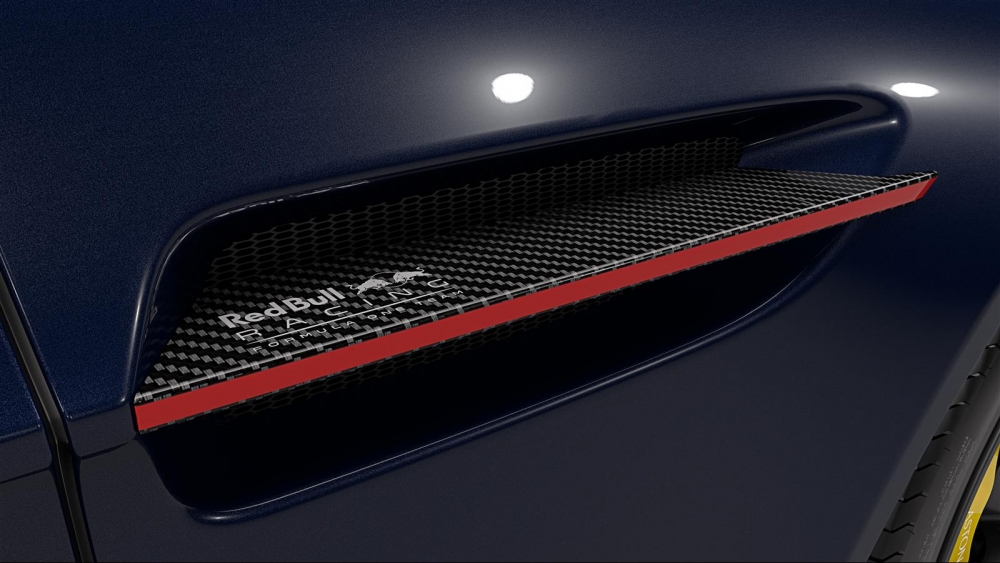
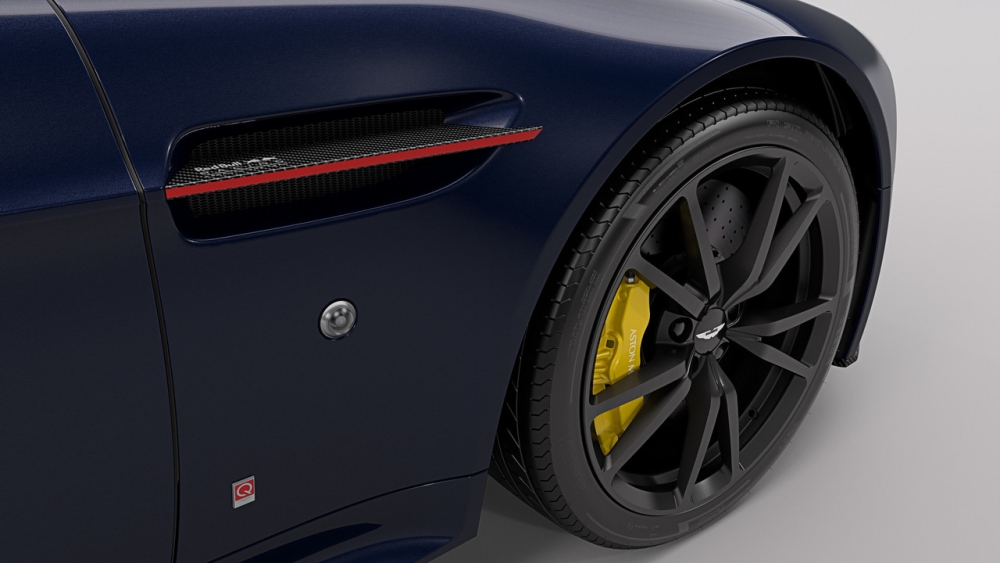
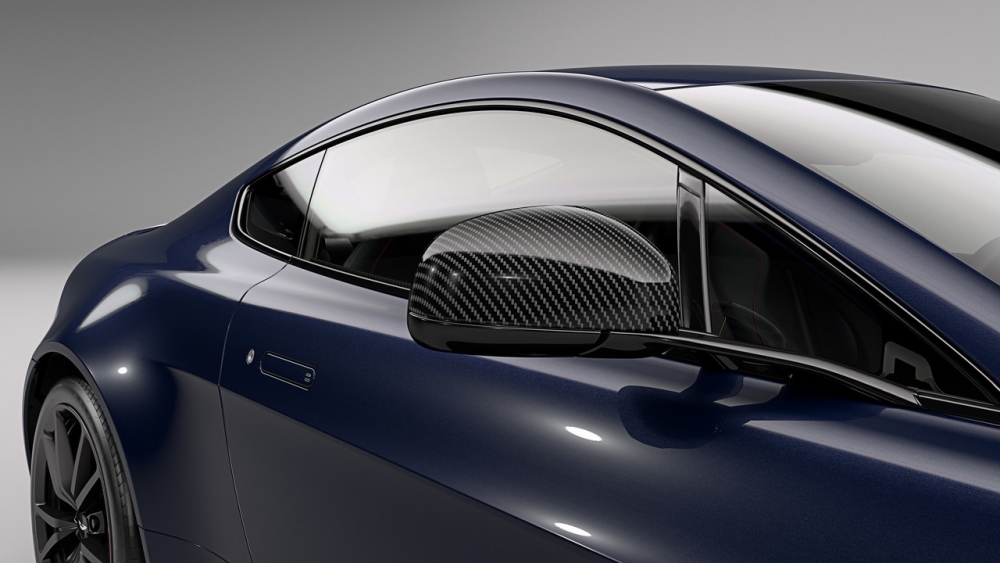
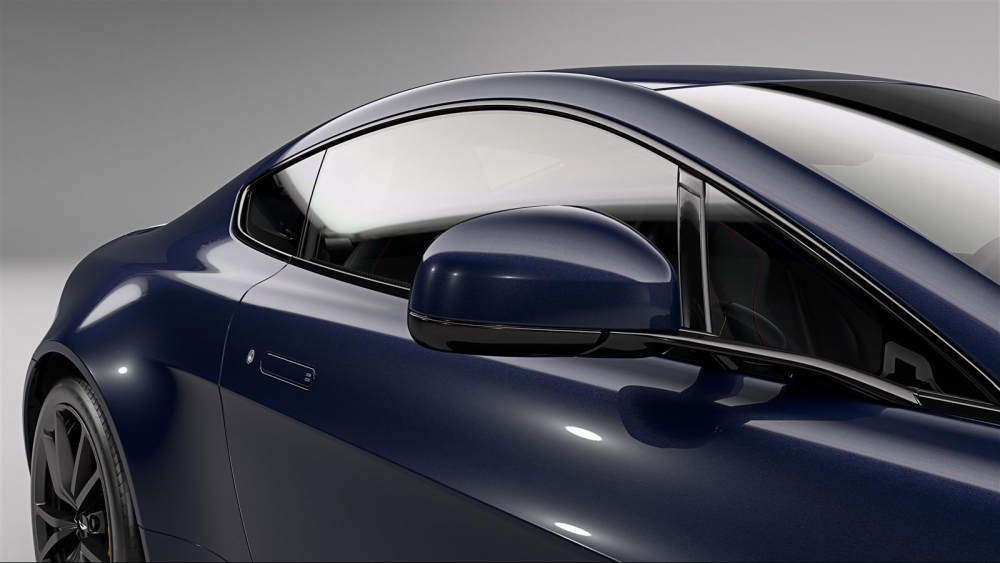
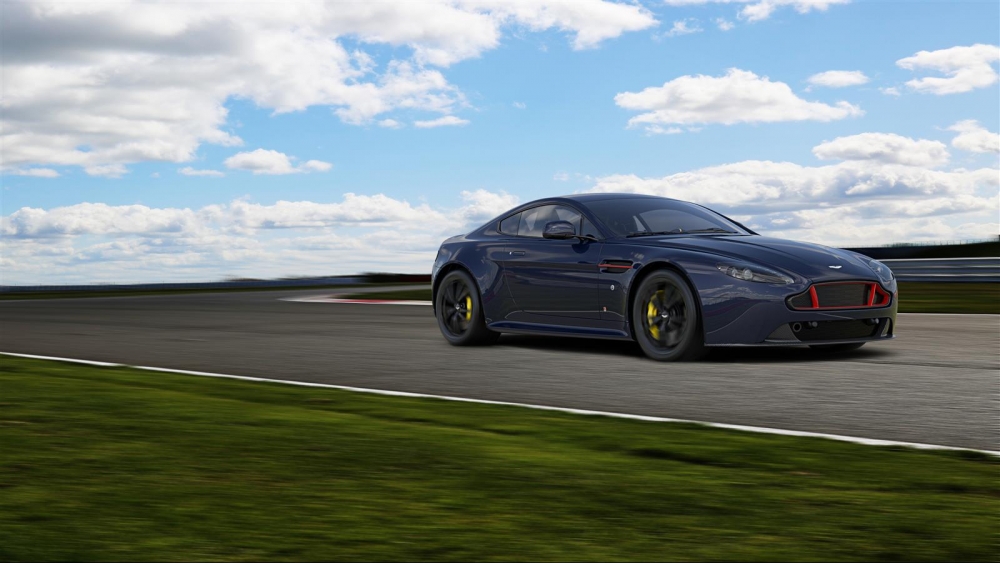
- 02/03/2017Taking inspiration from Red Bull Racing’s distinctive race livery, the special edition is finished in deep Mariana Blue paint finish as standard although optionally, the car can also be finished in gloss Tungsten Silver or satin Mariana Blue too.
Also fitted as standard are a carbon fibre splitter, diffuser, grille and side strakes. Red infills on the carbon fibre grille and yellow calipers complete the iconic Red Bull colour scheme.
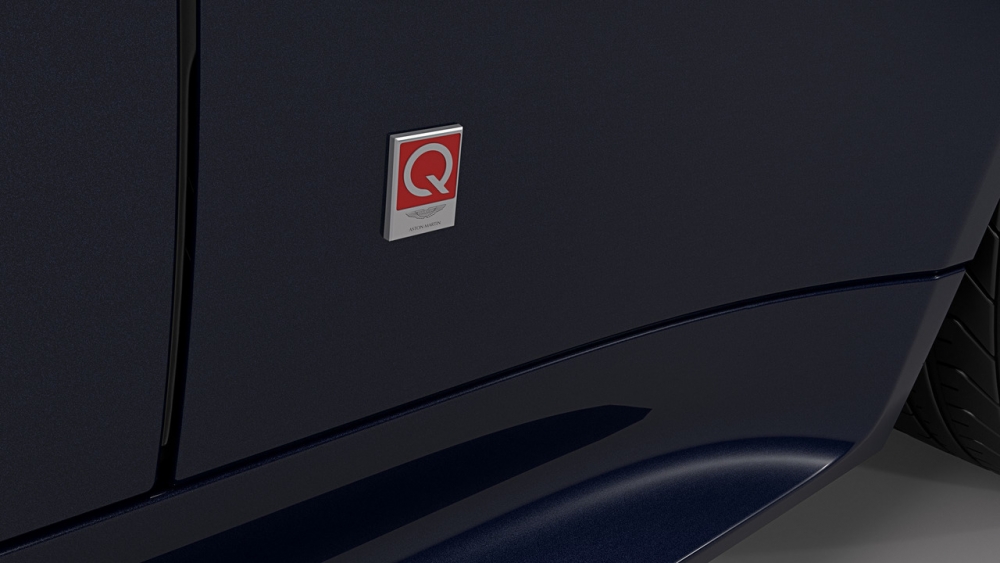
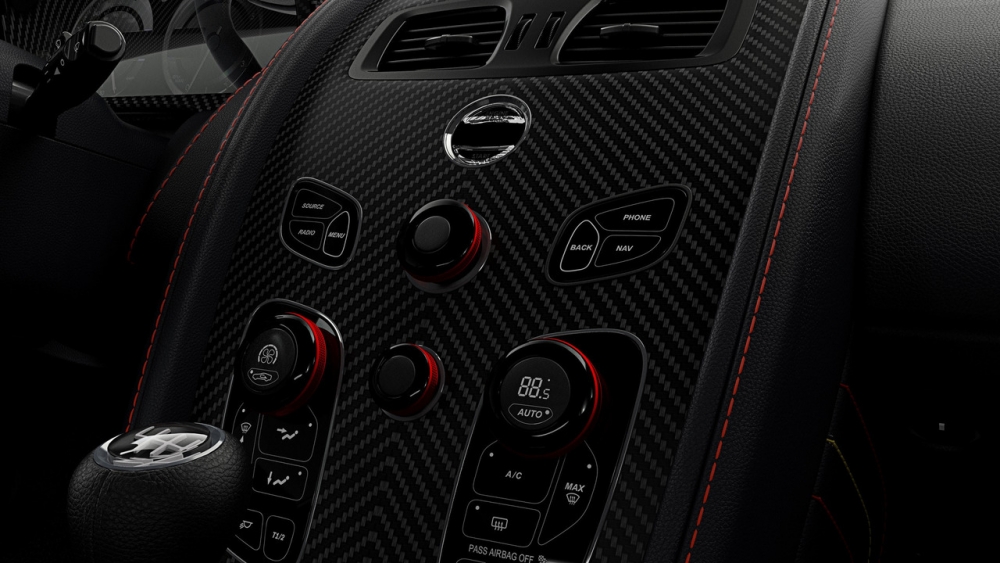
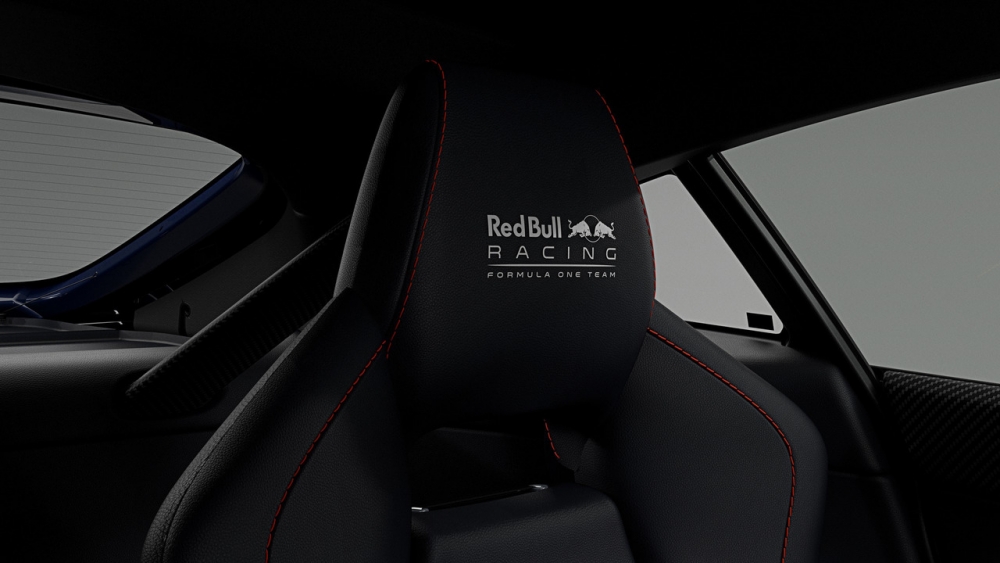
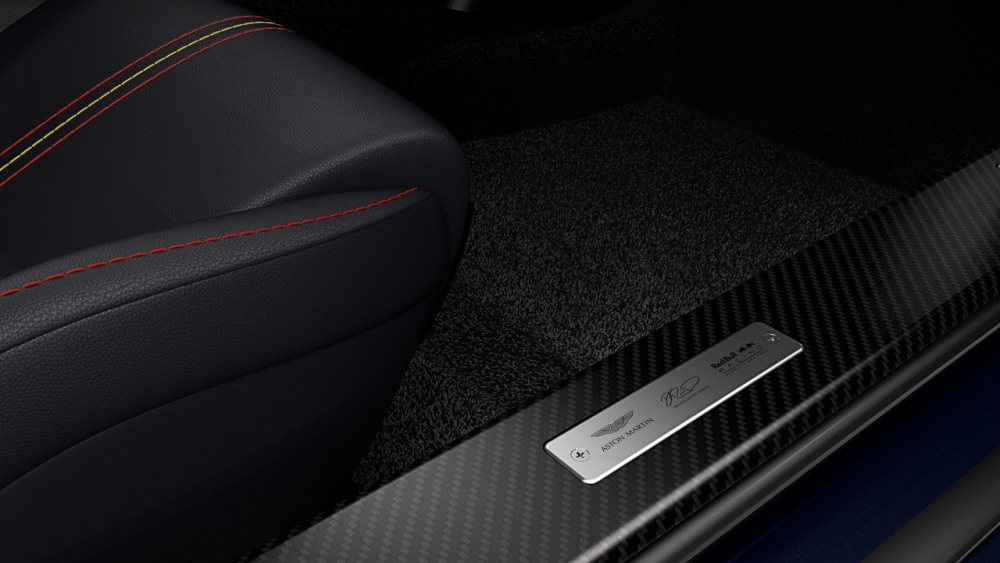
Inside are further sporting features, including Red Bull Racing headrest embroidery, carbon fibre trim inlays, and a colour-coded leather steering wheel complete with 12 o’clock accent stripe. Customers may opt for their sill and final inspection plaques to be signed by either of the two 2017 Red Bull team drivers, Daniel Ricciardo or Max Verstappen.
Deliveries to customers began in the second quarter of 2017.