Latest News - 01/09/24

What's New @ AstonMartins.com?

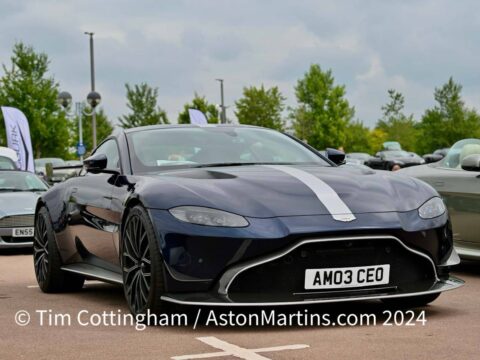
Vantage AM6 CEO by Q

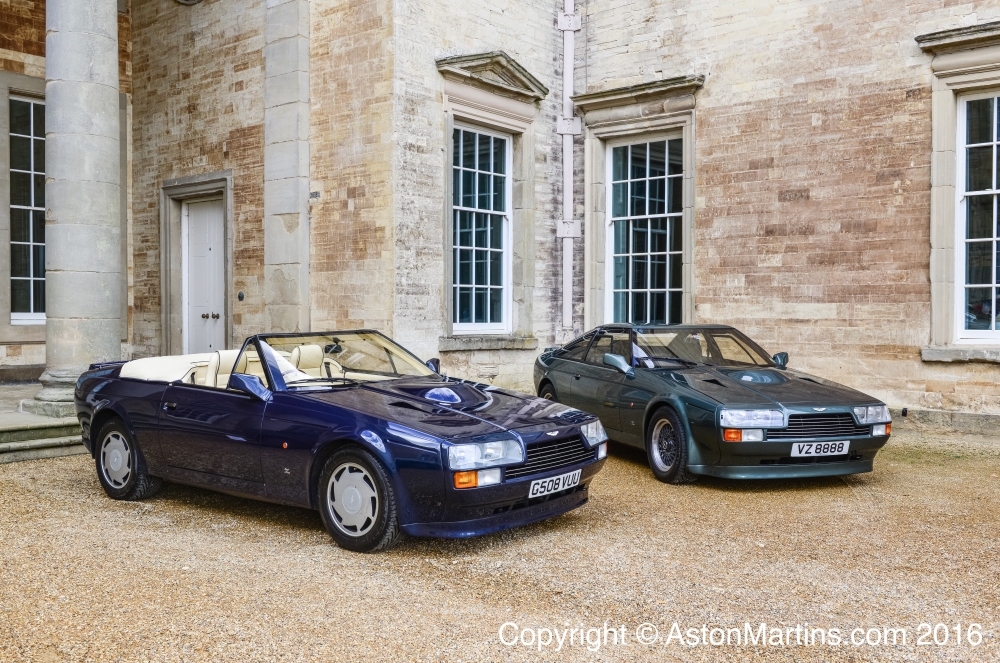
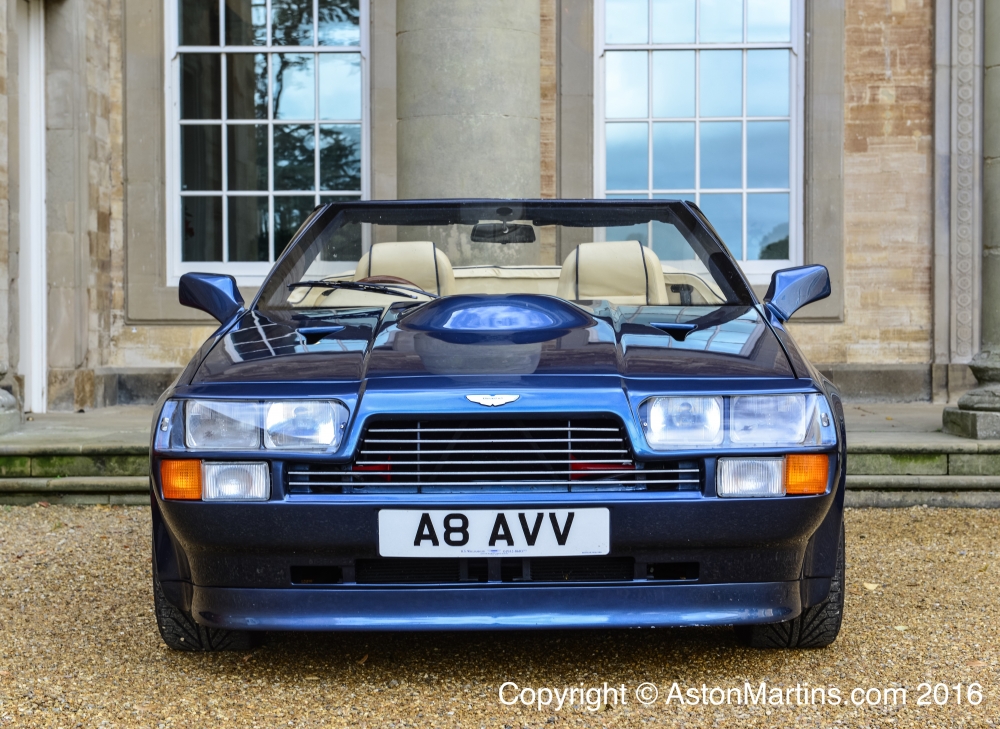
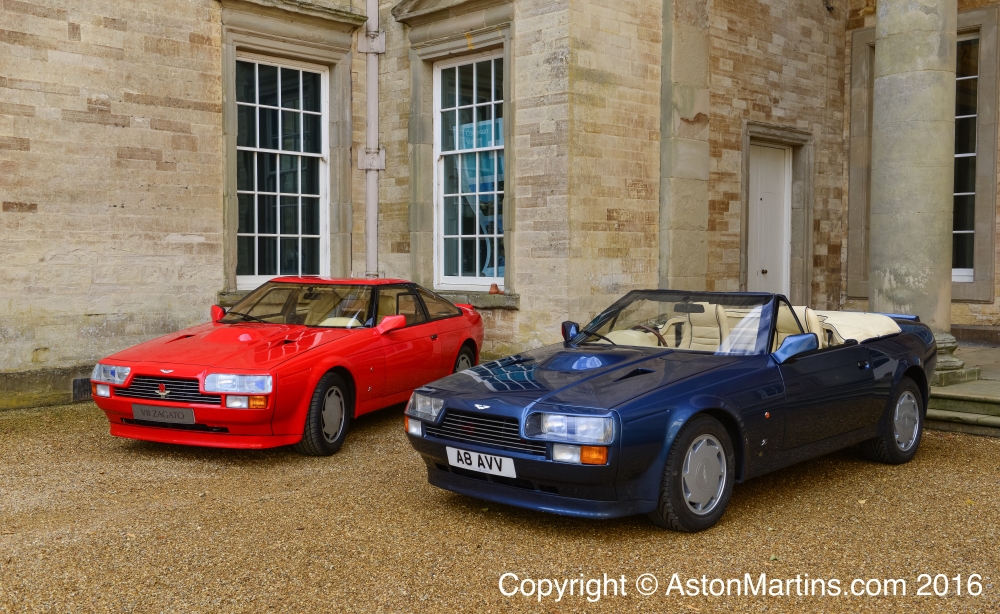
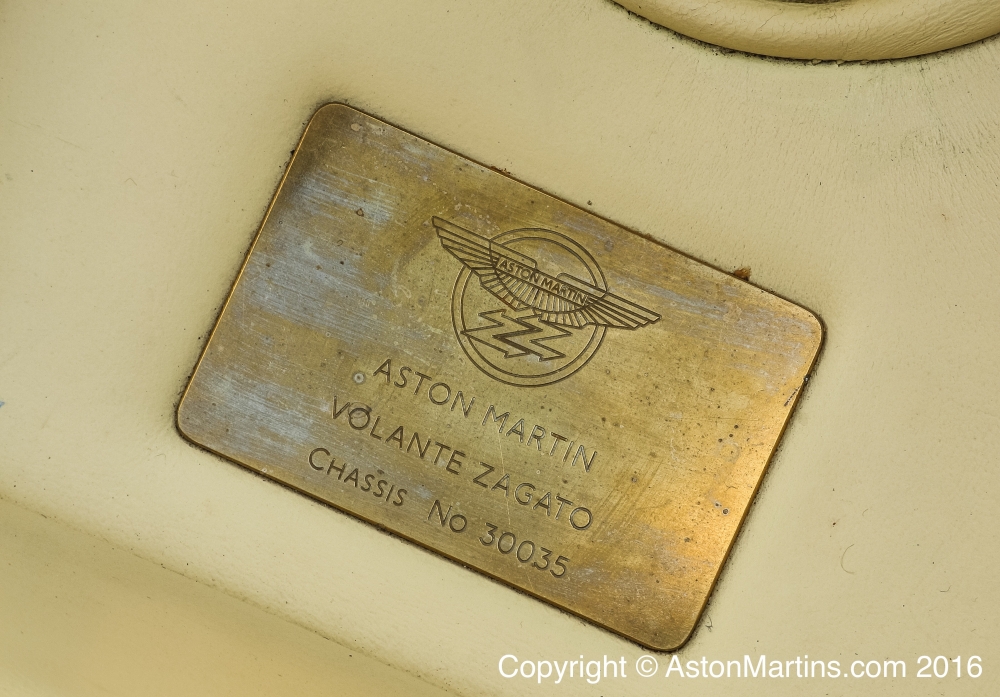
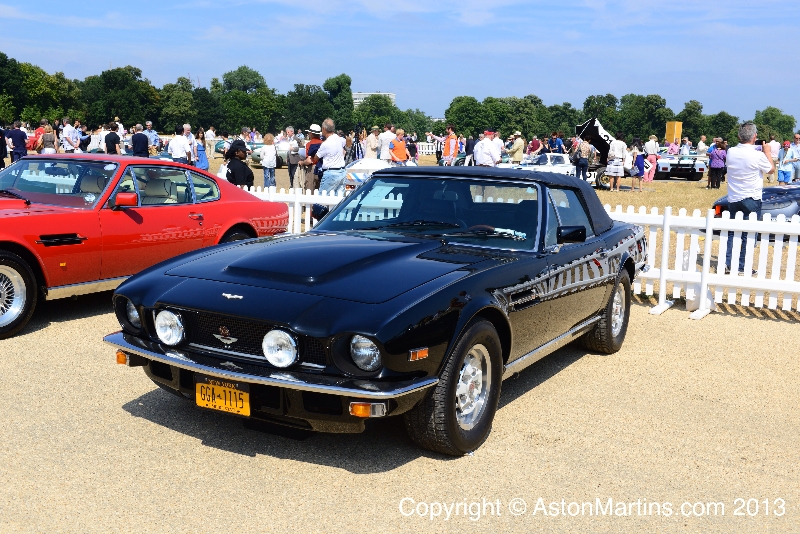
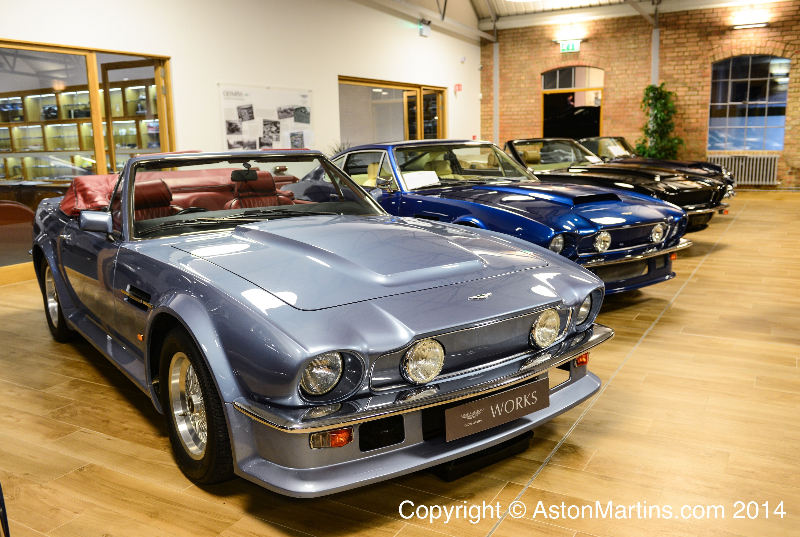
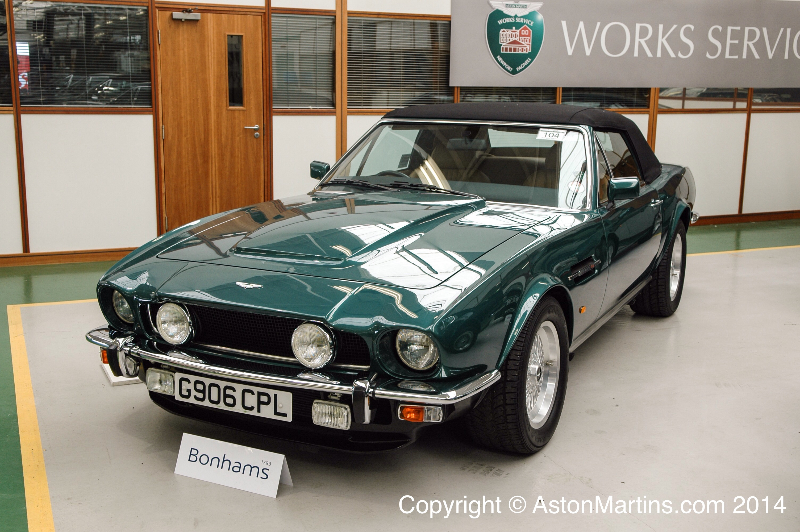
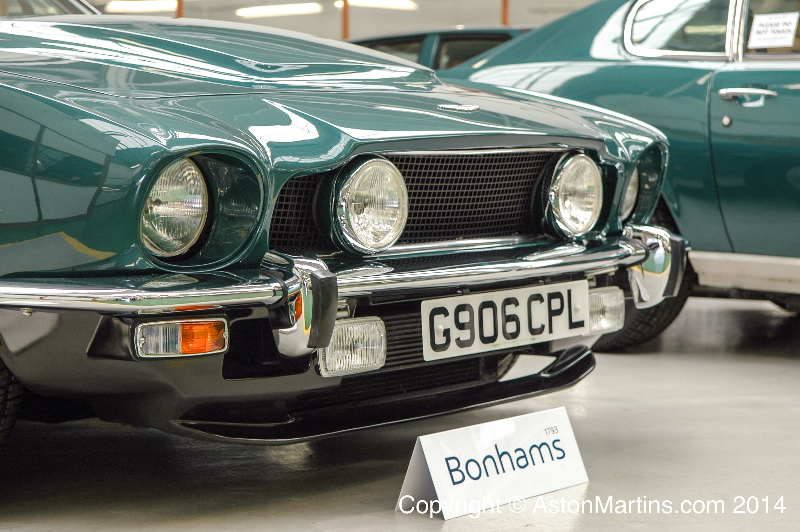
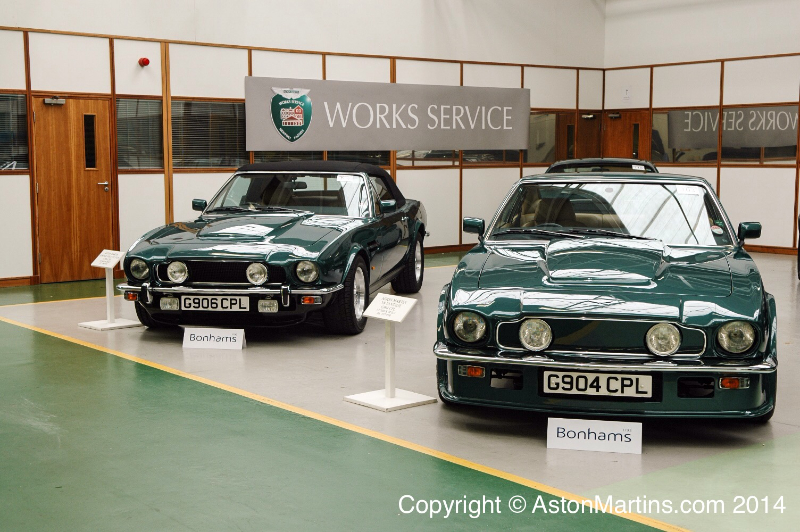
V8 Volante Zagato to Vantage spec

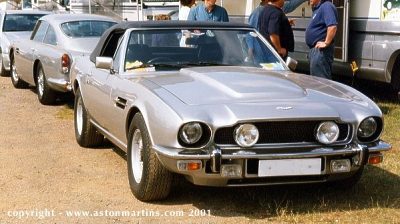
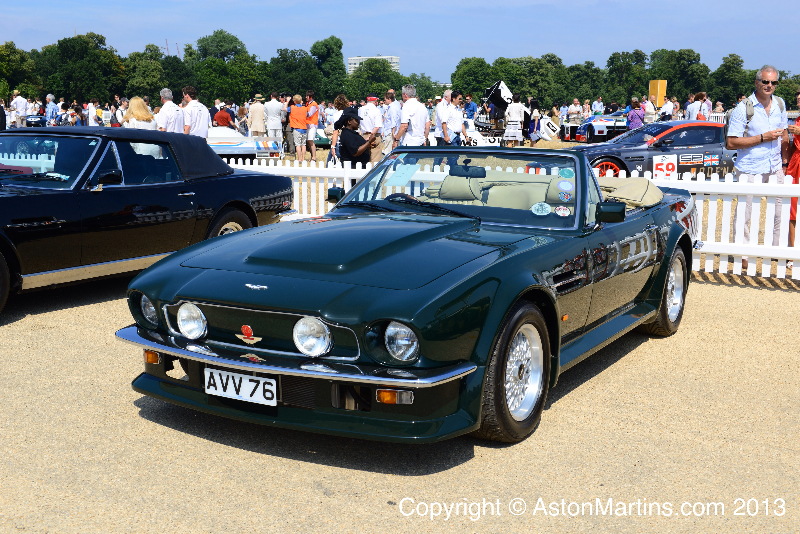
Is it just my eyes or is the styling of the Vantage Volante more settled and attractive than the coupe. How fast? who knows, but certainly in excess of 180mph and 0-60 in under 5 seconds.

The car above not only was built to Vantage spec with Weber carburettors but the engine was enlarged to 6.3 litre spec by Works Service before delivery.

V8 Volante (Weber carb)

The separate chassis of the V8 needed some additional strengthening to compensate for the lack of a roof and thus added an additional 70 kg to the weight. This blunted performance slightly as did the standard fit automatic gearbox; yet a maximum speed of a little over 140mph and 0-60mph 7.7 seconds was more than satisfactory.

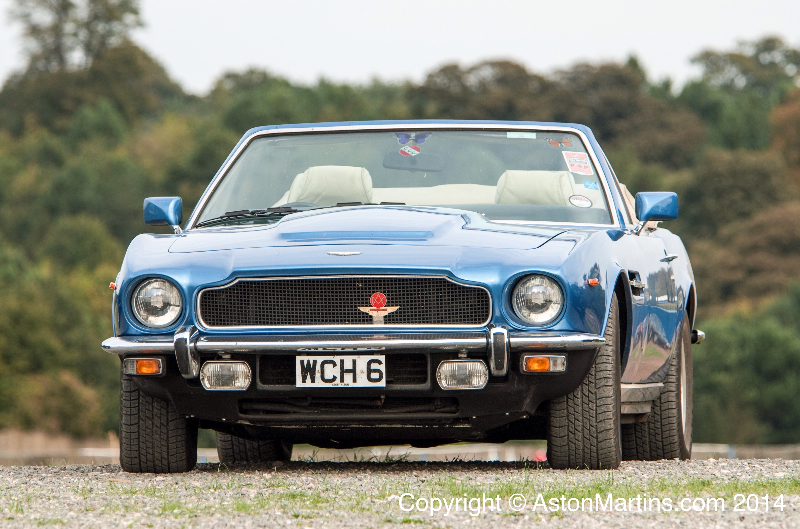
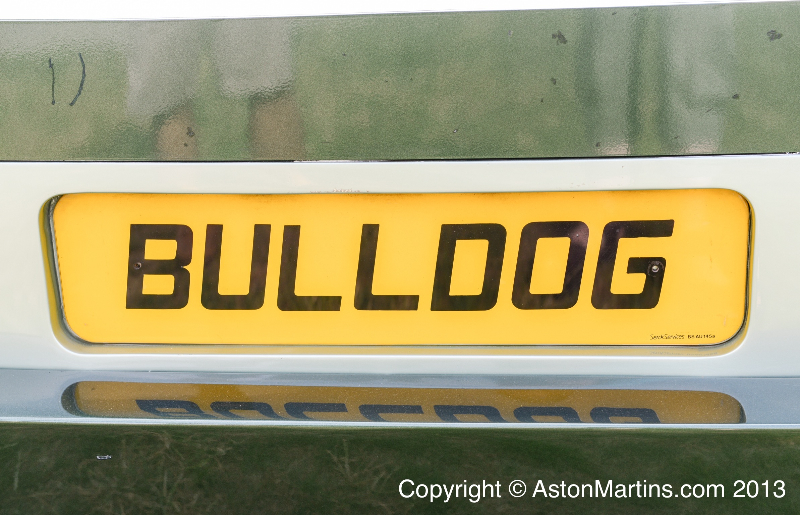
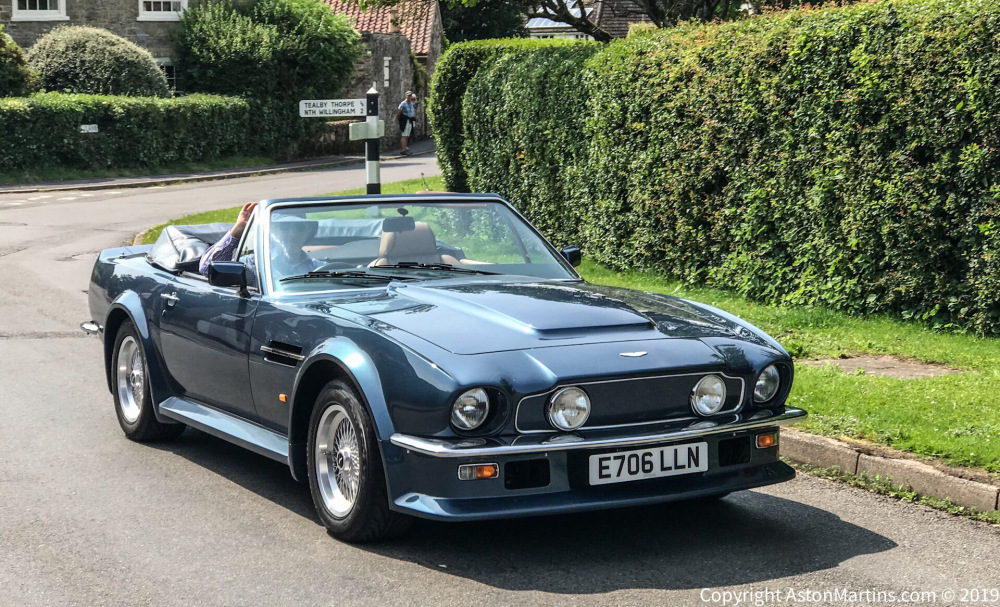
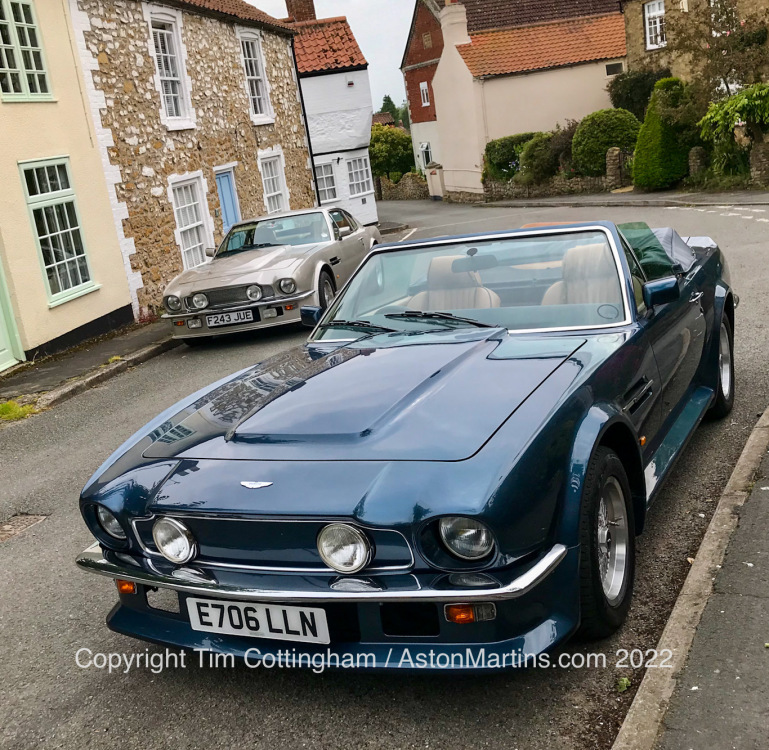
The car was so popular in the US that for many months, the only right hand drive example was the prototype (pictured above). This car was shown at the UK motor show in 1978, was extensively road tested and reviewed in motoring magazines and was the personal car of Alan Curtis, who at the time was Managing Director of AML. It is still finished in it’s original Tourmaline Blue although it no longer carries the prestigious AML1 numberplate.

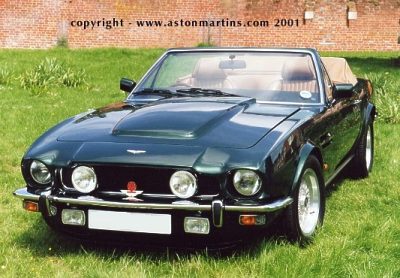
Picture below is an early right hand drive series one Volante, easily identified by the bulge in the bonnet needed to clear the four Weber carburettors. Indeed, this style of bonnet was first seen on the Volante and only transferred to the saloon with the introduction of the ‘Oscar India’ four months later. This was once a works car and thus wore the famous AML 1 registration number .

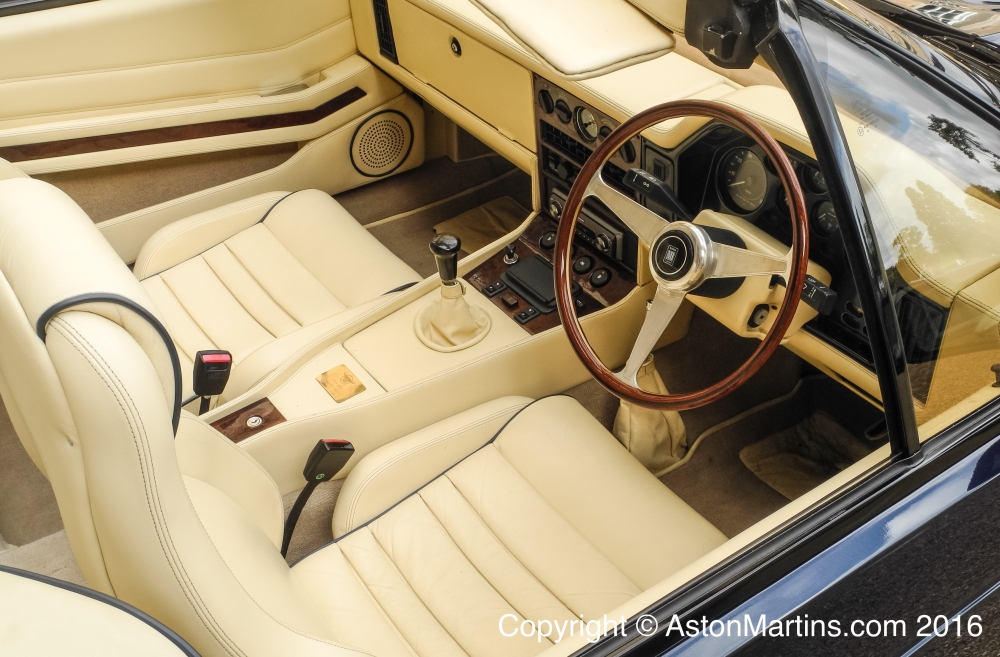
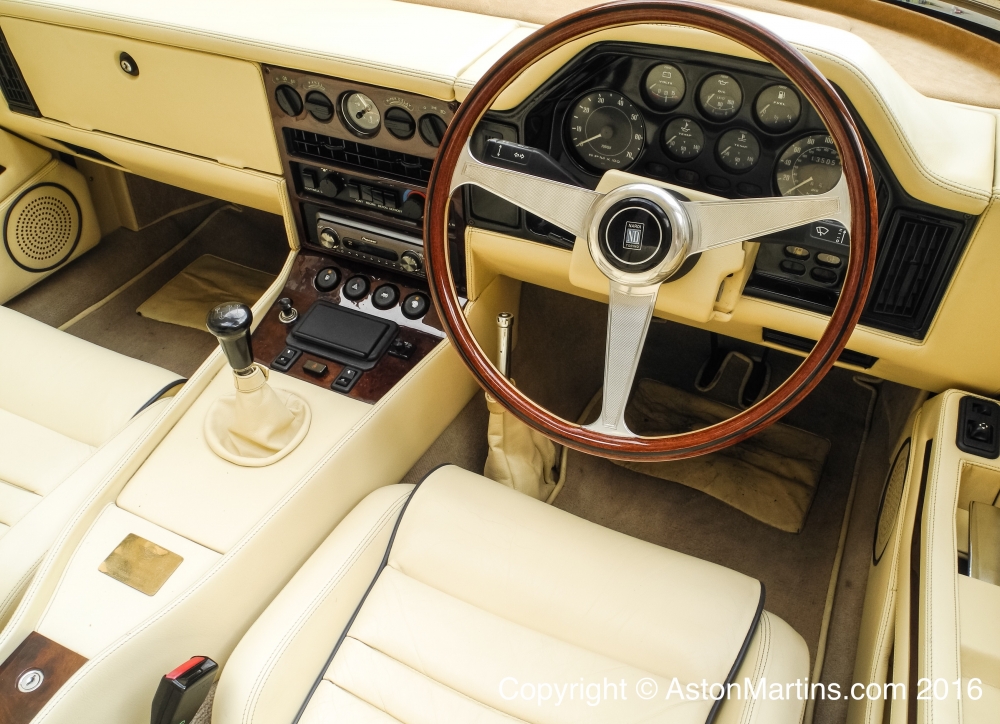
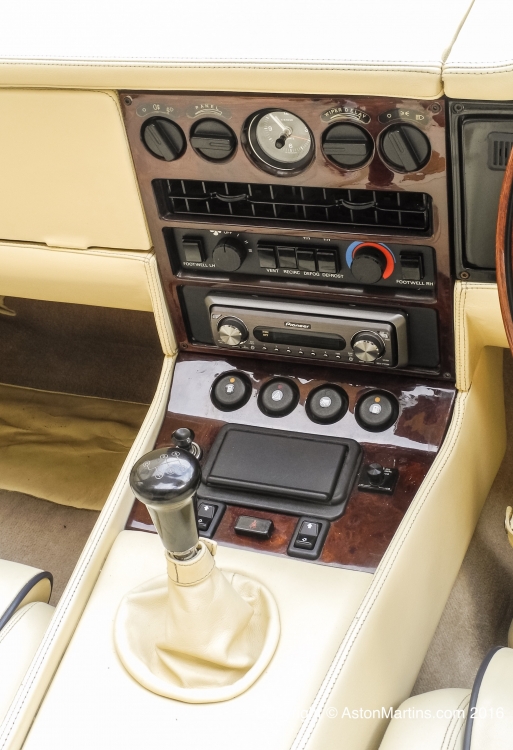
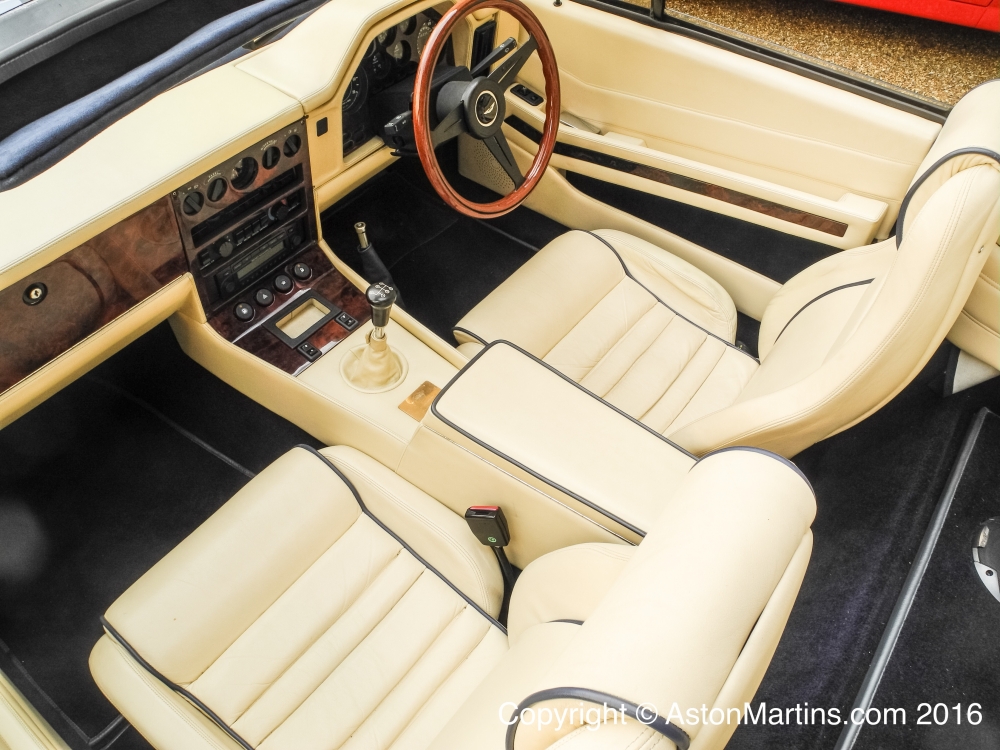
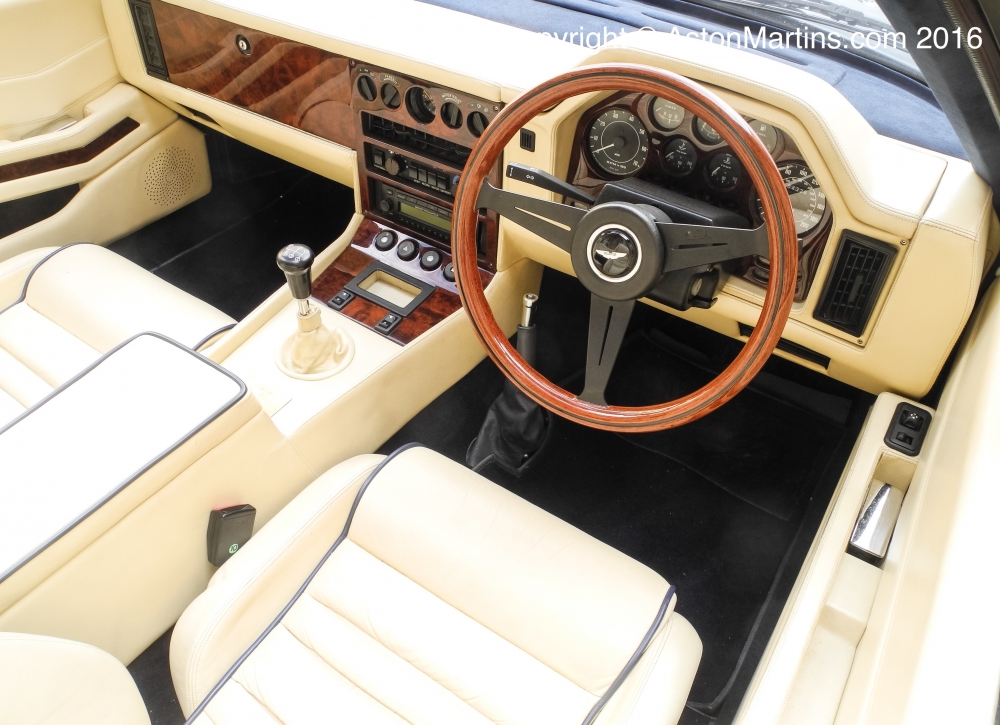
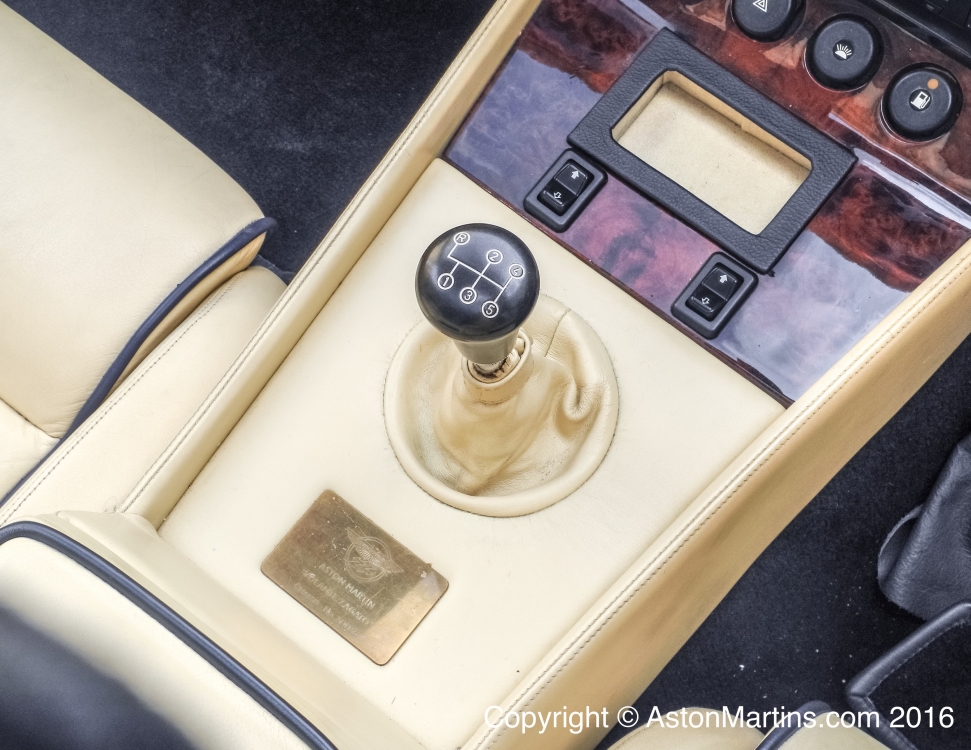
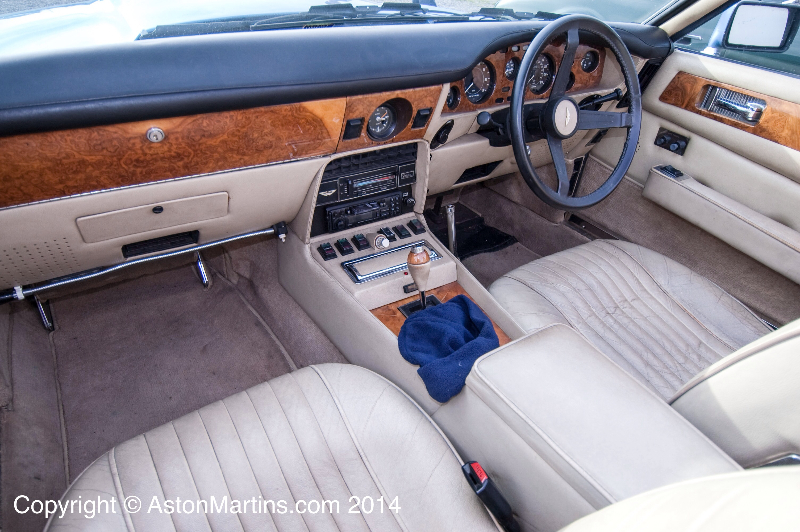
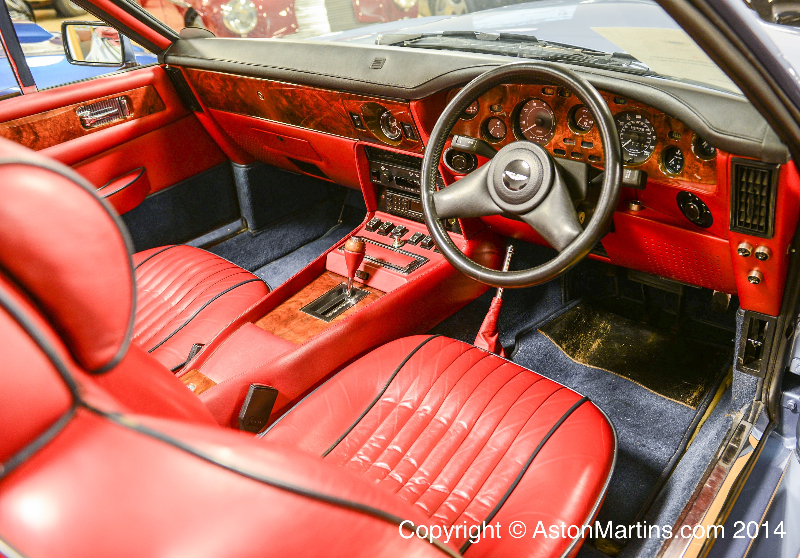
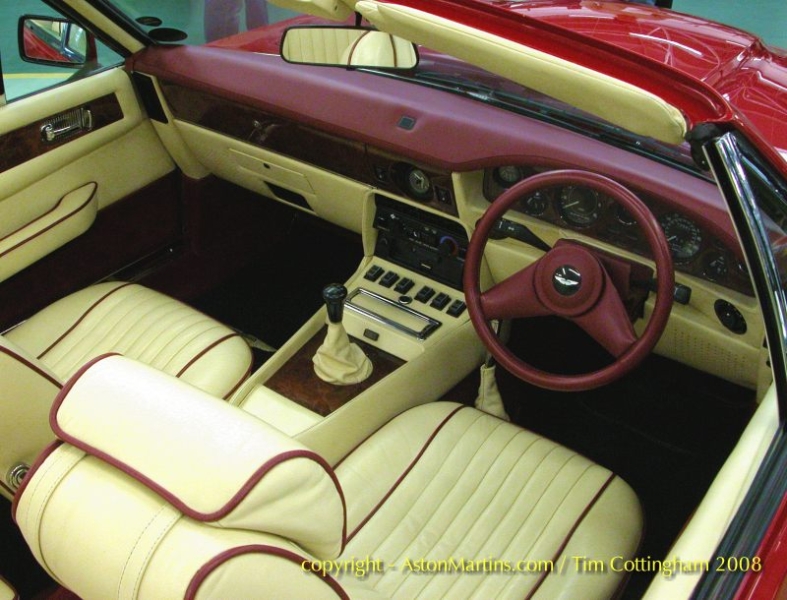
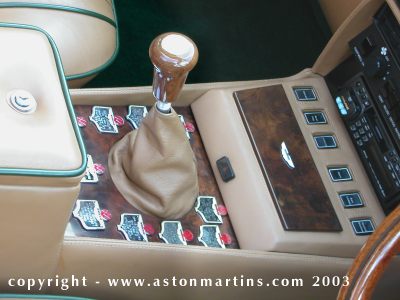
Walnut veneers made a welcome return to Aston Martins in the Volante. And again, a few months later, the saloon also received the the rich burr walnut veneers. Wood has been a feature of Aston Martins ever since then and until 2001 with the Vanquish, which has no wood inside whatsoever. The car with the blue interior is a rare manual Volante.

As one might expect, the Volante is more sought after than the closed saloon and often used values are at least 100% higher. But the blue car above was somewhat the exception to the rule at the Brookes/AML auction in May 2000. Whilst only described as ‘fair’ condition, the early Volante found a new owner for a modest £19,550 including commission. I would doubt you could buy the same car today for such little money.

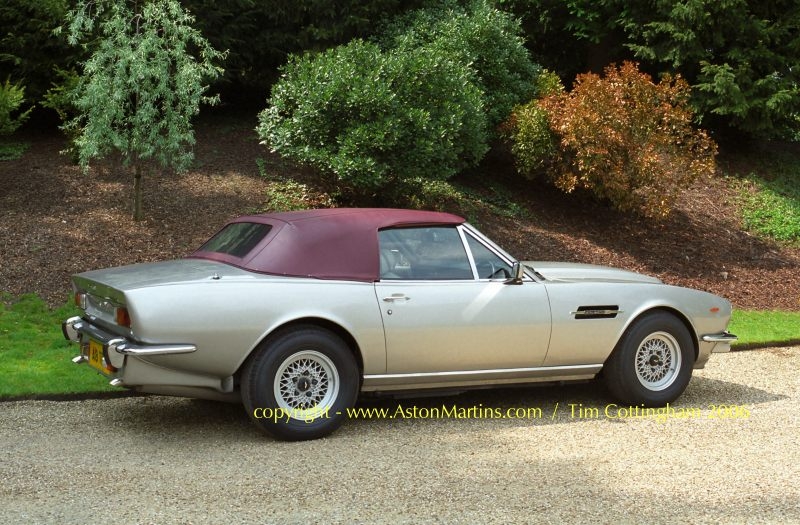
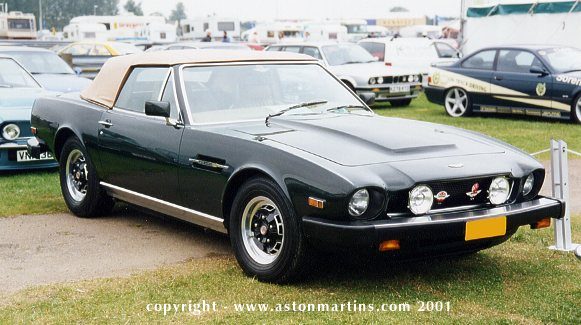
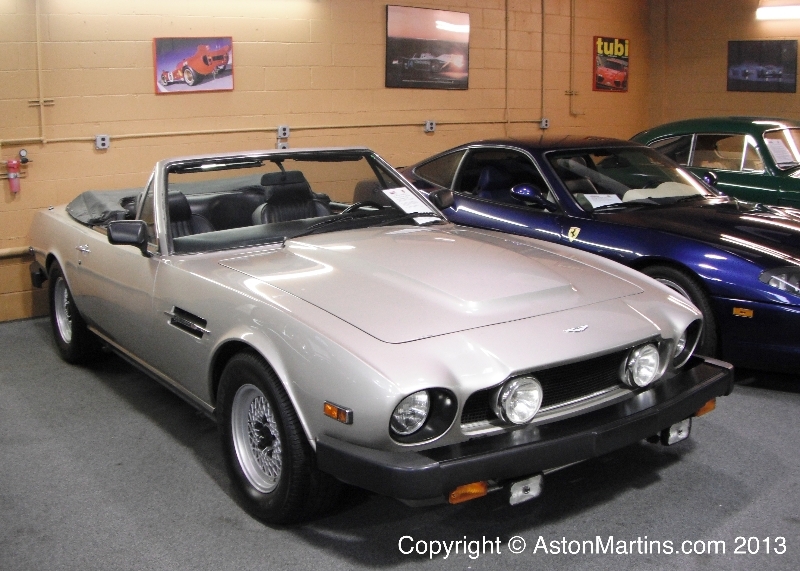
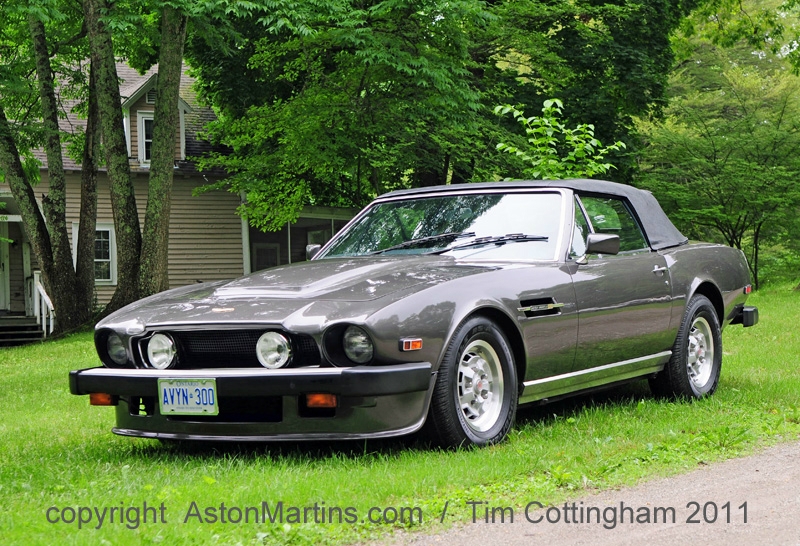
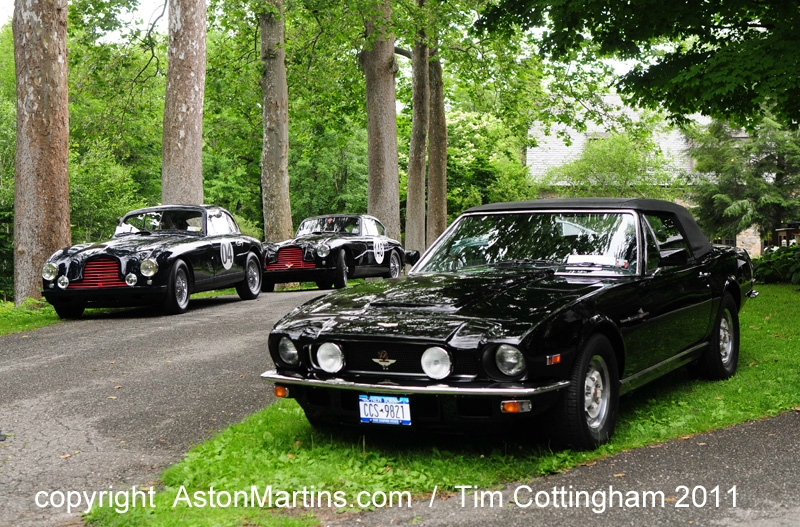
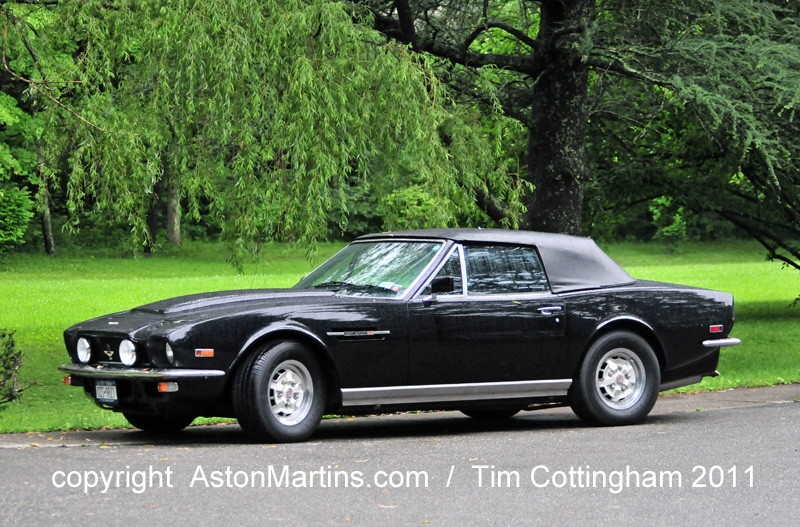
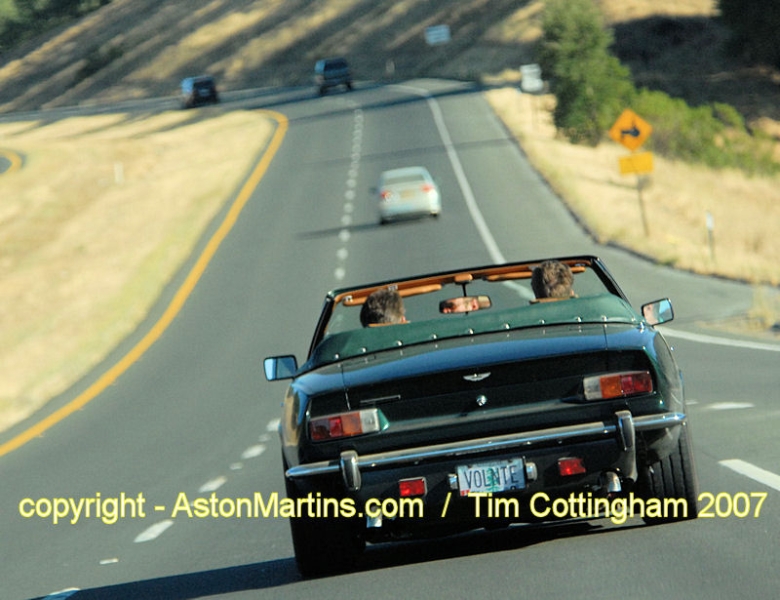
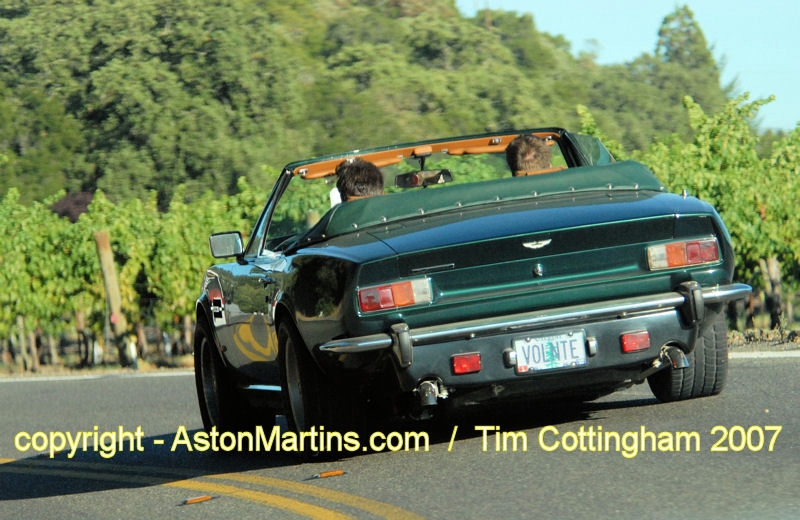
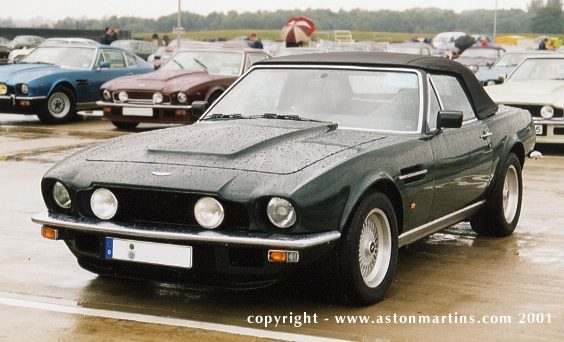
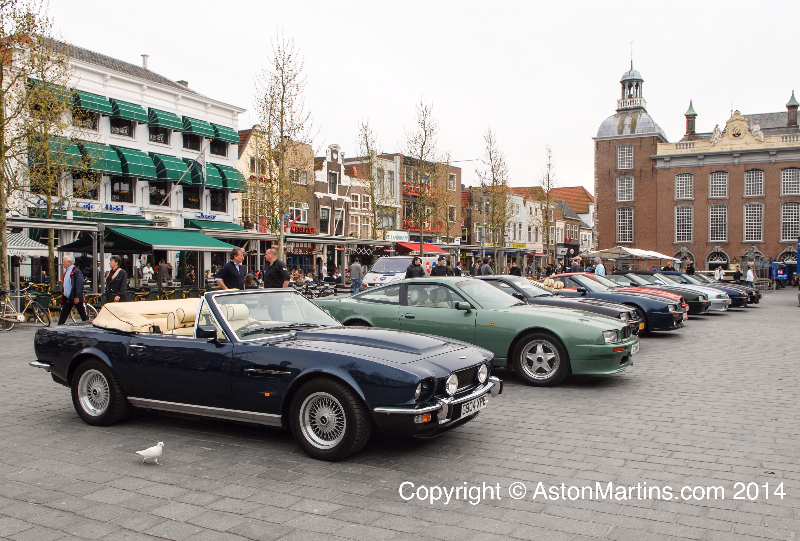
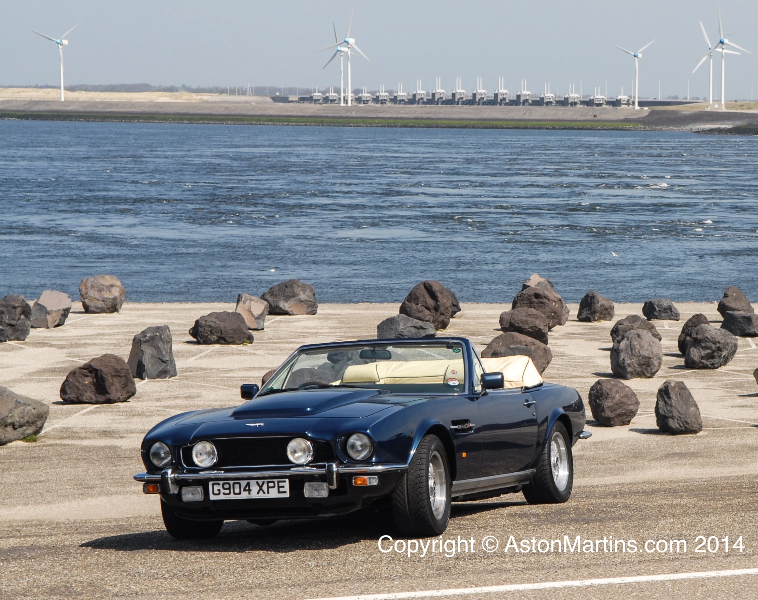
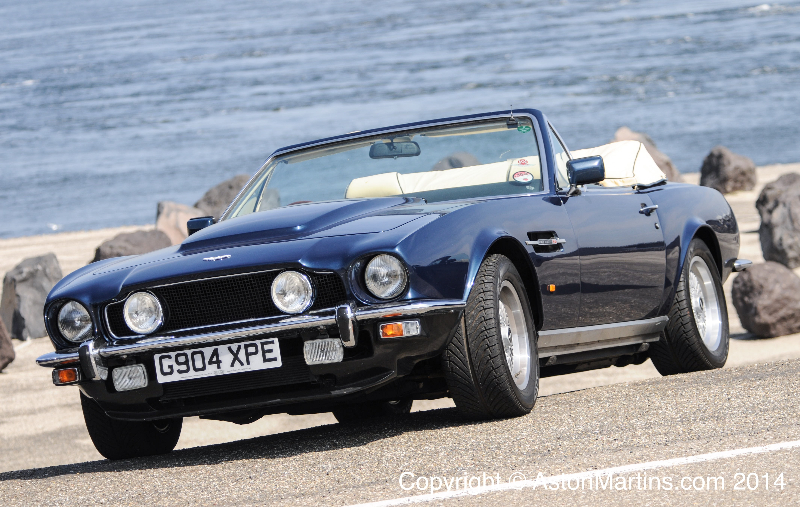
All four Volantes above are later carburettor cars and are fitted with the attractive BBS cross spoke alloy wheels which replaced the GKN wheels Even with the power operated hood erected, the car is still extremely handsome.

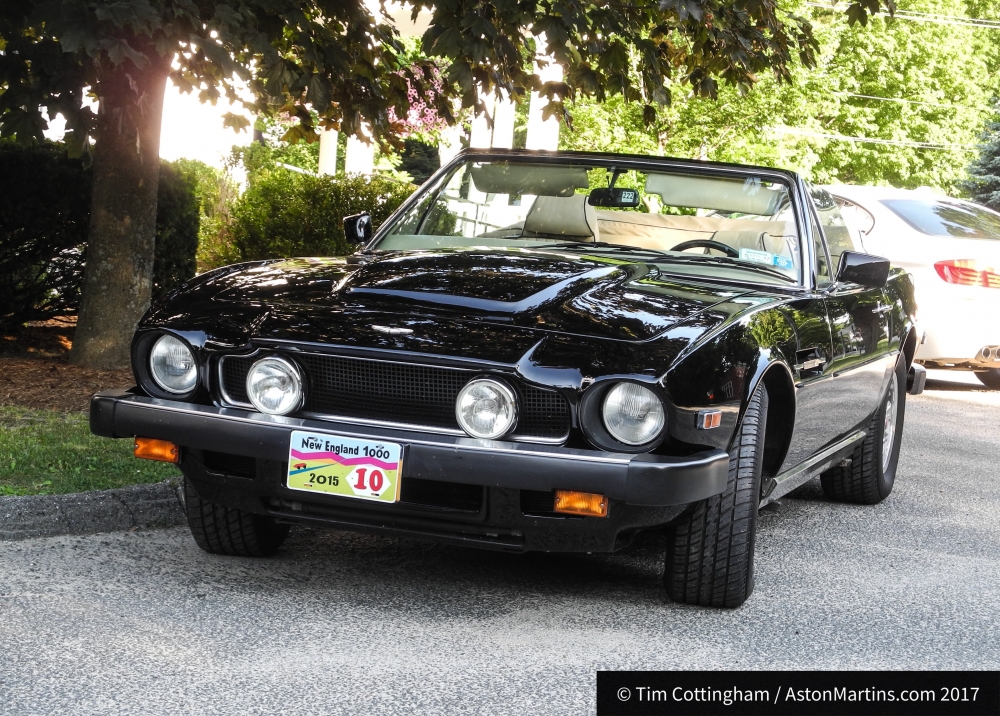
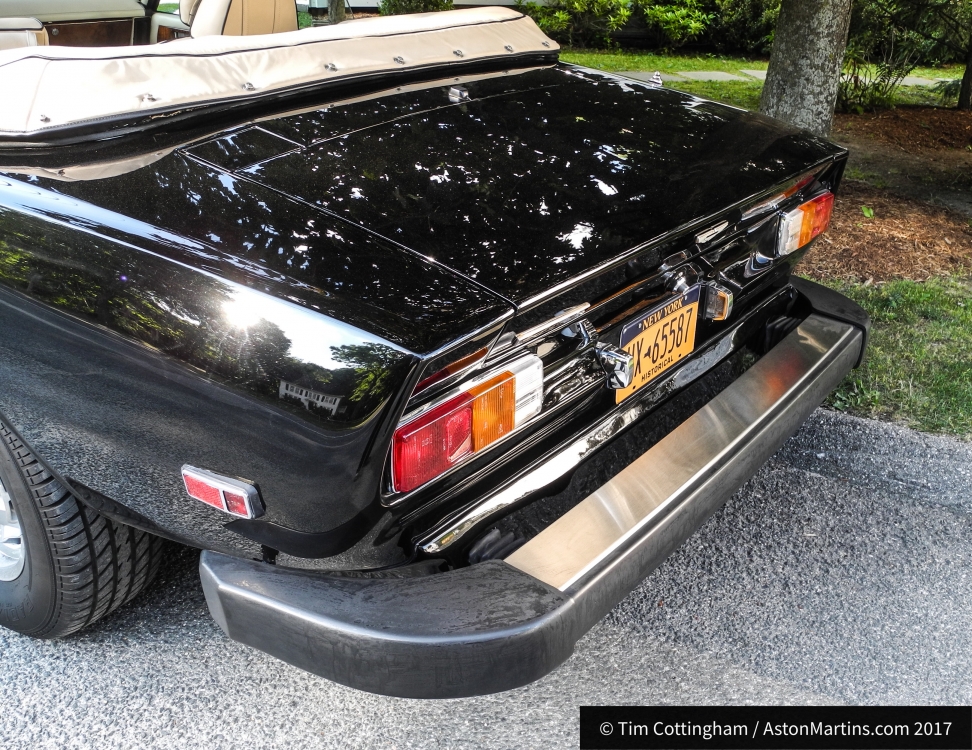
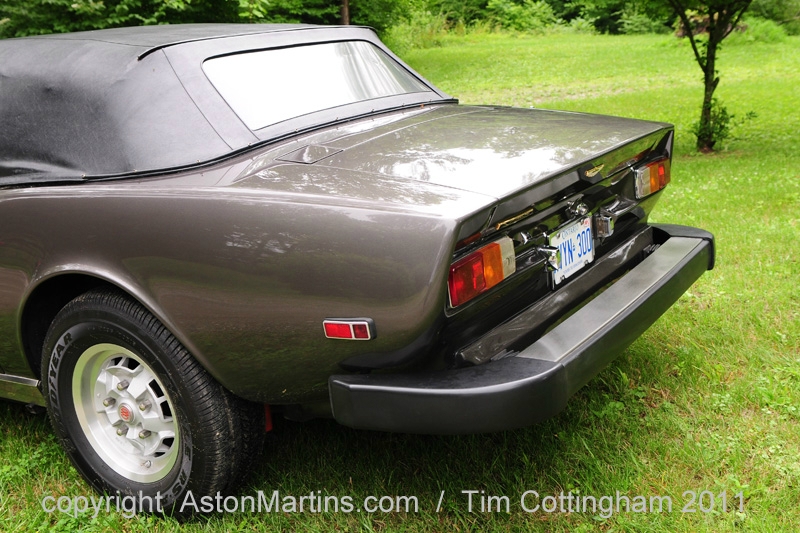
Initially the US cars had chrome bumpers just like all the European cars. But after 1979 the huge black rubber DOT safety bumpers were standard on cars for the US market. This example is typical of cars exported to the US after 1979, although it actually resides in the Netherlands.

Many US owners would like to convert their cars back to chrome bumper Euro spec. Not too difficult for the front, but the rear needs modifications to the bodywork. See the V8 Volante Weber efi page and visit Autosport Designs for more information. And before you book your car in for a conversion, I will add that despite their looks, the US bumpers do provide excellent protection for the coachwork.

Production of the carburettor Volante continued until January 1985 with the introduction of the revised fuel injected car; a total of 439 examples were completed.

The Elite class at the 2003 AMOC Spring Concours, Waddesdon Manor

The Elite class at the 2003 AMOC Spring Concours, Waddesdon Manor

Bulldog

Bulldog

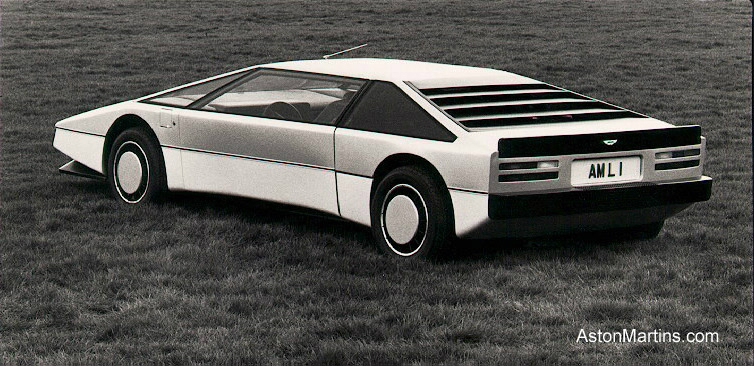
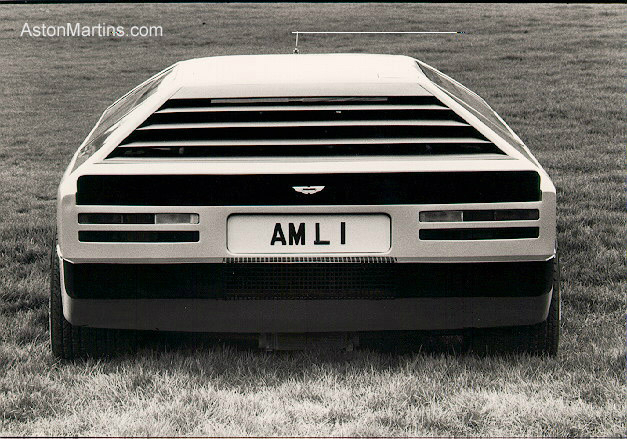
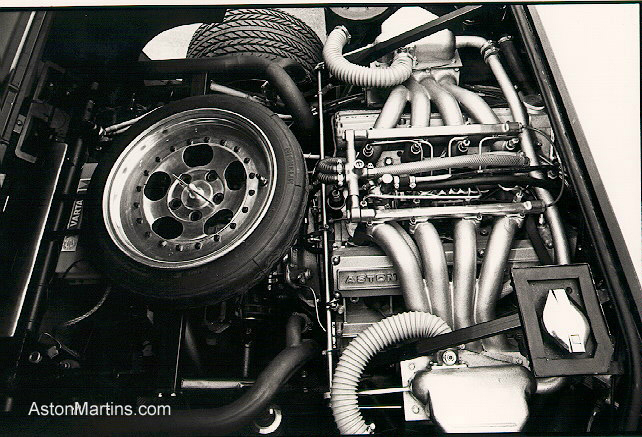
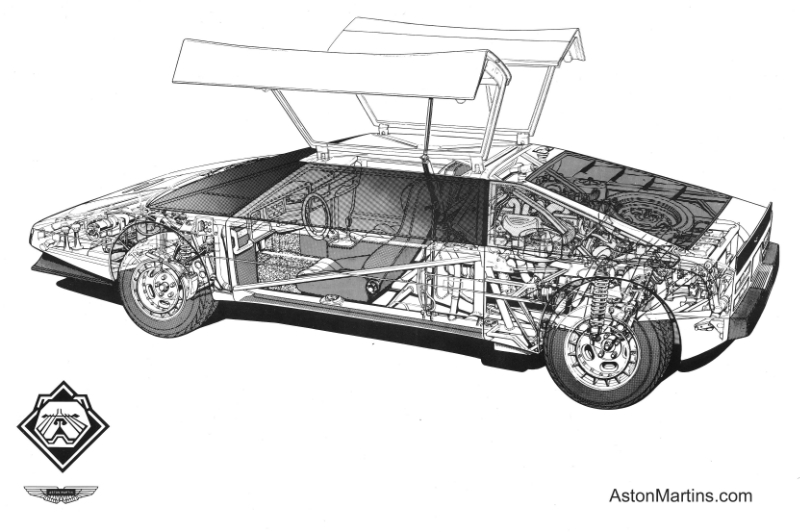
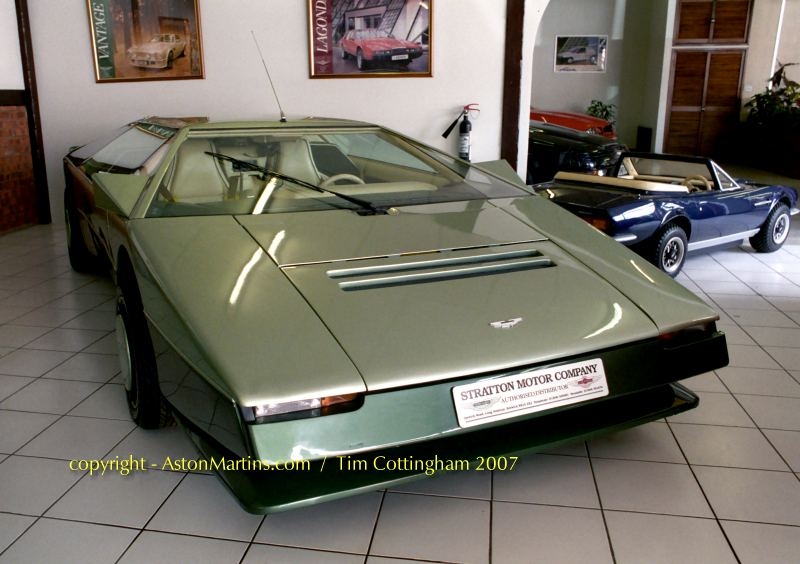
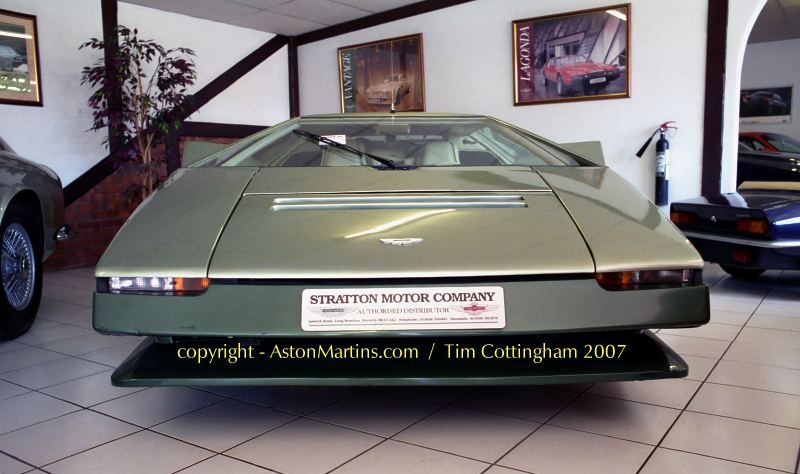
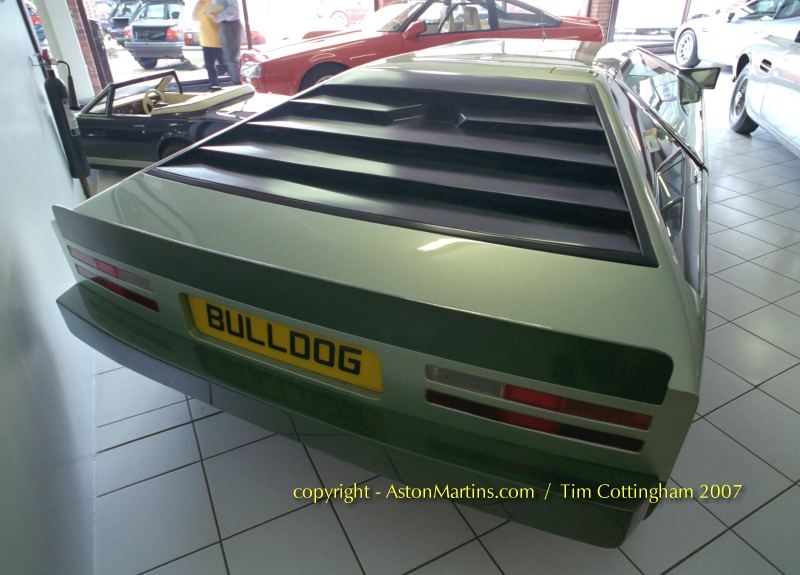
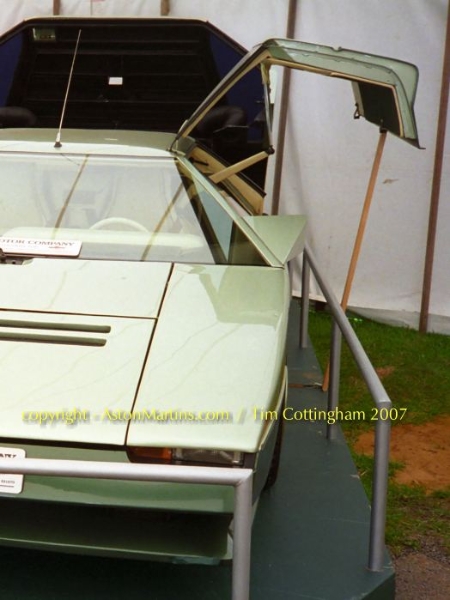
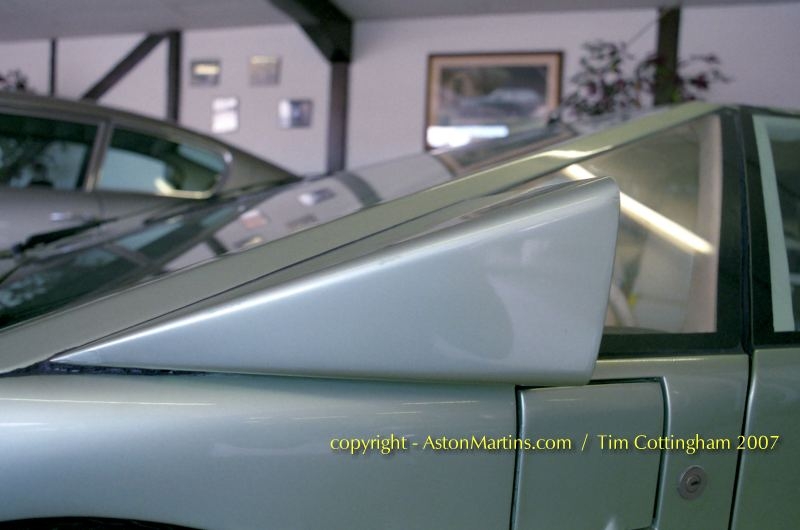
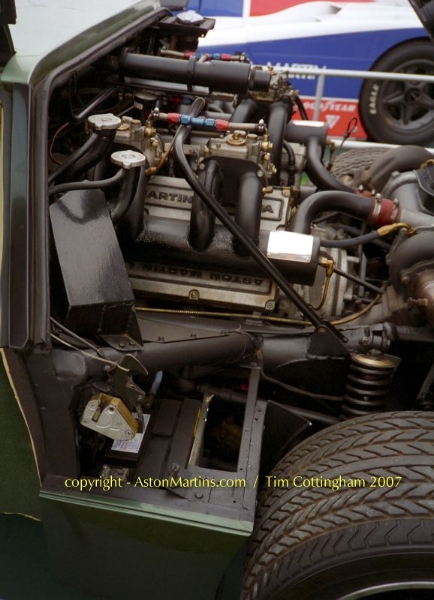
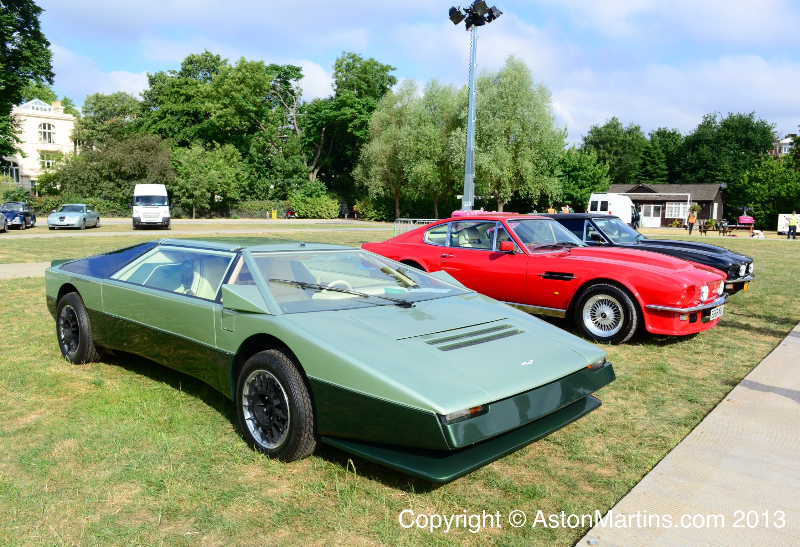
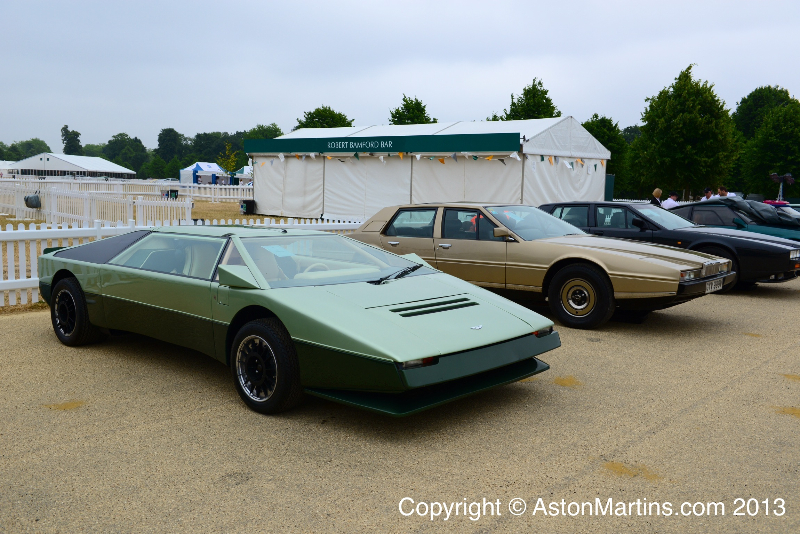
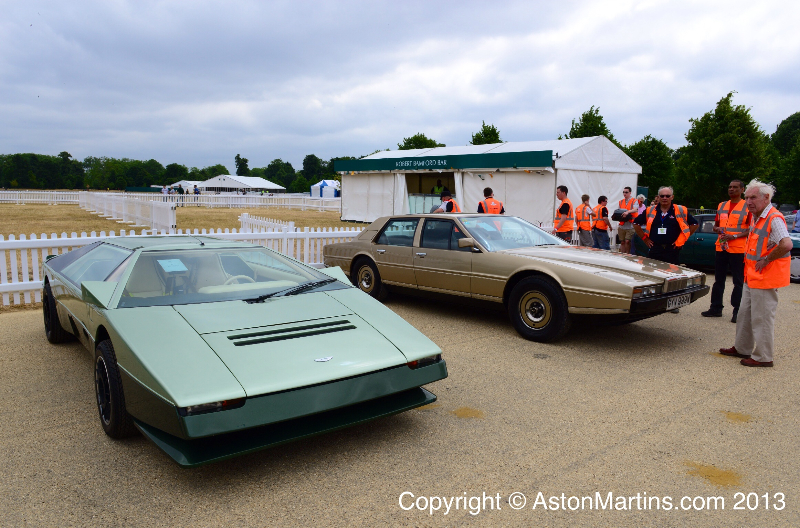
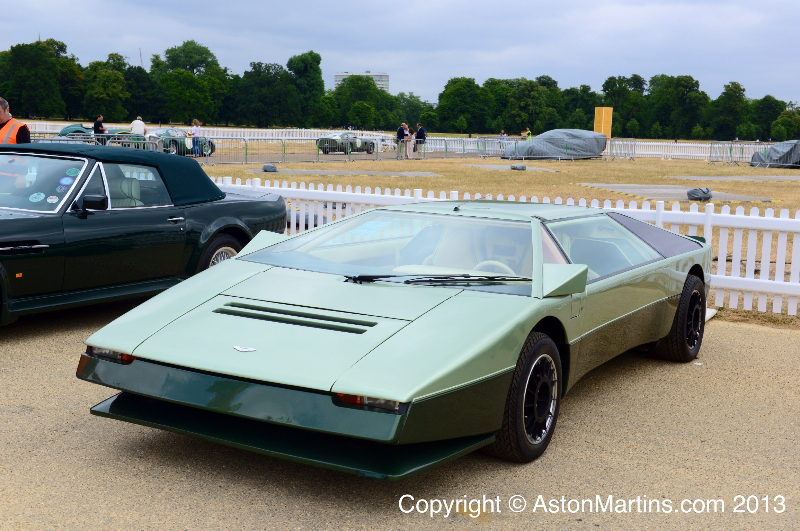
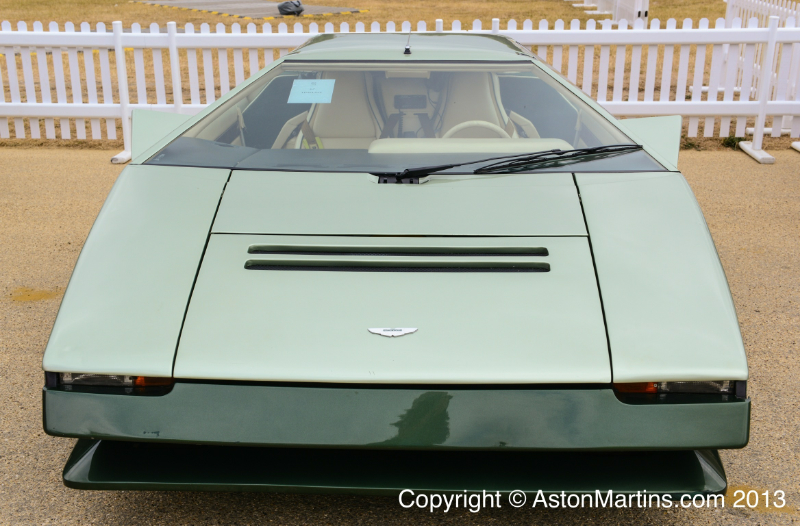
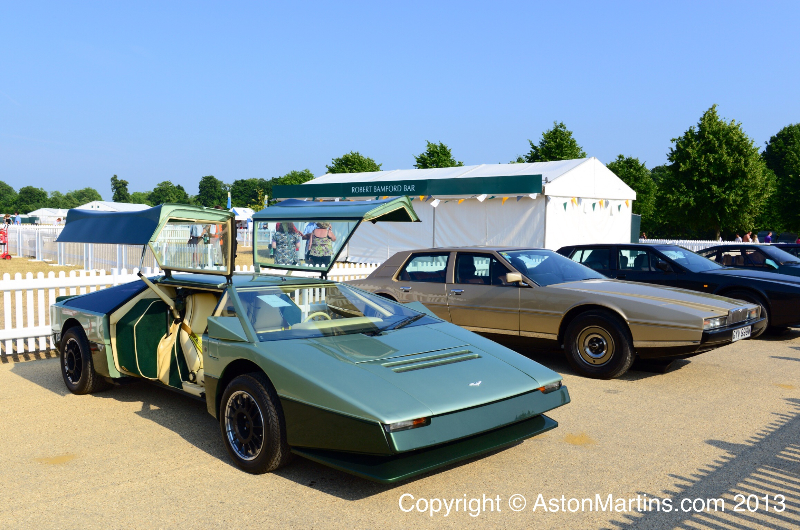
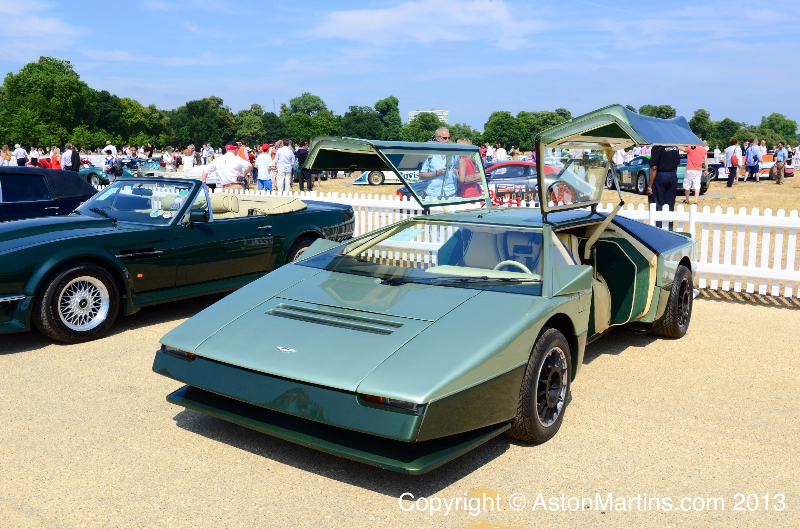
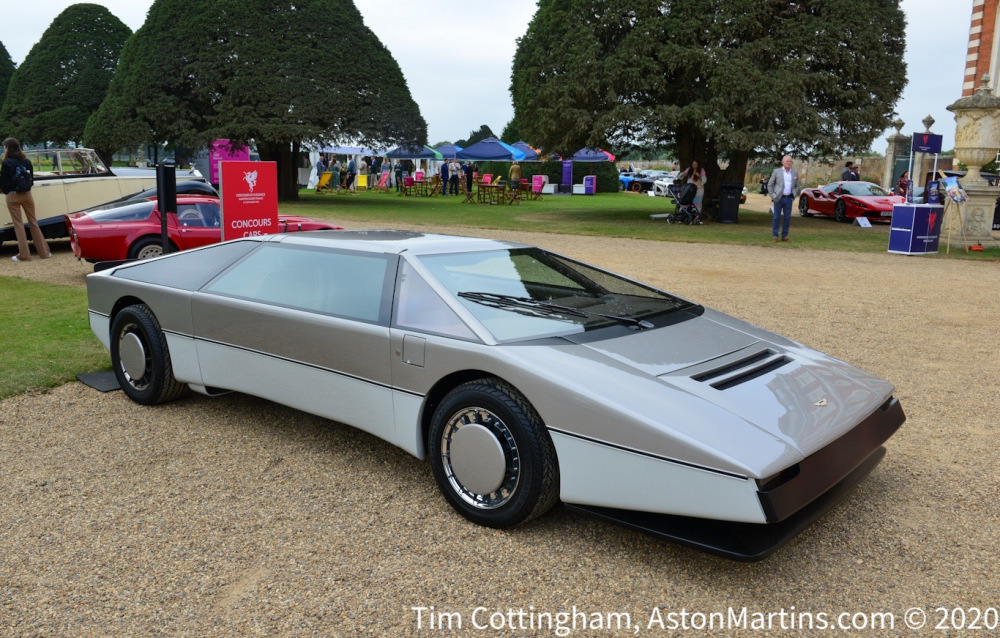
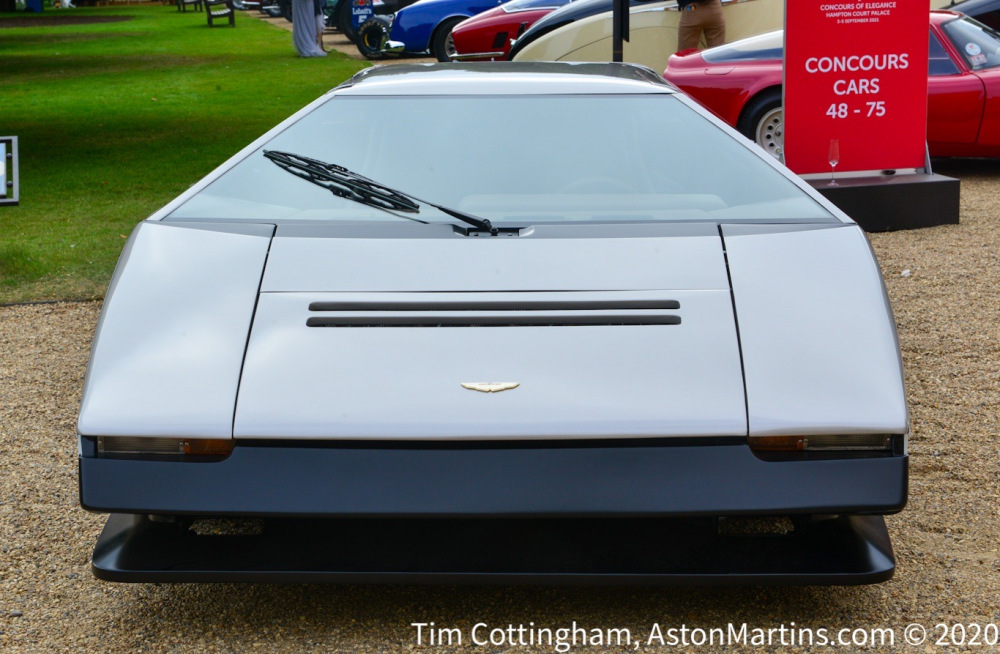
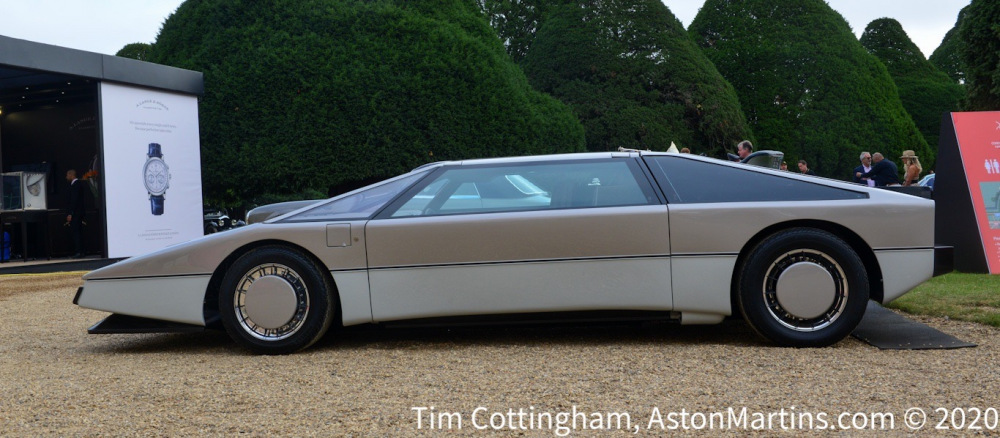
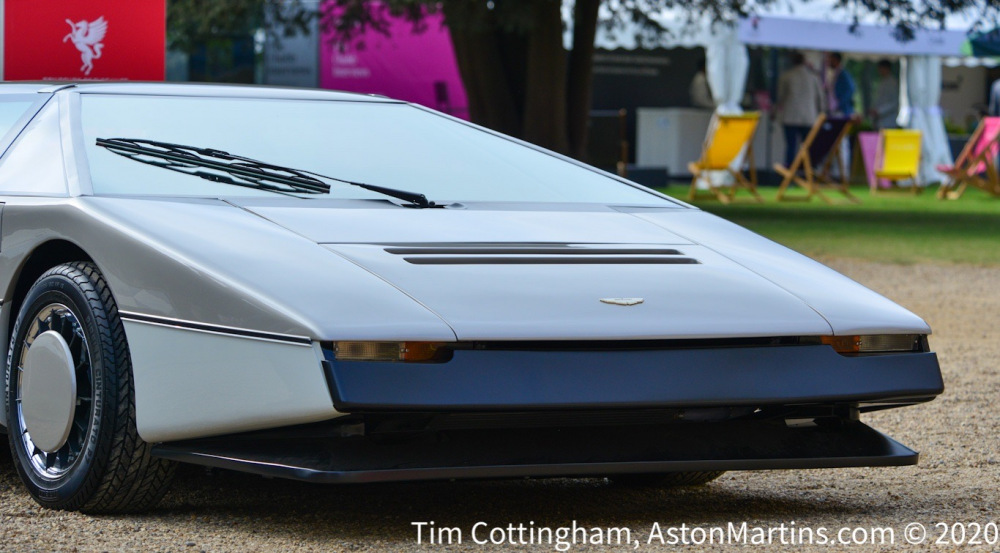
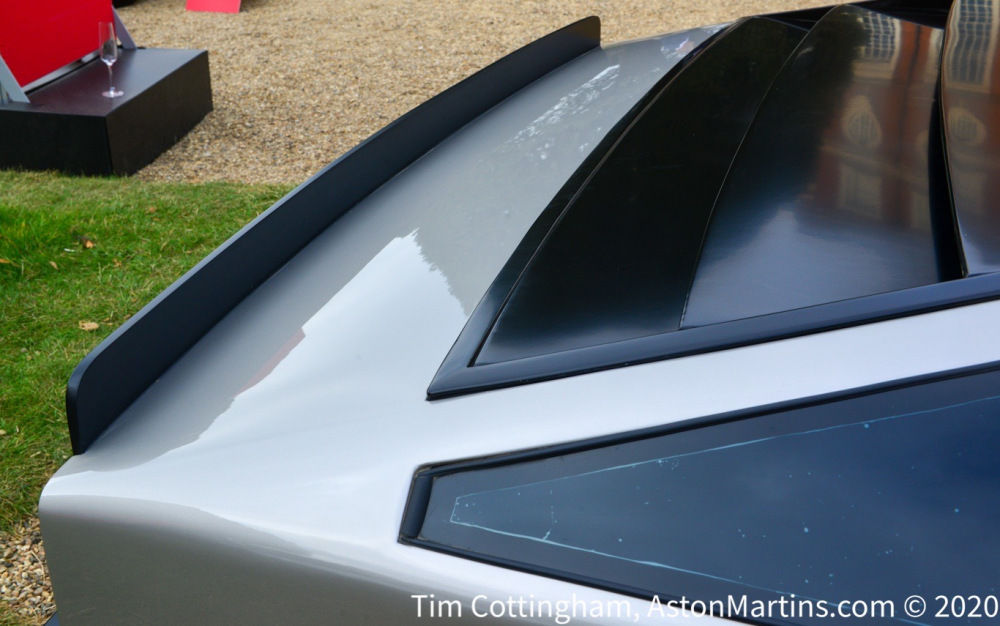
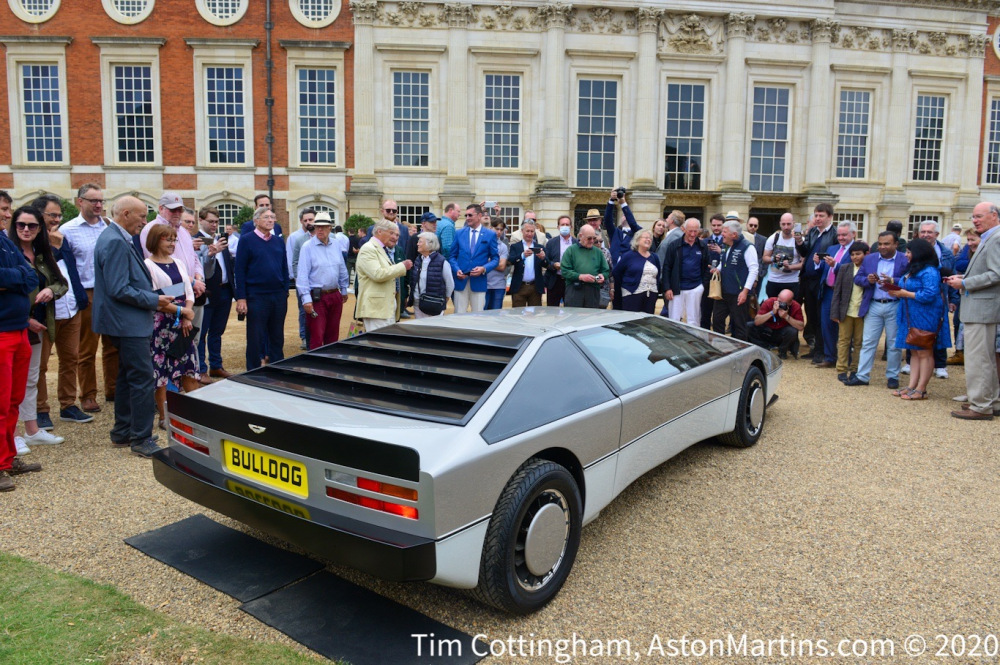
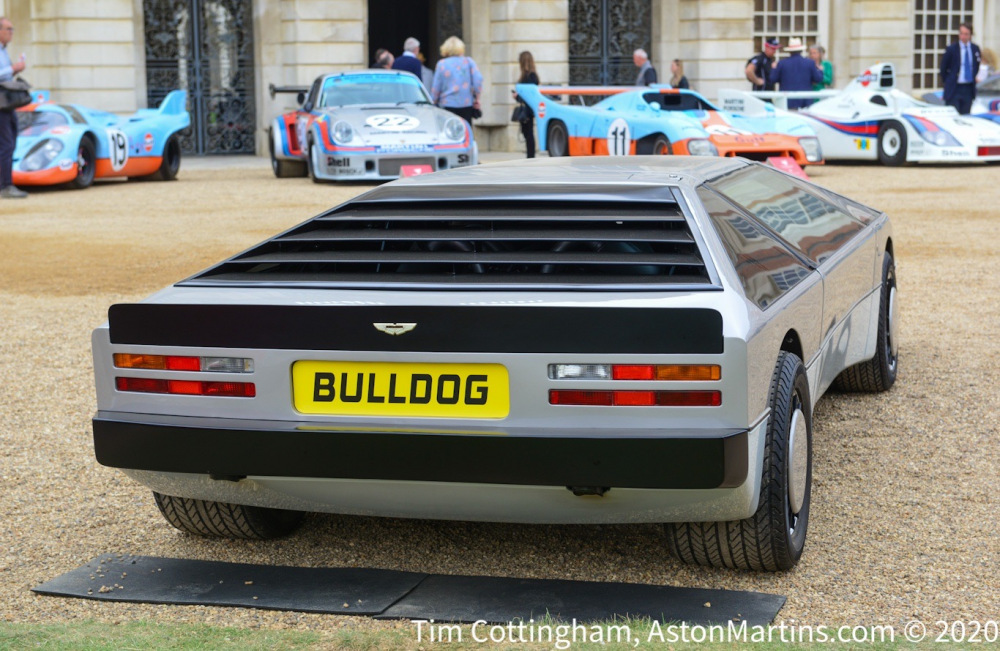
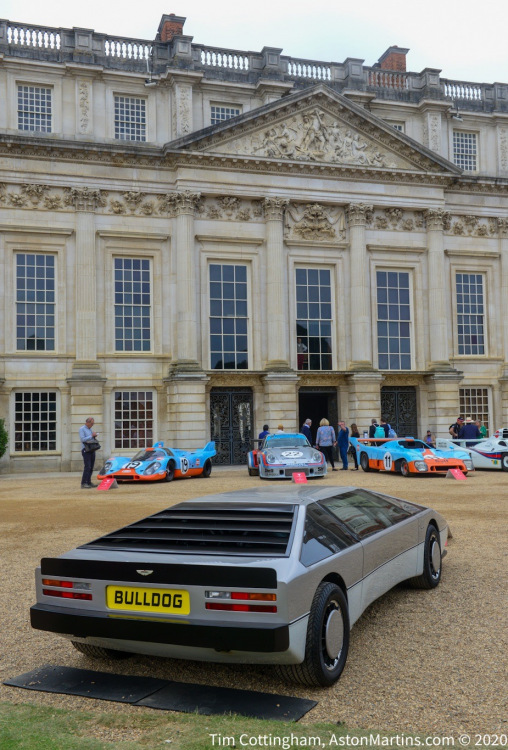
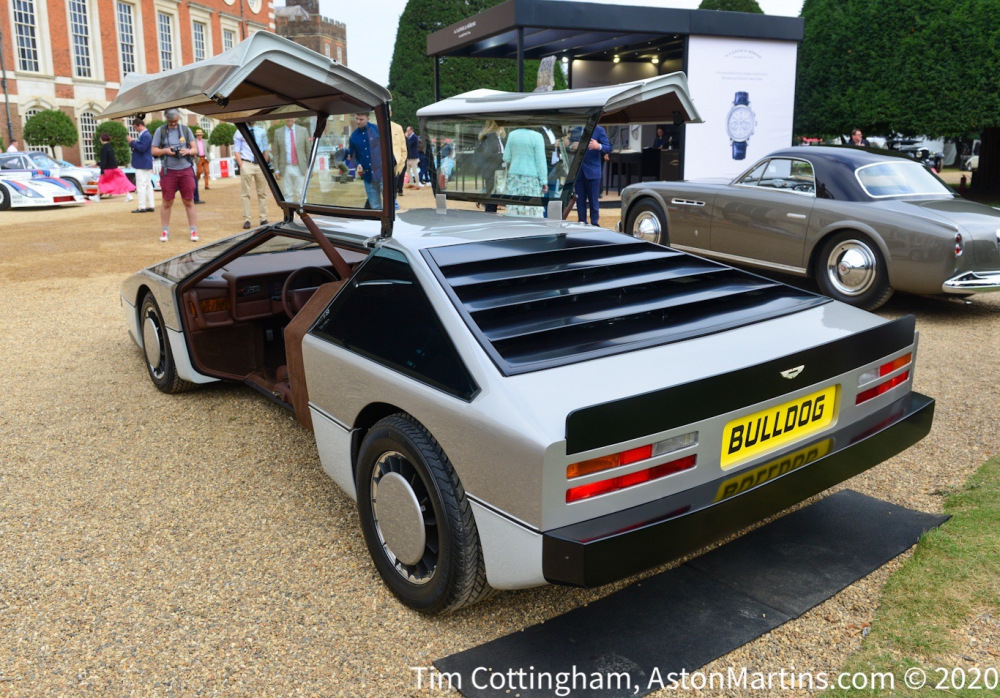
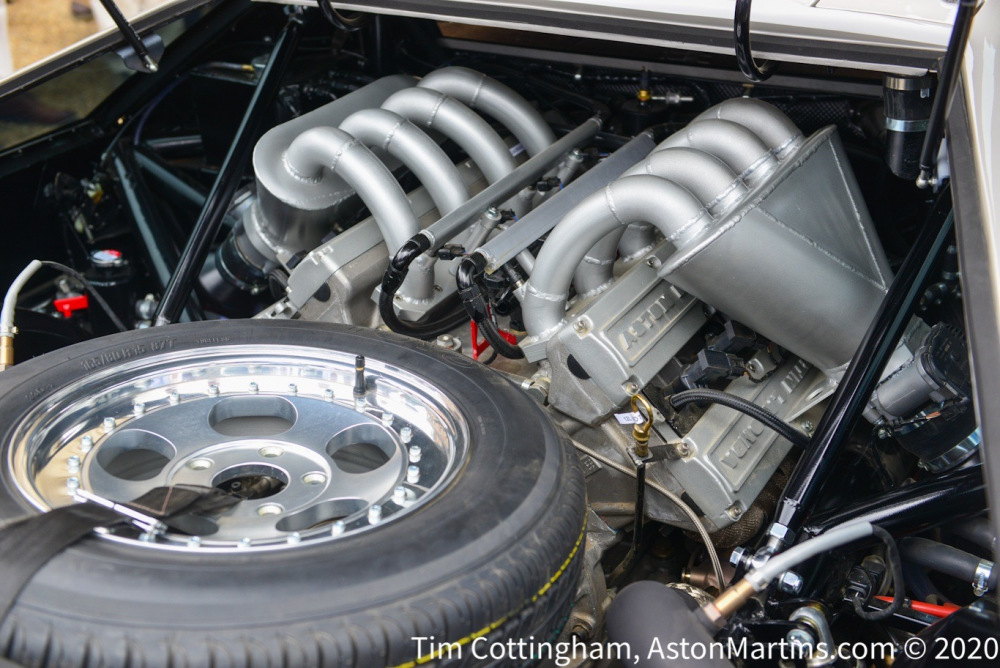
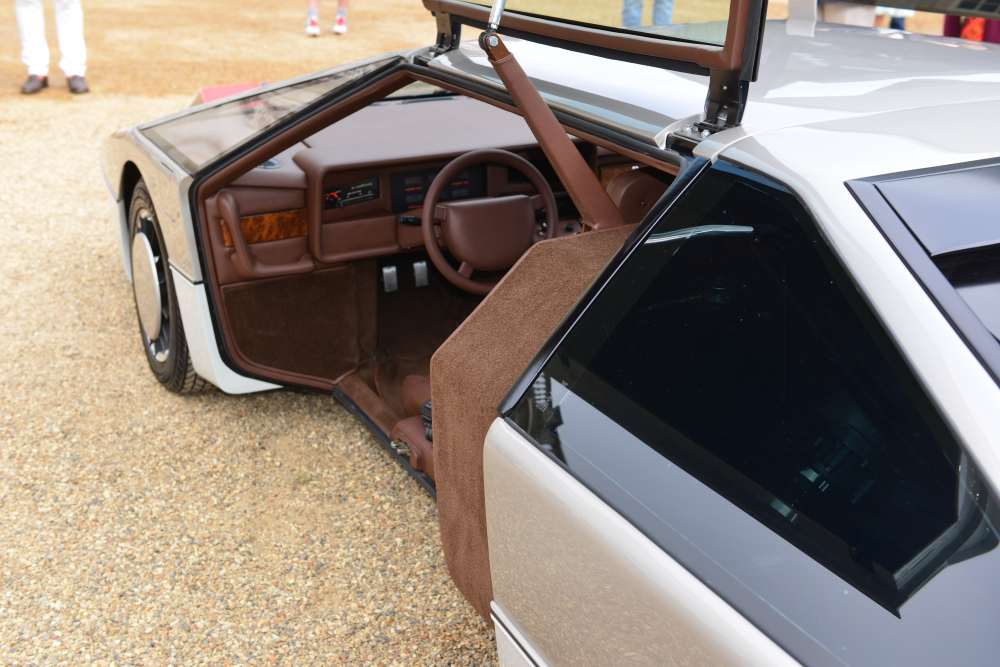
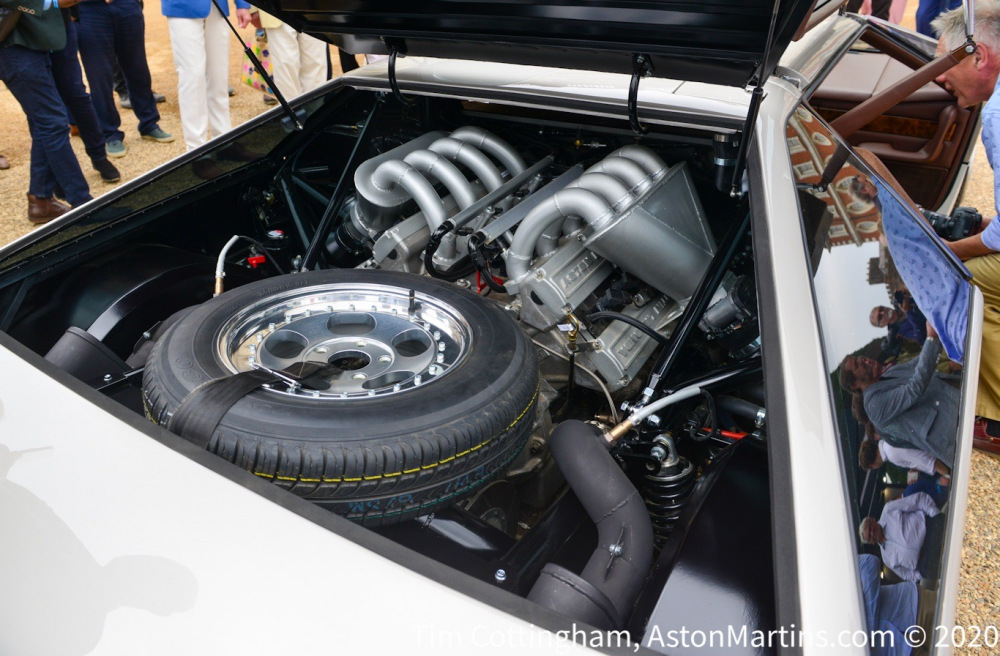
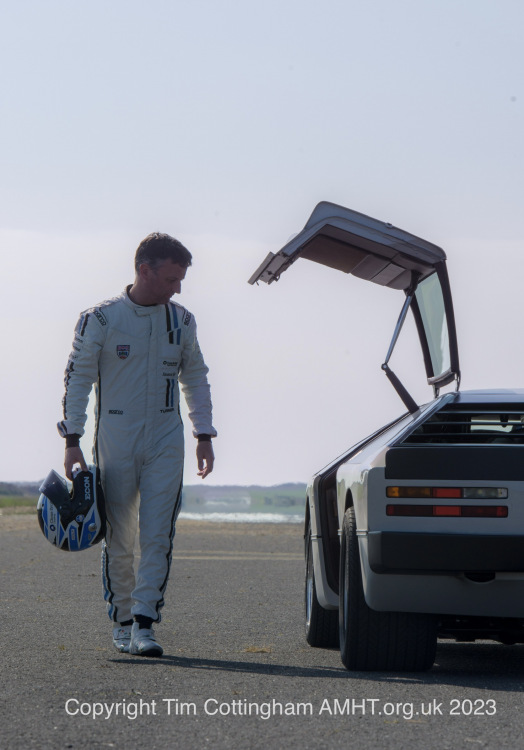
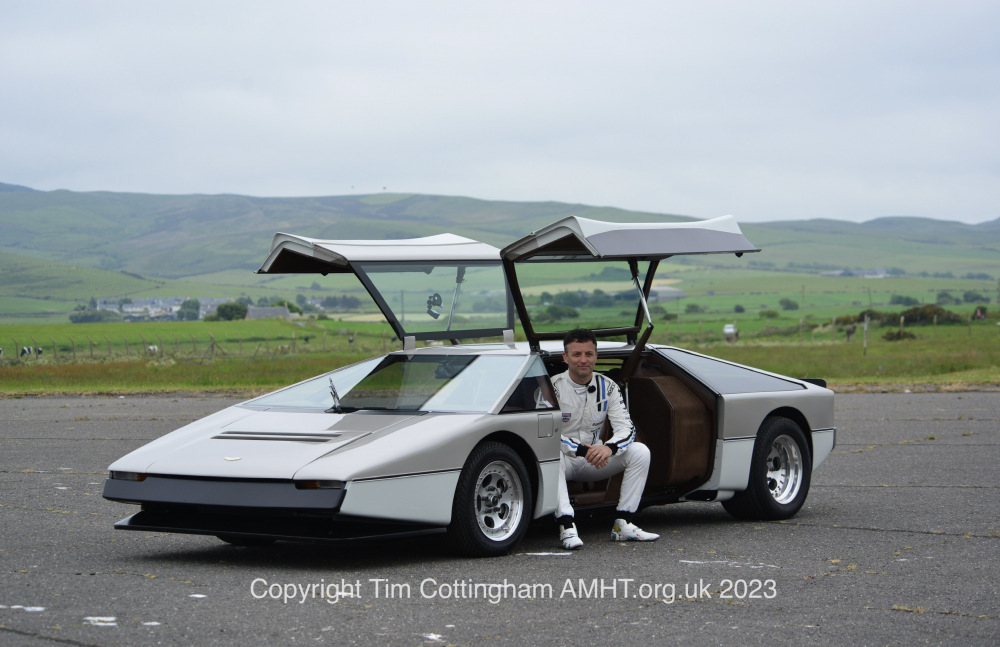
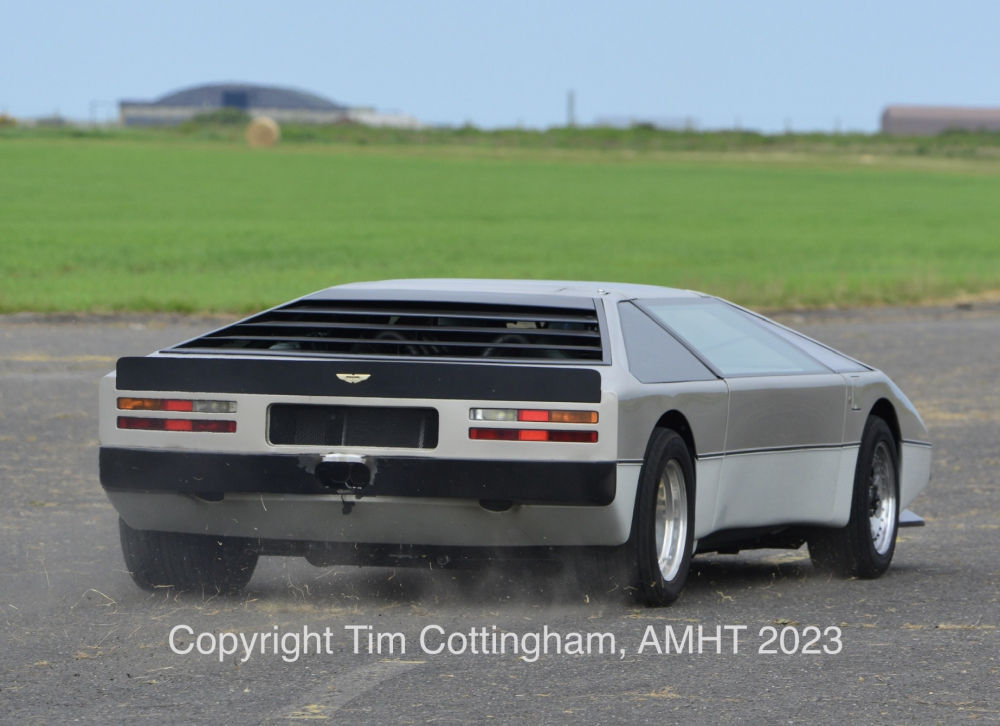
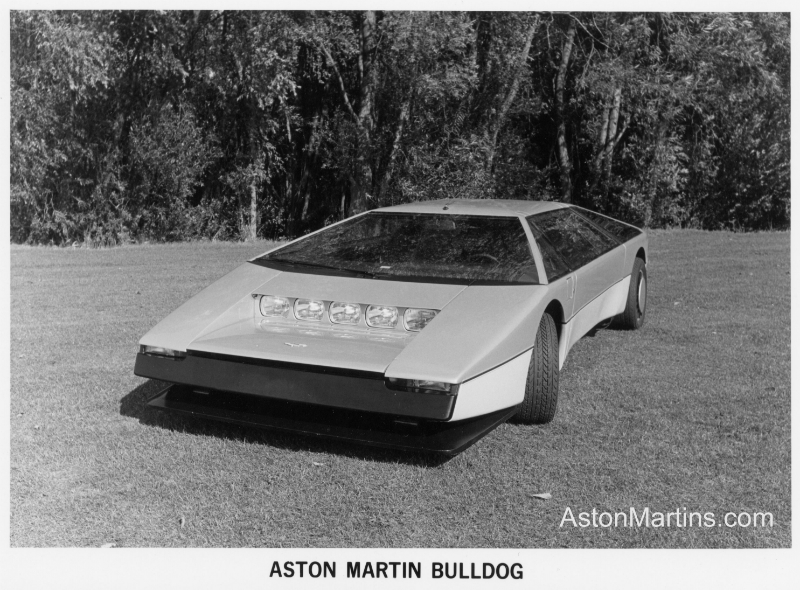
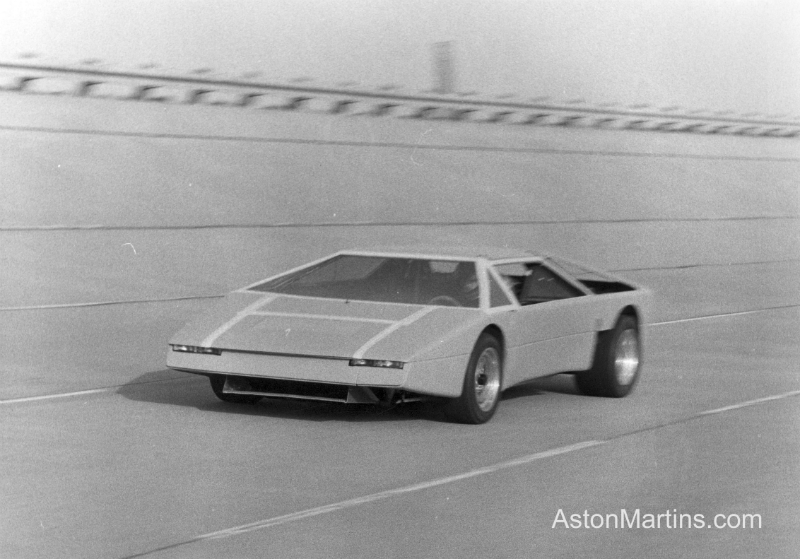
This drivable concept car was developed to demonstrate the ability of the factory to produce a supercar for the 80’s. William Towns styled the Bulldog soon after finishing the AM Lagonda and thus created the ultimate wedge shaped sportscar design – with initial engineering work by AML chief engineer, Mike Loasby. When Loasby moved to work for DeLorean in 1979, the work to finish the car was given to Keith Martin who developed the car over the next three years. It was strongly supported by the then Managing Director of AML, Alan Curtis, who named the car after an aeroplane that he flew called the Scottish Aviation Bulldog. Within the factory it was known by the code name K-9, perhaps after Dr. Who’s robotic dog. Certainly the area of the factory that the car was built was known as ‘the Kennel’.The Bulldog is powered by a twin Garrett AirResearch turbocharged 5.3 litre V8 originally with Bosch Fuel Injection from the DBSV8. Power output on the test bed was claimed to be excess of 700 bhp, although installed in the car this would have been in the region of 600 bhp. I have read elsewhere on the web that the theoretical top speed is in the region of 237mph, a think this is a little optimistic; I would guestimate upto 210 mph. During testing at MIRA ‘only’ 192 mph was recorded so Bulldog was the fastest V8 powered AM, loosing out to the AMR1 with a confirmed 217mph. It was however well and truly trounced by the One-77 and the Valkyrie.

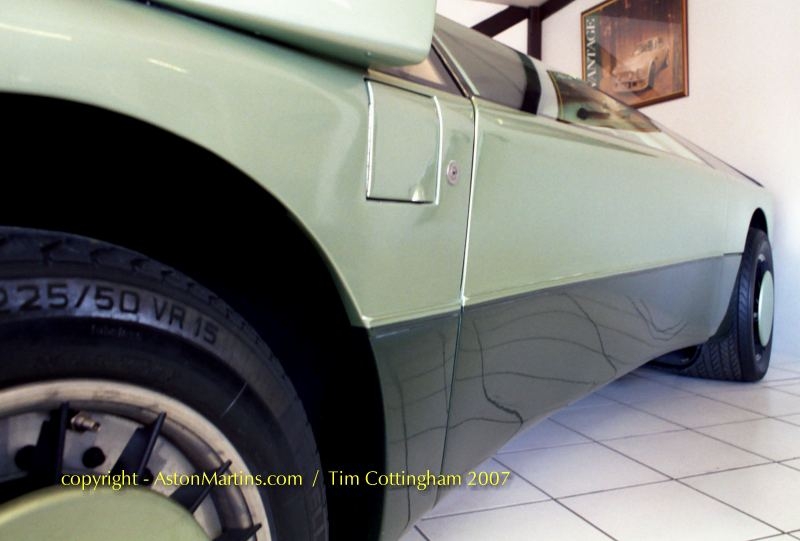
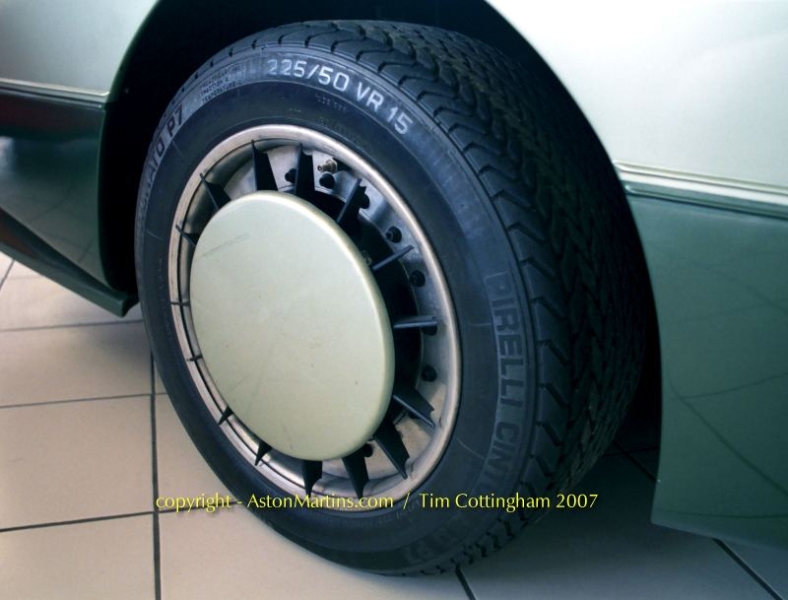
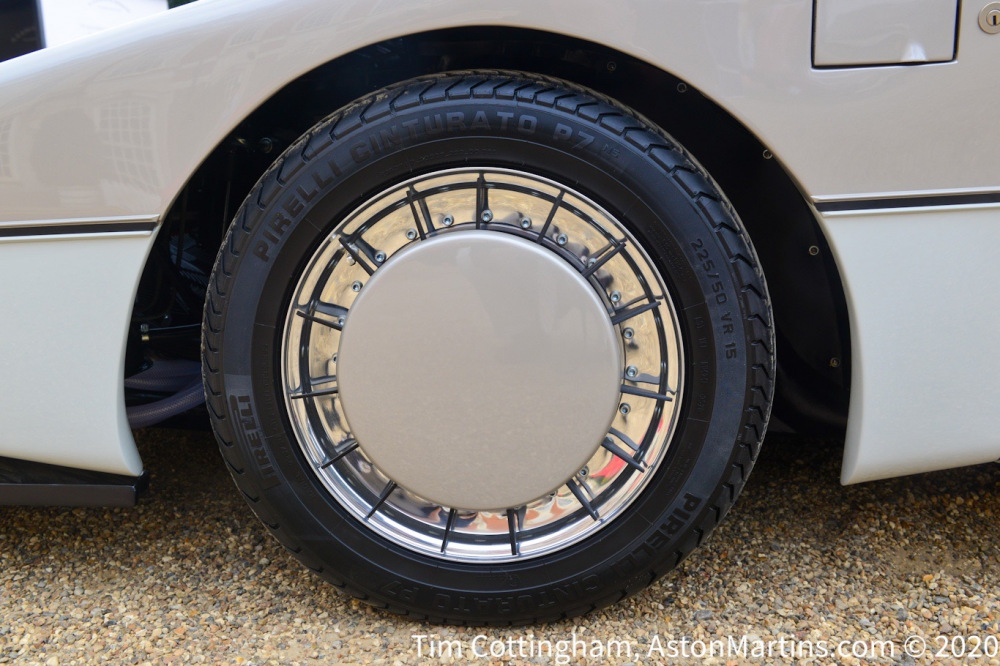
Pirelli P7 tyres are used all round fitted to Compomotive split-rim alloy wheels. Around the circumference are fitted wheel disks with blades to direct cooling air to the brakes. This feature was later seen on the successful racing Porsche 956 sportscar. Front wheels are shod with 225/50’s whilst rear wheels have massive 345/35 tyres.

Very serious consideration was given to a small production run of between 12 and 25 examples but the car remains totally unique. When AML changed hands in 1981, the new Chairman, Victor Gauntlett considered the company had more pressing problems and the Bulldog was sold off for a reputed £130,000 to a Middle Eastern Prince.

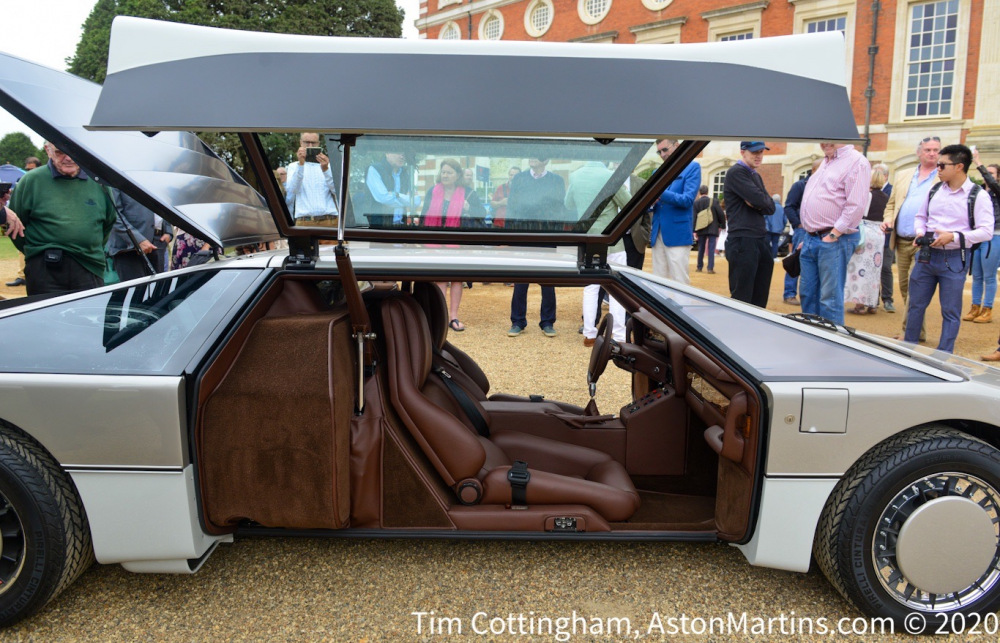
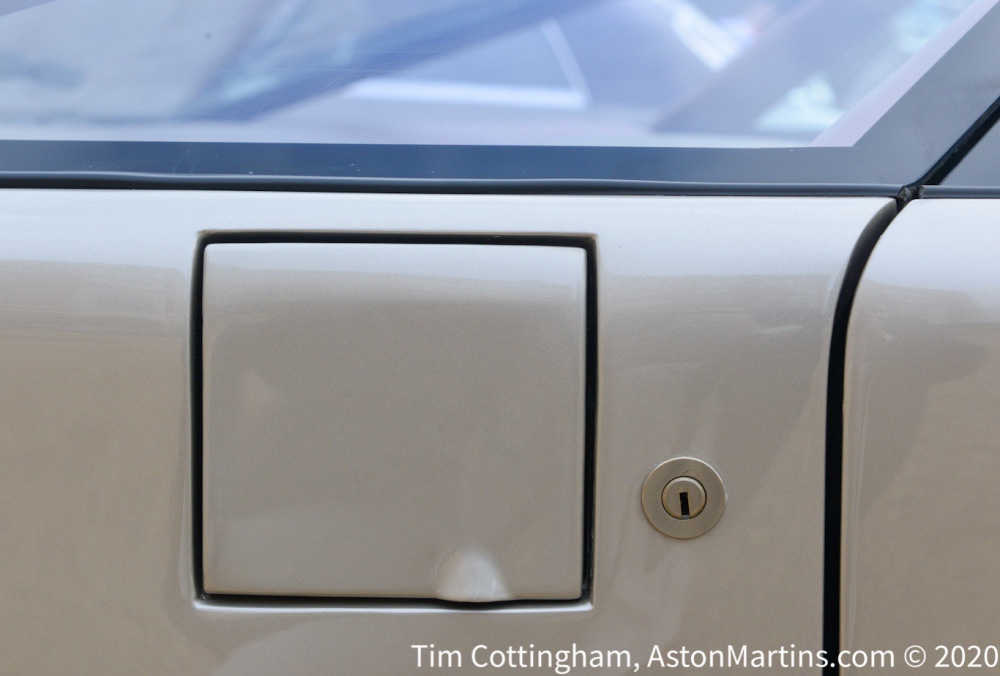
Of special note were the pair of massive power operated gullwing doors which took the height of the car from just over a metre to nearly two. The mechanism is actually based on that used power the V8 Volante hood mechanism.

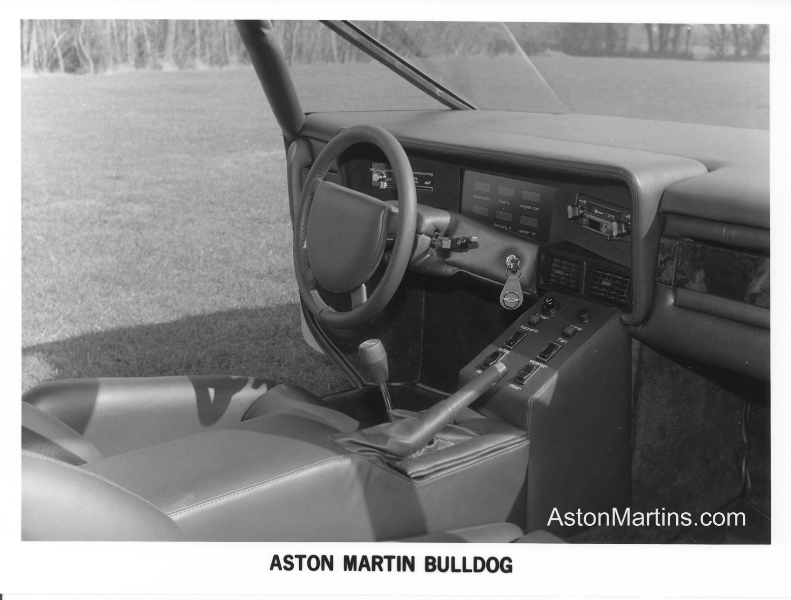
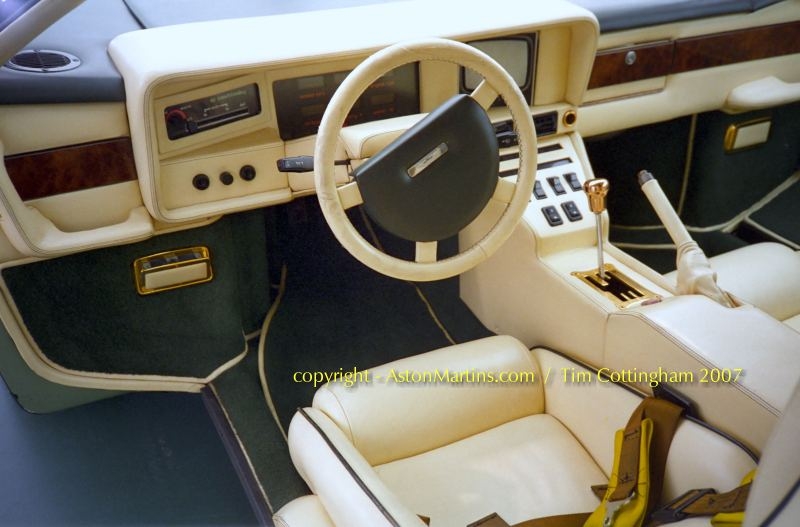
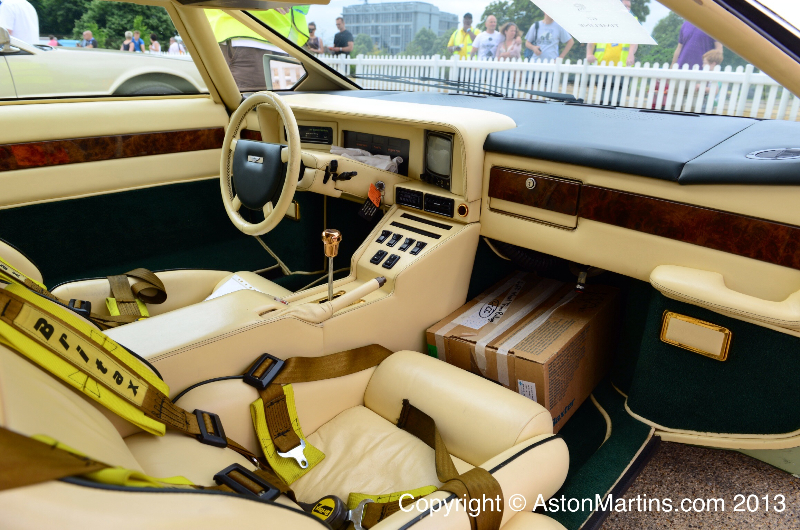
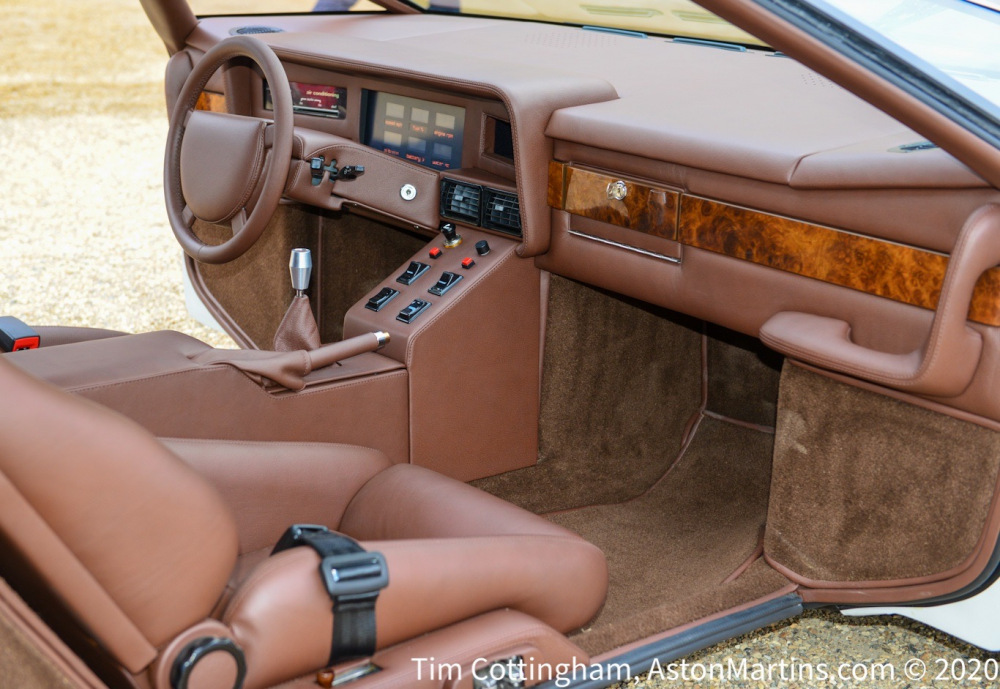
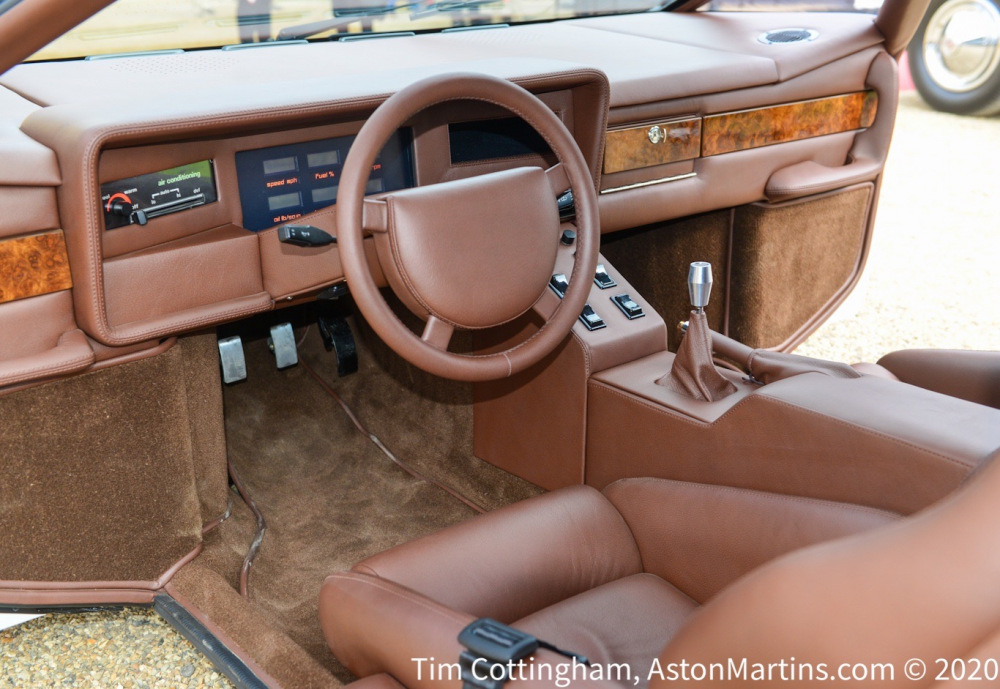
This left hand drive car of both great length and width only seats two occupants. Instrumentation was provided by the then ‘state of the art’ LED technology and touch type sensors straight out of the new AM Lagonda.

Many detailed changes occurred in the 40 years that has elapsed from the cars unveiling. The silver over light grey machine was repainted during 1981 to two tone metallic green. The original brown leather of the interior was replaced by stone leather piped in brown. Other additions to the car included (rather bling) gold plated trim to switches and gear stick, roof mounted stereo, ugly but useful rear view mirrors and a TV showing the rear-view of the car.

The black and white 1980 press images below were taken by AML photographer, Roger Stowers back in 1980 and are very interesting to compare to the more recent photographs.

I first photographed this unique car during a very rare public appearance in the AMOC marquee at the 1997 Coys Festival, Silverstone and subsequently at the Stratton Motor Company open day, 1998. Interestingly at this time, the car has lost the fuel injection system initially fitted and had quad Weber carburettors. These were, I think of the side draught type and were paired up within the ‘V’ unlike the down draught type fitted in a line down the centre as would be found in a V8 Vantage. More recently, the Bulldog was one of the star cars at the Aston Martin Centenary Celebration at Kensington Palace in 2013. At this time, the car was still a non-runner but attempts to get it moving under its own power again continued through 2014 to no avail.

Despite being only an engineering exercise, interest in this drivable usable concept car remains extremely high. Up until 2016, the Bulldog remained the only publicly seen fully engineered mid-engined Aston Martin. The mid-engine version of prototype V8 Vantage,  AM305 from 2000 was dropped before ever being seen by the public and the DP-100 Vision Gran Turismo only exists in the virtual world and as a full-sized model. The spiritual successor to the Bulldog announced in 2016 – Aston Martin together with Red Bull Technologies unveiled the mid-engined AM-RB 001, hypercar which went into limited production in 2021.

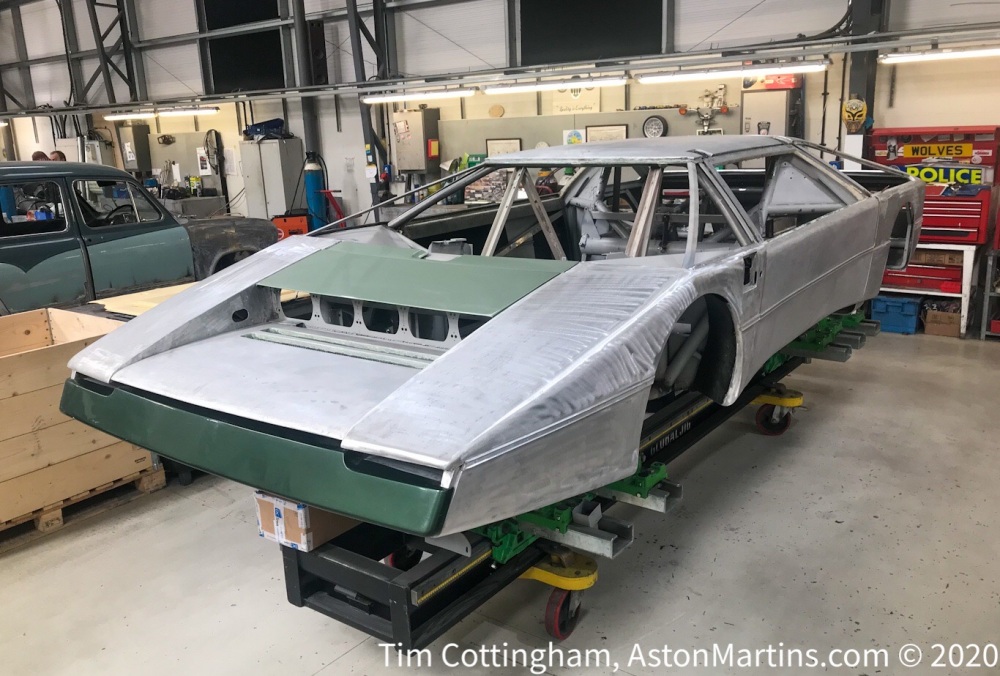
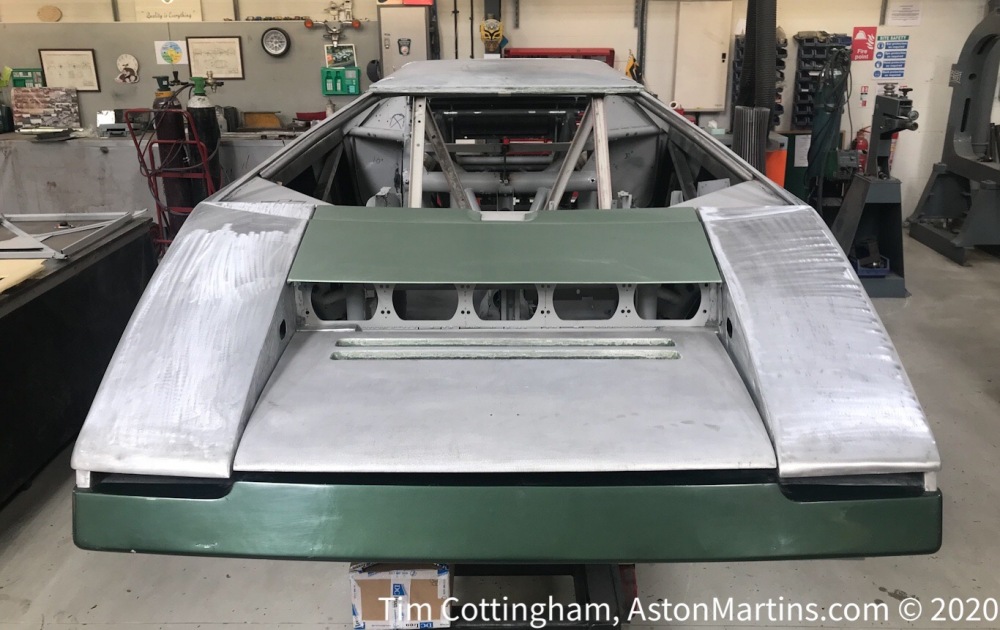
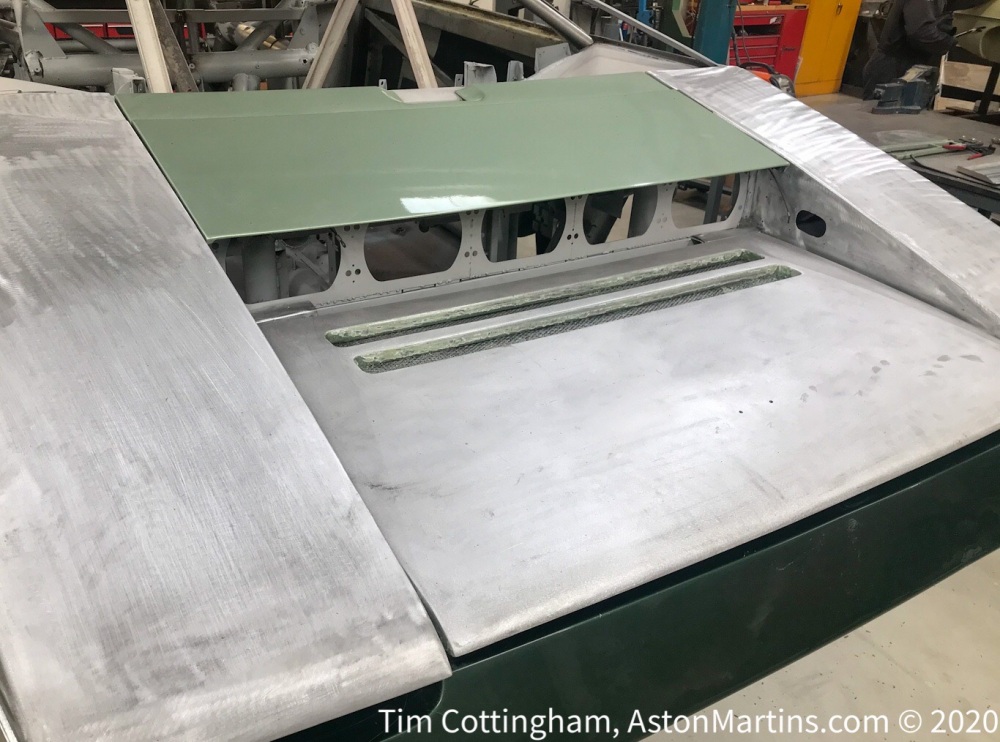
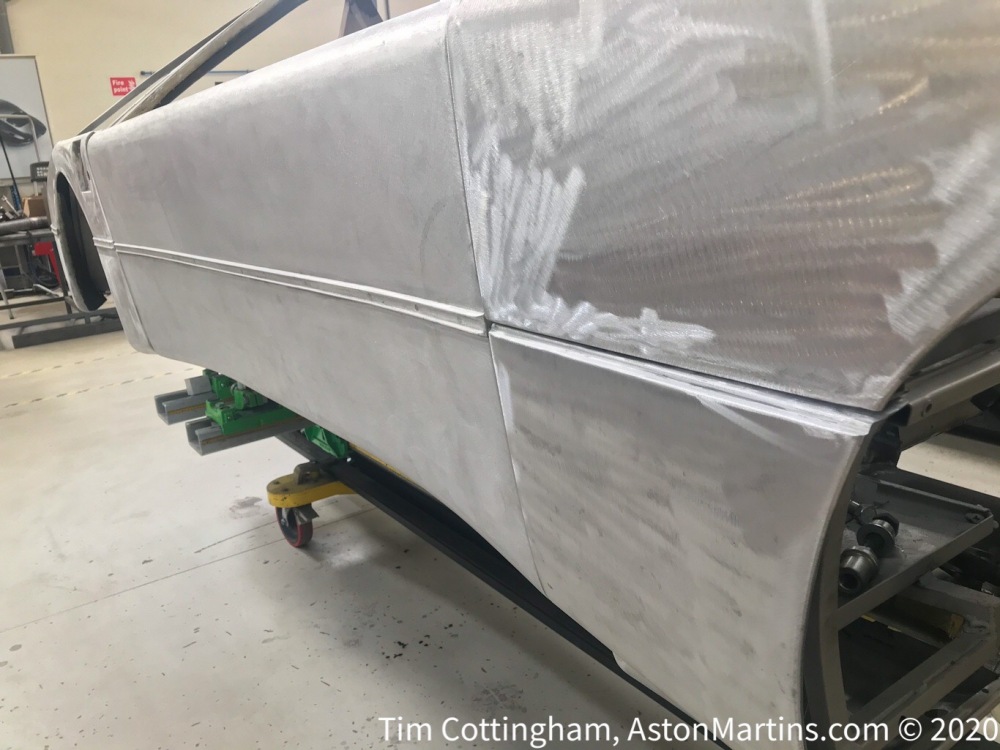
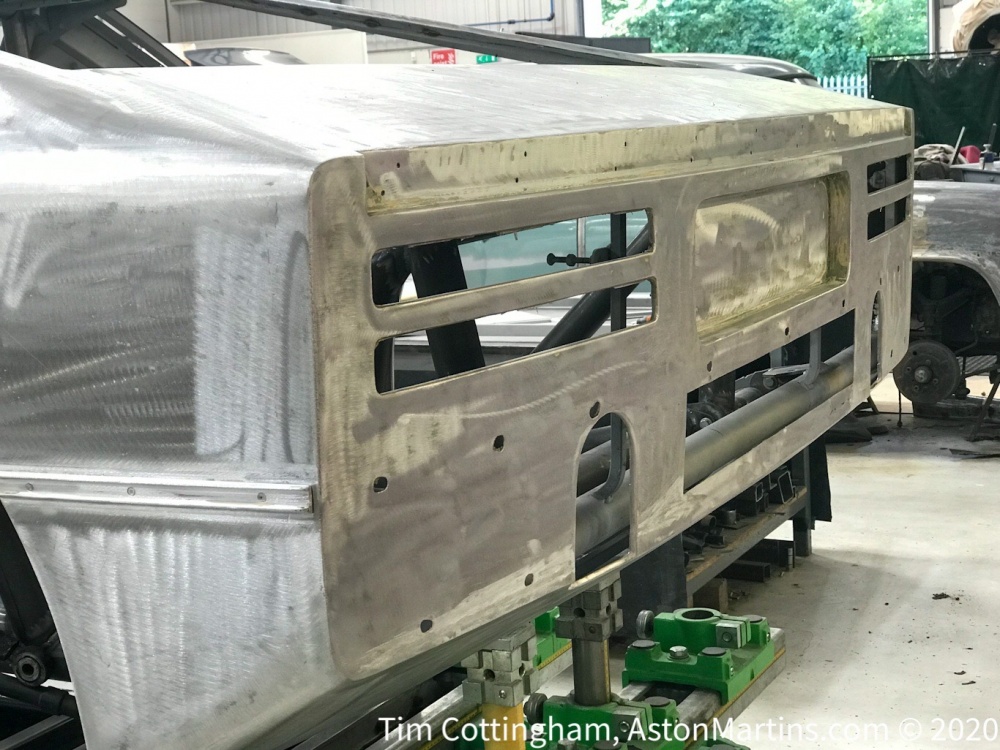
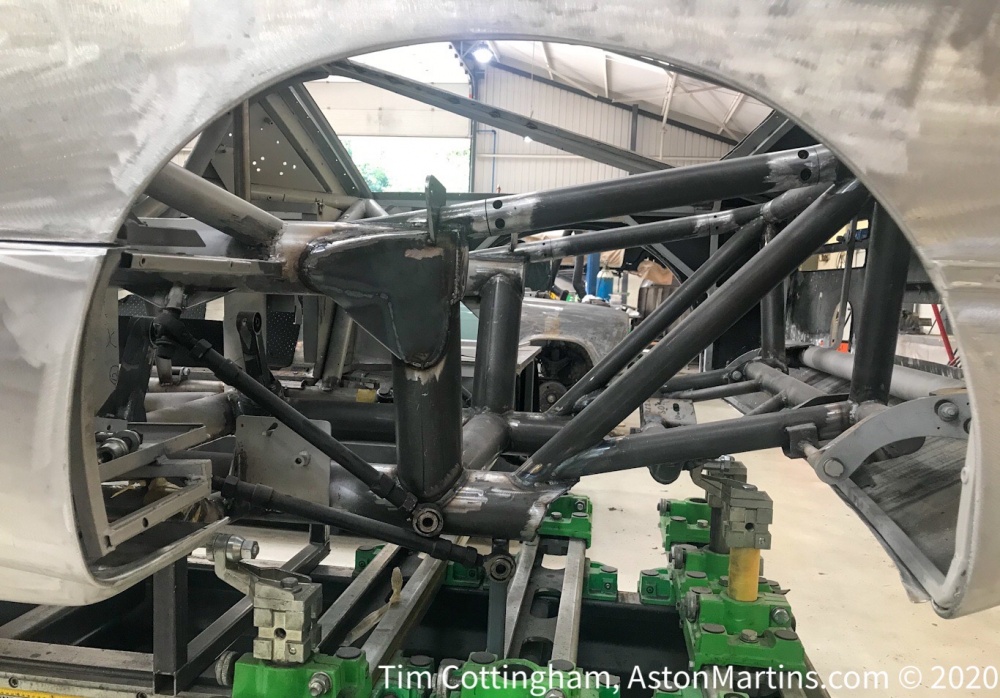
In 2020, Bulldog was sold to a collector and moved to Classic Motor Cars in Bridgenorth to undergo an extensive restoration. I was extremely fortunate to see the car midway through the first year of the restoration in September 2020. The plan was to bring the car back to 1980 spec with modern fuel injection and for it finally to crack the 200 mph barrier.

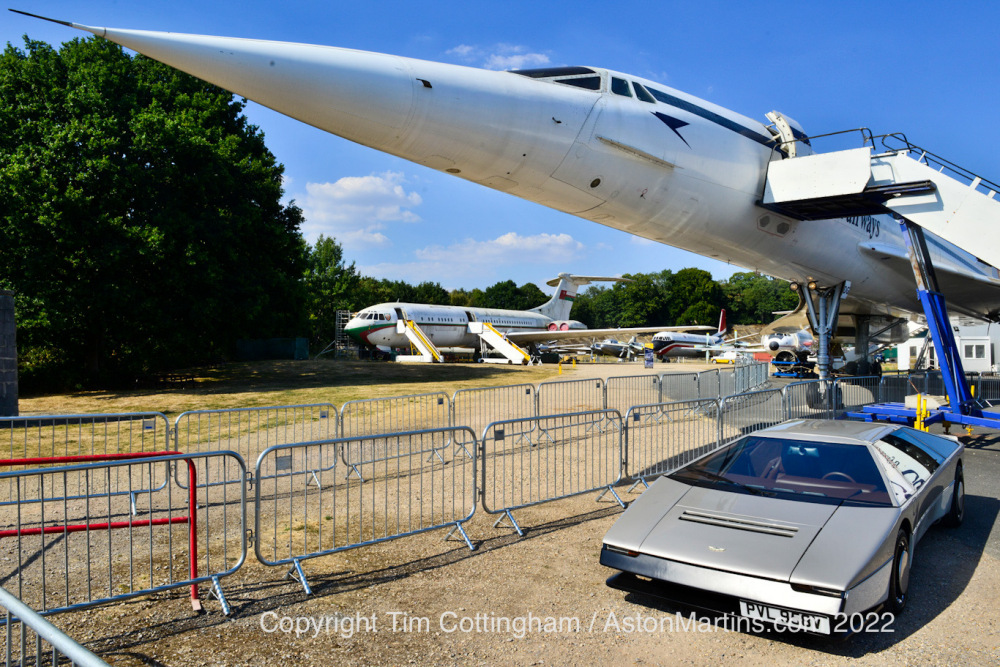
By late Summer 2021, the car was about finished and was put on display at the Hampton Court Concours of Elegence.  It was also seen at the 2022 AMHT Aston Martin Festival at Brooklands together with Concorde.

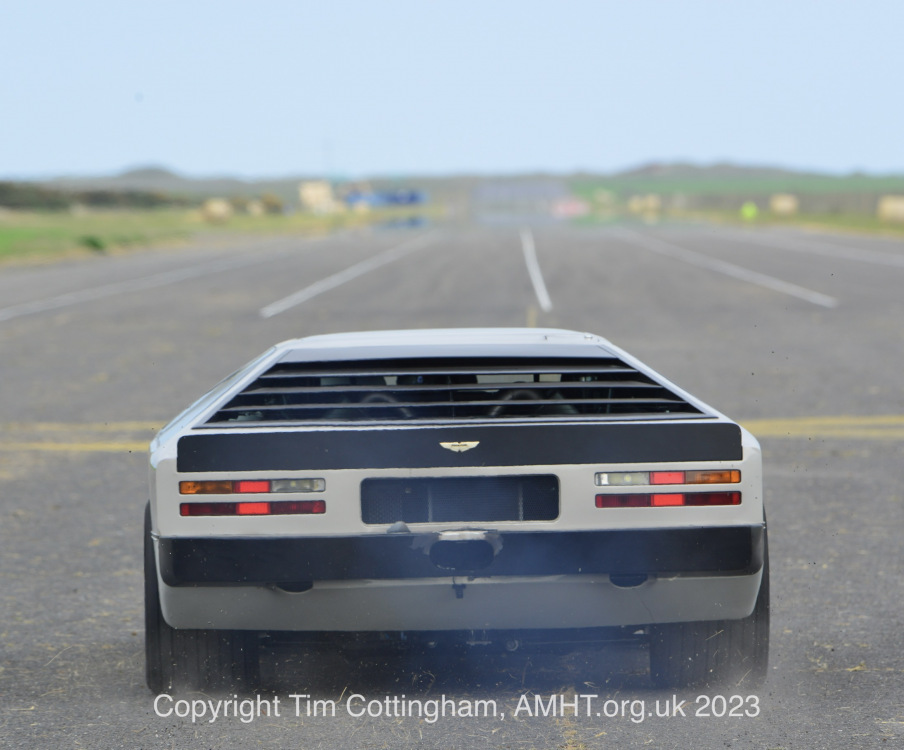
By June 2023, the car was prepared to break the 200 mph barrier.

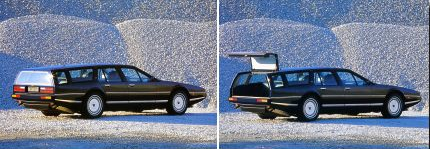
Lagonda V8 Shooting Brake by Roos

These photographs have been generously provided by Roos Engineering

For more Lagonda’s – please visit www.astonmartinlagonda.net

V8 Volante (Weber efi)

All of the Weber e.f.i. cars had the attractive BBS cross spoke wheels, which have a resemblance to wire wheels although some later examples have the Ronals from the X-pack V8 Vantage. Before the final withdrawal of the V8 in late 1989, 216 examples of the e.f.i. V8 Volante had been produced.

Above are a few images of later V8 Volante fitted with the rather ugly 5 mph impact bumpers, fitted as standard to US market cars. Rather than fitted just for safety, they were used to protect the bodywork from low speed crashes upto 5 mph in order to reduce the cost of body repair covered by insurance companies. Again, it is not uncommon for US cars to be converted to Euro style chrome bumpers although is a very expensive and complex process.

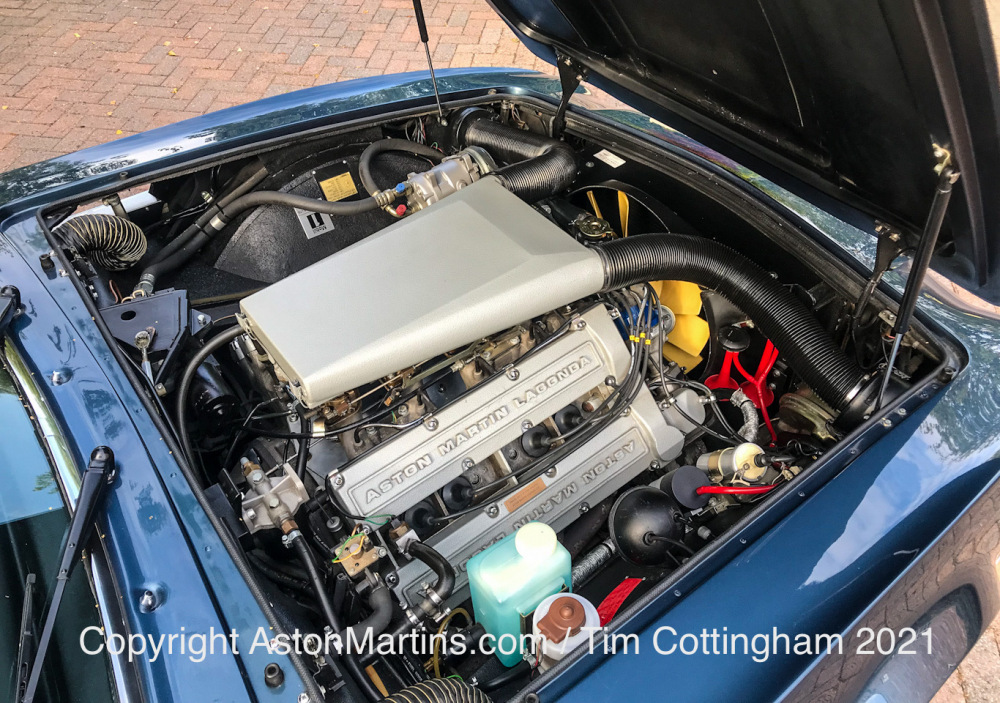
US cars were fitted with a lead free version of the V8 with a lower compression ratio and catalytic convertors. Power output from these engines is down about 50 bhp from those in a European state of tune.


Aston Martin Lagonda Shooting Brake by Kielstra

The Swiss Aston Martin specialist, Roos Enginerring was first although, Dutch Lagonda enthusiast, Harry Kielstra, believed not only could he match the Swiss car, he would ensure it could carry loads more stuff! Built in his own garage at a fraction of the cost, the Kielstra car is clearly designed with carrying capacity in mind.

This page has been made possible with the kind assistance of Harry Kielstra

V8 Volante to Vantage spec

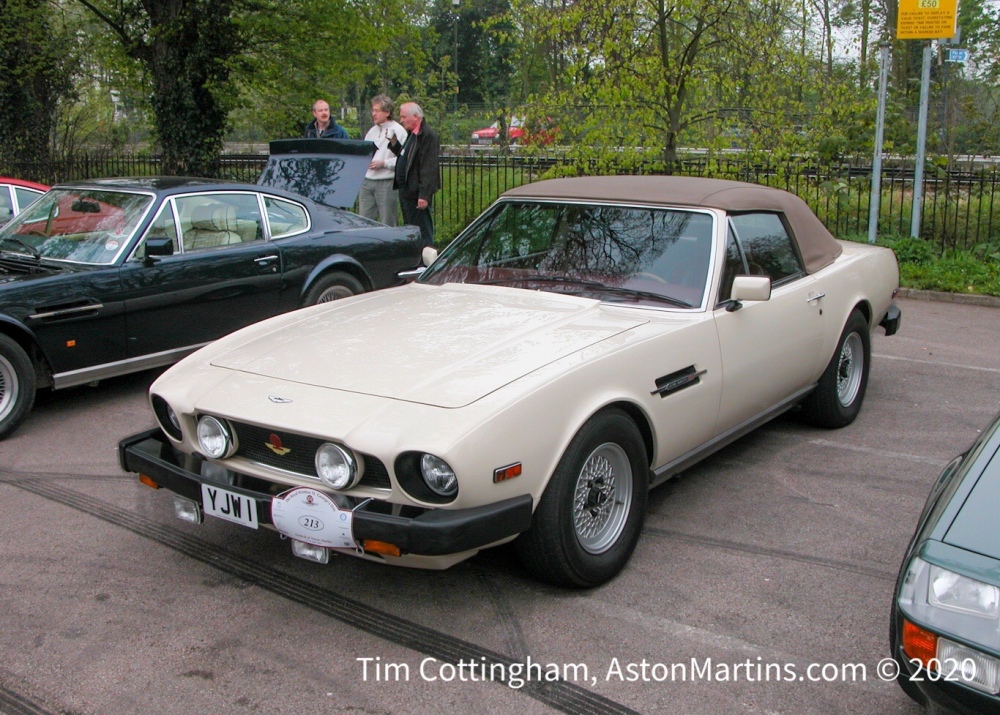
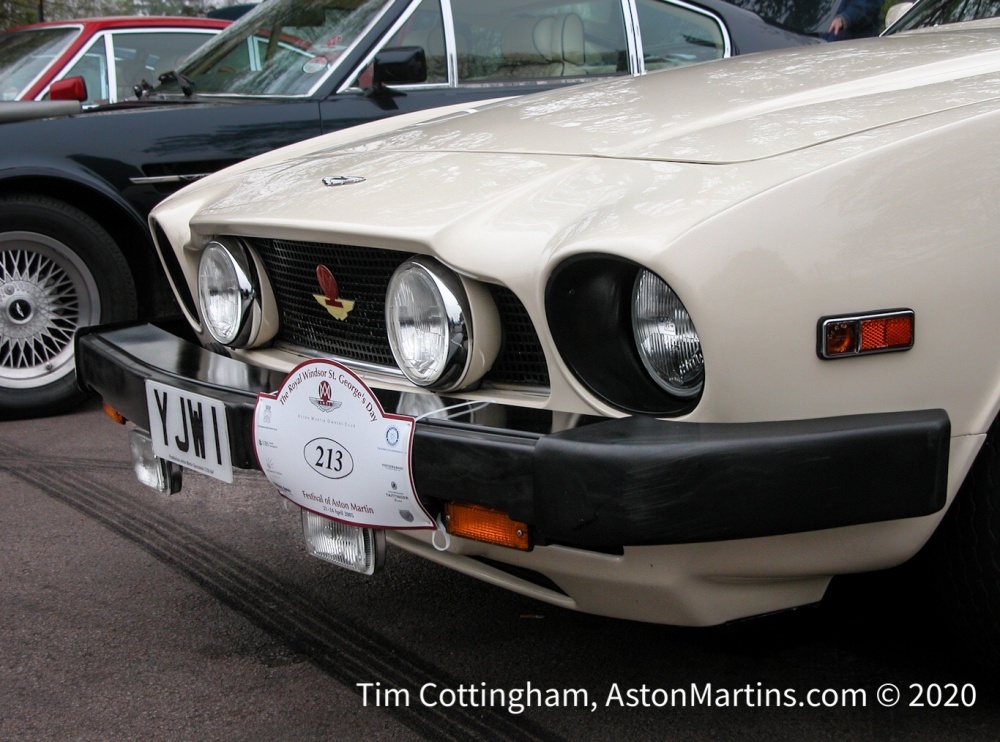
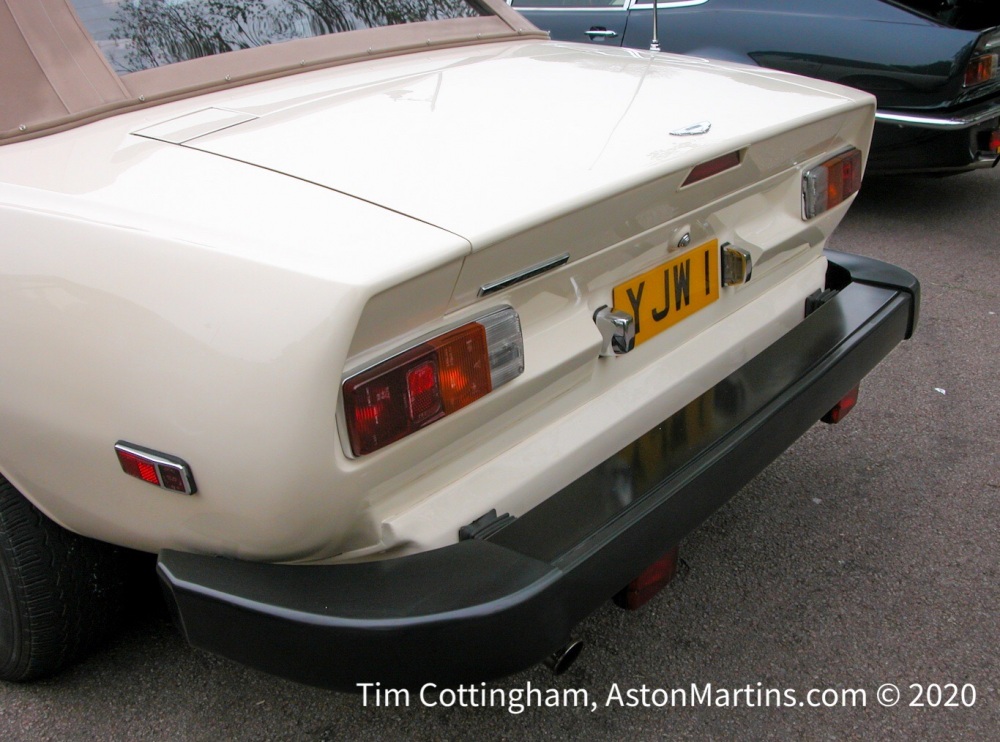
This particular 5 speed manual car was destined for South Africa but I believe it never actually got exported. The AM Heritage ‘Ronal like’ wheels are a recent addition as the car would probably have had BBS cross spoke wheels originally. I caught up with this ultra-rare car at the AMOC St. George’s Day parade in Windsor in 2005.

It must also be said that a number of Volantes have been converted to Vantage specification by either the factory of AM specialists following initial build.

V8 Vantage Volante

V8 Vantage Volante

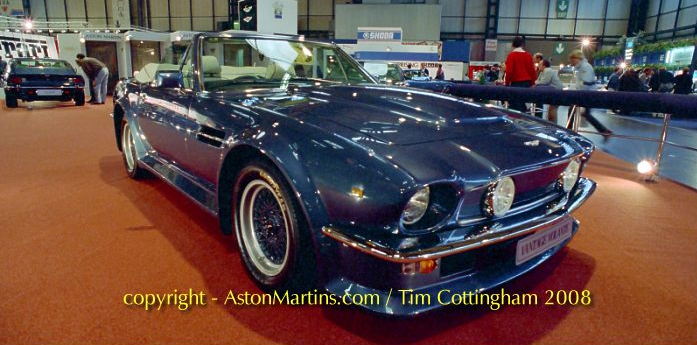
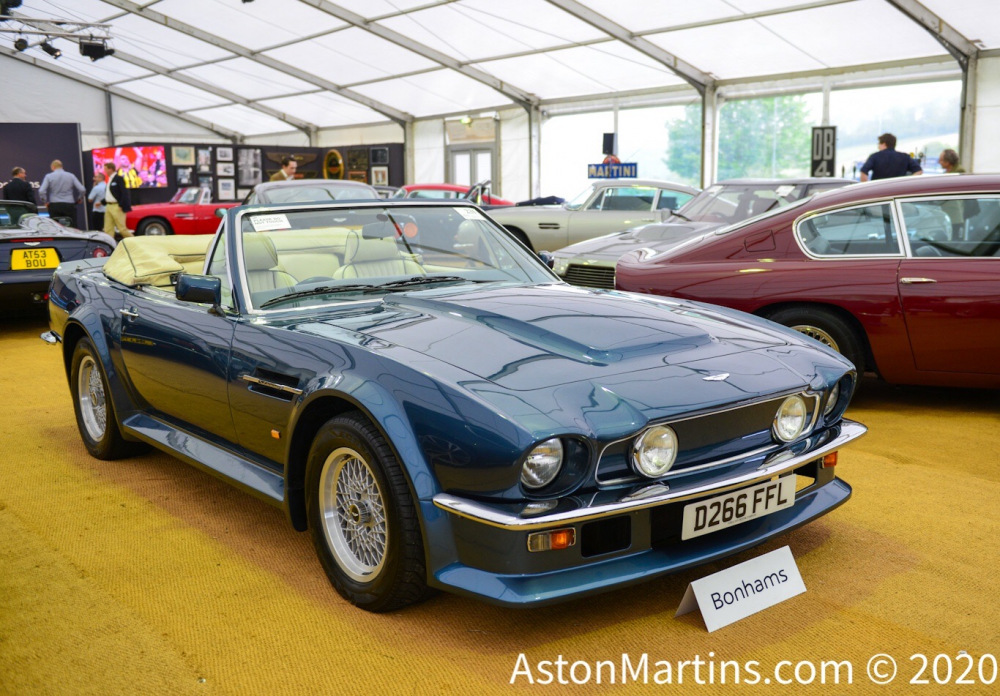
The true V8 Vantage Volante, first shown at the 1986 Birmingham Motor Show (see below), was distinctly more than Volante with powerful Vantage spec engine. The powerful convertible was visually distinguished by a huge front air dam, extra wide wheel arches, massively flared sills and a smart flip tail. The styling was unique to the Vantage Volante and was not generally made available on the closed Vantage although a few modified example exist.

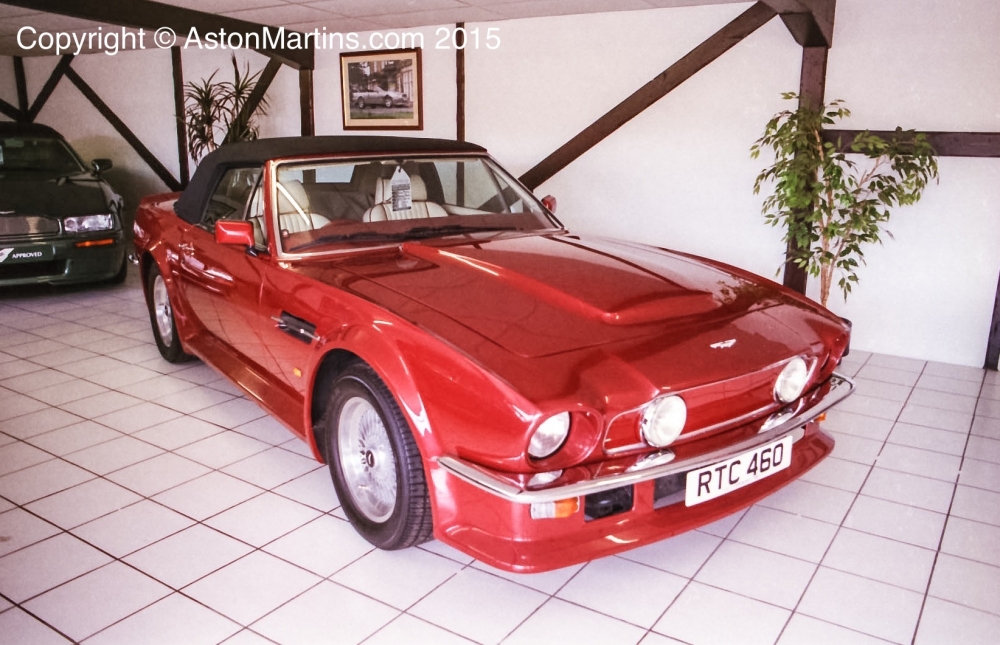
As well as dark blue, the colour combination of Suffolk Red with magnolia piped red was popular on the V8 in the late ’80’s. AM cognoscenti now refer to such cars as ‘Lipstick Specials’ and are often found keenly priced by dealers. Twenty five years later, it is extremely rare to see such a bold colour on a new AM.

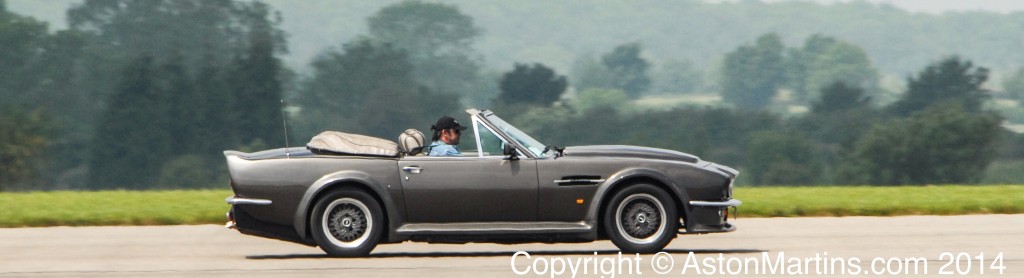
With a maximum speed in excess of 160 mph, these were the fastest four seater convertible cars of their time. Indeed even a mid 90’s Virage Volante couldn’t keep up with one of these – although a 6.3 Volante would come close. The Cumberland Grey car below is, believe it or not, approaching 160mph on the runway at RAF Cottesmore during an AMOC meeting in 2007.

Aston Martin V8 Vantage Volante in Cumberland Grey

Aston Martin V8 Vantage Volante in Cumberland Grey

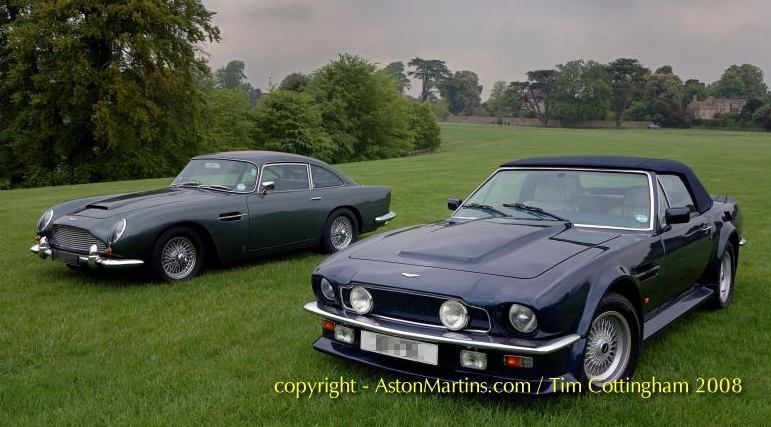
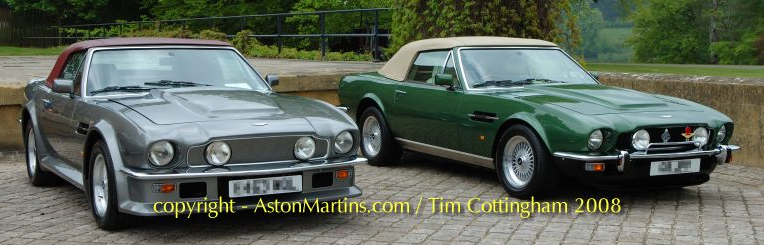
Below is I think my only photograph that shows a standard V8 Vantage Volante in the company of a PoW specification Vantage Volante. Essentially the same car but so different in attitude.

A much coveted car in it’s day (it was the late 1980’s after all), yet during much of the 1990’s the Vantage Volante was seen by some as somewhat overt and lacking in good taste. Certainly the excess of bodywork add-ons weren’t really necessary for aerodynamic performance but did lend the car real road presence. Twenty years on and there is something of a 1980’s renascence, the V8 Vantage Volante is coming back into vogue with prices edging upwards towards £100,000 again. During a production run of just 3 years, a total of just 167 examples of the V8 Vantage Volante were built. Of the 167 cars, 58 left hand drive examples were exported (principally to the USA) with the less powerful Weber Marelli Fuel Injected engine (see the next page). In the late 1980’s, is was perhaps Aston’s most popular model even though the price had jumped to an enormous £135,000 in 1989.

So this leaves a total of 109 true V8 Vantage Volantes with the full ‘580X-pack’ 400+ bhp engine of which 30 are automatics and 79 manuals. 33 of these cars were left hand drive (principally for the European market) and 76 with right hand drive for the UK market.

One of my all time favourite Astons………….

V8 Vantage Volante (Prince of Wales / PoW)

Once Prince Charles had taken delivery of his rather special car, other customers began to ask for something similar. Thus AML began offering to those special people the new derivative which has become known as the V8 Vantage Volante Prince of Wales or PoW for short. Each subsequent car had their own unique features and thus no two are alike. Needless to say that the  PoW is now considered as the pinnacle of the V8 range and featured below are a number of these wonderful cars

This car was photographed at Stonor Park during the AMOC concours in May 2000. By coincidence, that this was a location for the James Bond film, The Living Daylights, where Timothy Dalton drove a V8 Volante (with a Vantage engine) very similar to this car.

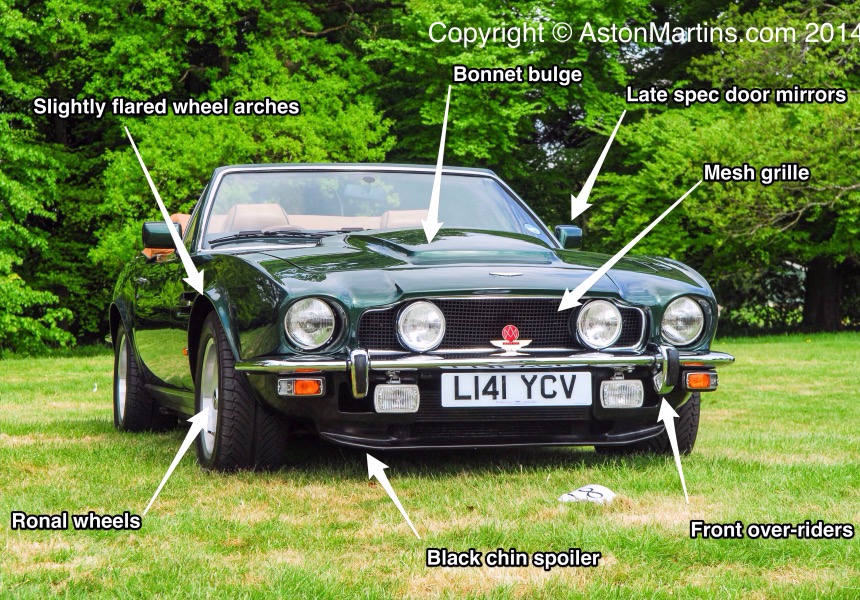
These two examples are absolutely typical of the POW cars; subtle and restrained yet bursting with presence. They are the most highly sort after variant of the V8 with the combination of convertible coachwork, subtle yet elegant lines with tremendous performance. Spotting the POW’s are difficult as they are so similar to the series 1 Volantes. All I can suggest is to look for the subtle front air dam, large flared wheel arches, flat boot without a lip, 16 inch (usually Ronal) wheels, Vantage bonnet bulge with the late spec wing mirrors and side indicator repeaters behind the front wheels. Just to make things even more difficult, there are some standard Volantes converted to appear like POW’s – and I’ve been fooled more than once.

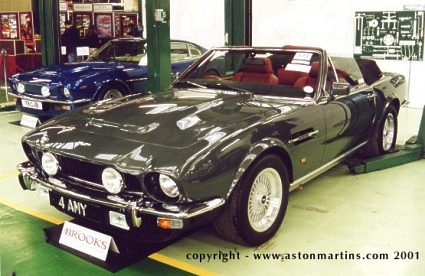
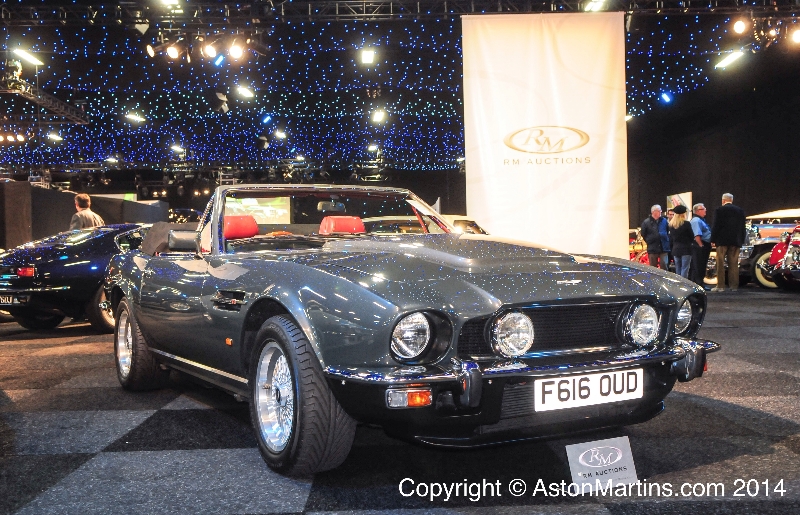
The AML/Brooks auction in May 2000 saw two ‘POW’ Vantage Volantes on sale. This car, presented in Rolls Royce Graphite Gray, features a Burgundy Hide interior and sold for almost £100,000. A really decent car in an interesting and unusual colour combination.

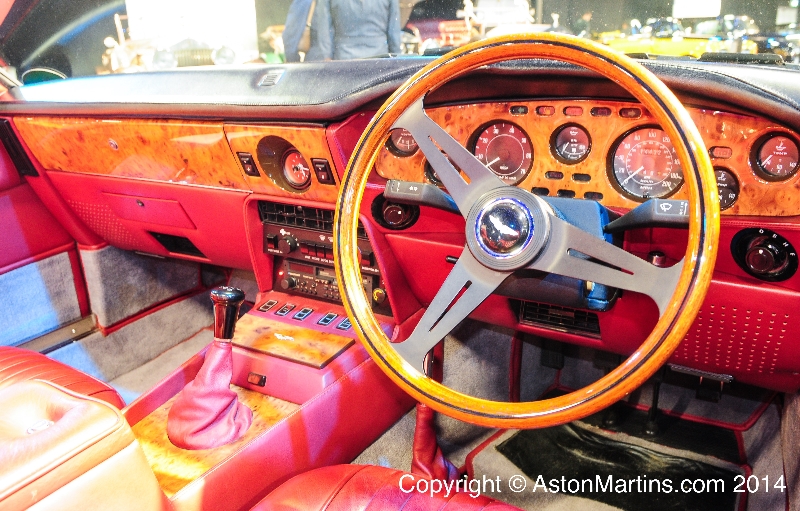
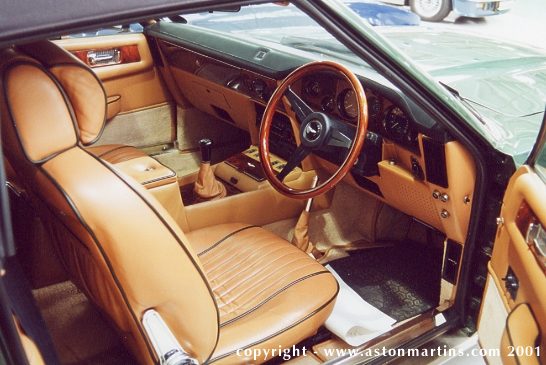
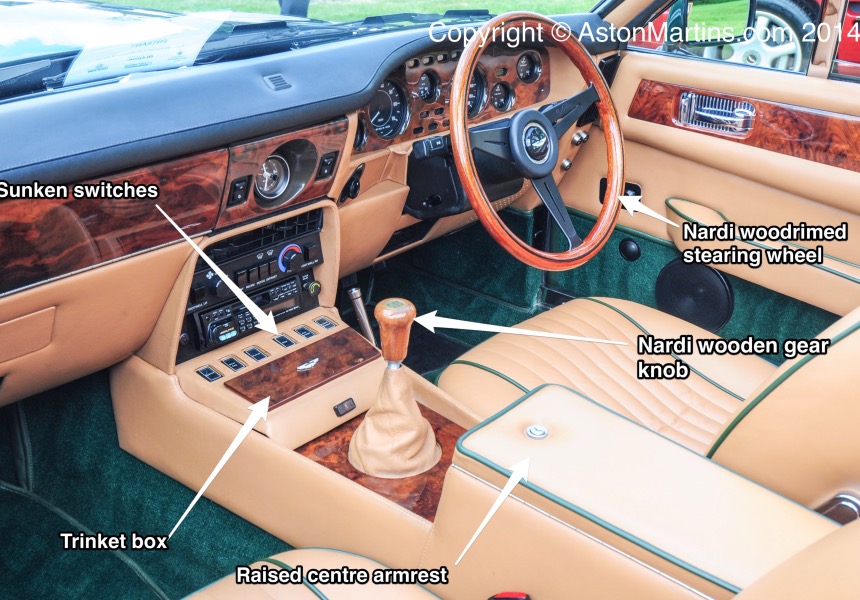
The interior of the POW specification cars typically features a leather covered central arm rest, walnut covered oddments box, recessed switches and a wood rimmed Nardi steering wheel. The oddments box replaces the ashtray and cigar lighter, as Prince Charles is a non-smoker. Not all POW cars feature these specific features. These are pictures of the interiors of two different cars. For more information and pictures of the exclusive POW cars try www.v8vantage.com POW gallery
The above Windsor Blue PoW V8 Volante is unique in so much that it was the only example of the model built with automatic transmission.

From 1986 to 1989 a total of 27 cars were built. Of these, 22 were full spec right hand drive cars, all for the British market, the other 5 were LHD destined for North America. The US cars should actually be described as ‘cosmetic’ PoW as they were not built with a European tune Vantage engine but instead received the much lest powerful Federal emission controlled fuel injected engine. These cars do feature the smart Ronal wheels, wider wheel arches and stiffer Vantage suspension. Sadly they were also fitted with the ugly black 5 mph impact bumpers.

Exterior and interior details of the V8 Vantage Volante PoW

Exterior features of the V8 Vantage Volante Prince of Wales

Aston Martin V8 Vantage Volante

Interior features of the V8 Vantage Volante Prince of Wales

It has to be mentioned here that as every PoW is unique, not all of them have all of the features shown above.

Prince Charles must have really enjoyed his PoW as by 1995 he had covered 46,000 miles in it. It was auctioned by Sotheby’s in December 1995, the entire sale price of £100,000 was donated to the Prince’s charity, The Prince’s Trust.

V8 Vantage (prototype & pre-production)

A higher ‘Stage 1’ state of tune, otherwise occasionally known as the V8 ‘S’ engine appeared in the Weber Carburettor AMV8 saloon during 1977. An even higher output ‘Stage 2’ engine when installed into the V8 produced the mighty V8 Vantage. The 170 mph projectile shot to fame as the fastest production road car in the world and is now universally accepted as Aston Martin’s and indeed Britain’s first ever ‘Supercar’.

Oddly, the development of the powerful Vantage engine can be traced back to the 1976 wedge shaped Lagonda. The Lagonda due to it’s low nose used a smaller, flatter airbox and modified inlet manifold robbed both power and torque. So as an aid to getting the power back, the Lagonda was given new heads with significantly larger valves. The upshot was that with the newly developed big valves coupled with high lift cams and larger 48 IDF Weber carburettors with revised inlet manifolds, larger diameter trunking and hotter spark plugs, the engine was able to deliver around 375 bhp. Thus the V8 Vantage engine had been created. Initially this ‘hot’ engine was fitted to a V8 mule, indistinguishable from a regular AM V8 and tried out right under the noses of AMOC members race meetings throughout 1976.

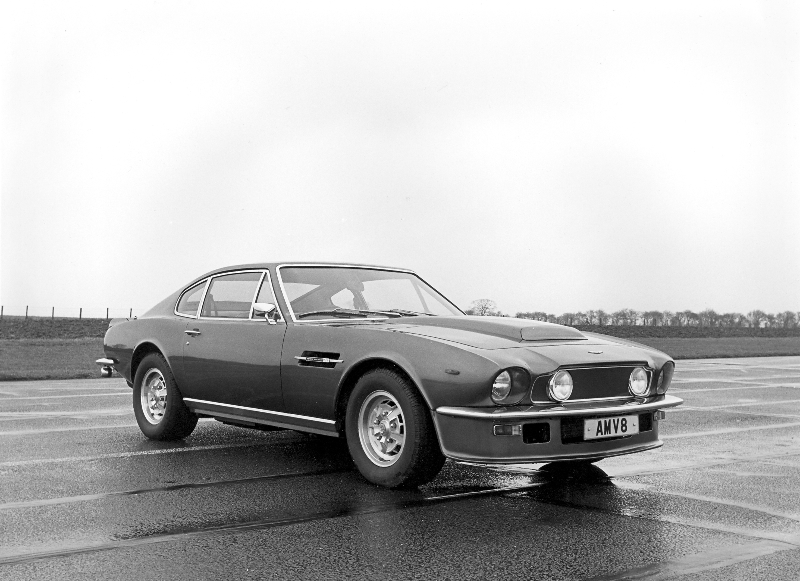
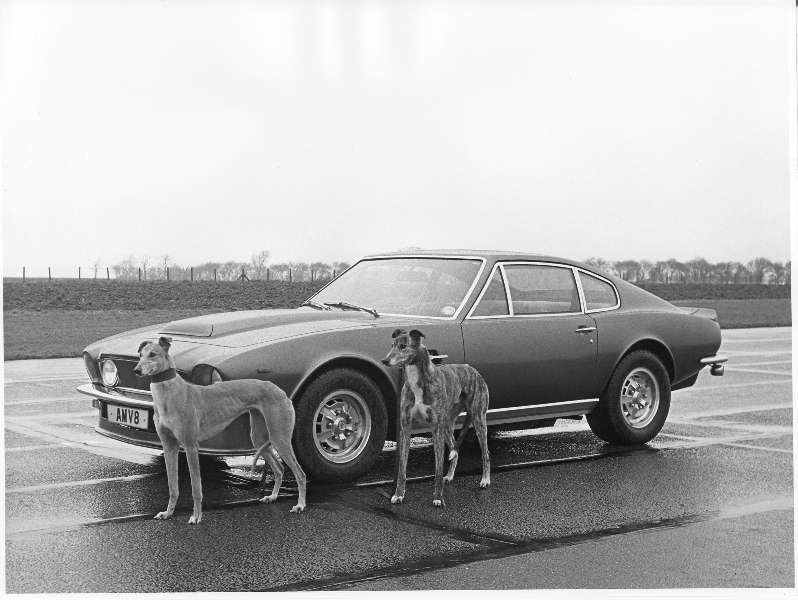
The production ready V8 Vantage together with it’s signature aerodynamic enhancements was announced in February 1977 with a modified 1976 AM V8 saloon, V8/11470/RCAC, painted Tankard Grey and carrying the factory AMV8 numberplate. Externally the car featured the trademark Vantage front air dam and three piece blanking plate to the grille and twin Cibie driving lights. The aperture in the bonnet was plugged with a shaped piece of aluminium and the headlights apertures were covered with clear Perspex. On the boot lid was mounted an additional bolted-on aluminium spoiler. The aerodynamic additions to the V8 Vantage were actually developed in the wind tunnel alongside the 1977 Robin Hamilton Le Mans car, RHAM/1 so the similarity between two cars is not a coincidence. The suspension was stiffened, ride height lowered and larger 255/60 Pirelli tyres fitted to standard GKN wheels with spacers to widen the track.
Initially the V8 Vantage was to be offered as an after market upgrade, not unlike the 6.3 Virage or V600 Vantage and a second car in period Lonsdale Yellow was converted to ‘V8 Vantage’ spec before the V8 Vantage became a proper regular production model. Both of these cars have survived, V8/11470/RCAC now carrying UMJ71R repainted with Tourmaline Blue coachwork and V8/11563/RCA carrying RYK1R, still in period  Lonsdale Yellow can be seen occasionally at UK events. The Lonsdale Yellow car also had distinctive slightly smaller 5 inch driving lights and one piece blanking plate only subsequently used on four other production cars.

More information on the development of the V8 Vantage is covered in Kean Rogers website, V8Vantage.com which is our principle source of information on the V8 Vantage.

V8/11563/RCA carrying RYK1R

A second car in period Lonsdale Yellow was converted to ‘V8 Vantage’ spec before the V8 Vantage became a proper regular production model

« Newer PostsOlder Posts »