Latest News - 01/09/24

What's New @ AstonMartins.com?

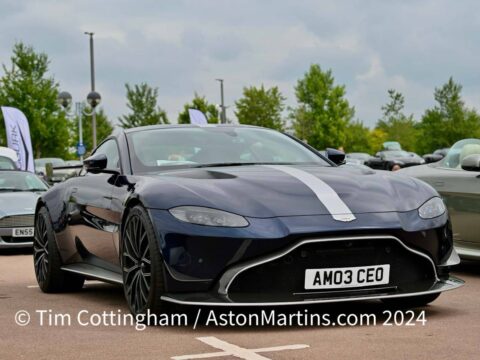
Vantage AM6 CEO by Q

DB4 Vantage

DB4 Vantage

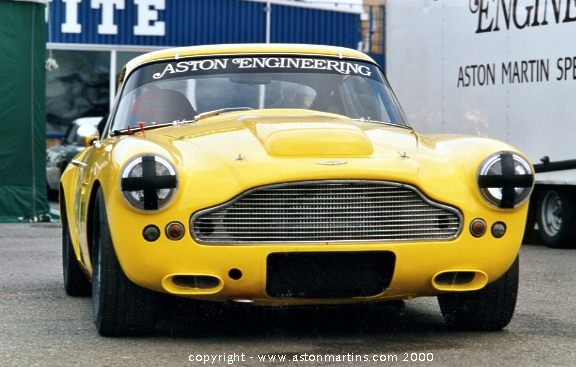
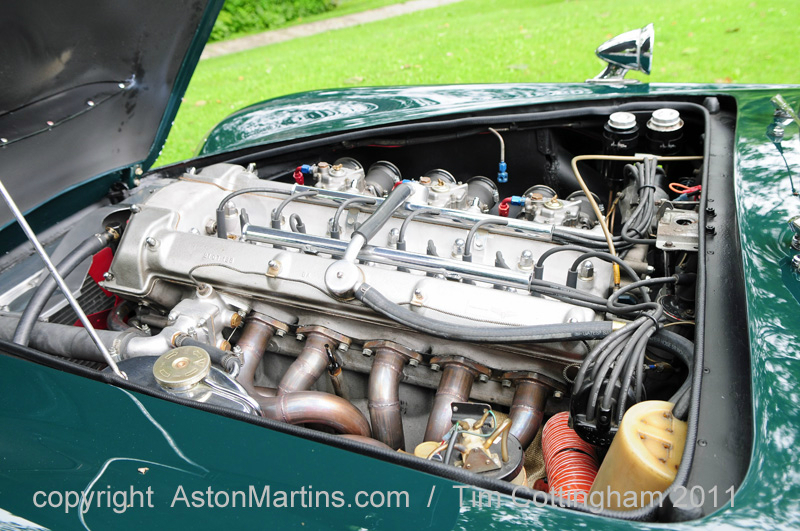
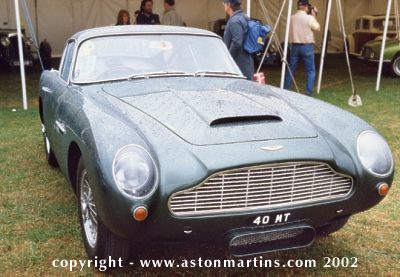
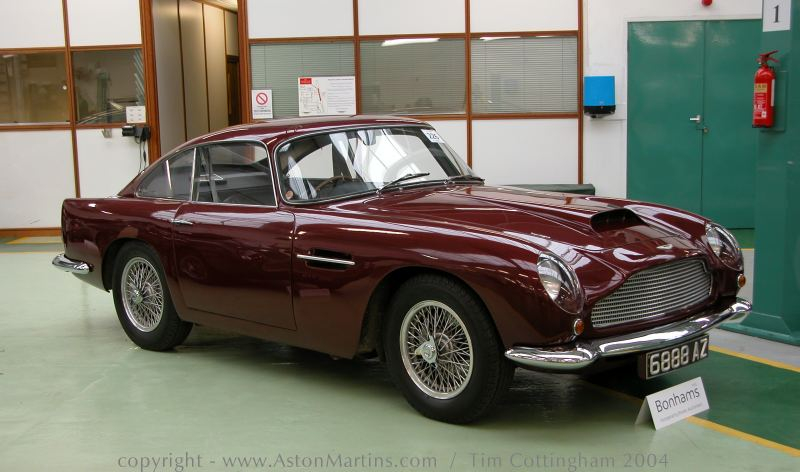
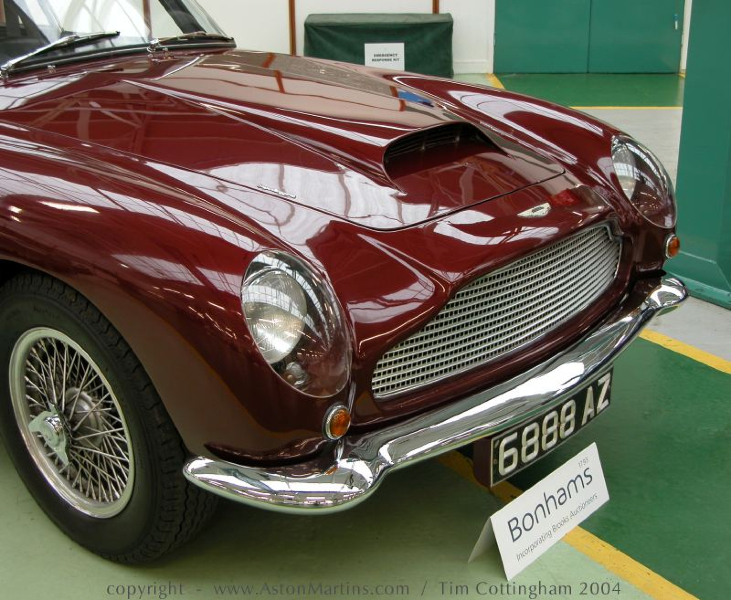
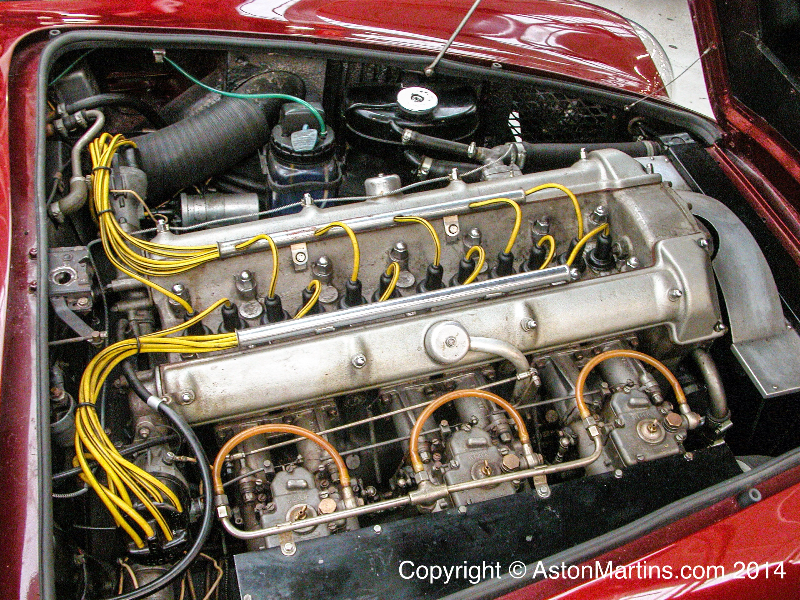
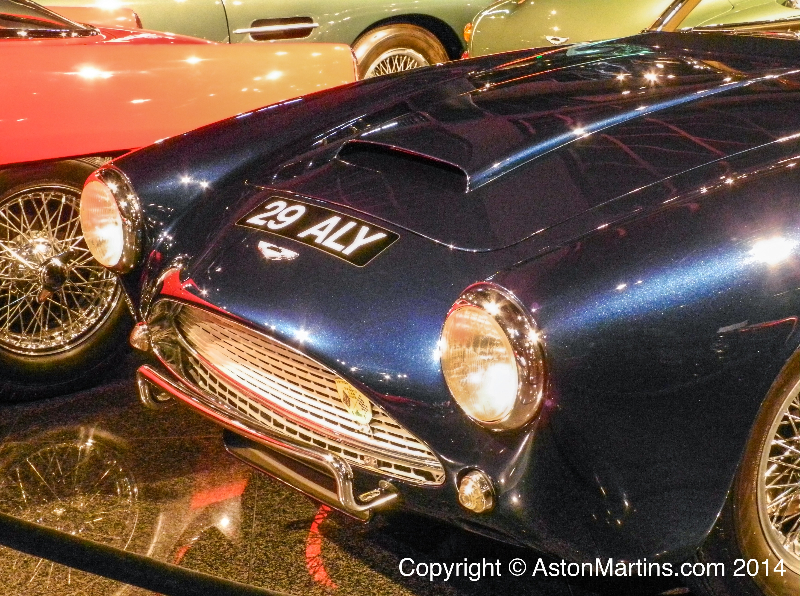
The DB4 Vantage is not just an enhanced engine as it also has the faired-in headlights from the DB4 GT with the addition of a chrome rim. DB4 saloons with the Special Series engine fitted as a cost option and regular headlights are not normally classified as DB4 Vantage. The saloons and Vantages have distinct chassis number sequences.

The series 4 was replaced by the series 5 in September 1962; the body was lengthened by 9 cm which gave more rear leg room and a bigger boot but also allowed a higher roofline. Some sources will claim that the series 5 has a longer wheelbase but this is not the case at all. A majority of series 5 DB4’s were built to full Vantage specification. In almost all respects the final series of DB4 Vantage had become the DB5 – a car it is often easily confused with. Visually, the series 5 DB4 Vantage and DB5 only differ in minor detail. Most DB4’s have only one fuel filler on the left rear pillar (DB5’s have two), DB4’s have no model badges (many DB5’s have wing and boot badges), DB4’s have the four speed David Brown gearbox (most DB5’s have the German ZF 5 speed box).

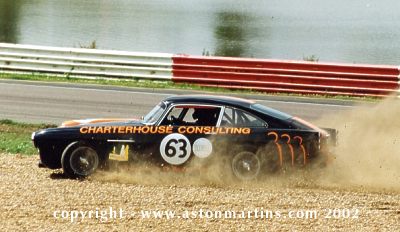
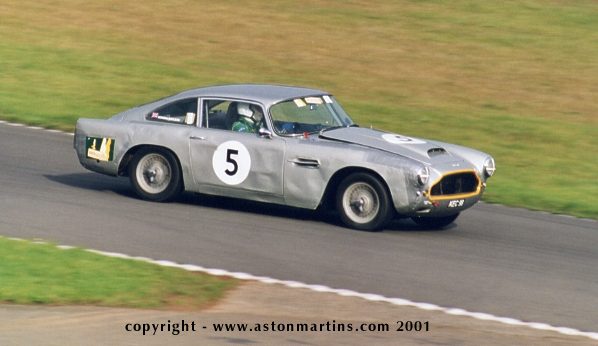
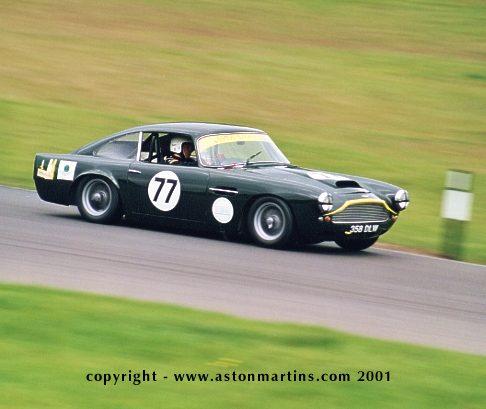
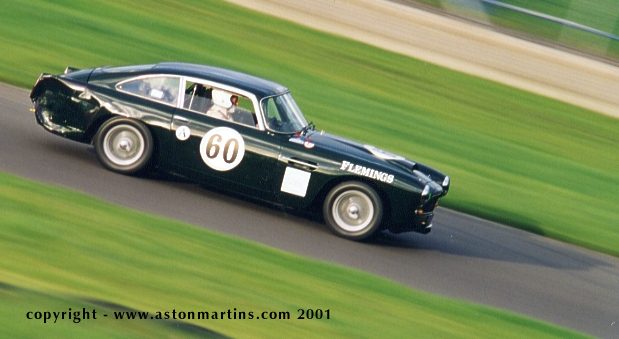
The occasional DB4 Vantage even goes racing. This car was photographed (Red number 72 below) during the 1999 season during an AMOC race meeting at Donnington Park. Early DB4’s are favourites to go racing as towards the end of it’s production life, the DB4 gained weight. But remember, the Vantage was a more powerful car too.

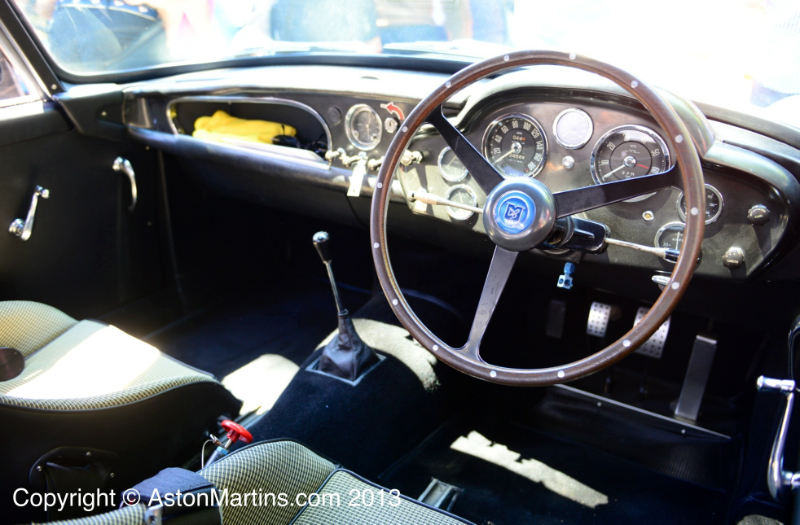
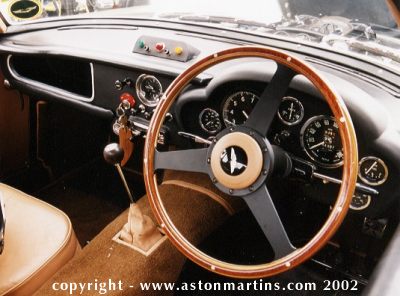
Many of the series 5 Vantage also featured the GT instrument panel (but not the one pictured below) Also visible is a window winding handle, a feature which saw its last service on the DB4, DB5’s and later cars had electric windows fitted as standard.

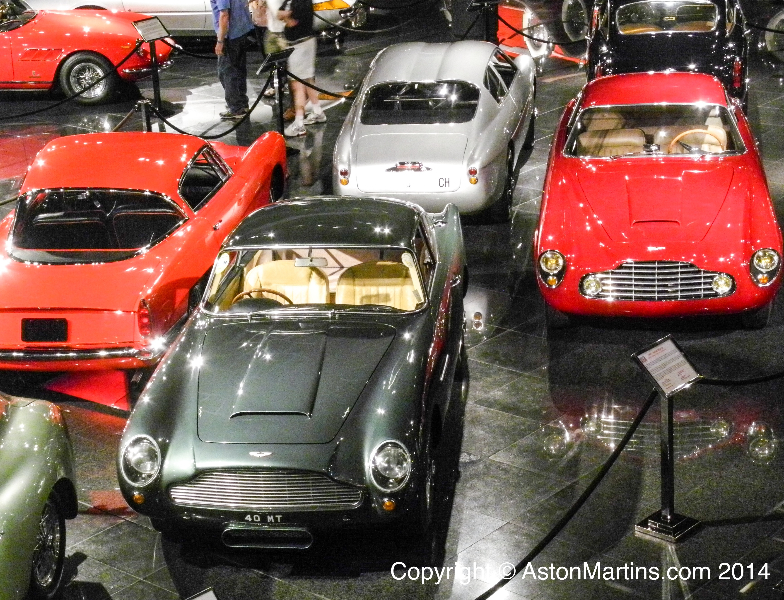
Pictured below features a DB4 Vantage in Dubonnet Rosso together with a 2CV6 Dolly (indeed it’s my car), If nothing else, it illustrates the breath of the classic car world. The picture was taken in 1995 in a park in Newport Pagnell being used as parking for the factory open day, a very busy day in the town.

DB2, coachwork by Serra

The car has been unseen for decades until it was offered for sale at the RM Sotheby’s auction in London during November 2024.

Images, believed taken in the 1970s are by Roger Stowers, copyright Aston Martin Heritage Trust

DB4 Vantage GT

DB4 Vantage GT

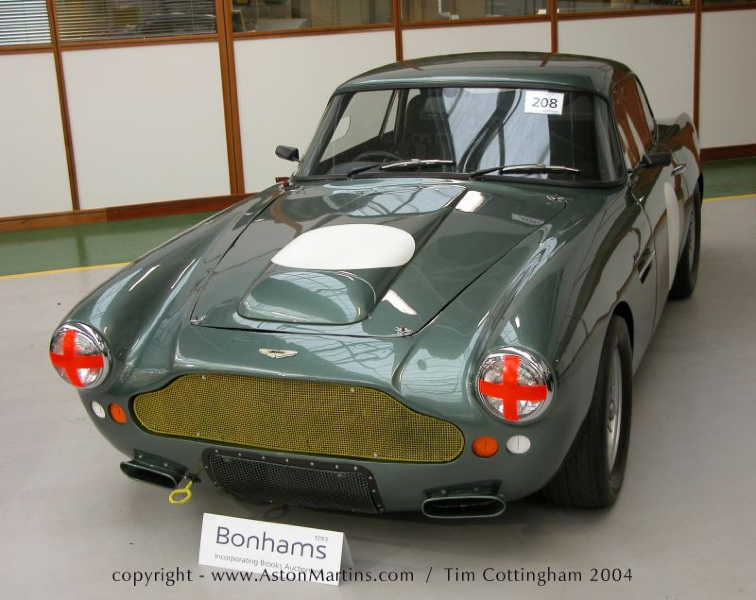
The Vantage GT is not a specific model as such but is an exceptionally rare car. The AMHT Register details only six series 5 Vantages with the more powerful engine. The AMOC register also notes that three series 3 DB4 saloons, five DB4 series 4 saloons and a single DB4 Vantage convertible also received a GT engine.

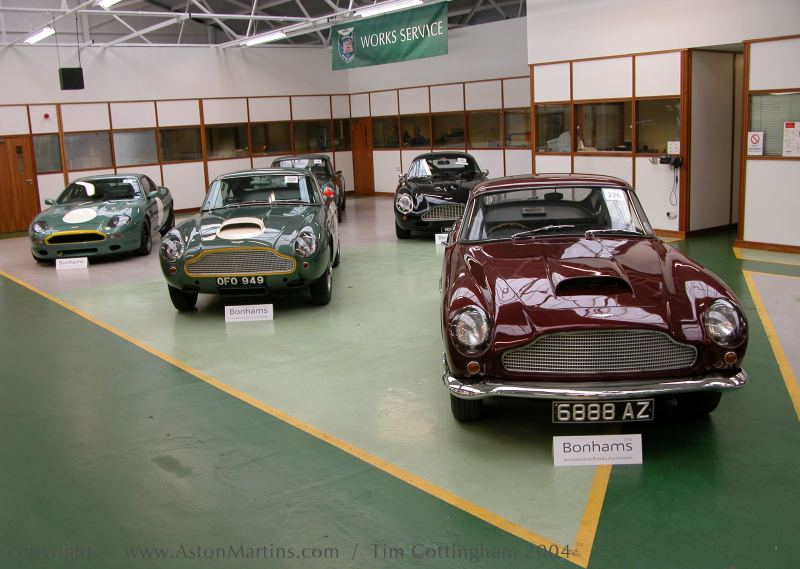
The example featured above is DB4/1121/R, a 1963 DB4 series 5 Vantage GT. Finished in Goodwood Green, this car was totally restored at AML Works Service during 2000 and was presented for sale at the Bonhams/Brooks AML auction in May 2001.

The photograph was taken with the kind permission of Nicholas Mee at his showroom in London.

DB4 Lightweight AMOC Racecar

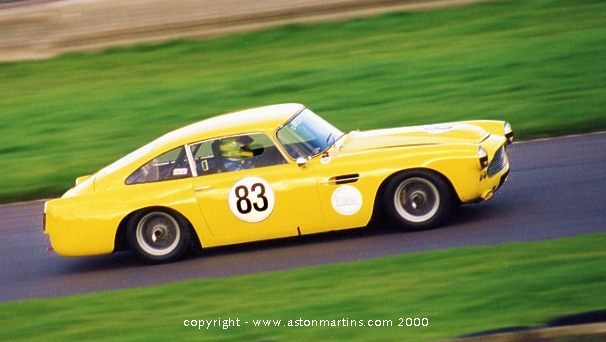
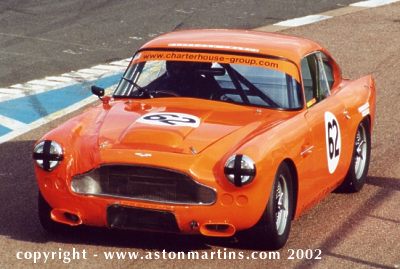
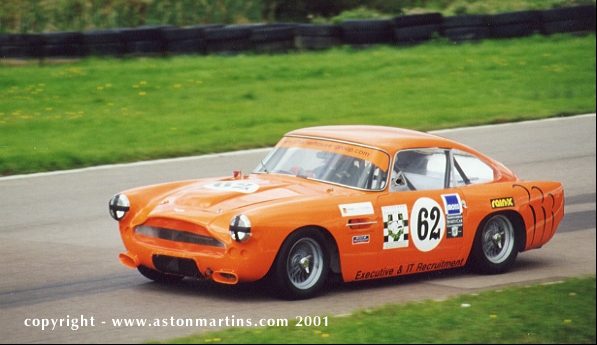
Much of the development has been done by R.S.Williams, the famous Aston Martin specialist in Cobham, Surrey but also Aston Engineering of Derby and Goldsmith and Young. These cars represent what the DB4 line would have become if factory development of the 6 cylinder engine had been allowed to continue.

This is the extremely quick ‘Banana’ car, as driven by Gerry Marshall and run during the 1999 season by Aston Engineering of Derby.

Modifications to the cars are not dissimilar to what the factory did when making the GT although most retain the longer wheelbase of the standard car. The engines which began with 3670cc are bored out to 4.2 or 4.5 litres, twin plug GT type heads are used as well as triple Weber twin choke 48mm carburettors. Engine output varies but an RSW prepared 4.5 litre unit can produce 420 bhp at 6800 rpm. Cars compete in various classes which allow increasing levels of modifications, so one often wonders how much of the original factory built DB4 is left!

Above is an example of an RSW DB4 lightweight that has recently come onto the market. Chassis 315 was modified for racing in the late 1970’s by Richard Williams for Lord Downe and now has an extensive race history both in the UK and US, in the hands of AM celebrity drivers such as Mike Salmon and former AML shareholder, Peter Livanos. The standard DB4 series2 weighs in at 1353kg – this car is down to 1026kg – just over the 1000kg limit for cars in the AMOC group C category. The pictures above were taken at RSW in March 2004 where 315 was being prepared for sale and to the right at the AM/Bonhams sale in May 2004.

Here are a few websites that will be of interest to anyone interested in the DB4 lightweight – Conorobrienracing.com, Heritage GT Racing, AMOC Club Racing

DB4GT

DB4GT

In order to save weight, the bodywork was made of thinner 18 gauge aluminium, the wheelbase was reduced by 13cm, the engine was tuned and the rear seats were deleted on all but a small number of cars. Maximum speeds during testing was found to be 153 mph with a 0 to 60 time of 6.1 seconds. It was also one of the first cars that could go from standstill to 100 mph and then brake to a halt in under 30 seconds.

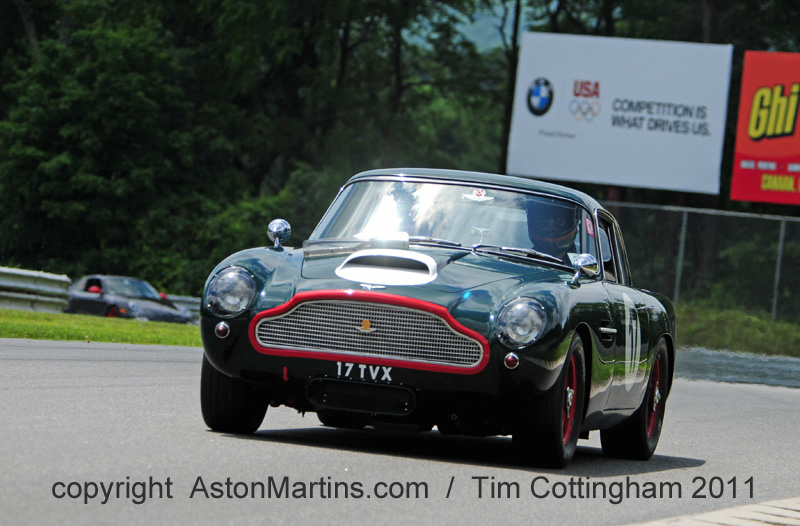
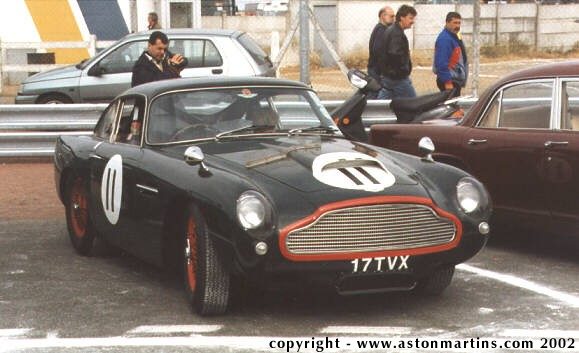
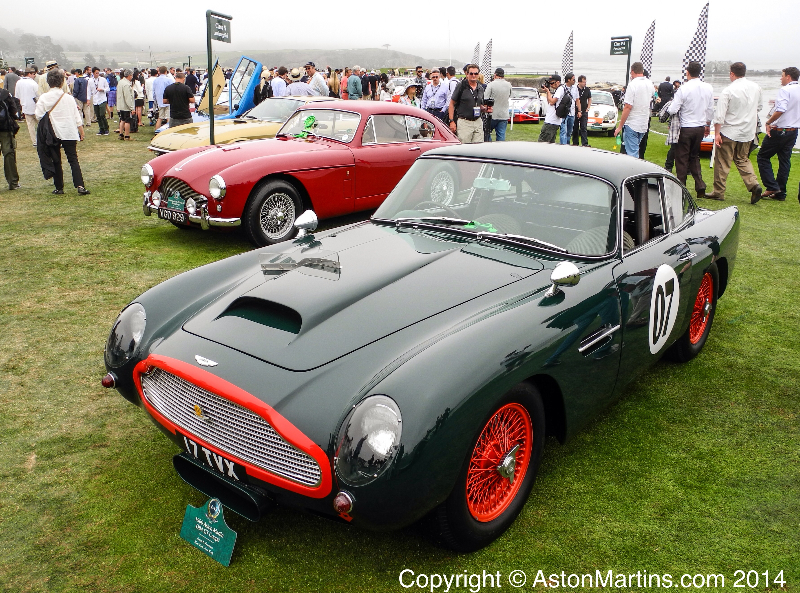
Here is one of the most famous GT’s with long histories on the racing circuit, Chassis DB4GT/151/R, 17TVX. After all, that’s what the GT was designed for. The car on the left is a lightweight and was owned and raced from 1960 by John Ogier’s Essex Racing Stable. Driven by the likes of Roy Salvadori, Sterling Moss, Jim Clark and Innes Ireland, the GT was regularly competing against the Ferrari 250GT. It can still be seen on the race track to this day.

The engine of the GT still with a capacity of 3670 cc (though some had 3750cc), was otherwise extensively modified. It featured twin plugs heads using two distributors (that’s twelve sparkplugs in total) and triple twin choke 45 DCOE4 or 9 Weber carburettors plus a raised compression ratio of 9:1. Power output was claimed at 302 bhp at 6000 rpm, a useful increase from the claimed 240 bhp of the standard car.

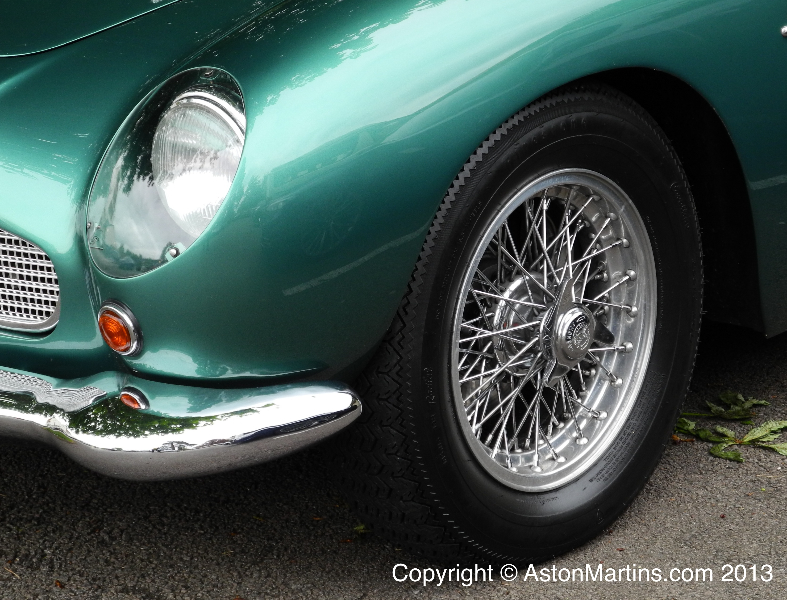
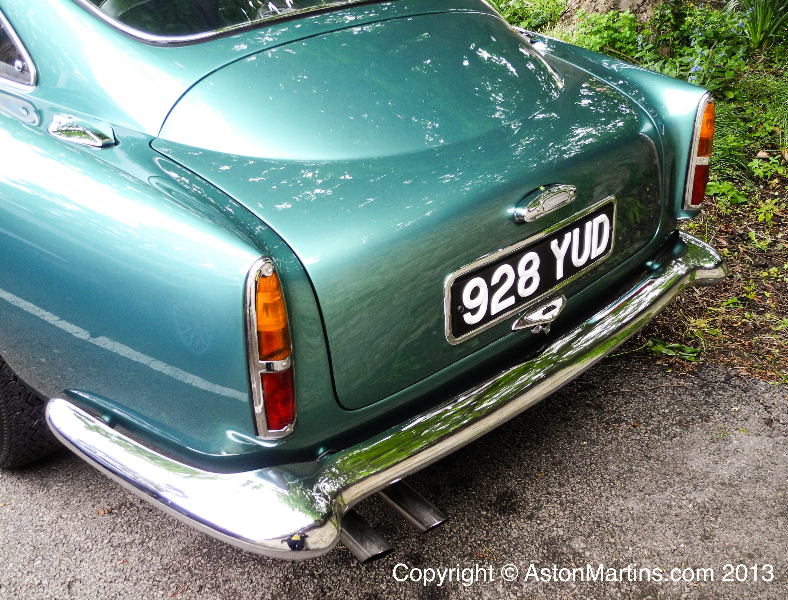
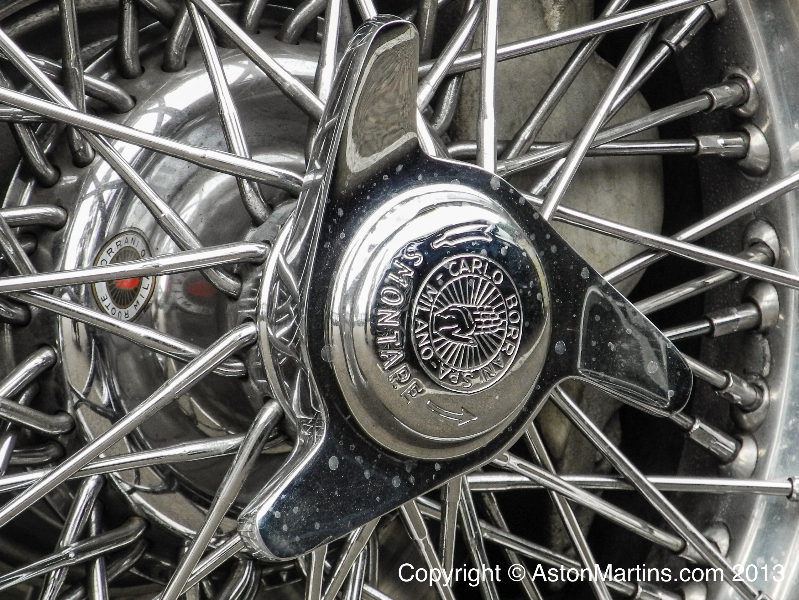
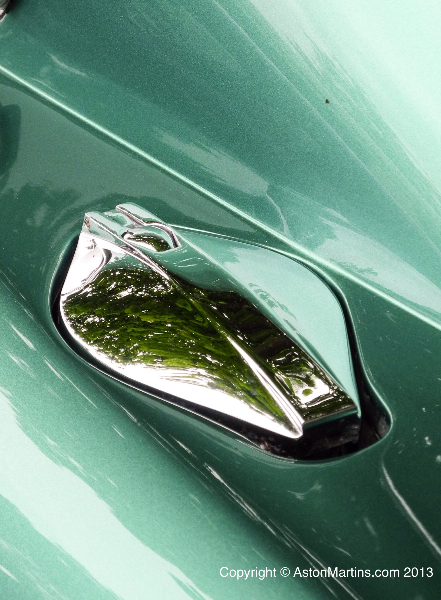
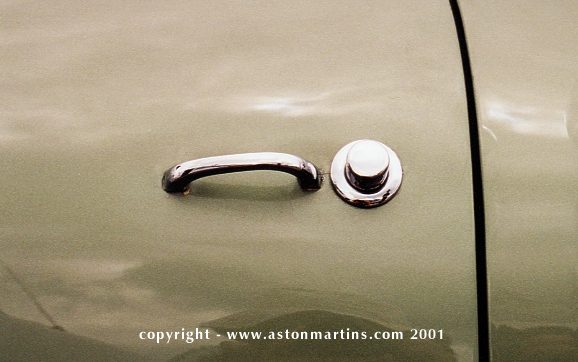
A single large fuel tank was fitted (although some cars had twin tanks in the wings) and quick release filler caps are situated on each side. GT’s were fitted with spectacular lightweight Italian Borrani wheels; 42 spokes with light alloy rims.

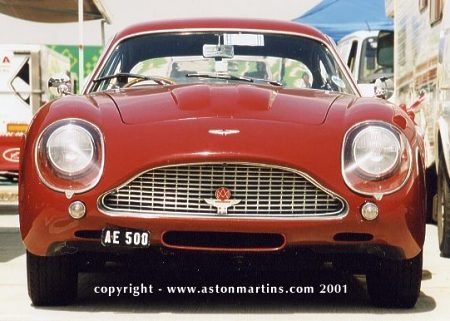
This 1960 car is very special as it is one of only a very few lightweight GT’s; this one was a factory demonstration and experimental car. This car is fitted with a Zagato specification engine claimed to give 314bhp. You may notice that the car has a later DB4 grille and lower bonnet scoop and I think it has the later tail lights too. Cosmetic changes within the standard cars were also made to the GT although the GT’s are not split into series as such.

Despite their tremendous rarity and value, the GT is still a popular race car at major historic racing events such as the Coys and Bonham’s festivals, Goodwood Revival, Classic Le Mans and occasionally at AMOC events throughout the season.

Below is perhaps the most original DB4GT of the 75 Tickford bodied cars. Chassis number DB4GT/0123/R was kept by the same owner for over 40 years which explains it’s wonderful origonal unmolested condition. For many years it was thought to be lost but it resurfaced in 2004 as the star lot in the AM/Bonham’s auction in May 2004.

The true track ready GT model started and stopped with the DB4 GT; the 5 and 6 were never tweaked and lightened for the race track. The DB7 GT i6 made a brief appearance although never made production: the DB7V12 GT is a different beast altogether. It could be argued that the current model that most reflects the line of the DB4 GT is the V8 Vantage N24/GT4.

One of the ultimate Aston Martins and a performance pinnacle of the marque.

DB4GT Zagato

DB4GT Zagato

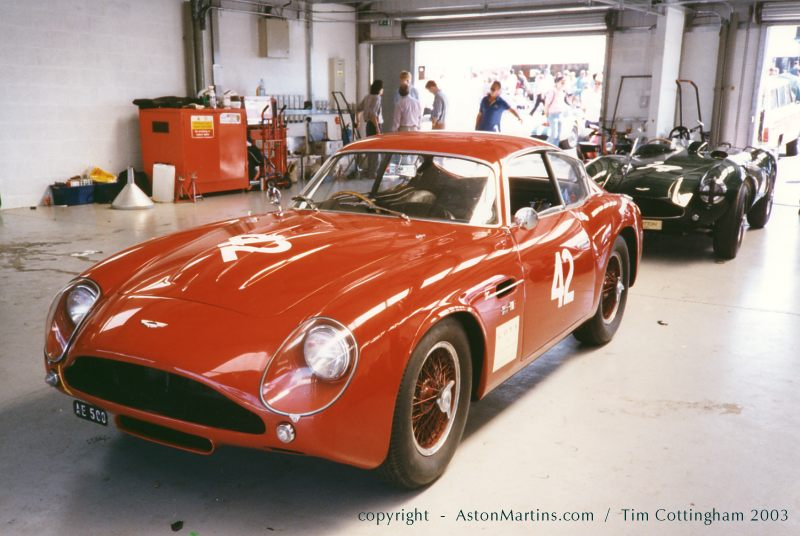
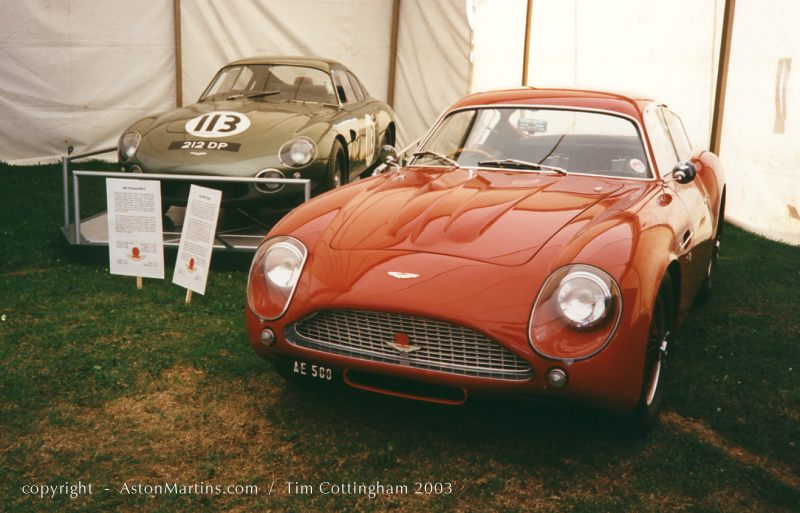
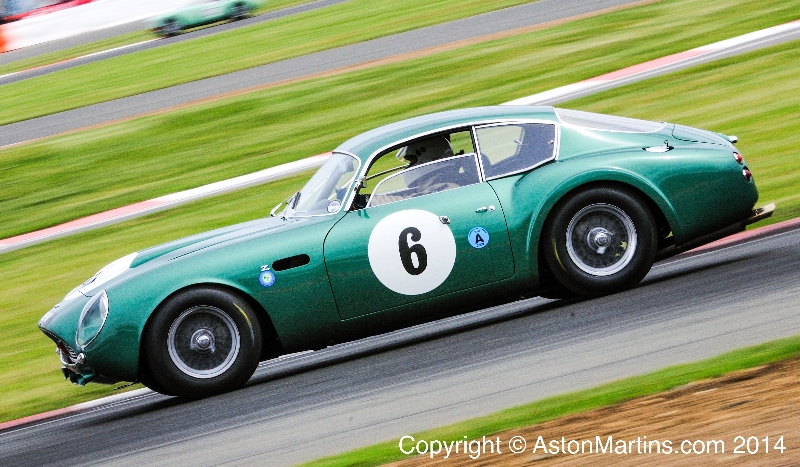
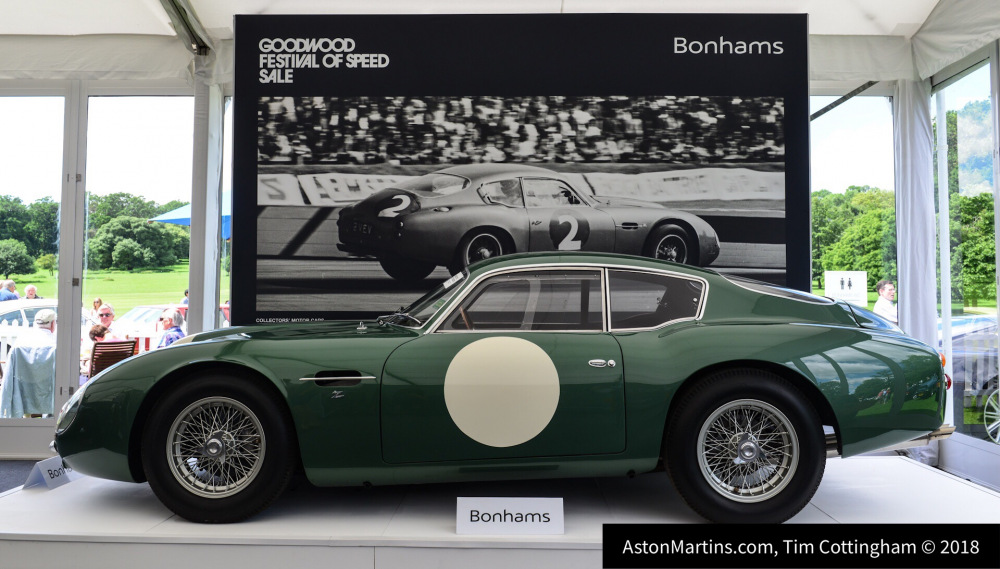
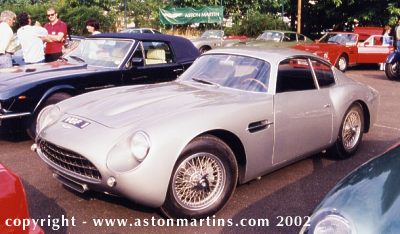
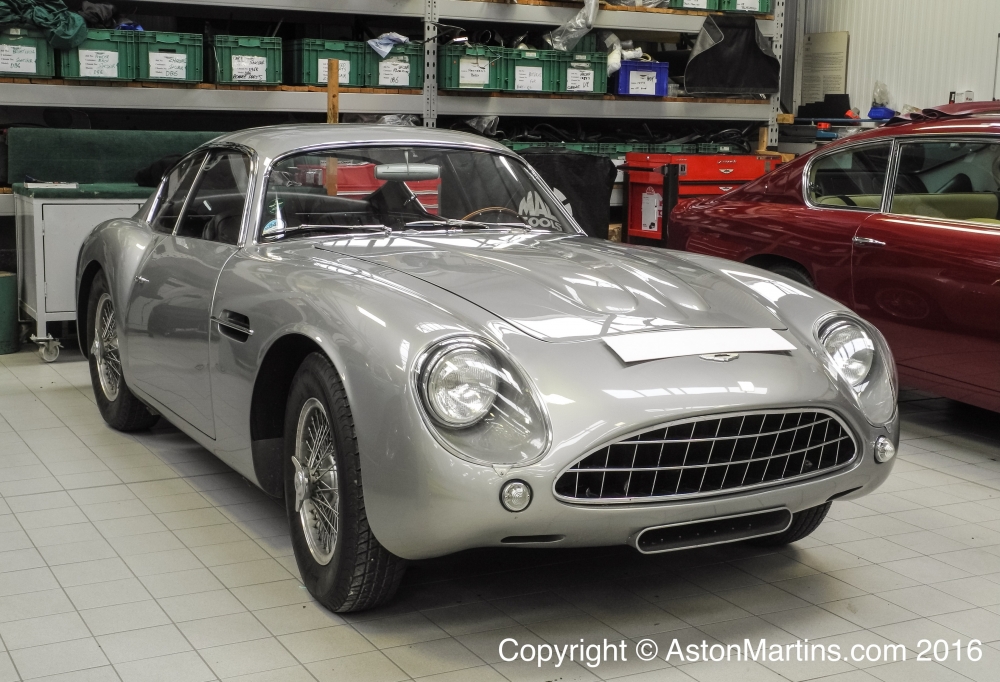
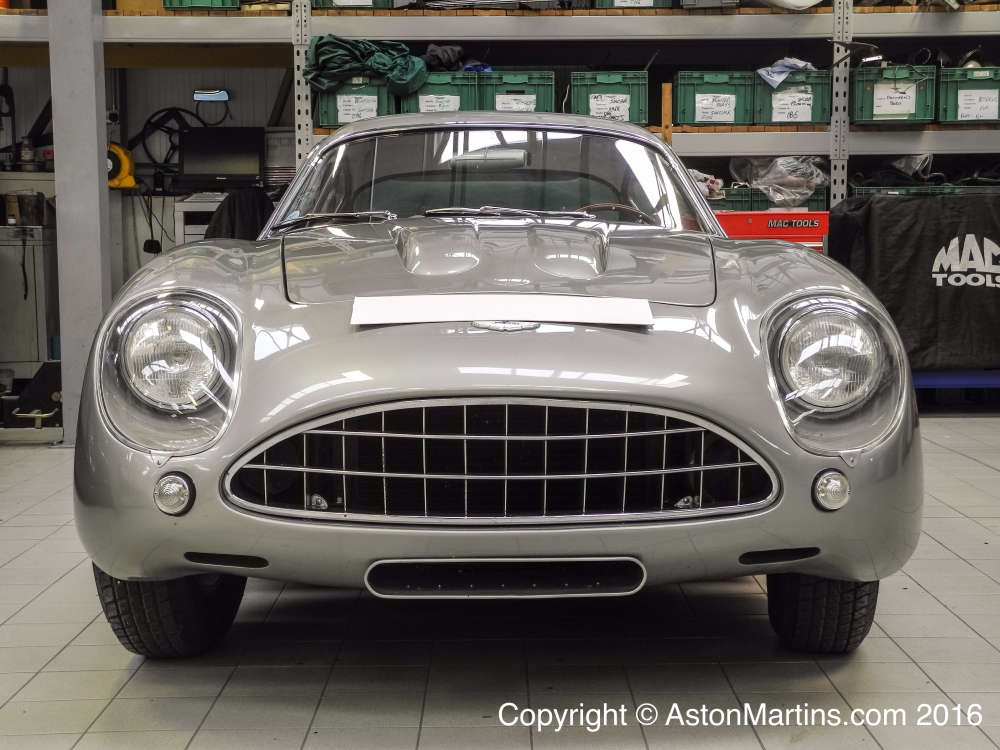
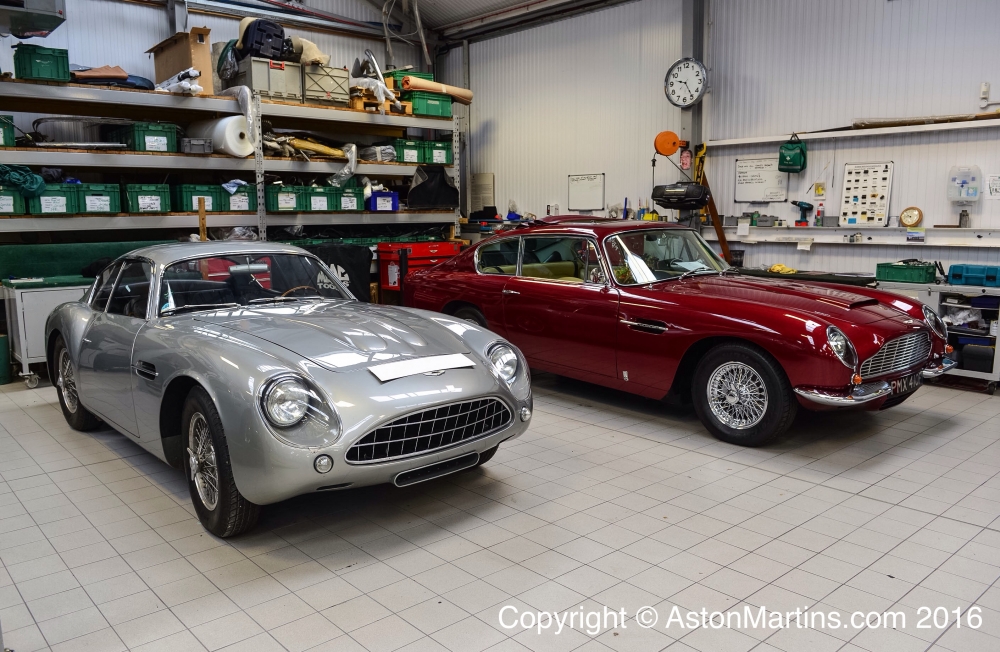
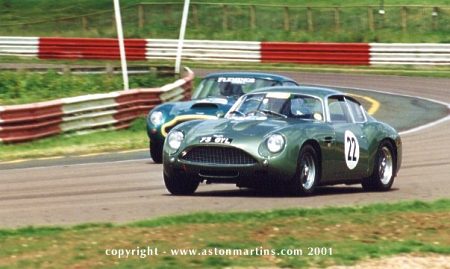
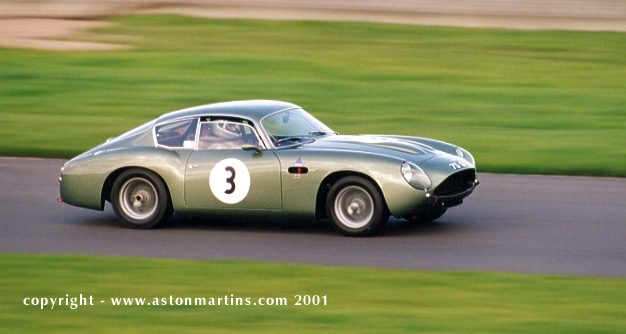
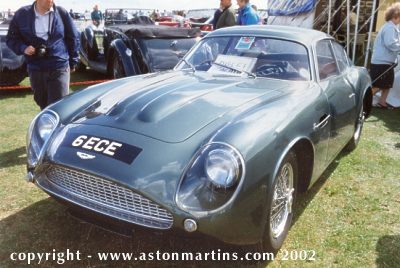
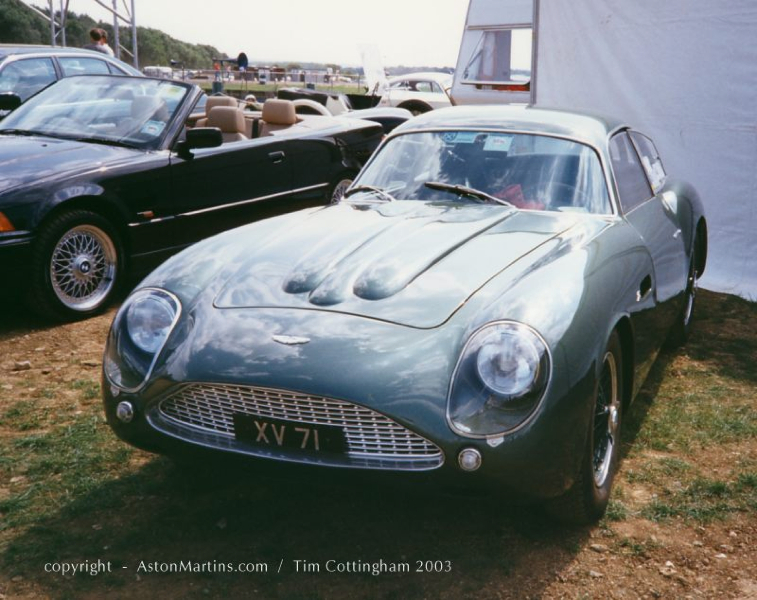
The Zagato was given an even more powerful engine than the standard GT by using an even higher 9.7:1 compression ratio. This was able to produce a quoted 314 bhp. Needless to say that the performance was and still is very impressive with a top speed of 153 mph and 0 to 60 acceleration in 6.1 seconds.

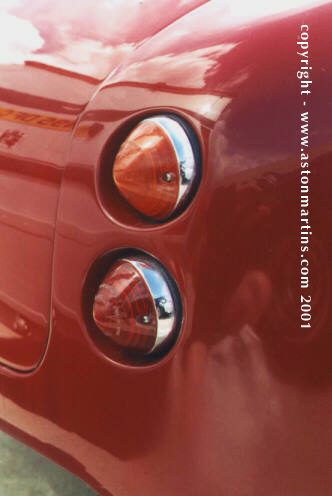
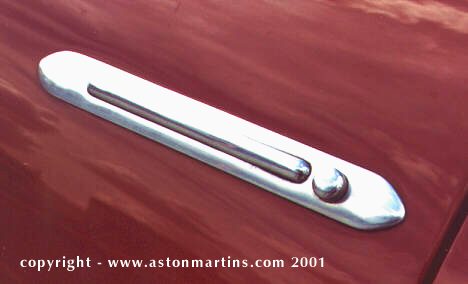
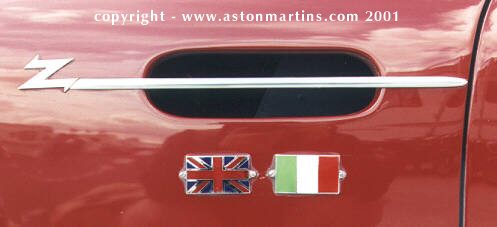
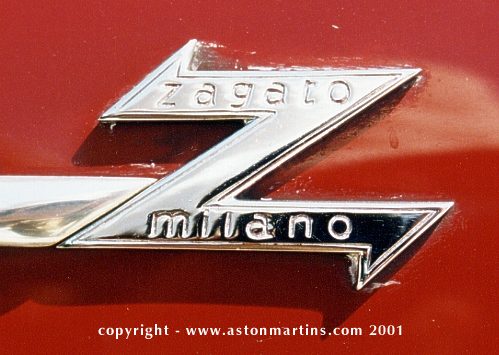
Although DB4GT/0200R has the highest chassis number, it was actually the first example built and was unveiled at the Earls Court Motor Show in 1960. The car features a unique curved bright strip which wraps itself around the wing vent and then extends across the door. The car was raced at the Le Mans 24 hour race in 1962 in the hands of Salmon and Baillie where it unfortunately retired after 9 and a half hours with a blown piston.

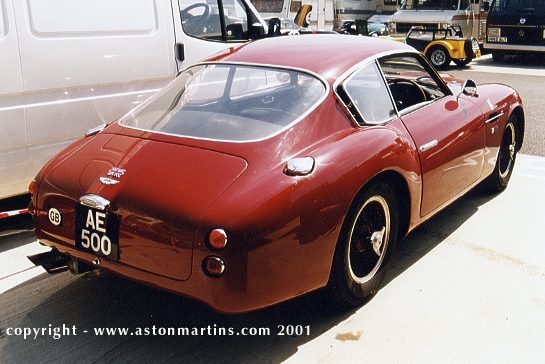
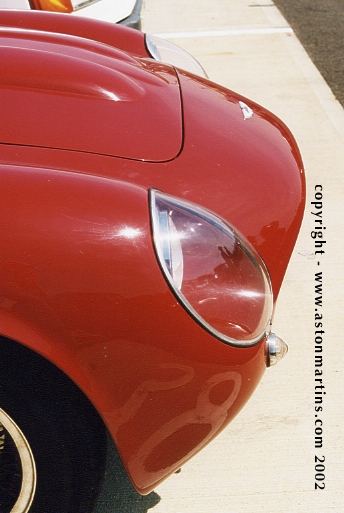
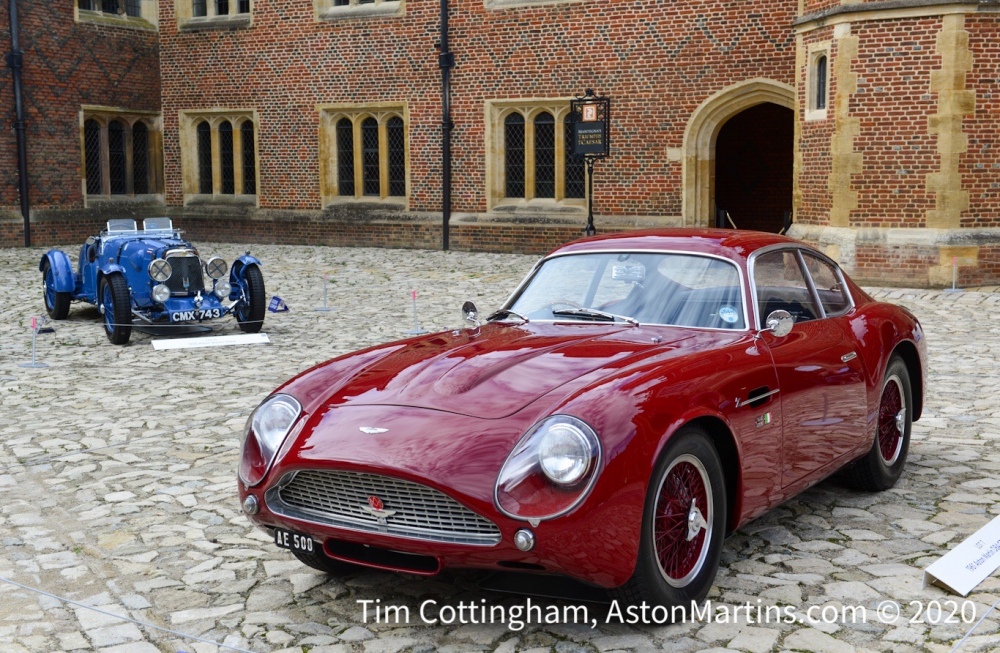
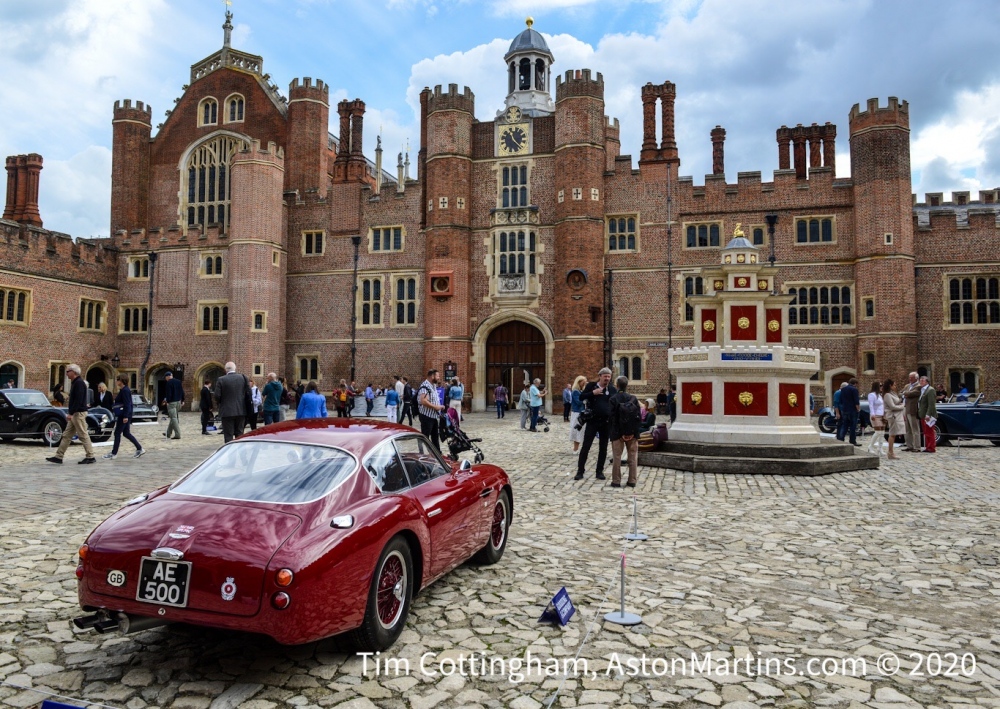
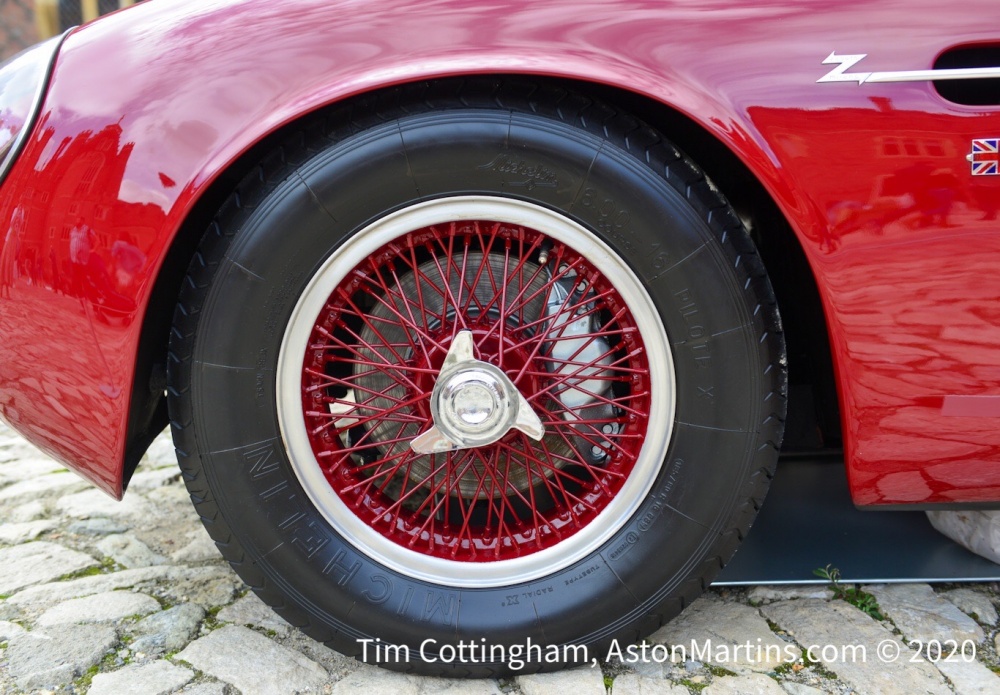
DB4GT/0176/R is probably the most original of all the 19 surviving cars and despite being nearly 60 years old, it has a very low mileage and is in remarkably original condition. Like many of the Zagato’s it was originally painted in red, the national racing colour of Italy. Thankfully, 0176 is unusual in retaining it’s original colour unlike many of it’s contemporaries which are now Aston Racing Green (or similar California Sage). I particularly like the spokes on the Borrani wheels being painted to match the body colour.

This Italian Red Zagato is a frequent sight at UK historic events and AMOC meetings and has been featured in many books.

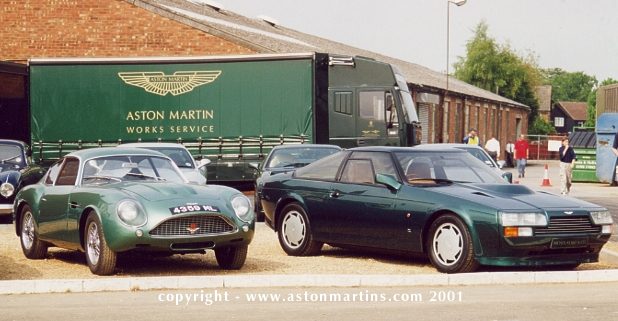
This car, chassis number DB4GT/0184/R, was the only Zagato to be the subject of a full road test by Autocar magazine. Thereafter 0184 was sold to Dunlop for experimental work testing tyres and brakes and of course was fitted with Dunlop disc brakes. During this time the car was used heavily before being sold into private hands in 1967. These photographs were taken at the factory at the 2000 AML/Brookes auction. In the lower picture, 0184 is in the company of the very last V8 Vantage Zagato 20062.

This is DB4GT/0191/R and is one of the three cars built to the much lightened DP209 specification specifically for racing. After extensive racing during 1963/4 the car was badly damaged in an accident at Castle Coombe in 1966. Thankfully it’s rarity secured it’s future and the car was rebuilt.

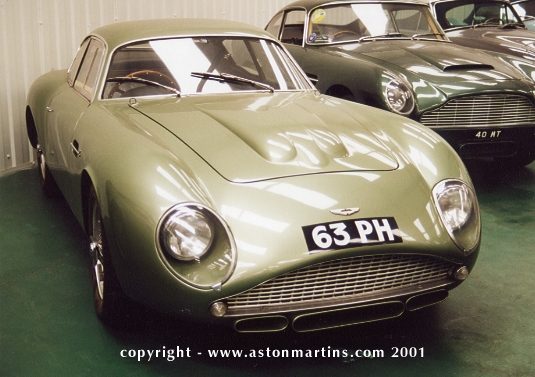
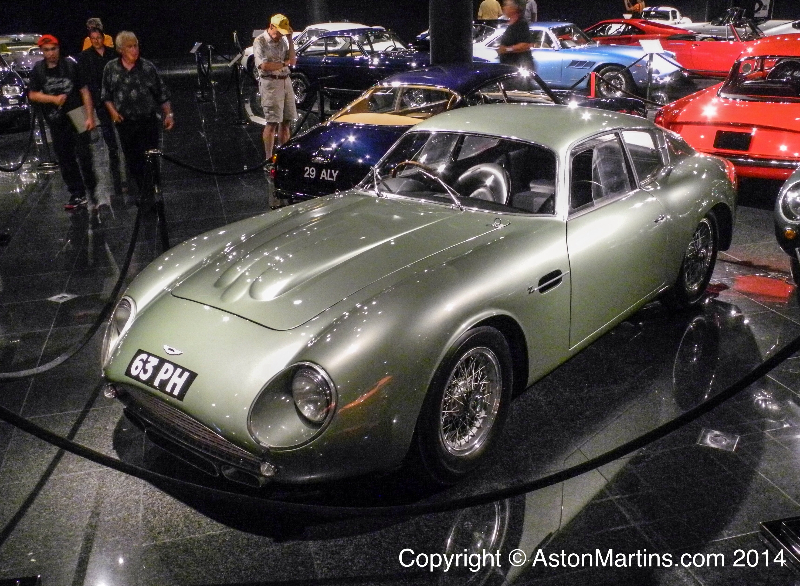
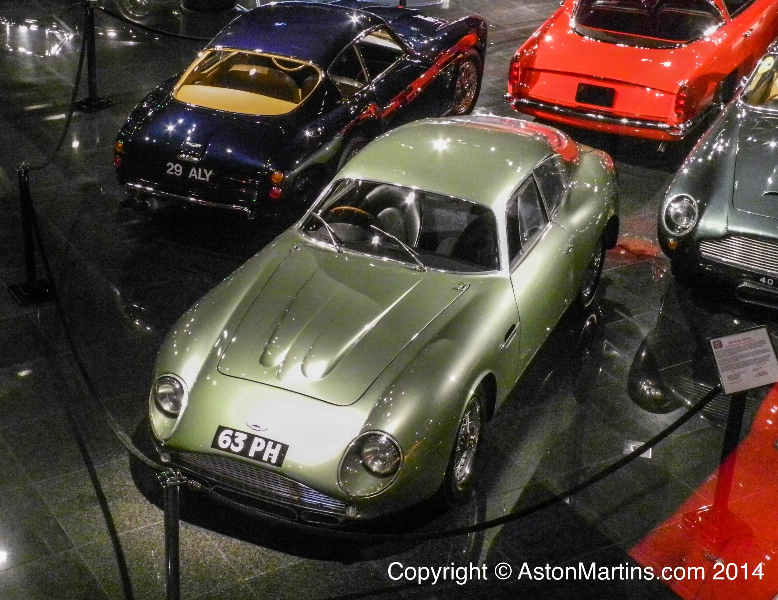
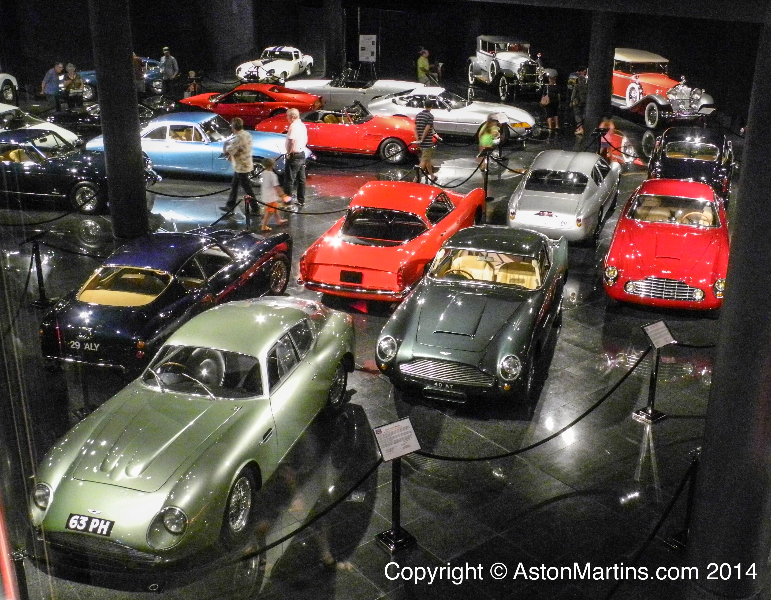
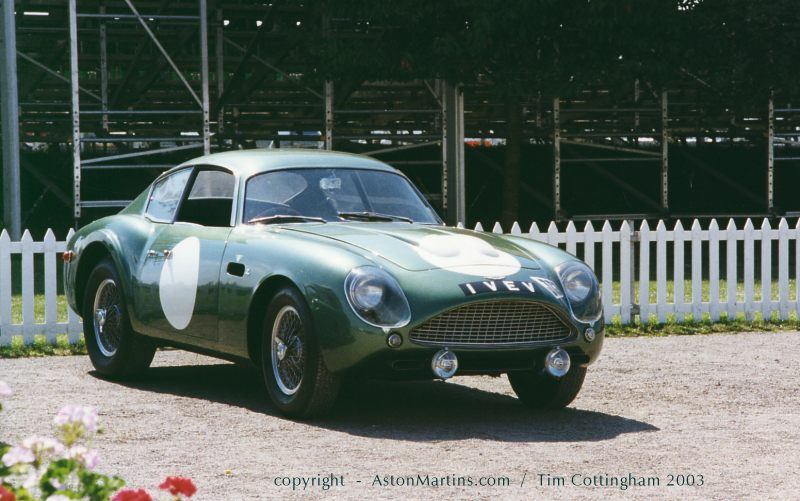
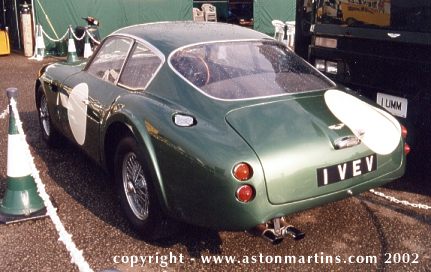
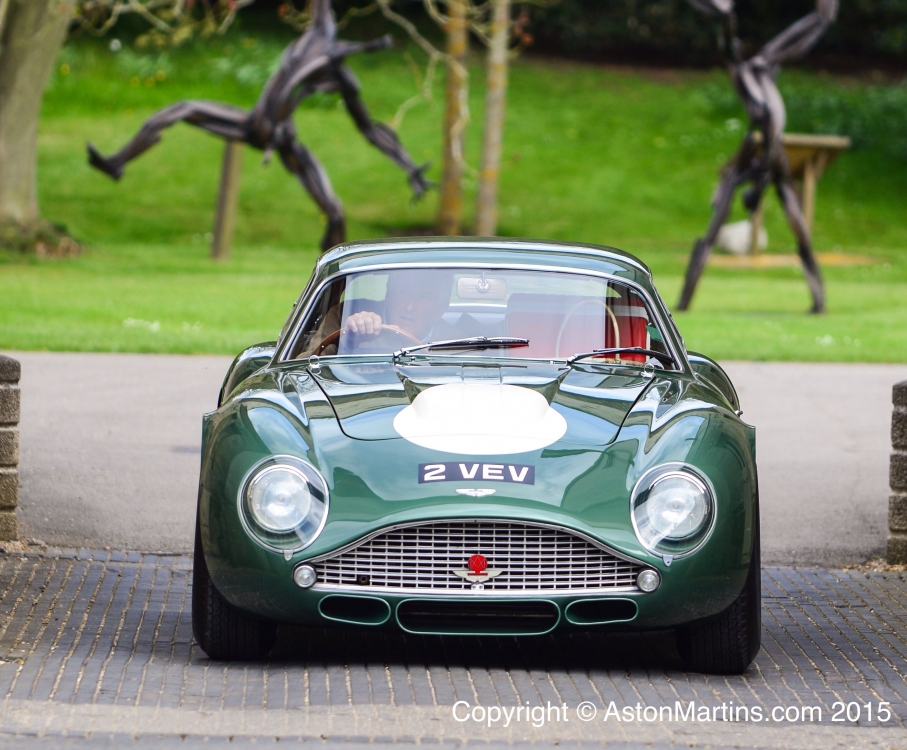
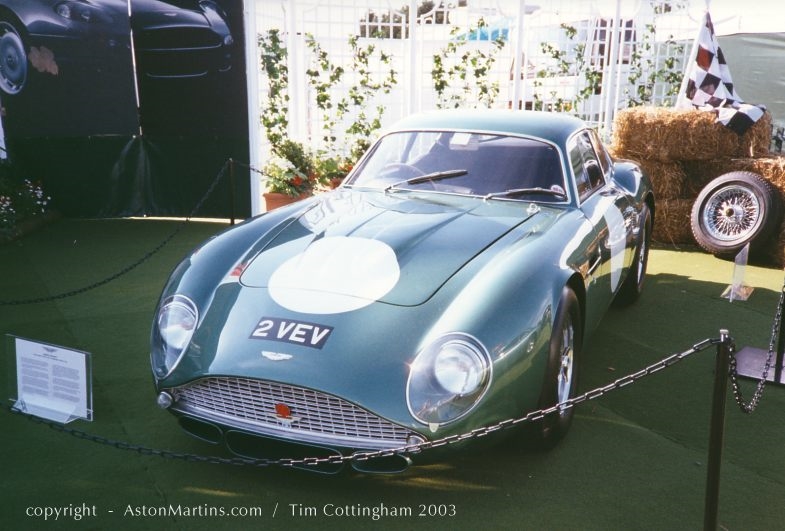
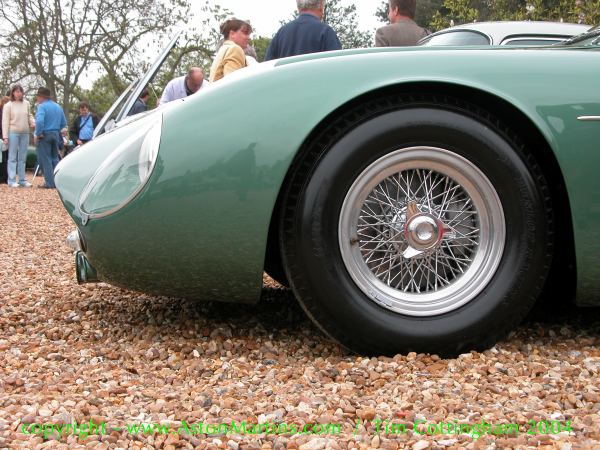
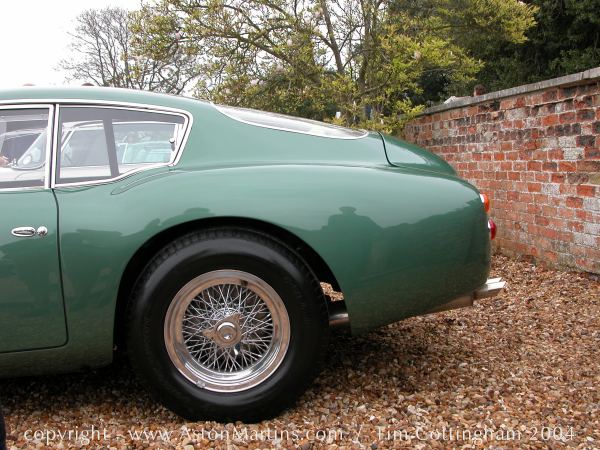
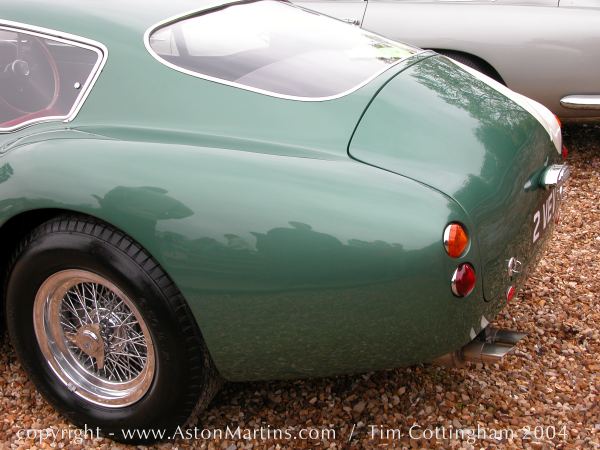
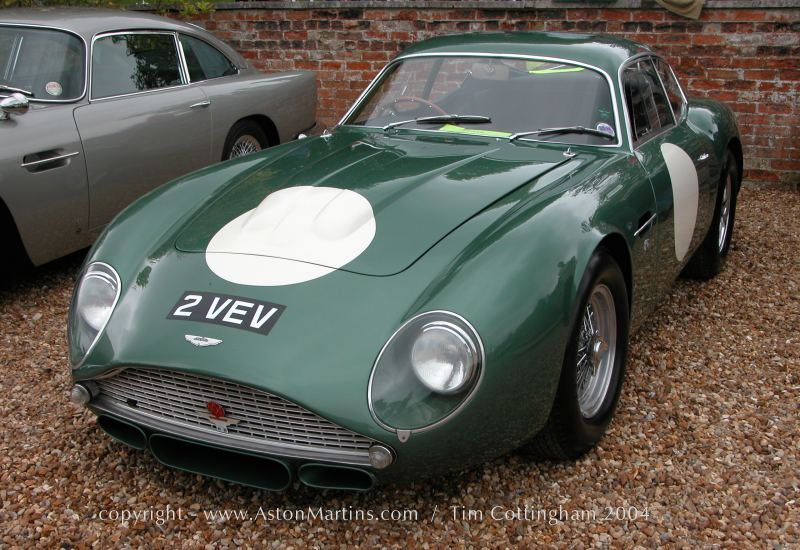
These are probably the most famous Zagatos ever. 1VEV and 2VEV were both ordered especially lightened for racing by John Ogier’s Essex Racing Stable. Although this was not a works team as such, it enjoyed strong factory support. Both cars competed at Le Mans and have been raced by such famous names as Roy Salvadori and Jim Clark. 2 VEV was seriously damaged in 1962 during a crash at Spa and was replaced by a new car built to DP209 specification, with the same registration number and incorporating many modifications. Another accident in 1993 except this time on the road returned the car to Works Service at the factory which returned it to 1962 specification (see below). The three DP209 cars are easily distinguished with their lower roofline, broader rear wings, a reshaped tail and flatter, longer nose. I hope that these differences are apparent in the pictures of 2 VEV and 63PH

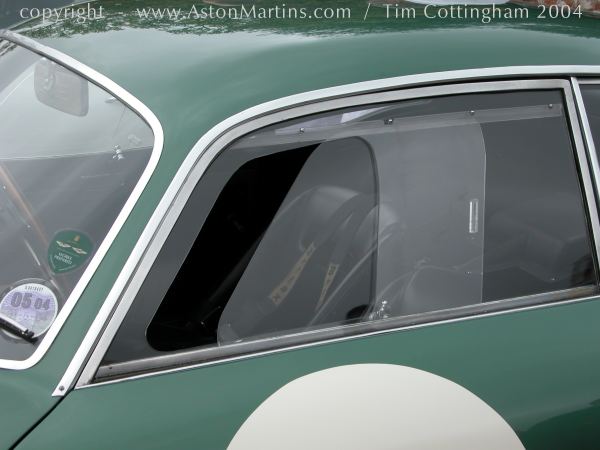
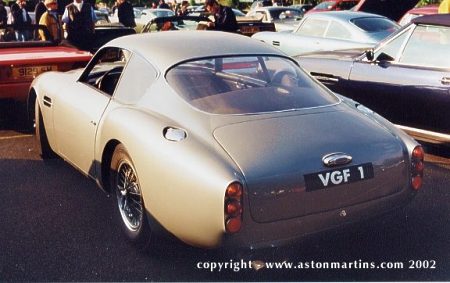
Now of course, all of the Zagatos are unique, but this car (DB4GT/0190/L) is more unique than most. The first owner requested many special features including thicker gauge alloy panels (to reduce risk of dents) Chromed brightwork, and glass in place of Perspex windows. Most interesting is the unique grille and the late DB4 style rear lights. It may be the heaviest Zagato but in my opinion is the prettiest with the wonderful silver paint finish.

This is DB4GT/0186/R which was exported to Australia by it’s first enthusiastic owner. It stayed in the Southern Hemisphere until the early 1990’s when it was repatriated to the UK and restored by Goldsmith and Young, Aston Martin Restorers. 73 GYL as it was until recently registered, was the most commonly seen Zagato on the UK historic racing scene. Many of the modifications for racing have been made easily reversible and include a roll cage.

Two Zagatos chassis number DB4GT/0177/R (right) and DB4GT/0179/L (left), both remarkably standard (if there is such a thing for a Zagato)

The Zagato is probably the most desirable Aston Martin but this wasn’t always the case. The factory had plans to produce 25 cars and production started with the highest chassis number (DB4GT/0200/R), further cars had lower chassis numbers. But demand wasn’t that strong and only 20 cars were completed; of those, two shared the same chassis number. The last two cars were sold off cheaply by the factory to the Aston Martin dealer, HWM, who in eventually managed to sell the unwanted cars. Now the Zagato is rated as the most beautiful of all Astons with a value potentially around the £5,000,000 mark and maybe much more. The remaining unused chassis numbers were eventually ‘recycled’ in 1991 with the emergence of the Sanction 2 cars.

In writing this page, I often referred to the book, Aston Martin DB4GT Zagato, published by Palawan Press Ltd, very expensive but worth every single penny.

DB GT Special, coachwork by Zagato

More recently, the DBGT Special has had an extensive chassis restoration at Aston Martin specialists, RS Williams, and then on to the Zagato factory in Italy for the fitting of an original style DB4GT Zagato body. So whilst it can be described as a genuine DB4GT Zagato, it cannot to be counted as one of the first 19 cars.
The car has been more recently put up for auction at the AM/Bonhams event in 2006 at Works Service. The car was arranged both with a V8 Zagato and a more recent prototype DB7 Zagato, a very rare photo opportunity. I don’t think that the car reached its reserve but it did find a new owner shortly after the event. Then in September 2006, the DBGT Special attended the AMOC Zagato display at Brooklands which gave me my first chance to photograph the car with one of the first 19 Zags.

The DBGT Special with coachwork by Zagato is now raced by Chris Scragg. The photographs here were taken during the support race for the 2007 Le Mans 24 hour race.

DB4GT Bertone Jet

DB4GT Bertone Jet

The ‘Jet’ as it was known was principally the work of Giorgetto Giugiaro was also shown at the Turin show in the same year. Unusually for an Aston Martin, the Jet has a body not of aluminium, but of steel which actually makes the car slightly heavier than the standard DB4GT. You may wish to contrast this car with the only other Aston Martin designed by Giugiaro, the twenty-twenty, unveiled at the 2001 Geneva Salon, exactly forty years after the Jet. And of course, Bertone produced the V12 Vanquish based Jet2 in 2004 and Rapide based Jet 2+2 in 2013.

After a life on the exhibition circuit, the car spent time in the USA and then perhaps also Beirut of all places. After being unseen for sometime, it finally arrived at AML Works Service in 1986 where it has rebuilt to the highest standards. Not surprisingly, it has subsequently won awards at concourse events worldwide.

These photographs were taken at Le Mans, 1995, the Works open day, also in 1995, on the AML stand at Coys Historic Festival, 1998, Pebble Beach 2007, and the Silverstone AMOC track parade for the DB4 in 2008.

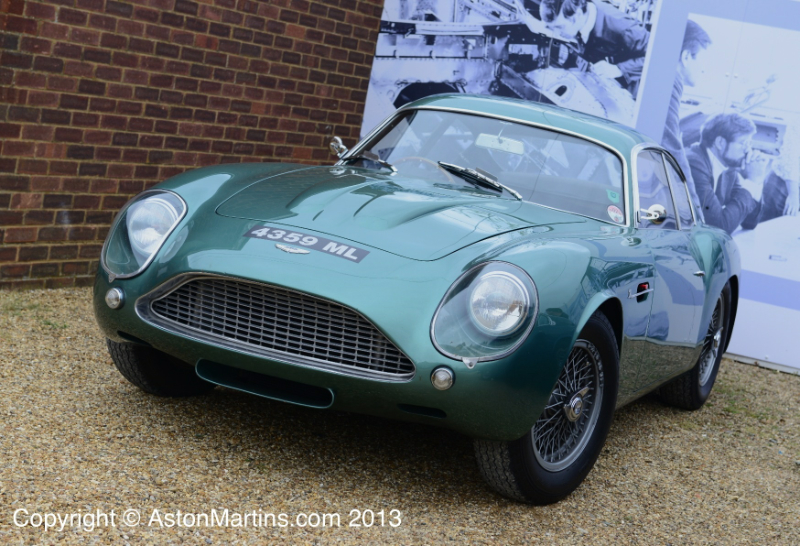
This important car was the star lot in the Bonhams Aston Martin auction during May 2013. It went on to play a staring role during the Aston Martin Centenary Celebration in July 2013 parked with Jet 2 and Jet 2+2, the very first time that the three Bertone Jet cars have been seen together.

Lagonda Rapide

Lagonda Rapide

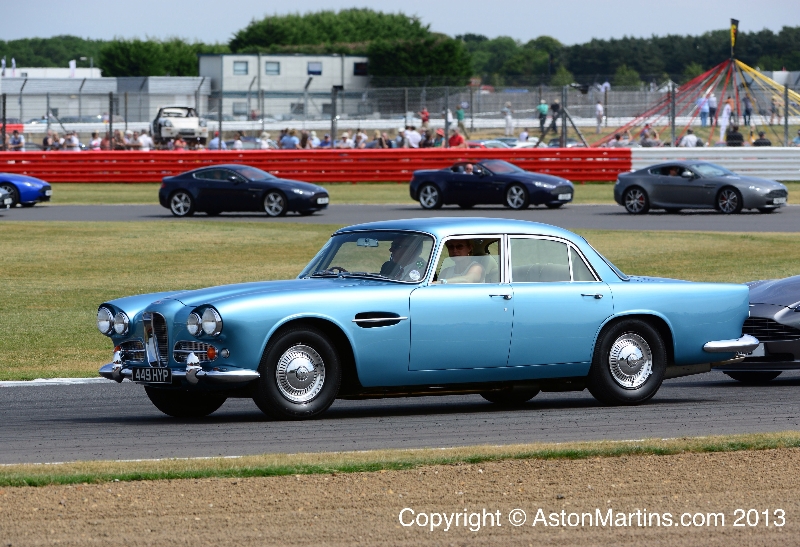
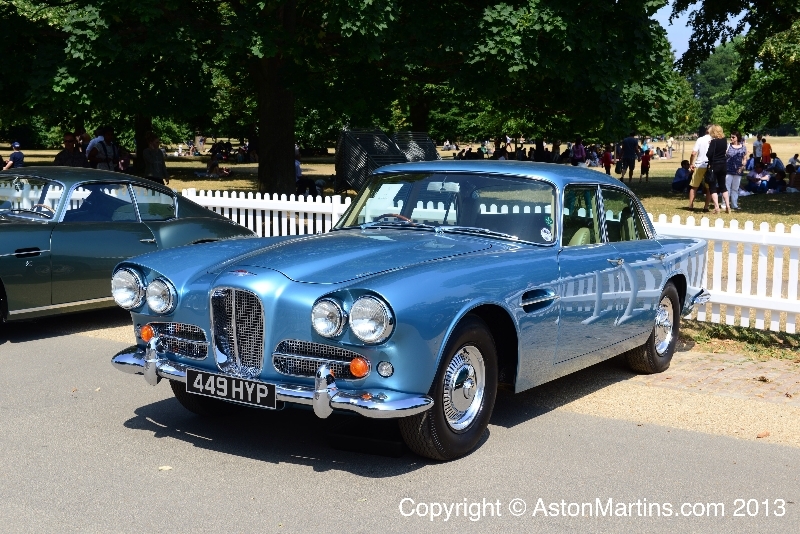
The car was closely based on the DB4 and used a modified platform chassis lengthened by 16 inches and a de Dion rear axle, used to give improved rear accommodation. The de Dion rear axle later became a feature of the DBS and AM V8’s. The engine was a 4 litre version of the straight twin cam 6 cylinder designed by Tadek Marek with initially with twin Solex carburettors and producing a modest 236 bhp. This same capacity engine, with triple SU carburettors was later put to use in the DB5 and it is possible that later Rapides were also built with triple carburettors as production overlapped that of the DB5 by at least 6 months. Most were built with a three speed Borg-Warner automatic gearbox also though the familiar David Brown 4 speed manual gearbox was used on a small number of cars. Top speed was quoted at 130 mph.

Like the DB4, the construction of the Rapide followed Touring of Milan Superleggera principle  and there styling was also by Touring. The general styling follows on from the DB4, especially to the rear, whereas the front is reminiscent of a Ford Edsel perhaps, with a horse shoe shaped grille maybe influenced by something similar on a Bugatti.

Heavy (1,715kg), expensive (£4,950) and available only to special order, a meager 55 cars were built during it’s three year life at a time when the factory was struggling to produce sufficient DB4’s to meet demand. It is reckoned that the company underpriced the car and consequently lost more than £1000 for each one sold. Despite it’s odd-ball looks, potentially 49 cars still exist in original form, an incredible rate of survival as the cars are all over 50 years old. Almost no two cars are the same and this makes each of particular interest of enthusiasts. One for instance has a DB5 like grille and another became a prototype for a still-born face-lifted Rapide.

Following the demise of the Rapide, it would be another ten years before AML offered another 4 door car with the Lagonda V8 which again was only built in tiny quantities. More successful was the wedge shaped Aston Martin Lagonda and recently, the v12 powered DB9 based Aston Martin Rapide where more than 3000 have so far been sold.

For more information on this interesting and rare car, try Lagonda-Rapide.com.

DB4GT Zagato Sanction II and III

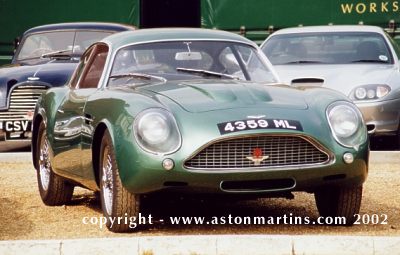
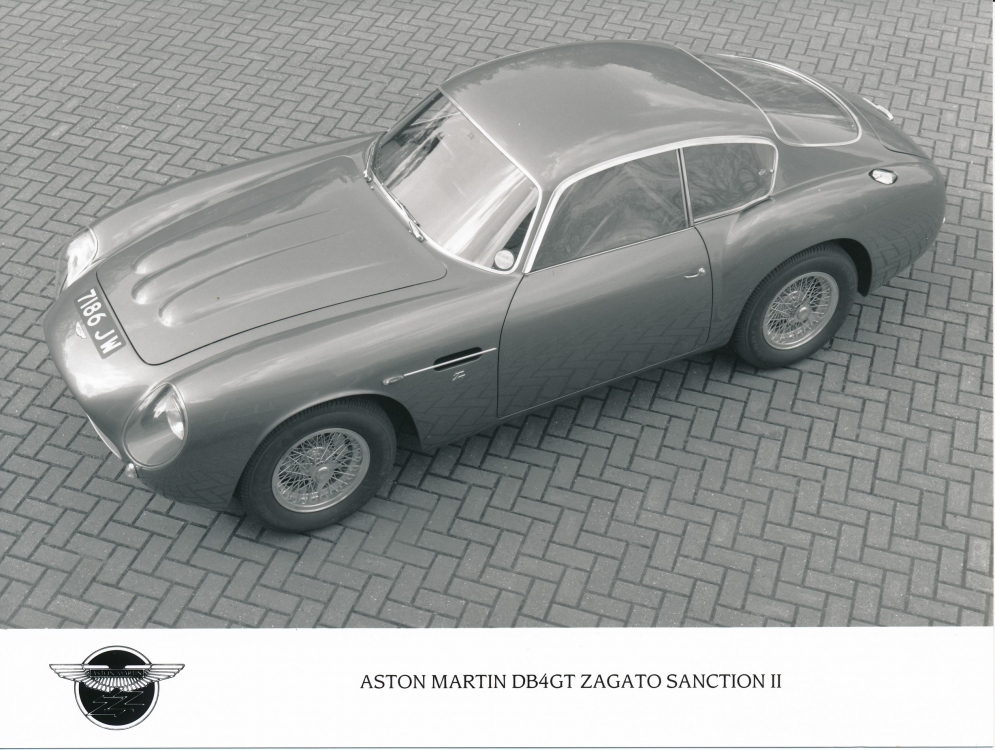
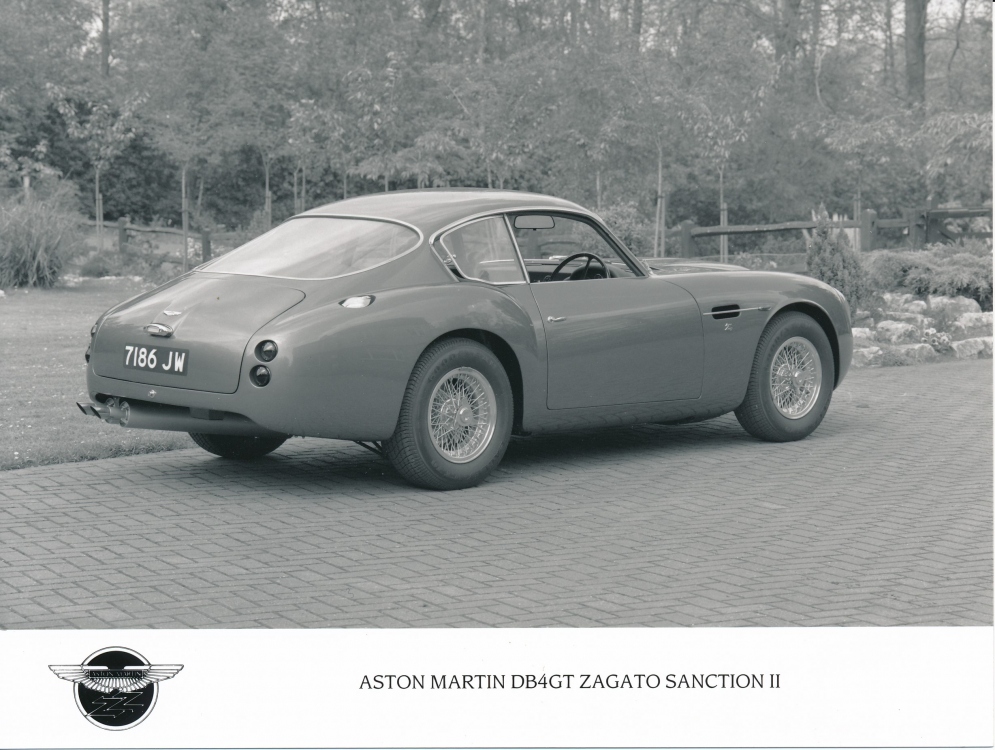
After chassis had been completed in the workshops of Richard Williams (RSW), they headed out to Italy for the bodies to be added. These were constructed in the workshops of ex-Zagato employee Mario Galbiatti since Zagato themselves no longer had the facilities to do the work in-house. So as to ensure that the bodies of the Sanction 2 cars were identical to the original cars, Williams had his own car sent to Italy to be dismantled and used as a template. After delays due to Richard Williams involvement in the AMR1 Group C racing project, the four Sanction 2 cars were unveiled in July 1991 at the premises of RSW in Cobham, Surrey.

One example shown, (DB4GT/0192 – 455YYC); it is virtually identical to the earlier cars with some minor but significant modifications.

  • Platform chassis based on DB4GT/0181/L with additional strengthening to improve torsional rigidity
  • a slightly larger capacity 4.2 litre engine (4212cc, 3.7 litre on the original) with 50DC01/SP Weber carburetors (replacing 45DCOE’s) developing 352 bhp (up from 314)
  • Front suspension as in 1961 but with adjustable and thicker anti-roll bar
  • Rear suspension as in 1961 with improved location and adjustable
  • Modern Goodyear Eagle NCT tyres on 15 inch diameter, 6 inch wide rims (down from16inch by 5 inch)

The stated cost of each recreated car (all pre-sold) was a massive £750,000 although in reality they may have actually cost around two thirds of that to build. Whilst one example passed through Brooks Geneva auction in March 1998 for a little under £310,000 plus buyers commission, more recently at Bonhams Works auction in 2012, another car made significantly more.

In no way can the Sanction 2 cars be seen as mere copies. They are absolutely accurate examples only separated by a period of 30 years from the first batch of cars. At the time of their unveiling, Victor Gauntlett described them as ‘works approved replicas’ as the project was blessed by both AML and Zagato. It must also be noted that a number of standard DB4 cars have been rebuilt with Zagato type bodies by such people as GTC engineering with Shapecraft, Goldsmith and Young, Aston Workshop, Desmond Smail, Stratton Motor Company and Fourways Engineering.

In 1992, RS Williams were given approval from AML to produce a further two cars from extra parts left over from the Sanction 2 project. The cars started out as standard DB4’s in poor condition and were completed in 2000. Zagato had apparently then stated that it wants no further cars to be built so as not to spoil the market. These cars have been named by the AMHT as Sanction 3 cars. As we now know, AML went on to create the Continuation series of DB4 GT Zagato from 2019.

« Newer PostsOlder Posts »