
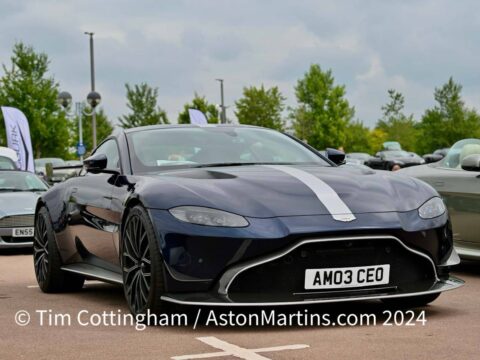
V8 Vantage GT4-100
- 11/08/2013Nimrod
- 30/01/2013The chassis of this new car was designed by Eric Broadley from Lola cars who also had had previous experience with the Aston Martin V8 in the Lola T70 in 1967. Engines were prepared by Aston Martin Tickford Ltd, then a subsidiary of AML. Whilst the AML factory was not actually directly involved in building or running the cars, racing success, especially at Le Mans would reflect very well on the company.
Five cars were built in total, one development car and four others to both Group C and IMSA specifications. The cars were raced extensively between 1982 and 1985 on both sides of the Atlantic (Daytona, Miami, Sebring, Watkins Glen Brands Hatch, Silverstone and Le Mans); with mixed results. The best result at Le Mans was a 7th place in 1982 and 3th overall in the World Sportscar Championship.
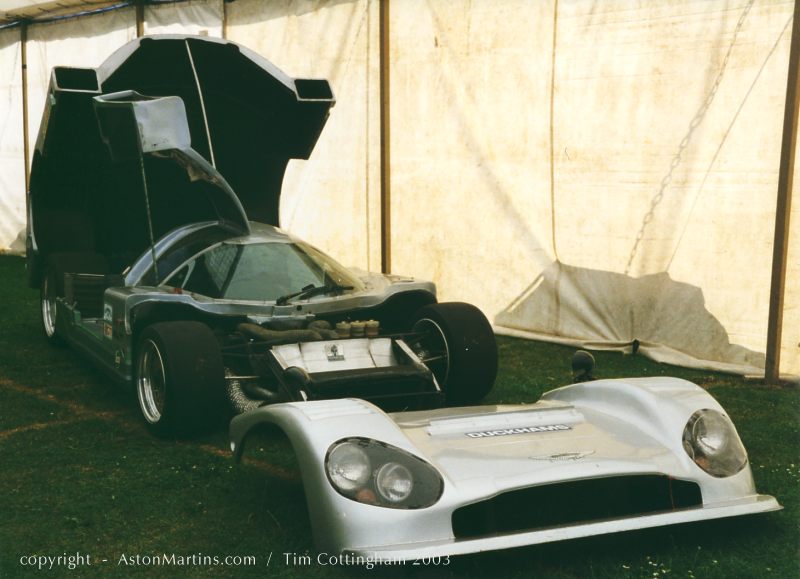 This Nimrod, chassis number 3, in FIA Group C specification, features the original body style. This photograph was taken whilst the car was on display at Coys Historic Festival, 1995.
This is chassis number 5, the final car, which features the attractive evolution bodywork designed by Ray Mallock. Photographed at Donnington Park in 1997, and Silverstone in 2000, my duties as a trainee track marshal prevented me from taking any other photographs. Needless to say, my marshalling career stopped right there.
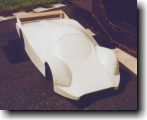
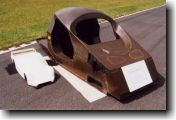 Nimrod Racing Automobiles was forced to cease trading and racing in August 1983. At the time, the company was developing the highly advanced carbon fibre C3 car for the 1984 season. Here is the wind tunnel model and the tub for the chassis 006 which, as yet, has not been completed.
Below are some images that I acquired from a very old Nimrod Press pack (so copyright Nimrod Automobiles I guess). They show two cars running in IMSA races and a team photo which includes Victor Gauntlett.
V8 EMKA
- 30/01/2013The red car (chassis #001), debuted at the Silverstone 1000km race in 1983, but unfortunately retired on the last lap whilst in unlucky 13th place with a rear wheel bearing failure.
During Le Mans in 1983, a race dominated by turbo Porsches, with the driver line-up of Steve O’Rourke, Tif Needell and Nick Faure, the car came 17th, the first British car home and winner of the Motor Trophy.
The team withdrew from racing in 1984, partly due to lack of sponsorship and partly because of a new rule in Group C to limit fuel consumption by 15% – a rule later abandoned. This allowed time for substantial design changes with revised rear suspension, larger hubs, new bodywork and a deletion of the ground effect. In effect, they partly cloned the red car (chassis #001) into the newer white, blue and black ‘Dow Corning’ car (plated and entered as chassis #002). The Dow Corning car debuted in the Silverstone 1000km race in 1985 but again the car failed to finish as a rear bottom wishbone failed after 70 laps. Le Mans of 1985 was a different story as the EMKA actually lead the race just after the one hour mark for a whole 9 minutes – the result of a clever refuelling schedule! With the same driver line-up as 1983, the EMKA eventually finished 11th, and again was the first British car home.
Some considerable time after 1985, chassis #001 was reassembled, which as a result of the development of chassis #002, had ended up as a number of disparate parts. Now both cars can be seen competing in the Historic Group C championship. The photograph at the top of this page is of chassis #002, the ‘Dow Corning’ car, taken during the AMOC Group C Invitation race, Donnington Park, May 2000.
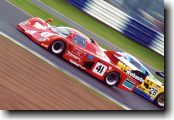 This photograph of chassis #001, Bob Searles ‘Hawaiian Tropic’ car, was taken during the AMOC Group C Invitation Race at Silverstone, August 2000.
I would like to thank John Dennehy for his kind assistance in the preparation of this page
Nimrod (Evolution bodywork)
- 23/06/2013Over the winter of 1982/3, with some money from Pace Petroleum, owned by Victor Gauntlett, development of their chassis, /004 continued under Richard Williams and Ray Mallock. The car received a new ‘evolution’ body with the advantages of being both lighter in weight and 10% less aerodynamic drag than the original, but also offered three times the downforce too. Although the winter development had produced a drop in weight from 1074 kg to 987 kg, it was still heavier that the team had wished for.
The first competitive outing of the 1983 season was at the Silverstone 1000 Km during May where /004 achieved 7th place from 15th on the grid in the hands of Mallock and Salmon. The following month again saw the Downe Nimrod entered into the 24 Hour race at Le Mans where the driving team were Mallock, Salmon and Steve Earle. During qualifying, the car achieved a top speed of 213 mph along the Mulsanne Straight, 12 mph greater than had been achieved during the previous years race and 11 seconds a lap quicker. During the race itself, the car both gained and lost places until shortly after 9 of the Sunday morning, a conrod broke and the car was retired.
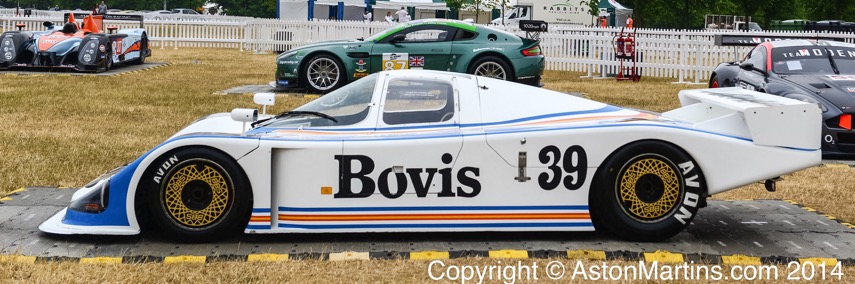
Aston Martin Nimrod with Evolution bodywork
Another two 1000km races at Spa and Brands Hatch followed with 004 being driven by the established pairing of Mallock and Salmon but the car failed to finish either race due to engine and transmission problems. The last race of the 1983 season was a 45 minute sprint in the Thundersports series at Brands Hatch where the 004 car came in fourth.
The Downe team equalled the 1982 achievement of coming third in the 1983 World Endurance Championship. The 1984 season saw the competitive debut of a 5th Nimrod, /005, originally purchased by Peter Livanos in 1982 then sold it to Victor Gauntlett who then sold it on to John Cooper.
The Downe team with /004 made their one and only race appearance in the USA during the 1984 Daytona 24 Hours. The race was also notable for being the only time that three Nimrods had competed against each other as the ex NRA car /002 had been entered by Jack Miller and /005, painted British Racing Green, had been entered by John Cooper. Following 24 hours of racing, the /002 car had retired, the /004 Downe car of Mallock, Olson and Sheldon finished 16th and on its debut and /005 in the hand of Cooper, Bob Evans and Paul Smith came in 7th after starting 26th on the grid.
Following Daytona, John Cooper parted with /005, which returned to Peter Livanos who was the original owner of the car back in 1982. The car was then entrusted to the established Downe Nimrod team and also received the Evolution bodywork with Bovis livery although this was in made from lighter Kevlar with quick release too. Weight was further reduced with the fitting of titanium springs. Another modification to /005 to achieve more power and lower fuel consumption was the fitting of twin-turbos, something that AML had already done with the Lagonda turbo and the Bulldog.
The first appearance of the now two Nimrod Downe team was at the 1984 Silverstone 1000 Km in May but neither car finished the race. The turbocharged /005 of Mallock and Olsen was withdrawn with an oil leak and /004 of Richard Attwood, Sheldon and Salmon dropped a valve. Following this race, /005 returned to normally aspirated form.
The 1984 Le Man 24 Hour race had special significance for Aston Martin since it had been 25 years since the famous 1959 win with the DBR1. Chassis /005 was given a Tickford engine especially built for qualifying and in the hands of Mallock, Olsen and Attwood achieved 10th on the grid. The heavier /004 of Salmon, Attwood and Sheldon was down in 30th place. All was going well until after 9 in the evening when the /004 car whilst in the hands of John Sheldon suffered a tyre blowout at a speed in excess of 200 mph at the Mulsanne kink. The car smashed into the Armco and disintegrated and burst into flames as the tank was almost full. John Sheldon was injured and badly burned although he was able to get out of the car and walk away. A track marshal wasn’t so fortunate and was killed. Close behind the scene of the accident was Dr Jonathan Palmer in a Porsche who was able to brake and avoid the debris, followed by Drake Olsen in /005. Olsen, very close behind the Porsche, tried to avoid hitting it by swerving, got onto the loose material at the edge of the track and also spun off into the Armco. The Downe team sadly withdrew from racing, Peter Livanos repaired /005 and took it back to the US although in no longer competed. Although /004 was effectively destroyed, Lord Downe was able to rebuild the car in 1988 from a new tub and spares from the 1984 season. After working in the Downe team, Ray Mallock and Richard Williams carried on endurance racing with Ecurie Ecosse in the C2 class for the next few years until such time as Aston Martin returned to endurance sportscar racing with the AMR1 at the end of the 1980s.
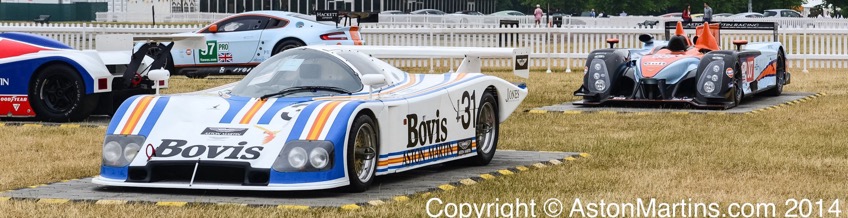
A selection of Aston Martin racecourse at the 2013 Centenary Celebrations including the Nimrod, and an AMR-One
Cheetah-Aston Martin G604
- 23/07/2013The team was financed by a Swiss oil distribution company, Gatoil, and after seeing the performance of the EMKA, company owner, Monsieur Ghattes chose the Aston Martin Tickford V8 to power the new car. With its carbon-fibre monocoque, made by Advanced Composites in the UK, the Cheetah-Aston Martin promised low weight of only 870 kg which when combined with a 580 bhp Tickford engine should have given spectacular performance.
Sadly in its first race at Spa in the 1000 Km in 1984, the car retired. The following June, the was entered at Le Mans where it chased after almost 5 hours due to a wheel falling off following failure of the driveshaft. Following Le Mans, it was also entered into a further seven endurance races during the remainder of the year but failed to finish in all but one. The best ever result for the Cheetah was 10th in the 1985 Spa 1000 km.
Following a legal dispute, the car was purchased privately by a Swiss enthusiast, who was able to compete in a few German and Swiss Supercup races from 1988 to 1990 until the engine blow up and it remained unused at the back of the workshop. From 2006 on the car was finally rebuilt by a specialized company, Rechsteiner Racing SA near Lausanne, and completed in 2009.
A second Cheetah G604 also exists although it is nothing more than a show car and possesses no running gear or Aston Martin V8 engine. Finished with authentic blue and white coachwork, it is mounted on a rudimentary support frame rather than any form of carbon-fibre monocoque.
Photographs kindly provided by a previous owner of the car
AMR1
- 30/01/2013The cars were run by a company especially formed called Proteus Technology (Protech) Ltd with Richard Williams as Managing Director/Team Manager. Four complete cars were built and competed widely during 1989 with much success including 11th place in the Le Mans 24 hour race. Unfortunately the whole project was closed in February 1990 as that years Le Mans 24 hour race looked doubtful and the team didn’t have a 3.5 litre engine proposed for the 1991 season.
AMR1/01
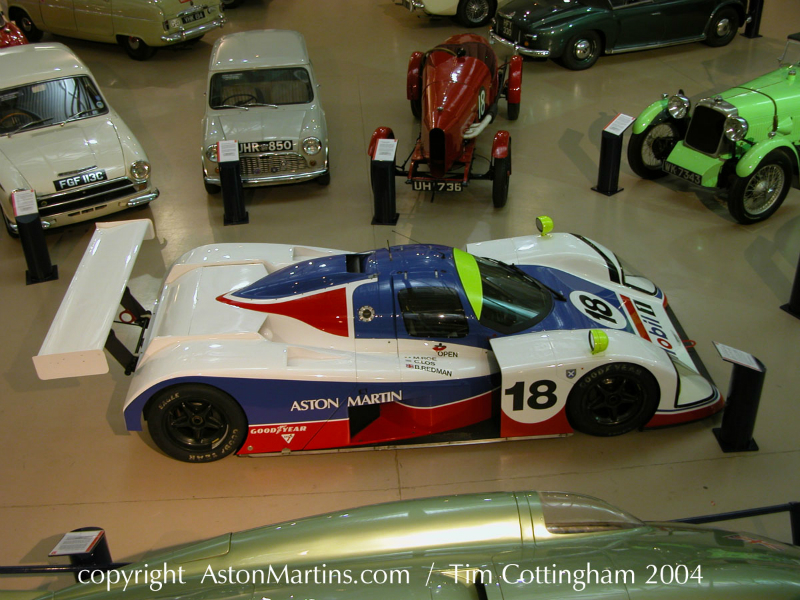
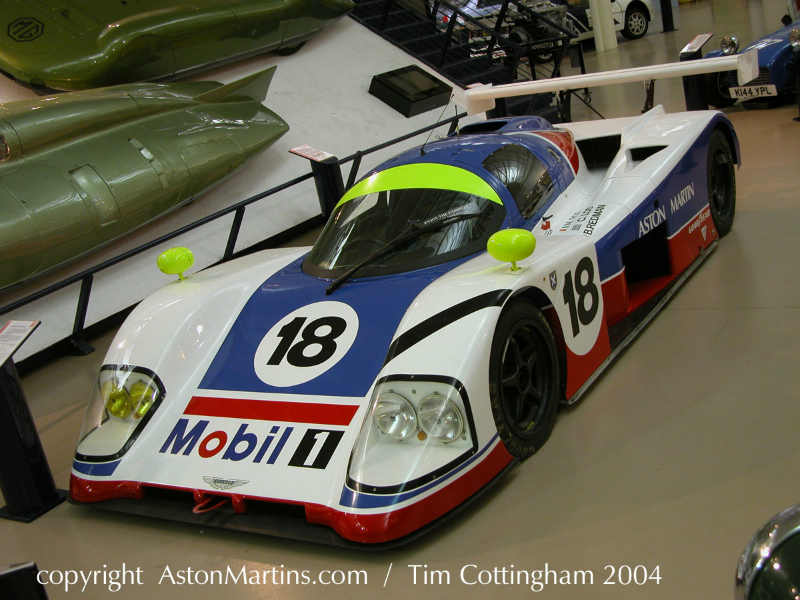
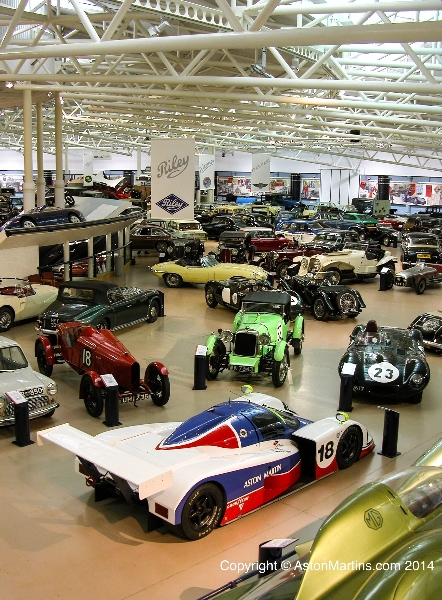
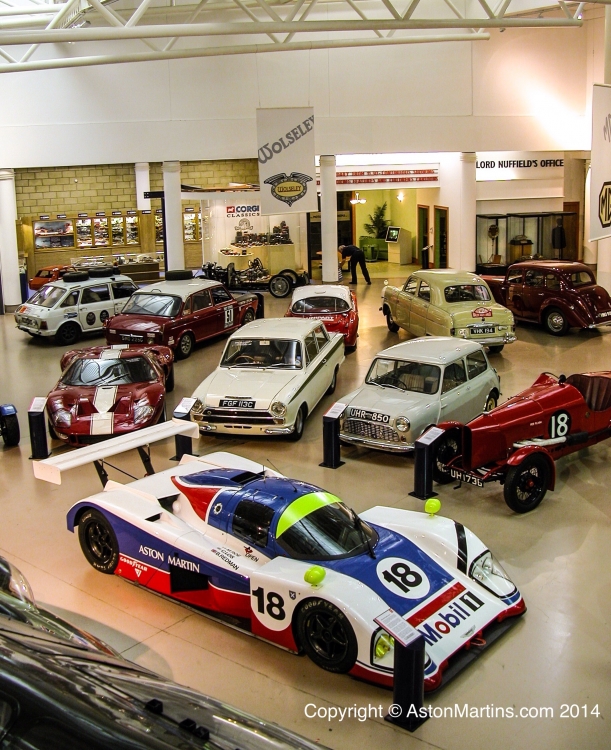
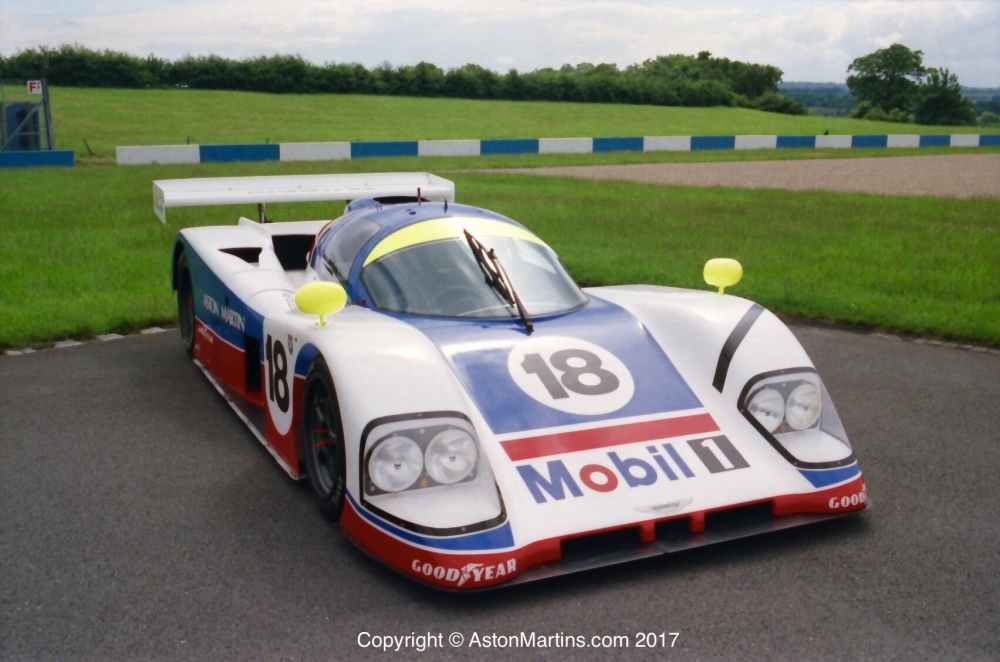
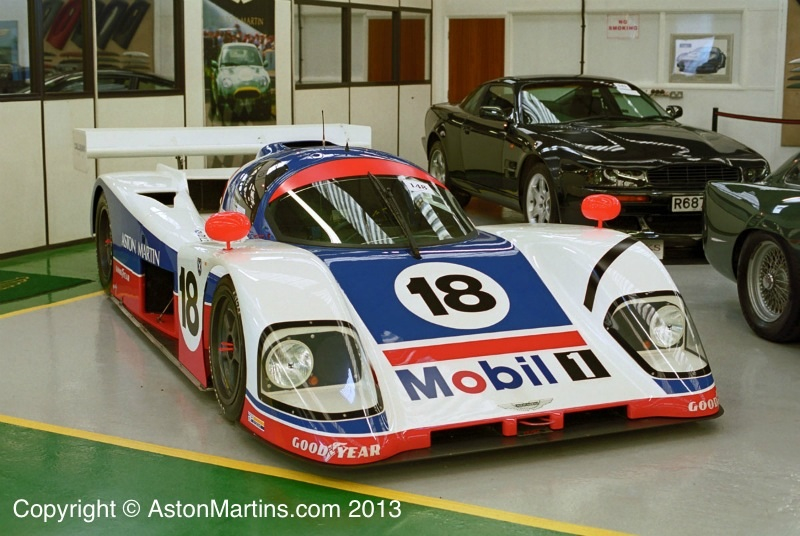
Below is AMR1/01, the prototype which first raced at the 1989 480km at Dijon where it finished a creditable 17th. Its second and final outing as a works car was at Le Mans the same year when an 11th place was achieved. Nowadays the car is owned by the AMHT and can often be seen at the joint headquarters of the AMOC and AMHT in Oxfordshire. It has also been on display at the British Motor Heritage Museum at Gaydon, Warwickshire.
AMR1/03
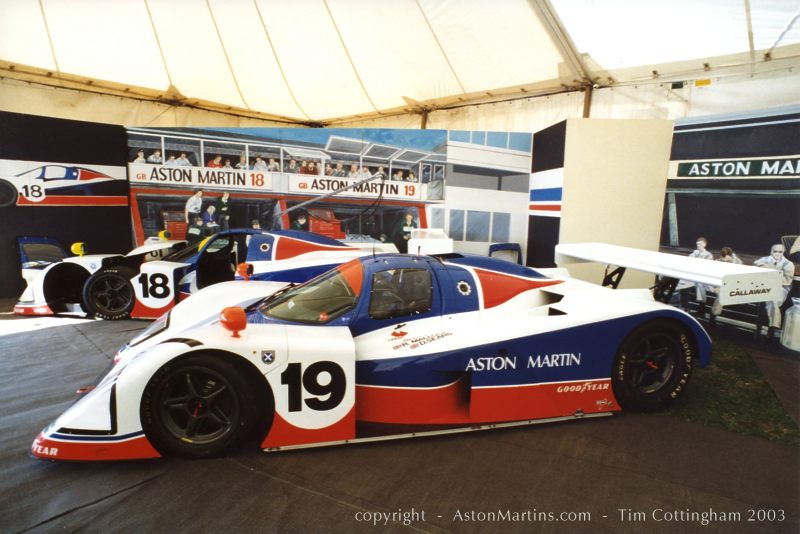
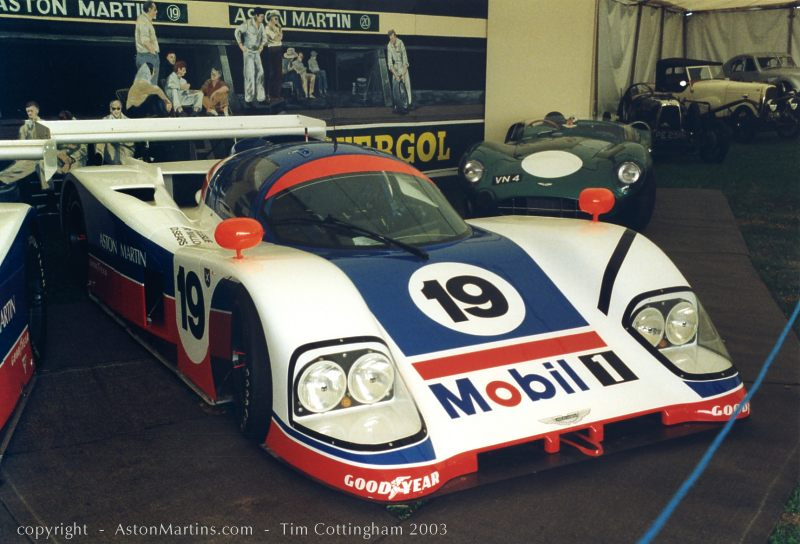
AMR1/03 displayed in the AMOC marquee at Coys Festival, Silverstone, 1995. Chassis number 3 only had one racing appearance; Le Mans 1989, where in unfortunately retired whilst in 20th place. It has more recently entered a private collection.
AMR1/04
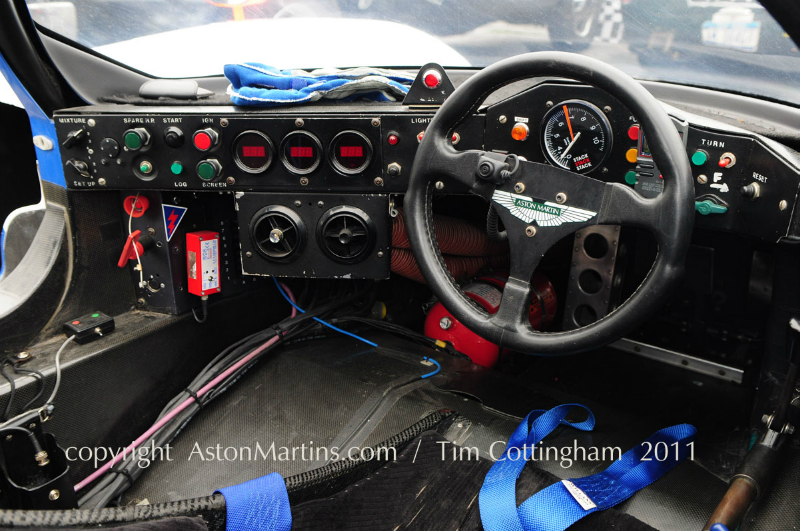
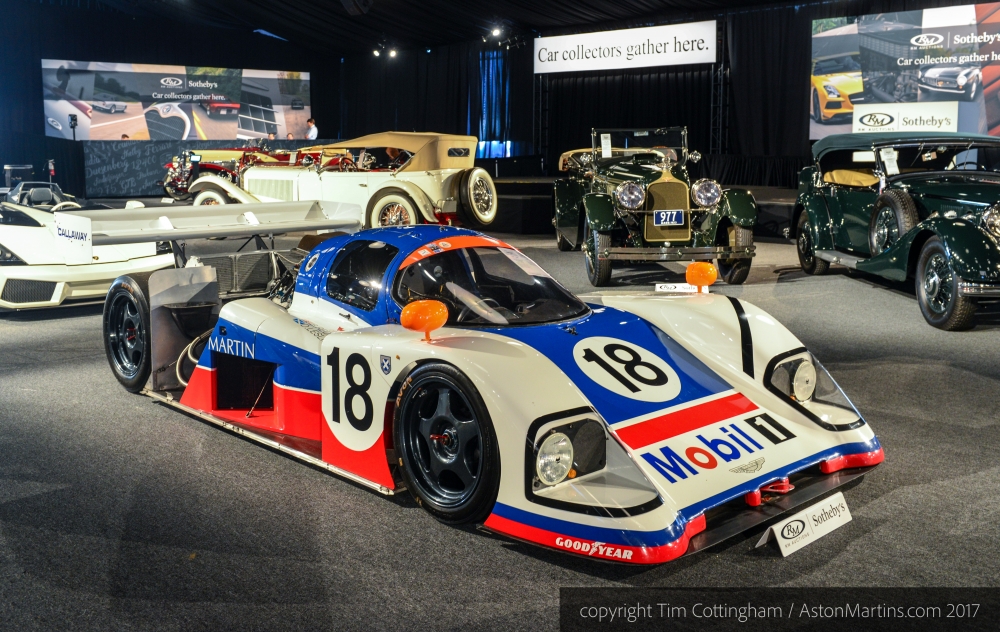
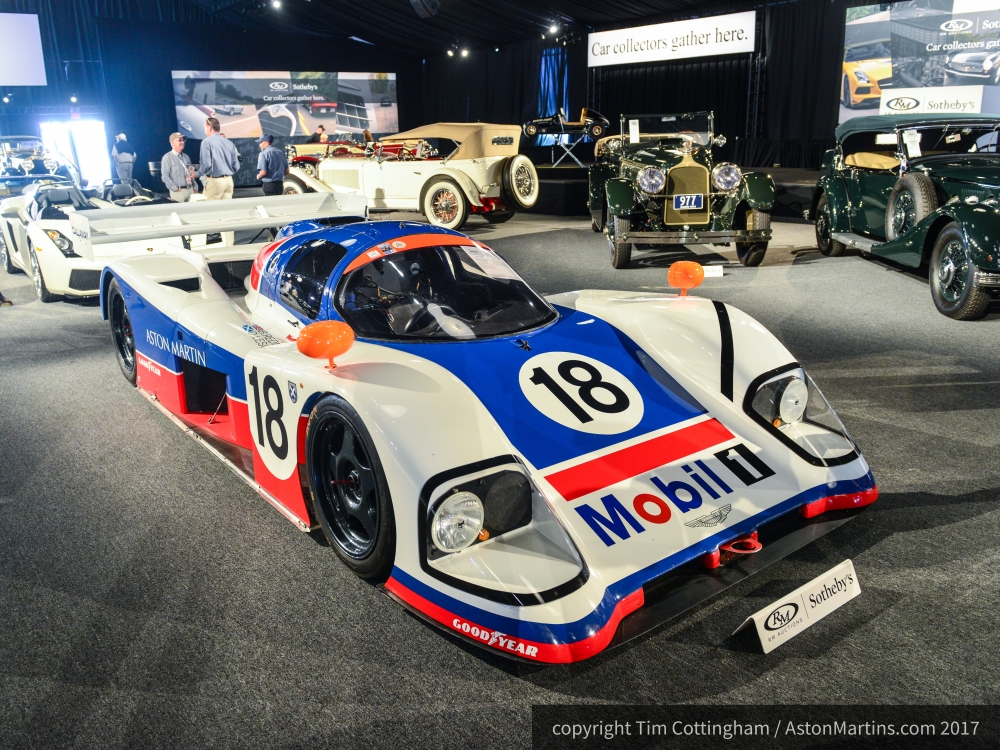
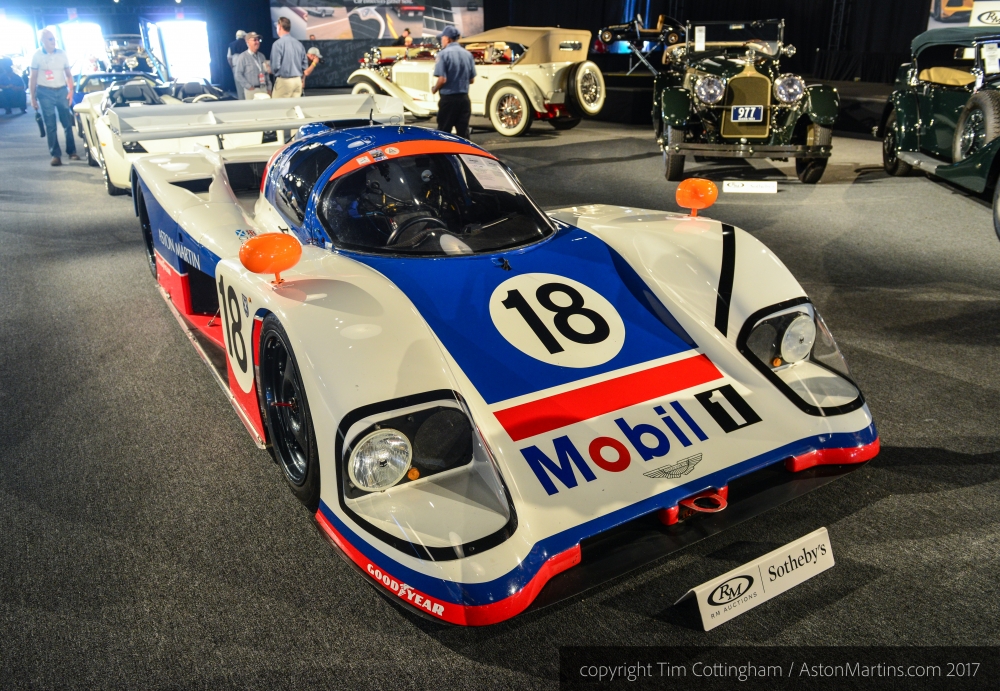
AMR1/4 (below) was the first and AMR1 to be offered for sale at auction. Chassis 4 was arguably the most successful example gaining a 4th in the Brands Hatch 480km, 8th in the Nurburgring 480km and 6th in the Donnington 480km. In the Brooks/AML auction, May 2000, the car found a new owner and is now part of a collection of AM race cars in the USA.

AMR1/05
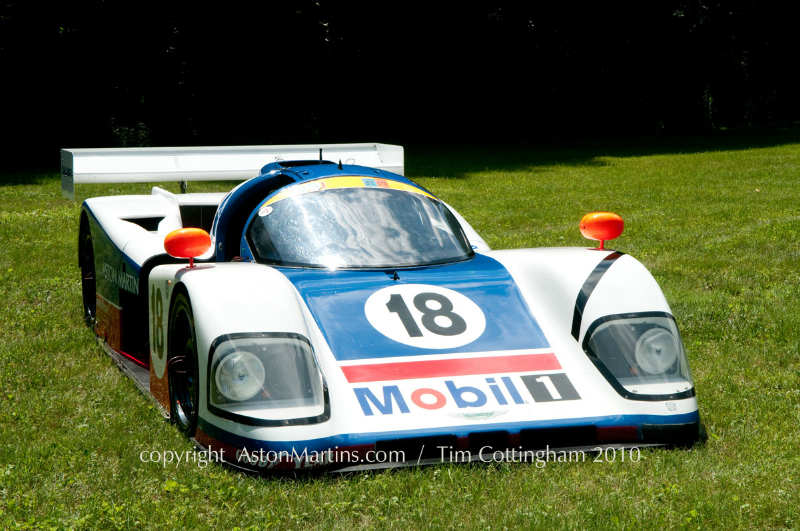
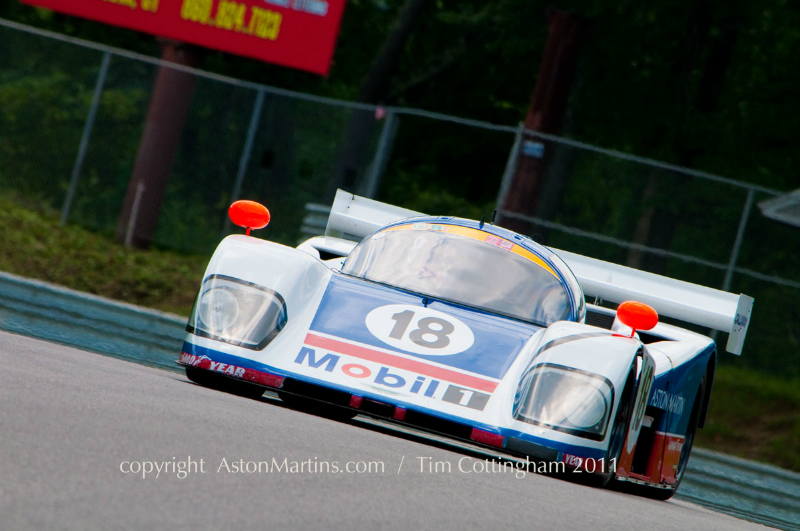
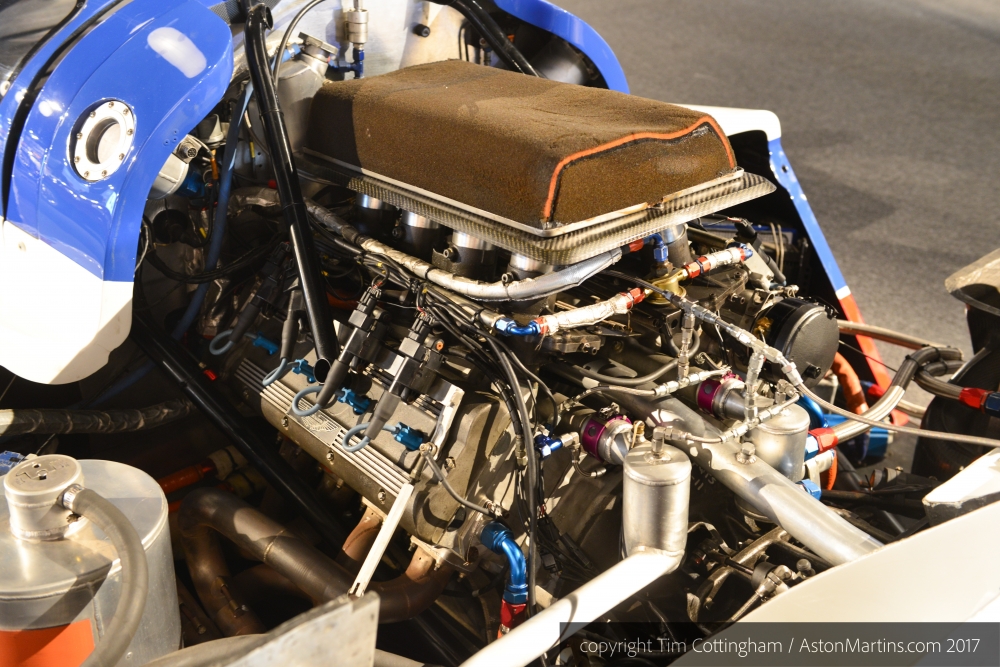
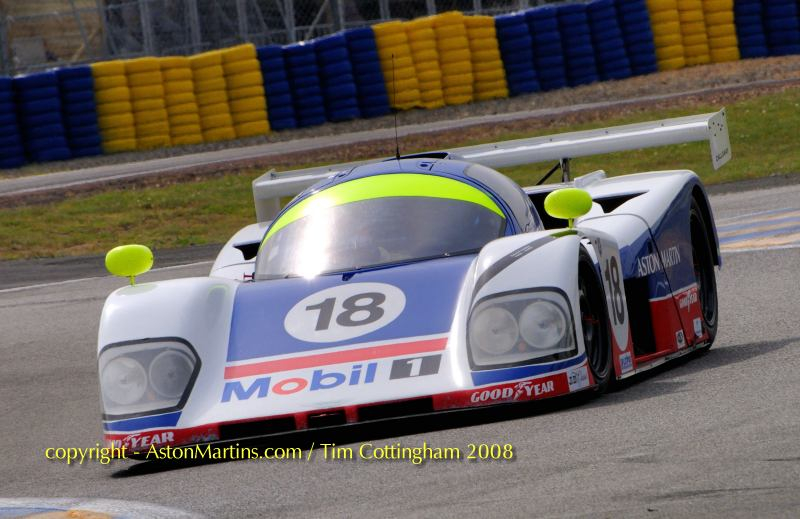
AMR1/5 with the 6.3 litre version 2 engine as displayed at the AMOC Donnington Park 40th Anniversary meeting, 1999 and the Silverstone Historic Festival in 2001. This car has subsequently returned to the race track and can be seen in the historic Group C races together with Porsche 962’s and Jaguar XJR’s. And although it’s very quick, it’s easier to photograph as you can hear the V8 rumble long before to car comes into view.
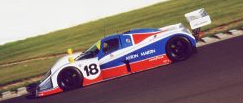
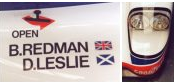
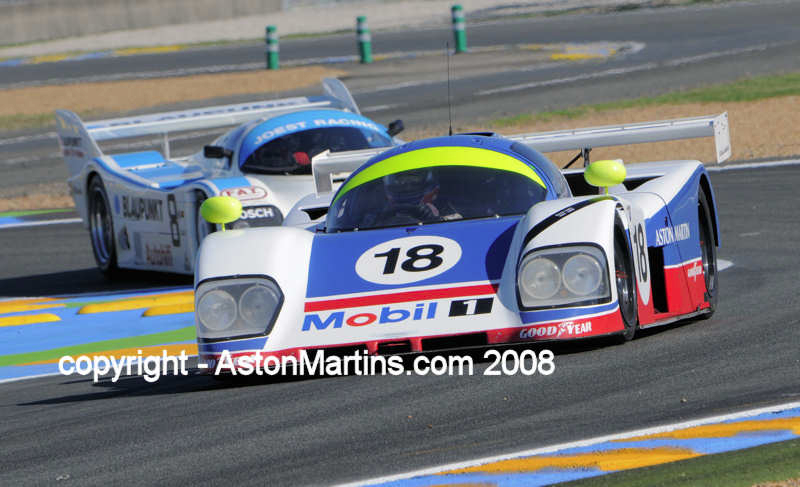
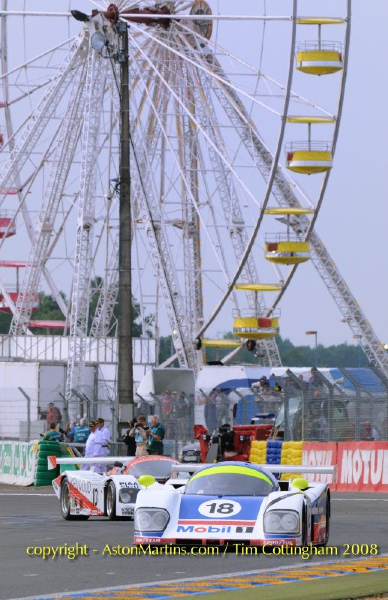
More recently, AMR1/5 competed in the 2008 LM support race for Group C cars but is sadly failed to finish. But since I wasn’t at Le Mans in 1989, it was a real treat to see the AMR1 compete on the famous circuit with contemporary Jaguars, Porches, Lancias and the Sauber Mercedes.
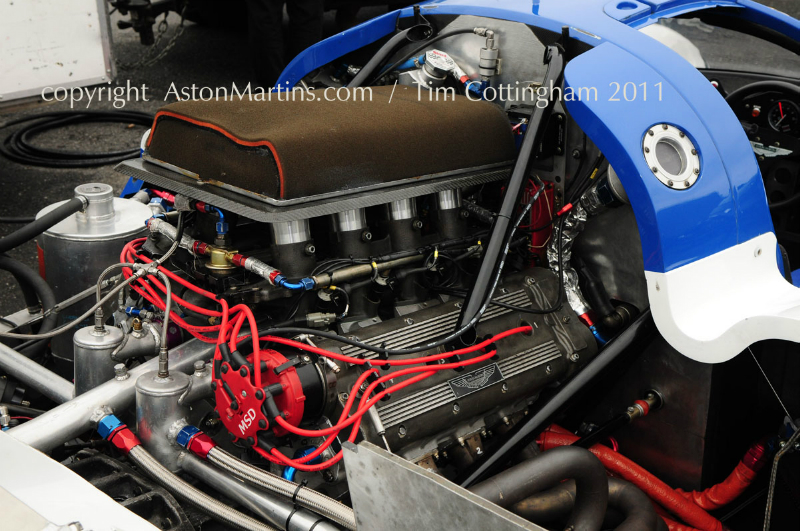
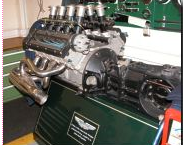
The heart of an AMR1. This engine is a version 2 of the 32 valve V8 engine with it’s capacity enlarged to 6.3 litre. In this form the engine was used in AMR1/5 and was destined for the stillborn AMR2. With an output of 740bhp, this was sufficient to propel AMR1 to 217 mph and would have allowed AMR2 to reach 230mph. This photograph was taken at the workshops of RS Williams, Cobham.
AMR2
- 30/01/2013What did exist of the AMR2 was eventually sold and the build was finished whilst in private ownership. It currently is fitted with an AMR1 body but has not been seen for some considerable time.
This first picture shows the wind tunnel model of AMR2 and was taken with the kind permission of Richard Williams, the then Managing Director/Team Manager of Protech. Other pictures are of a painted wind tunnel model that is privately owned in the USA.
DB9 Coupe ‘Stratstone’ Edition
- 31/01/2013Key features of these cars are
- DB9 2011MY coupe
- Mayfair Black or Park Lane White coachwork
- Obsidian Black semi-aniline leather 0r Blue Gin ultrasoft waxy semi-aniline leather
- Leather and alcantara DBS style steering wheel
- Course silver seat stitching
- DB9 logo embroidered in the seat back in course silver thread
- 10-spoke forged black painted diamond turned wheels
- Microspin alloy facia
- Leather roof lining (Obsidian Black / Blue Gin)
- Special edition sill plaques, 1 to 6 Mayfair Black, 1 to 4 Park Lane White
Previous Stratsone special edition cars have included the DB7 i6 Stratstone and the DB7 V12 Vantage Jubilee.
Photos are copyright Aston Martin Stratstone
V8 GT700R
- 30/01/2013I’ve been waiting eight years to see this car on the track. The eventual introduction of the ‘Super GT’ race within AMC Club Racing has at last allowed the car to compete at the popular club meetings. The pictures below were taken at the 2008 AMOC St.John Horsfall race meeting at Silverstone in June 2008.
David Ellis has a website for this interesting car, try www.gt700r.com.