Latest News - 01/09/24

What's New @ AstonMartins.com?

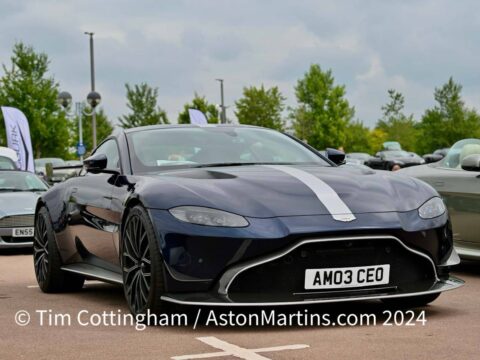
Vantage AM6 CEO by Q

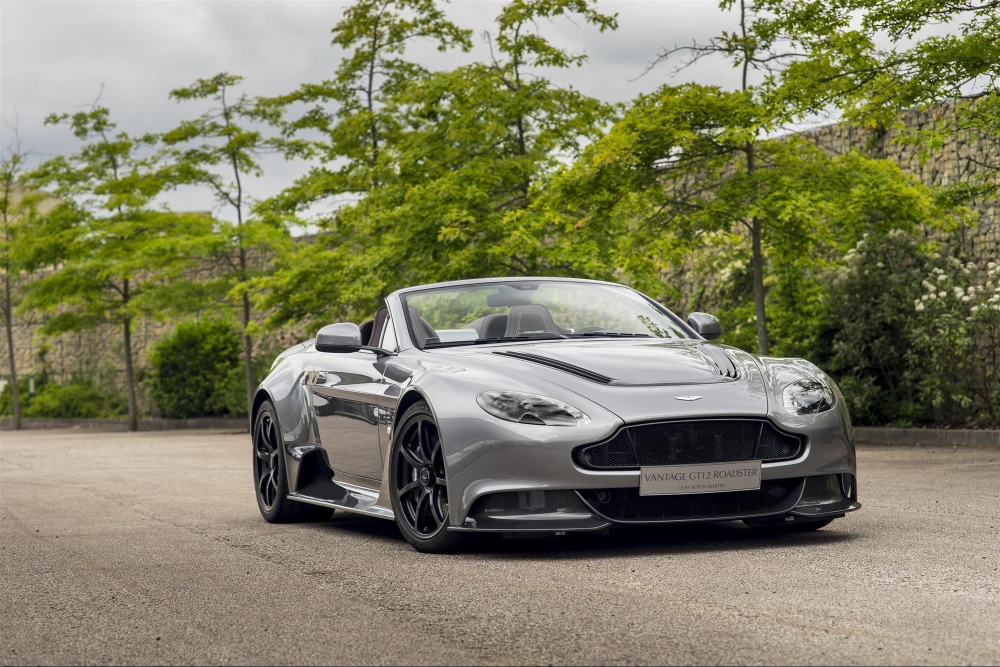
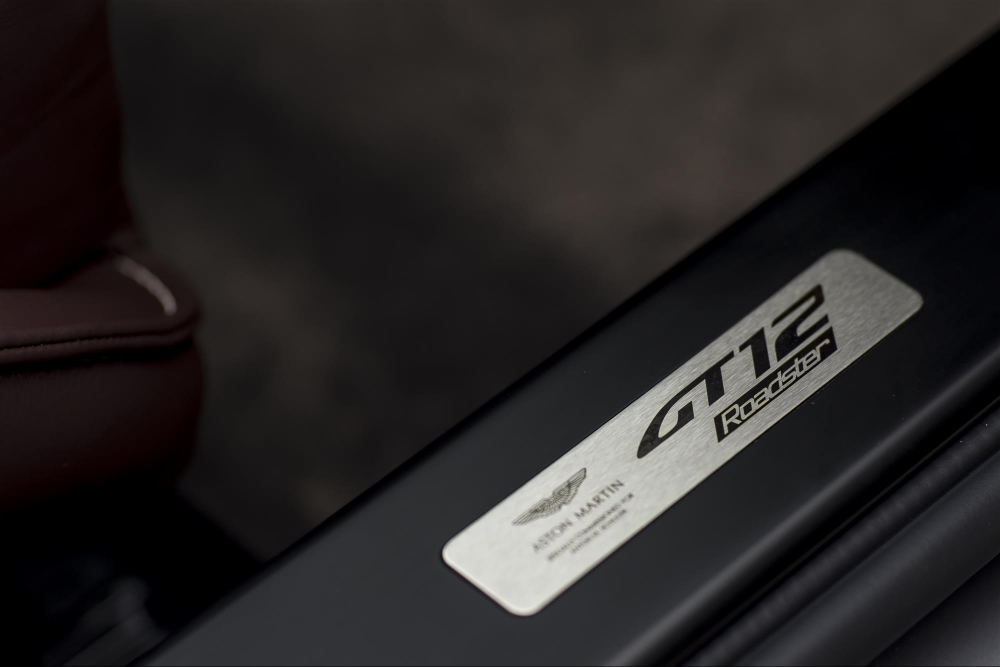
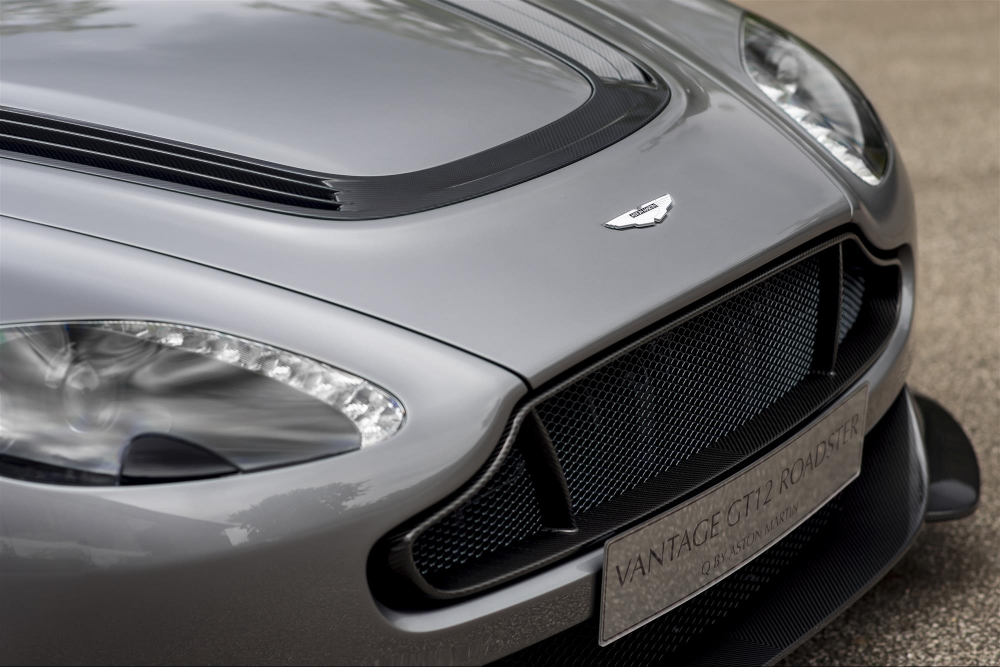
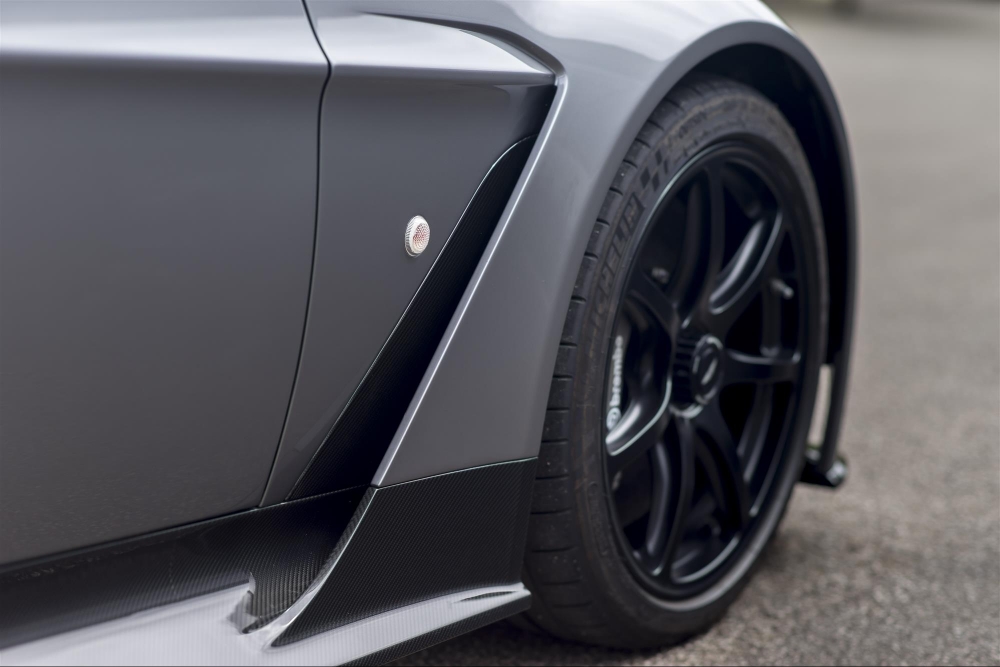
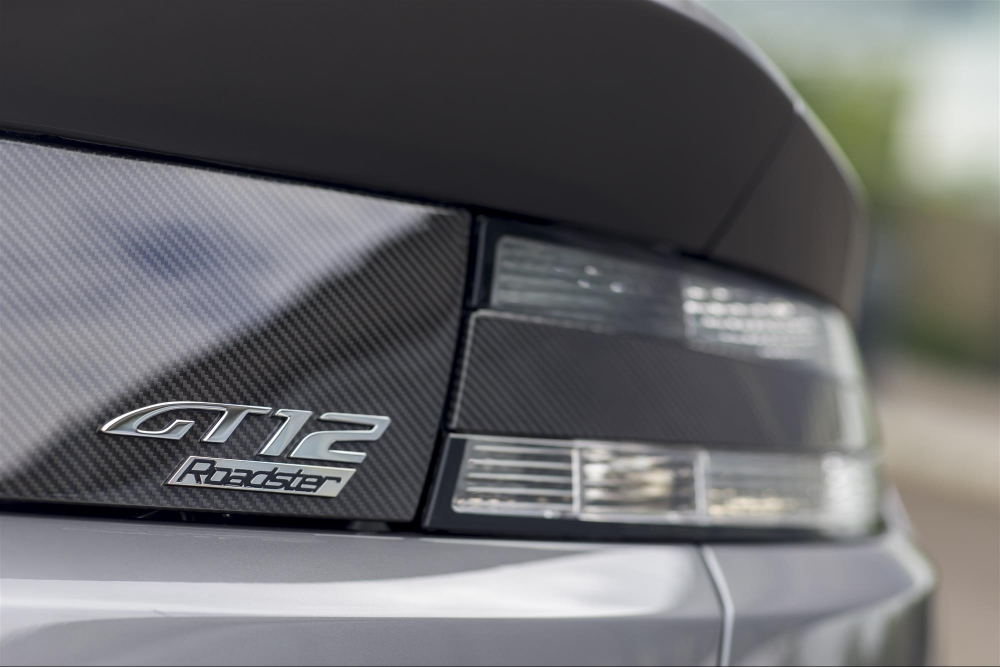
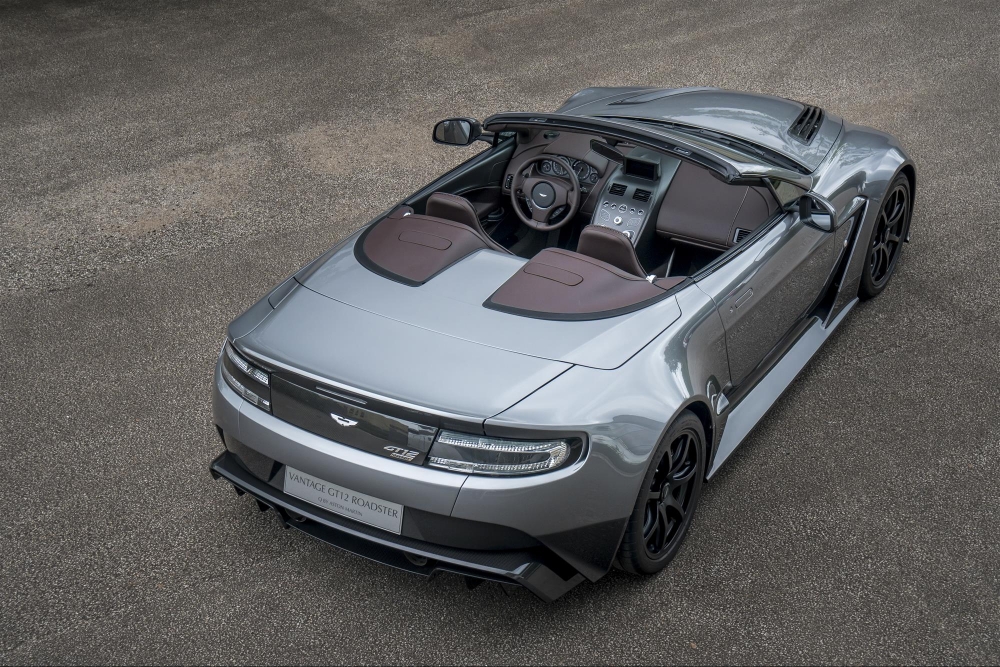
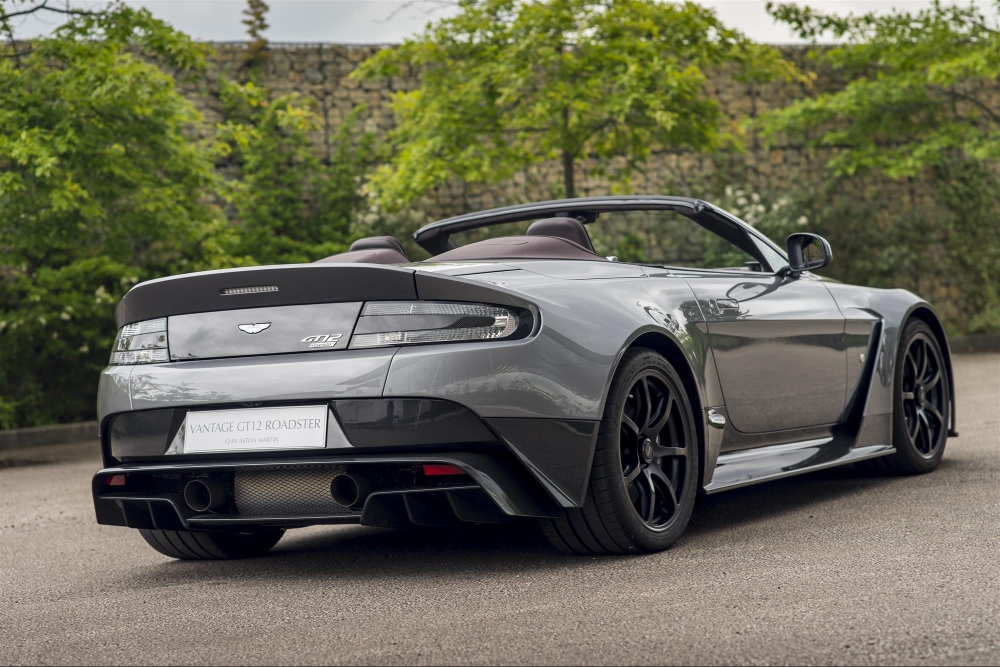
Vantage GT12 Roadster Special Edition

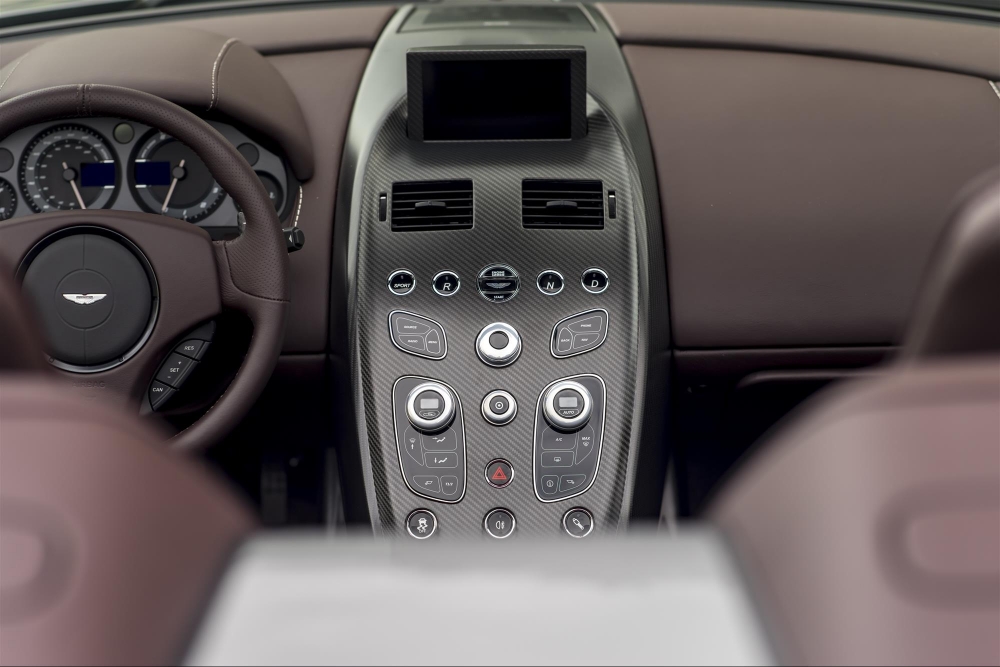
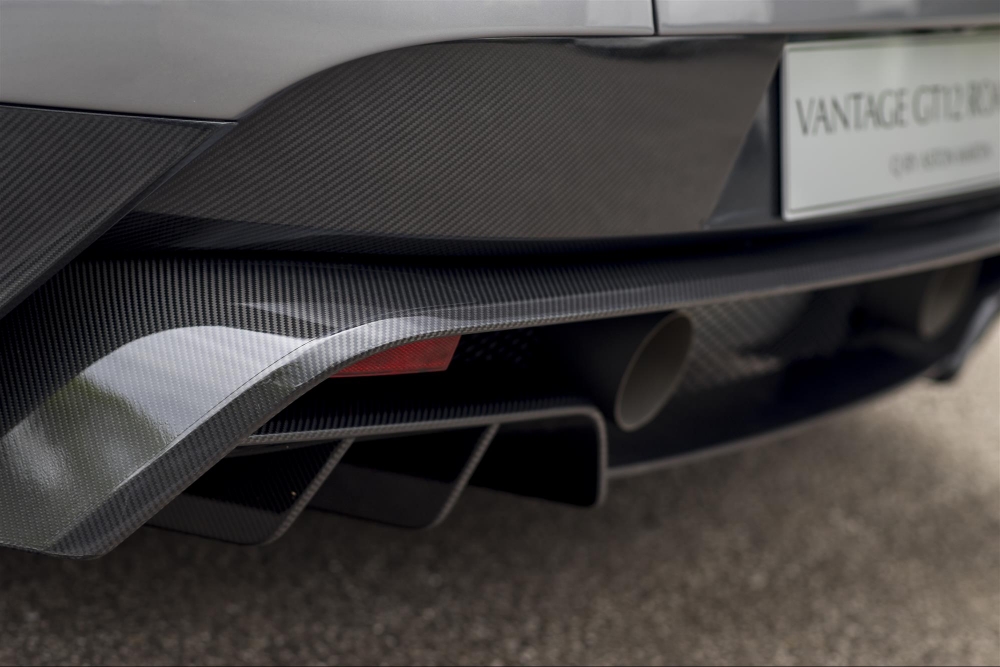
The totally unique GT12 Roadster is based on a regular V12 Vantage S Roadster chassis but with many unique carbon-fibre body panels, a unique suspension set up, seven-speed Sportshift III paddle-shift transmission mated to the most powerful version of the brand’s 5.9 litre normally aspirated V12 engine. The Roadster has not been endowed with the rather large rear wing of the coupe.

The Vantage GT12 Roadster is actually a significant landmark, as it has been the first time a customer has been able to call upon the full scope of Aston Martin’s design and engineering capabilities as part of the ‘Q by Aston Martin’ bespoke commission service. Initially offered as a means of providing fully personalised colour and trim combinations, the service has been continually expanded. With the incorporation of Aston Martin Advanced Operations – the team responsible for the original Vantage GT12 Coupe, along with low volume in-house projects such as the Vulcan, Lagonda Taraf and One-77 – customers are now able commission highly ambitious full-scale design and engineering projects. 

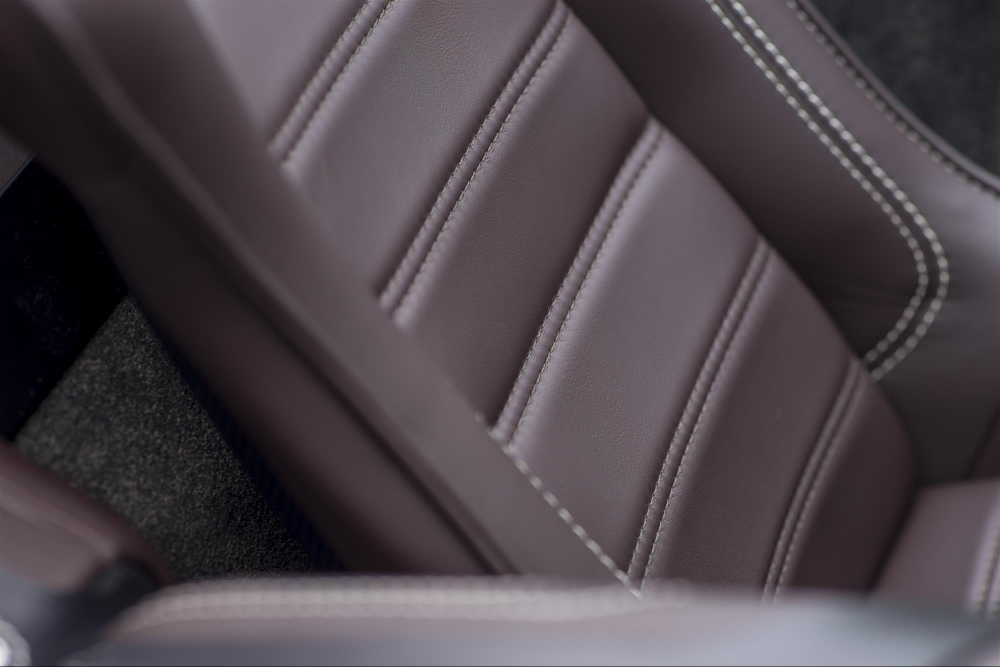
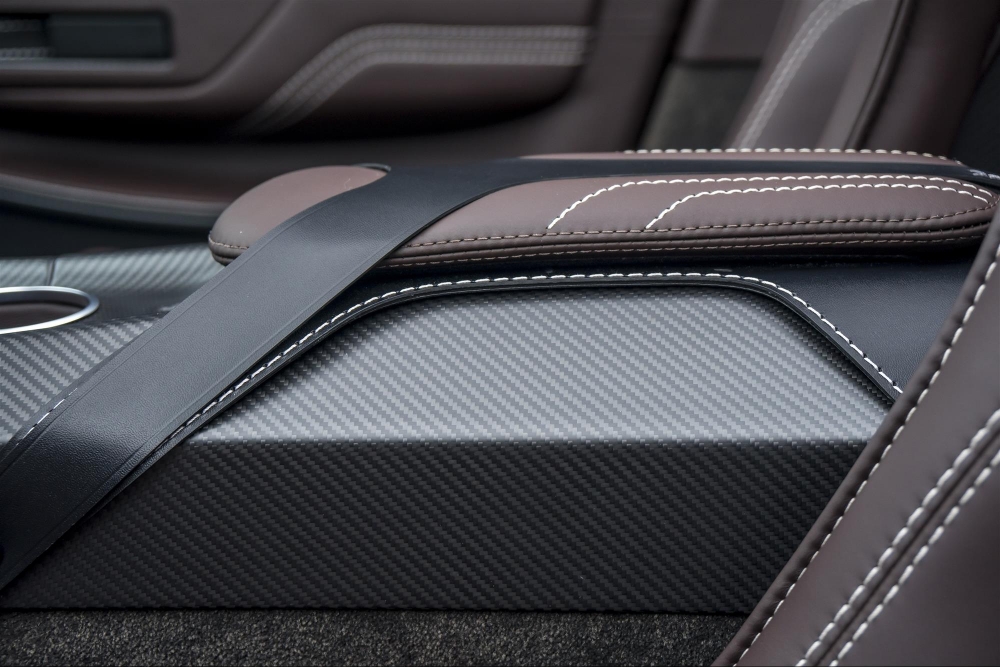
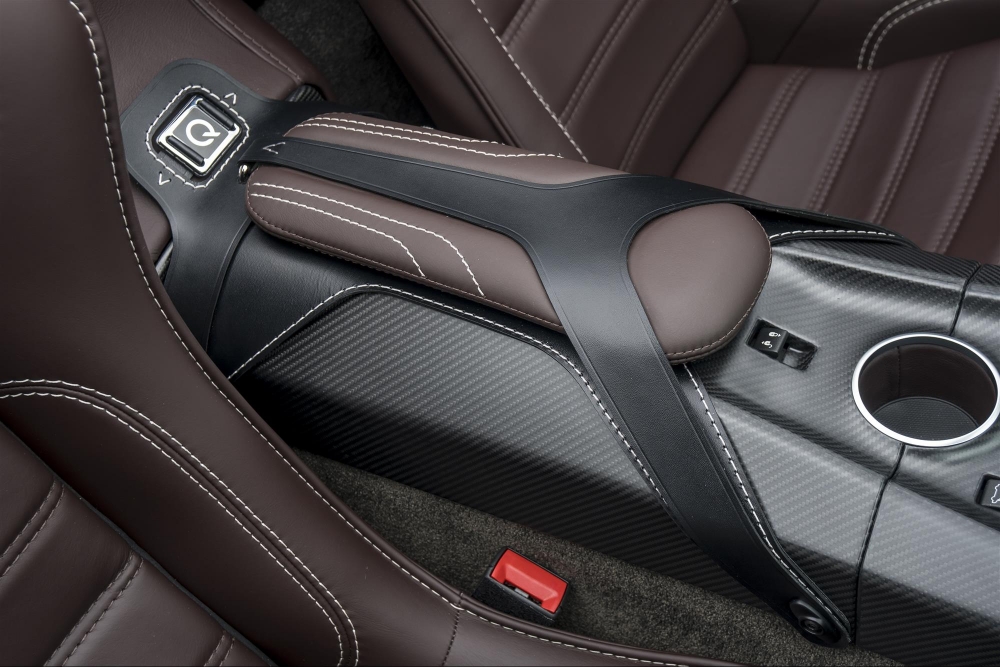
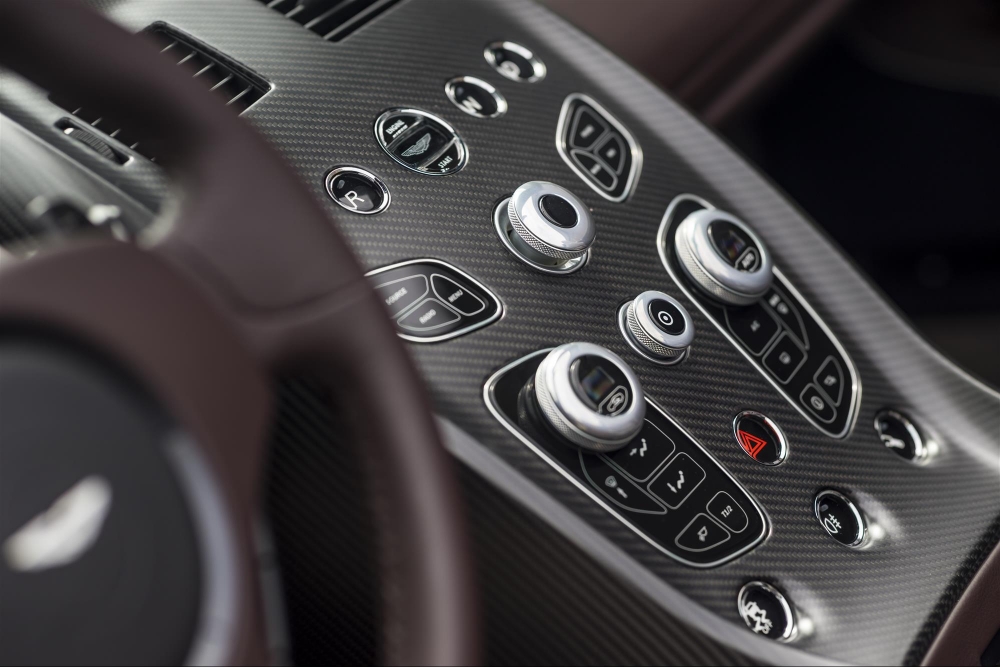
Naturally being a product of Q by Aston Martin, the Roadster also features bespoke paint and trim, Hammerhead Silver coachwork with Bitter Chocolate interior.

A week following the Goodwood FoS, the Roadster made just one more public appearance at the Burghley House Festival of Aston Martin before being delivered to the new owner in mainland Europe. 

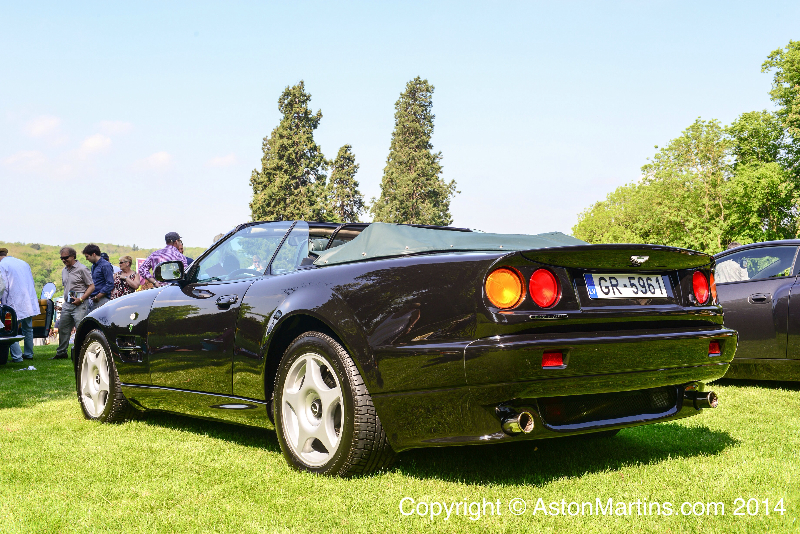
V8 Vantage Volante LWB

Under the direction and guidance of Works Service director Kingsley Riding-Felce, the Special Projects Team had become synonymous with the development and building of many significant coachbuilt Aston Martin and Lagonda models for discerning owners around the world. A great deal of research was carried out and the business decision made to manufacture one Long wheelbase Vantage Volante and later eight Short Wheelbase V8 Vantage Volante’s.

Like many Aston Martins, the car is unique, and I would guess that this particular car is perhaps the heaviest AM ever built. It is part of a private collection and I was very fortunate to be able to photograph it during the AMOC Windsor Event in April 2005, the first and only time the car has been seen in public. The 550bhp version of the supercharged V8 engine is fitted, together with automatic transmission. The coachwork is Islay Blue with interior in ivory piped blue and features the seldom seen burr maple facia.

V8 Vantage Volante Special Edition

And each of the nine cars was built to a completely individual and unique specification. Whilst eight were built on the standard chassis, a single V8 Vantage Volante was built on the longer V8 Volante chassis. Just to confuse things a little more, a single long chassis V8 Volante (with a chassis number in the long chassis range) was given a supercharged engine. Of the eight on the standard chassis, three were built to European left hand drive specification, the remaining five to UK right hand drive.

I would like to note that there is a little conflict as to how to describe this particular model. Officially they are V8 Vantage Volante special edition but often added to this is the term ‘short chassis’ to differentiate them from the long chassis V8 Volante. Strictly speaking, the cars sit on a standard length chassis and the AM register advises against calling them ‘short chassis’. Problem is that adding ‘short chassis’ is an easy way to separate these cars from the 1980’s V8 Vantage Volante and the later LWB V8 Volante.

71007

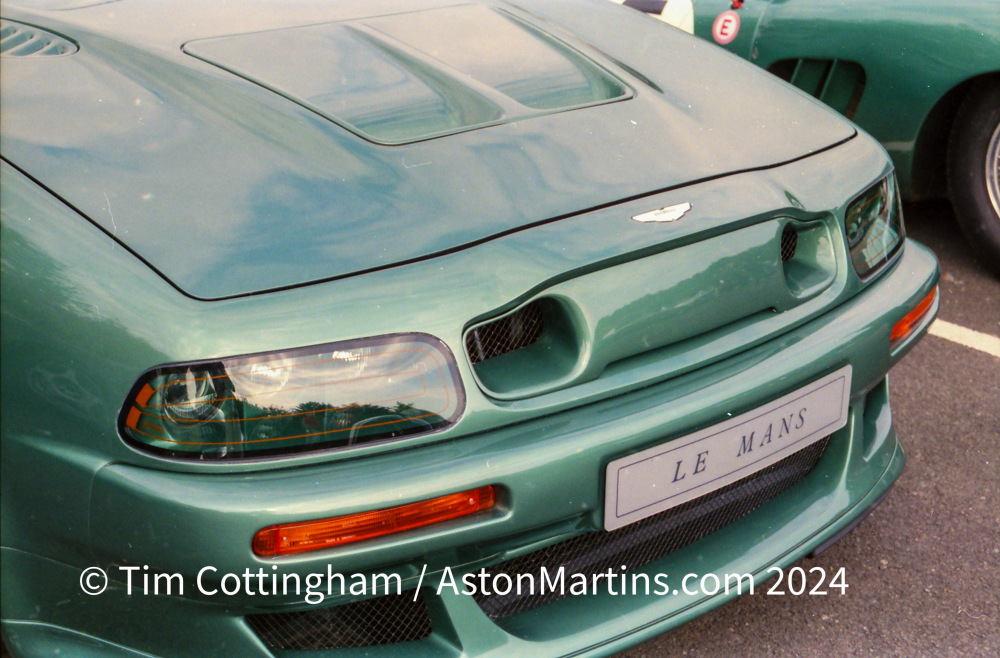
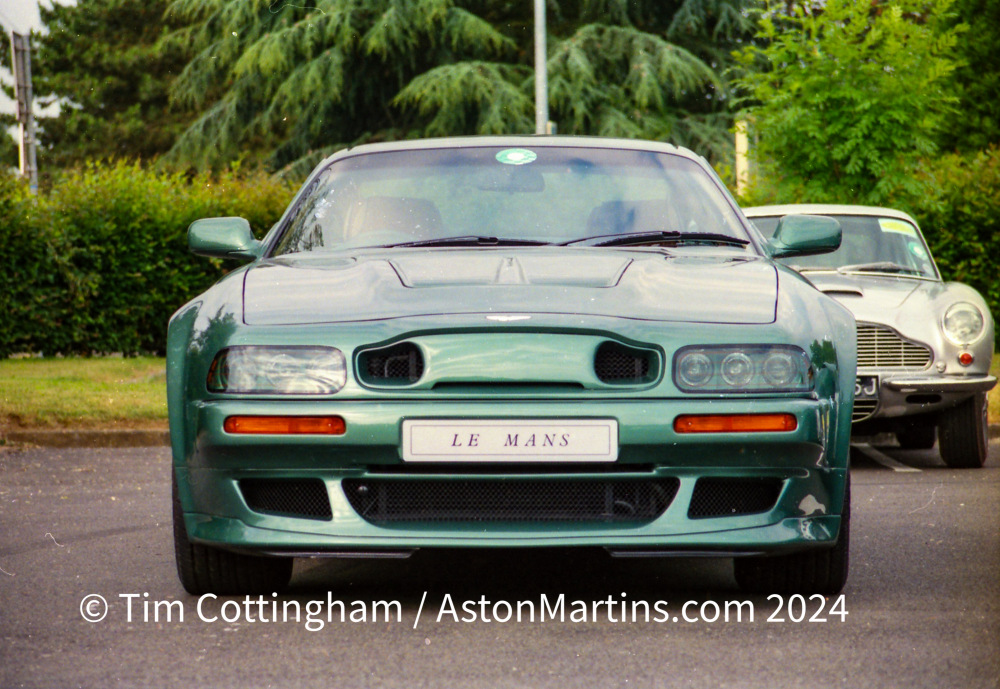
This car, chassis 007 was spotted at the 2002 AMOC Horsfall race meeting. It was being displayed with a ‘set’ of six different Astons of similar coachwork and trim specification ranging from a 7 litre V8 Vantage to a Vanquish – each finished in Coniston Sand together with a parchment leather piped in charcoal. Each special edition is unique – this particular example has been built to full V600 specification but doesn’t have the ‘Le Mans’ style bodywork additions.

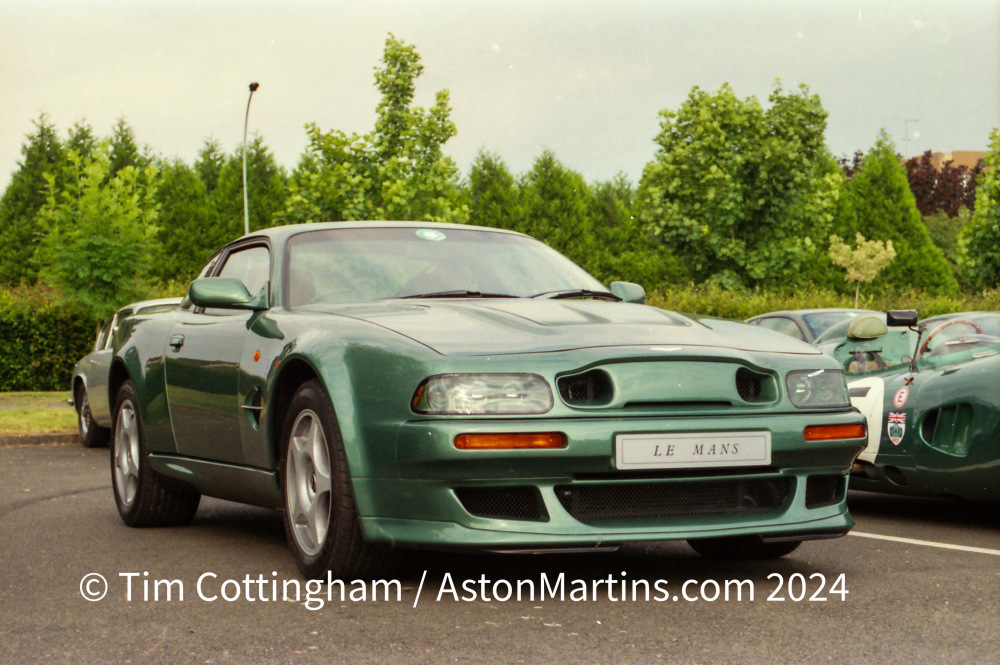
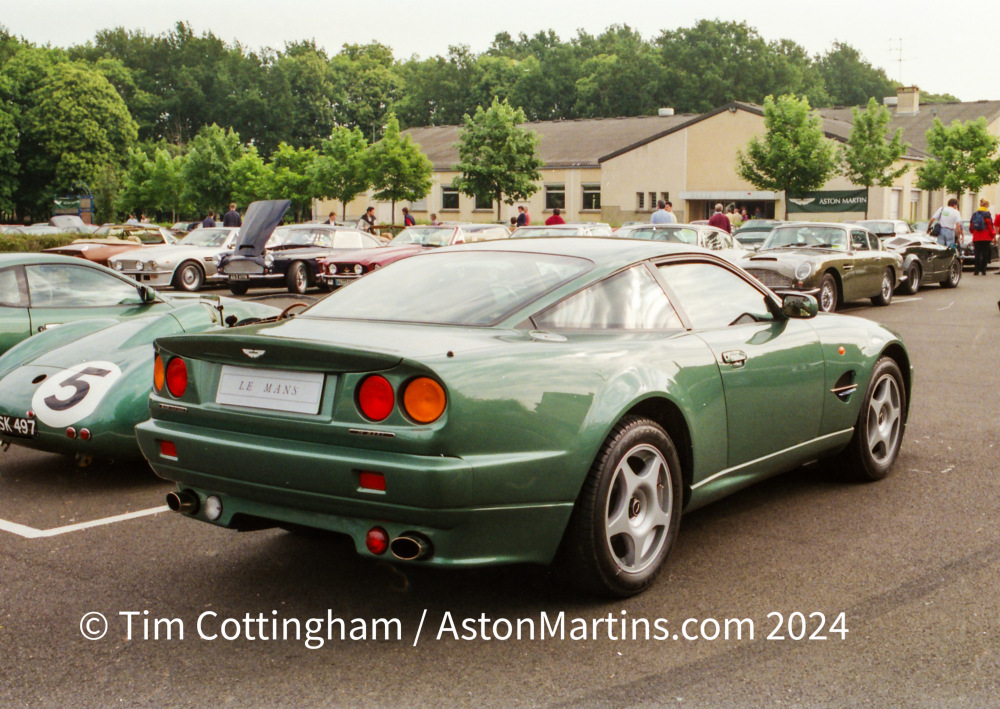
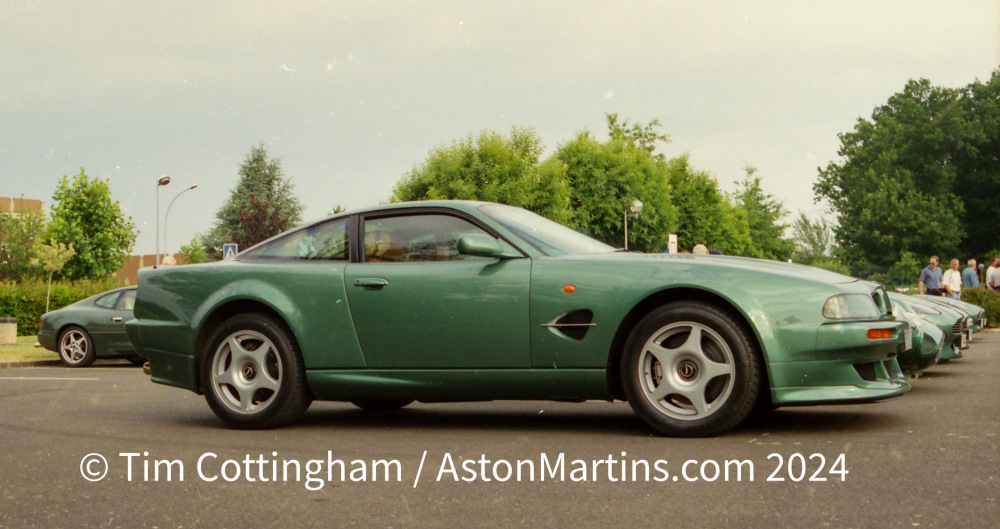
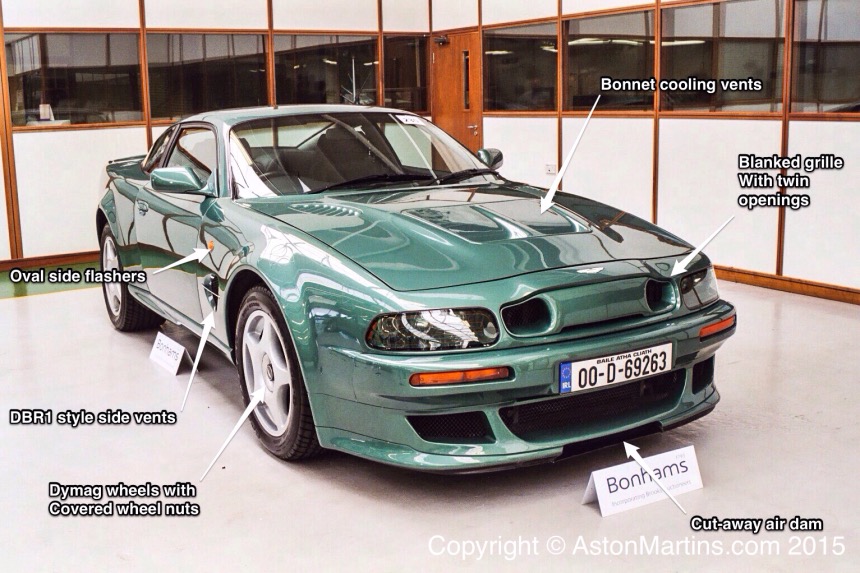
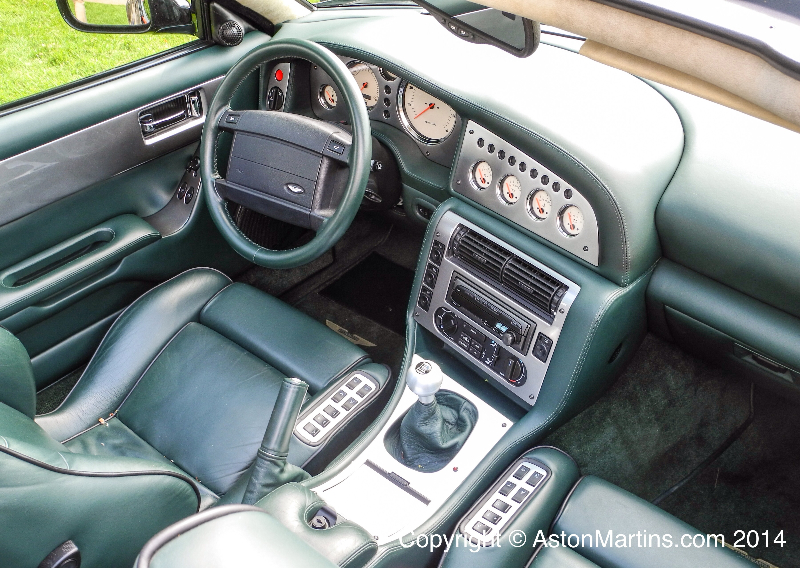
This is chassis 002, It was finished in September 2000 and subsequently road tested by Autocar before delivery to it’s very lucky owner. The car is of course, unique, with a V600 specification engine, ‘Le Mans’ style bodywork enhancements, traction control and a five speed gearbox. The white faced instruments are dominated by a large rev counter almost dead ahead of the driver.

 One small but interesting fact about the last car. A sample of oil contained in a small phial used when the engine was being bench tested was auctioned at the AML/Bonham’s sale in May 2001. It was sold for a massive £800.

Basic list price for each car was £230,000 although most cost considerably more as each owner had the car personalised. An example was sold at the AML/Bonham’s auction in May 2002 for £254,500 including buyers premium.

This car, chassis 006, finished in Cumberland Grey with a smoke green interior is the first of the eight short wheelbase cars. One of the three left hand drive examples, this European specification car was photographed in the showrooms of Nicholas Mee in London in March 2003 where the car was on sale – it quickly sold.

This is chassis number 001, built to V600 specification but not the first completed. Certainly they were built out of chassis number order. Finished in Antrim Blue with parchment interior piped dark blue, the centre seat panels are in Alcantara. Of special note are the unique vents either side of the rear wheel. The car came onto the market in the AM/Bonhams auction in 2007, only the second to be sold at auction. I have clear memories of this car together with a supercharged Vantage passing me at huge speed on a French Autoroute near to Caen following the 2005 Le Mans 24 hour race. The Gendarme on the BMW motorbike could hardly keep up.

71003

The third car of the eight was initially started as a right hand drive car but was changed to left hand drive part way through the build

71008

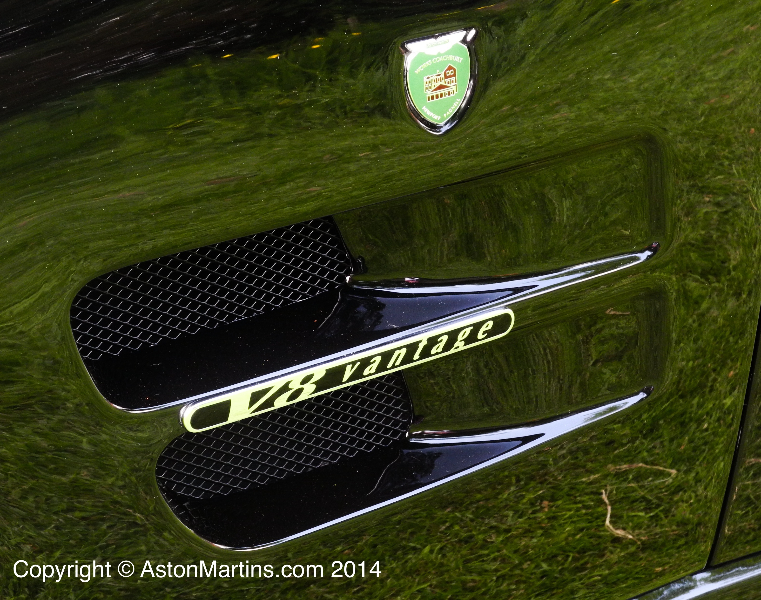
This is 71008, and I believe that this car was the very last V8 and indeed last Volante to be built at Newport Pagnell. Perhaps the most discrete of the short chassis cars, 008 is finished in Balmoral Green with fawn interior, and has the full V600 package including the 5 spoke Dymag wheels. I have only seen the car once, parked at Newport Pagnell for the Bonhams/AM auction in 2005. As with other special edition cars, the rear has V8 Volante badges whereas the side vents have V8 Vantage badges.

Special thanks to Kean Rogers for assisting with this particular page.

V12 Vantage S Spitfire 80 Edition

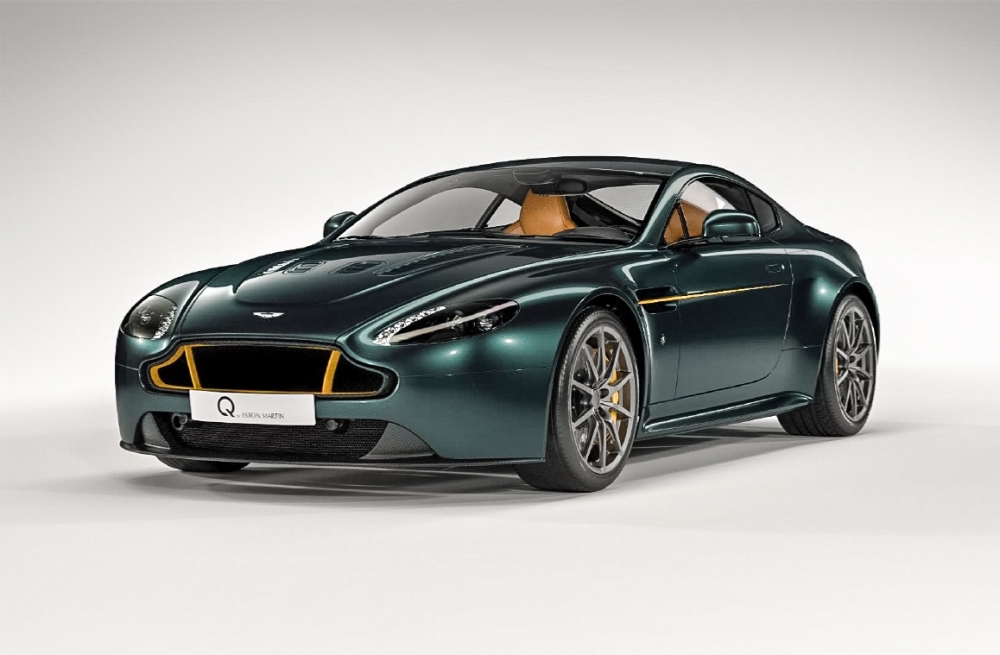
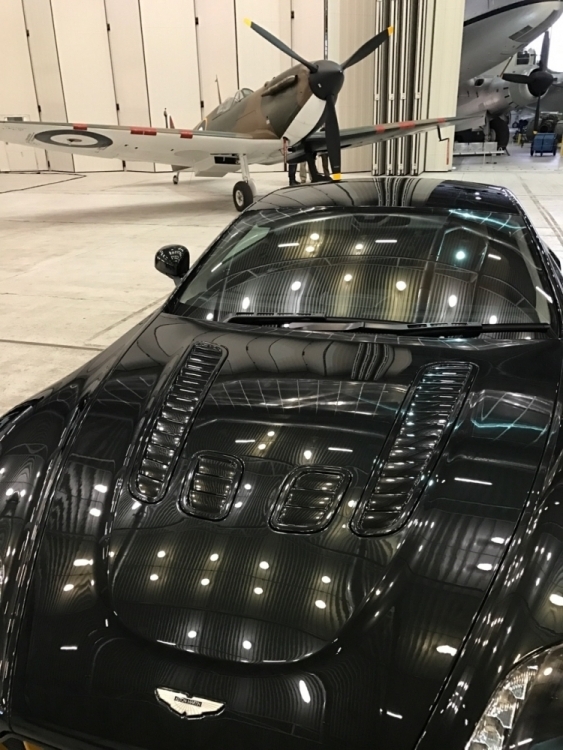
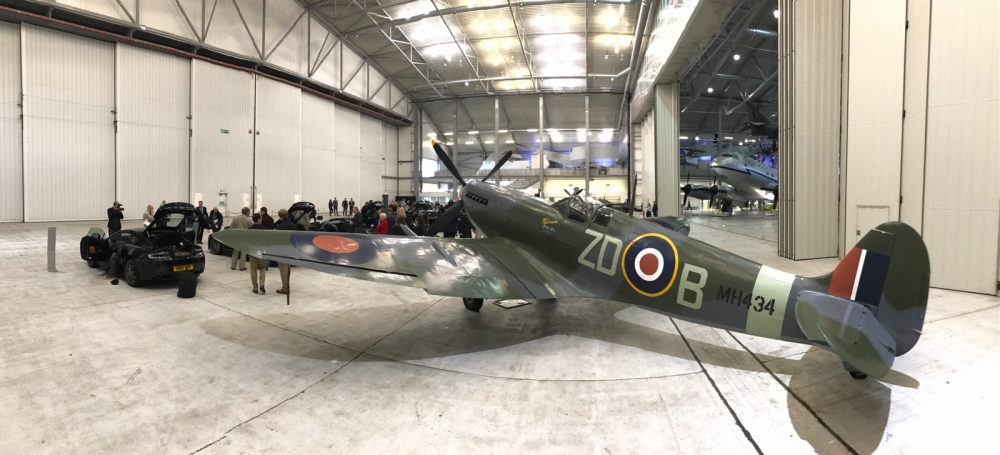
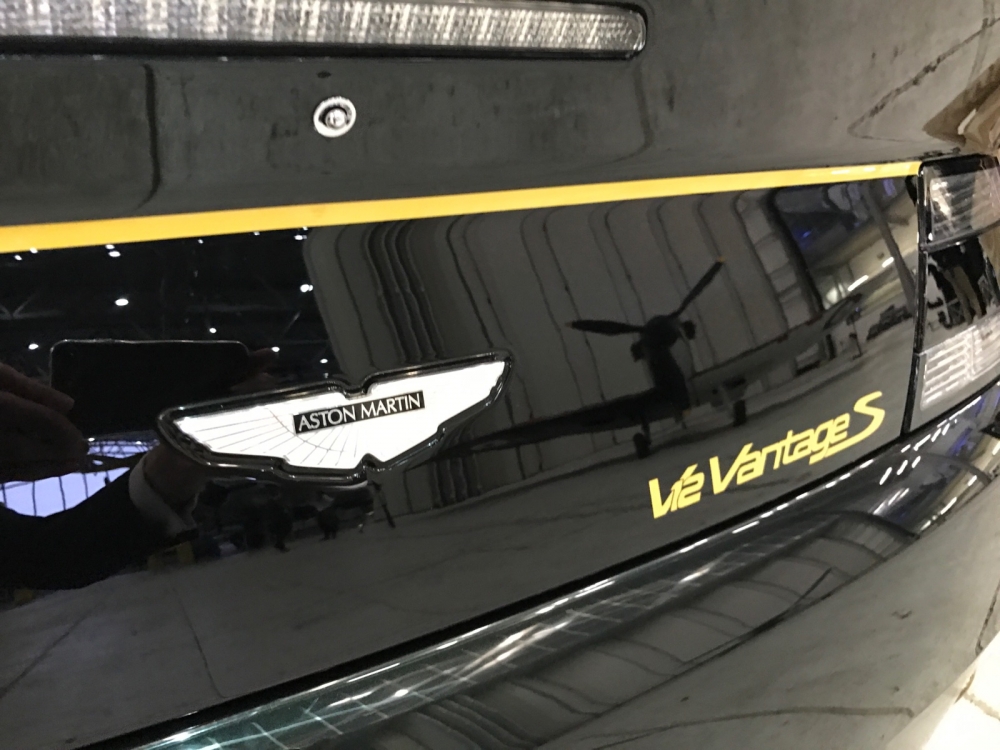
Each car was finished in a new pearlescent shade called Duxford Green with the trademark Spitfire speed yellow pinstripe accents plus side strakes and deck lid, complemented by satin carbon fibre front and rear diffusers. The Aston Martin wings badges are made from solid sterling silver with a tailored Old English White inlay, while owners were able to choose an original Spitfire serial number lacquered into the side strakes.

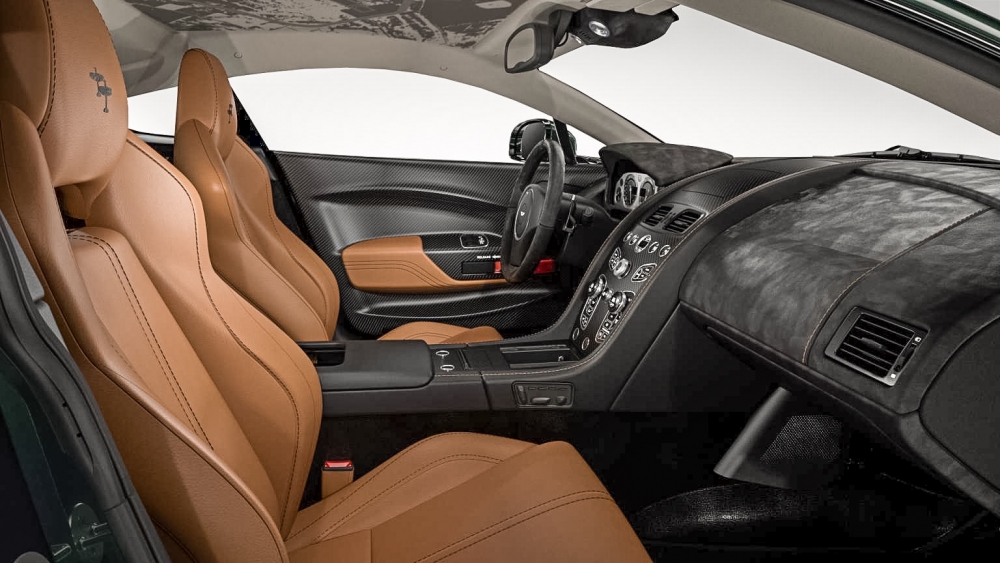
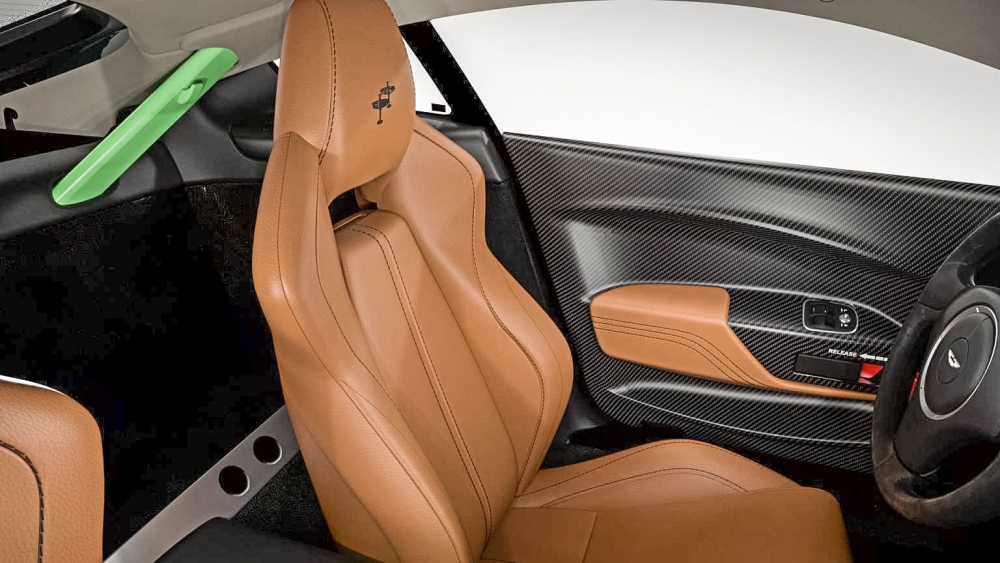
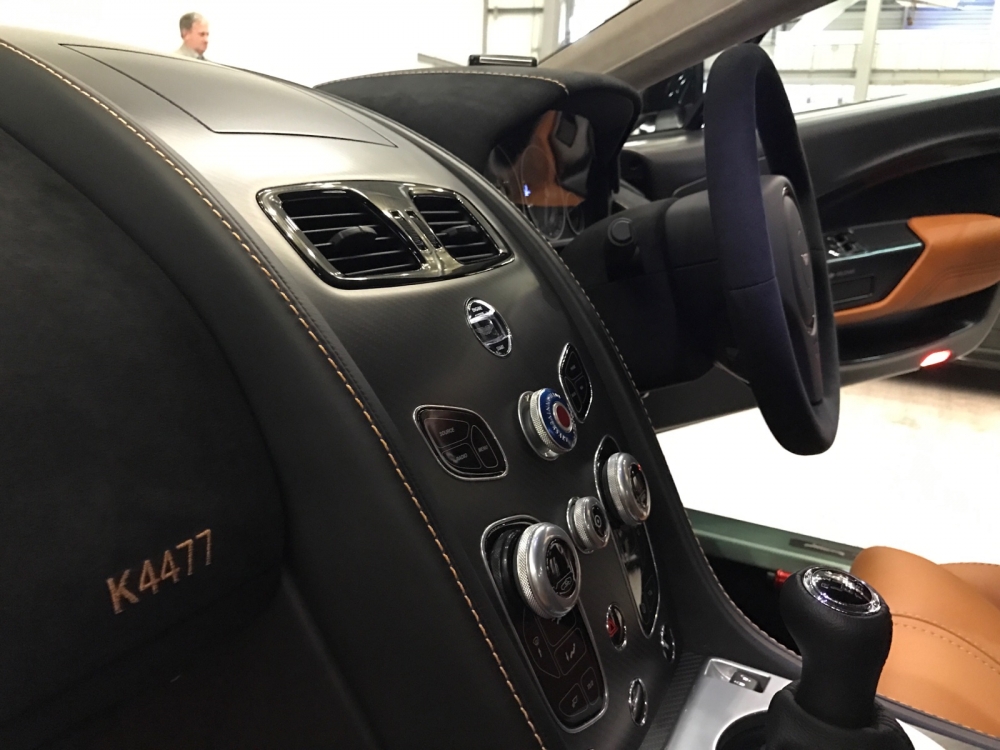
Inside the ‘Q by Aston Martin’ styled cockpit, thoughtful Spitfire detailing is a delight. A Raven Black ‘Spitfire 80’ logo is beautifully embroidered into the Kestral Tan leather headrests and saddle leather floor mats, with sheepskin inserts in tribute to the iconic Irvin Flying Jacket. Another rather wonderful feature is that an aerial view of Duxford Aerodrome is printed onto the leather headlining.

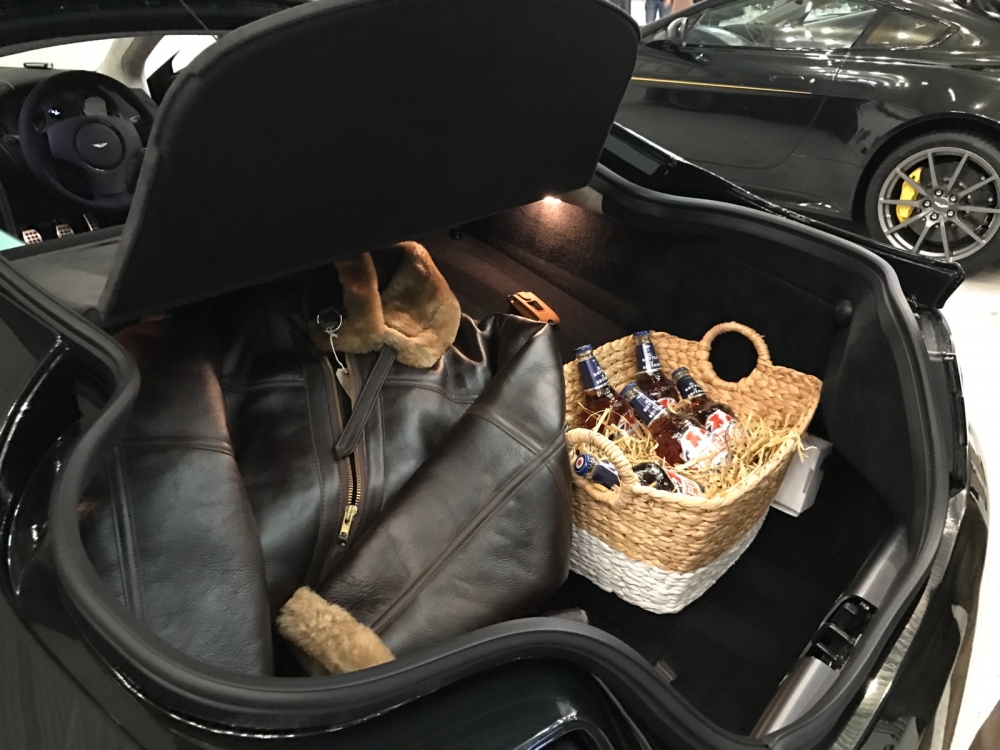
Completing its theme, the Spitfire 80 is delivered with bespoke accessories including a unique Irvin Flying Jacket stitched with the Spitfire 80 logo, an Irvin flying helmet and goggles, embossed owner manual and a leather photograph album documenting the handover ceremony.

The quickest production car in Aston Martin’s history, the V12 Vantage S Spitfire 80 is equipped for pure performance – much like the 1936 Spitfire. Its 48-valve, 6.0 litre V12 engine delivers a breathtaking 563 bhp with a peak torque of 620Nm, effortlessly powering from 0 to 60mph in 3.7 seconds, up to a thundering top speed of 205mph. 

The 7 Speed Sportshift III paddleshift transmission was offered as standard equipment although all but one new owner choose the new 7 Speed dog-leg manual at no additional cost. 

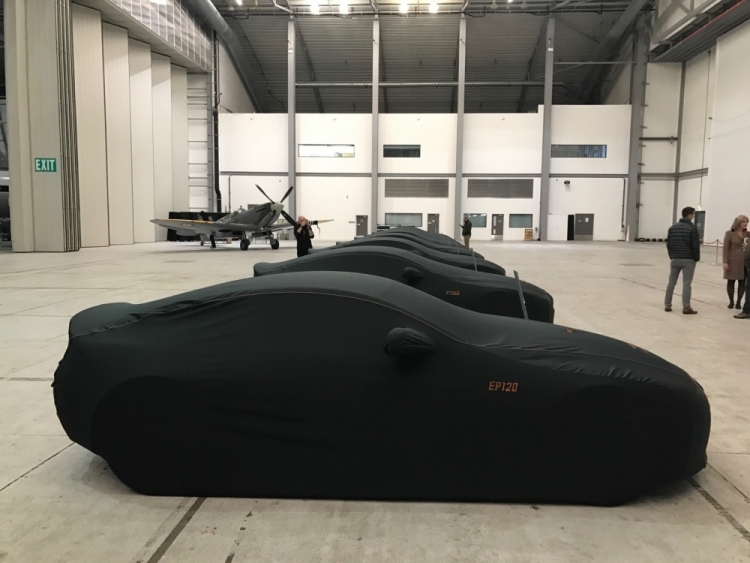
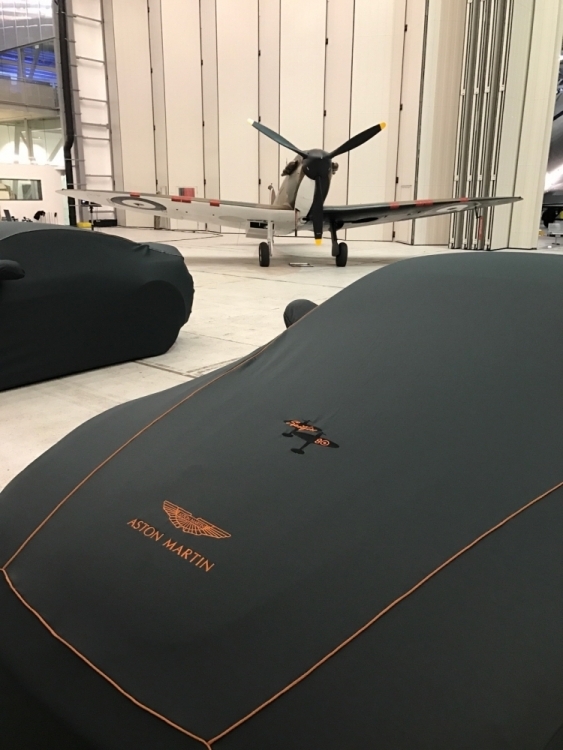
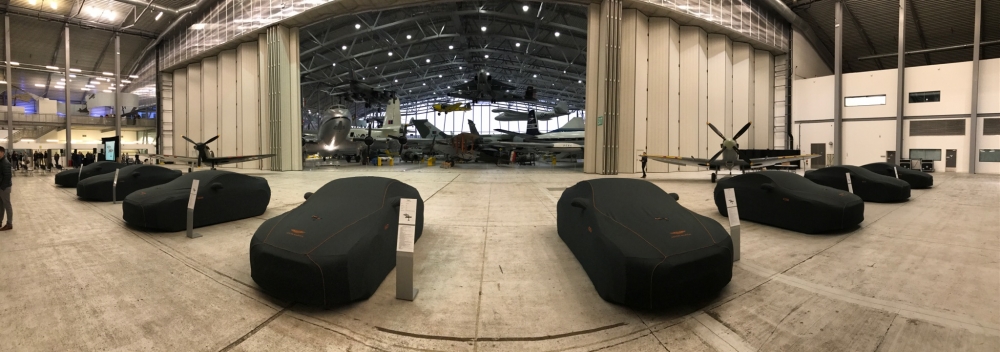
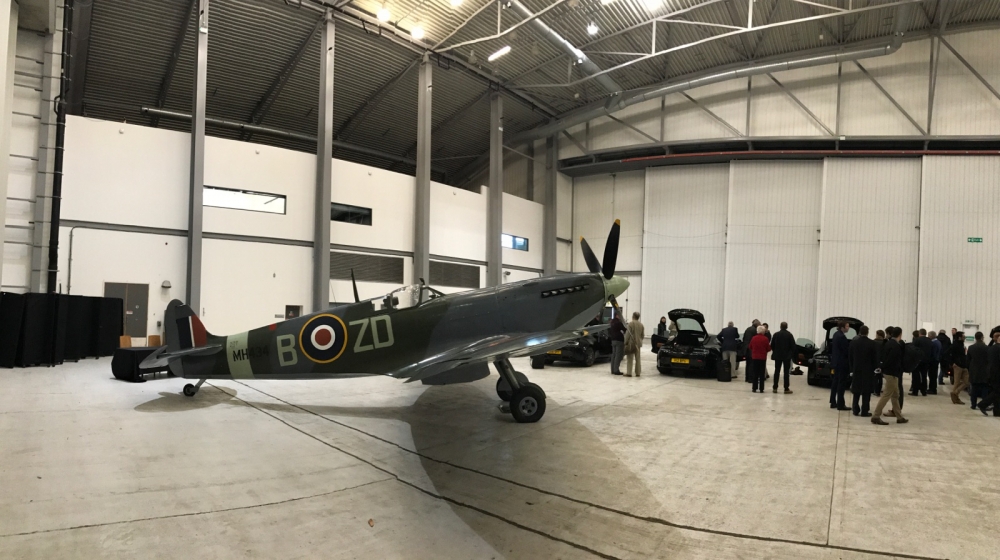
So it is fitting that every person who ordered this extraordinary piece of engineering enjoyed an exclusive handover ceremony, held on 18 October 2016 at the the AirSpace exhibition at the Imperial War Museum Duxford, Britain’s best-preserved second world war airfield and Europe’s premier aviation museum.

The cost of each Spitfire 80 was set at £180,000 – which included a £5,000 donation to the Royal Air Force Benevolent Fund.

Specification of the Spitfire 80

  • 2017 Model Year V12 Vantage S Coupe
  • Transmission – 7 Speed Sportshift III or 7 Speed Manual, both a no-cost option
  • Brake Calipers – Yellow
  • Carbon Bonnet Louvres
  • Black Meshes
  • Gloss Black Window Surround
  • Aluminium Fuel Filler Cap
  • Assortment Pack (Reverse Camera, Front Park Assist, Glass Switches, 2nd Glass Key)
  • Contemporary Leather
  • Graphics Pack – Roof & Decklid Dropdown – Jet Black
  • Auto Dim Mirror
  • Clear Rear Lamps
  • Black Headlight Finishers
  • Umbrella

‘Q by Aston Martin’ Options

  • Q Special Paint – ‘Duxford Green’ Pearlescent
  • Satin Carbon Fibre front and rear diffuser
  • Speed Yellow Accent Stripe on Side Strakes and Decklid Dropdown
  • Bonnet Louvres Painted in Duxford Green
  • Front Grill in Satin Carbon Painted Speed Yellow
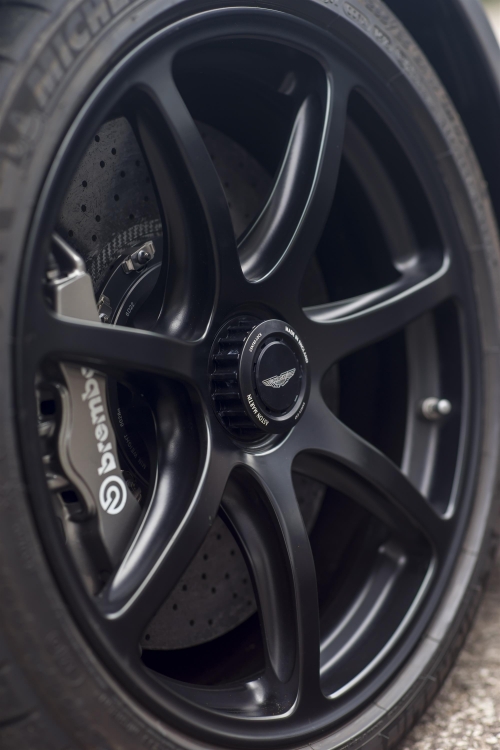
  • Satin Graphite Lightweight Wheels
  • Tailpipe Finishers finished with rainbow ‘bloom’ effect to match Spitfire exhaust stack (part made by Aircraft Restoration Company at Duxford)
  • Aston Martin Wings Badges made from Sterling Silver with Heritage ‘Old English White’ infill
  • Colour Union Jack front wing badges
  • Spitfire Serial Numbers (of the customers choice) lacquered into top side of Side Strakes
  • Kestral Tan seats stitched in Raven Black Corse Thread
  • Pure Black Alcantara Dashboard Stitched in Kestral Tan Corse Thread
  • Pure Black Carpets & Steering Wheel
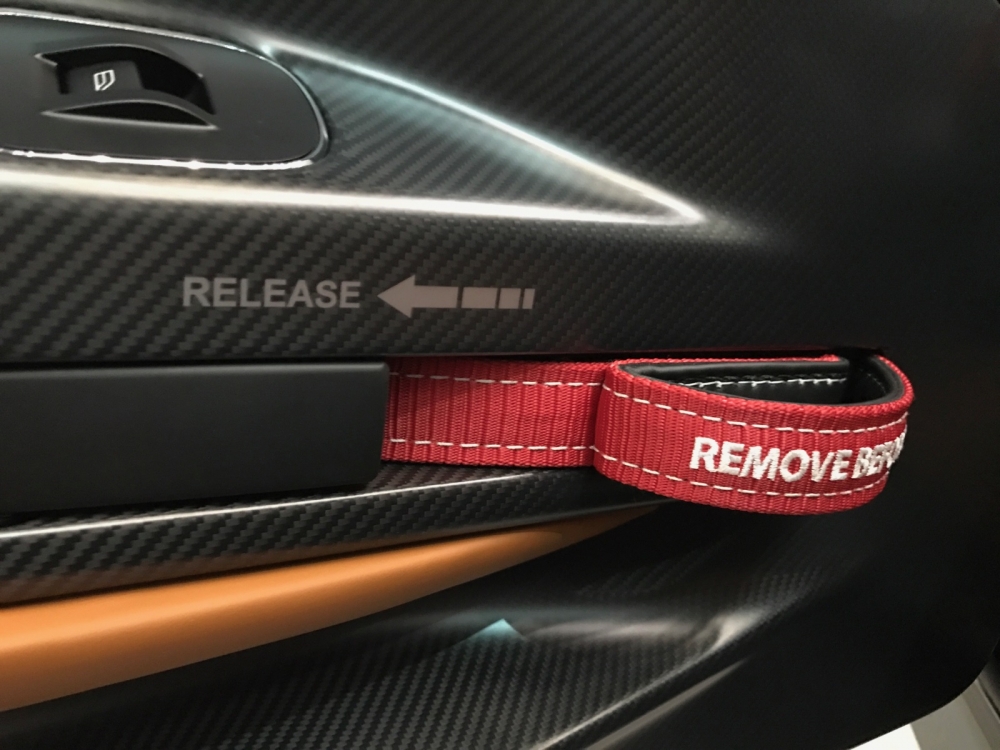
  • Exposed Satin Carbon Fibre Doorcards (from the GT12) with ‘Release’ Graphic
  • Door Armrest Pad Assembly in Kestral Tan
  • Door Armrest Pull Strap – Red Webbing with ‘Remove Before Flight’ print
  • Satin Black Interior Door Pull
  • Anodised Handbrake Grip in Spitfire Red
  • Anodised Centre Rotary Switch, RAF roundel with ‘Spitfire 80’ etching
  • Rear Cabin Finisher – Aluminium Strip – Hole Punched to match strut behind pilot’s head in Spitfire (part made by Aircraft Restoration Company, Duxford)
  • Tread Plates, C-Struts, Under Bonnet Struts Structural Parts finished in ‘Cockpit Green’
  • Headrest Embroidery – Spitfire 80 Logo
  • Sat Nav ‘Splash Screen’ – Spitfire 80 Logo
  • Headliner – Printed Leather – Black & White Image of Duxford Aerodrome Aerial View
  • Spitfire Serial Number Embroidery in Kestral Tan Stitch on the Passenger Side Airbag Cover
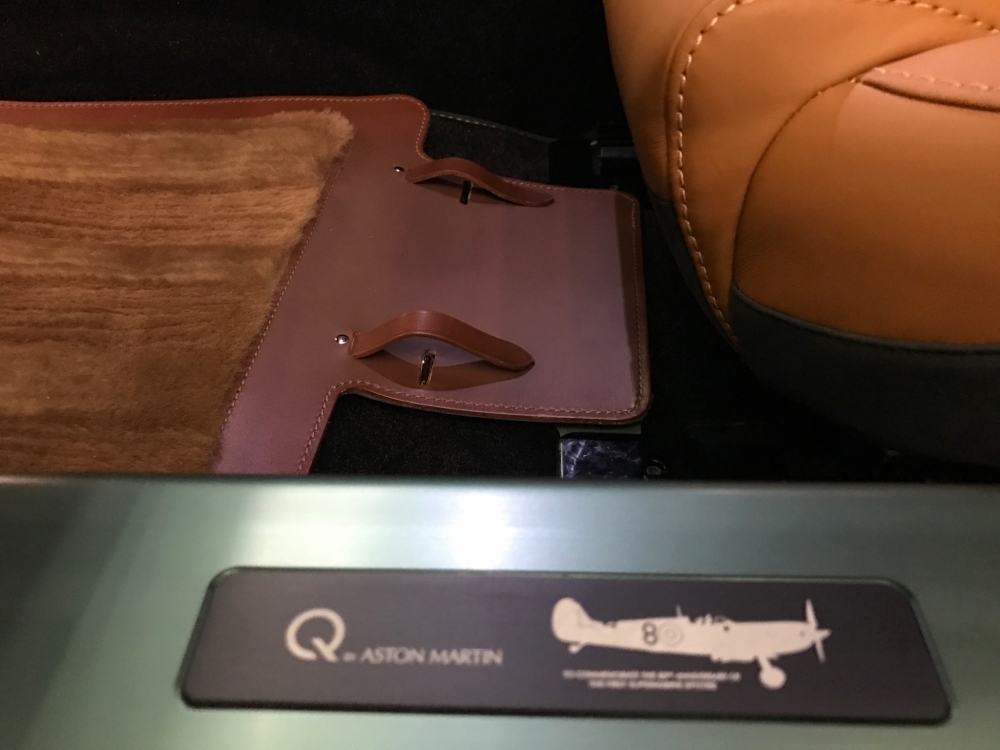
  • Black Anodised Sill Plaques with Laser Etch Spitfire 80
  • Contrast Glove Box Lining in Kestral Tan Leather
  • Glovebox Plaque in Brass Featuring V12 Engine Firing Order in tribute to plaque in Spitfire
  • Floor Mats – Saddle Leather with Sheepskin Inserts in tribute to Irvin jacket
  • Accessories – Unique Irvin Jacket with Spitfire 80 logo, Irvin Flying Helmet & Flying Goggles, Green/Brown car cover, Owners Manual with embossed Spitfire 80 Logo, Build Book, Key Pouch in Kestral Tan

The photographs below were taken at the exclusive Spitfire handover event.

For more information, please goto Aston Martin Cambridge, the sole supplier of the Spitfire 80 V12 Vantage.

Virage Volante prototype DP2054

This rare car (above), the second factory development Virage Volante, DP2054/2, was on sale at the AM/Bonham’s auction in May 2004, although it failed to reach it’s reserve. Since the first prototype DP2054/1 was crash tested, this makes this car the oldest Virage Volante in existence. This particular car was used by the AM Engineering Department and became part of the development programme. Although initially constricted as a two seater, this car was comprehensively rebuilt at Works Service, and is now has the standard 2+2 accommodation. The blueprinted high-performance engine was especially built by Works Service and is claimed to offer 6.3 performance from 5.3 litres capacity. In addition, much of the running gear is similar to that of the 6.3. Like later Volantes, the car now has front wing vents, later walnut veneer instruments surround, air-bagged steering wheel and the larger 17 inch wheels.

I believe that the two seater DP2054/3 (below shown in 1992 press pictures) is still in existence retaining it’s red coachwork and black leather.

Virage Volante

Virage Volante

Almost the whole production run of the Virage Volante was fitted with the standard Virage V8 /89 engine producing power of 330 bhp and 350 lb/ft of torque mated with a 5 speed ZF manual gearbox (rare –  only 27 built) or 3 speed (later 4 speed + overdrive) Torqueflite automatic. As production of the Volante overlapped the introduction of the V8 Coupe – the last 10 examples received the more powerful, 95/ spec V8 Coupe engine – with maximum power upto 349 bhp @ 6000 rpm and torque of 369 lb/ft @ 4300 rpm. All of these last 10 cars, known simply as ‘Volante’, the Virage tag was dropped, were built as automatics.

Initially the interior closely followed that of the Virage coupe complete with VIC (computerised fault finder) computer and twin spoke steering wheel. Yet later cars show many detail differences from that of the coupe. The walnut veneer extends to the redesigned centre console and the instrument surrounds and the VIC is replaced by three conventional instrument dials. The steering wheel housed an air bag; this was a standard feature on all US cars and was sourced from with in the FordMoCo family, lifted from the contemporary Lincoln Towncar.

Early Volante was fitted with the 16 inch alloy wheels of the coupe but these were soon replaced by a slimmer 5 spoke, 17 inch wheel. At about the same time in 1993 the stylish wing air vents, initially seen on the design sketches of the Virage were seen on the cars. Those coupes and Volantes that lacked this feature could have it replicated when the cars returned to Works Service for fettling.

By 1992, demand for the Virage Coupe had dropped off considerably and the supercharged Vantage had not yet entered production. Without the Virage Volante, the Newport Pagnell factory would have been almost silent – during 1992 and 1993, 125 examples were produced from a total production of 134 of all models. Total production of the Virage Volante ended in 1996 with just 234 examples completed and a mere 20 imported into the US. This is perhaps rather puzzling as the previous V8 Volante had been a very strong seller in North America between 1978 and 1990.

But there are also some detail differences in trim between the coupe and Volante that must be pointed out. Unique to the Volante is the chrome bright work along the top of the front bumper, along the top edge of the doors and along the boot edge. The Volante also featured chrome door handles and a chrome grille.

Aston Martin Virage Volante

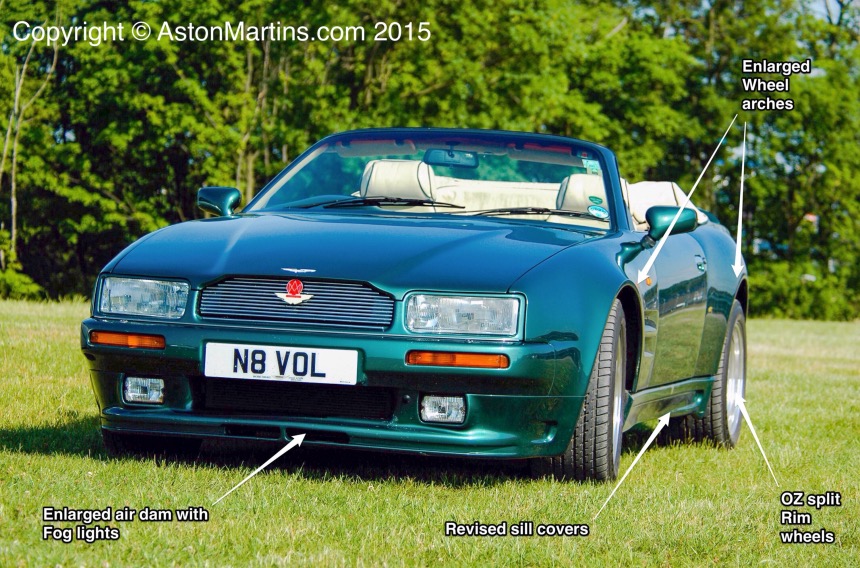
Some of the key special features of the Virage Volante

In period, the motoring press gave the Volante a bit of a pasting. It was a very heavy car (1960 kg), and even with in excess of 300 bhp, performance in the hands of the testers seldom achieved the figures claimed by the factory. Fast Lane Magazine achieved 148.5 mph and 0-60mph in 7.6 seconds , yet AML claimed 155mph, 0-60mph in 6.5 seconds.  Testers sadly were not impressed with the ride quality, handling or road holding. But like every previous Volante, in the long term, the cars will continue to be in high demand and be favoured over the more common coupe.

Virage Volante 6.3 Conversion

The wide body look was a popular option seen on many of the later examples of the Virage Volante, although many retained the 5.3 engine. Cars with wide bodies but retaining the standard 5.3 engines are known as cosmetic 6.3’s or wide bodied Volantes. Some of the cars on these pages may well have only the standard engine – it’s hard to tell although the genuine 6.3 examples do carry a special badge on the lip of the boot. Genuine 6.3 conversions have the uprated braking package and uprated suspesion whereas the cosmetic cars generally retain standard running gear.

Three examples of the Virage Volante are believed to have been built with the 6.3 litre engine but have retained their standard bodies; 6.3 narrow bodies if you like. Needless to say, these are somewhat harder to spot. Just to add to the confusion, some Volantes were converted to wide body specification after having been completely finished, yet later in the life of the Volante, many were built with wide bodies in production.

Aston Martin Virage Volante 6.3

How to spot a Virage Volante 6.3 conversion

Virage Volante 6.3 with Vantage styling

The cost of the body conversion, chassis modifications and 6.3 engine (if specified) was dependant on individual specification but I believe it well exceeded £100,000. Thus with the cost including the original car was in the order of a quarter of a million pounds.

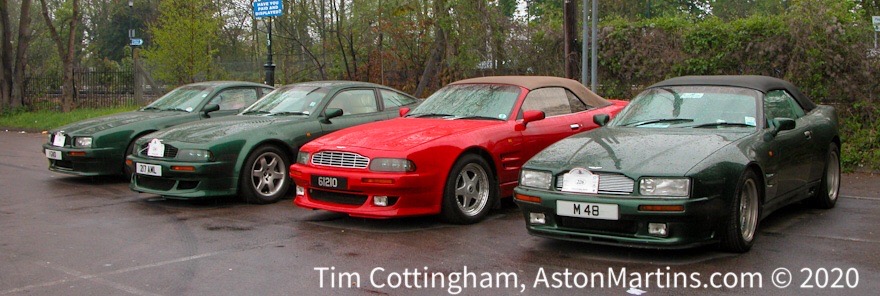
A line up of four ‘V-cars’ at the 2005 St Georges Day event at Windsor Castle


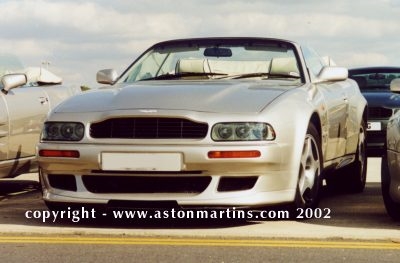
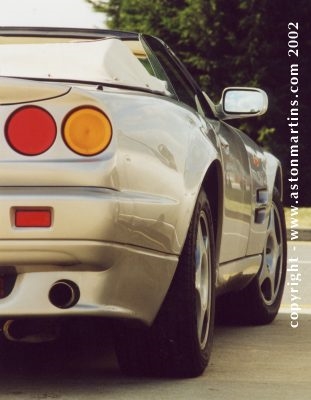
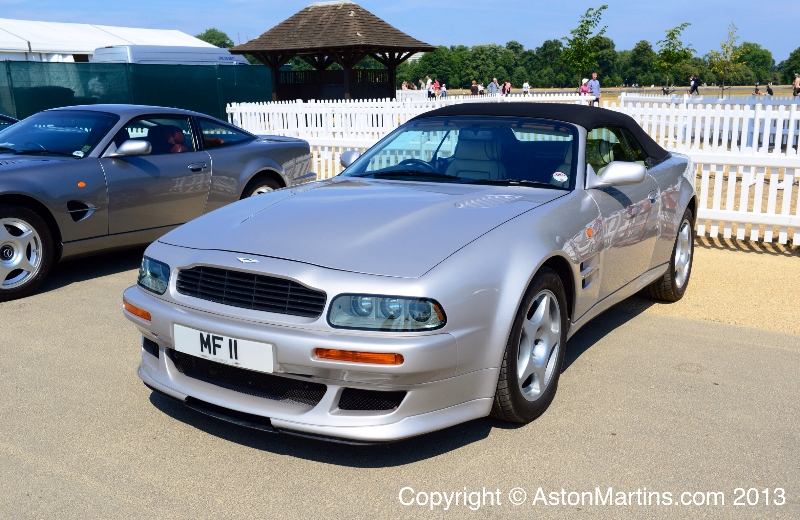
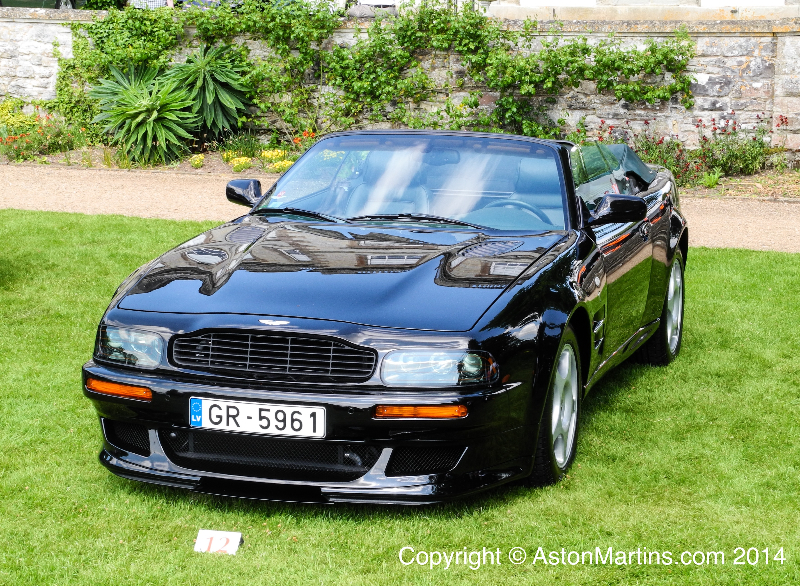
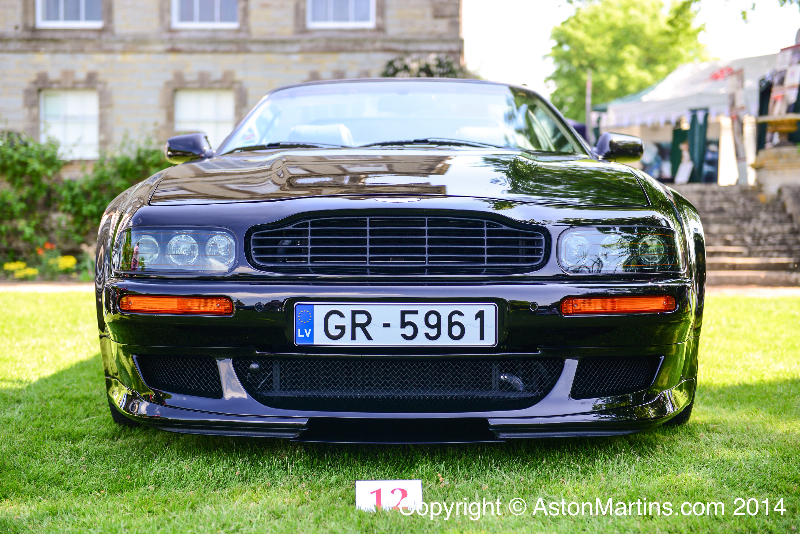
Before the introduction of the rare V8 Vantage Volante special edition, these cars represented the fastest and most powerful open Aston Martins. Indeed, they are very easy to confuse with the later supercharged cars, although there are a few clues to assist the enthusiast. The 6.3 conversions usually have the 18 inch OZ split rim wheels, square side indicator repeaters and Citroen CX type door mirrors. Also the 6.3’s have a different profile to the rear wheel arch extension to the later true Vantage Volates. The photographs on this page represent three of the six known cars to have been rebuilt with this body style. One car is unique because in addition to  supercharged Vantage front and rear styling, if features Vantage sills and Vantage profile to the rear wheel arch.

img_10

Virage Volante 6.3 Narrow body

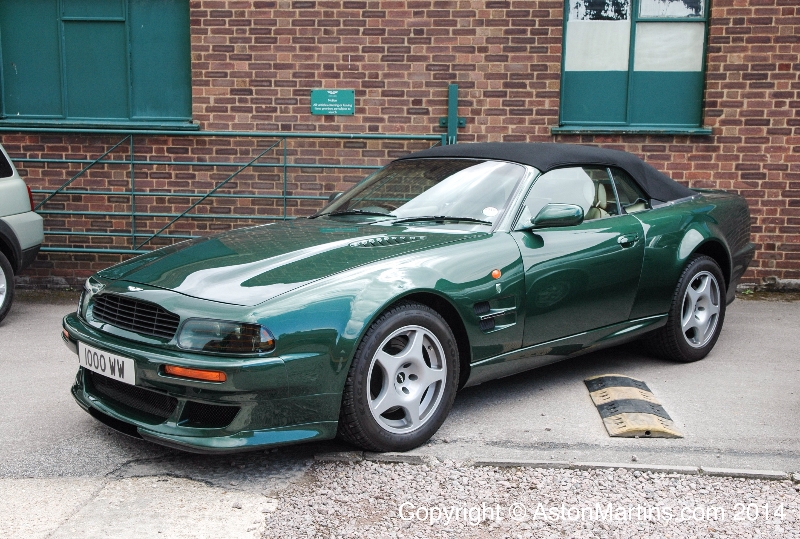
This particular example was owned by AML from new but driven by HRH The Prince of Wales until about 2006. It was then retained by the factory until 2012 when it was sold at the Bonham’s AM Works auction for the ‘princely’ sum of £119,100 including premium. It is finished in the Princes favoured colour combination of solid British Racing Green with Mushroom hide interior without a contrasting piping colour. It also has manual transmission, really quite rare for a Virage Volante.

Virage 6.3 litre Coupe

Initially peak power was quoted as 465 bhp but was revised in 1993 with the adoption of a high lift cam and solid tappets to 500 bhp @ 6000rpm and 480 lb of torque @ 5800rpm – that’s a 60% increase from the standard engine. The 14 inch ventilated and cross drilled disc brakes with four cylinder racing callipers, also derived from the AMR1, were at the time claimed to be the largest fitted to any production car in the world.

Many of the hand-crafted aluminium body modifications related to the 6.3 are well evident in the photographs; substantially flared wheel arches, deep front air dam, boot mounted spoiler, extended sills, extended rear valance and side air vents. The side air vents were a feature of the initial Virage design but were not used on production cars at least initially. They reappeared with the 6.3 and later Virages and also on the Volante and Vantage. Stylish split rim five spoke 10.5*18 inch OZ alloy wheels with 285/45 ZR Goodyear Eagle tyres ensure more than adequate grip and traction. A small number of cars were also modified to 6.3 cosmetic specification retaining the 5.3 engine in unmodified form. These are known as 6.3 Cosmetic or Virage wide body.

Driving through a five or six speed manual ZF gearbox, or three speed automatic transmission, the extra power is sufficient to power the Virage 6.3 to 175mph, with 0-60 and 0-100mph acceleration taking just 5.1 and 11.5 seconds respectively.

Among the photographs below is a 6.3 Virage, photographed at Stratton Motor Company during 1998. It features attractive Vantage style front and rear bodywork, modified at the long established Aston Martin Heritage dealership near Norwich. This is a later picture of the same car pictured at the top of this page.
« Newer PostsOlder Posts »