Latest News - 01/09/24

What's New @ AstonMartins.com?

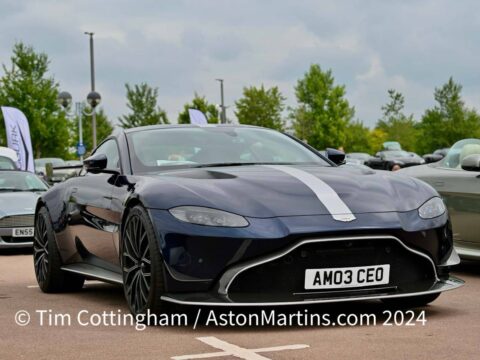
Vantage AM6 CEO by Q

DB6 Mark 2 Saloon

DB6 Mark 2 Saloon

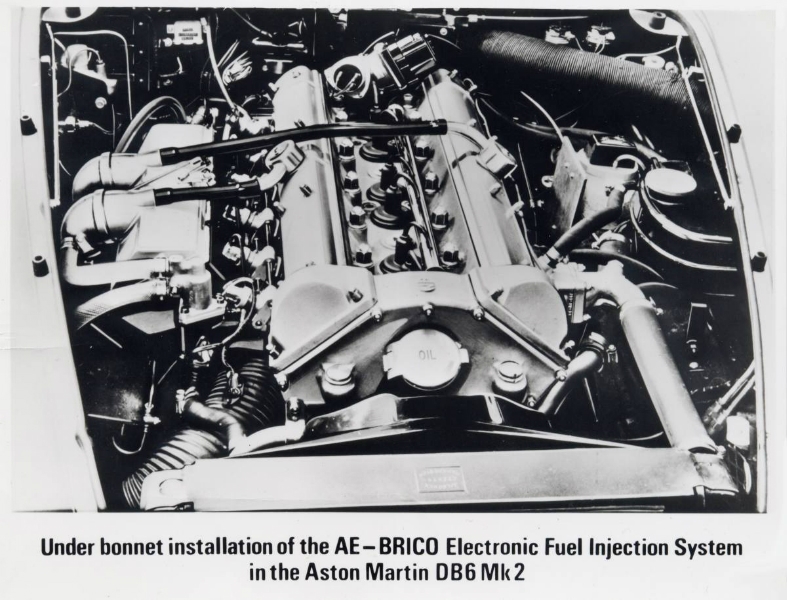
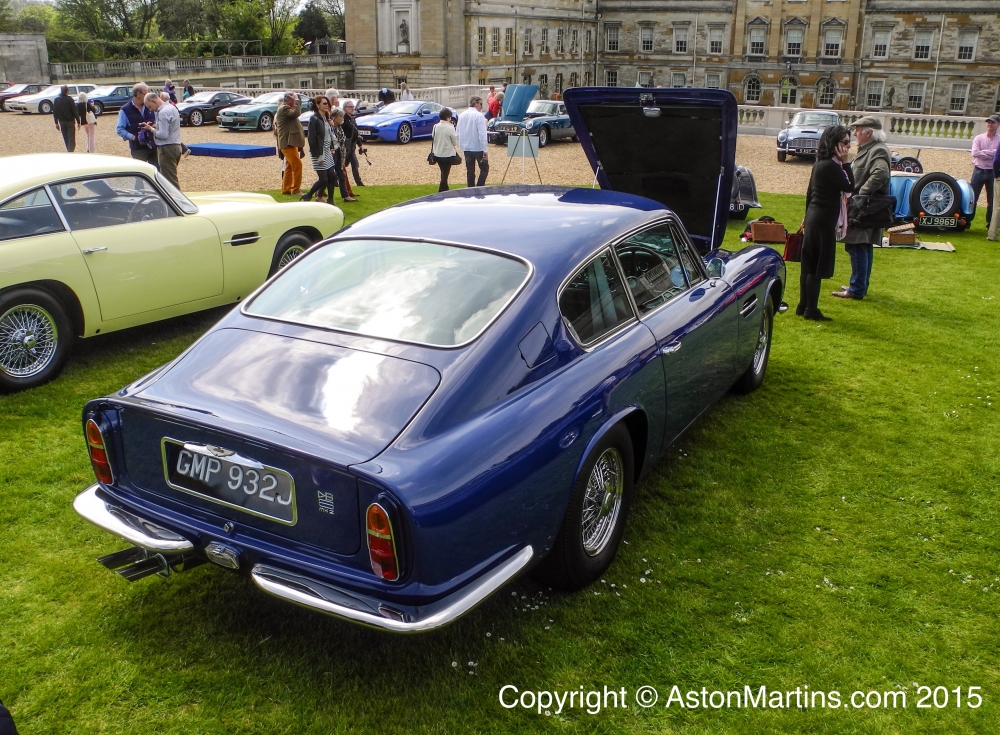
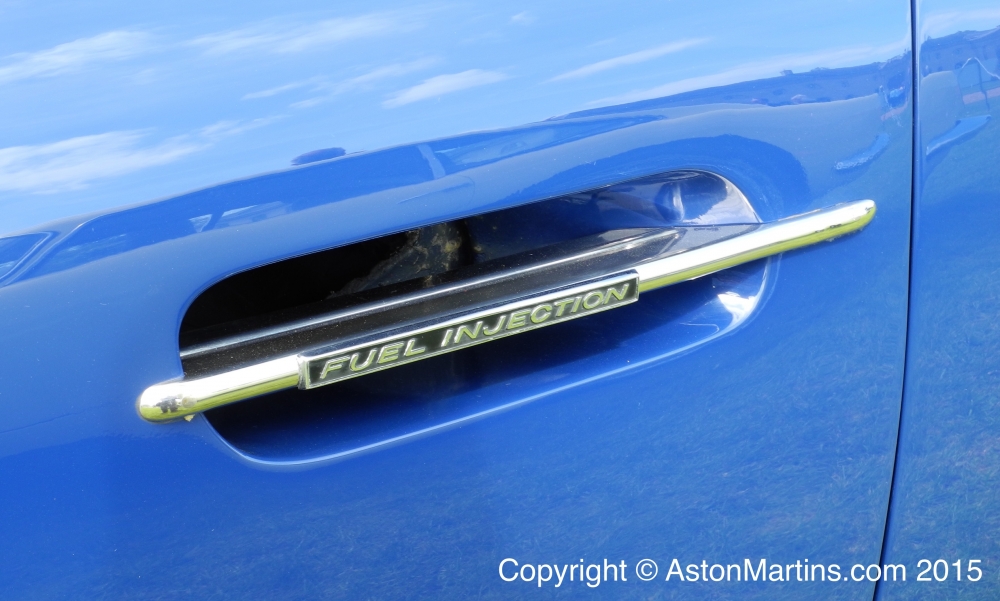
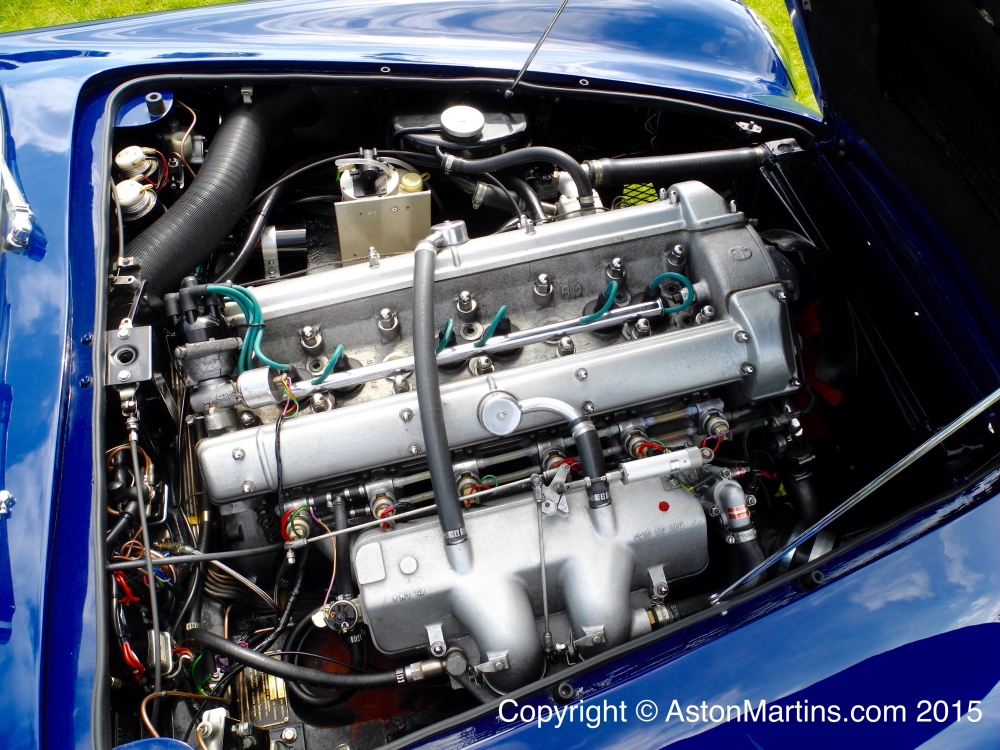
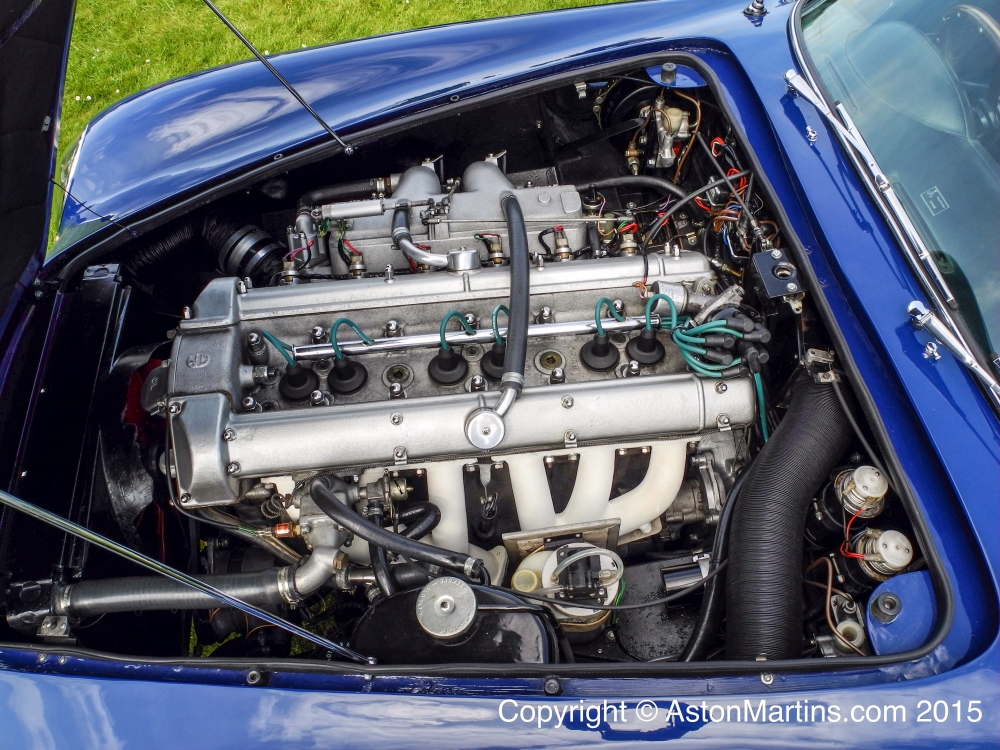
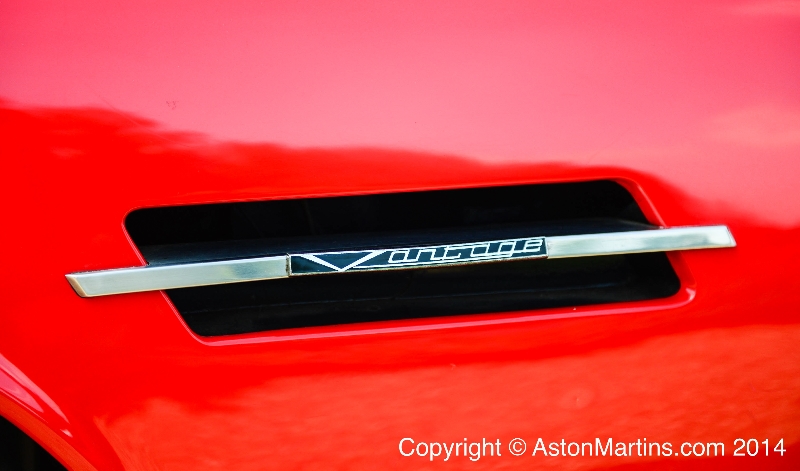
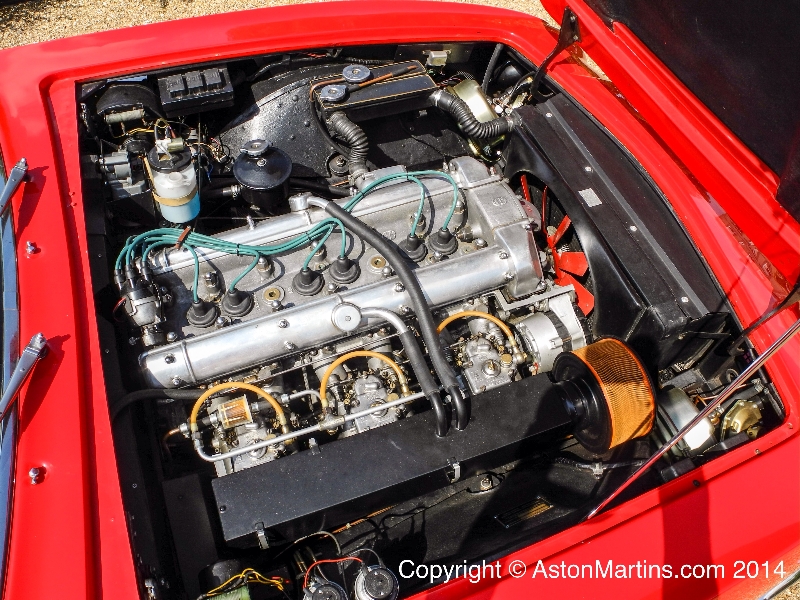
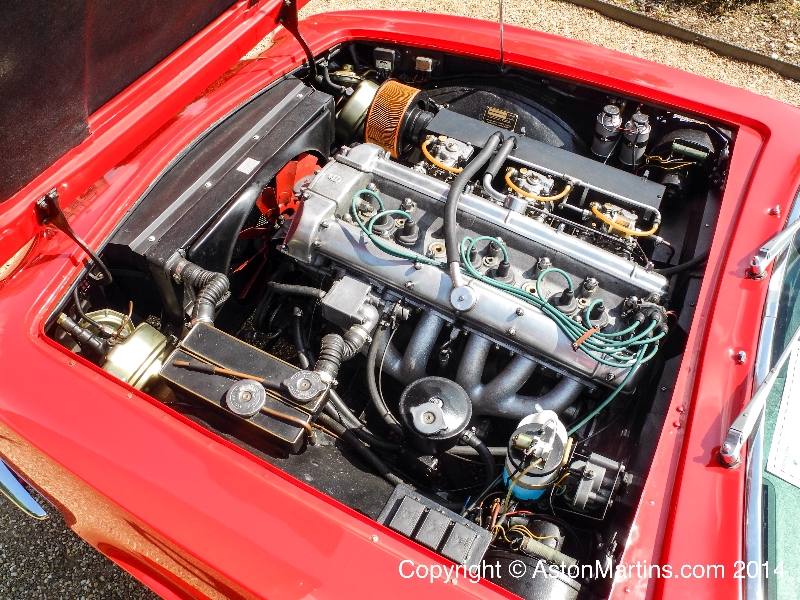
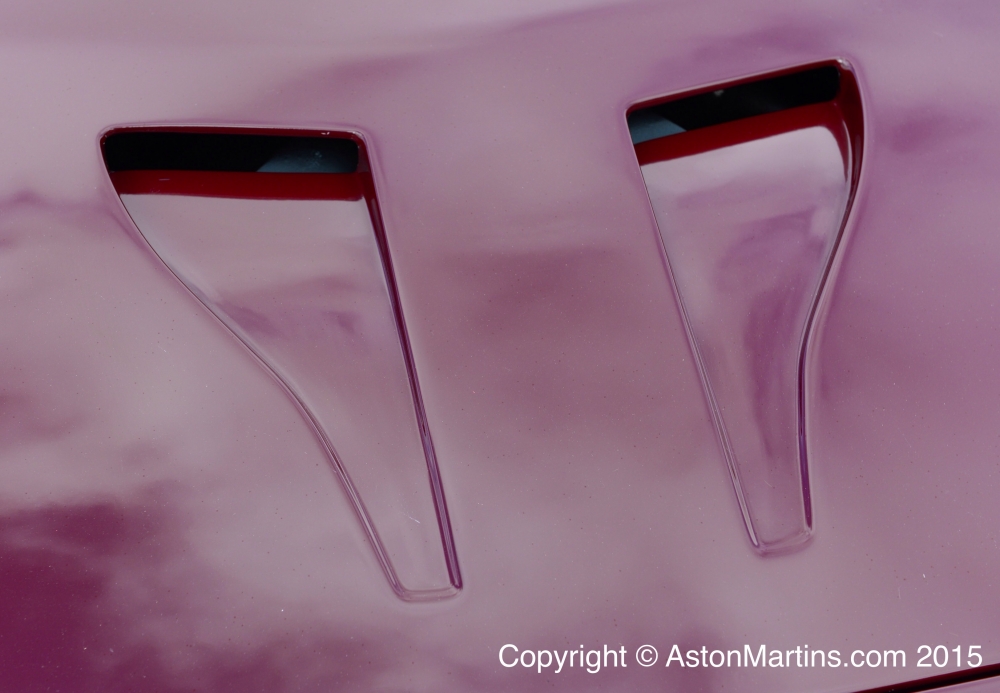
Some DB6 Mark 2 were built with the optional Vantage engine – only distinguished by a discreet badge on the wing vent. Instead of the triple SU HD8 carburettors and 8.9 to 1 compression ratio, the Vantage engine has three Weber 45 DCOE’s and a compression ratio of 9.4 to 1; enough to produce 325bhp, or so it was claimed. Another option, fitted to 46 of the cars was the AE Brico fuel injection system although this was not properly developed and many of these cars were later converted to Weber carbs by the Service Department. It is very rare but not impossible to see a DB6 Mark 2 complete with it’s original fuel injection system.

One think of note is that the DB6 Mark 2 uses the figure ‘2’ in it’s name which is at odds with updated versions of previous cars which used roman numerals such as the DB2/4 Mark II and Mark III.

DBS Estate (Shooting Brake)

An article in the Spring 1972 edition of ‘HR Owen Ltd reports…’, an magazine to promote the dealership to their large customer base stated that they had received a number of inquiries following the production of the car although no more were ever made. One can only assume that the cost of conversion was substantial; with an ex-works DBS selling for £5,717, it is believed the Shooting Brake cost around £10,000. The DBS was fitted with the regular triple SU engine and three speed automatic transmission.

The second owner had the car from 1975 but decided to part with the car through the 2012 Bonham’s auction at Aston Martin Works. Against what was a ludicrously low estimate of £50,000 – 70,000, the unique car sold for £337,500 plus premium, taking it close to £400,000.

DBS V8

DBS V8

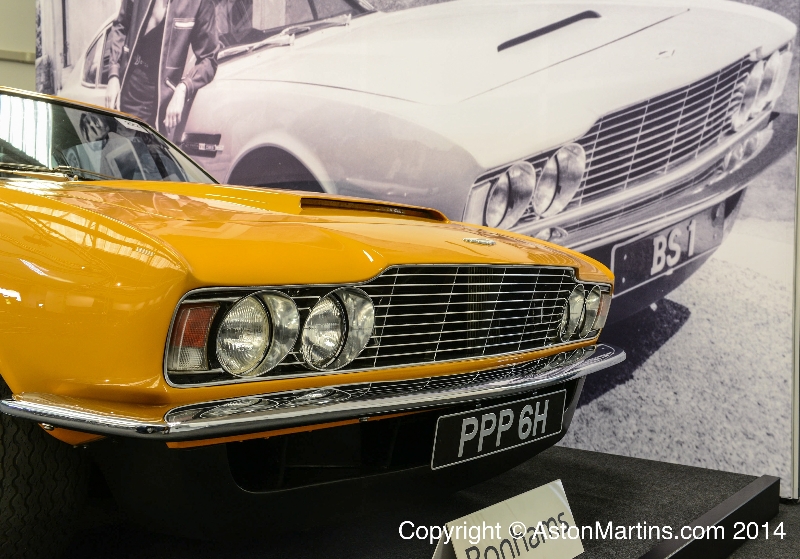
One of the few external differences from the six cylinder model is the larger front air dam. Another distinguishing feature of the V8 are the alloy wheels, the wire wheels could never handle the mighty torque of the engine. One must remember that a certain six cylinder car also had alloy wheels and DBS V8 badges. The gold car (BS1) as driven by Roger Moore in the series The Persuaders. So that it appeared that Roger was driving the recently unveiled car, the DBS was modified just for filming even though the V8 was already then available. Demand for the new car was so great that all production cars were allocated to eager buyers and AML could not spare a single one for the TV programme.

The 5340cc V8 engine, initially fitted with Bosch fuel injection, was powerful enough to propel the car to almost 160mph; and 0 to 60mph in 5.9 seconds. Power outputs were not quoted but was probably around 310 to 320bhp. At the time this was one of the fastest production cars in the world.

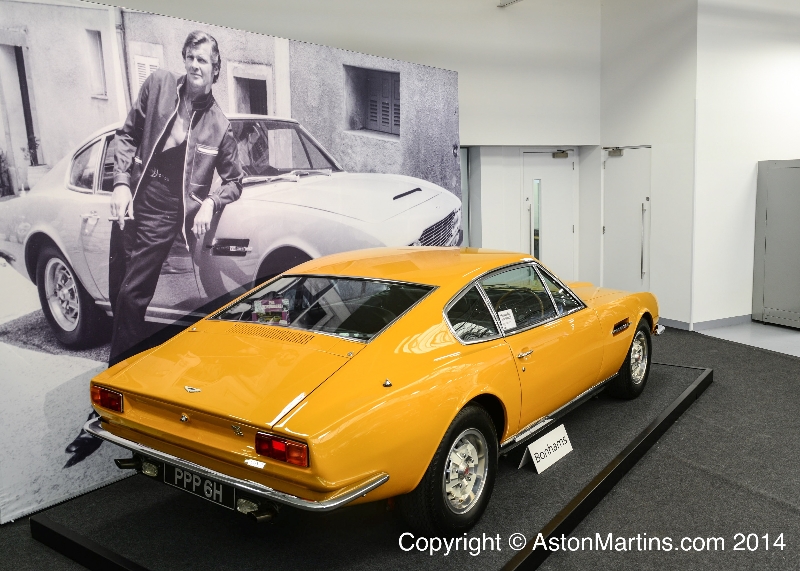
The side profile of a DBSV8 shows clearly the coke bottle shape of the rear. The tail lights are from the humble Hillman Hunter. The DBSV8 (once retrospectively known by the AMOC as the Series 1), built between April 1970 and May 1972 managed 402 examples before being replaced by the restyled AM V8 (Bosch f.i. or Series 2).

DBS from ‘The Persuaders!’

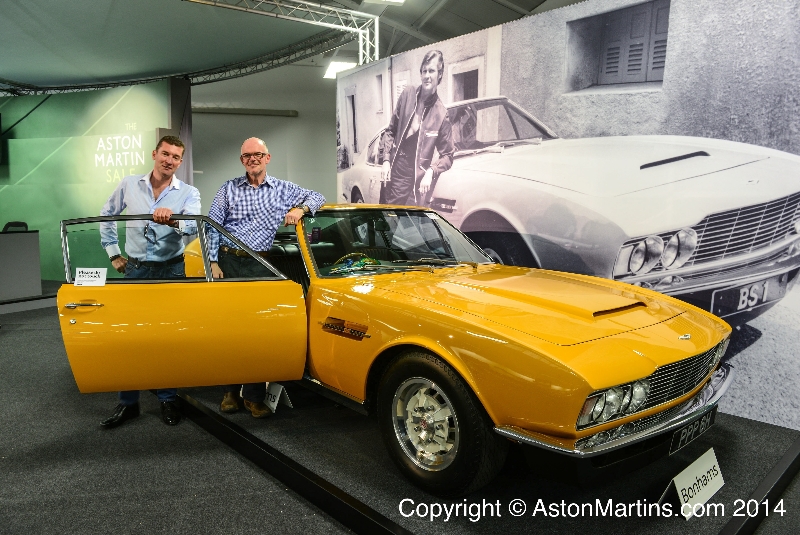
Filming of the series began in April 1970, not long after Aston Martin had introduced the DBSV8. AML were keen that their latest product would appear on the small screen yet all of the V8 powered cars were allocated to eager paying customers. So AML got around this by supplying a similar DBS, chassis DBS/5636/R, but with the latest spec GKN alloy wheels and DBSV8 badges so that on screen, it would appear that Sinclair was driving a real DBSV8.

The DBS was finished in the period colour of Bahama Yellow with Black hide interior. For filming, the car carried the personal number plate BS1 although this was not the real number for the car. The ‘BS1’ number plate was in fact was owned by circus impresario, Billy Smart who had given permission for it’s use.

Sadly, the series was not a sufficient commercial success. The British audience loved it as did audiences in France, Germany, Italy, Australia and many other countries, but it was less well liked in the vital US market. After only one series, the programme was canceled which then released Roger Moore to take up the role of James Bond. Interestingly, Roger Moore never got to drive an Aston Martin in a Bond film but did drive a modified DB5 in the 1981 comedy film, Cannonball Run. Following the show, The Persuaders car went on to Aston Martin dealer, H.R. Owen who sold the car to it’s first private owner carrying the correct plate, PPP6H. In the 1990’s, the car was fully restored over a two year period to original specification by Aston Martin Works Service.

After the car appeared at a number of high profile concours and events, the owner took the difficult decision to offer the car for sale at the 2014 Bonhams Aston Martin sale. The new owner, a divorce lawyer, allowed the car to be featured on the Channel 4 TV show, For the Love of Cars, in Spring 2015.

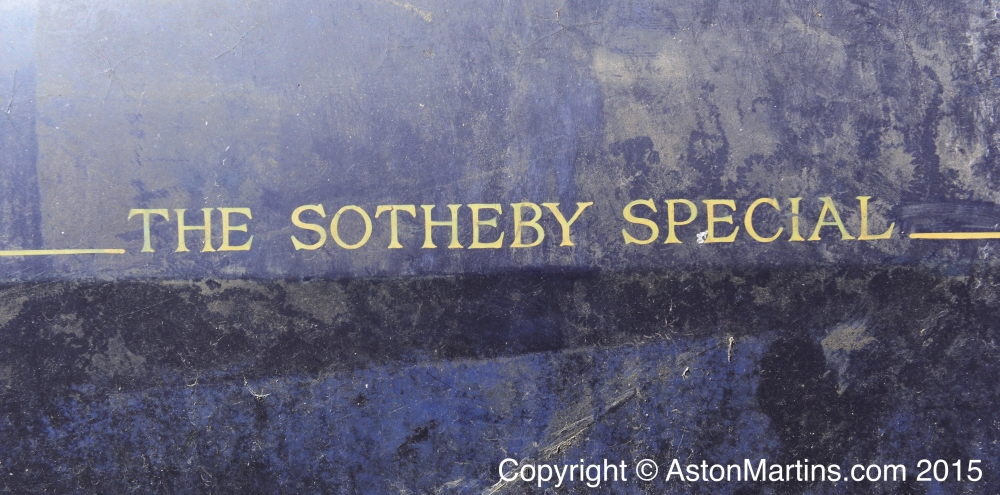
DBS V8 by Ogle Design –  ‘The Sotheby Special’

The Motor Show Sotheby Special

The finished rolling concept, chassis number DBSV8/10380/R, resplendent in dark blue with exquisite gold pin striping was unveiled as a centrepiece of the  Montreal Motor Show in January 1972; a couple of months later it also appeared at the 1972 Geneva Salon. Motor Magazine must have been impressed by the car as they chose it for the cover story of their 15th January 1972 issue.

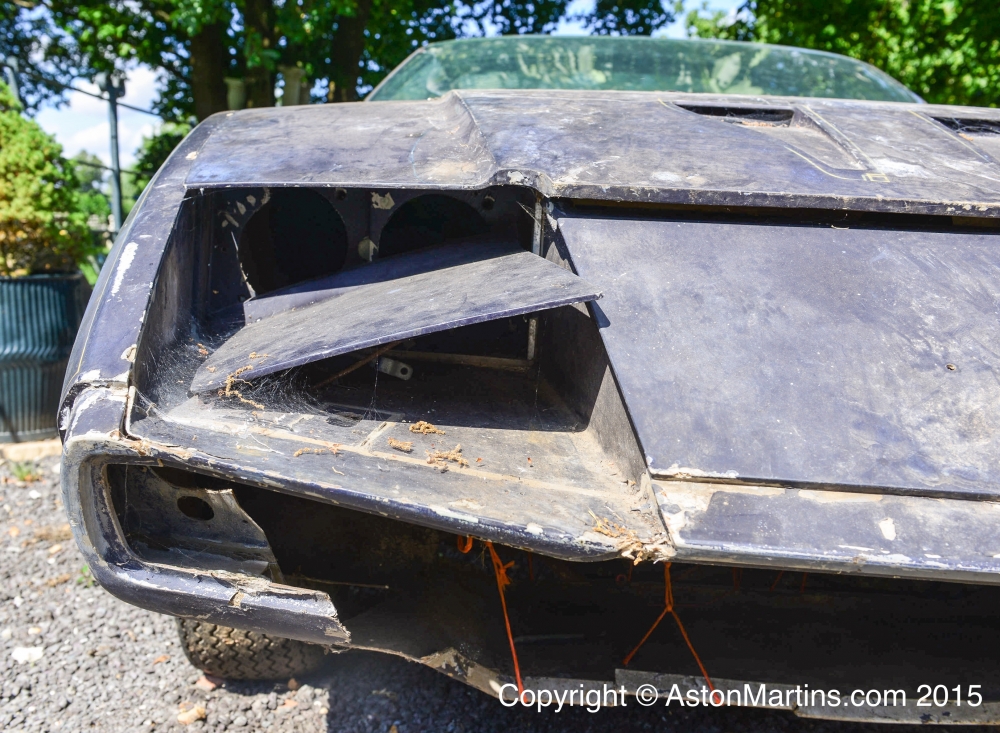
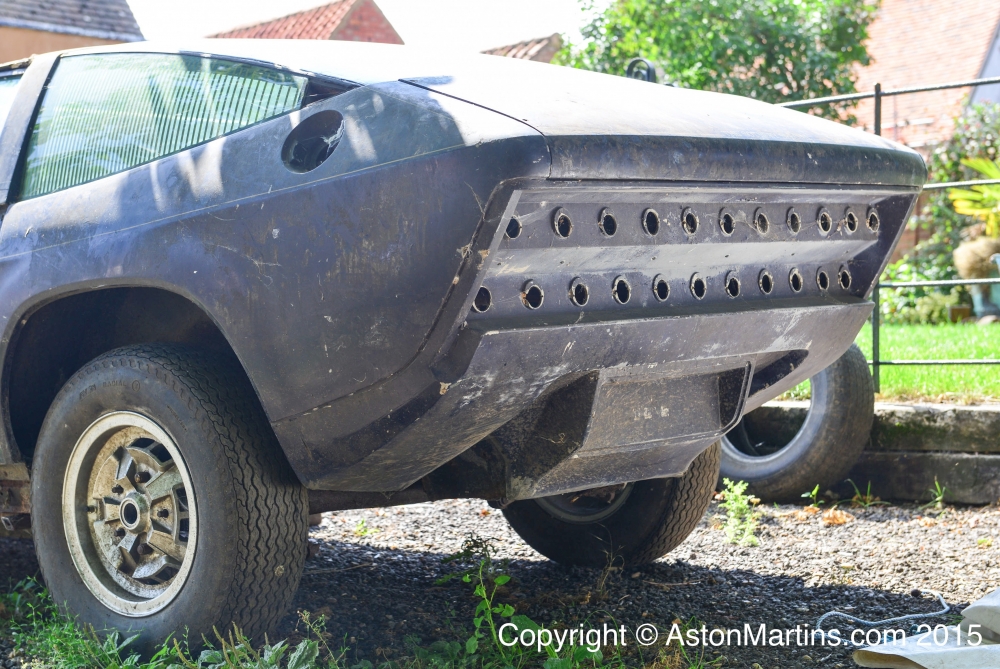
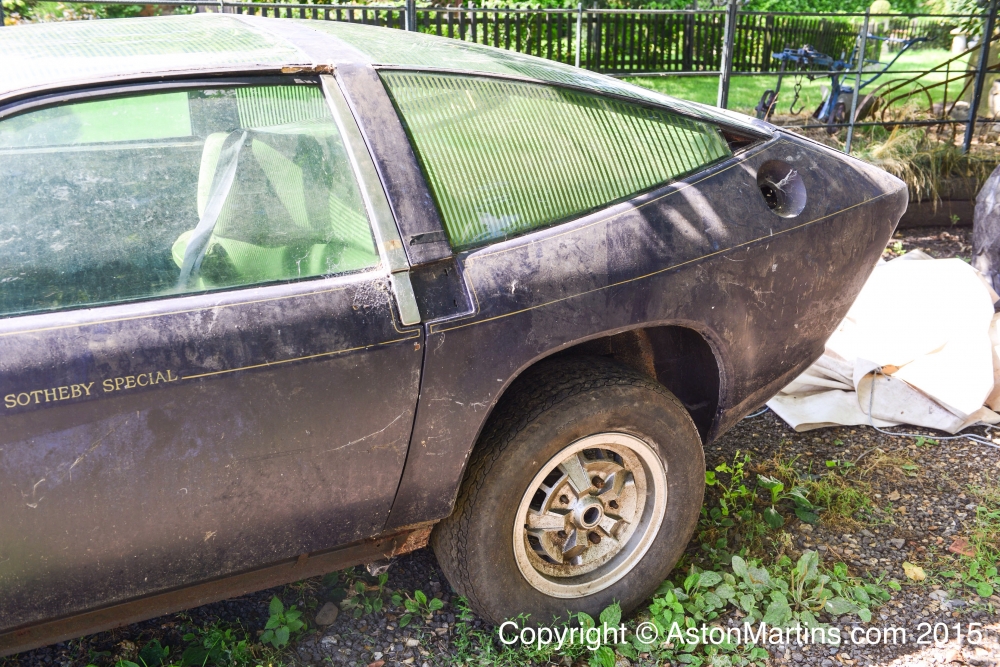
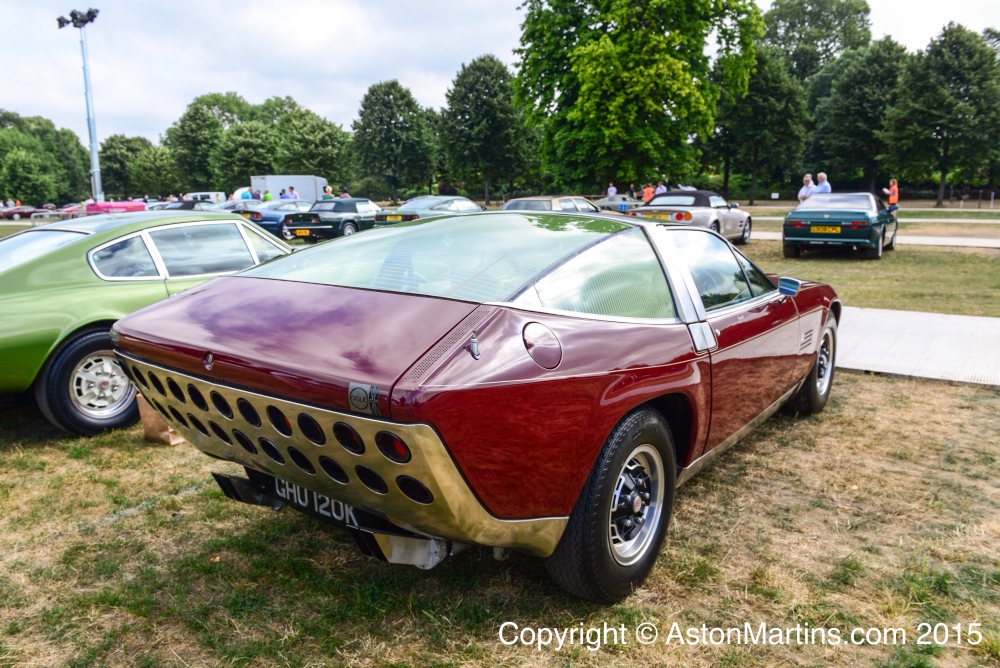
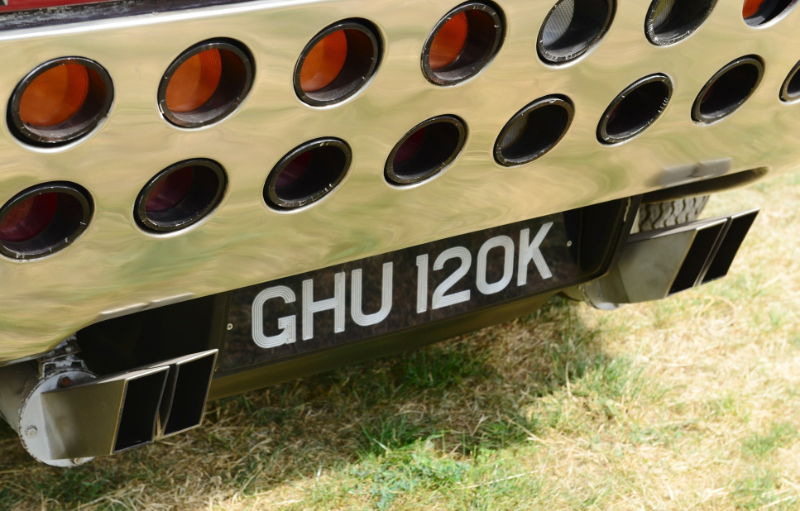
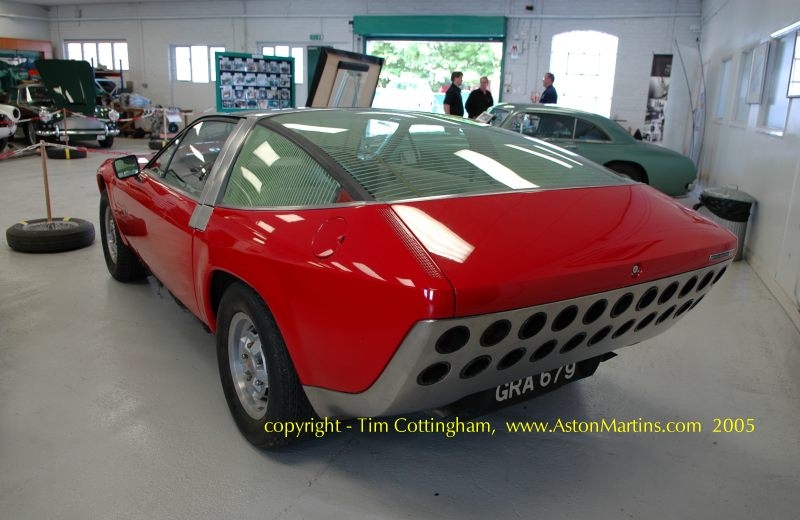
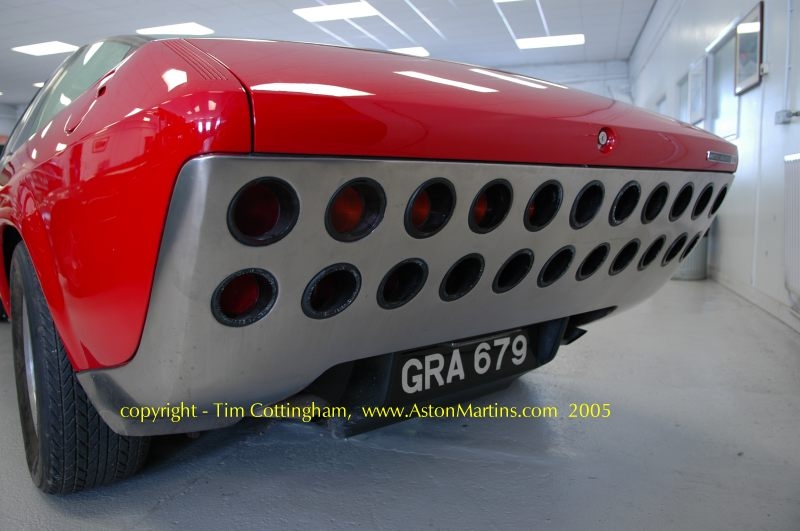
Based on a DBS V8 chassis, the bodywork was constructed from glass-fibre and above the waistline is totally formed from Perspex supported on a tubular frame of Reynolds 531 (as also used on the very best bicycle frames at the time). The rear panel was made of a single sheet of satin stainless steel with 22 holes cut into it for the rear lamps. The harder the driver braked, the more lights were illuminated. The headlamps are hidden by a pair of pneumatically operated panels that drop down when the lamps are in use. Also of note is that the car has a single sideways rear seat which must make the Ogle the only post war three seater Aston Martin.

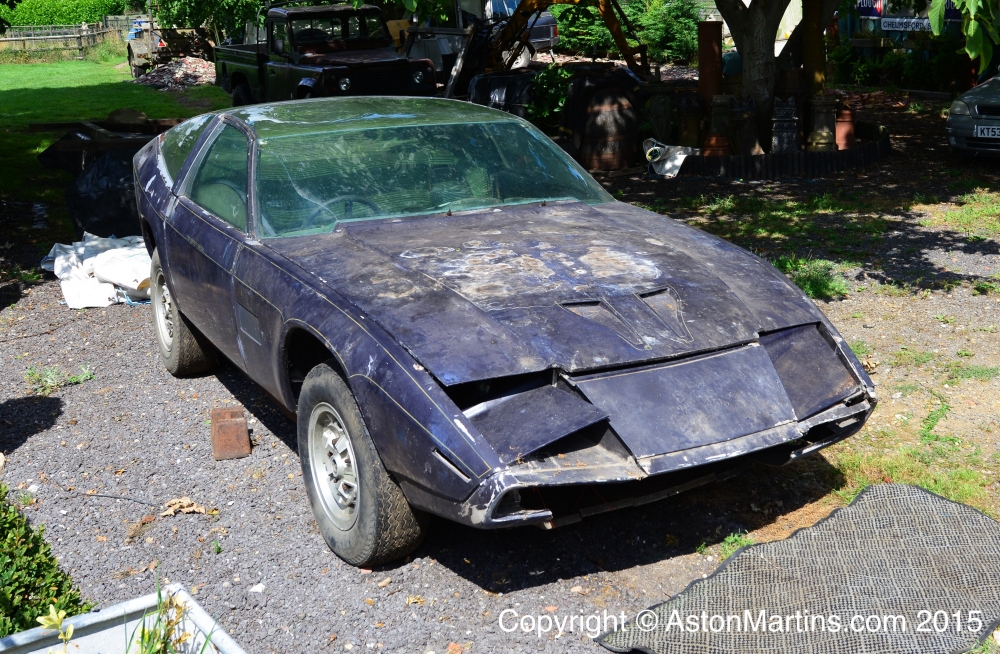
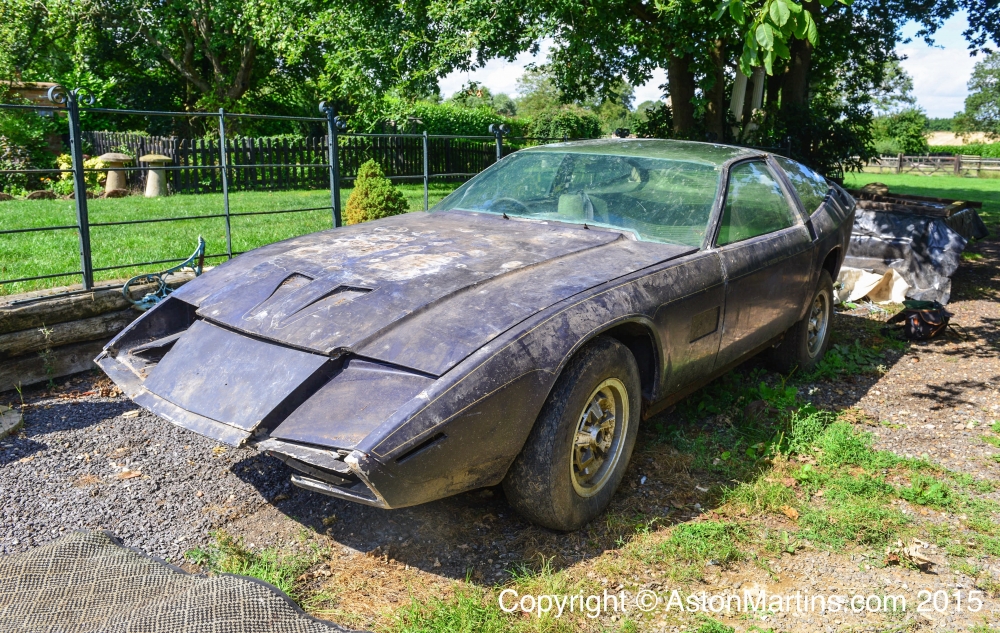
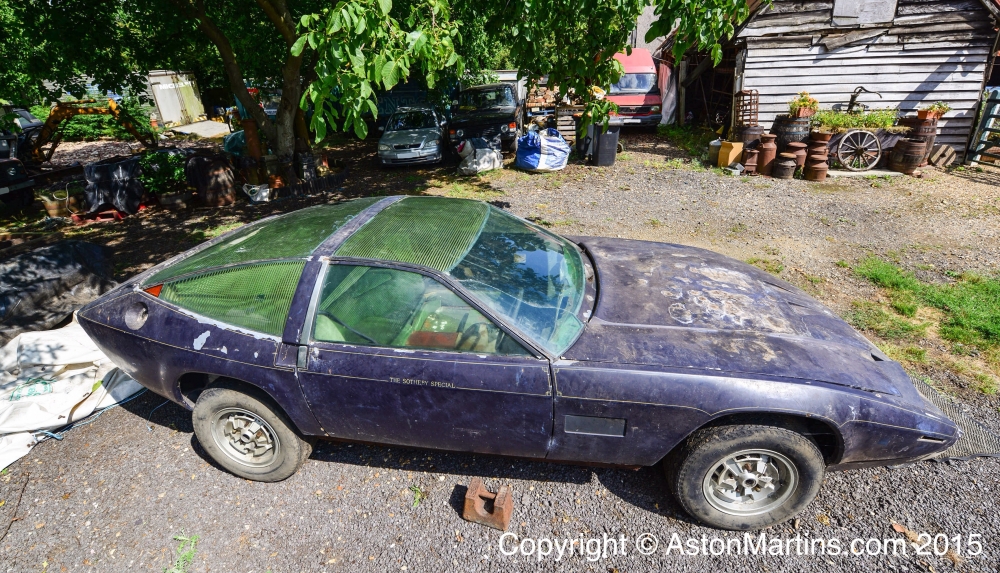
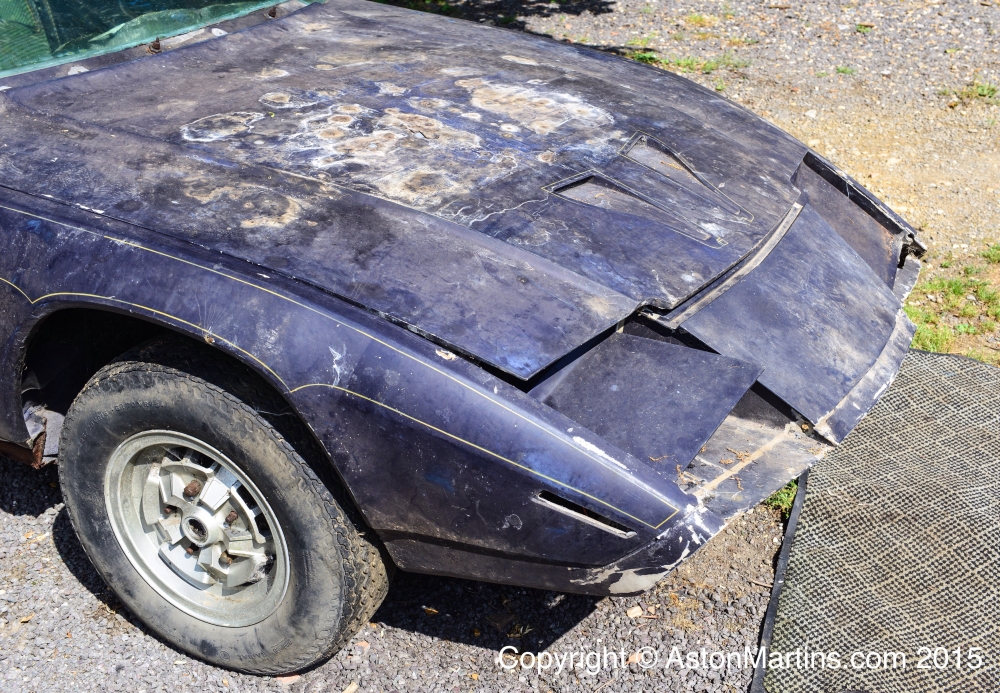
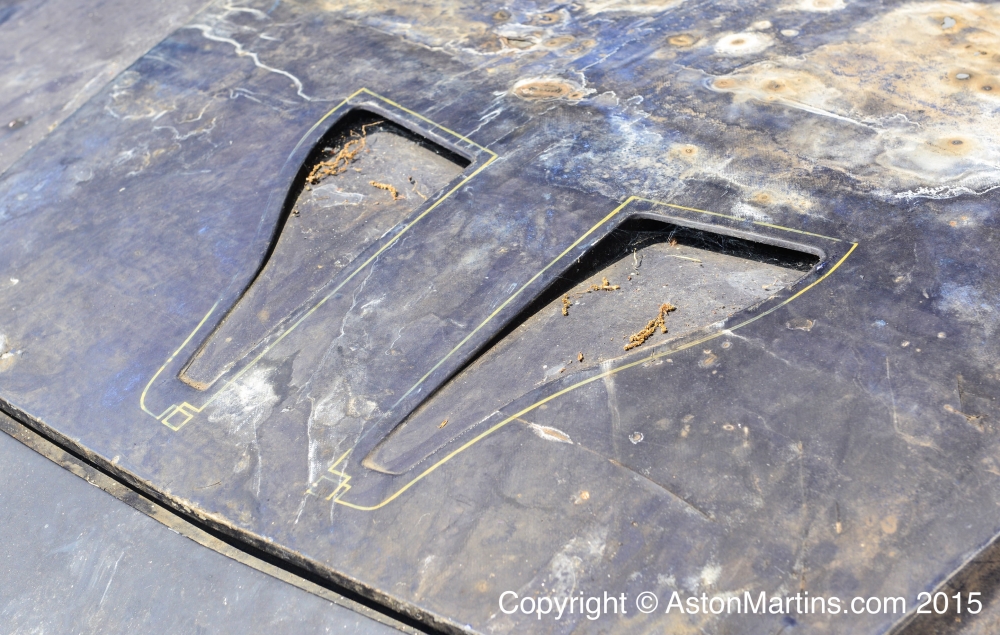
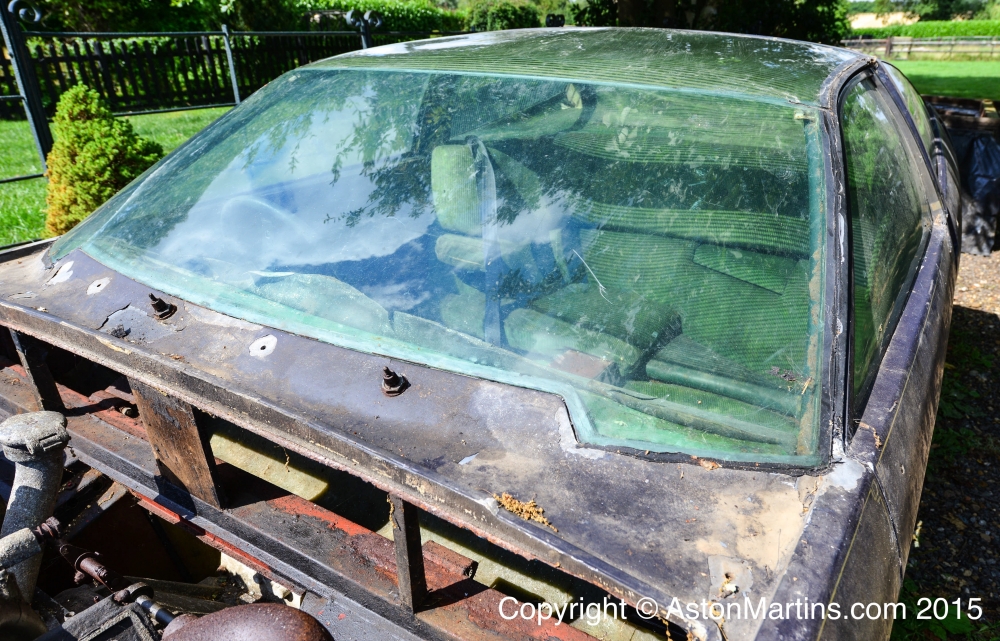
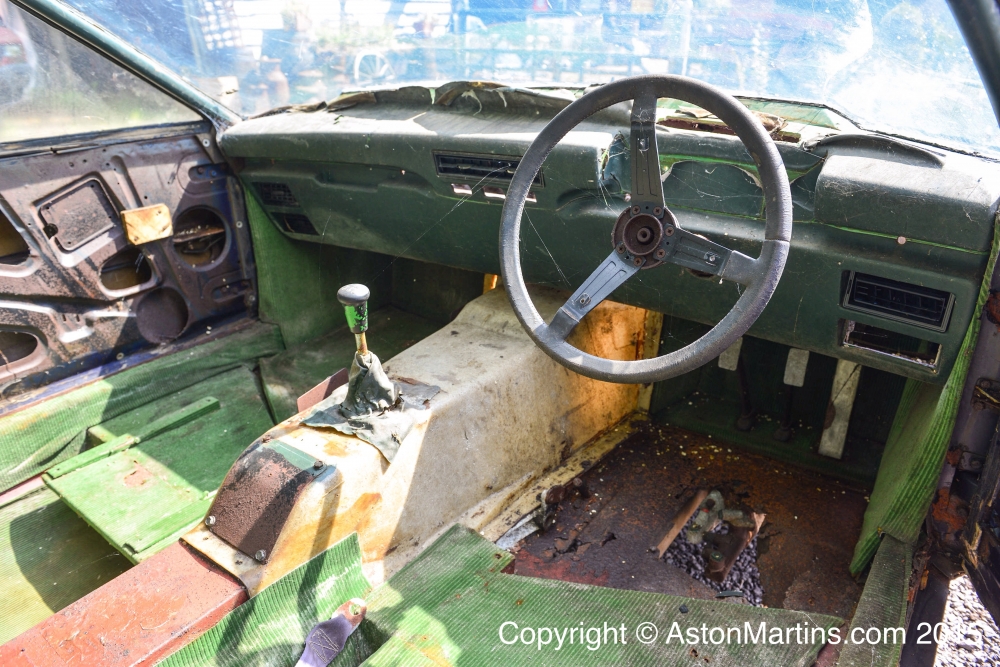
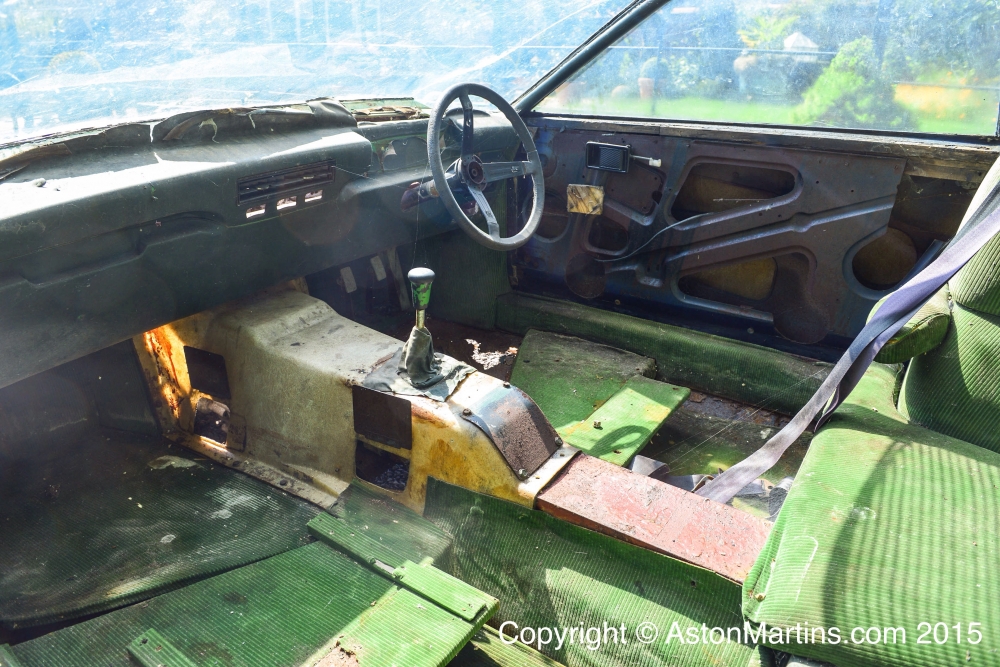
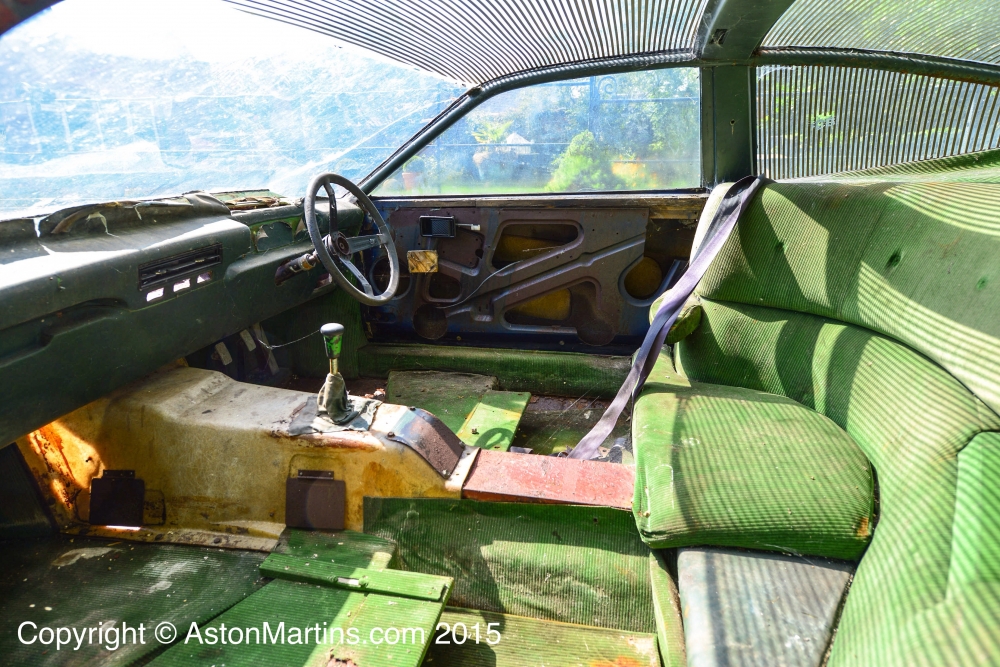
The original ‘Sotheby Special’ motor show car was partially stripped for parts and put into store; never road-registered, it has been hidden from view for over 40 years. We have been very privileged to see and photograph this car with the kind permission of the owner.

The fibre-glass coachwork is in incredibly good condition; far thicker and more rigid than expected. The period 1970’s green corduroy interior has lasted well and could easily be saved only needing a light clean. But the jewel in the crown is the 1969 vintage prototype 5,340 cc V8 engine together with it’s correct 5 speed ZF manual gearbox.

The Road going Sotheby Special

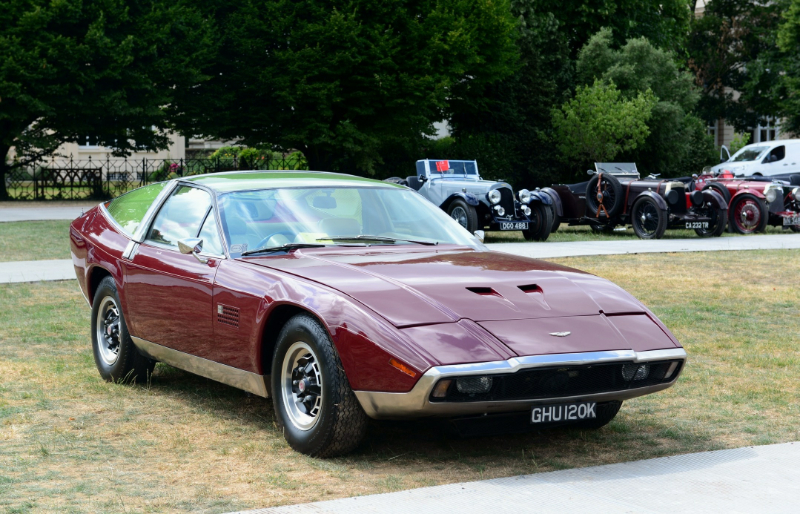
Aston Martin also provided Ogle a second chassis, DBSV8/10381/RC, which did became a fully finished road car in May 1972, also painted in the same dark blue and gold ‘Sotheby’  colours. The car toured the country to promote the brand but ‘Sotheby’ Cigarettes failed to take off and by the following year, the car was repainted in the Imperial Tobacco ‘Embassy’ cigarette brand colours of white with a logo of red triangles. During this time, it was not unusual to see the car at top race meetings as Imperial Tobacco were a major sponsor of the ill fated Embassy Hill Formula 1 racing team.

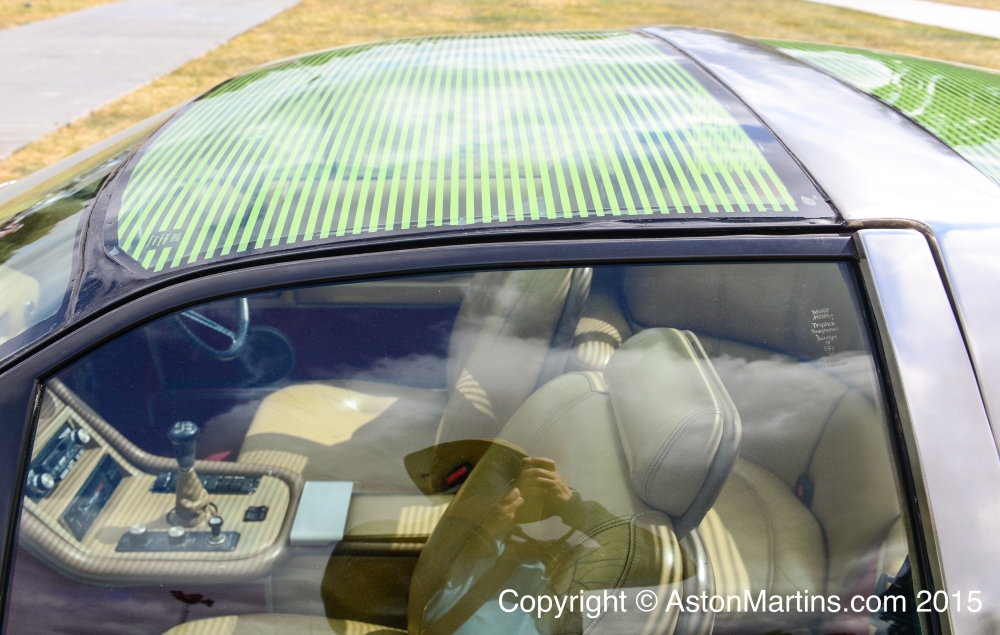
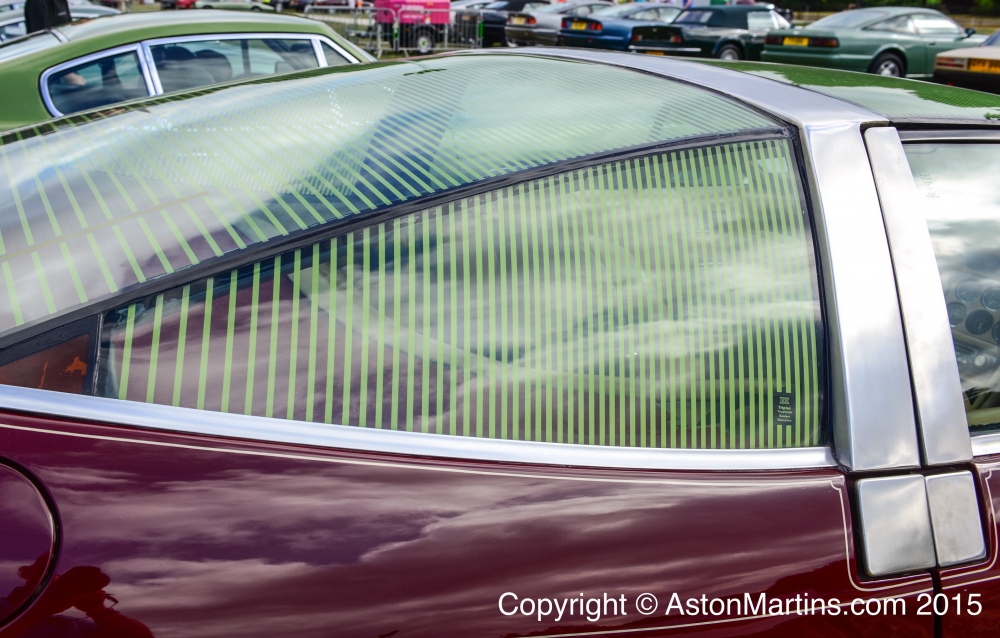
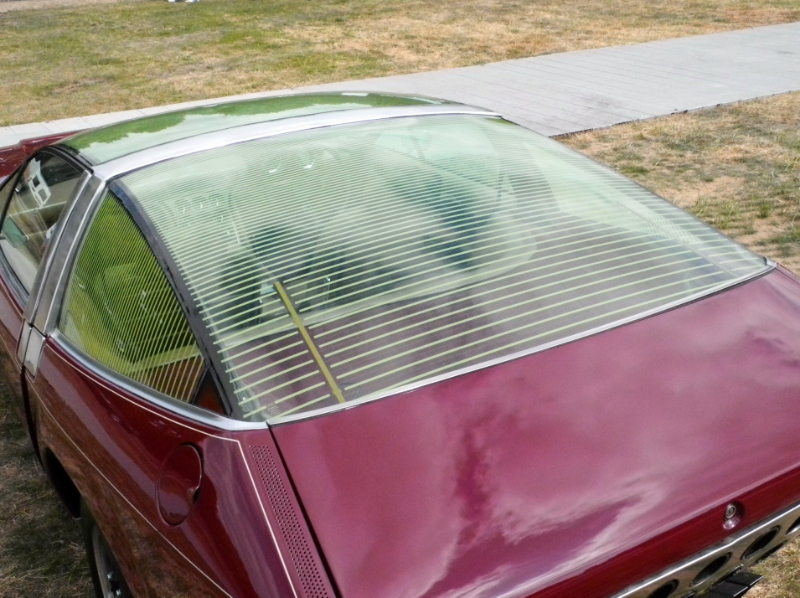
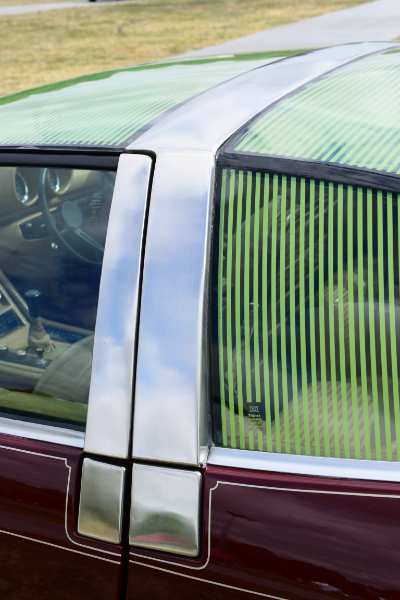
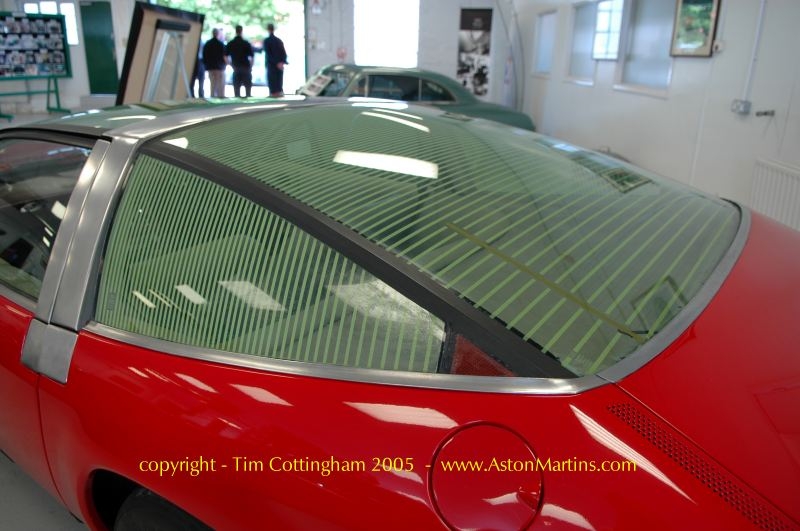
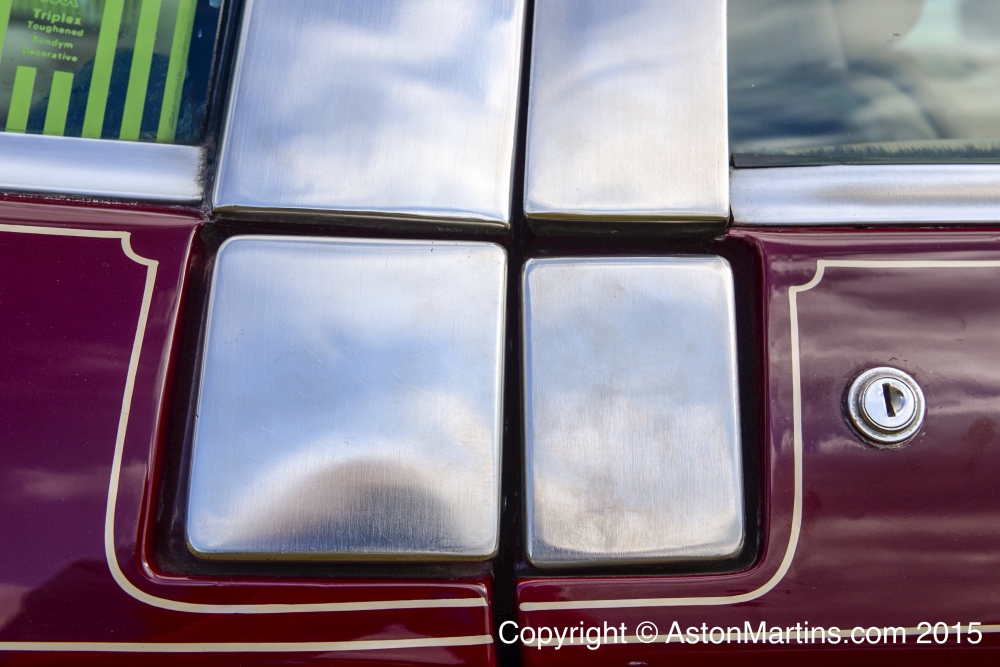
The road car has many detail differences to the show car – most noticeably is that it has its windscreen, side and rear windows are Triplex glass with it’s special lined coating to reduce glare from the sun.

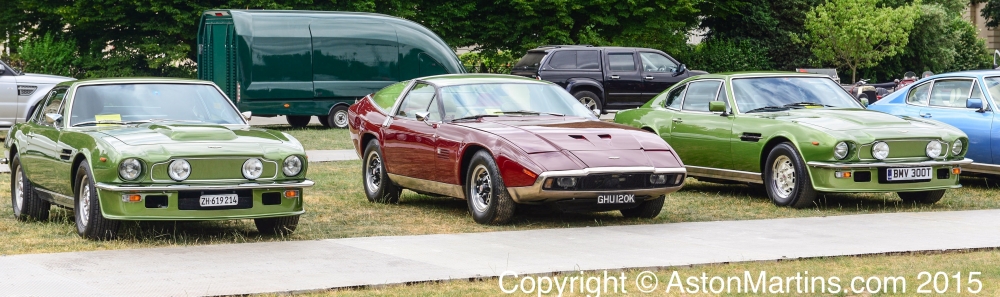
The ‘Sotheby Special’ road car, GHU120K,  has proved very elusive to me but was seen in public for the first time in many years in the timeline for Aston Martin Centenary Celebration at Kensington Palace in July 2013. It is held in a private collection in the UK.

The ‘replica’ 3rd Ogle

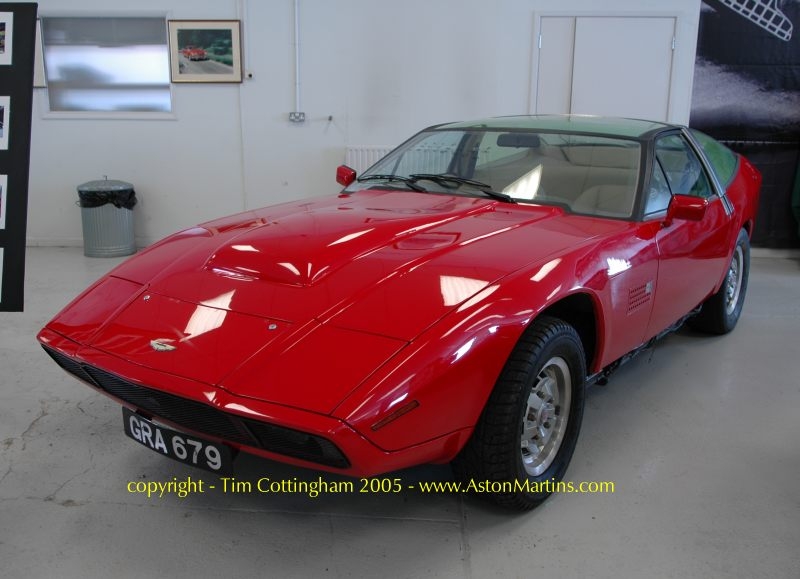
Following an appearance on the BBC TV programme, Tomorrows World, a wealthy lady was determined to own an Aston Martin Ogle of her own and, after much persuasion, she was able to obtain an AMV8 rolling chassis from AML and convinced Ogle to build a 3rd car. GRA679 was reputed to have cost £28,750 when the standard car was priced at only £8,749. This particular car, the only one of the three built with an automatic gearbox (pictured below) has had the original fuel injection system removed and replaced with Weber carburettors. This has necessitated a bonnet bulge to give the extra height which would not have been there when the car was first shown. The car is featured in the sales catalogue for the Christies auction at Retromobile, 12th February 2005 and is now part of a private collection overseas. The images below showing  GRA679, were taken in June 2005 at the Aston Martin Restoration Centre in Newport Pagnell.

The problem with a car such as the Ogle that so closely follows fashion, is that it can start to look outdated very quickly – and I’m afraid that it does look very ’70’s’. Opinion has been that the Ogle was a lighter and faster car than the standard DBS V8 by having a fibreglass body although figures from the promotional literature show the Ogle to be actually a little heavier. Still the best car car ever conceived and built in Letchworth.

Back in 1965, Ogle Design was also responsible for design concept interior on a single DB5. Other cars of note also designed by Tom Karen are the Reliant Scimitar GTE and the Bond Bug. Tom Karen was also responsible for the inspiration for the iconic Raleigh Chopper cycle.

AM Vantage

AM Vantage

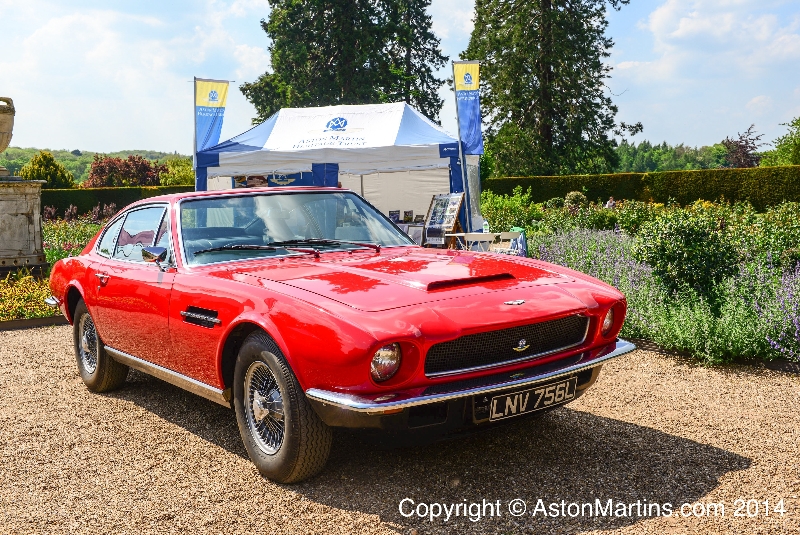
The engine of the AM Vantage is virtually identical to that of a DB5 in /SVC Vantage tune. All but the last two examples built had triple Weber carburettors and thus makes all the right noises! The final two cars were built left hand drive for export and were fitted with triple SU carburettors. Production of the car lasted for a little over a year with only 70 examples having been built, 68 with right hand drive.

What makes the AM Vantage such a great buy is that they usually sell for about a sixth the price of a DB5. Despite their rarity, the AM Vantage continues to be an excellent choice for a first time classic Aston Martin owner on a limited budget.

Above is the AM Vantage purchased by the Aston Martin Heritage Trust in early 2014. This particular car is the 2nd chassis built, number AM/6002/RA, originally painted Cricket White and used in press photographs to promote the new model.

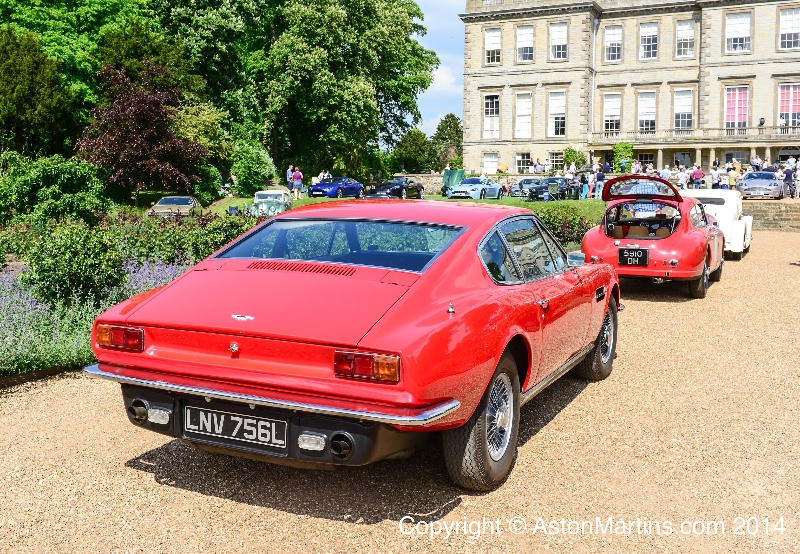
Recognition of the AM Vantage is simple – look for the twin headlamp front together with traditional wire wheels; the last Aston Martin so to be fitted.

How to identify the 6 cylinder AM Vantage

How to identify the 6 cylinder AM Vantage

V8 (Bosch fuel injection)

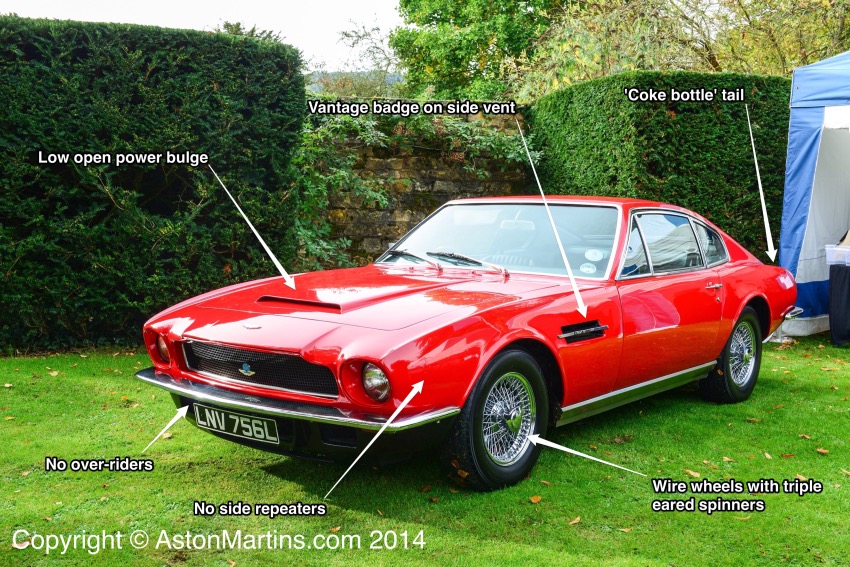
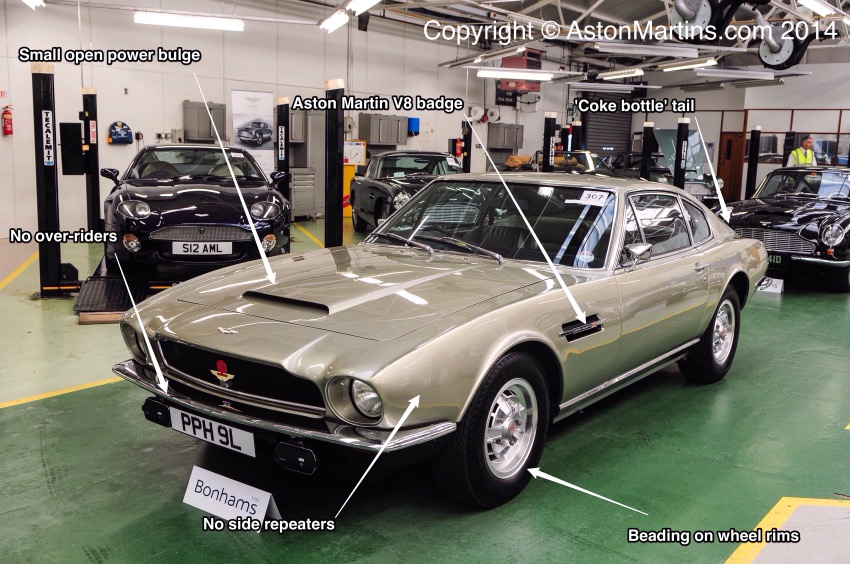
The AMOC once designated the Bosch f.i V8’s as Series 2, but recently this description has been quietly dropped as it was never used by the factory. The production run of only 288 examples were made between April 1972 and July 1973. AM V8’s built after this time used Weber carburettors and feature larger bonnet scoops.

The V8 engine retained the Bosch fuel injection system from the DBS V8 which accounts for the sophisticated plumbing evident in this photograph. Power output from this engine was quoted as 310-320 bhp with 360 lb/ft of torque. Initially the Bosch mechanical fuel injection was found to be troublesome which has lowered the desirability of the DBSV8 and V8 series 2. This is a pity as the fuel injected cars are the most powerful of the standard V8’s, only eclipsed by the later V8 Vantage; top speed of around 160 mph and zero to 60 mph in under 6 seconds with manual transmission.

Almost all were built for the British market with right hand drive. Left hand drive cars for export are very rare and are often fitted with the less powerful /EE emission control engines. Non at all were sold in the USA as they did not conform to the increasingly strict smog controls.

For easy recognition of the Bosch f.i. cars, the air intake on the bonnet is open and lower in height than the later cars which were fitted with Weber carburettors. Also the panel below the rear window has horizontal louvers cut in to it – later cars have a flat panel with a small rear lip. Cars which feature additional Cibie driving lamps and Vantage style air dams and flip-tails are a non-standard modifications added sometimes many years after the cars were first built.

Something of note – the earliest examples of AMV8’s were fitted with badges with the words ‘David Brown’ and ‘DBS V8’. These were only fitted to use up the badges supply and are were not actually built under Sir David Brown’s ownership of AML Despite the badging, they are not actually DBS V8s at all. Also the Japanese market cars retained the ‘DBSV8’ prefix to the chassis number to ease importation. These cars are not DBS V8 either as Aston Martin was not licenced to use the initials, ‘DB’, which were owned by the David Brown Corporation.

How to identify the AM V8 Bosch fuel injection (AMOC Series 2)

How to identify the AM V8 Bosch fuel injection (AMOC Series 2)

DBS V8 Convertible by Banham

Don’t be fooled by the wire wheels on this silver car, it is in actual fact one of the DBS V8 conversions.

There is no firm figure as to how many DBS V8 were converted by Banham although at least four are known to exist as are another three six cylinder DBS’s.

For more information try dbsvantage.com.

DBSZ Concept

DBSZ Concept

Generally speaking, the dimensions of the DBZ are extremely close to those of the original. Although the track is wider than the DB4, by using standard DBS wheel offsets the actual width of the DBSZ concept is less than 5 centimetres greater than most of the originals. Height and length remain almost identical and at a weight of 1420kg, it falls between standard DB4 and DB5 models on the scales.

With the wider track and DeDion rear suspension straight from the DBS, the DBSZ concept’s handling characteristics are improved over the original. Structurally the suspension points on the front and rear subframes are unchanged but sill sections are re-profiled to suit the evocative bodywork’s slimmer profile. The steel superstructure is then clothed in alloy panelling in the traditional manner.
The DBSZ concept is powered by an uprated version of the 4-litre 6 cylinder Aston Martin Vantage engine with DB4 GT specification pistons and camshafts and coupled to a 5-speed synchromesh manual gearbox. A choice of either automatic or 5-speed manual transmissions can be offered. Other standard features include power disc brakes, steering and windows. Optional items comprise Borrani wire wheels, air conditioning and seats tailored to individual requirements.

But what is really exciting AM enthusiasts is that AMD can build you a DBSZ on a DBSV8 or similar V8 platform. Together with an engine uprated to X-park or beyond, the DBSZ V8 would be a genuine supercar with classical coachwork.

The DBSZ is built in Australia by AMD and is available strictly to order through Brooklands Classic Cars.

Thanks to Brooklands Classic Cars for the use of the photographs and assistance with the text

MP230 V8 Lagonda prototype

The prototype car was built as a luxury saloon for the personal use of the Sir David Brown during 1969 and despite the wire wheels, was originally fitted with a 5 litre prototype of the V8 engine (now replaced by a production 5.3 litre). GKN Alloy wheels and ventilated disc brakes were a later addition. The car was painted in Sir David’s personal colour of Roman Purple and was upholstered in period red coloured velour.  Subsequently the Lagonda been repainted dark blue and the velour replaced by more traditional leather.

The V8 Lagonda remains unique. The production version of the car was not offered for sale until 1974 with the introduction of the rare V8 Lagonda.
« Newer PostsOlder Posts »